Building Blocks
Subcategories of "Building Blocks"
- Boronic Acids & Boronic Acid Derivatives(5,784 products)
- Chiral Building Blocks(1,244 products)
- Hydrocarbon Building Blocks(6,105 products)
- Organic Building Blocks(61,070 products)
Found 205437 products of "Building Blocks"
2-[(4-Methyl-1,3-thiazol-2-yl)methyl]pyridine dihydrochloride
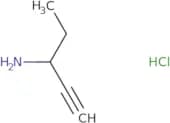
CAS:Versatile small molecule scaffoldFormula:C10H12Cl2N2SPurity:Min. 95%Molecular weight:263.19 g/molPent-1-yn-3-amine hydrochloride
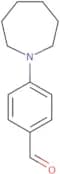
CAS:Versatile small molecule scaffoldFormula:C5H10ClNPurity:Min. 95%Molecular weight:119.59 g/mol4-(Azepan-1-yl)benzaldehyde
CAS:Versatile small molecule scaffoldFormula:C13H17NOPurity:Min. 95%Molecular weight:203.28 g/molDiethyl({2-[(2-methylpropyl)amino]ethyl})amine
CAS:Versatile small molecule scaffoldFormula:C10H24N2Purity:Min. 95%Molecular weight:172.31 g/mol3-Bromo-2-hydroxy-5-methoxybenzenecarbaldehyde
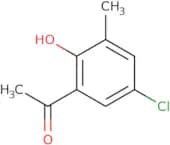
CAS:3-Bromo-2-hydroxy-5-methoxybenzenecarbaldehyde is an organic compound with the chemical formula of CHBrOH. It has an acidic character and a melting point of -220°C. This compound is used in diagnostic tests for HIV infection and inflammatory bowel disease. The hydroxyl group at the 3 position of the molecule makes this compound reactive, leading to its use as a catalyst in polymerization reactions. 3-Bromo-2-hydroxy-5-methoxybenzenecarbaldehyde also has protease activity, which may be due to the presence of nitrogen atoms on its structure.Formula:C8H7BrO3Purity:Min. 95%Molecular weight:231.05 g/mol1-(5-Chloro-2-hydroxy-3-methylphenyl)ethan-1-one
CAS:Versatile small molecule scaffoldFormula:C9H9ClO2Purity:Min. 95%Molecular weight:184.62 g/mol6-(Methylamino)hexan-1-ol
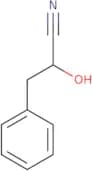
CAS:Versatile small molecule scaffoldFormula:C7H17NOPurity:Min. 95%Molecular weight:131.22 g/mol2-Hydroxy-3-phenylpropanenitrile
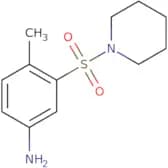
CAS:2-Hydroxy-3-phenylpropanenitrile is a mesenteric extract that has been shown to have an inhibitory effect on the growth of bacteria. It is a chemical compound that is found in biological samples such as human liver, kidney, and lung. 2-Hydroxy-3-phenylpropanenitrile contains a phenyl group and a hydroxy group, which are important for its biochemical properties. It is also used as a carbon source in chemical reactions. The bacterial strain that has been studied with this compound is mesenteroides. This organism was grown in hydrolyzable media containing mandelonitrile and malonic acid, and 2-hydroxypropane nitrile was removed from the culture medium by acidic hydrolysis. This extract showed an inhibitory effect on the growth of the bacterial strainFormula:C9H9NOPurity:Min. 95%Molecular weight:147.17 g/mol4-Methyl-3-(piperidine-1-sulfonyl)-phenylamine
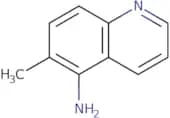
CAS:Versatile small molecule scaffoldFormula:C12H18N2O2SPurity:Min. 95%Molecular weight:254.35 g/mol6-Methyl-5-quinolinamine
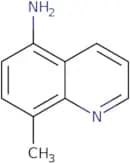
CAS:6-Methyl-5-quinolinamine (6MQ) is a cationic quinolone antibacterial that inhibits bacterial growth by binding to DNA. It has been shown to inhibit the growth of bacteria, such as Escherichia coli and Staphylococcus aureus. 6MQ binds to the DNA gyrase enzyme and prevents it from unwinding the double helix, which prevents transcription and replication. The quinoline ring in this compound also contains an amine group, which is important for its antibacterial activity. 6MQ forms hydrogen bonds with the carboxylic acid groups on the surface of bacterial cells, leading to cell death. 6MQ can be synthesized by reacting malonate with fluorine gas in order to form an intermediate molecule, which reacts with ammonia and methyl iodide in order to form a quinoline ring.Formula:C10H10N2Purity:Min. 95%Molecular weight:158.2 g/mol8-Methyl-quinolin-5-ylamine
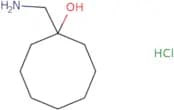
CAS:8-Methylquinolin-5-ylamine is a heterocyclic compound. It is prepared by the catalytic oxidation of paraformaldehyde, which can be produced from formaldehyde and chloral hydrate or from formaldehyde and ammonium sulfate. 8-Methylquinolin-5-ylamine has been shown to have carcinogenic activity in animal studies, although it does not seem to have carcinogenic properties in humans. The carcinogenic effect may be due to its ability to induce cancer through a number of mechanisms, including binding with DNA, inhibiting DNA repair enzymes, or causing mutations in the DNA molecule. This chemical also has the potential to cause damage by forming covalent bonds with cellular macromolecules such as proteins or nucleic acids (e.g., DNA).Formula:C10H10N2Purity:Min. 95%Molecular weight:158.2 g/mol1-(Aminomethyl)cyclooctan-1-ol hydrochloride
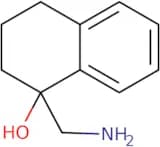
CAS:Versatile small molecule scaffoldFormula:C9H20ClNOPurity:Min. 95%Molecular weight:193.7 g/mol1-(Aminomethyl)-1,2,3,4-tetrahydronaphthalen-1-ol
CAS:Versatile small molecule scaffold
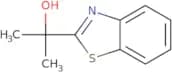
Formula:C11H15NOPurity:Min. 95%Molecular weight:177.24 g/mol2-(1,3-Benzothiazol-2-yl)propan-2-ol
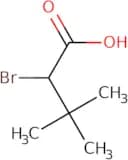
CAS:2-(1,3-Benzothiazol-2-yl)propan-2-ol is an organic perchlorate. It is a white crystalline solid that has a melting point of about 5°C and a boiling point of about 170°F. The molecular weight of 2-(1,3-Benzothiazol-2-yl)propan-2-ol is 134.19 grams/mol. This substance is not hazardous to health and can be used in the production of substances such as acylation agents, carbinols, and perchloric acid.Formula:C10H11NOSPurity:Min. 95%Molecular weight:193.27 g/mol2-Bromo-3,3-dimethylbutanoic acid
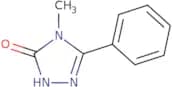
CAS:Versatile small molecule scaffoldFormula:C6H11BrO2Purity:Min. 95%Molecular weight:195.05 g/mol4-Methyl-3-phenyl-4,5-dihydro-1H-1,2,4-triazol-5-one
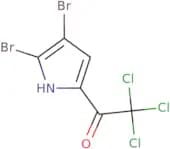
CAS:Versatile small molecule scaffoldFormula:C9H9N3OPurity:Min. 95%Molecular weight:175.19 g/mol2,2,2-Trichloro-1-(4,5-dibromo-1H-pyrrol-2-yl)-1-ethanone
CAS:Versatile small molecule scaffoldFormula:C6H2Br2Cl3NOPurity:Min. 95%Molecular weight:370.27 g/mol2-(Dimethylamino)-4-phenyl-1,3-thiazole-5-carbaldehyde
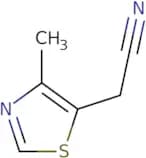
CAS:Versatile small molecule scaffoldFormula:C12H12N2OSPurity:Min. 95%Molecular weight:232.3 g/mol2-(4-Methyl-1,3-thiazol-5-yl)acetonitrile
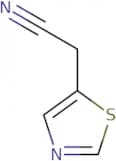
CAS:Versatile small molecule scaffoldFormula:C6H6N2SPurity:Min. 95%Molecular weight:138.19 g/mol2-(1,3-Thiazol-5-yl)acetonitrile
CAS:Versatile small molecule scaffold
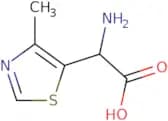
Formula:C5H4N2SPurity:Min. 95%Molecular weight:124.17 g/mol2-Amino-2-(4-methyl-1,3-thiazol-5-yl)acetic acid
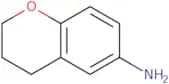
CAS:Versatile small molecule scaffoldFormula:C6H8N2O2SPurity:Min. 95%Molecular weight:172.21 g/mol3,4-dihydro-2H-1-benzopyran-6-amine
CAS:3,4-dihydro-2H-1-benzopyran-6-amine is an olefinic, reactive chemical that is used as an excipient in the preparation of polyenes. It can be used as a reactant to form heterocycles and unsaturated fatty acids. 3,4-dihydro-2H-1-benzopyran-6-amine has been shown to inhibit platelet aggregation and has been used as a ligand for the study of chemical reactions. This drug also has a wittig reaction with amido compounds to form hydrocarbon groups.
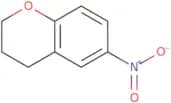
Formula:C9H11NOPurity:Min. 95%Molecular weight:149.19 g/mol6-Nitro-3,4-dihydro-2H-1-benzopyran
CAS:Ai Product Descriptions 50 CreativeFormula:C9H9NO3Purity:Min. 95%Molecular weight:179.17 g/mol7-Nitro-3,4-dihydro-2H-chromen-6-ylamine
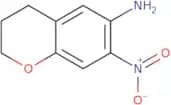
CAS:Versatile small molecule scaffoldFormula:C9H10N2O3Purity:Min. 95%Molecular weight:194.19 g/molMethyl 5,5-Dimethyl-2-oxocyclohexanecarboxylate
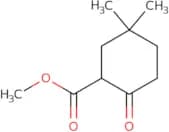
CAS:Versatile small molecule scaffoldFormula:C10H16O3Purity:Min. 95%Molecular weight:184.23 g/mol2,2-Dimethyl-1-m-tolylpropan-1-one
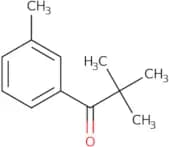
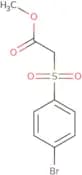
CAS:Versatile small molecule scaffoldFormula:C12H16OPurity:Min. 95%Molecular weight:176.26 g/molMethyl 2-(4-bromobenzenesulfonyl)acetate
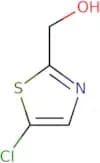
CAS:Versatile small molecule scaffoldFormula:C9H9BrO4SPurity:Min. 95%Molecular weight:293.14 g/mol(5-Chloro-1,3-thiazol-2-yl)methanol
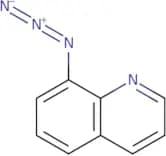
CAS:Versatile small molecule scaffoldFormula:C4H4NOSClPurity:Min. 95%Molecular weight:149.59 g/mol8-Azidoquinoline
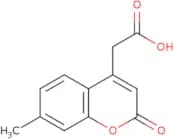
CAS:8-Azidoquinoline is a chemical compound that belongs to the class of x-ray crystal structures. It has been shown to have cytotoxic effects on kidney cells in culture. 8-Azidoquinoline can be used as a precursor for the synthesis of other derivatives that are useful in cancer research, such as 8-azidopurine and 8-azidoadenosine. This chemical can also be used for cross-coupling reactions with amines, which isomerizes the ring and opens it for further reactions. The isomers of this molecule are formed by the replacement of one or more hydrogen atoms with an azide group.Formula:C9H6N4Purity:Min. 95%Molecular weight:170.17 g/mol(7-Methyl-2-oxo-2H-chromen-4-yl)acetic acid
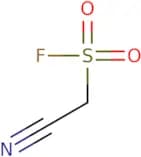
CAS:(7-Methyl-2-oxo-2H-chromen-4-yl)acetic acid is a coumarin derivative that is used as a fluorescent probe to study the interaction of electron donors and acceptors. This compound has been shown to have photophysical properties, such as fluorescence and photoinduced electron transfer, which can be modulated by the presence of electron donors, such as piperidine or styryl. (7-Methyl-2-oxo-2H-chromen-4-yl)acetic acid belongs to the group of ethylenic compounds with moieties that are similar to those found in coumarin and phenothiazine.Formula:C12H10O4Purity:Min. 95%Molecular weight:218.21 g/molCyanomethanesulfonyl fluoride
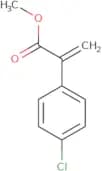
CAS:Versatile small molecule scaffoldFormula:C2H2FNO2SPurity:Min. 95%Molecular weight:123.11 g/molMethyl 2-(4-chlorophenyl)prop-2-enoate
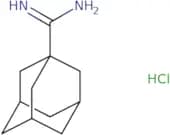
CAS:Versatile small molecule scaffoldFormula:C10H9ClO2Purity:Min. 95%Molecular weight:196.63 g/molAdamantane-1-carboxamidine hydrochloride
CAS:Versatile small molecule scaffold
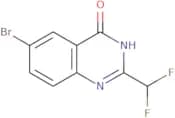
Formula:C11H19ClN2Purity:Min. 95%Molecular weight:214.73 g/mol6-Bromo-2-(difluoromethyl)-3,4-dihydroquinazolin-4-one
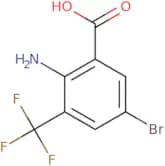
CAS:Versatile small molecule scaffoldFormula:C9H5BrF2N2OPurity:Min. 95%Molecular weight:275.05 g/mol2-Amino-5-bromo-3-(trifluoromethyl)benzoic acid
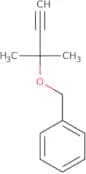
CAS:Versatile small molecule scaffoldFormula:C8H5NO2F3BrPurity:Min. 95%Molecular weight:284.03 g/mol(((2-Methylbut-3-yn-2-yl)oxy)methyl)benzene
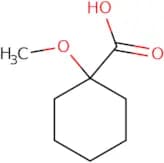
CAS:Versatile small molecule scaffoldFormula:C12H14OPurity:Min. 95%Molecular weight:174.24 g/mol1-Methoxycyclohexane-1-carboxylic acid
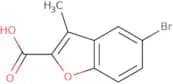
CAS:1-Methoxycyclohexane-1-carboxylic acid is a potent histone deacetylase (HDAC) inhibitor. It binds to the catalytic site of HDACs and prevents them from removing acetyl groups from lysine residues on histones, which are proteins that are important for gene expression. 1-Methoxycyclohexane-1-carboxylic acid has been shown to inhibit the proliferation of recombinant cells and chronic bronchitis in animals. This compound may also be effective against other inflammatory diseases as it inhibits prostaglandin synthesis by inhibiting cyclooxygenases and nitric oxide synthases.Formula:C8H14O3Purity:Min. 95%Molecular weight:158.19 g/mol5-bromo-3-methyl-1-benzofuran-2-carboxylic acid
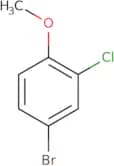
CAS:Versatile small molecule scaffoldFormula:C10H7BrO3Purity:Min. 95%Molecular weight:255.1 g/mol4-Bromo-2-chloro-1-methoxybenzene
CAS:4-Bromo-2-chloro-1-methoxybenzene is a chemical that has been shown to inhibit the growth of fungi through several different pathways. It inhibits the production of the polychlorinated phenols, chlorpyrifos, and paraoxon in humans. In addition, 4-bromo-2-chloro-1-methoxybenzene can potentially be used as an anti-fungal agent against Aspergillus and other fungus.Formula:C7H6BrClOPurity:Min. 95%Molecular weight:221.48 g/molMethyl 3-methylpent-2-enoate
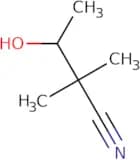
CAS:Methyl 3-methylpent-2-enoate is an organic compound. It is used in the preparation of flavorings, fragrances, and pharmaceuticals. It also has a number of practical applications in the food industry, such as as a flavoring agent for salad dressings, mayonnaise, and soups. Methyl 3-methylpent-2-enoate can be prepared by the reaction of isoeugenol with methanol and sodium methoxide in an aqueous solution at room temperature. The methyl ester is then hydrolyzed with hydrochloric acid to produce methyl 3-methylpentanoate which can be purified by distillation and recrystallized from ethanol.Formula:C7H12O2Purity:Min. 95%Molecular weight:128.17 g/mol3-Hydroxy-2,2-dimethylbutanenitrile
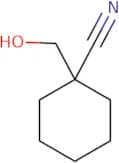
CAS:Versatile small molecule scaffoldFormula:C6H11NOPurity:Min. 95%Molecular weight:113.16 g/mol1-(Hydroxymethyl)cyclohexane-1-carbonitrile
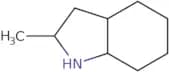
CAS:Versatile small molecule scaffoldFormula:C8H13NOPurity:Min. 95%Molecular weight:139.19 g/mol2-Methyl-octahydro-1H-indole
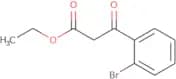
CAS:Versatile small molecule scaffoldFormula:C9H17NPurity:Min. 95%Molecular weight:139.24 g/molethyl 3-(2-bromophenyl)-3-oxopropanoate
CAS:Ethyl 3-(2-bromophenyl)-3-oxopropanoate is an ester that has been synthesized by condensation and transesterification of ethyl diazoacetate with benzylic alcohols. Zeolites have been used as catalysts in the synthesis of this compound. The yields obtained were 74%.
Formula:C11H11BrO3Purity:Min. 95%Molecular weight:271.11 g/mol4-Bromo-1-napthaldehyde
CAS:4-Bromo-1-napthaldehyde is a chemical compound that belongs to the group of formyl compounds. It has a formyl group, which can be easily alkylated. 4-Bromo-1-napthaldehyde has been used in the industrial preparation of pharmaceuticals and agrochemicals as well as in the synthesis of other compounds. This molecule can be synthesized by reacting formic acid with bromine and sodium hydroxide. In some cases, this reaction may require heating at higher temperatures or using more than one equivalent of sodium hydroxide. The efficiency and reaction time depend on the technique used to perform the synthesis, such as Grignard reagent or hybridization.Formula:C11H7BrOPurity:Min. 95%Molecular weight:235.08 g/mol(2,2-Dimethyltetrahydro-2H-pyran-4-yl)methanol
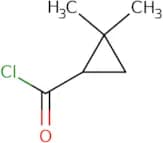
CAS:Versatile small molecule scaffoldFormula:C8H16O2Purity:Min. 95%Molecular weight:144.21 g/mol2,2-Dimethylcyclopropane-1-carbonyl chloride
CAS:2,2-Dimethylcyclopropane-1-carbonyl chloride is a diastereomeric mixture of two diastereoisomers. It is soluble in chloroform and diethyl ether and crystallizes from acetone. 2,2-Dimethylcyclopropane-1-carbonyl chloride is used as a feedstock to produce cyhalothrin, an insecticide that acts by contact. The insecticide is made by esterification of the 2,2-dimethylcyclopropane-1-carbonyl chloride with 3-phenoxybenzaldehyde and then chlorination of the ester.
A mixture of two diastereoisomers can be separated using chromatography techniques such as gas chromatography or high performance liquid chromatography (HPLC). In this case it would be possible to use HPLC to separate the two diastereoisomers.Formula:C6H9ClOPurity:Min. 95%Molecular weight:132.59 g/molN'-(2-Chloroacetyl)benzohydrazide
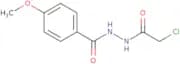
CAS:Versatile small molecule scaffoldFormula:C9H9ClN2O2Purity:Min. 95%Molecular weight:212.63 g/molN'-(2-Chloroacetyl)-4-methoxybenzohydrazide
CAS:Versatile small molecule scaffold
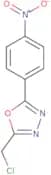
Formula:C10H11ClN2O3Purity:Min. 95%Molecular weight:242.66 g/mol2-(Chloromethyl)-5-(4-nitrophenyl)-1,3,4-oxadiazole
CAS:Versatile small molecule scaffoldFormula:C9H6ClN3O3Purity:Min. 95%Molecular weight:239.62 g/mol
![2-[(4-Methyl-1,3-thiazol-2-yl)methyl]pyridine dihydrochloride](/_next/image/?url=https%3A%2Fstatic.cymitquimica.com%2Fproducts%2F3D%2Fthumb-webp%2FACA31070.webp&w=3840&q=75)

![Diethyl({2-[(2-methylpropyl)amino]ethyl})amine](/_next/image/?url=https%3A%2Fstatic.cymitquimica.com%2Fproducts%2F3D%2Fthumb-webp%2FACA34206.webp&w=3840&q=75)