Building Blocks
This section contains fundamental products for the synthesis of organic and biological compounds. Building blocks are the essential starting materials used to construct complex molecules through various chemical reactions. They play a critical role in drug discovery, material science, and chemical research. At CymitQuimica, we offer a diverse range of high-quality building blocks to support your innovative research and industrial projects, ensuring you have the essential components for successful synthesis.
Subcategories of "Building Blocks"
- Boronic Acids & Boronic Acid Derivatives(5,778 products)
- Chiral Building Blocks(1,243 products)
- Hydrocarbon Building Blocks(6,098 products)
- Organic Building Blocks(61,057 products)
Found 200716 products of "Building Blocks"
Sort by
Purity (%)
0
100
|
0
|
50
|
90
|
95
|
100
[1,2,4]Triazolo[1,5-a]pyridine-5-carboxamide
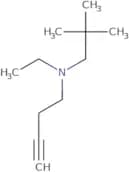
CAS:Versatile small molecule scaffoldFormula:C7H6N4OPurity:Min. 95%Molecular weight:162.15 g/mol(But-3-yn-1-yl)(2,2-dimethylpropyl)ethylamine
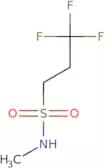
CAS:Versatile small molecule scaffoldFormula:C11H21NPurity:Min. 95%Molecular weight:167.3 g/mol3,3,3-Trifluoro-N-methylpropane-1-sulfonamide
CAS:Versatile small molecule scaffoldFormula:C4H8F3NO2SPurity:Min. 95%Molecular weight:191.17 g/mol2-[1-(Hydroxymethyl)cyclopropyl]-N,N-dimethylacetamide
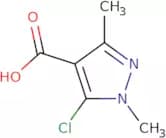
CAS:Versatile small molecule scaffoldFormula:C8H15NO2Purity:Min. 95%Molecular weight:157.2 g/mol5-Chloro-1,3-dimethyl-1H-pyrazole-4-carboxylic acid
CAS:<p>5-Chloro-1,3-dimethyl-1H-pyrazole-4-carboxylic acid (DMPC) is a reactive compound that has been shown to be optically active. DMPC is found in plants and is used as an antiseptic and germicide. It is also used as an ingredient in horticultural products. The chloro group on the DMPC molecule can react with other compounds, such as chloride ions, to form a chlorinated derivative which exhibits increased antibacterial activity. This increased antibacterial activity may be due to the fact that the chlorine atom in DMPC reacts with bacterial cell membranes, making them more permeable and leading to cell death.</p>Formula:C6H7ClN2O2Purity:Min. 95%Molecular weight:174.59 g/molMethyl 5-chloro-1,3-dimethyl-1H-pyrazole-4-carboxylate
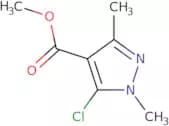
CAS:Versatile small molecule scaffoldFormula:C7H9ClN2O2Purity:Min. 95%Molecular weight:188.61 g/mol4-(1H-Indol-3-yl)pyrrolidin-2-one
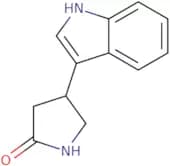
CAS:<p>Versatile small molecule scaffold</p>Formula:C12H12N2OPurity:Min. 95%Molecular weight:200.24 g/mol5-Iso-butyl-5-methylhydantoin
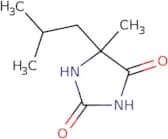
CAS:<p>5-Iso-butyl-5-methylhydantoin is an organic compound that contains a sulphonic acid group. It has the chemical formula of CH3C(O)NHCH2SO3H. 5-Iso-butyl-5-methylhydantoin is soluble in water and has a pH between 1 and 4. It can be used as a solvent for substances with high solubility, such as additives, solutions, and inorganic materials. The flow properties of 5-isobutyl-5-methylhydantoin are dependent on the binder or carbon atoms present.</p>Formula:C8H14N2O2Purity:Min. 95%Molecular weight:170.21 g/mol4-(2-Methoxy-ethoxy)-benzoic acid
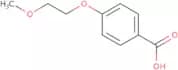
CAS:<p>Versatile small molecule scaffold</p>Formula:C10H12O4Purity:Min. 95%Molecular weight:196.2 g/mol(3,3-Dimethylbicyclo[2.2.1]heptan-2-yl)methanol
CAS:Versatile small molecule scaffoldFormula:C10H18OPurity:Min. 95%Molecular weight:154.25 g/mol(2-Phenylethyl)propylamine
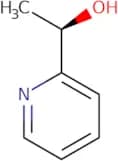
CAS:Controlled Product2-Phenylethyl)propylamine is an aminophenol that is a monosubstituted aromatic compound. 2-Phenylethyl)propylamine has been shown to be a bifunctional substrate for the cytochrome P450 enzyme and is also a receptor affinity analog of cannabinoids. The liposome formulation of 2-phenylethylamine has been shown to have an enhanced blood stability, which makes it useful for analytical toxicology as well as in pharmaceutical research. The oxidase type of 2-phenylethylamine has been shown to have inorganic particles, which may cause particle aggregation during storage.Formula:C11H17NPurity:Min. 95%Molecular weight:163.26 g/mol(R)-2-(1-Hydroxyethyl)pyridine
CAS:<p>(R)-2-(1-Hydroxyethyl)pyridine is an enantiopure compound that is used as a catalyst in the production of alcohols, carbinols and hydrocarbons. It has been shown to be a high yield preparative catalyst for catalytic asymmetric reactions. The enzyme alcohol dehydrogenase catalyses the oxidation of (R)-2-(1-hydroxyethyl)pyridine to form an intermediate that can then be oxidized by the enzyme carbinol dehydrogenase, which produces carbinols. This product has also been found to act as a vasodilator and nonselective inhibitor of phosphodiesterases 3 and 4.</p>Formula:C7H9NOPurity:Min. 95%Molecular weight:123.15 g/mol2,3-Dihydro-1-benzothiophene-2-carboxylic acid
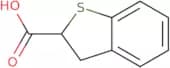
CAS:2,3-Dihydro-1-benzothiophene-2-carboxylic acid is a hydrocarbon with the molecular formula C10H8O3. It has a benzene and phenolic functional groups. The compound is quantified by gas chromatography, which can be preselected to identify specific compounds, such as hydrocarbons and aromatic hydrocarbons. The compound can also be analyzed using spectrometric techniques, such as UV/Vis spectroscopy. 2,3-Dihydro-1-benzothiophene-2-carboxylic acid is found in databases of mass spectrometry data. It can be used to determine the structure of benzylsuccinic acid and naphthalenes.Formula:C9H8O2SPurity:Min. 95%Molecular weight:180.23 g/mol4-Chloro-2-methylbenzylamine
CAS:<p>Versatile small molecule scaffold</p>Formula:C8H10ClNPurity:Min. 95%Molecular weight:155.63 g/mol5-Chloro-2-methylbenzylamine
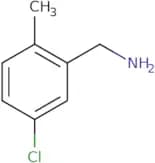
CAS:<p>5-Chloro-2-methylbenzylamine is a chemical compound that has been shown to be an effective ozone depleter. It has also been used to study the relationship between chemical structure and reactivity, as well as in regression analysis. The ionic, nucleophilic, and electron properties of 5-Chloro-2-methylbenzylamine have been studied by looking at its affinity for different metal ions. This molecule can be used in organic pollutant remediation because of its ability to catalyze the regeneration of ozonide when it is oxidized by oxygen in water. This reaction is reversible, so 5-Chloro-2-methylbenzylamine can be regenerated from the ozonide product.</p>Formula:C8H10ClNPurity:Min. 95%Molecular weight:155.63 g/mol(Iodomethyl)cyclopentane
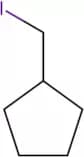
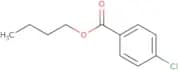
CAS:<p>(Iodomethyl)cyclopentane is a potent cytotoxic agent that inhibits the proliferation of a wide range of cells. It binds to the DNA of proliferating cells and causes cross-linking and strand breakage, which leads to cell death. This compound also has anti-inflammatory properties and can be used in hyperproliferative diseases such as cancer, as well as infectious diseases such as tuberculosis. (Iodomethyl)cyclopentane is not available for sale in its pure form, but rather in a salt form.</p>Formula:C6H11IPurity:Min. 95%Molecular weight:210.06 g/molButyl 4-chlorobenzoate
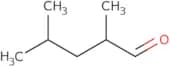
CAS:<p>Butyl 4-chlorobenzoate is an organic compound that has a radical chain mechanism of action. It is used as a photosensitizer in photodynamic therapy and can be activated by ultraviolet light. The radical species generated by this drug attacks the DNA of the bacteria, leading to cell death. One of the key steps in the process is the transfer of a hydrogen atom from butyl 4-chlorobenzoate to an electron donor, such as hydroxyanisole, followed by irradiation with light to generate radical species. Butyl 4-chlorobenzoate also inhibits bacterial growth through its ability to act as an acid and cause acidic pH changes within cells.</p>Formula:C11H13ClO2Purity:Min. 95%Molecular weight:212.67 g/mol2,4-Dimethylpentanal
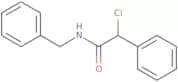
CAS:<p>Versatile small molecule scaffold</p>Formula:C7H14OPurity:Min. 95%Molecular weight:114.19 g/molN-Benzyl-2-chloro-2-phenylacetamide
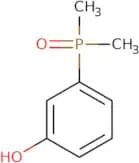
CAS:<p>Versatile small molecule scaffold</p>Formula:C15H14ClNOPurity:Min. 95%Molecular weight:259.73 g/mol3-(Dimethylphosphoryl)phenol
CAS:<p>Versatile small molecule scaffold</p>Formula:C8H11O2PPurity:Min. 95%Molecular weight:170.15 g/mol2-Methylimidazo[1,2-a]pyrazin-3-amine
CAS:Versatile small molecule scaffoldFormula:C7H8N4Purity:Min. 95%Molecular weight:148.17 g/mol2-Phenylimidazo[1,2-a]pyrazin-3-amine
CAS:<p>Versatile small molecule scaffold</p>Formula:C12H10N4Purity:Min. 95%Molecular weight:210.23 g/mol2-[(Pyrazin-2-yl)amino]acetic acid
CAS:<p>Versatile small molecule scaffold</p>Formula:C6H7N3O2Purity:Min. 95%Molecular weight:153.14 g/mol2-[(Diethylamino)methyl]aniline
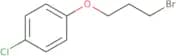
CAS:Versatile small molecule scaffoldFormula:C11H18N2Purity:Min. 95%Molecular weight:178.27 g/mol1-(3-Bromo-propoxy)-4-chloro-benzene
CAS:<p>1-(3-Bromopropoxy)-4-chlorobenzene is a nitrate salt that has a crystal structure that is mathematically represented by the space group P2/c. The compound crystallizes in the monoclinic system with the lattice constants of a = 10.6, b = 9.7, c = 5.8, and β = 117°. It has an experimental solubility data range of 0.01 to 1 g/L in ethanol solutions at room temperature and 1 atmosphere pressure. The solubility of this compound is decreased by the presence of oxygen and increased by the presence of moisture or heat. The stability of this compound can be monitored using a laser light monitoring system to detect changes in crystallization behavior or changes in concentration due to hydrolysis reactions.</p>Formula:C9H10BrClOPurity:Min. 95%Molecular weight:249.53 g/mol8-Aminooctanoic acid hydrochloride
CAS:<p>Versatile small molecule scaffold</p>Formula:C8H18ClNO2Purity:Min. 95%Molecular weight:195.69 g/molSpiro[5.5]undecan-1-amine
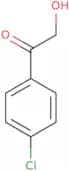
CAS:Versatile small molecule scaffoldFormula:C11H21NPurity:Min. 95%Molecular weight:167.3 g/mol1-(4-Chlorophenyl)-2-hydroxyethan-1-one
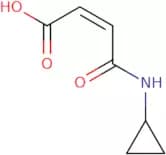
CAS:1-(4-Chlorophenyl)-2-hydroxyethan-1-one is a selective enantiomer that inhibits the growth of candida parapsilosis and c. parapsilosis. It has been shown to be preferentially oxidized by candida parapsilosis and c. parapsilosis, which leads to its selectivity for these fungi. 1-(4-Chlorophenyl)-2-hydroxyethan-1-one has been shown to be a biphasic system that can inhibit the growth of both candida parapsilosis and c. parapsilosis, with biphasic activity being due to its ability to selectively oxidize alcohols in these fungi. This compound is also an enantiomer, making it more effective than other compounds with similar structures but different stereochemistry.Formula:C8H7ClO2Purity:Min. 95%Molecular weight:170.59 g/mol(2z)-3-(cyclopropylcarbamoyl)prop-2-enoic acid
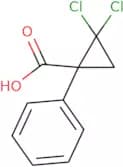
CAS:Versatile small molecule scaffoldFormula:C7H9NO3Purity:Min. 95%Molecular weight:155.15 g/mol2,2-Dichloro-1-phenylcyclopropane-1-carboxylic acid
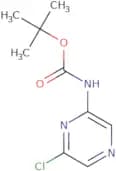
CAS:2,2-Dichloro-1-phenylcyclopropane-1-carboxylic acid is a cyclopropanecarboxylic acid. It is an organochlorine compound that has been used as a pesticide and herbicide. 2,2-Dichloro-1-phenylcyclopropane-1-carboxylic acid inhibits the production of chlorophyll in plants by inhibiting the activity of photosystem II. This inhibition leads to a decrease in the rate of photosynthesis and plant growth.Formula:C10H8Cl2O2Purity:Min. 95%Molecular weight:231.07 g/moltert-Butyl N-(6-chloropyrazin-2-yl)carbamate
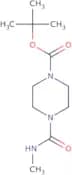
CAS:Versatile small molecule scaffoldFormula:C9H12ClN3O2Purity:Min. 95%Molecular weight:229.66 g/moltert-Butyl 4-(methylcarbamoyl)piperazine-1-carboxylate
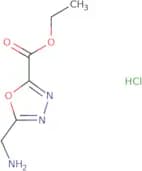
CAS:Versatile small molecule scaffoldFormula:C11H21N3O3Purity:Min. 95%Molecular weight:243.3 g/molEthyl 5-(aminomethyl)-1,3,4-oxadiazole-2-carboxylate hydrochloride
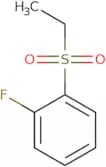
CAS:Versatile small molecule scaffoldFormula:C6H10ClN3O3Purity:Min. 95%Molecular weight:207.61 g/mol1-(Ethanesulfonyl)-2-fluorobenzene
CAS:<p>Versatile small molecule scaffold</p>Formula:C8H9FO2SPurity:Min. 95%Molecular weight:188.22 g/mol6-[4-(Trifluoromethyl)phenoxy]pyridin-3-amine
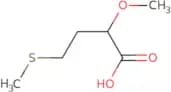
CAS:Versatile small molecule scaffoldFormula:C12H9F3N2OPurity:Min. 95%Molecular weight:254.21 g/mol2-Methoxy-4-(methylsulfanyl)butanoic acid
CAS:Versatile small molecule scaffoldFormula:C6H12O3SPurity:Min. 95%Molecular weight:164.22 g/molEthyl 2-[(carbamoylmethyl)amino]acetate
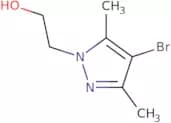
CAS:Versatile small molecule scaffoldFormula:C6H12N2O3Purity:Min. 95%Molecular weight:160.17 g/mol2-(4-Bromo-3,5-dimethyl-1H-pyrazol-1-yl)ethan-1-ol
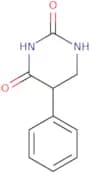
CAS:Versatile small molecule scaffoldFormula:C7H11BrN2OPurity:Min. 95%Molecular weight:219.08 g/mol5-Phenyl-1,3-diazinane-2,4-dione
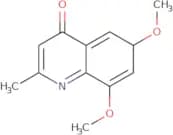
CAS:Versatile small molecule scaffoldFormula:C10H10N2O2Purity:Min. 95%Molecular weight:190.2 g/mol6,8-Dimethoxy-2-methyl-1,4-dihydroquinolin-4-one
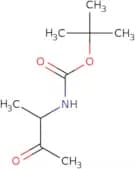
CAS:Versatile small molecule scaffoldFormula:C12H13NO3Purity:Min. 95%Molecular weight:219.24 g/moltert-Butyl N-(3-oxobutan-2-yl)carbamate
CAS:<p>Versatile small molecule scaffold</p>Formula:C9H17NO3Purity:Min. 95%Molecular weight:187.24 g/mol4,6-Dimethyl-2-(tributylstannyl)pyrimidine
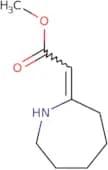
CAS:Controlled ProductVersatile small molecule scaffoldFormula:C18H34N2SnPurity:Min. 95%Molecular weight:397.2 g/mol(Z)-Methyl 2-(azepan-2-ylidene)acetate
CAS:Versatile small molecule scaffoldFormula:C9H15NO2Purity:Min. 95%Molecular weight:169.2 g/molrac-(1R,2R)-2-(Oxolan-2-yl)cyclopropane-1-carboxylic acid
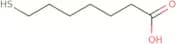
CAS:Versatile small molecule scaffoldFormula:C8H12O3Purity:Min. 95%Molecular weight:156.2 g/mol7-Sulfanylheptanoic acid
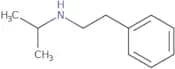
CAS:7-Sulfanylheptanoic acid is a hydroxylated β-amino acid with a macrocyclic structure. It is the most abundant amino acid in human urine and has been shown to have insulin-like hypoglycemic effects in animal models. 7-Sulfanylheptanoic acid also has anti-inflammatory properties that may be due to its ability to inhibit the production of proinflammatory cytokines, such as tumor necrosis factor alpha (TNFα) and interleukin-1β (IL-1β). This compound has been found in influenza virus. The gene product for this compound is 3-mercaptopropionic acid reductase, which is involved in fatty acid metabolism.Formula:C7H14O2SPurity:Min. 95%Molecular weight:162.25 g/mol(2-Phenylethyl)(propan-2-yl)amine
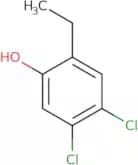
CAS:Controlled Product<p>(2-Phenylethyl)(propan-2-yl)amine is a chiral compound that has two hydroxyl groups. It is used as a reagent in the synthesis of glycol ethers and in the preparation of bidentate ligands, such as 2-(pyridin-2-yl)ethanol. The nitro group on the molecule is readily reduced to an amine, which can undergo nucleophilic substitution reactions. This type of reaction is used to produce heterocyclic amines and cannabinoid compounds. (2-Phenylethyl)(propan-2-yl)amine has been shown to be an agonist at certain types of receptors, including benzodiazepine and imidazoline receptors.</p>Formula:C11H17NPurity:Min. 95%Molecular weight:163.26 g/mol4,5-Dichloro-2-ethylphenol
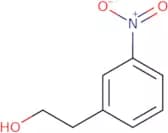
CAS:Versatile small molecule scaffoldFormula:C8H8Cl2OPurity:Min. 95%Molecular weight:191.05 g/mol3-Nitrophenethyl alcohol
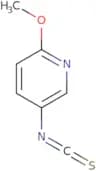
CAS:<p>3-Nitrophenethyl alcohol is a trifluoroacetic acid derivative that has been shown to have antimicrobial activity against multidrug resistant Gram-negative bacteria. 3NPHA is an electrophilic compound that reacts with the nucleophilic amino acids in proteins, causing the protein to be irreversibly denatured. 3NPHA has been shown to inhibit the growth of bacteria by binding to ribosomal RNA, preventing protein synthesis and cell division. The specificities of this drug are not yet well understood, but it has been found to bind to both isomers of the nucleotide erythromycin A. 3-Nitrophenethyl alcohol may be used as a catalyst for reactions involving isoxazoles, which are compounds that can act as anticancer agents.</p>Formula:C8H9NO3Purity:Min. 95%Molecular weight:167.16 g/mol5-Isothiocyanato-2-methoxypyridine
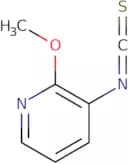
CAS:Versatile small molecule scaffoldFormula:C7H6N2OSPurity:Min. 95%Molecular weight:166.2 g/mol3-Isothiocyanato-2-methoxypyridine
CAS:<p>Versatile small molecule scaffold</p>Formula:C7H6N2OSPurity:Min. 95%Molecular weight:166.2 g/mol
![[1,2,4]Triazolo[1,5-a]pyridine-5-carboxamide](/_next/image/?url=https%3A%2Fstatic.cymitquimica.com%2Fproducts%2F3D%2Fthumb-webp%2FCAD05332.webp&w=3840&q=75)

![2-[1-(Hydroxymethyl)cyclopropyl]-N,N-dimethylacetamide](/_next/image/?url=https%3A%2Fstatic.cymitquimica.com%2Fproducts%2F3D%2Fthumb-webp%2FCAD52495.webp&w=3840&q=75)
![(3,3-Dimethylbicyclo[2.2.1]heptan-2-yl)methanol](/_next/image/?url=https%3A%2Fstatic.cymitquimica.com%2Fproducts%2F3D%2Fthumb-webp%2FCBA89945.webp&w=3840&q=75)


![2-Methylimidazo[1,2-a]pyrazin-3-amine](/_next/image/?url=https%3A%2Fstatic.cymitquimica.com%2Fproducts%2F3D%2Fthumb-webp%2FCBA95552.webp&w=3840&q=75)
![2-Phenylimidazo[1,2-a]pyrazin-3-amine](/_next/image/?url=https%3A%2Fstatic.cymitquimica.com%2Fproducts%2F3D%2Fthumb-webp%2FCBA95553.webp&w=3840&q=75)
![2-[(Pyrazin-2-yl)amino]acetic acid](/_next/image/?url=https%3A%2Fstatic.cymitquimica.com%2Fproducts%2F3D%2Fthumb-webp%2FCBA95554.webp&w=3840&q=75)
![2-[(Diethylamino)methyl]aniline](/_next/image/?url=https%3A%2Fstatic.cymitquimica.com%2Fproducts%2F3D%2Fthumb-webp%2FCBA95883.webp&w=3840&q=75)

![Spiro[5.5]undecan-1-amine](/_next/image/?url=https%3A%2Fstatic.cymitquimica.com%2Fproducts%2F3D%2Fthumb-webp%2FCBA99230.webp&w=3840&q=75)
![6-[4-(Trifluoromethyl)phenoxy]pyridin-3-amine](/_next/image/?url=https%3A%2Fstatic.cymitquimica.com%2Fproducts%2F3D%2Fthumb-webp%2FCBB96633.webp&w=3840&q=75)
![Ethyl 2-[(carbamoylmethyl)amino]acetate](/_next/image/?url=https%3A%2Fstatic.cymitquimica.com%2Fproducts%2F3D%2Fthumb-webp%2FCBB97529.webp&w=3840&q=75)