Building Blocks
Subcategories of "Building Blocks"
- Boronic Acids & Boronic Acid Derivatives(5,778 products)
- Chiral Building Blocks(1,243 products)
- Hydrocarbon Building Blocks(6,099 products)
- Organic Building Blocks(61,038 products)
Found 205373 products of "Building Blocks"
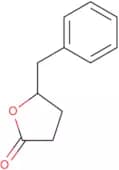
5-Benzyloxolan-2-one
CAS:5-Benzyloxolan-2-one is a flavanol that has been shown to inhibit the growth of Clostridium species. 5-Benzyloxolan-2-one is found in foods such as fructo-oligosaccharides and escherichia coli. In vitro studies have shown that this compound inhibits the utilisation of phenylpropionic acid by clostridia, leading to a significant inhibitory effect on their population. 5-Benzyloxolan-2-one also has prebiotic properties as it stimulates the growth of microflora populations in the gut.
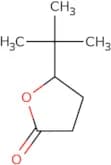
Formula:C11H12O2Purity:Min. 95%Molecular weight:176.21 g/mol5-tert-Butyloxolan-2-one
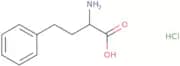
CAS:Versatile small molecule scaffoldFormula:C8H14O2Purity:Min. 95%Molecular weight:142.2 g/molL-Homophenylalanine hydrochloride
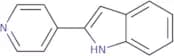
CAS:L-Homophenylalanine hydrochloride is a chemical substance that belongs to the group of aspartic acid. It can be synthesized by the Friedel-Crafts reaction between L-aspartic acid and hydrochlorides, anhydride, or acylating agent. L-Homophenylalanine hydrochloride is used in the preparation of various drugs such as analgesics, antiarthritic agents, antidepressants, antipsychotics, and antihypertensives.Formula:C10H14ClNO2Purity:Min. 95%Molecular weight:215.67 g/mol2-(Pyridin-4-yl)-1H-indole
CAS:2-(Pyridin-4-yl)-1H-indole is an antibiotic that functions as a proton pump inhibitor. It has been shown to be effective against methicillin-resistant Staphylococcus aureus (MRSA) and methicillin-sensitive Staphylococcus aureus (MSSA). 2-(Pyridin-4-yl)-1H-indole has been shown to inhibit the growth of MRSA by cleaving bonds in peptidoglycan, which is an essential component of the bacterial cell wall. Although this drug has not yet been tested in humans, it could have clinical relevance because it inhibits the production of penicillinase, which is a major mechanism of resistance to beta lactams.
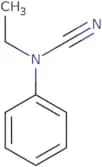
Formula:C13H10N2Purity:Min. 95%Molecular weight:194.24 g/molN-Cyano-N-ethylaniline
CAS:Versatile small molecule scaffold
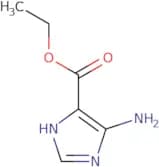
Formula:C9H10N2Purity:Min. 95%Molecular weight:146.19 g/molethyl 4-amino-1H-imidazole-5-carboxylate
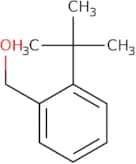
CAS:Ethyl 4-amino-1H-imidazole-5-carboxylate is an ionotropic gelator, which means it is able to form gels when mixed with water. It is synthesised from aluminium chloride and primary amines. Ethyl 4-amino-1H-imidazole-5-carboxylate has been shown to have a carbonyl group and triethyl orthoformate as functional groups. The chemical structure of ethyl 4-amino-1H-imidazole-5-carboxylate is heterocyclic with three rings in the molecule. Ethyl 4 amino 1H imidazole 5 carboxylate has been used as a model substrate for biosynthesis studies of α,α'-diaminopropionic acid and its derivatives.Formula:C6H9N3O2Purity:Min. 95%Molecular weight:155.2 g/mol(2-tert-Butylphenyl)methanol
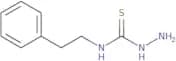
CAS:Versatile small molecule scaffoldFormula:C11H16OPurity:Min. 95%Molecular weight:164.24 g/molN-(1-Phenylethyl)hydrazinecarbothioamide
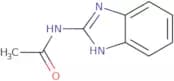
CAS:N-(1-Phenylethyl)hydrazinecarbothioamide (HZPCA) is a corrosion inhibitor that is used in acid solutions such as hydrochloric acid, nitric acid, phosphoric acid, and sulfuric acid. It is an organic compound that has been shown to be active against certain metal ions at the adsorption sites. The efficiency of HZPCA adsorption for different metal ions depends on the pH of the solution. HZPCA also has potent inhibitory effects on the corrosion process by reacting with the metal oxide film on metal surfaces and forming an insoluble hydrazine complex. This complex reduces further corrosion by blocking oxygen diffusion to the metal surface.Formula:C9H13N3SPurity:Min. 95%Molecular weight:195.29 g/molN-(1H-1,3-Benzodiazol-2-yl)acetamide
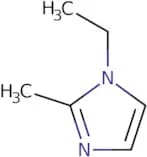
CAS:N-(1H-1,3-Benzodiazol-2-yl)acetamide is a hydrophilic molecule that has been shown to be active against helminths. It is used as an experimental drug for the treatment of schistosomiasis. N-(1H-1,3-Benzodiazol-2-yl)acetamide binds to the nuclear membrane and prevents the formation of hydrogen bonds with cytosine residues. This leads to a disruption in the helical structure of DNA and causes cell death. The compound also inhibits protein synthesis by binding to ribosomes and inhibiting peptide bond formation. In addition, N-(1H-1,3-Benzodiazol-2-yl)acetamide has been shown to have antimicrobial activity against bacteria and fungi. The profile of this molecule can be altered by changing its substituents on benzene ring or cyclopropane ring. It can also be modified by altering theFormula:C9H9N3OPurity:Min. 95%Molecular weight:175.19 g/mol1-Ethyl-2-methyl-1H-imidazole
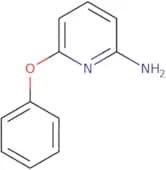
CAS:1-Ethyl-2-methyl-1H-imidazole is an imidazole derivative that has been shown to be active against a variety of bacteria. It can be used as an antimicrobial agent in medicines, such as antibiotics and antifungal agents. 1-Ethyl-2-methyl-1H-imidazole is also used as a chemical intermediate for the synthesis of other compounds. This compound has been shown to have bifunctional properties by inhibiting both ion channels and membranes, which may be related to its antibacterial activity. The compound is stable at high temperatures and displays good chemical stability in aqueous media. It has also been shown to have antihypertensive effects in animal models.Purity:Min. 95%6-Phenoxypyridin-2-amine
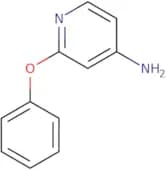
CAS:Versatile small molecule scaffoldFormula:C11H10N2OPurity:Min. 95%Molecular weight:186.21 g/mol2-Phenoxypyridin-4-amine
CAS:Versatile small molecule scaffold
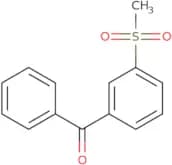
Formula:C11H10N2OPurity:Min. 95%Molecular weight:186.21 g/mol3-(Methylsulfonyl)benzophenone
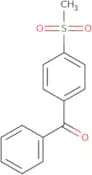
CAS:Versatile small molecule scaffoldFormula:C14H12O3SPurity:Min. 95%Molecular weight:260.31 g/mol(4-Methanesulfonylphenyl)(phenyl)methanone
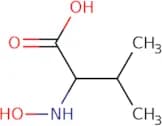
CAS:Versatile small molecule scaffoldFormula:C14H12O3SPurity:Min. 95%Molecular weight:260.31 g/mol2-(Hydroxyamino)-3-methylbutanoic acid
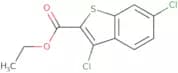
CAS:Versatile small molecule scaffoldFormula:C5H11NO3Purity:Min. 95%Molecular weight:133.15 g/molEthyl 3,6-dichloro-1-benzothiophene-2-carboxylate
CAS:Versatile small molecule scaffoldFormula:C11H8Cl2O2SPurity:Min. 95%Molecular weight:275.1 g/mol(2,3-Dihydrobenzofuran-2-yl)methanamine
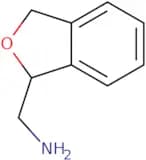
CAS:Versatile small molecule scaffoldFormula:C9H11NOPurity:Min. 95%Molecular weight:149.19 g/mol1-(2-Aminobenzo[d]thiazol-6-yl)ethanone
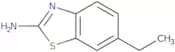
CAS:1-(2-Aminobenzo[d]thiazol-6-yl)ethanone is a potentiator that potentiates the activity of benzothiazoles by lowering blood pressure. It is also a neuroprotectant, which has been shown to protect against neuronal injury in vivo. 1-(2-Aminobenzo[d]thiazol-6-yl)ethanone has been shown to dilate carotid arteries and cause vasodilation in mice, increasing blood flow. It has calcium-activated potassium channels and can modulate membrane potential, thus regulating the contractile state of smooth muscle cells.Formula:C9H8N2OSPurity:Min. 95%Molecular weight:192.24 g/mol6-Ethyl-1,3-benzothiazol-2-amine
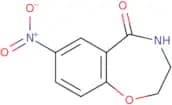
CAS:Versatile small molecule scaffoldFormula:C9H10N2SPurity:Min. 95%Molecular weight:178.25 g/mol7-Nitro-3,4-dihydro-1,4-benzoxazepin-5(2H)-one
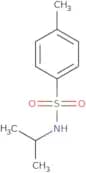
CAS:Versatile small molecule scaffoldFormula:C9H8N2O4Purity:Min. 95%Molecular weight:208.17 g/mol4-Methyl-N-(propan-2-yl)benzene-1-sulfonamide
CAS:4-Methyl-N-(propan-2-yl)benzene-1-sulfonamide is a hydroaminating agent that undergoes electrophilic substitution reactions with amines. It is activated by the presence of electron withdrawing groups and can be used as a catalyst in hydroamination reactions. This compound is prepared by the reaction of aniline with acetic anhydride and pyridine in the presence of triethylamine.Formula:C10H15NO2SPurity:Min. 95%Molecular weight:213.3 g/mol2-methyl-2h,4h,5h-pyrazolo[3,4-d]pyrimidin-4-one
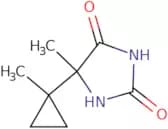
CAS:Versatile small molecule scaffoldFormula:C6H6N4OPurity:Min. 95%Molecular weight:150.14 g/mol5-Methyl-5-(1-methylcyclopropyl)imidazolidine-2,4-dione
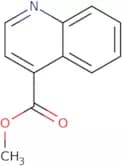
CAS:Versatile small molecule scaffoldFormula:C8H12N2O2Purity:Min. 95%Molecular weight:168.19 g/molMethyl quinoline-4-carboxylate
CAS:Methyl quinoline-4-carboxylate is a potent inhibitor of secretory phospholipase A2 (sPLA2), which is an enzyme that cleaves the fatty acid at the sn-2 position in phospholipids. It has been shown to inhibit sPLA2 activity in both nonpancreatic and pancreatic secretions, but not in plasma. Methyl quinoline-4-carboxylate also inhibits the functionalities of heterocycles, such as chromatographic and synthetic. Methyl quinoline-4-carboxylate can be synthesized by reacting an aldoxime with methyl 4-chloroquinoline carboxylate. The molecular ion of methyl quinoline-4-carboxylate has been observed at m/z 335, while its mass spectrum displays peaks at m/z 335, 319, and 307. This molecule is found in quinoline derivatives and aldoxFormula:C11H9NO2Purity:Min. 95%Molecular weight:187.2 g/mol1-[2-(Trifluoromethyl)phenyl]-2-propanone
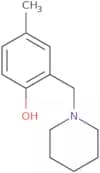
CAS:Versatile small molecule scaffoldFormula:C10H9F3OPurity:Min. 95%Molecular weight:202.17 g/mol4-Methyl-2-(piperidin-1-ylmethyl)phenol
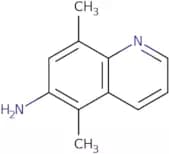
CAS:Versatile small molecule scaffoldFormula:C13H19NOPurity:Min. 95%Molecular weight:205.3 g/mol5,8-Dimethylquinolin-6-amine
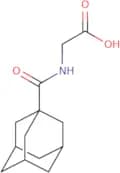
CAS:Versatile small molecule scaffoldFormula:C11H12N2Purity:Min. 95%Molecular weight:172.23 g/mol2-(Adamantan-1-ylformamido)acetic acid
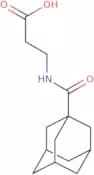
CAS:Versatile small molecule scaffoldFormula:C13H19NO3Purity:Min. 95%Molecular weight:237.29 g/mol3-(Adamantan-1-ylformamido)propanoic acid
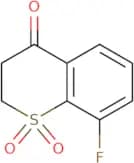
CAS:Versatile small molecule scaffoldFormula:C14H21NO3Purity:Min. 95%Molecular weight:251.32 g/mol8-Fluoro-2,3-dihydro-4H-1-benzothiopyran-4-one 1,1-dioxide
CAS:Versatile small molecule scaffold
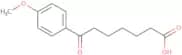
Formula:C9H7FO3SPurity:Min. 95%Molecular weight:214.22 g/mol7-(4-Methoxyphenyl)-7-oxoheptanoic acid
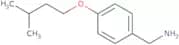
CAS:Versatile small molecule scaffoldFormula:C14H18O4Purity:Min. 95%Molecular weight:250.29 g/mol4-(3-Methyl-butoxy)-benzylamine
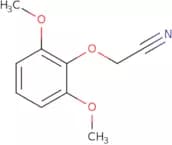
CAS:Versatile small molecule scaffoldFormula:C12H19NOPurity:Min. 95%Molecular weight:193.28 g/mol2-(2,6-Dimethoxyphenoxy)acetonitrile
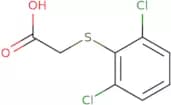
CAS:Versatile small molecule scaffoldFormula:C10H11NO3Purity:Min. 95%Molecular weight:193.2 g/mol(2,6-Dichlorophenylthio)acetic acid
CAS:Versatile small molecule scaffold
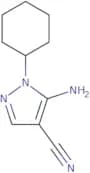
Formula:C8H6Cl2O2SPurity:Min. 95%Molecular weight:237.11 g/mol5-Amino-1-cyclohexyl-1H-pyrazole-4-carbonitrile
CAS:5-Amino-1-cyclohexyl-1H-pyrazole-4-carbonitrile (5ACPC) is a ligand that is used in cancer therapy. It binds to the uptake mechanisms of cancer cells and prevents the uptake of amino acids, which are essential for cell growth and proliferation. Treatment with 5ACPC has been shown to inhibit cancer cell growth in vitro and in vivo by interfering with cellular processes such as transcription, DNA replication, and protein synthesis. 5ACPC has also been shown to be an immunoreceptor ligand that binds to the CD3 receptor on T cells, preventing activation and proliferation of these cells. 5ACPC can also act as a bispecific antibody that binds to two different antigens (e.g., tumor antigen and immune system antigen). This binding can lead to the destruction of cancer cells by complement mediated lysis or antibody dependent cell mediated cytotoxicity (ADCC).Formula:C10H14N4Purity:Min. 95%Molecular weight:190.25 g/mol4-chloro-1-isopropyl-1h-pyrazolo[3,4-d]pyrimidine
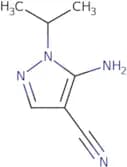
CAS:Versatile small molecule scaffoldFormula:C8H9ClN4Purity:Min. 95%Molecular weight:196.64 g/mol5-amino-1-isopropyl-1h-pyrazole-4-carbonitrile
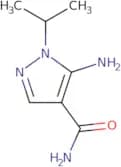
CAS:Versatile small molecule scaffoldFormula:C7H10N4Purity:Min. 95%Molecular weight:150.19 g/mol5-amino-1-isopropyl-1h-pyrazole-4-carboxamide
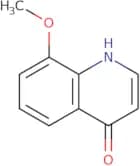
CAS:Versatile small molecule scaffoldFormula:C7H12N4OPurity:Min. 95%Molecular weight:168.2 g/mol4-Hydroxy-8-methoxyquinoline
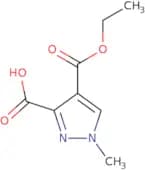
CAS:4-Hydroxy-8-methoxyquinoline is a carcinogenic compound that is formed by the reaction of dehydroxylated 4-hydroxyquinoline with chloroform. It is excreted in the urine, where it can be detected by radioactivity spectra and identified by its characteristic xanthurenic acid. It has been shown to cause bladder cancer in humans. Other compounds found in the body that are related to this chemical are 8-methyl derivatives and decarboxylated intermediates. These compounds have not been as extensively studied as 4-hydroxy-8-methoxyquinoline, but they may also be carcinogenic.Formula:C10H9NO2Purity:Min. 95%Molecular weight:175.18 g/mol4-(Ethoxycarbonyl)-1-methyl-1H-pyrazole-3-carboxylic acid
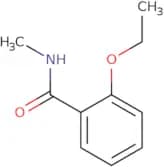
CAS:Versatile small molecule scaffoldFormula:C8H10N2O4Purity:Min. 95%Molecular weight:198.18 g/mol2-Ethoxy-N-methylbenzamide
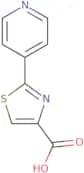
CAS:Versatile small molecule scaffoldFormula:C10H13NO2Purity:Min. 95%Molecular weight:179.22 g/mol2-(4-Pyridyl)thiazole-4-carboxylic acid
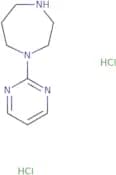
CAS:2-(4-Pyridyl)thiazole-4-carboxylic acid is a supramolecular carboxylate that can form architectures with pyridinium. It has been shown to be able to bind ligands and form polymorphs, which are different crystal structures with the same chemical composition. 2-(4-Pyridyl)thiazole-4-carboxylic acid also forms interdigitated crystals, and its crystal x-ray diffraction pattern has been shown to have diffraction peaks that correspond to divalent conformations. This compound has chiral properties, which means it can exist in two forms that are mirror images of each other. 2-(4-Pyridyl)thiazole-4-carboxylic acid is an isonicotinic acid derivative and can show dihedral angles.Formula:C9H6N2O2SPurity:Min. 95%Molecular weight:206.22 g/mol1-(Pyrimidin-2-yl)-1,4-diazepane dihydrochloride
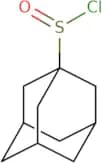
CAS:Versatile small molecule scaffoldFormula:C9H16Cl2N4Purity:Min. 95%Molecular weight:251.15 g/molAdamantane-1-sulfinyl chloride
CAS:Adamantane-1-sulfinyl chloride (ASCl) is a hydrolyzing agent that reacts with water to form hydrogen sulfide and an acid. ASCl can be used to synthesize polymers, as well as in the study of organic reactions. ASCl is also used in catalysis, which is the acceleration of a chemical reaction by a substance that does not participate in the reaction itself. ASCl has been shown to react with silicon and act as a nucleophile, attacking the silicon-oxygen bonds and forming siloxanes. This process requires a catalyst to achieve high yields.Formula:C10H15ClOSPurity:Min. 95%Molecular weight:218.74 g/mol(2R)-2-{[(2S)-5-Oxopyrrolidin-2-yl]formamido}propanoic acid
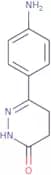
CAS:Versatile small molecule scaffoldFormula:C8H12N2O4Purity:Min. 95%Molecular weight:200.19 g/mol6-(4-Aminophenyl)-2,3,4,5-tetrahydropyridazin-3-one
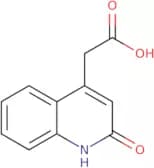
CAS:Levosimendan is a drug that is used in the treatment of congestive heart failure. It is an orally active, positive inotropic agent with vasodilator properties. Levosimendan has been shown to be effective for the treatment of chronic heart failure and can be used as a substitute for dobutamine. This drug also has a structural similarity to phthalazinone, which has been shown to have clinical use in the treatment of acute myocardial infarction.Formula:C10H11N3OPurity:Min. 95%Molecular weight:189.21 g/mol(2-Oxo-1,2-dihydro-quinolin-4-yl)-acetic acid
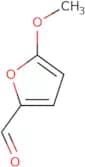
CAS:Versatile small molecule scaffoldFormula:C11H9NO3Purity:Min. 95%Molecular weight:203.19 g/mol5-Methoxyfuran-2-carbaldehyde
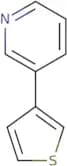
CAS:5-Methoxyfuran-2-carbaldehyde is a fluorescent compound that has been used in the synthesis of cinnamic acid esters. This compound has also been used as a chromatographic reagent for the separation of p-coumaric acid and its derivatives from other compounds. 5-Methoxyfuran-2-carbaldehyde shows stereoselective desorption at high temperatures and is soluble in diethyl ether, but not in water. It can be synthesized by ring opening the epoxide with an acid moiety. The product is a racemic mixture with a melting point of 130°C.Formula:C6H6O3Purity:Min. 95%Molecular weight:126.11 g/mol3-(Thiophen-3-yl)pyridine
CAS:Versatile small molecule scaffold
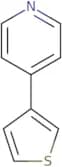
Formula:C9H7NSPurity:Min. 95%Molecular weight:161.23 g/mol4-(Thiophen-3-yl)pyridine
CAS:Versatile small molecule scaffoldFormula:C9H7NSPurity:Min. 95%Molecular weight:161.22 g/mol

![1-(2-Aminobenzo[d]thiazol-6-yl)ethanone](/_next/image/?url=https%3A%2Fstatic.cymitquimica.com%2Fproducts%2F3D%2Fthumb-webp%2FWAA22261.webp&w=3840&q=75)
![2-methyl-2h,4h,5h-pyrazolo[3,4-d]pyrimidin-4-one](/_next/image/?url=https%3A%2Fstatic.cymitquimica.com%2Fproducts%2F3D%2Fthumb-webp%2FWAA23041.webp&w=3840&q=75)
![1-[2-(Trifluoromethyl)phenyl]-2-propanone](/_next/image/?url=https%3A%2Fstatic.cymitquimica.com%2Fproducts%2F3D%2Fthumb-webp%2FWAA23567.webp&w=3840&q=75)
![4-chloro-1-isopropyl-1h-pyrazolo[3,4-d]pyrimidine](/_next/image/?url=https%3A%2Fstatic.cymitquimica.com%2Fproducts%2F3D%2Fthumb-webp%2FWAA25415.webp&w=3840&q=75)
![(2R)-2-{[(2S)-5-Oxopyrrolidin-2-yl]formamido}propanoic acid](/_next/image/?url=https%3A%2Fstatic.cymitquimica.com%2Fproducts%2F3D%2Fthumb-webp%2FWAA28216.webp&w=3840&q=75)