Building Blocks
Subcategories of "Building Blocks"
- Boronic Acids & Boronic Acid Derivatives(5,786 products)
- Chiral Building Blocks(1,246 products)
- Hydrocarbon Building Blocks(6,107 products)
- Organic Building Blocks(61,081 products)
Found 205489 products of "Building Blocks"
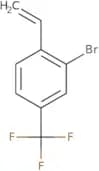
2-Bromo-1-ethenyl-4-(trifluoromethyl)benzene
CAS:Versatile small molecule scaffoldFormula:C9H6BrF3Purity:Min. 95%Molecular weight:251.04 g/mol2-Bromo-1-methoxy-4-(trifluoromethyl)benzene
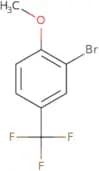
CAS:Versatile small molecule scaffold
Formula:C8H6BrF3OPurity:Min. 95%Molecular weight:255.03 g/molN-(2-Fluoro-4-sulfamoylphenyl)acetamide
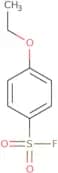
CAS:Versatile small molecule scaffoldFormula:C8H9FN2O3SPurity:Min. 95%Molecular weight:232.23 g/mol4-Ethoxybenzene-1-sulfonyl fluoride
CAS:Versatile small molecule scaffoldFormula:C8H9FO3SPurity:Min. 95%Molecular weight:204.22 g/mol2-Amino-1-(3-fluorophenyl)ethanol
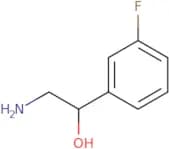
CAS:Versatile small molecule scaffold
Formula:C8H10FNOPurity:Min. 95%Molecular weight:155.17 g/mol2-[(3-Fluorophenyl)amino]ethan-1-ol
CAS:Versatile small molecule scaffoldFormula:C8H10FNOPurity:Min. 95%Molecular weight:155.17 g/molN-(3,3,3-Trifluoropropyl)aniline
CAS:Versatile small molecule scaffoldFormula:C9H10F3NPurity:Min. 95%Molecular weight:189.18 g/molEthyl 3,3-difluoroprop-2-enoate
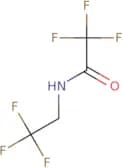
CAS:Versatile small molecule scaffoldFormula:C5H6F2O2Purity:Min. 95%Molecular weight:136.1 g/mol2,2,2-Trifluoro-N-(2,2,2-trifluoroethyl)acetamide
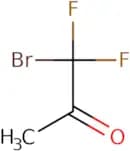
CAS:Versatile small molecule scaffoldFormula:C4H3F6NOPurity:Min. 95%Molecular weight:195.06 g/mol1-Bromo-1,1-difluoropropan-2-one
CAS:Versatile small molecule scaffoldFormula:C3H3BrF2OPurity:Min. 95%Color and Shape:Clear LiquidMolecular weight:172.96 g/molTrifluoro(methanesulfonyl)methane
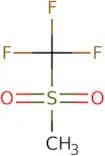
CAS:Trifluoro(methanesulfonyl)methane is an organic solvent that can be used as a nucleophilic agent in reactions with metal ions to form metal trifluoromethanesulfonates. This compound is an additive for gasoline and other petroleum products, and it has been shown to have a high efficiency in the removal of nitrogen dioxide from the atmosphere. Trifluoro(methanesulfonyl)methane hydrolyzes in water and reacts with acid catalysts. It is also used in the production of phosphazenes, carbonyls, and electrolytes. In addition, this compound has functional groups that are reactive towards c1-6 alkyl group additions.Formula:C2H3F3O2SPurity:Min. 97%Molecular weight:148.11 g/mol3,3,3-Trifluoro-2-hydroxy-2-methylpropanethioamide
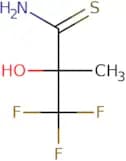
CAS:Versatile small molecule scaffoldFormula:C4H6F3NOSPurity:Min. 95%Molecular weight:173.16 g/mol2,2,3,3,3-Pentafluoropropane-1,1-diol
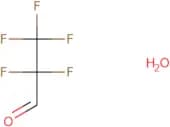
CAS:Versatile small molecule scaffold
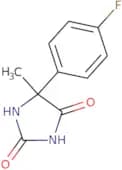
Formula:C3H3F5O2Purity:Min. 95%Molecular weight:166.05 g/mol5-(4-Fluorophenyl)-5-methylimidazolidine-2,4-dione
CAS:5-(4-Fluorophenyl)-5-methylimidazolidine-2,4-dione is a hydantoin derivative. It has an acceptor group and a coplanar benzene ring with two carbonyl chains. The dihedral angle between the two carbonyl groups is about 180 degrees, and the hydrogen bonds are formed between the carbonyl groups and the hydrogen atoms of the benzene ring. This compound has one hydroxyl group and can be classified as an alpha type.Formula:C10H9FN2O2Purity:Min. 95%Molecular weight:208.19 g/molBromofluoroacetamide
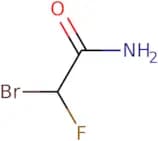
CAS:Bromofluoroacetamide is a halopyridine chemical compound that is used as an antibacterial agent. It has been shown to inhibit the growth of bacteria, such as Gram-positive and Gram-negative bacteria, by binding to their cell membranes and dissociating into bromide ions. This drug also has anticancer properties, which may be due to its ability to interfere with the cell cycle and DNA synthesis. Bromofluoroacetamide has two isomers: 2-bromo-N-2,2-difluoroacetamidobenzene (DFAA) and 2,4-dibromoacetanilide (DABA). DFAA is more potent than DABA against Gram-positive bacteria.Formula:C2H3BrFNOPurity:Min. 95%Molecular weight:155.95 g/mol3,3,3-Trifluoropropane-1,2-diol
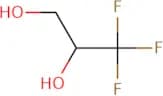
CAS:3,3,3-Trifluoropropane-1,2-diol is a model compound that is synthesized from the reaction of phosphorus pentachloride and ethanolamine in the presence of irradiation. The product is an alcohol with three hydroxyl groups, which can be used for different reactions. 3,3,3-Trifluoropropane-1,2-diol has an active hydrogen bond that can form a hydrogen bond with an amino acid or phosphate group in a protein. It also has a trifluoromethyl group that can react with other compounds and cause them to be more toxic than they would otherwise be. 3,3,3-Trifluoropropane-1,2-diol has been shown to react with glutamic acid in model studies to form a cyclic amine.Formula:C3H5F3O2Purity:Min. 95%Molecular weight:130.07 g/mol4-[(Trifluoromethyl)sulphonyl]phenol
CAS:4-[(Trifluoromethyl)sulphonyl]phenol is a hydrogen peroxide-releasing molecule that has been shown to be a strong electron donor. It is used as a catalyst in organic synthesis and can also act as a photochromic agent. 4-[(Trifluoromethyl)sulphonyl]phenol has the ability to form radicals with electron-deficient molecules such as carboxylic acids, alcohols, and amines. This process is called nitrating and can lead to reduction reactions with indoline or other aromatic compounds. 4-[(Trifluoromethyl)sulphonyl]phenol can also reduce hydrogen peroxide by transferring electrons from its phenolic hydroxyl group to the peroxide molecule, which leads to the formation of water and oxygen gas.Formula:C7H5F3O3SPurity:Min. 95%Molecular weight:226.17 g/mol1,3-Benzothiazole-2-sulfonamide
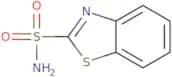
CAS:1,3-Benzothiazole-2-sulfonamide is a synthetic inhibitor that has been shown to inhibit proteolytic activity. It also inhibits the expression of aromatic hydrocarbons and nitro compounds by reacting with hydroxyl groups. This drug is metabolized by the liver. 1,3-Benzothiazole-2-sulfonamide has been shown to have prognostic value in human serum, chloride and carbonic acid levels in patients with head injuries. It is also known to be a functional group that can be found in pharmacological agents such as nitro compounds.Formula:C7H6N2O2S2Purity:Min. 95%Molecular weight:214.3 g/mol2-Nitrobenzenesulphonyl fluoride
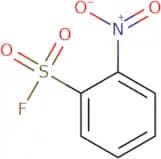
CAS:2-Nitrobenzenesulphonyl fluoride is a synthetic chemical compound that has been shown to inhibit the activity of basic proteins. It binds to the hydroxyl group of lysine residues and prevents them from forming cross-links with other proteins. This inhibition leads to a conformational change in the protein, which results in its denaturation or destruction. 2-Nitrobenzenesulphonyl fluoride has shown an inhibitory effect on creatine kinase, a muscle enzyme that provides energy for muscle contraction and relaxation. It also affects the diameter of bladder cells and inhibits acid analysis by inhibiting gastric secretions.Formula:C6H4FNO4SPurity:Min. 95%Molecular weight:205.16 g/mol2-Amino-4,4,4-trifluoro-3-hydroxybutanoic acid
CAS:2-Amino-4,4,4-trifluoro-3-hydroxybutanoic acid (2AHB) is a β-amino acid that is used in the treatment of various diseases. 2AHB has been shown to have antiviral activity against coronaviruses and anti-inflammatory effects in mice. This compound also has radioprotective properties and can be used for the prevention of radiation induced injury. 2AHB has been shown to induce apoptotic cell death in many cells, including cancer cells. It can be used for the treatment of inflammatory diseases such as arthritis and inflammatory bowel disease. 2AHB binds to metal ions such as iron and zinc, which are required for some enzymes involved in DNA synthesis, leading to inhibition of these enzymes. This prevents DNA replication, which can lead to cell death.Formula:C4H6F3NO3Purity:Min. 95%Molecular weight:173.09 g/mol(1-Bromo-2,2,2-trifluoroethyl)benzene
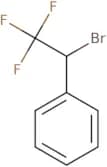
CAS:(1-Bromo-2,2,2-trifluoroethyl)benzene is a nonpolar compound that is used as the stationary phase in gas chromatography. It is a polar compound with a high boiling point and low volatility. The boiling point of this compound is between 158°C and 214°C and its melting point ranges from −179°C to −114°C. The molecular weight of (1-bromo-2,2,2-trifluoroethyl)benzene is 174.3 g/mol. This compound has the chemical formula C6H4BrF3 and contains 6 fluorine atoms. Fluorine atoms are polyfunctional, which means they have more than one reactive site on the molecule. As a result, this compound can be used as an adsorbent for organic compounds in the sorbent industry.Formula:C8H6BrF3Purity:Min. 95%Molecular weight:239.03 g/molPhenprocoumon
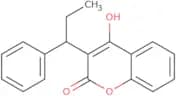
CAS:Phenprocoumon is a drug that belongs to the class of coumarin derivatives. It is used as an oral anticoagulant for the prevention and treatment of thrombosis or embolism in patients with atrial fibrillation, chronic deep venous thrombosis, or pulmonary embolism. Phenprocoumon prevents clot formation by inhibiting vitamin K-dependent factors necessary for blood coagulation. This drug may also be used to control bleeding in persons with hemophilia A or B. Phenprocoumon has been shown to decrease the rate of myocardial infarction (heart attack) and mortality rates in patients who have had a previous myocardial infarction. The mechanism by which phenprocoumon works is not well understood but it is known that this drug may interact with other drugs such as nonsteroidal anti-inflammatory drugs (NSAIDs).Formula:C18H16O3Purity:Min. 95%Molecular weight:280.32 g/molN-(2,4-Difluoro-6-nitrophenyl)acetamide
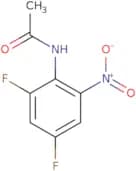
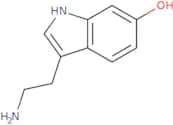
CAS:Versatile small molecule scaffoldFormula:C8H6F2N2O3Purity:Min. 95%Molecular weight:216.14 g/mol3-(2-Aminoethyl)-1H-indol-6-ol
CAS:Controlled Product3-(2-Aminoethyl)-1H-indol-6-ol (3-OH-6) is a compound that is structurally related to the neurotransmitter acetylcholine. It has been shown to have an inhibitory effect on amines and blood pressure in cell culture. 3-OH-6 also has the ability to bind to model proteins such as tyrosinase. This binding inhibits the uptake of 3-OH-6, which leads to its accumulation in cells where it can cause damage by acting on adrenergic receptors. 3-(2 Aminoethyl)-1H-indol-6-ol’s ability to act on dopamine receptors may be due to its hydroxyl group.
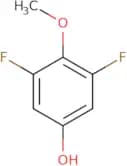
Formula:C10H12N2OPurity:Min. 95%Molecular weight:176.21 g/mol3,5-Difluoro-4-methoxyphenol
CAS:Versatile small molecule scaffold
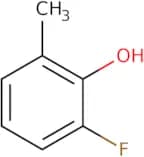
Formula:C7H6F2O2Purity:Min. 95%Molecular weight:160.12 g/mol2-Fluoro-6-methylphenol
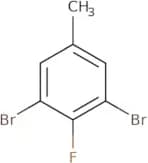
CAS:Versatile small molecule scaffoldFormula:C7H7FOPurity:Min. 95%Molecular weight:126.13 g/mol3,5-Dibromo-4-fluorotoluene
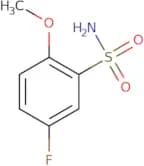
CAS:3,5-Dibromo-4-fluorotoluene is a white solid that is soluble in acetone, ethanol, and benzene. It is also an intermediate in the synthesis of benzoic acid, which can be used to produce ester or chloride derivatives. 3,5-Dibromo-4-fluorotoluene has been shown to be a precursor for the production of lithium adducts and intermediates. This compound reacts with lithium to form lithium bromide (LiBr) and lithium iodide (LiI). The reaction with chlorine forms 3,5-dichloro-4-fluorotoluene (3,5-DDFT). This latter compound can dimerize to form an n-propyl derivative.Formula:C7H5Br2FPurity:Min. 95%Molecular weight:267.92 g/mol5-Fluoro-2-methoxybenzene-1-sulfonamide
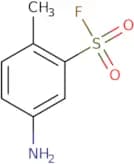
CAS:Versatile small molecule scaffoldFormula:C7H8FNO3SPurity:Min. 95%Molecular weight:205.21 g/mol5-Amino-2-methylbenzene-1-sulfonyl fluoride
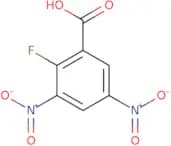
CAS:Versatile small molecule scaffoldFormula:C7H8FNO2SPurity:Min. 95%Molecular weight:189.21 g/mol2-Fluoro-3,5-dinitrobenzoic acid
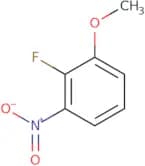
CAS:2-Fluoro-3,5-dinitrobenzoic acid (2FDBA) is a fluorinated dinitrophenyl ester that is used in microwave-assisted organic synthesis. It can be used to synthesize glycosylated trichloroacetimidates with efficient and stereospecific methodology. 2FDBA is an acceptor for the electron-rich trichloroacetimidates, which undergoes glycosylation reactions at these positions. The reaction proceeds under acidic conditions, with nucleophilic and reactive properties that are suitable for the synthesis of oligosaccharides and disaccharides. The product has been shown to be stable in water at pH 6.0 and above, but not in basic solutions.Formula:C7H3FN2O6Purity:Min. 95%Molecular weight:230.11 g/mol2-fluoro-1-methoxy-3-nitrobenzene
CAS:Versatile small molecule scaffoldFormula:C7H6NO3FPurity:Min. 95%Molecular weight:171.12 g/mol[4-(Dimethylamino)-3-fluorophenyl]methanol
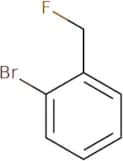
CAS:Versatile small molecule scaffoldFormula:C9H12FNOPurity:Min. 95%Molecular weight:169.2 g/mol2-Bromobenzyl fluoride
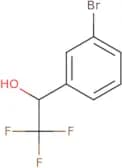
CAS:2-Bromobenzyl fluoride is a nucleophilic, efficient fluorinating agent. It can be used for the synthesis of aldehydes and hydroxides in the presence of sodium hydroxide. 2-Bromobenzyl fluoride is also an efficient reagent for the synthesis of fluorinated compounds.Formula:C7H6BrFPurity:Min. 95%Molecular weight:189.02 g/mol1-(3-bromophenyl)-2,2,2-trifluoroethanol
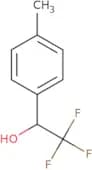
CAS:Versatile small molecule scaffoldFormula:C8H6BrF3OPurity:Min. 95%Molecular weight:255.03 g/mol2,2,2-Trifluoro-1-(p-tolyl)ethanol
CAS:Versatile small molecule scaffoldFormula:C9H9F3OPurity:Min. 95%Molecular weight:190.16 g/mol6-Phenyl-3-thio-1,2,4-triazin-5(2H)-one
CAS:The spectral and crystallographic properties of 6-phenyl-3-thio-1,2,4-triazin-5(2H)-one were investigated in order to elucidate the molecular structures. The crystal structure of this compound was determined by x-ray crystallography. The compound is a regioisomeric mixture of two chiral isomers that are mirror images of each other. 6PST has a molecular formula of C8H6NOS and a molecular weight of 172.14 g/mol. It has been shown that the compound can be prepared by condensation reaction between 2-(phenylsulfanyl)ethanol and ethylenecarbonate. The spectroscopic studies revealed that it possesses an absorption band at 418 nm in the ultraviolet region. The crosslinked structure of this molecule was also studied using infrared spectroscopy, which showed presence of hydrogen bonds in the molecule.
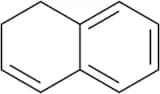
Formula:C9H7N3OSPurity:Min. 95%Molecular weight:205.24 g/mol1,2-Dihydronaphthalene
CAS:1,2-Dihydronaphthalene is a reactive chemical that can cause metabolic disorders. It has been shown to have significant cytotoxicity in rat liver microsomes and was also found to be able to cause myocardial infarct in rats. The mechanism of 1,2-dihydronaphthalene is not well understood but it could be due to a chain reaction or metal hydroxide precipitation. It has been shown that this compound can affect human metabolism and the coronary heart disease.Formula:C10H10Purity:Min. 95%Molecular weight:130.19 g/mol3-Methyl-6-(trifluoromethyl)-3,4-dihydro-2H-benzo[b][1,4]oxazine
CAS:Versatile small molecule scaffoldFormula:C10H10F3NOPurity:Min. 95%Molecular weight:217.19 g/mol6,7,8,9-Tetrahydro-5H-benzo[7]annulen-7-amine
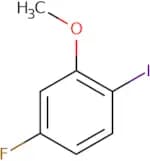
CAS:6,7,8,9-Tetrahydro-5H-benzo[7]annulen-7-amine is a subunit of the benzene ring. It has been shown to be an antagonist for the n-methyl-d-aspartate receptor (NMDA), which is involved in memory and learning. Studies have shown that 6,7,8,9-tetrahydro-5H-benzo[7]annulen-7-amine has a dose dependent effect on forebrain activity and can be used as a medicinal drug. This drug can also bind to positron emission tomography (PET) radiotracers and it's radiometabolites are found in the brain. 6,7,8,9 tetrahydro -5H benzo[7]annulen 7 amine has been shown to be effective at treating diseases such as epilepsy and Alzheimer's disease.Formula:C11H15NPurity:Min. 95%Molecular weight:161.24 g/mol4-Fluoro-1-iodo-2-methoxybenzene
CAS:Versatile small molecule scaffoldFormula:C7H6FIOPurity:Min. 95%Molecular weight:252.02 g/mol3-Bromo-4-fluorotoluene
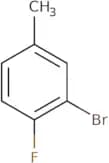
CAS:3-Bromo-4-fluorotoluene is a monomer that can be used in the synthesis of polymers. It reacts with trifluoroacetic acid, magnesium chloride, and a nucleophile to form 3-bromo-4-fluoroacrylic acid. This reaction takes place at room temperature and does not require a catalyst. The reaction time for this process is about 2 hours. 3-Bromo-4-fluorotoluene can also react with trichloroacetic acid to form 3,4-dibromofluorotoluene which is then reacted with chloride to form 3,3'-dichlorobenzidinium chloride. The diluent used in this process is usually tetrahydrofuran or dichloromethane. In bioconjugate chemistry, 3-bromo-4-fluorotoluene has been used to synthesFormula:C7H6BrFPurity:Min. 95%Molecular weight:189.03 g/mol3-Bromobenzenesulfonyl fluoride
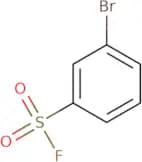
CAS:Versatile small molecule scaffold
Formula:C6H4BrFO2SPurity:Min. 95%Molecular weight:239.06 g/mol5-(Trifluoromethyl)benzene-1,3-diol
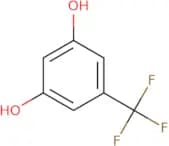
CAS:Versatile small molecule scaffold
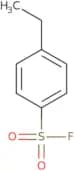
Formula:C7H5F3O2Purity:Min. 95%Molecular weight:178.11 g/mol4-Ethylbenzene-1-sulfonyl fluoride
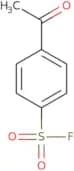
CAS:Versatile small molecule scaffoldFormula:C8H9FO2SPurity:Min. 95%Molecular weight:188.22 g/mol4-Acetylbenzene-1-sulfonyl fluoride
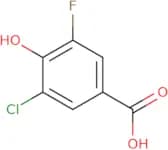
CAS:4-Acetylbenzene-1-sulfonyl fluoride is a fluorinating reagent that is used for the derivatization of organic compounds. It reacts with chlorides to form sulfonium chloride, which can be detected by UV absorbance or by fluorescence. 4-Acetylbenzene-1-sulfonyl fluoride has been validated for use in the analysis of fluoride in solutions and has been shown to be effective for the determination of sulfonyl fluorides.Formula:C8H7FO3SPurity:Min. 95%Molecular weight:202.2 g/mol3-Chloro-5-fluoro-4-hydroxybenzoic acid
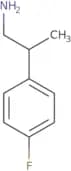
CAS:Versatile small molecule scaffoldFormula:C7H4ClFO3Purity:Min. 95%Molecular weight:190.55 g/mol2-(4-Fluorophenyl)propan-1-amine
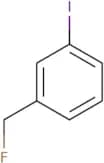
CAS:Controlled ProductVersatile small molecule scaffoldFormula:C9H12FNPurity:Min. 95%Molecular weight:153.2 g/mol1-(Fluoromethyl)-3-iodobenzene
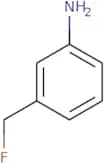
CAS:Versatile small molecule scaffoldFormula:C7H6FIPurity:Min. 95%Molecular weight:236.02 g/mol3-(Fluoromethyl)aniline
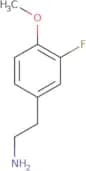
CAS:Versatile small molecule scaffoldFormula:C7H8FNPurity:Min. 95%Molecular weight:125.15 g/mol2-(3-Fluoro-4-methoxyphenyl)ethan-1-amine
CAS:Controlled ProductVersatile small molecule scaffoldFormula:C9H12FNOPurity:Min. 95%Molecular weight:169.2 g/mol


![2-[(3-Fluorophenyl)amino]ethan-1-ol](/_next/image/?url=https%3A%2Fstatic.cymitquimica.com%2Fproducts%2F3D%2Fthumb-webp%2FAAA40495.webp&w=3840&q=75)


![4-[(Trifluoromethyl)sulphonyl]phenol](/_next/image/?url=https%3A%2Fstatic.cymitquimica.com%2Fproducts%2F3D%2Fthumb-webp%2FAAA43284.webp&w=3840&q=75)

![[4-(Dimethylamino)-3-fluorophenyl]methanol](/_next/image/?url=https%3A%2Fstatic.cymitquimica.com%2Fproducts%2F3D%2Fthumb-webp%2FAAA44637.webp&w=3840&q=75)
![3-Methyl-6-(trifluoromethyl)-3,4-dihydro-2H-benzo[b][1,4]oxazine](/_next/image/?url=https%3A%2Fstatic.cymitquimica.com%2Fproducts%2F3D%2Fthumb-webp%2FAAA44985.webp&w=3840&q=75)
![6,7,8,9-Tetrahydro-5H-benzo[7]annulen-7-amine](/_next/image/?url=https%3A%2Fstatic.cymitquimica.com%2Fproducts%2F3D%2Fthumb-webp%2FAAA45060.webp&w=3840&q=75)