Building Blocks
Subcategories of "Building Blocks"
- Boronic Acids & Boronic Acid Derivatives(5,805 products)
- Chiral Building Blocks(1,248 products)
- Hydrocarbon Building Blocks(6,118 products)
- Organic Building Blocks(61,447 products)
Found 208423 products of "Building Blocks"
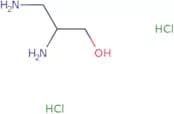
2,3-Diaminopropan-1-ol dihydrochloride
CAS:Versatile small molecule scaffoldFormula:C3H12Cl2N2OPurity:Min. 95%Molecular weight:163.04 g/molCyclohexylmethyl isothiocyanate
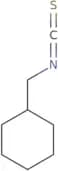
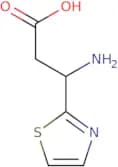
CAS:Cyclohexylmethyl isothiocyanate (CHITC) is a synthetic analog of the natural product sulforaphane. CHITC activates opioid receptors, and has been shown to inhibit the detoxification enzymes responsible for the metabolism of endogenous opioids. It has also been shown to have analgesic properties in animal models of chronic pain, and is a potential treatment for gastritis.Formula:C8H13NSPurity:Min. 95%Molecular weight:155.26 g/mol3-Amino-3-(1,3-thiazol-2-yl)propanoic acid
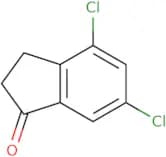
CAS:Versatile small molecule scaffoldFormula:C6H8N2O2SPurity:Min. 95%Molecular weight:172.21 g/mol4,6-Dichloro-2,3-dihydro-1H-inden-1-one
CAS:Versatile small molecule scaffoldFormula:C9H6Cl2OPurity:Min. 95%Molecular weight:201.05 g/molEthyl 7-oxo-5H,6H,7H-cyclopenta[C]pyridine-6-carboxylate
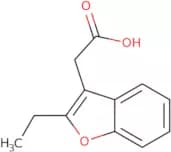
CAS:Versatile small molecule scaffoldFormula:C11H11NO3Purity:Min. 95%Molecular weight:205.21 g/mol2-(2-Ethyl-1-benzofuran-3-yl)acetic acid
CAS:Versatile small molecule scaffold
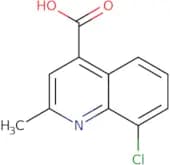
Formula:C12H12O3Purity:Min. 95%Molecular weight:204.22 g/mol8-Chloro-2-methyl-quinoline-4-carboxylic acid
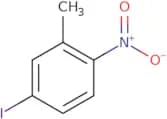
CAS:Versatile small molecule scaffoldFormula:C11H8ClNO2Purity:Min. 95%Molecular weight:221.64 g/mol4-Iodo-2-methyl-1-nitrobenzene
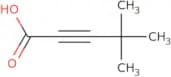
CAS:4-Iodo-2-methyl-1-nitrobenzene is a prodrug that is converted to its active form, 4-iodo-2-methylbenzenesulfonamide, by hydrolysis. It has been shown to regulate the expression of genes that are involved in the regulation of cellular proliferation and cell cycle progression. The FTIR spectrum of 4-iodo-2-methylbenzenesulfonamide shows a redshift from 1730 cm−1 to 1680 cm−1, which is indicative of the photorelease of nitrosamines. This drug has been used for the treatment of cancer, in particular for chlorambucil resistant cancers. The functional groups on this compound have been shown to be efficient for chemistry with other compounds and biomolecules.Formula:C7H6INO2Purity:Min. 95%Molecular weight:263.03 g/mol4,4-Dimethylpent-2-ynoic acid
CAS:Versatile small molecule scaffold
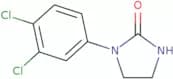
Formula:C7H10O2Purity:Min. 95%Molecular weight:126.15 g/mol1-(3,4-Dichlorophenyl)imidazolidin-2-one
CAS:Versatile small molecule scaffoldFormula:C9H8Cl2N2OPurity:Min. 95%Molecular weight:231.08 g/mol4-Amino-N-[2-(diethylamino)ethyl]-2-methoxybenzamide hydrochloride
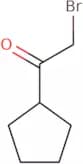
CAS:Versatile small molecule scaffoldFormula:C14H24ClN3O2Purity:Min. 95%Molecular weight:301.81 g/mol2-bromo-1-cyclopentylethan-1-one
CAS:2-bromo-1-cyclopentylethan-1-one is a racemic mixture of two enantiomers, 2-bromo-1-(2-methylpropyl)ethanone and 1-(2-methylpropyl)-2-(phenyl)ethanone. The compound has been shown to inhibit cell proliferation in vitro and has been used in the treatment of allergies without any observed side effects. This drug may act by inhibition of the synthesis of L-amino acids or vitamin B6, which are required for cell division. It may also have an effect on alkylating DNA, leading to inhibition of protein synthesis.
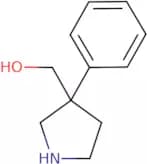
Formula:C7H11BrOPurity:Min. 95%Molecular weight:191.07 g/mol(3-Phenylpyrrolidin-3-yl)methanol
CAS:Versatile small molecule scaffold
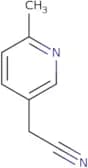
Formula:C11H15NOPurity:Min. 95%Molecular weight:177.24 g/mol2-(6-Methylpyridin-3-yl)acetonitrile
CAS:Versatile small molecule scaffold
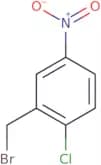
Formula:C8H8N2Purity:Min. 95%Molecular weight:132.16 g/mol2-(Bromomethyl)-1-chloro-4-nitrobenzene
CAS:Versatile small molecule scaffold
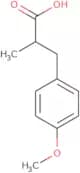
Formula:C7H5BrClNO2Purity:Min. 95%Molecular weight:250.48 g/mol3-(4-Methoxyphenyl)-2-methylpropanoic acid
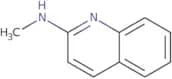
CAS:Versatile small molecule scaffoldFormula:C11H14O3Purity:Min. 95%Molecular weight:194.23 g/molN-Methylquinolin-2-amine
CAS:N-Methylquinolin-2-amine is a quinoline derivative that binds to the fatty acid ester of amides, which are found on the surface of cells. It has high specificity for hydroxy groups and is operational in aqueous solutions. N-Methylquinolin-2-amine has been shown to have activity against Alzheimer's disease by binding to the fatty acid ester of amide and blocking the function of ligands. The reaction time can be reduced by adding hydroxy group and alkyl group to the molecule. A molecular orbital diagram shows how this compound reacts with an amide substrate. This drug can be used as a diagnostic or postoperative treatment for Alzheimer's disease.
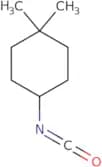
Formula:C10H10N2Purity:Min. 95%Molecular weight:158.2 g/mol4-Isocyanato-1,1-dimethylcyclohexane
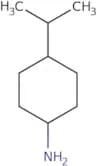
CAS:Versatile small molecule scaffoldFormula:C9H15NOPurity:Min. 95%Molecular weight:153.22 g/mol4-Isopropylcyclohexylamine (cis- and trans- mixture)
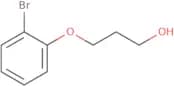
CAS:4-Isopropylcyclohexylamine is an organic compound that belongs to the group of anilines. It is a colorless liquid with a camphor-like odor. 4-Isopropylcyclohexylamine has been shown to be a potent dehydrogenase in vitro and in vivo. It catalyzes the conversion of various substrates, including amines and imines, into alcohols, with or without oxidizing water. The reaction proceeds via the elimination of hydrogen cyanide as the final product. 4-Isopropylcyclohexylamine also has been shown to catalyze the oxidation of diarylamines and aminomethanes to nitrosamines and nitramines, respectively.Formula:C9H19NPurity:Min. 95%Molecular weight:141.26 g/mol3-(2-Bromophenoxy)propan-1-ol
CAS:Versatile small molecule scaffold
Formula:C9H11BrO2Purity:Min. 95%Molecular weight:231.09 g/molTetrahydrofuranyl-2-carbonyl Chloride
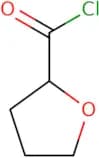
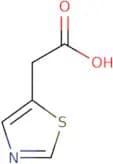
CAS:Tetrahydrofuranyl-2-carbonyl Chloride is a reactive chemical that has been used in the treatment of pediatric cancer. It is a prodrug that undergoes enzymatic hydrolysis to release an active form of hydrochloric acid, which is cytotoxic and induces apoptosis in cells. Tetrahydrofuranyl-2-carbonyl Chloride binds to annexin, which triggers the activation of caspases and leads to the cleavage of poly(ADP-ribose) polymerase (PARP). This cleavage leads to mitochondrial membrane depolarization and subsequent cell death. The x-ray structures of tetrahydrofuranyl-2-carbonyl chloride show that it has an unsymmetrical carbonyl group. When it reacts with chloride ions, it forms an intermediate with a carbonyl group on one side and a bromide ion on the other. This intermediate can then react withFormula:C5H7ClO2Purity:Min. 95%Molecular weight:134.56 g/mol2-(Thiazol-5-yl)acetic acid
CAS:2-(Thiazol-5-yl)acetic acid is an antimicrobial that is used as a fungicide. It has been shown to inhibit the growth of Fusarium and Curvularia. 2-(Thiazol-5-yl)acetic acid also has fungicidal activity against Refluxing, butanoic acid, and Oxysporum. This compound has been found to be effective against fungi in a number of different studies. 2-(Thiazol-5-yl)acetic acid inhibits the synthesis of ribosomes by inhibiting mRNA translation, leading to cell death by inhibition of protein synthesis.
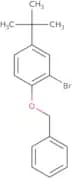
Formula:C5H5NO2SPurity:Min. 95%Molecular weight:143.16 g/mol1-Benzyloxy-2-bromo-4-t-butylbenzene
CAS:1-Benzyloxy-2-bromo-4-t-butylbenzene is a fungicide that inhibits the growth of fungi by inhibiting the synthesis of ergosterol, a component of the fungal cell membrane. It also has anti-inflammatory effects, as shown in animal models. 1-Benzyloxy-2-bromo-4-t-butylbenzene is used to control phytopathogenic fungi such as Fusarium, Rhizoctonia, and Phytophthora. This compound is not active against Gram (+) or Gram (-) bacteria.Formula:C17H19BrOPurity:Min. 95%Molecular weight:319.24 g/mol2-(Methylsulfanyl)cyclohex-1-ene-1-carboxylic acid
CAS:Versatile small molecule scaffold
Formula:C8H12O2SPurity:Min. 95%Molecular weight:172.2 g/mol1H,2H,3H,4H,5H-[1,4]Diazepino[1,2-a]indole hydrochloride
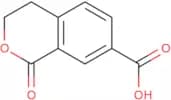
CAS:Versatile small molecule scaffoldFormula:C12H15ClN2Purity:Min. 95%Molecular weight:222.71 g/mol1-Oxo-3,4-dihydro-1H-2-benzopyran-7-carboxylic acid
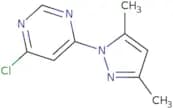
CAS:Versatile small molecule scaffoldFormula:C10H8O4Purity:Min. 95%Molecular weight:192.17 g/mol4-Chloro-6-(3,5-dimethyl-1H-pyrazol-1-yl)pyrimidine
CAS:Versatile small molecule scaffoldFormula:C9H9ClN4Purity:Min. 95%Molecular weight:208.65 g/mol2-Chloro-4-(3,5-dimethyl-1H-pyrazol-1-yl)pyrimidine
CAS:2-Chloro-4-(3,5-dimethyl-1H-pyrazol-1-yl)pyrimidine is an inhibitor of DNA polymerase. It has been shown to be a potent inhibitor of the synthesis of dna and protein in bacterial cells. 2-Chloro-4-(3,5-dimethyl-1H-pyrazol-1-yl)pyrimidine forms two types of interactions with the enzyme: intermolecular interactions with the enzyme's active site, which prevents substrate binding, and intramolecular interactions with residues on the enzyme's surface, which inhibits catalysis. The crystal structure shows that hydrogen bonds form between the inhibitory molecule and amino acid residues on the enzyme's surface.Formula:C9H9ClN4Purity:Min. 95%Molecular weight:208.65 g/mol6-Chloro-N-methylpyridine-3-sulfonamide
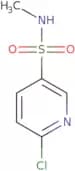
CAS:Versatile small molecule scaffold
Formula:C6H7ClN2O2SPurity:Min. 95%Molecular weight:206.65 g/mol2,5-Dimethyl-1,4-dihydroquinolin-4-one
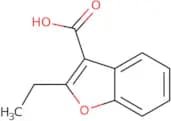
CAS:Versatile small molecule scaffoldFormula:C11H11NOPurity:Min. 95%Molecular weight:173.21 g/mol2-Ethyl-1-benzofuran-3-carboxylic acid
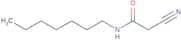
CAS:Versatile small molecule scaffoldFormula:C11H10O3Purity:Min. 95%Molecular weight:190.19 g/mol2-Cyano-N-heptylacetamide
CAS:Versatile small molecule scaffoldFormula:C10H18N2OPurity:Min. 95%Molecular weight:182.26 g/mol3-(4-Methoxyphenyl)cyclobutan-1-one
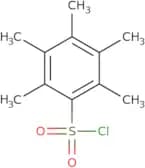
CAS:Versatile small molecule scaffoldFormula:C11H12O2Purity:Min. 95%Molecular weight:176.21 g/molPentamethylbenzenesulfonyl chloride
CAS:Pentamethylbenzenesulfonyl chloride is a halogenated organic compound that has been used in the manufacture of collagen. It has shown to be effective in the stabilization of collagen and as an anti-inflammatory agent. Pentamethylbenzenesulfonyl chloride can also be used to treat autoimmune diseases, cancer, and hyperopia. This drug is a haloalkyl that binds with proteins and other molecules through non-covalent interactions. The binding of this drug stabilizes collagen which is found in skin, cartilage, and tendons.Formula:C11H15ClO2SPurity:Min. 95%Molecular weight:246.75 g/mol1-(3-Amino-4,6-dimethyl-thieno[2,3-b]pyridin-2-yl)-ethanone
CAS:1-(3-Amino-4,6-dimethyl-thieno[2,3-b]pyridin-2-yl)-ethanone (AMT) is a thiosemicarbazone that inhibits the synthesis of DNA. It blocks the nucleotide incorporation into DNA by binding to the enzyme DNA polymerase and inhibiting its activity. AMT has been shown to have antimicrobial properties against a wide range of bacteria, including Staphylococcus aureus, Clostridium perfringens, Mycobacterium tuberculosis, and Mycobacterium avium complex. AMT also has inhibitory effects on mammalian cytochrome P450 enzymes.Formula:C11H12N2OSPurity:Min. 95%Molecular weight:220.3 g/mol3-Amino-4,6-dimethyl-thieno[2,3-b]pyridine-2-carboxylic acid methyl ester
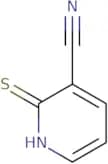
CAS:3-Amino-4,6-dimethyl-thieno[2,3-b]pyridine-2-carboxylic acid methyl ester is a thienopyridine that belongs to the class of pyridinecarboxylic acids. It has been shown to have cytotoxic effects against human cells in vitro and in vivo. 3-Amino-4,6-dimethyl-thieno[2,3-b]pyridine-2-carboxylic acid methyl ester has also been shown to inhibit protein synthesis in eukaryotic cells by binding to the 30S ribosomal subunit. This drug also binds to RNA polymerase II and inhibits transcriptional activity.Formula:C11H12N2O2SPurity:Min. 95%Molecular weight:236.29 g/mol2-Mercaptonicotinonitrile
CAS:2-Mercaptonicotinonitrile is a synthetic sulfoxide that has inhibitory potency against nitrous. It is used in the synthesis of diazonium salts, which are used to synthesize alkylating agents. The reaction mechanism of 2-Mercaptonicotinonitrile involves condensation with iodomethane followed by alkylation, and can be carried out using silico analysis.Formula:C6H4N2SPurity:Min. 95%Molecular weight:136.17 g/mol3-Aminothieno[2,3-b]pyridine-2-carbonitrile
CAS:Versatile small molecule scaffoldFormula:C8H5N3SPurity:Min. 95%Molecular weight:175.21 g/molEthyl 3-amino-4,6-dimethylthieno[2,3-b]pyridine-2-carboxylate
CAS:Ethyl 3-amino-4,6-dimethylthieno[2,3-b]pyridine-2-carboxylate is a heterocyclic compound that is used as a reagent in organic synthesis. It is a polyfunctionalized heterocycle that contains an ethyl ester and an acid ethyl ester moiety. The compound can be prepared by the reaction of thiophene with nitromethane and ethyl iodide followed by hydrolysis.Formula:C12H14N2O2SPurity:Min. 95%Molecular weight:250.32 g/mol3-Amino-4,6-dimethylthieno[2,3-b]pyridine-2-carbonitrile
CAS:3-Amino-4,6-dimethylthieno[2,3-b]pyridine-2-carbonitrile is a disulfide that has been shown to be an antimicrobial agent. It reacts with carbon disulfide and ethylenediamine to form a catalytic intermediate. This intermediate is then reacted with hydrazine and orthoformate to produce the final product. 3-Amino-4,6-dimethylthieno[2,3-b]pyridine-2-carbonitrile has been shown to have antimicrobial activity against heterocycles and cyclocondensation reactions. It also has antifungal activity against both Candida albicans and Aspergillus niger. 3-Amino-4,6-dimethylthieno[2,3-b]pyridine-2-[carbonitrile can be used in the synthesis of antif
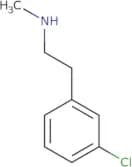
Formula:C10H9N3SPurity:Min. 95%Molecular weight:203.27 g/molN-Methyl 3-chlorophenethylamine
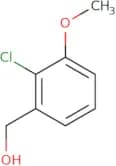
CAS:Controlled ProductVersatile small molecule scaffoldFormula:C9H12ClNPurity:Min. 95%Molecular weight:169.65 g/mol(2-Chloro-3-methoxyphenyl)methanol
CAS:Versatile small molecule scaffoldFormula:C8H9ClO2Purity:Min. 95%Molecular weight:172.61 g/mol2-Chloro-1-(chloromethyl)-3-methoxybenzene
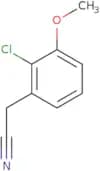
CAS:Versatile small molecule scaffoldFormula:C8H8Cl2OPurity:Min. 95%Molecular weight:191.05 g/mol2-(2-Chloro-3-methoxyphenyl)acetonitrile
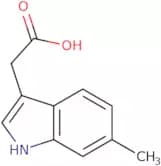
CAS:Versatile small molecule scaffoldFormula:C9H8ClNOPurity:Min. 95%Molecular weight:181.62 g/mol2-(6-Methyl-1H-indol-3-yl)acetic acid
CAS:Versatile small molecule scaffold
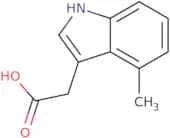
Formula:C11H11NO2Purity:Min. 95%Molecular weight:189.21 g/mol2-(4-Methyl-1H-indol-3-yl)acetic acid
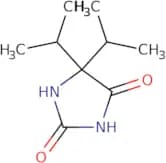
CAS:2-(4-Methyl-1H-indol-3-yl)acetic acid (as indole-3-carbinol) is a phytochemical that belongs to the group of hormones. It is found in many fruits and vegetables that are rich in flavonoids, such as cauliflower, cabbage, broccoli, and Brussels sprouts. Indole-3-carbinol has been shown to optimize root formation and promote plant growth by activating signalling pathways in plants. The compound also has antiinflammatory effects by inhibiting the production of proinflammatory cytokines from macrophages and other immune cells. Indole-3-carbinol can be used as a dietary supplement for its potential benefits on human health.Formula:C11H11NO2Purity:Min. 95%Molecular weight:189.21 g/mol5,5-Bis(propan-2-yl)imidazolidine-2,4-dione
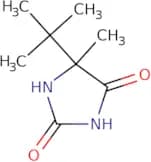
CAS:5,5-Bis(propan-2-yl)imidazolidine-2,4-dione is a potent and selective antinociceptive agent. It has been shown to be effective in the treatment of chronic pain. 5,5-Bis(propan-2-yl)imidazolidine-2,4-dione has high potency and selectivity for the peripheral nervous system. It inhibits voltage dependent sodium channels which lead to decreased neuronal excitability. This drug also has anticonvulsant properties which may be due to its ability to inhibit glutamate release.Formula:C9H16N2O2Purity:Min. 95%Molecular weight:184.24 g/mol5-tert-Butyl-5-methylimidazolidine-2,4-dione
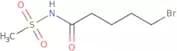
CAS:Versatile small molecule scaffoldFormula:C8H14N2O2Purity:Min. 95%Molecular weight:170.21 g/mol5-Bromo-N-methanesulfonylpentanamide
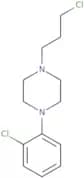
CAS:Versatile small molecule scaffoldFormula:C6H12BrNO3SPurity:Min. 95%Molecular weight:258.14 g/mol1-(2-Chlorophenyl)-4-(3-chloropropyl)piperazine
CAS:Controlled ProductVersatile small molecule scaffold
Formula:C13H18Cl2N2Purity:Min. 95%Molecular weight:273.2 g/mol

![Ethyl 7-oxo-5H,6H,7H-cyclopenta[C]pyridine-6-carboxylate](/_next/image/?url=https%3A%2Fstatic.cymitquimica.com%2Fproducts%2F3D%2Fthumb-webp%2FCCA40236.webp&w=3840&q=75)
![4-Amino-N-[2-(diethylamino)ethyl]-2-methoxybenzamide hydrochloride](/_next/image/?url=https%3A%2Fstatic.cymitquimica.com%2Fproducts%2F3D%2Fthumb-webp%2FCCA42358.webp&w=3840&q=75)
![1H,2H,3H,4H,5H-[1,4]Diazepino[1,2-a]indole hydrochloride](/_next/image/?url=https%3A%2Fstatic.cymitquimica.com%2Fproducts%2F3D%2Fthumb-webp%2FCCA46156.webp&w=3840&q=75)



![1-(3-Amino-4,6-dimethyl-thieno[2,3-b]pyridin-2-yl)-ethanone](/_next/image/?url=https%3A%2Fstatic.cymitquimica.com%2Fproducts%2F3D%2Fthumb-webp%2FCCA50542.webp&w=3840&q=75)
![3-Amino-4,6-dimethyl-thieno[2,3-b]pyridine-2-carboxylic acid methyl ester](/_next/image/?url=https%3A%2Fstatic.cymitquimica.com%2Fproducts%2F3D%2Fthumb-webp%2FCCA50544.webp&w=3840&q=75)
![3-Aminothieno[2,3-b]pyridine-2-carbonitrile](/_next/image/?url=https%3A%2Fstatic.cymitquimica.com%2Fproducts%2F3D%2Fthumb-webp%2FCCA50547.webp&w=3840&q=75)
![Ethyl 3-amino-4,6-dimethylthieno[2,3-b]pyridine-2-carboxylate](/_next/image/?url=https%3A%2Fstatic.cymitquimica.com%2Fproducts%2F3D%2Fthumb-webp%2FCCA50556.webp&w=3840&q=75)
![3-Amino-4,6-dimethylthieno[2,3-b]pyridine-2-carbonitrile](/_next/image/?url=https%3A%2Fstatic.cymitquimica.com%2Fproducts%2F3D%2Fthumb-webp%2FCCA50557.webp&w=3840&q=75)