Building Blocks
Subcategories of "Building Blocks"
- Boronic Acids & Boronic Acid Derivatives(5,805 products)
- Chiral Building Blocks(1,248 products)
- Hydrocarbon Building Blocks(6,118 products)
- Organic Building Blocks(61,447 products)
Found 208423 products of "Building Blocks"
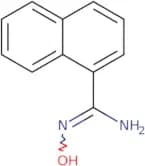
N'-Hydroxynaphthalene-1-carboximidamide
CAS:Versatile small molecule scaffold
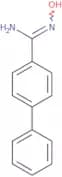
Formula:C11H10N2OPurity:Min. 95%Molecular weight:186.21 g/molBiphenyl-4-amidoxime
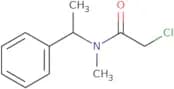
CAS:Biphenyl-4-amidoxime is a hepatoprotective drug, which helps to protect the liver from damage. It has been shown to be effective against hepatomegaly, or enlarged livers, in vivo experiments and can be used for the prevention of liver toxicity caused by antibiotics such as spiramycin and mycophenolic acid. Biphenyl-4-amidoxime inhibits the production of malondialdehyde (MDA) in the liver, which is a marker for lipid peroxidation. It also decreases the levels of alanine aminotransferase (ALT) and aspartate aminotransferase (AST), which are indicators of liver injury. This agent has an inhibitory effect on Toxoplasma gondii and has been shown to have selectivity index > 500 in vitro.Formula:C13H12N2OPurity:Min. 95%Molecular weight:212.25 g/mol2-Chloro-N-methyl-N-(1-phenylethyl)acetamide
CAS:Versatile small molecule scaffoldFormula:C11H14ClNOPurity:Min. 95%Molecular weight:211.69 g/mol2-Chloro-N-[1-(3,4-dimethylphenyl)ethyl]acetamide
CAS:Versatile small molecule scaffoldFormula:C12H16ClNOPurity:Min. 95%Molecular weight:225.71 g/mol2-Chloro-N-[1-(3-chlorophenyl)ethyl]acetamide
CAS:Versatile small molecule scaffoldFormula:C10H11Cl2NOPurity:Min. 95%Molecular weight:232.1 g/mol2-Chloro-N-[1-(4-chlorophenyl)ethyl]-N-methylacetamide
CAS:Versatile small molecule scaffoldFormula:C11H13Cl2NOPurity:Min. 95%Molecular weight:246.13 g/mol2-Chloro-N-[1-(4-chlorophenyl)propyl]acetamide
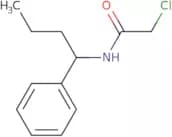
CAS:Versatile small molecule scaffoldFormula:C11H13Cl2NOPurity:Min. 95%Molecular weight:246.13 g/mol2-Chloro-N-(1-phenylbutyl)acetamide
CAS:Versatile small molecule scaffold
Formula:C12H16ClNOPurity:Min. 95%Molecular weight:225.71 g/mol2-Chloro-N-[(3-methoxyphenyl)methyl]propanamide
CAS:Versatile small molecule scaffold
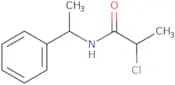
Formula:C11H14ClNO2Purity:Min. 95%Molecular weight:227.69 g/mol2-Chloro-N-(1-phenylethyl)propanamide
CAS:Versatile small molecule scaffold
Formula:C11H14ClNOPurity:Min. 95%Molecular weight:211.69 g/mol2-Chloro-N-[1-(2-methoxyphenyl)ethyl]propanamide
CAS:Versatile small molecule scaffoldFormula:C12H16ClNO2Purity:Min. 95%Molecular weight:241.71 g/mol[1-(3,4-Dichlorophenyl)ethyl](methyl)amine
CAS:Versatile small molecule scaffold
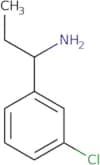
Formula:C9H11Cl2NPurity:Min. 95%Molecular weight:204.09 g/mol1-(3-Chlorophenyl)propan-1-amine
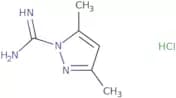
CAS:Versatile small molecule scaffoldFormula:C9H12ClNPurity:Min. 95%Molecular weight:169.65 g/mol3,5-Dimethylpyrazole-1-carboximidamide hydrochloride
CAS:3,5-Dimethylpyrazole-1-carboximidamide hydrochloride is a test compound that can be used in enzyme preparations. It inhibits glyoxalase, which is an enzyme that catalyzes the reaction of glyoxal and lysine residues, preventing the formation of advanced glycation end products. 3,5-Dimethylpyrazole-1-carboximidamide hydrochloride has been shown to be a potent inhibitor of vesicular stomatitis virus (VSV) replication with high specificity for the aminoguanidine (AGA) site on VSV RNA polymerase. The mechanism for this inhibition is not fully understood; however, it is thought to involve the primary amines on 3,5-dimethylpyrazole-1-carboximidamide hydrochloride reacting with lysine residues on VSV RNA polymerase. This binding prevents amino acid activation and subsequent incorporation into the growing viral
Formula:C6H11ClN4Purity:Min. 95%Molecular weight:174.63 g/mol(2E)-2-Cyano-3-(pyridin-3-yl)prop-2-enamide
CAS:Versatile small molecule scaffold
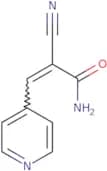
Formula:C9H7N3OPurity:Min. 95%Molecular weight:173.17 g/mol2-Cyano-3-(4-pyridinyl)acrylamide
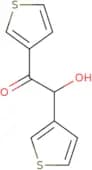
CAS:Versatile small molecule scaffoldFormula:C9H7N3OPurity:Min. 95%Molecular weight:173.17 g/mol2-Hydroxy-1,2-di-3-thienyl-ethanone
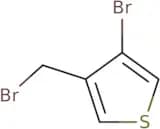
CAS:2-Hydroxy-1,2-di-3-thienyl-ethanone is an organic compound that belongs to the group of organic molecules. It has a molecular formula of C6H5O and a molecular weight of 124.14 g/mol. The name 2-hydroxy-1,2-di-3-thienyl ethanone is also known as ethane.Formula:C10H8O2S2Purity:Min. 95%Molecular weight:224.3 g/mol3-Bromo-4-(bromomethyl)thiophene
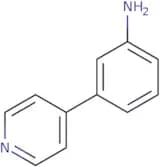
CAS:Versatile small molecule scaffoldFormula:C5H4Br2SPurity:Min. 95%Molecular weight:255.96 g/mol3-Pyridin-4-ylaniline
CAS:3-Pyridin-4-ylaniline is a chemotherapeutic that can be used to treat cancer. It has been shown to inhibit the growth of tumors in mice with leukemia, and it inhibits the replication of human cancer cells in vitro. The chemical structure of 3-Pyridin-4-ylaniline includes a nitrogen atom connected to an aromatic ring. The nitrogen atom is also bonded to two ligands, which are pyridazine and carbonyl groups. 3-Pyridin-4-ylaniline binds to purines, a type of molecule that are found in DNA and RNA. This binding prevents the incorporation of purines into DNA and inhibits cancer cell proliferation by blocking DNA synthesis.
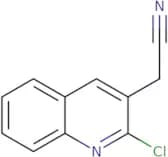
Formula:C11H10N2Purity:Min. 95%Molecular weight:170.21 g/mol2-(2-Chloroquinolin-3-yl)acetonitrile
CAS:Versatile small molecule scaffold
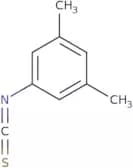
Formula:C11H7ClN2Purity:Min. 95%Molecular weight:202.64 g/mol3,5-Dimethylphenyl Isothiocyanate
CAS:3,5-Dimethylphenyl Isothiocyanate is a sulfur analogue that has the same molecular weight and chemical properties as 3,5-dimethylthiophenol. It is used to derivatize organic compounds with thiol groups via reactions with aliphatic, aromatic, and heterocyclic systems. The enantiomer of this compound is called S-(+)-3,5-dimethylphenyl isothiocyanate.
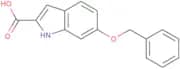
Formula:C9H9NSPurity:Min. 95%Molecular weight:163.24 g/mol6-(Benzyloxy)-1H-indole-2-carboxylic acid
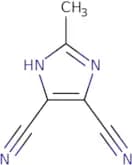
CAS:Versatile small molecule scaffoldFormula:C16H13NO3Purity:Min. 95%Molecular weight:267.28 g/mol2-Methyl-1H-imidazole-4,5-dicarbonitrile
CAS:Versatile small molecule scaffold
Formula:C6H4N4Purity:Min. 95%Molecular weight:132.12 g/mol2-[(Cyclopropylcarbonyl)amino]Benzoic Acid
CAS:Versatile small molecule scaffold
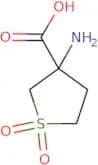
Formula:C11H11NO3Purity:Min. 95%Molecular weight:205.21 g/mol3-Aminotetrahydro-3-thiophenecarboxylic acid 1,1-dioxide
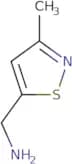
CAS:Versatile small molecule scaffoldFormula:C5H9NO4SPurity:Min. 95%Molecular weight:179.2 g/mol(3-Methyl-1,2-thiazol-5-yl)methanamine
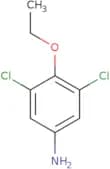
CAS:Versatile small molecule scaffoldFormula:C5H8N2SPurity:Min. 95%Molecular weight:128.2 g/mol3,5-Dichloro-4-ethoxyaniline
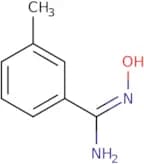
CAS:Versatile small molecule scaffoldFormula:C8H9Cl2NOPurity:Min. 95%Molecular weight:206.07 g/mol3-Methylbenzamide oxime
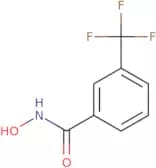
CAS:3-Methylbenzamide oxime is a chemical compound that has the chemical formula C6H5N3O. It is used as a reagent in organic synthesis. 3-Methylbenzamide oxime also acts as a silver-containing oxidant, which can be used to generate hydrogen peroxide or silver oxide.Formula:C8H10N2OPurity:Min. 95%Molecular weight:150.18 g/molN-Hydroxy-3-(trifluoromethyl)benzamide
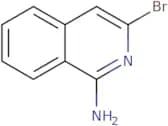
CAS:N-Hydroxymethyl-3-(trifluoromethyl)benzamide is an oxidative and reductive elimination agent that can be used in a variety of synthetic reactions. This compound can be used to synthesize hydroxamic acids, alkenylations, carboxylates, and other functionalized organic compounds. This compound is also useful for the preparation of aromatic carboxylic acid derivatives. The mechanism for this reaction is the hydroxamic acid formation through reductive elimination followed by the addition of an alcohol or amine. The reaction begins with the oxidative cleavage of an ester or amide bond to form a carbonyl group and a hydroxylamine moiety. The hydroxylamine then undergoes reductive elimination to yield a hydroxamic acid. This process is catalyzed by metal ions such as copper (Cu), zinc (Zn), and iron (Fe).Formula:C8H6F3NO2Purity:Min. 95%Molecular weight:205.13 g/mol3-bromoisoquinolin-1-amine
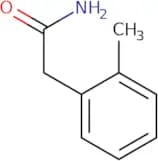
CAS:Versatile small molecule scaffoldFormula:C9H7BrN2Purity:Min. 95%Molecular weight:223.1 g/mol2-(2-Methylphenyl)acetamide
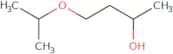
CAS:Versatile small molecule scaffoldFormula:C9H11NOPurity:Min. 95%Molecular weight:149.19 g/mol4-(Propan-2-yloxy)butan-2-ol
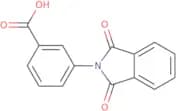
CAS:Versatile small molecule scaffoldFormula:C7H16O2Purity:Min. 95%Molecular weight:132.2 g/mol3-(1,3-Dioxo-1,3-dihydroisoindol-2-yl)benzoic acid
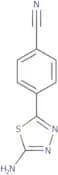
CAS:Versatile small molecule scaffoldFormula:C15H9NO4Purity:Min. 95%Molecular weight:267.24 g/mol4-(5-Amino-1,3,4-thiadiazol-2-yl)benzonitrile
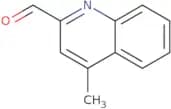
CAS:Versatile small molecule scaffoldFormula:C9H6N4SPurity:Min. 95%Molecular weight:202.24 g/mol4-Methylquinoline-2-carboxaldehyde
CAS:4-Methylquinoline-2-carboxaldehyde is a formylating agent that is used in the synthesis of heterocycles. It has been shown to react with methanol and mediated by oxidative conditions to produce formaldehyde. This reagent can be used for the functionalization of biomolecules by reacting with amines, thiols, and hydroxyl groups. 4-Methylquinoline-2-carboxaldehyde can also be used for the oxidative coupling of phenols and naphthols. The functional group on this compound is a carboxylic acid (-COH).Formula:C11H9NOPurity:Min. 95%Molecular weight:171.19 g/mol8-Thia-4,6-diazatricyclo[7.5.0.0,2,7]tetradeca-1(9),2(7),5-trien-3-one
CAS:8-Thia-4,6-diazatricyclo[7.5.0.0,2,7]tetradeca-1(9),2(7),5-trien-3-one is a synthetic antifungal molecule with inhibitory properties against the growth of fungi. This compound inhibits the biosynthesis of ergosterol, an essential component of the fungal cell membrane, by inhibiting the enzyme squalene epoxidase. 8-Thia-4,6-diazatricyclo[7.5.0.0,2,7]tetradeca-1(9),2(7),5-trien-3-one has been shown to be effective in killing Candida albicans and other species of pathogenic fungi in cell culture and animal models.
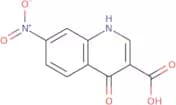
Formula:C11H12N2OSPurity:Min. 95%Molecular weight:220.29 g/mol4-Hydroxy-7-nitroquinoline-3-carboxylic acid
CAS:Versatile small molecule scaffold
Formula:C10H6N2O5Purity:Min. 95%Molecular weight:234.16 g/mol4-Chloro-6-methyl-1H,2H,3H-pyrrolo[3,4-c]pyridine-1,3-dione
CAS:Versatile small molecule scaffold
Formula:C8H5ClN2O2Purity:Min. 95%Molecular weight:196.59 g/mol6,7-Dihydro-5H-pyrrolo[3,4-b]pyridin-5-one
CAS:6,7-Dihydro-5H-pyrrolo[3,4-b]pyridin-5-one (6,7-DHP) is a muscarinic acetylcholine receptor agonist that has been shown to have profiles of both an agonist and antagonist. It was discovered by screening compounds against the acetylcholine receptor in the presence of different concentrations of acetylcholine. 6,7-DHP activates the receptor at low concentrations and inhibits it at higher concentrations. 6,7-DHP is used as an experimental tool to investigate the function of the muscarinic acetylcholine receptor in various diseases such as psychiatric disorders and inflammatory diseases. The molecule also has potential therapeutic applications for these disorders.Formula:C7H6N2OPurity:Min. 95%Molecular weight:134.14 g/mol1H,2H,3H-pyrrolo[3,4-c]pyridin-3-one
CAS:1H,2H,3H-pyrrolo[3,4-c]pyridin-3-one is a phosphoinositide synthesis inhibitor. It is an important drug target for the treatment of cancer due to its ability to inhibit the production of phosphoinositides that are necessary for the regulation of cell growth, proliferation and differentiation. The therapeutic potential of 1H,2H,3H-pyrrolo[3,4-c]pyridin-3-one has been demonstrated through chemistry studies and medicinal chemistry approaches. This molecule was synthesized with a 3-kinase inhibitor moiety and a reactive carboxamides group.
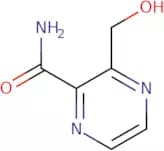
Formula:C7H6N2OPurity:Min. 95%Molecular weight:134.14 g/mol3-(Hydroxymethyl)pyrazine-2-carboxamide
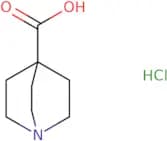
CAS:Versatile small molecule scaffoldFormula:C6H7N3O2Purity:Min. 95%Molecular weight:153.14 g/molQuinuclidine-4-carboxylic acid hydrochloride
CAS:Versatile small molecule scaffold
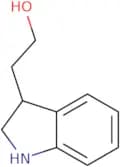
Formula:C8H14ClNO2Purity:Min. 95%Molecular weight:191.66 g/mol2-(2,3-Dihydro-1H-indol-3-yl)ethan-1-ol
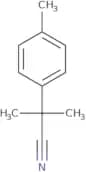
CAS:2-(2,3-Dihydro-1H-indol-3-yl)ethan-1-ol is a crystalline compound that can be prepared by the addition of hydrogen chloride to 2-(2,3-dihydroindol-3-yl)ethanol. It is an enantiomer of 1-(2,3-dihydroindol-3-yl)ethanone. The compound has been used as a reagent in analytical chemistry and as a substrate for oxidases and other enzymes.Formula:C10H13NOPurity:Min. 95%Molecular weight:163.22 g/mol2-Methyl-2-(p-tolyl)propanenitrile
CAS:Versatile small molecule scaffold
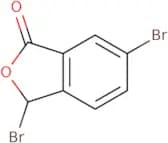
Formula:C11H13NPurity:Min. 95%Molecular weight:159.23 g/mol3,6-Dibromo-1,3-dihydro-2-benzofuran-1-one
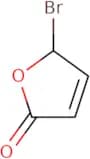
CAS:Versatile small molecule scaffoldFormula:C8H4Br2O2Purity:Min. 95%Molecular weight:291.92 g/mol5-bromo-2,5-dihydrofuran-2-one
CAS:Versatile small molecule scaffold
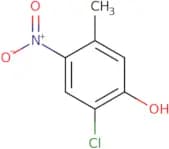
Formula:C4H3BrO2Purity:Min. 95%Molecular weight:162.97 g/mol2-Chloro-5-methyl-4-nitrophenol
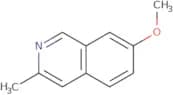
CAS:Versatile small molecule scaffoldFormula:C7H6ClNO3Purity:Min. 95%Molecular weight:187.58 g/mol7-Methoxy-3-methylisoquinoline
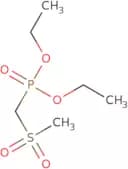
CAS:Versatile small molecule scaffoldFormula:C11H11NOPurity:Min. 95%Molecular weight:173.21 g/molDiethyl(methylsulfonylmethyl)phosphonate
CAS:Diethyl (methylsulfonylmethyl)phosphonate is a synthetic compound that has been shown to inhibit the mineralocorticoid receptor. This receptor is involved in the regulation of electrolyte and fluid balance. The inhibition of this receptor by diethyl (methylsulfonylmethyl)phosphonate may be due to its ability to bind to the receptor's active site and prevent it from binding with other hormones, such as aldosterone. Diethyl (methylsulfonylmethyl)phosphonate also has antiviral and anti-cancer properties. It can inhibit the proteolytic activity of a virus, such as hepatitis, or protease enzymes found in cancer cells. Diethyl (methylsulfonylmethyl)phosphonate can also act as an allergen for some people and cause skin irritation.Formula:C6H15O5PSPurity:Min. 95%Molecular weight:230.21 g/mol2,2-Dimethyl-1,3-dioxan-5-amine
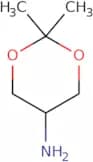
CAS:2,2-Dimethyl-1,3-dioxan-5-amine is an organic molecule that utilizes electron affinity to synthesize with a variety of orientations. The hydrophobic and intramolecular orientations are the most common. The 2,2-dimethyl-1,3-dioxan-5-amine molecule has been shown to be capable of utilizing the hydrogen atom in water as an electron acceptor and donor. It can also form a monolayer on a gold electrode surface. This molecule is hydrophilic and therefore prefers hydrophilic environments such as the electrode surface or water. Impurities in this compound may include fluoride ion or chloride ion.
Formula:C6H13NO2Purity:Min. 95%Molecular weight:131.18 g/mol

![2-Chloro-N-[1-(3,4-dimethylphenyl)ethyl]acetamide](/_next/image/?url=https%3A%2Fstatic.cymitquimica.com%2Fproducts%2F3D%2Fthumb-webp%2FQBA02305.webp&w=3840&q=75)
![2-Chloro-N-[1-(3-chlorophenyl)ethyl]acetamide](/_next/image/?url=https%3A%2Fstatic.cymitquimica.com%2Fproducts%2F3D%2Fthumb-webp%2FQBA02311.webp&w=3840&q=75)
![2-Chloro-N-[1-(4-chlorophenyl)ethyl]-N-methylacetamide](/_next/image/?url=https%3A%2Fstatic.cymitquimica.com%2Fproducts%2F3D%2Fthumb-webp%2FQBA02312.webp&w=3840&q=75)
![2-Chloro-N-[1-(4-chlorophenyl)propyl]acetamide](/_next/image/?url=https%3A%2Fstatic.cymitquimica.com%2Fproducts%2F3D%2Fthumb-webp%2FQBA02327.webp&w=3840&q=75)
![2-Chloro-N-[(3-methoxyphenyl)methyl]propanamide](/_next/image/?url=https%3A%2Fstatic.cymitquimica.com%2Fproducts%2F3D%2Fthumb-webp%2FQBA02339.webp&w=3840&q=75)
![2-Chloro-N-[1-(2-methoxyphenyl)ethyl]propanamide](/_next/image/?url=https%3A%2Fstatic.cymitquimica.com%2Fproducts%2F3D%2Fthumb-webp%2FQBA02343.webp&w=3840&q=75)
amine](/_next/image/?url=https%3A%2Fstatic.cymitquimica.com%2Fproducts%2F3D%2Fthumb-webp%2FQBA02376.webp&w=3840&q=75)

![2-[(Cyclopropylcarbonyl)amino]Benzoic Acid](/_next/image/?url=https%3A%2Fstatic.cymitquimica.com%2Fproducts%2F3D%2Fthumb-webp%2FQBA05721.webp&w=3840&q=75)
![8-Thia-4,6-diazatricyclo[7.5.0.0,2,7]tetradeca-1(9),2(7),5-trien-3-one](/_next/image/?url=https%3A%2Fstatic.cymitquimica.com%2Fproducts%2F3D%2Fthumb-webp%2FQBA10631.webp&w=3840&q=75)
![4-Chloro-6-methyl-1H,2H,3H-pyrrolo[3,4-c]pyridine-1,3-dione](/_next/image/?url=https%3A%2Fstatic.cymitquimica.com%2Fproducts%2F3D%2Fthumb-webp%2FQBA10791.webp&w=3840&q=75)
![6,7-Dihydro-5H-pyrrolo[3,4-b]pyridin-5-one](/_next/image/?url=https%3A%2Fstatic.cymitquimica.com%2Fproducts%2F3D%2Fthumb-webp%2FQBA10793.webp&w=3840&q=75)
![1H,2H,3H-pyrrolo[3,4-c]pyridin-3-one](/_next/image/?url=https%3A%2Fstatic.cymitquimica.com%2Fproducts%2F3D%2Fthumb-webp%2FQBA10795.webp&w=3840&q=75)