Building Blocks
Subcategories of "Building Blocks"
- Boronic Acids & Boronic Acid Derivatives(5,786 products)
- Chiral Building Blocks(1,246 products)
- Hydrocarbon Building Blocks(6,107 products)
- Organic Building Blocks(61,079 products)
Found 205461 products of "Building Blocks"
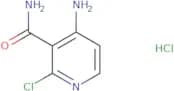
4-Amino-2-chloropyridine-3-carboxamide hydrochloride
CAS:Versatile small molecule scaffoldFormula:C6H7Cl2N3OPurity:Min. 95%Molecular weight:208.04 g/mol[2-(1,3-Dioxaindan-5-yl)ethyl](methyl)amine hydrochloride
CAS:Controlled ProductVersatile small molecule scaffold
Formula:C10H14ClNO2Purity:Min. 95%Molecular weight:215.67 g/molButopyronoxyl
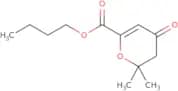
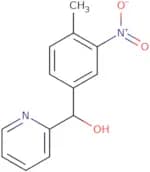
CAS:Butopyronoxyl is a trifluoroacetate salt of butyronoxyl. Butyronoxyl is a growth factor that has been shown to be clinically relevant in the treatment of HIV infection and cancer. It also has potent anti-cancer activities, with the ability to inhibit tumor growth and induce apoptosis in cancer cells. The asymmetric synthesis of butyronoxyl is achieved through a one-pot reaction involving the condensation of 2-bromobutanoic acid with maleic anhydride followed by potassium carbonate-promoted hydrolysis. This compound can be obtained from natural sources such as fatty acids or plant extracts.Formula:C12H18O4Purity:Min. 95%Molecular weight:226.27 g/mol(4-Methyl-3-nitrophenyl)(pyridin-2-yl)methanol
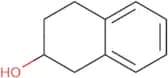
CAS:Versatile small molecule scaffoldFormula:C13H12N2O3Purity:Min. 95%Molecular weight:244.25 g/mol1,2,3,4-Tetrahydronaphthalen-2-ol
CAS:Tetrahydronaphthalen-2-ol is an electrochemical substance that is used in pharmaceutical dosage formulations. It has shown to have a significant effect on degenerative diseases such as Parkinson's disease and polycystic ovarian syndrome, and also possesses activity against pancreatic lipase. Tetrahydronaphthalen-2-ol is synthesized from 1,2,3,4-tetrahydronaphthalene by the reaction of hydroxyl group with the aromatic hydrocarbon. The synthesis reaction requires light exposure. This substance is also made up of a hydroxy group and an alkynyl group.Formula:C10H12OPurity:Min. 95%Molecular weight:148.21 g/molTroger’S
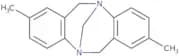
CAS:Troger’s is a fluorescent probe that can be used to measure the hydrogen bond in amines. It is synthesized by reacting trifluoroacetic acid with coumarin derivatives and an amine. Troger’s has been shown to have high fluorescence intensity and a wide spectral range (250-400 nm). The fluorescence intensity of Troger’s was found to be proportional to the concentration of amines. This probe has also been used as a skeleton for polymeric matrices, which are activated by nitrogen atoms. Activation energies for these polymer matrices have been found to be between 1-3 kcal/mol.
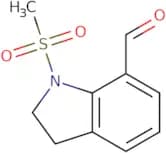
Formula:C17H18N2Purity:Min. 95%Molecular weight:250.34 g/mol1-Methanesulfonyl-2,3-dihydro-1H-indole-7-carbaldehyde
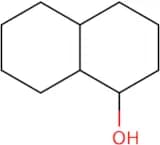
CAS:Versatile small molecule scaffoldFormula:C10H11NO3SPurity:Min. 95%Molecular weight:225.27 g/molDecahydronaphthalen-1-ol
CAS:Decahydronaphthalen-1-ol is an organic solvent that is used to extract compounds from samples. It has a linear calibration curve and can be used on-line. Decahydronaphthalen-1-ol reacts with nitrogen atoms in the reaction intermediates, halogen compounds and supercritical carbon dioxide. Decahydronaphthalen-1-ol also has carboxylate, sulphonate, alicyclic and solid phase microextraction properties. Decahydronaphthalen-1-ol has functional groups such as chromatographic and viscosity. Decahydronaphthalen-1-ol is a liquid at room temperature with a boiling point of 68°C. The chemical formula for decahydronaphthalen-1-ol is C10H14O.Formula:C10H18OPurity:Min. 95%Molecular weight:154.25 g/molD(-)-Tartaric acid
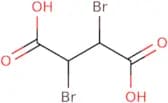
CAS:2,3-Dihydroxybutanedioic acid is a metabolite of pantothenic acid and is produced by the action of β-alanine dioxygenase on 2,3-dihydroxybutyric acid. It has been suggested that 2,3-dihydroxybutanedioic acid may be an important link in the biochemical pathway for calcium uptake and metabolism. This compound is structurally similar to tartrate, which is also used as a pH buffer and may be involved in the regulation of energy metabolism. There are no known inhibitors or activators of 2,3-dihydroxybutanedioic acid.Formula:C4H6O6Purity:Min. 95%Molecular weight:150.09 g/mol2,3-Dibromosuccinic acid
CAS:Triethyl orthoformate, or TEAO, is a chemical compound that is used in the synthesis of 2,3-dibromosuccinic acid. It is prepared by the reaction of ethyl bromoacetate and sodium hydroxide in an aqueous solution. The yield of the reaction depends on the reaction time and the concentration of sodium hydroxide in the solution. The product can be purified by distillation or recrystallization. Triethyl orthoformate may be used as an industrial solvent to dissolve epoxy resins. It is also commonly used as a reagent for organic synthesis reactions such as esterification and etherification reactions. In addition, it has been shown to have antibacterial properties against Staphylococcus aureus and Bacillus subtilis. Triethyl orthoformate is also involved in another chemical process: propiolic acid esterification with maleic anhydride in order toFormula:HOOCCHBrCHBrCOOHPurity:Min. 95%Molecular weight:275.88 g/mol[1-(2,2-Difluoroethyl)piperidin-4-yl]methanamine dihydrochloride
CAS:Versatile small molecule scaffold
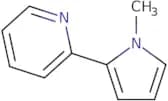
Formula:C8H18Cl2F2N2Purity:Min. 95%Molecular weight:251.14 g/mol2-(1-Methyl-1H-pyrrol-2-yl)pyridine
CAS:2-(1-Methyl-1H-pyrrol-2-yl)pyridine is an acidic, pharmacokinetic, and reactive chemical. It is a postulated carcinogen that may also have neurotoxic effects. 2-(1-Methyl-1H-pyrrol-2-yl)pyridine has been shown to inhibit the synthesis of prostaglandin E2 in animals. The biochemical mechanism of inhibition is not yet known, but it may be due to the formation of reactive radicals such as pyrrole. This chemical can be metabolized into 2-(1-methylpyrrolidinium) sulfamate by microsomes in animals. The sulfamate form can also undergo diode reactions with other compounds.Formula:C10H10N2Purity:Min. 95%Molecular weight:158.2 g/mol5-[4-(Aminomethyl)phenyl]-5-methylimidazolidine-2,4-dione hydrochloride
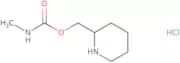
CAS:Versatile small molecule scaffoldFormula:C11H14ClN3O2Purity:Min. 95%Molecular weight:255.7 g/molPiperidin-2-ylmethyl N-methylcarbamate hydrochloride
CAS:Versatile small molecule scaffoldFormula:C8H17ClN2O2Purity:Min. 95%Molecular weight:208.68 g/mol1-Methyl-3H,4H,9H-pyrido[3,4-b]indole
CAS:1-Methyl-3H,4H,9H-pyrido[3,4-b]indole (1MP) is a drug that belongs to the class of quinoline derivatives. It binds to the protein receptor in the cell membrane and has been shown to have high cytotoxicity. 1MP has been used in the treatment of cancer and inflammatory diseases. In addition, 1MP inhibits autophagy and lowers lipid levels, which may be due to its ability to inhibit the enzyme HMG-CoA reductase. This drug is also effective against Pseudomonas aeruginosa bacteria by binding to their cell membranes.
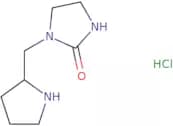
Formula:C12H12N2Purity:Min. 95%Molecular weight:184.24 g/mol1-(Pyrrolidin-2-ylmethyl)imidazolidin-2-one hydrochloride
CAS:Versatile small molecule scaffoldFormula:C8H16ClN3OPurity:Min. 95%Molecular weight:205.68 g/mol2-[2-(Morpholin-4-yl)-4-phenyl-1,3-thiazol-5-yl]acetic acid hydrobromide
CAS:Versatile small molecule scaffoldFormula:C15H17BrN2O3SPurity:Min. 95%Molecular weight:385.3 g/molMebhydrolin
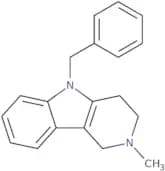
CAS:Mebhydrolin is a drug used to treat metabolic disorders and symptoms such as hyperglycemia, hyperlipidemia, and hyperuricemia. It is also used for the treatment of autoimmune diseases, such as rheumatoid arthritis. Mebhydrolin inhibits potassium dichromate-induced dopamine release in rat brain synaptosomes. The clinical relevance of this effect is not clear. Mebhydrolin has been shown to have no toxicological effects on the bowel and may be beneficial in bowel disease because it stimulates sodium citrate absorption. In addition, mebhydrolin has been shown to inhibit inflammatory bowel disease by blocking the 5HT3 receptor activity in animal studies.Formula:C19H20N2Purity:Min. 95%Molecular weight:276.38 g/mol2-Hydroxy-3-iodobenzoic acid
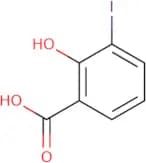
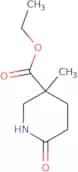
CAS:2-Hydroxy-3-iodobenzoic acid is a carboxyl compound that has a radioactive form. It is stable in air and water, but can be oxidized by light or alkali. 2-Hydroxy-3-iodobenzoic acid can be used to synthesize the antiinflammatory drug salicylic acid. This drug is excreted in urine and feces as salicyluric acid. The metabolic pathway of 2-hydroxy-3-iodobenzoic acid includes oxidation and conjugation with glucuronic acid, which are the major routes of metabolism for salicylic acid.Formula:C7H5IO3Purity:Min. 95%Molecular weight:264.02 g/molEthyl 3-methyl-6-oxopiperidine-3-carboxylate
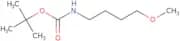
CAS:Versatile small molecule scaffoldFormula:C9H15NO3Purity:Min. 95%Molecular weight:185.22 g/moltert-Butyl N-(4-methoxybutyl)carbamate
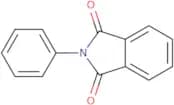
CAS:Versatile small molecule scaffoldFormula:C10H21NO3Purity:Min. 95%Molecular weight:203.28 g/mol2-Phenyl-isoindole-1,3-dione
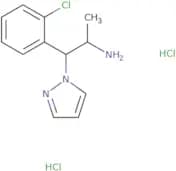
CAS:2-Phenyl-isoindole-1,3-dione is a diphenyl ether that has been shown to be effective against protozoa and bacteria in vitro. It is used as an intermediate in the synthesis of other drugs, such as amide and hydrochloric acid. The chemical stability of diphenyl ethers makes them valuable for use in organic synthesis. 2-Phenyl-isoindole-1,3-dione reacts with water vapor to form a carbonyl group, which can then react with hydrochloric acid to produce a proton. The nucleophilic nature of the nitrogen atom enables it to react with the carbonyl group and produce an amide.Formula:C14H9NO2Purity:Min. 95%Molecular weight:223.23 g/mol1-(2-Chlorophenyl)-1-(1H-pyrazol-1-yl)propan-2-amine dihydrochloride
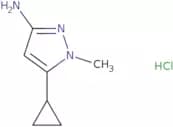
CAS:Versatile small molecule scaffoldFormula:C12H16Cl3N3Purity:Min. 95%Molecular weight:308.6 g/mol5-Cyclopropyl-1-methyl-1H-pyrazol-3-amine hydrochloride
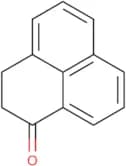
CAS:Versatile small molecule scaffoldFormula:C7H12ClN3Purity:Min. 95%Molecular weight:173.64 g/mol2,3-Dihydro-1H-phenalen-1-one
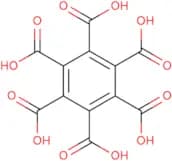
CAS:2,3-Dihydro-1H-phenalen-1-one is an oxidation product of phenacetin and is used as a marker for the presence of this drug in biological studies. 2,3-Dihydro-1H-phenalen-1-one can be detected by spectrometric methods and assays, such as staining with fluorescamine. It has also been shown to be present in infant urine samples. 2,3-Dihydro-1H-phenalen-1-one has not been shown to have any therapeutic value or toxicity.Formula:C13H10OPurity:Min. 95%Molecular weight:182.22 g/molMellitic acid
CAS:Mellitic acid is a sodium salt of an inorganic acid. It has been used as a matrix effect agent to study the kinetics of solute transport through polymer films. Mellitic acid is also used as a substrate film for fluorescence spectrometry studies of the interaction between metal ions and polymers. The hydroxyl group on mellitic acid can form hydrogen bonds with the carboxylic acid groups in polymers, which may be responsible for its antimicrobial activity.Formula:C12H6O12Purity:Min. 95%Molecular weight:342.17 g/molGlyoxal bis(sodium hydrogen sulfite) adduct hydrate
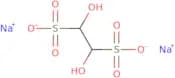
CAS:Glyoxal bis(sodium hydrogen sulfite) adduct hydrate is a reactive compound that has been shown to react with quinoxaline derivatives. The nitrogen atoms in the amide and nitrogen atoms in the quinoxaline derivative are oxidized by oxidation catalyst, such as sodium carbonate, to form an amide-quinone. This reaction leads to the formation of a polyvinyl polymer that can be used for sample preparation. In addition, this compound has been shown to have receptor activity and detergent compositions. Glyoxal bis(sodium hydrogen sulfite) adduct hydrate also has antimicrobial properties and can be used for plant physiology studies and pharmacokinetic properties.
Formula:OHCCHO·2NaHSO3Purity:Min. 95%Molecular weight:266.16 g/molMethyl 2-[(5-bromo-2-nitrophenyl)amino]-2-methylpropanoate
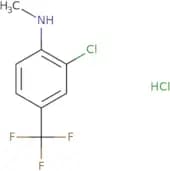
CAS:Versatile small molecule scaffoldFormula:C11H13BrN2O4Purity:Min. 95%Molecular weight:317.14 g/mol2-Chloro-N-methyl-4-(trifluoromethyl)aniline hydrochloride
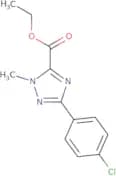
CAS:Versatile small molecule scaffoldFormula:C8H8Cl2F3NPurity:Min. 95%Molecular weight:246.05 g/molEthyl 3-(4-chlorophenyl)-1-methyl-1H-1,2,4-triazole-5-carboxylate
CAS:Versatile small molecule scaffoldFormula:C12H12ClN3O2Purity:Min. 95%Molecular weight:265.69 g/moltert-Butyl 2-(ethenesulfonyl)acetate
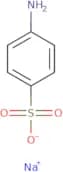
CAS:Versatile small molecule scaffoldFormula:C8H14O4SPurity:Min. 95%Molecular weight:206.26 g/molSodium 4-aminobenzenesulfonate
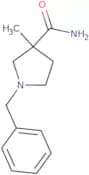
CAS:Sodium 4-aminobenzenesulfonate is a salt of the sulfonate group. It is used as a chemical intermediate in the production of sodium citrate and zirconium oxide. Sodium 4-aminobenzenesulfonate has been shown to be chemically stable and can be used at high temperatures without decomposition. It reacts with sodium carbonate, water vapor, and glycol ethers to produce anhydrous sodium carbonate, hydrogen fluoride, and monosodium 4-aminobenzenesulfonate. The reaction mechanism is similar to that of the reaction between sodium hydroxide and hydrochloric acid. This product also has been shown to have a glomerular filtration rate of 43 ml/minute/1.73m2.Formula:C6H6NNaO3SPurity:Min. 95%Color and Shape:PowderMolecular weight:195.17 g/mol1-Benzyl-3-methylpyrrolidine-3-carboxamide
CAS:Versatile small molecule scaffoldFormula:C13H18N2OPurity:Min. 95%Molecular weight:218.29 g/mol6-Chloro-4-methyl-1H-pyrazolo[3,4-d]pyrimidine hydrochloride
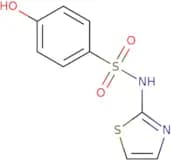
CAS:Versatile small molecule scaffoldFormula:C6H6Cl2N4Purity:Min. 95%Molecular weight:205.04 g/mol4-Hydroxy-N-(1,3-thiazol-2-yl)benzene-1-sulfonamide
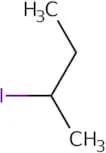
CAS:4-Hydroxy-N-(1,3-thiazol-2-yl)benzene-1-sulfonamide is a sulfonamide analog that has been shown to be effective for the treatment of bowel disease. The drug inhibits viral replication by interacting with the virus's RNA polymerase and blocking the formation of new viral particles. It also prevents the symptoms of radiation, dehydration, and cachexia. 4-Hydroxy-N-(1,3-thiazol-2-yl)benzene-1-sulfonamide has been found to be effective in treating inflammatory bowel disease and preventing pemphigus in animal models. This drug is also used as a preservative in some foods and detergent compositions. Although it can cause allergic reactions, there are no known side effects when taken orally.Formula:C9H8N2O3S2Purity:Min. 95%Molecular weight:256.3 g/mol2-Iodobutane
CAS:2-Iodobutane is a halide that can undergo elimination reactions with hydroxide solution or chloride to form 2-chloroethanol and 2-iodopropane, respectively. It has been shown to have genotoxic effects in predictive models and can be used as a chemical reagent for the synthesis of other organic compounds. This compound is also used as a solvent for the removal of carbon tetrachloride from contaminated water, which is an environmental pollutant. The reaction rate of 2-iodobutane with hydrogen chloride (HCl) is dependent on the concentration of HCl and temperature, with higher concentrations resulting in a faster reaction rate.Formula:C4H9IPurity:Min. 95%Molecular weight:184.02 g/mol{[1-(3-Bromophenyl)-1H-1,2,3-triazol-4-yl]methyl}(methyl)amine hydrochloride
CAS:Versatile small molecule scaffold
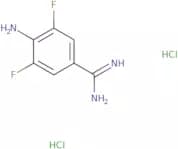
Formula:C10H12BrClN4Purity:Min. 95%Molecular weight:303.58 g/mol4-Amino-3,5-difluorobenzene-1-carboximidamide dihydrochloride
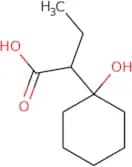
CAS:Versatile small molecule scaffoldFormula:C7H9Cl2F2N3Purity:Min. 95%Molecular weight:244.07 g/mol2-(1-Hydroxycyclohexyl)butanoic acid
CAS:2-(1-Hydroxycyclohexyl)butanoic acid is an analog of 2-cyclohexyl-2-hydroxypropanoic acid. It inhibits the production of prostaglandin E2 by inhibiting the enzyme cyclooxygenase. 2-(1-Hydroxycyclohexyl)butanoic acid has been shown to be effective in treating autoimmune diseases and inflammatory diseases, such as rheumatoid arthritis, by inhibiting the production of proinflammatory compounds. This drug also has potent antibacterial activity against a wide range of bacteria. The therapeutic dosage for this drug is between 100mg and 200mg per day in three divided doses. The side effects are nausea, vomiting, dizziness, headache, blurred vision, and dry mouth.Formula:C10H18O3Purity:Min. 95%Molecular weight:186.25 g/mol7-Bromo-2-tert-butylimidazo[1,2-a]pyridine hydrobromide
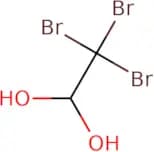
CAS:Versatile small molecule scaffoldFormula:C11H14Br2N2Purity:Min. 95%Molecular weight:334.05 g/mol2,2,2-Tribromoethane-1,1-diol
CAS:2,2,2-Tribromoethane-1,1-diol is a reactive compound that has been shown to cause genotoxic effects in ovary cells. It reacts with hydroxy groups and other functional groups in DNA and also has the ability to form adducts with DNA bases. The high reactivity of 2,2,2-tribromoethane-1,1-diol makes it a good candidate for use as a radical initiator in chemical reactions. This chemical can be found in glycol ethers and trichloroacetic acid (TCA) assays. Trichloroacetic acid is used as an indicator of genotoxic activity and can be used to measure cytotoxicity and mutagenicity. 2,2,2-Tribromoethane-1,1-diol has shown genotoxic potential in various assays such as the Ames test and the mouse lymphoma assayFormula:C2H3Br3O2Purity:Min. 95%Molecular weight:298.76 g/mol{6-[(2,2,2-Trifluoroethoxy)methyl]pyridin-3-yl}methanamine dihydrochloride
CAS:Versatile small molecule scaffold
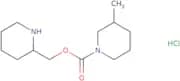
Formula:C9H13Cl2F3N2OPurity:Min. 95%Molecular weight:293.11 g/molPiperidin-2-ylmethyl 3-methylpiperidine-1-carboxylate hydrochloride
CAS:Versatile small molecule scaffoldFormula:C13H25ClN2O2Purity:Min. 95%Molecular weight:276.8 g/mol3-[3-(Aminomethyl)phenyl]-1,3-diazaspiro[4.4]nonane-2,4-dione hydrochloride
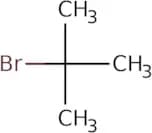
CAS:Versatile small molecule scaffoldFormula:C14H18ClN3O2Purity:Min. 95%Molecular weight:295.76 g/mol2-Bromo-2-methylpropane
CAS:2-Bromo-2-methylpropane (C3H7Br2) is a hydrocarbon that is used in the manufacture of dibromomethane, a precursor to other chemicals. 2-Bromo-2-methylpropane is an intermediate for the production of fatty acids and can be converted into other compounds. Its chemical structure consists of two methyl groups, two bromine atoms, and three carbon atoms. 2-Bromo-2-methylpropane has a high boiling point of 201°C and viscosity of 0.064 mPa·s at 25°C with a high value for activation energy, which makes it useful as an industrial solvent. It also has strong hydrogen bonding properties due to its molecule geometry.
Formula:C4H9BrPurity:Min. 95%Molecular weight:137.02 g/mol2-[(2,2-Difluoroethyl)amino]ethan-1-ol
CAS:Versatile small molecule scaffoldFormula:C4H9F2NOPurity:Min. 95%Molecular weight:125.12 g/mol3-(2-Fluorophenyl)cyclopentan-1-amine hydrochloride
CAS:Versatile small molecule scaffoldFormula:C11H15ClFNPurity:Min. 95%Molecular weight:215.69 g/mol[1-(4-Chlorophenyl)-2-methylpropyl](methyl)amine hydrochloride
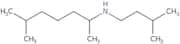
CAS:Versatile small molecule scaffoldFormula:C11H17Cl2NPurity:Min. 95%Molecular weight:234.16 g/mol(3-Methylbutyl)(6-methylheptan-2-yl)amine
CAS:(3-Methylbutyl)(6-methylheptan-2-yl)amine is an organic solvent that is soluble in water. It is used as a matrix polymer for the preparation of pharmaceutical preparations, such as those with sodium citrate, and is also used as an occlusive agent in biocompatible coatings. The alkynyl group of this compound has made it useful for the production of retropubic catheters and other devices that are implanted in mammalian tissue. This compound’s profile also makes it suitable for use as a coating on medical implants. (3-Methylbutyl)(6-methylheptan-2-yl)amine is biodegradable and can be dissolved in the body without any harmful effects.Formula:C13H29NPurity:Min. 95%Molecular weight:199.38 g/molCitronellic Acid
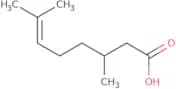
CAS:Citronellic acid is a monounsaturated carboxylic acid that has an absorption enhancer effect. It is also known to have skin-conditioning properties. Citronellic acid is found naturally in plants, such as citronella, lemongrass, and geranium. It can be synthesized by the hydrolysis of malonic acid with sodium hydroxide or potassium hydroxide. The chemical reactions of citronellic acid are similar to those of other polycarboxylic acids, such as acetic acid. Citronellic acid is not acutely toxic and does not cause skin irritation or sensitization.Formula:C10H18O2Purity:Min. 95%Molecular weight:170.25 g/mol

amine hydrochloride](/_next/image/?url=https%3A%2Fstatic.cymitquimica.com%2Fproducts%2F3D%2Fthumb-webp%2FAAA53310.webp&w=3840&q=75)
![[1-(2,2-Difluoroethyl)piperidin-4-yl]methanamine dihydrochloride](/_next/image/?url=https%3A%2Fstatic.cymitquimica.com%2Fproducts%2F3D%2Fthumb-webp%2FDXC58914.webp&w=3840&q=75)
![5-[4-(Aminomethyl)phenyl]-5-methylimidazolidine-2,4-dione hydrochloride](/_next/image/?url=https%3A%2Fstatic.cymitquimica.com%2Fproducts%2F3D%2Fthumb-webp%2FDXC58913.webp&w=3840&q=75)
![1-Methyl-3H,4H,9H-pyrido[3,4-b]indole](/_next/image/?url=https%3A%2Fstatic.cymitquimica.com%2Fproducts%2F3D%2Fthumb-webp%2FAAA52541.webp&w=3840&q=75)
![2-[2-(Morpholin-4-yl)-4-phenyl-1,3-thiazol-5-yl]acetic acid hydrobromide](/_next/image/?url=https%3A%2Fstatic.cymitquimica.com%2Fproducts%2F3D%2Fthumb-webp%2FDXC58909.webp&w=3840&q=75)
![Methyl 2-[(5-bromo-2-nitrophenyl)amino]-2-methylpropanoate](/_next/image/?url=https%3A%2Fstatic.cymitquimica.com%2Fproducts%2F3D%2Fthumb-webp%2FDXC58902.webp&w=3840&q=75)

![6-Chloro-4-methyl-1H-pyrazolo[3,4-d]pyrimidine hydrochloride](/_next/image/?url=https%3A%2Fstatic.cymitquimica.com%2Fproducts%2F3D%2Fthumb-webp%2FDXC58897.webp&w=3840&q=75)
![{[1-(3-Bromophenyl)-1H-1,2,3-triazol-4-yl]methyl}(methyl)amine hydrochloride](/_next/image/?url=https%3A%2Fstatic.cymitquimica.com%2Fproducts%2F3D%2Fthumb-webp%2FDXC58896.webp&w=3840&q=75)
![7-Bromo-2-tert-butylimidazo[1,2-a]pyridine hydrobromide](/_next/image/?url=https%3A%2Fstatic.cymitquimica.com%2Fproducts%2F3D%2Fthumb-webp%2FDXC58893.webp&w=3840&q=75)
![{6-[(2,2,2-Trifluoroethoxy)methyl]pyridin-3-yl}methanamine dihydrochloride](/_next/image/?url=https%3A%2Fstatic.cymitquimica.com%2Fproducts%2F3D%2Fthumb-webp%2FDXC58892.webp&w=3840&q=75)
![3-[3-(Aminomethyl)phenyl]-1,3-diazaspiro[4.4]nonane-2,4-dione hydrochloride](/_next/image/?url=https%3A%2Fstatic.cymitquimica.com%2Fproducts%2F3D%2Fthumb-webp%2FDXC58889.webp&w=3840&q=75)
![2-[(2,2-Difluoroethyl)amino]ethan-1-ol](/_next/image/?url=https%3A%2Fstatic.cymitquimica.com%2Fproducts%2F3D%2Fthumb-webp%2FAAA50506.webp&w=3840&q=75)

amine hydrochloride](/_next/image/?url=https%3A%2Fstatic.cymitquimica.com%2Fproducts%2F3D%2Fthumb-webp%2FDXC58887.webp&w=3840&q=75)