Building Blocks
Subcategories of "Building Blocks"
- Boronic Acids & Boronic Acid Derivatives(5,783 products)
- Chiral Building Blocks(1,242 products)
- Hydrocarbon Building Blocks(6,105 products)
- Organic Building Blocks(61,055 products)
Found 205383 products of "Building Blocks"
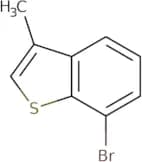
7-Bromo-3-methyl-1-benzothiophene
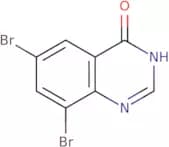
CAS:Versatile small molecule scaffoldFormula:C9H7BrSPurity:Min. 95%Molecular weight:227.12 g/mol6,8-Dibromo-3,4-dihydroquinazolin-4-one
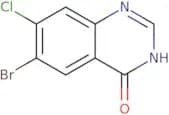
CAS:Versatile small molecule scaffoldFormula:C8H4Br2N2OPurity:Min. 95%Molecular weight:303.94 g/mol6-Bromo-7-chloroquinazolin-4(3H)-one
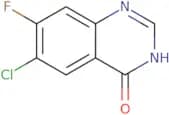
CAS:Versatile small molecule scaffoldFormula:C8H4BrClN2OPurity:Min. 95%Molecular weight:259.49 g/mol6-Chloro-7-fluoro-3,4-dihydroquinazolin-4-one
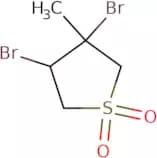
CAS:Versatile small molecule scaffoldFormula:C8H4ClFN2OPurity:Min. 95%Molecular weight:198.58 g/mol3,4-Dibromo-3-methyltetrahydrothiophene 1,1-dioxide
CAS:Versatile small molecule scaffoldFormula:C5H8Br2O2SPurity:Min. 95%Molecular weight:291.99 g/mol5-(4-Methoxyphenyl)-3H,4H-thieno[2,3-d]pyrimidin-4-one
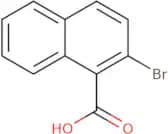
CAS:Versatile small molecule scaffoldFormula:C13H10N2O2SPurity:Min. 95%Molecular weight:258.3 g/mol2-Bromonaphthalene-1-carboxylic acid
CAS:2-Bromonaphthalene-1-carboxylic acid is a carboxylic acid that is converted to 2-bromo-1,2-diphenylethane by the action of deuterium. This reaction was rationalized by invoking an intramolecular nucleophilic substitution. The yields of the reaction were investigated and found to be dependent on the conditions employed. The mechanism of this reaction is unknown but was shown to be stereoselective due to the use of copper as a catalyst. The molecular ion peaks for this compound were observed at m/z 219 and 160, which corresponded to CBrNO and CBrN respectively. The fragmentation patterns for these ions are characteristic of a carboxylic acid with one para substituent and one ortho substituent. This compound has not been studied in great detail due to its uninvestigated nature.Formula:C11H7BrO2Purity:Min. 95%Molecular weight:251.08 g/mol2-Sulfamoylacetic acid
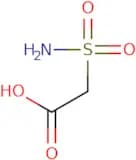
CAS:2-Sulfamoylacetic acid is a sulfonamide drug that is used in the treatment of blood pressure and insulin resistance. It is an activated form of 2-sulfamoylacetamide, which has been shown to inhibit cholesterol acyltransferase. This inhibition reduces cholesterol synthesis and subsequently lowers blood pressure levels. It also inhibits fatty acid synthesis, which prevents the accumulation of triglycerides in the bloodstream, reducing insulin resistance. The conversion of 2-sulfamoylacetic acid to 2-sulfamoylacetamide is facilitated by hydroxyl groups and logistic regression analysis confirmed that this conversion was dependent on wastewater treatment.Formula:C2H5NO4SPurity:Min. 95%Molecular weight:139.13 g/mol5,6-Dimethylpyridazin-3-amine
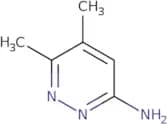
CAS:Versatile small molecule scaffold
Formula:C6H9N3Purity:Min. 95%Molecular weight:123.16 g/mol6-Hydrazinyl-3,4-dimethylpyridazine
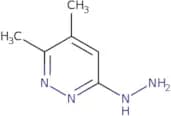
CAS:Versatile small molecule scaffoldFormula:C6H10N4Purity:Min. 95%Molecular weight:138.17 g/mol1-(3-Aminophenyl)-2,2,2-trifluoroethan-1-ol
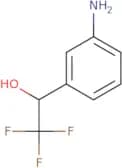
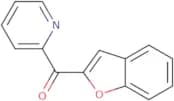
CAS:Versatile small molecule scaffoldFormula:C8H8F3NOPurity:Min. 95%Molecular weight:191.15 g/mol2-(1-Benzofuran-2-carbonyl)pyridine
CAS:Versatile small molecule scaffoldFormula:C14H9NO2Purity:Min. 95%Molecular weight:223.23 g/mol2-[(E)-2-(4-Methoxyphenyl)ethenyl]-1H-pyrrole
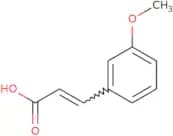
CAS:Versatile small molecule scaffoldFormula:C13H13NOPurity:Min. 95%Molecular weight:199.2 g/mol3-(3-Methoxyphenyl)prop-2-enoic acid
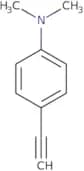
CAS:3-(3-Methoxyphenyl)prop-2-enoic acid is a phenolic compound that has been shown to have anti-inflammatory effects in bowel disease. It also has antioxidant properties and can inhibit the production of acetate, a toxic byproduct of lipid peroxidation. This compound is found in many natural products, such as coffee beans and green tea leaves. 3-(3-methoxyphenyl)prop-2-enoic acid exhibits strong free radical scavenging activity and may be used for the prevention of metabolic disorders due to its ability to inhibit mitochondrial membrane potential. 3-(3-methoxyphenyl)prop-2-enoic acid also inhibits the growth of carcinoma cells, which may be due to its inhibition of tumor cell proliferation or induction of apoptosis.Formula:C10H10O3Purity:Min. 95%Molecular weight:178.18 g/mol4-Ethynyl-N,N-dimethylaniline
CAS:4-Ethynyl-N,N-dimethylaniline (EDMA) is a potential drug candidate for the treatment of cancer. EDMA has been shown to have anti-cancer activity in vitro and in vivo. It inhibits the growth of cancer cells by binding to amines and other functional groups, which prevents their use by enzymes. This binding also prevents the production of reactive oxygen species, leading to cell death. The structure of EDMA has been determined using X-ray crystallography, which showed that it binds to chloride ions in a catalytic mechanism. The chloride ion was found to be an important component for the drug’s activity. EDMA also has anti-inflammatory properties due to its ability to inhibit hydroxamic acid synthesis in neutrophils and macrophages.Formula:C10H11NPurity:Min. 95%Molecular weight:145.2 g/mol2-[(Hydroxyimino)methyl]-6-nitrophenol
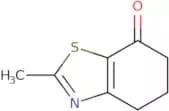
CAS:Versatile small molecule scaffoldFormula:C7H6N2O4Purity:Min. 95%Molecular weight:182.13 g/mol2-Methyl-4,5,6,7-tetrahydro-1,3-benzothiazol-7-one
CAS:Versatile small molecule scaffold
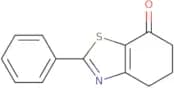
Formula:C8H9NOSPurity:Min. 95%Molecular weight:167.23 g/mol2-Phenyl-4,5,6,7-tetrahydro-1,3-benzothiazol-7-one
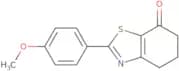
CAS:Versatile small molecule scaffoldFormula:C13H11NOSPurity:Min. 95%Molecular weight:229.3 g/mol2-(4-Methoxyphenyl)-4,5,6,7-tetrahydro-1,3-benzothiazol-7-one
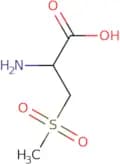
CAS:Versatile small molecule scaffoldFormula:C14H13NO2SPurity:Min. 95%Molecular weight:259.33 g/mol(2R)-2-Amino-3-methanesulfonylpropanoic acid
CAS:Versatile small molecule scaffoldFormula:C4H9NO4SPurity:Min. 95%Molecular weight:167.19 g/mol2-[(Dimethylamino)methyl]cyclohexan-1-ol
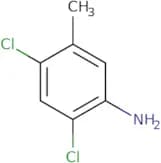
CAS:Versatile small molecule scaffoldFormula:C9H19NOPurity:Min. 95%Molecular weight:157.25 g/mol2,4-Dichloro-5-methylaniline
CAS:Versatile small molecule scaffoldFormula:C7H7Cl2NPurity:Min. 95%Molecular weight:176.04 g/mol4-Oxo-cycloheptanecarboxylic acid methyl ester
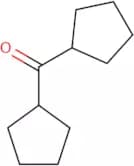
CAS:4-Oxo-cycloheptanecarboxylic acid methyl ester is a transfer, mediated, electron, expansion electron transfer agent that can be used for the production of acrylic acid. It is typically used as an intermediate in the production of nylon 6 and nylon 66.Formula:C9H14O3Purity:Min. 95%Molecular weight:170.21 g/molDicyclopentylmethanone
CAS:Dicyclopentylmethanone is an anabolic agent that is used as a progestational, antibiotic, or antiviral agent. It binds to the hydroxy group of the enzyme's active site and inhibits it from binding to its substrate. Dicyclopentylmethanone also has antiviral activity against some viruses by binding to their ribonucleic acid (RNA) and preventing viral replication. This drug may be used in vaccines to stimulate antibody production, but it has not been approved for this use.
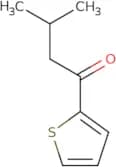
Formula:C11H18OPurity:Min. 95%Molecular weight:166.26 g/mol3-Methyl-1-(thiophen-2-yl)butan-1-one
CAS:Versatile small molecule scaffold
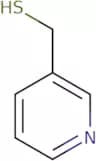
Formula:C9H12OSPurity:Min. 95%Molecular weight:168.26 g/mol3-Pyridinemethanethiol
CAS:3-Pyridinemethanethiol is a ketone with the formula CHCH(SH). It is a ligand that reacts with metals in a variety of coordination complexes. 3-Pyridinemethanethiol reacts with alkyl groups to form cyclic thioketones, which are intermediates in many organic syntheses. The reaction of 3-pyridinemethanethiol with diethyl ether can be followed by voltammetry and has been used to measure the rate of the reaction. 3-Pyridinemethanethiol can also be used as a cocatalyst for reactions involving acid catalysts, such as inorganic acids. This compound has been shown to react with transition metal salts to form coordination complexes and undergo reactions involving oxidation or reduction.Formula:C6H7NSPurity:Min. 95%Molecular weight:125.19 g/molDisodium 4-sulfinatobenzoate
CAS:Versatile small molecule scaffold
Formula:C7H4Na2O4SPurity:Min. 95%Molecular weight:230.1 g/mol2-[4-Amino(methyl)anilino]-1-ethanol
CAS:Versatile small molecule scaffold
Formula:C9H14N2OPurity:Min. 95%Molecular weight:166.22 g/mol2-{2-[Bis(2-hydroxyethyl)amino]ethoxy}ethan-1-ol
CAS:Versatile small molecule scaffold
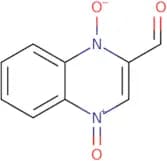
Formula:C8H19NO4Purity:Min. 95%Molecular weight:193.24 g/mol1,4-Dioxoquinoxaline-2-carboxaldehyde
CAS:1,4-Dioxoquinoxaline-2-carboxaldehyde is a drug metabolite that binds to the enzyme cytochrome P450. It is an anti-infective agent that inhibits bacterial growth by binding to DNA-dependent RNA polymerase, thereby preventing transcription and replication. The high frequency of human activity has been shown using a patch-clamp technique on human erythrocytes. This active form is metabolized through a number of metabolic transformations, including hydrolysis by esterases or glucuronidases, oxidation by cytochrome P450 enzymes, reduction by glutathione reductase, or conjugation with glucuronic acid. 1,4-Dioxoquinoxaline-2-carboxaldehyde also specifically binds to markers expressed at high levels in Mycobacterium tuberculosis strains (e.g., ESX-1 secretion system protein) and inhibits cell growth in culture.Formula:C9H6N2O3Purity:Min. 95%Molecular weight:190.16 g/mol2-(Cyclooctylamino)ethan-1-ol
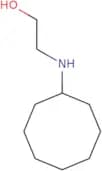
CAS:Versatile small molecule scaffold
Formula:C10H21NOPurity:Min. 95%Molecular weight:171.28 g/mol2,3-Dimethyl-quinoxaline-6-carboxylic acid
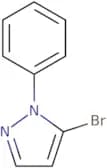
CAS:Versatile small molecule scaffoldFormula:C11H10N2O2Purity:Min. 95%Molecular weight:202.21 g/mol5-Bromo-1-phenyl-1H-pyrazole
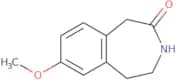
CAS:Versatile small molecule scaffoldFormula:C9H7BrN2Purity:Min. 95%Molecular weight:223.07 g/mol7-Methoxy-2,3,4,5-tetrahydro-1H-3-benzazepin-2-one
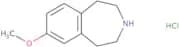
CAS:Versatile small molecule scaffoldFormula:C11H13NO2Purity:Min. 95%Molecular weight:191.23 g/mol7-methoxy-2,3,4,5-tetrahydro-1H-3-benzazepine hydrochloride
CAS:Versatile small molecule scaffoldFormula:C11H16ClNOPurity:Min. 95%Molecular weight:213.71 g/mol2-Chloro-N-[2-(4-methoxyphenyl)ethyl]acetamide
CAS:Versatile small molecule scaffoldFormula:C11H14ClNO2Purity:Min. 95%Molecular weight:227.69 g/molButyl 2-methoxyacetate
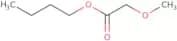
CAS:Butyl 2-methoxyacetate is a solvent that is used in the polymerization of acrylate monomers. It can also be used as a polymerization initiator to initiate the polymerization of acrylic acid, methacrylic acid and acrylonitrile. Butyl 2-methoxyacetate has an acidic nature and reacts with inorganic salts such as sodium hydroxide or potassium hydroxide. This reaction produces an organic salt, which can be isolated by crystallization. The hydrocarbon group on butyl 2-methoxyacetate makes it useful for extraction of lipids from natural sources. Butyl 2-methoxyacetate is also used as a solid catalyst in the polymerization of styrene, vinyl acetate and other aliphatic hydrocarbons.Formula:C7H14O3Purity:Min. 95%Molecular weight:146.18 g/mol2-(4-(Chlorosulfonyl)phenoxy)acetic acid
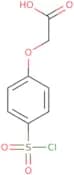
CAS:Versatile small molecule scaffoldFormula:C8H7ClO5SPurity:Min. 95%Molecular weight:250.66 g/mol3,6-Dichloro-N-methylpyridazin-4-amine
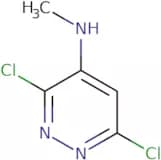
CAS:Versatile small molecule scaffoldFormula:C5H5Cl2N3Purity:Min. 95%Molecular weight:178.02 g/mol6-Chloro-N-methylpyridazin-4-amine
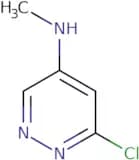
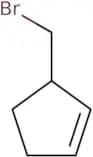
CAS:Versatile small molecule scaffoldFormula:C5H6ClN3Purity:Min. 95%Molecular weight:143.57 g/mol3-(Bromomethyl)cyclopent-1-ene
CAS:Versatile small molecule scaffold
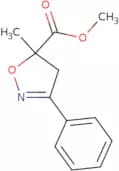
Formula:C6H9BrPurity:Min. 95%Molecular weight:161.04 g/molMethyl 5-methyl-3-phenyl-4,5-dihydro-1,2-oxazole-5-carboxylate
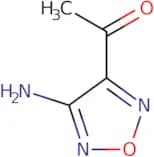
CAS:Versatile small molecule scaffoldFormula:C12H13NO3Purity:Min. 95%Molecular weight:219.24 g/mol1-(4-Amino-1,2,5-oxadiazol-3-yl)ethan-1-one
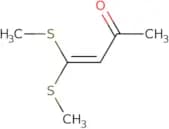
CAS:Versatile small molecule scaffoldFormula:C4H5N3O2Purity:Min. 95%Molecular weight:127.1 g/mol4,4-Bis(methylsulfanyl)but-3-en-2-one
CAS:Versatile small molecule scaffold
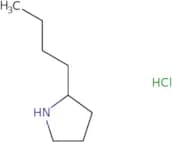
Formula:C6H10OS2Purity:Min. 95%Molecular weight:162.3 g/mol2-Butylpyrrolidine hydrochloride
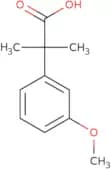
CAS:Versatile small molecule scaffoldFormula:C8H18ClNPurity:Min. 95%Molecular weight:163.69 g/mol2-(3-Methoxyphenyl)-2-methylpropanoic acid
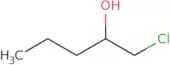
CAS:Versatile small molecule scaffoldFormula:C11H14O3Purity:Min. 95%Molecular weight:194.23 g/mol1-Chloropentan-2-ol
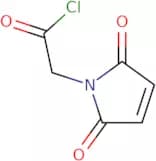
CAS:1-Chloropentan-2-ol is an allylphenol compound with a chiral center. It is used as a chiral synthon in the synthesis of pharmaceutically active compounds, including pharmaceuticals and agrochemicals. 1-Chloropentan-2-ol can be synthesized by the reaction of allyl bromide and chloroform in the presence of copper(I) iodide and a diphosphine catalyst. This process generates enantiomeric excesses of up to 99%. The use of bimetallic catalysts can also increase the enantioselectivity, with selectivities up to 99% ee. 1-Chloropentan-2-ol has been shown to be effective as a chiral catalyst in the formation of chlorohydrins from primary amines or secondary amines. Chlorohydrins are intermediates in organic synthesis, which are used for the production ofFormula:C5H11ClOPurity:Min. 95%Molecular weight:122.59 g/mol2-(2,5-Dioxo-2,5-dihydro-1H-pyrrol-1-yl)acetyl chloride
CAS:2-(2,5-Dioxo-2,5-dihydro-1H-pyrrol-1-yl)acetyl chloride is a stereoselective monomer for the preparation of polymers and acetoxy compounds. It is used as an acylation agent and has been shown to react with azetidinones. 2-(2,5-Dioxo-2,5-dihydro-1H-pyrrol-1-yl)acetyl chloride is a colorless liquid that can be synthesized by reacting acetaldehyde with pyrrole in the presence of sodium desulfite.Formula:C6H4ClNO3Purity:Min. 95%Molecular weight:173.55 g/molN-Glutarylglycin
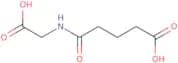
CAS:N-Glutarylglycin is an antiretroviral drug that inhibits the HIV virus from infecting human cells. It is a type of nucleoside analog and works by blocking the reverse transcriptase enzyme, which is necessary for viral replication. N-Glutarylglycin has been shown to be effective in treating cardiac and renal diseases caused by HIV infection, as well as other diseases such as atherosclerosis. The drug is not active against viruses that do not use reverse transcriptase or that replicate within the cytoplasm of a cell. N-Glutarylglycin has also been shown to have probiotic properties, which may be due to its ability to stimulate intestinal bacterial growth and inhibit the adhesion of certain bacteria to intestinal epithelial cells.Formula:C7H11NO5Purity:Min. 95%Molecular weight:189.17 g/molEthyl N-cyanoethoxycarboximidate
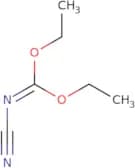
CAS:Ethyl N-cyanoethoxycarboximidate is a chemical compound that is used to synthesize selenadiazoles. This compound undergoes photolysis with ultraviolet light, which leads to the formation of the corresponding oxadiazole. The sulfur analogues of this compound are thermally stable and can be synthesized using catalytic hydrogenation or hydrolysis. Ethyl N-cyanoethoxycarboximidate has been shown to react with alkenes in a rearrangement reaction and also undergoes thermolysis when heated.Formula:C6H10N2O2Purity:Min. 95%Molecular weight:142.16 g/mol

![5-(4-Methoxyphenyl)-3H,4H-thieno[2,3-d]pyrimidin-4-one](/_next/image/?url=https%3A%2Fstatic.cymitquimica.com%2Fproducts%2F3D%2Fthumb-webp%2FSAA53776.webp&w=3840&q=75)
![2-[(E)-2-(4-Methoxyphenyl)ethenyl]-1H-pyrrole](/_next/image/?url=https%3A%2Fstatic.cymitquimica.com%2Fproducts%2F3D%2Fthumb-webp%2FSAA55959.webp&w=3840&q=75)
![2-[(Hydroxyimino)methyl]-6-nitrophenol](/_next/image/?url=https%3A%2Fstatic.cymitquimica.com%2Fproducts%2F3D%2Fthumb-webp%2FSAA58064.webp&w=3840&q=75)
![2-[(Dimethylamino)methyl]cyclohexan-1-ol](/_next/image/?url=https%3A%2Fstatic.cymitquimica.com%2Fproducts%2F3D%2Fthumb-webp%2FSAA58970.webp&w=3840&q=75)

![2-[4-Amino(methyl)anilino]-1-ethanol](/_next/image/?url=https%3A%2Fstatic.cymitquimica.com%2Fproducts%2F3D%2Fthumb-webp%2FSAA62586.webp&w=3840&q=75)
![2-{2-[Bis(2-hydroxyethyl)amino]ethoxy}ethan-1-ol](/_next/image/?url=https%3A%2Fstatic.cymitquimica.com%2Fproducts%2F3D%2Fthumb-webp%2FSAA62634.webp&w=3840&q=75)
![2-Chloro-N-[2-(4-methoxyphenyl)ethyl]acetamide](/_next/image/?url=https%3A%2Fstatic.cymitquimica.com%2Fproducts%2F3D%2Fthumb-webp%2FSAA63950.webp&w=3840&q=75)