


Building Blocks
Subcategories of "Building Blocks"
- Boronic Acids & Boronic Acid Derivatives(5,783 products)
- Chiral Building Blocks(1,242 products)
- Hydrocarbon Building Blocks(6,105 products)
- Organic Building Blocks(61,055 products)
Found 205383 products of "Building Blocks"
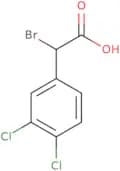
2-Bromo-2-(3,4-dichlorophenyl)acetic acid
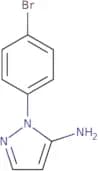
CAS:Versatile small molecule scaffoldFormula:C8H5BrCl2O2Purity:Min. 95%Molecular weight:283.93 g/mol1-(4-Bromophenyl)-1H-pyrazol-5-amine
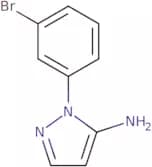
CAS:Versatile small molecule scaffoldFormula:C9H8BrN3Purity:Min. 95%Molecular weight:238.08 g/mol1-(3-Bromophenyl)-1H-pyrazol-5-amine
CAS:Versatile small molecule scaffold
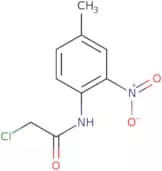
Formula:C9H8BrN3Purity:Min. 95%Molecular weight:238.08 g/mol2-Chloro-N-(4-methyl-2-nitrophenyl)acetamide
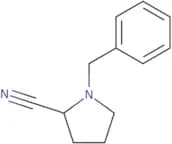
CAS:Versatile small molecule scaffoldFormula:C9H9ClN2O3Purity:Min. 95%Molecular weight:228.63 g/mol1-Benzylpyrrolidine-2-carbonitrile
CAS:Versatile small molecule scaffoldFormula:C12H14N2Purity:Min. 95%Molecular weight:186.25 g/mol2-[4-(Prop-2-en-1-yloxy)phenyl]acetic acid
CAS:2-[4-(Prop-2-en-1-yloxy)phenyl]acetic acid, also known as propacetamol, is a nonsteroidal anti-inflammatory drug. It is an analgesic and a weak dehydrating agent. Propacetamol is used to relieve moderate or severe pain, such as that caused by headache, migraine, dental pain, or neuralgia. The chemical structure of propacetamol contains an ester which can be hydrolyzed to give the corresponding carboxylic acid and alcohol. 2-[4-(Prop-2-en-1-yloxy)phenyl]acetic acid has been shown to have antiplatelet properties and has been used to prevent thrombosis in patients undergoing coronary artery bypass grafting surgery. This drug also has the ability to inhibit epoxidation reactions that are catalyzed by cytochrome P450 enzymes.Formula:C11H12O3Purity:Min. 95%Molecular weight:192.21 g/mol2-{4-[(Oxiran-2-yl)methoxy]phenyl}acetic acid
CAS:2-{4-[(Oxiran-2-yl)methoxy]phenyl}acetic acid is an organic compound with the chemical formula CH3COCH2CH=OCH2C6H5. This white solid is a derivative of phenylacetic acid. It is used as a building block for the synthesis of esters, amides, and other derivatives. It can also be used to synthesize epoxides and amines by epoxidation or amine, respectively. 2-{4-[(Oxiran-2-yl)methoxy]phenyl}acetic acid has been shown to inhibit the growth of Pseudomonas aeruginosa and Staphylococcus aureus isolates. The ester group on this molecule may contribute to its anti-bacterial activity.Formula:C11H12O4Purity:Min. 95%Molecular weight:208.21 g/mol3-(Chloromethyl)-5H,6H-imidazo[2,1-b][1,3]thiazole hydrochloride
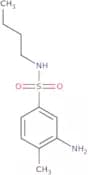
CAS:Versatile small molecule scaffoldFormula:C6H8Cl2N2SPurity:Min. 95%Molecular weight:211.11 g/mol3-Amino-N-butyl-4-methylbenzenesulfonamide
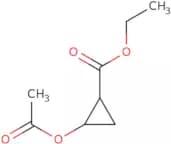
CAS:Versatile small molecule scaffoldFormula:C11H18N2O2SPurity:Min. 95%Molecular weight:242.34 g/molethyl 2-(acetyloxy)cyclopropane-1-carboxylate
CAS:Versatile small molecule scaffoldFormula:C8H12O4Purity:Min. 95%Molecular weight:172.17 g/molEthyl 2-oxabicyclo[4.1.0]heptane-7-carboxylate
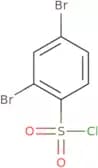
CAS:Versatile small molecule scaffoldFormula:C9H14O3Purity:Min. 95%Molecular weight:170.21 g/mol2,4-Dibromobenzenesulphonyl chloride
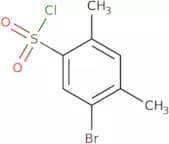
CAS:Versatile small molecule scaffoldFormula:C6H3Br2ClO2SPurity:Min. 95%Molecular weight:334.41 g/mol5-Bromo-2,4-dimethylbenzenesulfonyl chloride
CAS:Versatile small molecule scaffoldFormula:C8H8BrClO2SPurity:Min. 95%Molecular weight:283.56 g/molMethoxy[1-(3-nitrophenyl)ethylidene]amine
CAS:Versatile small molecule scaffoldFormula:C9H10N2O3Purity:Min. 95%Molecular weight:194.19 g/molN-{[(4-Chlorophenyl)carbamothioyl]amino}-2-phenylacetamide
CAS:N-{[(4-Chlorophenyl)carbamothioyl]amino}-2-phenylacetamide is a small molecule that has been shown to be expressed in mammalian cells. It binds to the target enzyme and stabilizes the protein, which prevents it from denaturing. N-{[(4-Chlorophenyl)carbamothioyl]amino}-2-phenylacetamide has been shown to have beneficial effects on metabolic disorders such as aciduria and can be used as a chaperone when treating life threatening diseases. Structural analysis of this compound reveals coordination chemistry interactions with galactose.
Formula:C15H14ClN3OSPurity:Min. 95%Molecular weight:319.8 g/mol1-{4-[(2-Methylphenyl)methoxy]phenyl}ethan-1-one
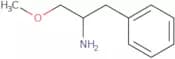
CAS:1-{4-[(2-Methylphenyl)methoxy]phenyl}ethan-1-one is a small molecule that has been shown to inhibit the activity of ion channels. It binds to the receptor site, which is located on the outside of the cell membrane. This binding prevents the passage of ions through the channel, thereby preventing electrical signals from being transmitted by ligand gated ion channels. 1-{4-[(2-Methylphenyl)methoxy]phenyl}ethan-1-one is also an inhibitor of peptides and can be used as a research tool in cell biology and as an antibody in immunology.Formula:C16H16O2Purity:Min. 95%Molecular weight:240.3 g/mol1-Methoxy-3-phenylpropan-2-amine
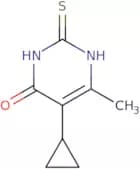
CAS:Versatile small molecule scaffoldFormula:C10H15NOPurity:Min. 95%Molecular weight:165.23 g/mol5-Cyclopropyl-6-methyl-2-sulfanyl-1,4-dihydropyrimidin-4-one
CAS:Versatile small molecule scaffoldFormula:C8H10N2OSPurity:Min. 95%Molecular weight:182.25 g/mol5-Cyclobutyl-2-sulfanylidene-1,2,3,4-tetrahydropyrimidin-4-one
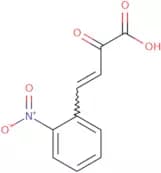
CAS:Versatile small molecule scaffoldFormula:C8H10N2OSPurity:Min. 95%Molecular weight:182.2 g/mol4-(2-Nitrophenyl)-2-oxobut-3-enoic acid
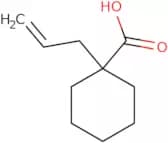
CAS:4-(2-Nitrophenyl)-2-oxobut-3-enoic acid is an asymmetric synthesis of benazepril, a drug used to treat congestive heart failure. It is synthesized from formate and formaldehyde. The synthesis of 4-(2-nitrophenyl)-2-oxobut-3-enoic acid has been shown to be effective in reducing the severity of congestive heart failure in rats by inhibiting the production of l-glutamate. This compound also inhibits transamination reactions and glutamate dehydrogenase, which are enzymes that are involved in ammonia detoxification.Formula:C10H7NO5Purity:Min. 95%Molecular weight:221.17 g/mol1-(Prop-2-en-1-yl)cyclohexane-1-carboxylic acid
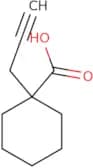
CAS:1-(Prop-2-en-1-yl)cyclohexane-1-carboxylic acid is a functionalized, chloride salt. It has been shown to be an allylating agent in the presence of ultrasonication.Formula:C10H16O2Purity:Min. 95%Molecular weight:168.23 g/mol1-(Prop-2-yn-1-yl)cyclohexane-1-carboxylic acid
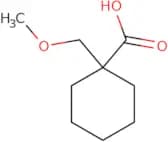
CAS:Versatile small molecule scaffoldFormula:C10H14O2Purity:Min. 95%Molecular weight:166.22 g/mol1-(Methoxymethyl)cyclohexane-1-carboxylic acid
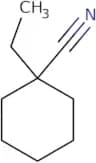
CAS:Versatile small molecule scaffoldFormula:C9H16O3Purity:Min. 95%Molecular weight:172.22 g/mol1-Ethylcyclohexane-1-carbonitrile
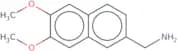
CAS:Versatile small molecule scaffoldFormula:C9H15NPurity:Min. 95%Molecular weight:137.22 g/mol(6,7-Dimethoxynaphthalen-2-yl)methanamine
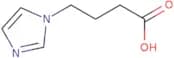
CAS:Versatile small molecule scaffoldFormula:C13H15NO2Purity:Min. 95%Molecular weight:217.3 g/mol4-Imidazol-1-yl-butyric acid
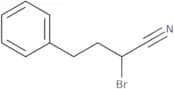
CAS:4-Imidazol-1-yl-butyric acid is a coordination polymer with a carboxylate group. It can be synthesized by the reaction of butyric acid with isopropoxide in the presence of titanium tetrachloride and benzimidazole. The resulting product has a dimerization ability, which allows it to bind to metal ions. This binding leads to chelation and polymerization, which have been shown to have many applications, including pharmaceuticals and biomedicine.Formula:C7H10N2O2Purity:Min. 95%Molecular weight:154.17 g/mol2-Bromo-4-phenylbutanenitrile
CAS:2-Bromo-4-phenylbutanenitrile is a quinoline derivative that is used in the synthesis of nitriles, thiophenes, and pyridines. This compound can be obtained by cross-coupling reactions with organometallic reagents such as iodides and pyridines. The use of 2-bromo-4-phenylbutanenitrile in synthesis allows for enantioselective syntheses. This compound is also a nucleophile, which can be used to introduce a carbon atom into organic compounds. 2-Bromo-4-phenylbutanenitrile can be reduced with lithium aluminum hydride or sodium borohydride to form an alcohol or an amine respectively.Formula:C10H10BrNPurity:Min. 95%Molecular weight:224.1 g/moltert-Butyl N-[(3-nitrophenyl)methyl]carbamate
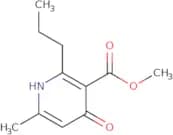
CAS:Versatile small molecule scaffoldFormula:C12H16N2O4Purity:Min. 95%Molecular weight:252.27 g/molMethyl 6-methyl-4-oxo-2-propyl-1,4-dihydropyridine-3-carboxylate
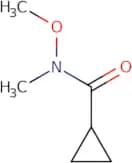
CAS:Versatile small molecule scaffoldFormula:C11H15NO3Purity:Min. 95%Molecular weight:209.24 g/molN-Methoxy-N-methylcyclopropanecarboxamide
CAS:N-Methoxy-N-methylcyclopropanecarboxamide is a selective inhibitor of the enzyme azaindole synthase. This drug was shown to be efficacious in vivo in rats with an azaindole-resistant strain of neutrophil leukemia. It also showed efficacy in vitro against human neutrophils and erythrocytes, as well as human blood cells. Azaindole synthase is an enzyme that catalyzes the synthesis of azaindoles from indole and acetaldehyde. This compound has been identified as a lead optimization candidate for treatment of certain cancers, such as leukemia and lymphoma.
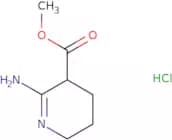
Formula:C6H11NO2Purity:Min. 95%Molecular weight:129.16 g/molMethyl 2-amino-3,4,5,6-tetrahydropyridine-3-carboxylate hydrochloride
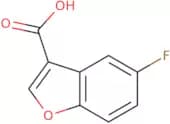
CAS:Versatile small molecule scaffoldFormula:C7H13ClN2O2Purity:Min. 95%Molecular weight:192.64 g/mol5-Fluoro-1-benzofuran-3-carboxylic acid
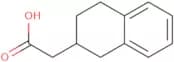
CAS:Versatile small molecule scaffoldFormula:C9H5FO3Purity:Min. 95%Molecular weight:180.13 g/mol2-(1,2,3,4-Tetrahydronaphthalen-2-yl)acetic acid
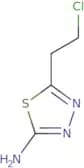
CAS:Versatile small molecule scaffoldFormula:C12H14O2Purity:Min. 95%Molecular weight:190.24 g/mol5-(2-Chloroethyl)-1,3,4-thiadiazol-2-amine
CAS:Versatile small molecule scaffoldFormula:C4H6ClN3SPurity:Min. 95%Molecular weight:163.63 g/mol3-Methoxynaphthalene-1-carboxylic acid
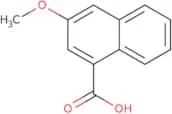
CAS:3-Methoxynaphthalene-1-carboxylic acid is a biotransformed product of guanine and aziridine, which is involved in the formation of amide. 3-Methoxynaphthalene-1-carboxylic acid has been shown to inhibit tumor growth in vivo. It also has an antitumor effect on cultured cells and impurities that are present in the drug can be removed by preparative high performance liquid chromatography (HPLC). 3-Methoxynaphthalene-1-carboxylic acid inhibits bacterial growth by binding to DNA gyrase and topoisomerase IV, which are enzymes that maintain the integrity of bacterial DNA. 3-Methoxynaphthalene-1-carboxylic acid has not been tested as a potential antihypertensive agent. The cytotoxic activity of this compound is mainly due to its ability to interfere with DNA replication andFormula:C12H10O3Purity:Min. 95%Molecular weight:202.21 g/mol5-Propoxy-1H-indole
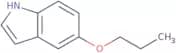
CAS:5-Propoxy-1H-indole is a small molecule that inhibits protein synthesis at the level of translation. It binds to mammalian ribosomes and prevents the amino acid transfer, thereby inhibiting protein synthesis. 5-Propoxy-1H-indole has been shown to inhibit the production of proteins in cells in culture, and also has a strong effect on neuronal function in vivo. This drug has been shown to have clinical relevance for Parkinson's disease, as it may be used to treat symptoms such as tremors, rigidity, and bradykinesia.
Formula:C11H13NOPurity:Min. 95%Molecular weight:175.23 g/mol4-(Ethylamino)quinazoline-2-thiol
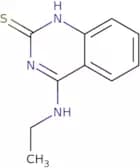
CAS:Versatile small molecule scaffoldFormula:C10H11N3SPurity:Min. 95%Molecular weight:205.28 g/mol3-[(4-Methylphenyl)sulfamoyl]benzoic acid
CAS:Versatile small molecule scaffold
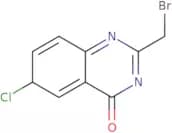
Formula:C14H13NO4SPurity:Min. 95%Molecular weight:291.32 g/mol2-(Bromomethyl)-6-chloro-3,4-dihydroquinazolin-4-one
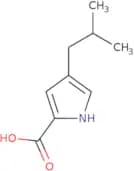
CAS:Versatile small molecule scaffoldFormula:C9H6BrClN2OPurity:Min. 95%Molecular weight:273.51 g/mol4-(2-Methylpropyl)-1H-pyrrole-2-carboxylic acid
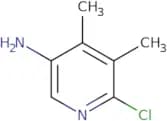
CAS:Versatile small molecule scaffoldFormula:C9H13NO2Purity:Min. 95%Molecular weight:167.2 g/mol6-Chloro-4,5-dimethylpyridin-3-amine
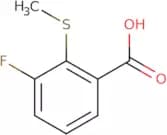
CAS:Versatile small molecule scaffoldFormula:C7H9ClN2Purity:Min. 95%Molecular weight:156.61 g/mol3-Fluoro-2-(methylsulfanyl)benzoic acid
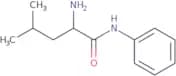
CAS:Versatile small molecule scaffoldFormula:C8H7FO2SPurity:Min. 95%Molecular weight:186.21 g/mol(2S)-2-Amino-4-methyl-N-phenylpentanamide
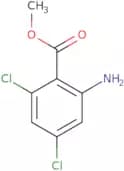
CAS:(2S)-2-Amino-4-methyl-N-phenylpentanamide is a peptide that is used as an inhibitor of plant diseases. It binds to the active site of the enzyme alkoxy radical, which prevents the formation of reactive oxygen species and protects plants from oxidative damage. The residue that this compound leaves behind is also useful for determining whether or not a protein has been synthesized with an amino acid substitution. (2S)-2-Amino-4-methyl-N-phenylpentanamide can be used to determine whether or not two enantiomers have reacted with each other to form a diastereomer in a kinetic reaction.Formula:C12H18N2OPurity:Min. 95%Molecular weight:206.28 g/molMethyl 2-amino-4,6-dichlorobenzoate
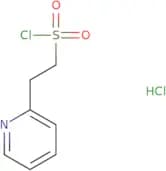
CAS:Versatile small molecule scaffoldFormula:C8H7Cl2NO2Purity:Min. 95%Molecular weight:220.05 g/mol2-(Pyridin-2-yl)ethane-1-sulfonyl chloride hydrochloride
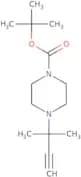
CAS:Versatile small molecule scaffoldFormula:C7H9Cl2NO2SPurity:Min. 95%Molecular weight:242.12 g/moltert-Butyl 4-(2-methylbut-3-yn-2-yl)piperazine-1-carboxylate
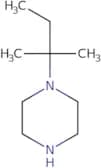
CAS:Versatile small molecule scaffoldFormula:C14H24N2O2Purity:Min. 95%Molecular weight:252.35 g/mol1-(2-Methylbutan-2-yl)piperazine
CAS:Versatile small molecule scaffold
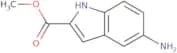
Formula:C9H20N2Purity:Min. 95%Molecular weight:156.27 g/molMethyl 5-amino-1H-indole-2-carboxylate
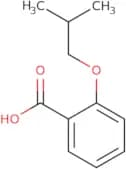
CAS:Versatile small molecule scaffoldFormula:C10H10N2O2Purity:Min. 95%Molecular weight:190.2 g/mol2-(2-methylpropoxy)benzoic acid
CAS:Versatile small molecule scaffoldFormula:C11H14O3Purity:Min. 95%Molecular weight:194.22 g/mol3-[4-(2-Methylpropyl)phenyl]propan-1-ol
CAS:Versatile small molecule scaffold
Formula:C13H20OPurity:Min. 95%Molecular weight:192.3 g/mol

![2-[4-(Prop-2-en-1-yloxy)phenyl]acetic acid](/_next/image/?url=https%3A%2Fstatic.cymitquimica.com%2Fproducts%2F3D%2Fthumb-webp%2FXCA22422.webp&w=3840&q=75)
![2-{4-[(Oxiran-2-yl)methoxy]phenyl}acetic acid](/_next/image/?url=https%3A%2Fstatic.cymitquimica.com%2Fproducts%2F3D%2Fthumb-webp%2FXCA22425.webp&w=3840&q=75)
![3-(Chloromethyl)-5H,6H-imidazo[2,1-b][1,3]thiazole hydrochloride](/_next/image/?url=https%3A%2Fstatic.cymitquimica.com%2Fproducts%2F3D%2Fthumb-webp%2FXCA22461.webp&w=3840&q=75)
![Ethyl 2-oxabicyclo[4.1.0]heptane-7-carboxylate](/_next/image/?url=https%3A%2Fstatic.cymitquimica.com%2Fproducts%2F3D%2Fthumb-webp%2FXCA22908.webp&w=3840&q=75)
![Methoxy[1-(3-nitrophenyl)ethylidene]amine](/_next/image/?url=https%3A%2Fstatic.cymitquimica.com%2Fproducts%2F3D%2Fthumb-webp%2FXCA27809.webp&w=3840&q=75)
![N-{[(4-Chlorophenyl)carbamothioyl]amino}-2-phenylacetamide](/_next/image/?url=https%3A%2Fstatic.cymitquimica.com%2Fproducts%2F3D%2Fthumb-webp%2FXCA29365.webp&w=3840&q=75)
![1-{4-[(2-Methylphenyl)methoxy]phenyl}ethan-1-one](/_next/image/?url=https%3A%2Fstatic.cymitquimica.com%2Fproducts%2F3D%2Fthumb-webp%2FXCA29394.webp&w=3840&q=75)

![tert-Butyl N-[(3-nitrophenyl)methyl]carbamate](/_next/image/?url=https%3A%2Fstatic.cymitquimica.com%2Fproducts%2F3D%2Fthumb-webp%2FXFA29165.webp&w=3840&q=75)
![3-[(4-Methylphenyl)sulfamoyl]benzoic acid](/_next/image/?url=https%3A%2Fstatic.cymitquimica.com%2Fproducts%2F3D%2Fthumb-webp%2FXFA41077.webp&w=3840&q=75)
![3-[4-(2-Methylpropyl)phenyl]propan-1-ol](/_next/image/?url=https%3A%2Fstatic.cymitquimica.com%2Fproducts%2F3D%2Fthumb-webp%2FXFA59821.webp&w=3840&q=75)