Building Blocks
Subcategories of "Building Blocks"
- Boronic Acids & Boronic Acid Derivatives(5,805 products)
- Chiral Building Blocks(1,248 products)
- Hydrocarbon Building Blocks(6,118 products)
- Organic Building Blocks(61,447 products)
Found 208423 products of "Building Blocks"
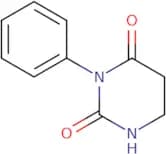
3-Phenyl-1,3-diazinane-2,4-dione
CAS:Versatile small molecule scaffold
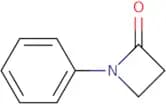
Formula:C10H10N2O2Purity:Min. 95%Molecular weight:190.2 g/mol1-Phenylazetidin-2-one
CAS:1-Phenylazetidin-2-one is a diastereomer of zinc acetate. It is activated by refluxing with concentrated hydrochloric acid and then treated with carbon dioxide to form the chloride. The chloride is heated in an open vessel with a solvent such as benzene, toluene, xylene, chloroform, or dichloromethane for about three hours until it becomes a deep red color. The 1-phenylazetidin-2-one is isolated from the reaction mixture by recrystallization from methanol and water. This compound has shown anticancer activity by binding to the toll-like receptor 4 (TLR4) on tumor cells and inhibiting the production of inflammatory cytokines. Its interaction with cholesterol may be due to its ability to inhibit HMG-CoA reductase activity in rats.
Formula:C9H9NOPurity:Min. 95%Molecular weight:147.17 g/molN1-[2-(Diethylamino)ethyl]-4-nitro-1,2-benzenediamine
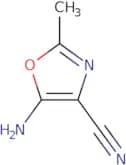
CAS:Versatile small molecule scaffoldFormula:C12H20N4O2Purity:Min. 95%Molecular weight:252.31 g/mol5-Amino-2-methyloxazole-4-carbonitrile
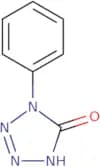
CAS:Versatile small molecule scaffoldFormula:C5H5N3OPurity:Min. 95%Molecular weight:123.11 g/mol1-Phenyl-4,5-dihydro-1H-1,2,3,4-tetrazol-5-one
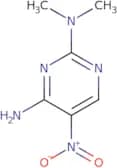
CAS:Versatile small molecule scaffoldFormula:C7H6N4OPurity:Min. 95%Molecular weight:162.15 g/molN2,N2-Dimethyl-5-nitropyrimidine-2,4-diamine
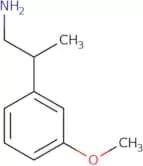
CAS:Versatile small molecule scaffoldFormula:C6H9N5O2Purity:Min. 95%Molecular weight:183.17 g/mol(+)-3-Methoxy-beta-methyl-benzeneethanamine
CAS:Controlled ProductVersatile small molecule scaffoldFormula:C10H15NOPurity:Min. 95%Molecular weight:165.23 g/mol1-[5-Methyl-1-(pyridin-2-yl)-1H-pyrazol-4-yl]ethan-1-one
CAS:Versatile small molecule scaffold
Formula:C11H11N3OPurity:Min. 95%Molecular weight:201.22 g/mol1-[1-(4-Fluorophenyl)-5-methyl-1H-pyrazol-4-yl]ethan-1-one
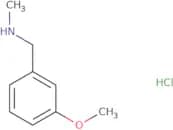
CAS:Versatile small molecule scaffoldFormula:C12H11FN2OPurity:Min. 95%Molecular weight:218.23 g/mol(3-Methoxybenzyl)methylamine hydrochloride
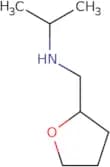
CAS:Versatile small molecule scaffoldFormula:C9H14ClNOPurity:Min. 95%Molecular weight:187.66 g/mol(Oxolan-2-ylmethyl)(propan-2-yl)amine
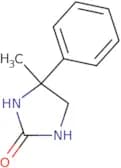
CAS:Versatile small molecule scaffoldFormula:C8H17NOPurity:Min. 95%Molecular weight:143.23 g/mol4-Methyl-4-phenylimidazolidin-2-one
CAS:Versatile small molecule scaffoldFormula:C10H12N2OPurity:Min. 95%Molecular weight:176.21 g/mol[(1-aminocyclohexyl)methyl]amine
CAS:[(1-aminocyclohexyl)methyl]amine is a white crystalline solid that is soluble in water, alcohol, and ether. It has a pKb of 2.5 and decomposes at 240°C. [(1-aminocyclohexyl)methyl]amine is an unsymmetrical molecule with two phenyl groups. This compound has been shown to catalyze the reaction between cyclohexanone and hydrophilic inorganic compounds, such as hydrochloric acid or potassium hydroxide, to form alkali metal cyclohexanones. [(1-aminocyclohexyl)methyl]amine also has antitumor activity by causing DNA damage and inhibiting protein synthesis in cancer cells.
[[File:https://upload.wikimedia.org/wikipedia/commons/thumb/2/2a/Chemical_Structures_of_Quinolones-5D4A8F87EFormula:C7H16N2Purity:Min. 95%Molecular weight:128.22 g/mol3-Iodoazepan-2-one
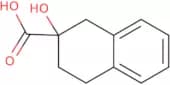
CAS:Versatile small molecule scaffoldFormula:C6H10INOPurity:Min. 95%Molecular weight:239.1 g/mol2-Hydroxy-1,2,3,4-tetrahydronaphthalene-2-carboxylic acid
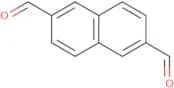
CAS:2-Hydroxy-1,2,3,4-tetrahydronaphthalene-2-carboxylic acid is a synthetic anthracycline that has been used as an experimental cancer drug. It is a naphthoic acid and an aglycone of the naphthoic acid ester. 2-Hydroxy-1,2,3,4-tetrahydronaphthalene-2-carboxylic acid is hydrolyzed by alkaline or acidic esterases and reacts with halogens. This reaction product undergoes carcinostatic reactions with DNA in the cell nucleus.Formula:C11H12O3Purity:Min. 95%Molecular weight:192.21 g/molNaphthalene-2,6-dicarbaldehyde
CAS:Versatile small molecule scaffold
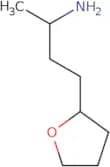
Formula:C12H8O2Purity:Min. 95%Molecular weight:184.19 g/mol4-(Oxolan-2-yl)butan-2-amine
CAS:Versatile small molecule scaffold
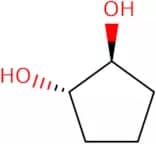
Formula:C8H17NOPurity:Min. 95%Molecular weight:143.23 g/mol(+/-)-Trans-1,2-cyclopentanediol
CAS:(+/-)-Trans-1,2-cyclopentanediol is a hydrogen-bonded molecule that contains ester linkages. The covid-19 pandemic has been shown to cause an increase in the levels of (+/-)-trans-1,2-cyclopentanediol in the blood of patients. The chemical ionization technique was used to measure the amount of this metabolite in patients with influenza A. The kinetic and hydrated properties of (+/-)-trans-1,2-cyclopentanediol have been measured using a spectrometer and mass spectrometry respectively. In addition, proton nuclear magnetic resonance (nmr) spectra were collected for triple-quadrupole mass spectrometry to identify the molecular structure of (+/-)-trans-1,2-cyclopentanediol. Lastly, kinetic energy calculations were carried out on the exothermic reaction between (+/-)-trans-1,2-cyclopentanediol and carbon dioxide.Formula:C5H10O2Purity:Min. 95%Molecular weight:102.13 g/mol4-(2-Chlorophenoxy)butanoic acid
CAS:Controlled ProductVersatile small molecule scaffold
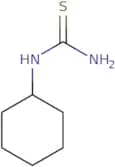
Formula:C10H11ClO3Purity:Min. 95%Molecular weight:214.64 g/mol1-Cyclohexyl-2-thiourea
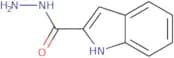
CAS:Cyclohexyl-2-thiourea (CHT) is an organic compound that belongs to the group of p2 compounds. It can be used as a polymerization inhibitor in the production of polycarbonates and other plastics, as well as an antimicrobial agent. CHT inhibits the activity of the ns3 protease, which is involved in the synthesis of inflammatory proteins. It also reduces the production of inflammatory cytokines and proteins, such as tumor necrosis factor-α and interleukin-6. Cyclohexyl-2-thiourea has been shown to inhibit cancer cell growth by binding to DNA. The bound form of CHT is more stable than its free form and has a longer half life. This drug also has anti-inflammatory properties, which may be due to its inhibition of acylurea formation or nitrosylation reactions.Formula:C7H14N2SPurity:Min. 95%Molecular weight:158.26 g/mol1H-Indole-2-carbohydrazide
CAS:1H-Indole-2-carbohydrazide is a pyrazole ring that has a fatty acid chain. It is a precursor to the synthesis of 1,4-dihydropyridazine and its derivatives. 1H-Indole-2-carbohydrazide has been shown to inhibit the growth of hepatitis virus in cell culture by inducing apoptotic cell death. This compound also inhibits the replication of several DNA viruses, including herpes simplex virus type I and human immunodeficiency virus type 1 (HIV). The compound may function as a chloride ion probe, which can be used for biological functions such as measuring intracellular chloride levels in living cells.
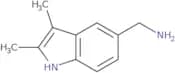
1H-Indole-2-carbohydrazide has been shown to inhibit the growth of hepatitis virus in cell culture by inducing apoptotic cell death. This compound also inhibits the replication of several DNA viruses, including herpes simplex virus type I and human immunodeficiency virus type 1Formula:C9H9N3OPurity:Min. 95%Molecular weight:175.19 g/molC-(2,3-Dimethyl-1H-indol-5-yl)-methylamine
CAS:Versatile small molecule scaffoldFormula:C11H14N2Purity:Min. 95%Molecular weight:174.25 g/mol1-oxa-3,8-diazaspiro[4.5]decan-2-one hydrochloride
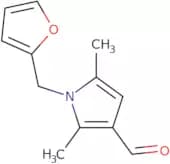
CAS:Versatile small molecule scaffoldFormula:C7H12N2O2·HClPurity:Min. 95%Molecular weight:192.64 g/mol1-(Furan-2-ylmethyl)-2,5-dimethyl-1H-pyrrole-3-carbaldehyde
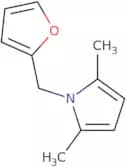
CAS:Versatile small molecule scaffoldFormula:C12H13NO2Purity:Min. 95%Molecular weight:203.24 g/mol1-(Furan-2-ylmethyl)-2,5-dimethyl-1H-pyrrole
CAS:Versatile small molecule scaffoldFormula:C11H13NOPurity:Min. 95%Molecular weight:175.23 g/mol(4-Hydroxy-3,5-dimethoxyphenyl)methanaminium chloride
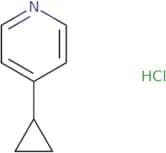
CAS:Versatile small molecule scaffoldFormula:C9H14ClNO3Purity:Min. 95%Molecular weight:219.66 g/mol4-Cyclopropylpyridine hydrochloride
CAS:Versatile small molecule scaffoldFormula:C8H10ClNPurity:Min. 95%Molecular weight:155.62 g/mol1-(4-Bromophenyl)pyrrole
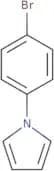
CAS:1-(4-Bromophenyl)pyrrole is a primary amine that can be synthesized by cross-coupling of 1,2-dibromobenzene and pyrrole. This process involves the use of palladium as a catalyst to promote the reaction. The catalytic activity of the palladium is increased by hydrogen sulfate and chlorine, which act as promoters in this reaction. The synthesis of 1-(4-bromophenyl)pyrrole can also be accomplished by reacting with primary amines in tetrahydrofuran at high temperatures. Reaction conditions are also dependent on the presence or absence of fluorine gas, which may cause an increase in the yield and decrease in reaction time. In addition, irradiation can be used to break down pyrrole into its constituent parts for use in synthesizing 1-(4-bromophenyl)pyrrole.
Formula:C10H8BrNPurity:Min. 95%Molecular weight:222.08 g/mol2,5-Dimethyl-1-(4-methylphenyl)-1H-pyrrole
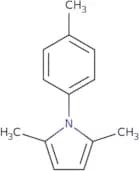
CAS:Versatile small molecule scaffoldFormula:C13H15NPurity:Min. 95%Molecular weight:185.26 g/mol8-Bromonaphthalene-2-carboxylic acid
CAS:Versatile small molecule scaffoldFormula:C11H7BrO2Purity:Min. 95%Molecular weight:251.08 g/mol7-Bromo-2-naphthalenecarboxylic acid
CAS:Versatile small molecule scaffold
Formula:C11H7BrO2Purity:Min. 95%Molecular weight:251.08 g/mol6-(Dimethylamino)-2-naphthoic acid
CAS:6-(Dimethylamino)-2-naphthoic acid is a hydrophobic molecule that interacts with the cellular membrane. It has been shown to be an effective probe for studying the interactions of hydrophobic compounds with the lipid bilayer of cells. 6-(Dimethylamino)-2-naphthoic acid can be used as a fluorescent probe to measure levels of membrane phospholipids in cells. The fluorescence intensity is proportional to the number of molecules bound, and can be monitored by measuring changes in wavelength or lifetime. 6-(Dimethylamino)-2-naphthoic acid binds to nucleosides and thus has been used as a fluorescent probe for studying biological processes such as DNA replication, transcription, and translation.
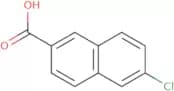
Formula:C13H13NO2Purity:Min. 95%Molecular weight:215.25 g/mol6-Chloro-2-naphthoic acid
CAS:Versatile small molecule scaffoldFormula:C11H7ClO2Purity:Min. 95%Molecular weight:206.63 g/mol(Phenylthio)propanone
CAS:Phenylthiopropanone (PTPA) is an organic compound that belongs to the class of sulfoxides. It can be synthesized from ethyl ester, chloroform, and phenylthiol in a three-step process using methodologies such as biotransformations or chemoenzymatic reactions. PTPA can also be obtained by reacting sodium sulfoxide with phosphorus pentachloride. PTPA has been used as a precursor for other compounds including the hydroxy group, chloride, and synthetically desulfurized phenylthioacetaldehyde. The synthesis of PTPA is usually carried out in the presence of a catalyst and kinetic control of the reaction is necessary to avoid undesired side reactions.
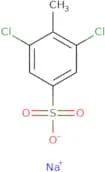
Formula:C9H10OSPurity:Min. 95%Molecular weight:166.24 g/molSodium 3,5-dichloro-4-methylbenzene-1-sulfonate
CAS:Versatile small molecule scaffoldFormula:C7H5Cl2NaO3SPurity:Min. 95%Molecular weight:263.07 g/molBenzyl allylcarbamate
CAS:Benzyl allylcarbamate is a potent inhibitor of enzymes. It is an inhibitor of the enzyme CYP2E1 and prevents the formation of reactive oxygen species (ROS) in cells. Benzyl allylcarbamate also has anti-inflammatory properties that are due to its ability to inhibit the production of pro-inflammatory cytokines such as tumor necrosis factor-α (TNF-α). This drug has been shown to be effective against atherosclerotic lesions in mice and congestive heart failure in rats. The biological properties of benzyl allylcarbamate have been studied extensively, including its effects on allergic responses and Alzheimer's disease.
Formula:C11H13NO2Purity:Min. 95%Molecular weight:191.23 g/mol2-((2-(2-Hydroxyethoxy)ethyl)amino)ethan-1-ol
CAS:Versatile small molecule scaffoldFormula:C6H15NO3Purity:Min. 95%Color and Shape:Clear LiquidMolecular weight:149.19 g/mol5,8-dimethyl-1,2,3,4-tetrahydronaphthalen-1-one
CAS:5,8-dimethyl-1,2,3,4-tetrahydronaphthalen-1-one is a pyridinium compound with an aromatic ring. It has been shown to react with amines in the presence of a hydroxyl group to form pyrylium cations. 5,8-dimethyl-1,2,3,4-tetrahydronaphthalen-1-one is also capable of forming protonated and acetonitrile adducts. The activation energy for the reaction of 5,8-dimethyl-1,2,3,4-tetrahydronaphthalen-1-one with amines is very high (near 55 kcal/mol), which explains why this reaction does not occur spontaneously. This compound can be synthesized by irradiating naphthalene with deuterium radiation or cryogenic temperatures.
Formula:C12H14OPurity:Min. 95%Molecular weight:174.24 g/molCyclododecanecarbaldehyde
CAS:Cyclododecanecarbaldehyde is a reactive chemical that can be used for the epoxidation of octanes. It is an anti-inflammatory and it has been shown to have antifertility properties. Cyclododecanecarbaldehyde reacts with peracid to produce a high yield of epoxy tetronic solvents. This chemical also reacts with organoaluminium compounds to produce lactams, which are useful as introducing agents in the synthesis of cyclic compounds.Formula:C13H24OPurity:Min. 95%Molecular weight:196.33 g/mol3-(5-Methyl-1H-pyrazol-1-yl)propan-1-amine
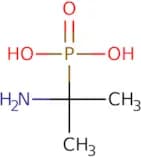
CAS:Versatile small molecule scaffoldFormula:C7H13N3Purity:Min. 95%Molecular weight:139.2 g/mol(2-Aminopropan-2-yl)phosphonic acid
CAS:2-Aminopropan-2-yl)phosphonic acid is a natural product that has an orthorhombic crystal structure and a zwitterionic nature. It was first obtained in the form of a single-crystal x-ray diffraction pattern. It was found to have antibacterial activity against Marcescens, Valine, Esherichia coli, and other gram-positive bacteria. The molecule is also able to transport glutamic acid and valine across the cell membrane. The molecular structure consists of two aminopropyl groups attached to the phosphate group. One aminopropyl group has a carboxylic acid substituent and the other aminopropyl group has a phosphate substituent.Formula:C3H10NO3PPurity:Min. 95%Molecular weight:139.09 g/mol(2Z)-2-Iodobut-2-enedioic acid
CAS:Versatile small molecule scaffoldFormula:C4H3IO4Purity:Min. 95%Molecular weight:241.97 g/mol1-Methyl-1H-imidazo[4,5-c]pyridine
CAS:1-Methyl-1H-imidazo[4,5-c]pyridine is a heterocyclic compound with low yields and low yield. It has been used as an intermediate in the synthesis of other compounds. The major use of 1-methyl-1H-imidazo[4,5-c]pyridine is as a medicinal agent for the treatment of high blood pressure. The drug is taken orally or intravenously to reduce blood pressure by blocking the action of angiotensin II on vasculature. This drug also has antihypertensive effects due to its ability to inhibit xanthine oxidase and block sodium channels in vascular smooth muscle cells.Formula:C7H7N3Purity:Min. 95%Molecular weight:133.15 g/molN2-Methylpyridine-2,3-diamine
CAS:N2-Methylpyridine-2,3-diamine is a cytotoxic agent that is hydrophobic and has been shown to be cytotoxic against human cancer cells. It has been shown to inhibit protein synthesis in cancer cells by inhibiting the translation of mRNA into proteins.
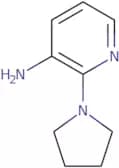
N2-Methylpyridine-2,3-diamine inhibits the activity of diazepinones and other compounds that are involved in the synthesis of fatty acids and cholesterol. This compound also inhibits acetonitrile reductase, an enzyme involved in the synthesis of acetoacetate, which leads to cell death.Formula:C6H9N3Purity:Min. 95%Molecular weight:123.16 g/mol2-(Pyrrolidin-1-yl)pyridin-3-amine
CAS:Versatile small molecule scaffold
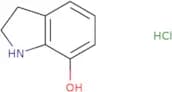
Formula:C9H13N3Purity:Min. 95%Molecular weight:163.22 g/molIndolin-7-ol hydrochloride
CAS:Versatile small molecule scaffold
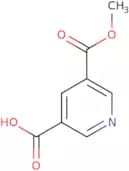
Formula:C8H10ClNOPurity:Min. 95%Molecular weight:171.62 g/mol5-(methoxycarbonyl)pyridine-3-carboxylic acid
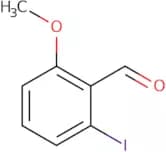
CAS:5-(Methoxycarbonyl)pyridine-3-carboxylic acid is a methyl ester that belongs to the group of acid halides. It is used industrially as a precursor to other compounds. The crystals are anhydrous and appear in colorless plates or needles, with a melting point of 102-104°C. The compound can be prepared by reacting hydrogen chloride with dimethyl 5-(methoxycarbonyl)pyridine-3-carboxylate, which has been obtained from methyl acetoacetate and methylamine hydrochloride. 5-(Methoxycarbonyl)pyridine-3-carboxylic acid has been shown to have antihypertensive properties and is used for the treatment of hypertension in combination with lercanidipine.Formula:C8H7NO4Purity:Min. 95%Molecular weight:181.1 g/mol2-Iodo-6-methoxybenzaldehyde
CAS:Versatile small molecule scaffoldFormula:C8H7IO2Purity:Min. 95%Molecular weight:262.04 g/mol6-Methylbenzo[D][1,3]dioxole-5-carboxylic acid
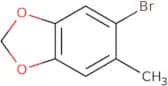
CAS:Versatile small molecule scaffoldFormula:C9H8O4Purity:Min. 95%Molecular weight:180.16 g/mol5-Bromo-6-methyl-1,3-dioxaindane
CAS:Versatile small molecule scaffoldFormula:C8H7BrO2Purity:Min. 95%Molecular weight:215.04 g/mol

![N1-[2-(Diethylamino)ethyl]-4-nitro-1,2-benzenediamine](/_next/image/?url=https%3A%2Fstatic.cymitquimica.com%2Fproducts%2F3D%2Fthumb-webp%2FFAA09939.webp&w=3840&q=75)
![1-[5-Methyl-1-(pyridin-2-yl)-1H-pyrazol-4-yl]ethan-1-one](/_next/image/?url=https%3A%2Fstatic.cymitquimica.com%2Fproducts%2F3D%2Fthumb-webp%2FFAA07864.webp&w=3840&q=75)
![1-[1-(4-Fluorophenyl)-5-methyl-1H-pyrazol-4-yl]ethan-1-one](/_next/image/?url=https%3A%2Fstatic.cymitquimica.com%2Fproducts%2F3D%2Fthumb-webp%2FFAA07858.webp&w=3840&q=75)
![[(1-aminocyclohexyl)methyl]amine](/_next/image/?url=https%3A%2Fstatic.cymitquimica.com%2Fproducts%2F3D%2Fthumb-webp%2FFAA06267.webp&w=3840&q=75)
![1-oxa-3,8-diazaspiro[4.5]decan-2-one hydrochloride](/_next/image/?url=https%3A%2Fstatic.cymitquimica.com%2Fproducts%2F3D%2Fthumb-webp%2FFAA05296.webp&w=3840&q=75)







![1-Methyl-1H-imidazo[4,5-c]pyridine](/_next/image/?url=https%3A%2Fstatic.cymitquimica.com%2Fproducts%2F3D%2Fthumb-webp%2FFAA02832.webp&w=3840&q=75)

![6-Methylbenzo[D][1,3]dioxole-5-carboxylic acid](/_next/image/?url=https%3A%2Fstatic.cymitquimica.com%2Fproducts%2F3D%2Fthumb-webp%2FFAA02554.webp&w=3840&q=75)