Building Blocks
Subcategories of "Building Blocks"
- Boronic Acids & Boronic Acid Derivatives(5,784 products)
- Chiral Building Blocks(1,242 products)
- Hydrocarbon Building Blocks(6,105 products)
- Organic Building Blocks(61,065 products)
Found 205418 products of "Building Blocks"
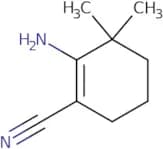
2-Amino-3,3-dimethylcyclohex-1-ene-1-carbonitrile
CAS:Versatile small molecule scaffoldFormula:C9H14N2Purity:Min. 95%Molecular weight:150.22 g/mol(Triphenylphosphoranylidene)ketene
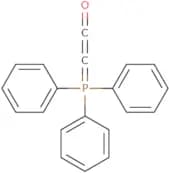
CAS:Triphenylphosphoranylidene)ketene is an amine-containing compound that is used as a catalyst in organic synthesis. It can be used in reactions involving the cleavage of carbon-carbon bonds and has been shown to oxidize alcohols, ethers, and esters. Triphenylphosphoranylidene)ketene was first synthesized in 1887 by the reaction of triphenylphosphine with ethylene dione.
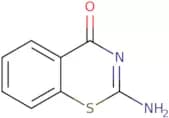
Formula:C20H15OPPurity:Min. 95%Molecular weight:302.31 g/mol2-Amino-4H-1,3-benzothiazin-4-one
CAS:Versatile small molecule scaffold
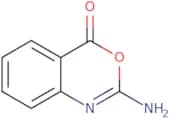
Formula:C8H6N2OSPurity:Min. 95%Molecular weight:178.21 g/mol2-Amino-4H-3,1-benzoxazin-4-one
CAS:Quinazolone is a quinazoline derivative with a 2-amino-4H-3,1-benzoxazin-4-one moiety. It is an inhibitor of enzymes that catalyze the phosphorylation of alkenes and alkynes, such as malonate decarboxylase and acetoacetyl-CoA thiolase. Quinazolones are also used in pharmaceuticals, mainly as anticonvulsants or antipsychotics. The quinazolone group is obtained by condensation of cyanamide with diethyl malonate or ethyl malonate. The resulting quinazoline can be converted to the corresponding quinazolone by replacement of the amino group with an amine. This reaction is called the Baeyer–Villiger oxidation. Quinazolones can also be synthesized from aralkyl chlorides by treatment with phenylurea followed by hydrolysis
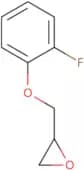
Formula:C8H6N2O2Purity:Min. 95%Molecular weight:162.15 g/mol2-(2-Fluorophenoxymethyl)oxirane
CAS:2-(2-Fluorophenoxymethyl)oxirane is an organic compound that has been used as a diagnostic agent for the detection of Staphylococcus. It reacts with 2-amino-3-ketobutyric acid, which is the end product of bacterial metabolism and can be detected by gas chromatography. The sensitivity of this assay is approximately 10 CFU/mL. This compound has also been used as a probe for the study of bacterial metabolites in aerogenes cultures. In addition, it has been utilized as a sensor for bacterial growth in supernatants from subtilis bacteria cultures. 2-(2-Fluorophenoxymethyl)oxirane is not active against resistant strains of bacteria such as enterobacter and epidermidis species.
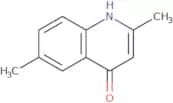
Formula:C9H9FO2Purity:Min. 95%Molecular weight:168.16 g/mol2,6-Dimethyl-4-hydroxyquinoline
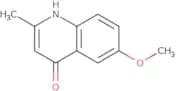
CAS:2,6-Dimethyl-4-hydroxyquinoline is a phthalocyanine that has been shown to be reduced by electrochemical reactions. 2,6-Dimethyl-4-hydroxyquinoline has been shown to have redox properties in the cyclic voltammetry and square reduction process. This compound can be characterized using spectroscopy and elemental analysis. Mass spectroscopy is used to identify the molecular weight of the compound. The elemental composition of 2,6-dimethyl-4-hydroxyquinoline is C 8 H 8 N 4 O 3 . It can be synthesized from phthalonitrile and formaldehyde with a chemical reaction that yields an elemental composition of C 6 H 6 + C 8 H 8 N 4 O 3 .Formula:C11H11NOPurity:Min. 95%Molecular weight:173.21 g/mol4-Hydroxy-6-methoxy-2-methylquinoline
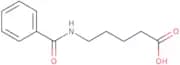
CAS:4-Hydroxy-6-methoxy-2-methylquinoline is a heterocyclic compound that belongs to the quinone class of compounds. It is used as a dye in plastics and textiles, but it has also been shown to have antibacterial properties. The chemical reacts with copper ions in solution to produce hydroxyl radicals, which react with other molecules in the solution to produce reactive oxygen species such as hydrogen peroxide. These reactive oxygen species attack bacterial cells and cause cell death. 4-Hydroxy-6-methoxy-2-methylquinoline can be saponified by alkali to form 4-hydroxyquinoline, which is an analgesic drug that has been shown to have antiinflammatory activities.Formula:C11H11NO2Purity:Min. 95%Molecular weight:189.21 g/mol5-(Benzoylamino)valeric Acid
CAS:Versatile small molecule scaffold
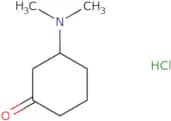
Formula:C12H15NO3Purity:Min. 95%Molecular weight:221.26 g/mol3-(Dimethylamino)cyclohexan-1-one hydrochloride
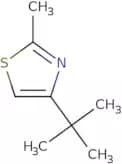
CAS:Versatile small molecule scaffoldFormula:C8H16ClNOPurity:Min. 95%Molecular weight:177.67 g/mol4-(tert-Butyl)-2-methyl-1,3-thiazole
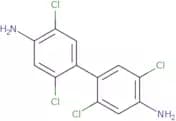
CAS:4-(tert-Butyl)-2-methyl-1,3-thiazole is a catalyst that is used in carbonyl, heteroaryl and heteroaromatic arylation reactions. 4-(tert-Butyl)-2-methyl-1,3-thiazole has been shown to produce high yields of product and to be an effective catalyst for arylation reactions.Formula:C8H13NSPurity:Min. 95%Molecular weight:155.26 g/mol2,2',5,5'-Tetrachlorobenzidine
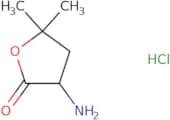
CAS:2,2',5,5'-Tetrachlorobenzidine (TCB) is a diacid that has been shown to have thermal expansion properties. TCB is also hydrophobic and exhibits a fatty acid-like structure. This compound has been used in the synthesis of several other compounds such as alicyclic amides, birefringent dyes, and polarizers. TCB has also been used in the production of polymer films for optical purposes such as hydrochloric acid particle size analysis.Formula:C12H8Cl4N2Purity:Min. 95%Molecular weight:322.01 g/mol3-Amino-5,5-dimethyloxolan-2-one hydrochloride
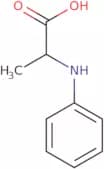
CAS:Versatile small molecule scaffoldFormula:C6H12ClNO2Purity:Min. 95%Molecular weight:165.62 g/mol2-Phenylamino-propionic acid
CAS:2-Phenylamino-propionic acid is an analogue of acrylic acid with two methyl groups on the terminal carbon. It is a colorless liquid that can be synthesized by the reaction of acrylic acid with sodium amide in the presence of benzene. 2-Phenylamino-propionic acid has been shown to undergo homogeneous and cyclic reactions, as well as elimination and monoxide reactions. The experimental value obtained for its rate constant, k, was found to be 1.6 × 10^6 L/mol*s using acrylic acid as a substrate. This product may also be used as a catalyst for radical reactions or in catalytic pyrolysis reactions.
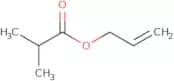
Formula:C9H11NO2Purity:Min. 95%Molecular weight:165.19 g/molProp-2-en-1-yl 2-methylpropanoate
CAS:Prop-2-en-1-yl 2-methylpropanoate is a hydrocarbon with two hydroxyl groups. It is a reactive, functional group that is monosubstituted by fluorine atoms. The carboxylate group of prop-2-en-1-yl 2-methylpropanoate has a divalent hydrocarbon structure and contains one reactive, functional group. Prop-2-en-1-yl 2-methylpropanoate can be found as bound form in endophytic fungi and in the leaves of plants. It can also be found as an unbound form in organic solvents and fatty acids.
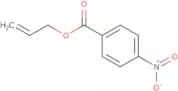
Formula:C7H12O2Purity:Min. 95%Molecular weight:128.17 g/molAllyl 4-nitrobenzoate
CAS:Versatile small molecule scaffoldFormula:C10H9NO4Purity:Min. 95%Molecular weight:207.18 g/mol1-bromo-4-[(methylsulfanyl)methyl]benzene
CAS:Versatile small molecule scaffold
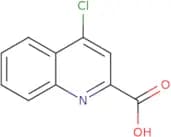
Formula:C8H9BrSPurity:Min. 95%Molecular weight:217.12 g/mol4-Chloroquinoline-2-carboxylic acid
CAS:Versatile small molecule scaffoldFormula:C10H6ClNO2Purity:Min. 95%Molecular weight:207.61 g/mol4-Methoxy-2-quinolinecarboxylic acid
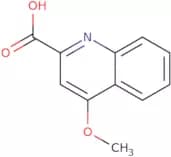
CAS:4-Methoxy-2-quinolinecarboxylic acid is a compound that contains a phenyl ring with two substituents, one of which is a methoxy group. It has been shown to regenerate primary alcohols from the corresponding hydroxyaldehyde under mild conditions. 4-Methoxy-2-quinolinecarboxylic acid also reacts with aldehydes to form an oxime and an acetal in the presence of base. The functional theory proposes that the molecular orbitals are formed by the overlap of atomic orbitals and may be used to explain reactions such as these. The neurotoxic effect of 4-methoxy-2-quinolinecarboxylic acid has been observed in rats after intraperitoneal injection. This compound also has been shown to catalyze the formation of bidentate ligands and chelate ligands.
Formula:C11H9NO3Purity:Min. 95%Molecular weight:203.19 g/mol6-Methylquinoline-2-Carboxylic Acid
CAS:6-Methylquinoline-2-carboxylic acid is a chromophore that is found in the molecule isoquinoline-3-carboxylic acid. It is an antibacterial agent that has been shown to inhibit bacterial biosynthesis and growth. 6-Methylquinoline-2-Carboxylic Acid may also have potential as a chemotherapeutic agent for cancer treatment due to its ability to bind to DNA and inhibit RNA synthesis. This drug is synthesized by the condensation of quinoline derivatives with carboxylic acids, followed by reduction of the resulting imine with sodium dithionite. The product can be purified using high performance liquid chromatography, incubated with magnetic particles, and desorbed from the beads using protonation.Formula:C11H9NO2Purity:Min. 95%Molecular weight:187.2 g/mol8-Nitroquinoline-2-carboxylic acid
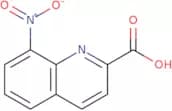
CAS:8-Nitroquinoline-2-carboxylic acid is a spectrometric, inorganic compound that is structurally modified to have an electron-donating group. Modifications on the nitrogen atoms of 8-Nitroquinoline-2-carboxylic acid allow for long-term treatment. It is also used as a fluorophore and has shown to interact with metal ions and form an inorganic complex. 8-Nitroquinoline-2-carboxylic acid can be used for the detection of metal ions by mass spectrometry and microscopy. This compound has been shown to be effective in preventing nitrosamine formation and in the prevention of cancer cells from proliferating.Formula:C10H6N2O4Purity:Min. 95%Molecular weight:218.17 g/mol1-(Hydroxymethyl)cyclohexan-1-ol
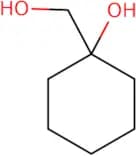
CAS:1-(Hydroxymethyl)cyclohexan-1-ol is a ligand that binds to transition metal ions. It has been shown to bind to a variety of metals, including Cu(II), Fe(III), Zn(II), and Ni(II). 1-(Hydroxymethyl)cyclohexan-1-ol is also able to coordinate with glucokinase activators, such as 5-hydroxytryptamine (5HT), which can lead to an increase in the activity of this enzyme.Formula:C7H14O2Purity:Min. 95%Molecular weight:130.18 g/molrac-(1R,3S)-3-(Hydroxymethyl)cyclohexan-1-ol
CAS:Versatile small molecule scaffoldFormula:C7H14O2Purity:Min. 95%Molecular weight:130.2 g/mol2-Phenylimidazo[1,2-a]pyrimidine
CAS:2-Phenylimidazo[1,2-a]pyrimidine is an optical isomer of imidazo[1,2-a]pyrimidine. It contains a pyrazinyl group that has a nitrogen atom in the alpha position and a thiophenyl group that has a single bond to the alpha carbon. This compound is used as a diagnostic agent for Alzheimer's disease because it can be detected in the cerebrospinal fluid of patients with this disorder. The enantiomers are racemic mixtures and are typically not separated during chemical synthesis.
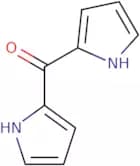
Formula:C12H9N3Purity:Min. 95%Molecular weight:195.22 g/mol2-(1H-Pyrrole-2-carbonyl)-1H-pyrrole
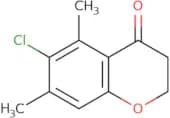
CAS:2-(1H-Pyrrole-2-carbonyl)-1H-pyrrole is a chloride salt that inhibits the growth of tuberculosis by inhibiting the replication of bacterial DNA. It has also been shown to inhibit HIV replication in vitro. 2-(1H-Pyrrole-2-carbonyl)-1H-pyrrole is insoluble in water, so it can be dissolved in organic solvents such as carbon tetrachloride or chloroform. The solubility of this compound may be due to its ability to exist as a tautomeric pair. The geometric isomers of this compound are also possible due to its chiral center.Formula:C9H8N2OPurity:Min. 95%Molecular weight:160.17 g/mol6-Chloro-5,7-dimethyl-3,4-dihydro-2H-1-benzopyran-4-one
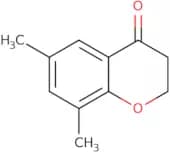
CAS:Versatile small molecule scaffoldFormula:C11H11ClO2Purity:Min. 95%Molecular weight:210.65 g/mol6,8-Dimethyl-3,4-dihydro-2H-1-benzopyran-4-one
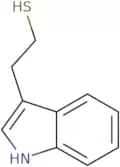
CAS:Versatile small molecule scaffoldFormula:C11H12O2Purity:Min. 95%Molecular weight:176.21 g/mol2-(1H-Indol-3-yl)ethane-1-thiol
CAS:Versatile small molecule scaffold
Formula:C10H11NSPurity:Min. 95%Molecular weight:177.27 g/molN-(5-Butyl-1,3,4-thiadiazol-2-yl)-2-chloroacetamide
CAS:Versatile small molecule scaffoldFormula:C8H12ClN3OSPurity:Min. 95%Molecular weight:233.72 g/mol2-Chloro-N-[5-(2-methylpropyl)-1,3,4-thiadiazol-2-yl]acetamide
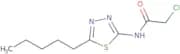
CAS:Versatile small molecule scaffoldFormula:C8H12ClN3OSPurity:Min. 95%Molecular weight:233.72 g/mol2-Chloro-N-(5-pentyl-1,3,4-thiadiazol-2-yl)acetamide
CAS:Versatile small molecule scaffoldFormula:C9H14ClN3OSPurity:Min. 95%Molecular weight:247.75 g/mol3-(3-Methoxyphenyl)propionaldehyde
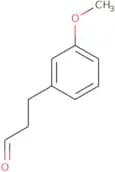
CAS:3-(3-Methoxyphenyl)propionaldehyde is a ligand that interacts with the mosquito Aedes aegypti. It has been shown to be orally active and has an affinity for the interaction site on the mosquito's olfactory receptor, which is responsible for detecting odors. 3-(3-Methoxyphenyl)propionaldehyde modulates this receptor, thereby interfering with the mosquito's ability to detect certain odors. It is also known to have an affinity for trypsin and collagen and can be used as a potential drug in treating breast cancer.Formula:C10H12O2Purity:Min. 95%Molecular weight:164.2 g/mol1-(Chloromethyl)-4-propoxybenzene
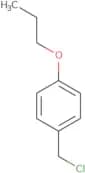
CAS:Versatile small molecule scaffoldFormula:C10H13ClOPurity:Min. 95%Molecular weight:184.66 g/mol4-chlorobenzo[4,5]thieno[2,3-d]pyrimidine
CAS:Versatile small molecule scaffoldFormula:C10H5ClN2SPurity:Min. 95%Molecular weight:220.67 g/mol3-Bromo-2-methylpropan-1-ol
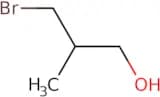
CAS:3-Bromo-2-methylpropan-1-ol is a chiral, neurotoxic alcohol. It has been shown to be a precursor for the synthesis of neurotrophic analogues, which are compounds that help maintain the structure and function of neurons, such as 3-bromo-2-methylpropanal (BMPA) and 3-bromoacetophenone. The enantiomers of BMPA have different effects on fetal rat cerebral neuronal cells. One enantiomer inhibits the growth of neurons, while the other promotes their growth. These differences may be related to their optical activity: one enantiomer is active when present in the form of left circularly polarized light and the other is active in right circularly polarized light.
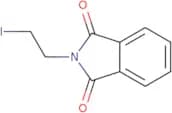
Formula:C4H9BrOPurity:Min. 95%Molecular weight:153.02 g/mol2-(2-Iodoethyl)-2,3-dihydro-1H-isoindole-1,3-dione
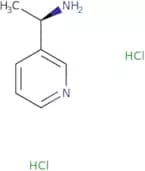
CAS:2-(2-Iodoethyl)-2,3-dihydro-1H-isoindole-1,3-dione is a crystalline compound that is an n-substituted derivative of phthalimide. It has been shown to be effective for the treatment of tuberculosis. This drug binds to DNA and inhibits transcription and replication. 2-(2-Iodoethyl)-2,3-dihydro-1H-isoindole-1,3-dione also inhibits bacterial growth by binding to RNA polymerase.Formula:C10H8INO2Purity:Min. 95%Molecular weight:301.08 g/mol(R)-1-(Pyridin-3-yl)ethan-1-amine dihydrochloride
CAS:Versatile small molecule scaffoldFormula:C7H10N2·2HClPurity:Min. 95%Molecular weight:122.17 g/mol(S)-1-Pyridin-3-yl-ethylamine 2HCl
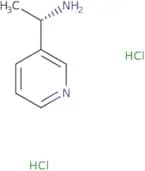
CAS:Versatile small molecule scaffold
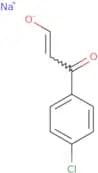
Formula:C7H12Cl2N2Purity:Min. 95%Molecular weight:195.09 g/molSodium 3-(4-chlorophenyl)-3-oxoprop-1-en-1-olate
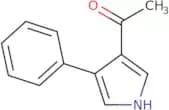
CAS:Versatile small molecule scaffoldFormula:C9H6ClNaO2Purity:Min. 95%Molecular weight:204.58 g/mol1-(4-Phenyl-1H-pyrrol-3-yl)ethan-1-one
CAS:Versatile small molecule scaffold
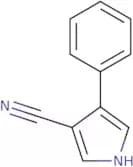
Formula:C12H11NOPurity:Min. 95%Molecular weight:185.22 g/mol4-Phenyl-1H-pyrrole-3-carbonitrile
CAS:4-Phenyl-1H-pyrrole-3-carbonitrile is an acrylonitrile derivative that is a fungicide. It is used to control fungal diseases on plants and to prevent the spread of fungi in commercial buildings. The compound is used as a seed treatment and as a foliar spray. 4-Phenyl-1H-pyrrole-3-carbonitrile has been shown to be effective against many types of fungi, including species of Aspergillus, Alternaria, Cladosporium, Fusarium, Penicillium, Rhizopus, Scopulariopsis and Trichoderma. However it has little or no activity against bacteria or viruses. This fungicide can be absorbed through the skin and may cause kidney damage if ingested in large quantities.Formula:C11H8N2Purity:Min. 95%Molecular weight:168.19 g/mol2-{[(4-Methylphenyl)methyl]amino}ethan-1-ol
CAS:Versatile small molecule scaffoldFormula:C10H15NOPurity:Min. 95%Molecular weight:165.23 g/mol2-{[(2,4-Dimethoxyphenyl)methyl]amino}ethan-1-ol
CAS:Versatile small molecule scaffoldFormula:C11H17NO3Purity:Min. 95%Molecular weight:211.26 g/mol2-{[(2,5-Dimethoxyphenyl)methyl]amino}ethan-1-ol
CAS:Versatile small molecule scaffoldFormula:C11H17NO3Purity:Min. 95%Molecular weight:211.26 g/mol[(3,4-Dimethoxyphenyl)methyl](ethyl)amine
CAS:Versatile small molecule scaffoldFormula:C11H18ClNO2Purity:Min. 95%Molecular weight:231.72 g/mol2-(2-Bromoethyl)-1,4-dichlorobenzene
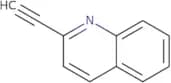
CAS:Versatile small molecule scaffoldFormula:C8H7BrCl2Purity:Min. 95%Molecular weight:253.95 g/mol2-ethynylquinoline
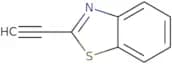
CAS:2-Ethynylquinoline is a molecule that has been found to be effective in the treatment of leukemia and other cancers. It inhibits protein synthesis in cells by binding to the molecule eIF4E, which prevents the production of proteins vital for cell division. 2-Ethynylquinoline has been shown to have anti-inflammatory properties, which may be due to its ability to inhibit prostaglandin synthesis. This drug also has a toxic effect on respiratory system cells, which may be due to its ability to induce apoptosis. 2-Ethynylquinoline is a potent cytotoxic agent that inhibits the growth of cancer cells by inhibiting protein synthesis and mitochondrial membrane potential. The drug also suppresses oxidative injury and cardiac dysfunction induced by fatty acid oxidation. In vivo studies have shown that 2-ethynylquinoline can cause regression of bronchial tumors in mice with pulmonary carcinomas, as well as regression of alveolar tumors in mice with metastatic lungFormula:C11H7NPurity:Min. 95%Molecular weight:153.17 g/mol2-Ethynylbenzothiazole
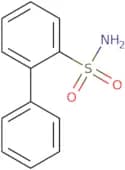
CAS:2-Ethynylbenzothiazole is a synthetic chemical that can be used as a fluorescent probe. It has been shown to react with nucleophilic compounds, such as thiols and amines, in the presence of palladium complexes. The reaction is catalyzed by the addition of hydrogen chloride. 2-Ethynylbenzothiazole reacts with thiols and amines to form a new compound called 2-chlorobenzothiazole. This reaction also produces hydrogen gas and heat. When 2-ethynylbenzothiazole is combined with vitamin B1, it undergoes electrophilic attack by an electron-rich heterocycle, leading to the formation of an intermediate product that fluoresces brightly.Formula:C9H5NSPurity:Min. 95%Molecular weight:159.21 g/mol2-Phenylbenzene-1-sulfonamide
CAS:2-Phenylbenzene-1-sulfonamide is a biphenyl compound that inhibits the production of endothelin, a peptide hormone that plays a role in regulating blood pressure and blood flow. It has been shown to be effective in vitro against experimental models of congestive heart disease and bowel disease. 2-Phenylbenzene-1-sulfonamide also inhibits the activity of x-ray crystal structures, which are proteins involved in apoptosis or programmed cell death. 2-Phenylbenzene-1-sulfonamide is not active against bacteria, but it has been shown to inhibit Mcl-1 protein, which regulates the process of apoptosis. This drug also has sodium salt forms that are used to treat metabolic disorders such as diabetes mellitus type II.
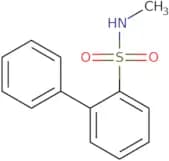
Formula:C12H11NO2SPurity:Min. 95%Molecular weight:233.29 g/molN-Methyl-2-phenylbenzene-1-sulfonamide
CAS:Versatile small molecule scaffold
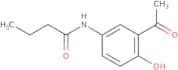
Formula:C13H13NO2SPurity:Min. 95%Molecular weight:247.31 g/molN-(3-Acetyl-4-hydroxyphenyl)butanamide
CAS:N-(3-Acetyl-4-hydroxyphenyl)butanamide (NAAB) is a flavonoid that has been shown to be activated by the addition of urine samples. This activation leads to protein synthesis and exfoliation. NAAB fluoresces in the presence of an ultraviolet light, making it a useful fluorescent probe for the detection of human serum amide. NAAB is also low molecular weight and linear range, making it suitable for use as a reticulum deformation agent.Formula:C12H15NO3Purity:Min. 95%Molecular weight:221.25 g/mol

![1-bromo-4-[(methylsulfanyl)methyl]benzene](/_next/image/?url=https%3A%2Fstatic.cymitquimica.com%2Fproducts%2F3D%2Fthumb-webp%2FQAA73307.webp&w=3840&q=75)


![2-Phenylimidazo[1,2-a]pyrimidine](/_next/image/?url=https%3A%2Fstatic.cymitquimica.com%2Fproducts%2F3D%2Fthumb-webp%2FQAA76447.webp&w=3840&q=75)

![2-Chloro-N-[5-(2-methylpropyl)-1,3,4-thiadiazol-2-yl]acetamide](/_next/image/?url=https%3A%2Fstatic.cymitquimica.com%2Fproducts%2F3D%2Fthumb-webp%2FQAA77746.webp&w=3840&q=75)
![4-chlorobenzo[4,5]thieno[2,3-d]pyrimidine](/_next/image/?url=https%3A%2Fstatic.cymitquimica.com%2Fproducts%2F3D%2Fthumb-webp%2FQBA14292.webp&w=3840&q=75)
![2-{[(4-Methylphenyl)methyl]amino}ethan-1-ol](/_next/image/?url=https%3A%2Fstatic.cymitquimica.com%2Fproducts%2F3D%2Fthumb-webp%2FQBA17187.webp&w=3840&q=75)
![2-{[(2,4-Dimethoxyphenyl)methyl]amino}ethan-1-ol](/_next/image/?url=https%3A%2Fstatic.cymitquimica.com%2Fproducts%2F3D%2Fthumb-webp%2FQBA17189.webp&w=3840&q=75)
![2-{[(2,5-Dimethoxyphenyl)methyl]amino}ethan-1-ol](/_next/image/?url=https%3A%2Fstatic.cymitquimica.com%2Fproducts%2F3D%2Fthumb-webp%2FQBA17190.webp&w=3840&q=75)
amine](/_next/image/?url=https%3A%2Fstatic.cymitquimica.com%2Fproducts%2F3D%2Fthumb-webp%2FQBA17195.webp&w=3840&q=75)