Building Blocks
This section contains fundamental products for the synthesis of organic and biological compounds. Building blocks are the essential starting materials used to construct complex molecules through various chemical reactions. They play a critical role in drug discovery, material science, and chemical research. At CymitQuimica, we offer a diverse range of high-quality building blocks to support your innovative research and industrial projects, ensuring you have the essential components for successful synthesis.
Subcategories of "Building Blocks"
- Boronic Acids & Boronic Acid Derivatives(5,786 products)
- Chiral Building Blocks(1,246 products)
- Hydrocarbon Building Blocks(6,107 products)
- Organic Building Blocks(61,079 products)
Found 205461 products of "Building Blocks"
Sort by
Purity (%)
0
100
|
0
|
50
|
90
|
95
|
100
Spiro[3.4]oct-7-en-6-one
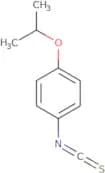
CAS:Versatile small molecule scaffoldFormula:C8H10OPurity:Min. 95%Molecular weight:122.2 g/mol1-Isothiocyanato-4-(propan-2-yloxy)benzene
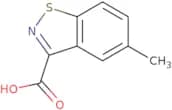
CAS:Versatile small molecule scaffoldFormula:C10H11NOSPurity:Min. 95%Molecular weight:193.27 g/mol5-Methyl-1,2-benzothiazole-3-carboxylic acid
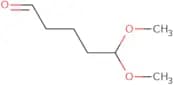
CAS:Versatile small molecule scaffoldFormula:C9H7NO2SPurity:Min. 95%Molecular weight:193.22 g/mol5,5-Dimethoxypentanal
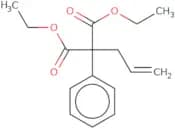
CAS:Versatile small molecule scaffoldFormula:C7H14O3Purity:Min. 95%Molecular weight:146.18 g/mol1,3-Diethyl 2-phenyl-2-(prop-2-en-1-yl)propanedioate
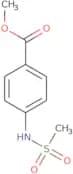
CAS:Versatile small molecule scaffoldFormula:C16H20O4Purity:Min. 95%Molecular weight:276.3 g/molMethyl 4-methanesulfonamidobenzoate
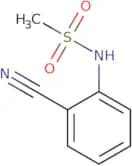
CAS:Methyl 4-methanesulfonamidobenzoate is an enzyme inhibitor that binds to the hydroxyl group of the active site on enzymes, such as human protein kinase. The hydroxyl group of this compound interacts with the amide group of the enzyme, preventing it from carrying out its normal function. Methyl 4-methanesulfonamidobenzoate has been shown to inhibit a number of different enzyme isozymes, including 2-methylisocitrate dehydrogenase and cyclooxygenase 2. This drug also has selectivity for one conformation over another because it binds only to the human form of these enzymes, while not binding to other animal or microbial forms.Formula:C9H11NO4SPurity:Min. 95%Molecular weight:229.25 g/mol2-(Methanesulfonylamino)benzonitrile
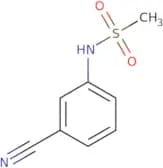
CAS:Versatile small molecule scaffoldFormula:C8H8N2O2SPurity:Min. 95%Molecular weight:196.23 g/mol3-(Methanesulfonylamino)benzonitrile
CAS:Versatile small molecule scaffoldFormula:C8H8N2O2SPurity:Min. 95%Molecular weight:196.23 g/molN-[4-(Trifluoromethyl)phenyl]methanesulfonamide
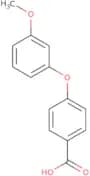
CAS:Versatile small molecule scaffoldFormula:C8H8F3NO2SPurity:Min. 95%Molecular weight:239.22 g/mol4-(3-Methoxyphenoxy)benzoic acid
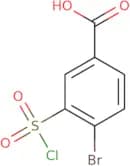
CAS:4-(3-Methoxyphenoxy)benzoic acid is a chemical compound that has dehydrating properties and can be used industrially as an organic solvent. It is a colorless, water-soluble liquid with an aprotic nature. 4-(3-Methoxyphenoxy)benzoic acid is also used to prepare other chemicals by hydrolysis, such as 3-methoxybenzoic acid and 3,4-dimethoxybenzoic acid.Formula:C14H12O4Purity:Min. 95%Molecular weight:244.24 g/mol4-Bromo-3-chlorosulfonylbenzoic acid
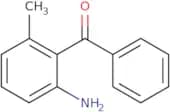
CAS:4-Bromo-3-chlorosulfonylbenzoic acid (4BCSA) is a synthetic cannabinoid that has been modified to have increased affinity for the CB2 receptor. 4BCSA has been shown to produce analgesia in animal models of neuropathic and inflammatory pain. This drug also blocks the effects of endocannabinoids at the CB1 receptor, which may be useful for treating postoperative and chronic pain. In addition, 4BCSA has been shown to inhibit caspase activity in cells and increase levels of glutathione, which may have therapeutic benefits for diseases such as cancer.Formula:C7H4BrClO4SPurity:Min. 95%Molecular weight:299.52 g/mol2-Benzoyl-3-methylaniline
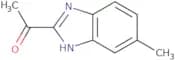
CAS:Versatile small molecule scaffoldFormula:C14H13NOPurity:Min. 95%Molecular weight:211.26 g/mol1-(5-Methyl-1H-benzimidazol-2-yl)ethanone
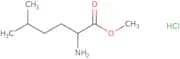
CAS:Versatile small molecule scaffoldFormula:C10H10N2OPurity:Min. 95%Molecular weight:174.2 g/molMethyl 2-amino-5-methylhexanoate hydrochloride
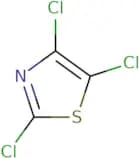
CAS:Versatile small molecule scaffoldFormula:C8H18ClNO2Purity:Min. 95%Molecular weight:195.69 g/mol2,4,5-Trichlorothiazole
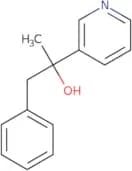
CAS:2,4,5-Trichlorothiazole (2,4,5-T) is a chlorinated organic acid that is used as an active substance in the manufacture of pesticides. 2,4,5-T has been shown to be toxic to plants and animals by inhibiting growth and causing damage to cells. It has been used as an herbicide for the control of weeds and grasses in crop fields. The chemical is also an algicide for the control of algae in lakes and rivers. 2,4,5-T can be applied as a foliar spray or soil drenching agent. This chemical can also be diluted with water or other substances before application.Formula:C3Cl3NSPurity:Min. 95%Molecular weight:188.5 g/mol1-Phenyl-2-(pyridin-3-yl)propan-2-ol
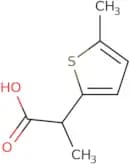
CAS:Versatile small molecule scaffoldFormula:C14H15NOPurity:Min. 95%Molecular weight:213.27 g/mol2-(5-Methylthiophen-2-yl)propanoic acid
CAS:Versatile small molecule scaffold
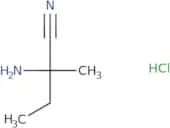
Formula:C8H10O2SPurity:Min. 95%Molecular weight:170.23 g/mol2-Amino-2-methylbutanenitrile hydrochloride
CAS:Versatile small molecule scaffold
Formula:C5H11ClN2Purity:Min. 95%Molecular weight:134.61 g/mol9-Thia-3-azabicyclo[4.2.1]nonane hydrochloride
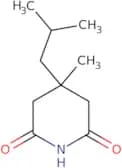
CAS:Versatile small molecule scaffoldFormula:C7H14ClNSPurity:Min. 95%Molecular weight:179.71 g/mol4-Methyl-4-(2-methylpropyl)piperidine-2,6-dione
CAS:Versatile small molecule scaffoldFormula:C10H17NO2Purity:Min. 95%Molecular weight:183.25 g/mol4,6-Dioxa-10-thia-12-azatricyclo[7.3.0.0,3,7]dodeca-1,3(7),8,11-tetraen-11-amine
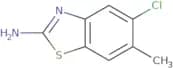
CAS:Versatile small molecule scaffoldFormula:C8H6N2O2SPurity:Min. 95%Molecular weight:194.21 g/mol5-Chloro-6-methyl-benzothiazol-2-ylamine
CAS:Versatile small molecule scaffoldFormula:C8H7ClN2SPurity:Min. 95%Molecular weight:198.67 g/mol6-[1-(Hydroxyimino)ethyl]-1,3-benzothiazol-2-amine
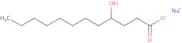
CAS:Versatile small molecule scaffoldFormula:C9H9N3OSPurity:Min. 95%Molecular weight:207.25 g/molSodium 4-hydroxydodecanoate
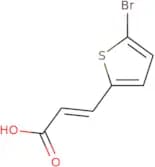
CAS:Versatile small molecule scaffoldFormula:C12H23NaO3Purity:Min. 95%Molecular weight:238.3 g/mol(E)-3-(5-Bromothiophen-2-yl)acrylic acid
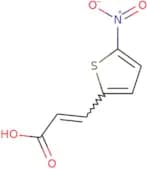
CAS:Versatile small molecule scaffoldFormula:C7H5BrO2SPurity:Min. 95%Molecular weight:233.08 g/mol(E)-3-(5-Nitrothiophen-2-yl)acrylic acid
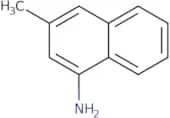
CAS:Versatile small molecule scaffoldFormula:C7H5NO4SPurity:Min. 95%Molecular weight:199.19 g/mol3-Methylnaphthalen-1-amine
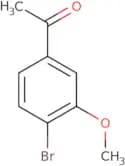
CAS:Versatile small molecule scaffoldFormula:C11H11NPurity:Min. 95%Molecular weight:157.21 g/mol1-(4-Bromo-3-methoxyphenyl)ethanone
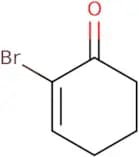
CAS:Versatile small molecule scaffoldFormula:C9H9BrO2Purity:Min. 95%Molecular weight:229.07 g/mol2-Bromocyclohex-2-en-1-one
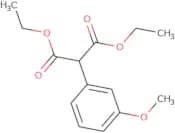
CAS:2-Bromocyclohex-2-en-1-one is a reactive compound that belongs to the group of organometallic compounds. It is utilized in polyphosphoric acid production, where it reacts with hydrocarbons and alcohols to form esters or ethers. This compound may also be used as an intermediate in the preparation of Taxol, which is a drug used to treat cancer. 2-Bromocyclohex-2-en-1-one has shown enantioselective reactions with chloride ion and chiral trifluoroacetic acid, leading to the formation of enolate anion. The reaction mechanism for this process is still not fully understood.Formula:C6H7BrOPurity:Min. 95%Molecular weight:175.02 g/mol1,3-Diethyl 2-(3-methoxyphenyl)propanedioate
CAS:Versatile small molecule scaffoldFormula:C14H18O5Purity:Min. 95%Molecular weight:266.29 g/mol1a,2,3a,5b-Tetrachlorohexahydro-3,3-dimethoxy-1,2,4-ethanylylidene-1H-cyclobuta[cd]pentalene-5,7(1aH)-dione
CAS:Versatile small molecule scaffold
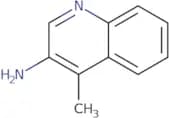
Formula:C13H10Cl4O4Purity:Min. 95%Molecular weight:372 g/mol4-Methyl-3-quinolinamine
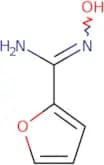
CAS:4-Methyl-3-quinolinamine is a compound that is synthesized by the diazotization of 4-methyl-3-nitroaniline and can be used as a synthetic intermediate. The ring system of this compound has not been determined.Formula:C10H10N2Purity:Min. 95%Molecular weight:158.2 g/molN'-Hydroxyfuran-2-carboximidamide
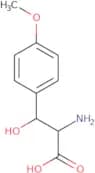
CAS:N'-Hydroxyfuran-2-carboximidamide is an antibacterial agent that inhibits the growth of bacteria by binding to the 50S ribosomal subunit. It is used to treat eye infections and is also used as an adjuvant in animal vaccines. N'-Hydroxyfuran-2-carboximidamide has been shown to be effective against methicillin-resistant Staphylococcus aureus (MRSA) and Clostridium perfringens, although is not active against acid-fast bacteria such as Mycobacterium tuberculosis or Mycobacterium avium complex.Formula:C5H6N2O2Purity:Min. 95%Molecular weight:126.11 g/mol2-Amino-3-hydroxy-3-(4-methoxyphenyl)propanoic acid
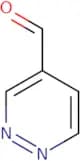
CAS:Versatile small molecule scaffoldFormula:C10H13NO4Purity:Min. 95%Molecular weight:211.21 g/molPyridazine-4-carboxaldehyde
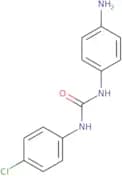
CAS:Pyridazine-4-carboxaldehyde is a pyridine derivative that has been shown to have antiherpetic properties. It can be synthesized by reacting pyridazine with methyl iodide and anhydrous potassium carbonate. Pyridazine-4-carboxaldehyde is a potent inhibitor of human cytomegalovirus (HCMV) replication in cell culture, and its activity against the virus may be due to its ability to inhibit DNA synthesis and act as a cytotoxic agent. Pyridazine-4-carboxaldehyde has also been studied for its potential use in cancer treatment, with one study showing that it was able to inhibit tumor growth in mice.Formula:C5H4N2OPurity:Min. 95%Molecular weight:108.1 g/mol3-(4-Aminophenyl)-1-(4-chlorophenyl)urea
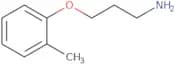
CAS:Versatile small molecule scaffoldFormula:C13H12ClN3OPurity:Min. 95%Molecular weight:261.7 g/mol3-o-Tolyloxy-propylamine
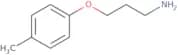
CAS:Versatile small molecule scaffoldFormula:C10H15NOPurity:Min. 95%Molecular weight:165.24 g/mol3-p-Tolyloxy-propylamine
CAS:Versatile small molecule scaffold
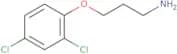
Formula:C10H15NOPurity:Min. 95%Molecular weight:165.23 g/mol1-(3-Aminopropoxy)-2,4-dichlorobenzene
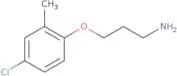
CAS:Versatile small molecule scaffoldFormula:C9H11Cl2NOPurity:Min. 95%Molecular weight:220.09 g/mol1-(3-Aminopropoxy)-4-chloro-2-methylbenzene
CAS:Versatile small molecule scaffoldFormula:C10H14ClNOPurity:Min. 95%Molecular weight:199.68 g/mol2-Chloro-N-[2-(2,6-dimethylphenoxy)ethyl]acetamide
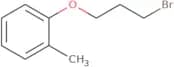
CAS:Versatile small molecule scaffoldFormula:C12H16ClNO2Purity:Min. 95%Molecular weight:241.71 g/mol1-(3-Bromopropoxy)-2-methylbenzene
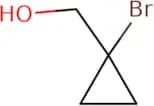
CAS:Versatile small molecule scaffoldFormula:C10H13BrOPurity:Min. 95%Molecular weight:229.11 g/mol(1-Bromocyclopropyl)methanol
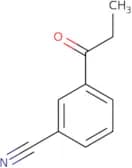
CAS:Versatile small molecule scaffoldFormula:C4H7BrOPurity:Min. 95%Molecular weight:151 g/mol3-Propanoylbenzonitrile
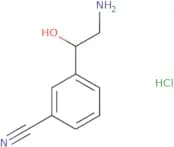
CAS:Versatile small molecule scaffoldFormula:C10H9NOPurity:Min. 95%Molecular weight:159.18 g/mol3-(2-Amino-1-hydroxyethyl)benzonitrile hydrochloride
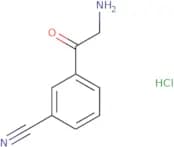
CAS:Versatile small molecule scaffoldFormula:C9H11ClN2OPurity:Min. 95%Molecular weight:198.65 g/mol3-(2-Aminoacetyl)benzonitrile hydrochloride
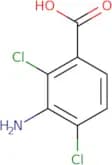
CAS:Versatile small molecule scaffoldFormula:C9H9ClN2OPurity:Min. 95%Molecular weight:196.63 g/mol3-Amino-2,4-dichlorobenzoic acid
CAS:3-Amino-2,4-dichlorobenzoic acid is a metabolite of malonate that inhibits the synthesis of fatty acids by inhibiting the activity of fatty acid synthetase. It has been shown to inhibit lipid accumulation in plants and may be used as an inhibitor in plant physiology experiments. 3-Amino-2,4-dichlorobenzoic acid can be applied to explants before or after treatment with test compounds to determine its inhibitory effect on fatty acid synthetase activity. 3-Amino-2,4-dichlorobenzoic acid is also a potent inhibitor of endogenous lipogenic enzymes.Formula:C7H5Cl2NO2Purity:Min. 95%Molecular weight:206.03 g/mol1-Chloro-3-methoxypropan-2-one
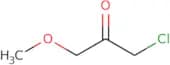
CAS:Versatile small molecule scaffoldFormula:C4H7ClO2Purity:Min. 95%Molecular weight:122.55 g/mol5-Methyl-2,3-dihydro-1H-indene-1,3-dione
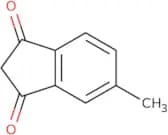
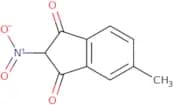
CAS:Versatile small molecule scaffoldFormula:C10H8O2Purity:Min. 95%Molecular weight:160.17 g/mol5-Methyl-2-nitro-2,3-dihydro-1H-indene-1,3-dione
CAS:Versatile small molecule scaffoldFormula:C10H7NO4Purity:Min. 95%Molecular weight:205.17 g/mol
![Spiro[3.4]oct-7-en-6-one](/_next/image/?url=https%3A%2Fstatic.cymitquimica.com%2Fproducts%2F3D%2Fthumb-webp%2FACA78204.webp&w=3840&q=75)

![N-[4-(Trifluoromethyl)phenyl]methanesulfonamide](/_next/image/?url=https%3A%2Fstatic.cymitquimica.com%2Fproducts%2F3D%2Fthumb-webp%2FACA79032.webp&w=3840&q=75)
![9-Thia-3-azabicyclo[4.2.1]nonane hydrochloride](/_next/image/?url=https%3A%2Fstatic.cymitquimica.com%2Fproducts%2F3D%2Fthumb-webp%2FACA84831.webp&w=3840&q=75)
![4,6-Dioxa-10-thia-12-azatricyclo[7.3.0.0,3,7]dodeca-1,3(7),8,11-tetraen-11-amine](/_next/image/?url=https%3A%2Fstatic.cymitquimica.com%2Fproducts%2F3D%2Fthumb-webp%2FACA85094.webp&w=3840&q=75)
![6-[1-(Hydroxyimino)ethyl]-1,3-benzothiazol-2-amine](/_next/image/?url=https%3A%2Fstatic.cymitquimica.com%2Fproducts%2F3D%2Fthumb-webp%2FACA85105.webp&w=3840&q=75)
![1a,2,3a,5b-Tetrachlorohexahydro-3,3-dimethoxy-1,2,4-ethanylylidene-1H-cyclobuta[cd]p…](/_next/image/?url=https%3A%2Fstatic.cymitquimica.com%2Fproducts%2F3D%2Fthumb-webp%2FACA87439.webp&w=3840&q=75)
![2-Chloro-N-[2-(2,6-dimethylphenoxy)ethyl]acetamide](/_next/image/?url=https%3A%2Fstatic.cymitquimica.com%2Fproducts%2F3D%2Fthumb-webp%2FACA91175.webp&w=3840&q=75)