


Building Blocks
Subcategories of "Building Blocks"
- Boronic Acids & Boronic Acid Derivatives(5,805 products)
- Chiral Building Blocks(1,248 products)
- Hydrocarbon Building Blocks(6,118 products)
- Organic Building Blocks(61,447 products)
Found 208423 products of "Building Blocks"
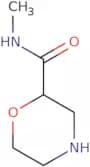
N-Methylmorpholine-2-carboxamide
CAS:Versatile small molecule scaffold
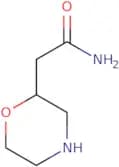
Formula:C6H12N2O2Purity:Min. 95%Molecular weight:144.17 g/mol2-(Morpholin-2-yl)acetamide
CAS:Versatile small molecule scaffold
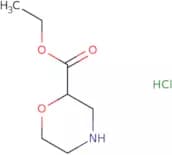
Formula:C6H12N2O2Purity:Min. 95%Molecular weight:144.17 g/molEthyl morpholine-2-carboxylate hydrochloride
CAS:Versatile small molecule scaffoldFormula:C7H14ClNO3Purity:Min. 95%Molecular weight:195.64 g/mol2-Ethyl-6-fluoro-1,4-dihydroquinolin-4-one
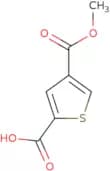
CAS:Versatile small molecule scaffoldFormula:C11H10FNOPurity:Min. 95%Molecular weight:191.2 g/mol4-(Methoxycarbonyl)thiophene-2-carboxylic acid
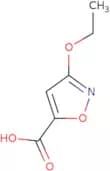
CAS:Versatile small molecule scaffoldFormula:C7H6O4SPurity:Min. 95%Molecular weight:186.19 g/mol3-Ethoxy-1,2-oxazole-5-carboxylic acid
CAS:Versatile small molecule scaffold
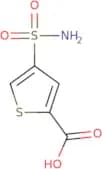
Formula:C6H7NO4Purity:Min. 95%Molecular weight:157.12 g/mol4-Sulfamoylthiophene-2-carboxylic acid
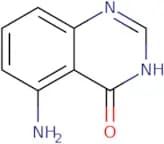
CAS:Versatile small molecule scaffoldFormula:C5H5NO4S2Purity:Min. 95%Molecular weight:207.2 g/mol5-Amino-1,4-dihydroquinazolin-4-one
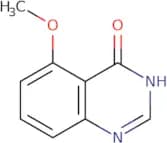
CAS:Versatile small molecule scaffoldFormula:C8H7N3OPurity:Min. 95%Molecular weight:161.16 g/mol5-methoxyquinazolin-4-ol
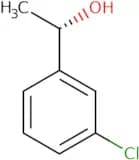
CAS:Versatile small molecule scaffoldFormula:C9H8N2O2Purity:Min. 95%Molecular weight:176.17 g/mol(1S)-1-(3-Chlorophenyl)ethanol
CAS:(1S)-1-(3-Chlorophenyl)ethanol is an optically pure chiral molecule. It is a homochiral molecule with a non-selective carbonyl group. The molecule can be prepared by the reaction of 3-chlorobenzaldehyde and methanol in the presence of pyridine. Diffraction experiments were performed on single crystals of (1S)-1-(3-chlorophenyl)ethanol to determine the optimal conditions for its crystallization. These experiments revealed that (1S)-1-(3-chlorophenyl)ethanol has a high degree of symmetry, which makes it suitable for use in optical applications.
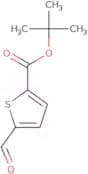
Formula:C8H9ClOPurity:Min. 95%Molecular weight:156.61 g/moltert-Butyl 5-formylthiophene-2-carboxylate
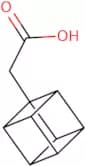
CAS:tert-Butyl 5-formylthiophene-2-carboxylate is an acylguanidine that has been shown to have a high affinity for bone, mediating its effects on osteoporosis. This compound is selective for bone and inhibits the activity of steroid sulfatase, which is responsible for breaking down steroids in the body. It is also lipophilic and can penetrate into the cell membrane, where it binds to the receptor sites of cyclic AMP and blocks their activation by acetylcholine or other substances. This results in a decrease in calcium uptake into cells, reducing skeletal breakdown and enhancing bone formation. Structurally, tert-butyl 5-formylthiophene-2-carboxylate contains a thiophene ring that provides it with this selectivity.Formula:C10H12O3SPurity:Min. 95%Molecular weight:212.27 g/mol2-((2R,3R,5R,6R,7R,8R)-Cuban-1-yl)acetic acid
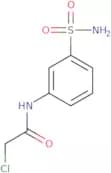
CAS:Versatile small molecule scaffoldFormula:C10H10O2Purity:Min. 95%Molecular weight:162.18 g/mol2-Chloro-N-(3-sulfamoylphenyl)acetamide
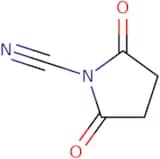
CAS:Versatile small molecule scaffoldFormula:C8H9ClN2O3SPurity:Min. 95%Molecular weight:248.69 g/mol2,5-Dioxopyrrolidine-1-carbonitrile
CAS:2,5-Dioxopyrrolidine-1-carbonitrile is a ligand that binds to boronic acids and is used in the synthesis of drug molecules. The synthesis of 2,5-dioxopyrrolidine-1-carbonitrile requires the reaction of a pyridine ring with an aryl boronic acid, followed by hydrolysis to release the lactam. This synthetic process can be modified to produce amines.
Formula:C5H4N2O2Purity:Min. 95%Molecular weight:124.1 g/mol(1-Isopropyl-1h-imidazol-2-yl)methanol
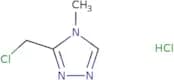
CAS:Versatile small molecule scaffoldFormula:C7H12N2OPurity:Min. 95%Molecular weight:140.18 g/mol3-(Chloromethyl)-4-methyl-4H-1,2,4-triazole hydrochloride
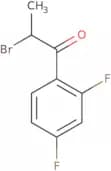
CAS:Versatile small molecule scaffoldFormula:C4H7Cl2N3Purity:Min. 95%Molecular weight:168.03 g/mol2-Bromo-1-(2,4-difluorophenyl)propan-1-one
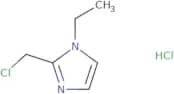
CAS:Versatile small molecule scaffoldFormula:C9H7BrF2OPurity:Min. 95%Molecular weight:249.05 g/mol2-(Chloromethyl)-1-ethyl-1H-imidazole hydrochloride
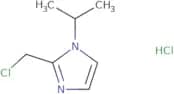
CAS:Versatile small molecule scaffoldFormula:C6H10Cl2N2Purity:Min. 95%Molecular weight:181.06 g/mol2-(Chloromethyl)-1-(propan-2-yl)-1H-imidazole hydrochloride
CAS:Versatile small molecule scaffoldFormula:C7H12Cl2N2Purity:Min. 95%Molecular weight:195.09 g/mol[1-(2,2,2-Trifluoroethyl)-1H-imidazol-2-yl]methanol
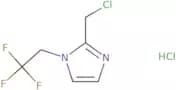
CAS:Versatile small molecule scaffoldFormula:C6H7F3N2OPurity:Min. 95%Molecular weight:180.13 g/mol2-(Chloromethyl)-1-(2,2,2-trifluoroethyl)-1H-imidazole hydrochloride
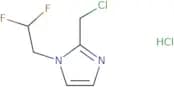
CAS:Versatile small molecule scaffoldFormula:C6H7Cl2F3N2Purity:Min. 95%Molecular weight:235.03 g/mol2-(Chloromethyl)-1-(2,2-difluoroethyl)-1H-imidazole hydrochloride
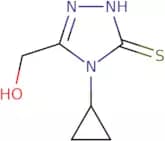
CAS:Versatile small molecule scaffoldFormula:C6H8Cl2F2N2Purity:Min. 95%Molecular weight:217.04 g/mol(4-Cyclopropyl-5-sulfanyl-4H-1,2,4-triazol-3-yl)methanol
CAS:Versatile small molecule scaffold
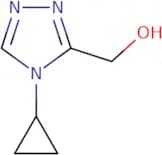
Formula:C6H9N3OSPurity:Min. 95%Molecular weight:171.22 g/mol(4-Cyclopropyl-4H-1,2,4-triazol-3-yl)methanol
CAS:Versatile small molecule scaffold
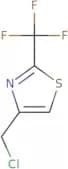
Formula:C6H9N3OPurity:Min. 95%Molecular weight:139.16 g/mol4-(Chloromethyl)-2-(trifluoromethyl)-1,3-thiazole
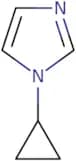
CAS:Versatile small molecule scaffoldFormula:C5H3ClF3NSPurity:Min. 95%Molecular weight:201.6 g/mol1-Cyclopropyl-1H-imidazole
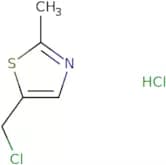
CAS:1-Cyclopropyl-1H-imidazole is an antifungal agent that has been shown to be active against candida. It acts by inhibiting the synthesis of ergosterol, which is essential for fungal cell membranes. Its activity against Candida albicans was shown in a gas phase study and also in a conformational analysis. 1-Cyclopropyl-1H-imidazole has been found to be active against other fungi including Trichophyton mentagrophytes and Aspergillus niger. This triazole derivative inhibits the growth of bacteria by binding to the cytochrome P450 system and preventing the production of ergosterol, which is essential for fungal cell membranes.Formula:C6H8N2Purity:Min. 95%Molecular weight:108.14 g/mol5-(Chloromethyl)-2-methyl-1,3-thiazole hydrochloride
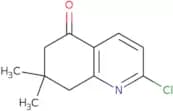
CAS:Versatile small molecule scaffoldFormula:C5H7Cl2NSPurity:Min. 95%Molecular weight:184.09 g/mol2-Chloro-7,7-dimethyl-5,6,7,8-tetrahydroquinolin-5-one
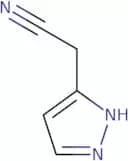
CAS:Versatile small molecule scaffoldFormula:C11H12ClNOPurity:Min. 95%Molecular weight:209.67 g/mol2-(1H-Pyrazol-3-yl)acetonitrile
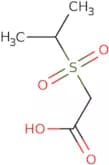
CAS:Versatile small molecule scaffoldFormula:C5H5N3Purity:Min. 95%Molecular weight:107.11 g/mol(Propane-2-sulfonyl)-acetic acid
CAS:Versatile small molecule scaffold
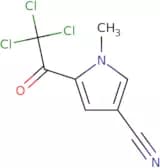
Formula:C5H10O4SPurity:Min. 95%Molecular weight:166.19 g/mol1-Methyl-5-(trichloroacetyl)-1H-pyrrole-3-carbonitrile
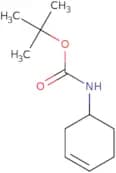
CAS:Versatile small molecule scaffoldFormula:C8H5Cl3N2OPurity:Min. 95%Molecular weight:251.5 g/mol4-(Boc-amino)cyclohexene
CAS:Versatile small molecule scaffoldFormula:C11H19NO2Purity:Min. 95%Molecular weight:197.28 g/mol1,3-Dimethyl-2-[(2-oxopropyl)sulfanyl]-1H-imidazol-3-ium chloride
CAS:1,3-Dimethyl-2-[(2-oxopropyl)sulfanyl]-1H-imidazol-3-ium chloride is a cationic salt that inhibits the enzyme acetylcholinesterase.Formula:C8H13ClN2OSPurity:Min. 95%Molecular weight:220.72 g/mol5-Bromo-6-hydroxypyrimidine-4-carboxylic acid
CAS:5-Bromo-6-hydroxypyrimidine-4-carboxylic acid is a homologous organic acid that is used as a pharmaceutical preservative. It is most commonly found in acidic pharmaceutical formulations. 5-Bromo-6-hydroxypyrimidine-4-carboxylic acid inhibits the growth of bacteria and fungi by acting as an enzyme inhibitor. The inhibition of enzymes such as lactamase, which breaks down the lactam ring in penicillin, prevents bacterial and fungal growth by preventing them from breaking down their natural cell walls. 5-Bromo-6-hydroxypyrimidine-4-carboxylic acid has also been shown to have potent anticancer activity in the lab setting, although the clinical significance of this has not yet been determined.
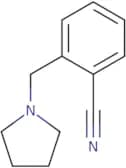
Formula:C5H3BrN2O3Purity:Min. 95%Molecular weight:218.99 g/mol2-(Pyrrolidin-1-ylmethyl)benzonitrile
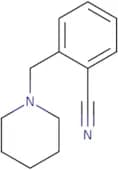
CAS:Versatile small molecule scaffoldFormula:C12H14N2Purity:Min. 95%Molecular weight:186.25 g/mol2-(Piperidin-1-ylmethyl)benzonitrile
CAS:Versatile small molecule scaffold
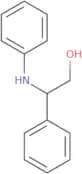
Formula:C13H16N2Purity:Min. 95%Molecular weight:200.28 g/mol(2S)-2-Phenyl-2-(phenylamino)ethan-1-ol
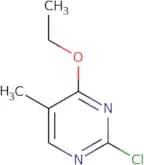
CAS:Versatile small molecule scaffoldFormula:C14H15NOPurity:Min. 95%Molecular weight:213.27 g/mol2-Chloro-4-ethoxy-5-methylpyrimidine
CAS:Versatile small molecule scaffoldFormula:C7H9ClN2OPurity:Min. 95%Molecular weight:172.61 g/mol3-[(Benzenesulfonyl)methyl]aniline
CAS:Versatile small molecule scaffold
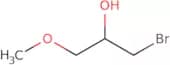
Formula:C13H13NO2SPurity:Min. 95%Molecular weight:247.31 g/mol1-Bromo-3-methoxypropan-2-ol
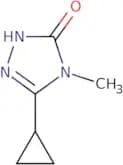
CAS:Versatile small molecule scaffoldFormula:C4H9BrO2Purity:Min. 95%Molecular weight:169.02 g/mol3-Cyclopropyl-4-methyl-4,5-dihydro-1H-1,2,4-triazol-5-one
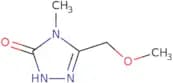
CAS:Versatile small molecule scaffoldFormula:C6H9N3OPurity:Min. 95%Molecular weight:139.16 g/mol3-(Methoxymethyl)-4-methyl-4,5-dihydro-1H-1,2,4-triazol-5-one
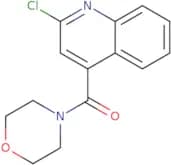
CAS:Versatile small molecule scaffoldFormula:C5H9N3O2Purity:Min. 95%Molecular weight:143.14 g/mol2-Chloro-4-(morpholine-4-carbonyl)quinoline
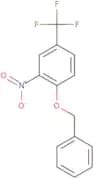
CAS:Versatile small molecule scaffoldFormula:C14H13ClN2O2Purity:Min. 95%Molecular weight:276.72 g/mol1-(Benzyloxy)-2-nitro-4-(trifluoromethyl)benzene
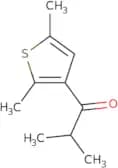
CAS:Versatile small molecule scaffoldFormula:C14H10F3NO3Purity:Min. 95%Molecular weight:297.23 g/mol1-(2,5-Dimethylthiophen-3-yl)-2-methylpropan-1-one
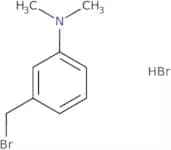
CAS:Versatile small molecule scaffoldFormula:C10H14OSPurity:Min. 95%Molecular weight:182.28 g/mol3-(Bromomethyl)-N,N-dimethylaniline hydrobromide
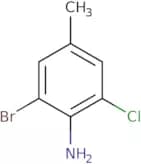
CAS:Versatile small molecule scaffoldFormula:C9H13Br2NPurity:Min. 95%Molecular weight:295.01 g/mol2-Bromo-6-chloro-4-methylaniline
CAS:Versatile small molecule scaffold
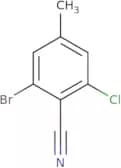
Formula:C7H7BrClNPurity:Min. 95%Molecular weight:220.49 g/mol2-Bromo-6-chloro-4-methylbenzonitrile
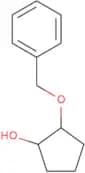
CAS:Versatile small molecule scaffoldFormula:C8H5BrClNPurity:Min. 95%Molecular weight:230.49 g/mol(1S,2S)-2-(Benzyloxy)cyclopentan-1-ol
CAS:Versatile small molecule scaffold
Formula:C12H16O2Purity:Min. 95%Molecular weight:192.25 g/mol6-Benzyl-2,6-diazaspiro[3.4]octane
CAS:6-Benzyl-2,6-diazaspiro[3.4]octane is a viscous liquid with a molecular weight of 594. It is an oil-in-water emulsifier that is used in cosmetics as a viscosity agent, thickener, and emulsifier. It has been shown to be effective as a surfactant and yield high levels of polymers in the range of 1000 to 5000 microns. 6-Benzyl-2,6-diazaspiro[3.4]octane is also effective as an anionic or cationic polymer that can be used for micronization.br>br> This product is not intended for use in pharmaceuticals.Formula:C13H18N2Purity:Min. 95%Molecular weight:202.3 g/mol



![[1-(2,2,2-Trifluoroethyl)-1H-imidazol-2-yl]methanol](/_next/image/?url=https%3A%2Fstatic.cymitquimica.com%2Fproducts%2F3D%2Fthumb-webp%2FKFA20692.webp&w=3840&q=75)
![1,3-Dimethyl-2-[(2-oxopropyl)sulfanyl]-1H-imidazol-3-ium chloride](/_next/image/?url=https%3A%2Fstatic.cymitquimica.com%2Fproducts%2F3D%2Fthumb-webp%2FKFA27374.webp&w=3840&q=75)

![3-[(Benzenesulfonyl)methyl]aniline](/_next/image/?url=https%3A%2Fstatic.cymitquimica.com%2Fproducts%2F3D%2Fthumb-webp%2FKFA29461.webp&w=3840&q=75)
![6-Benzyl-2,6-diazaspiro[3.4]octane](/_next/image/?url=https%3A%2Fstatic.cymitquimica.com%2Fproducts%2F3D%2Fthumb-webp%2FKFA38028.webp&w=3840&q=75)