Building Blocks
Subcategories of "Building Blocks"
- Boronic Acids & Boronic Acid Derivatives(5,786 products)
- Chiral Building Blocks(1,246 products)
- Hydrocarbon Building Blocks(6,107 products)
- Organic Building Blocks(61,079 products)
Found 205461 products of "Building Blocks"
Ethyl 2-(3-methylpyridin-2-yl)-2-oxoacetate
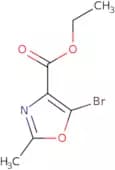
CAS:Versatile small molecule scaffoldFormula:C10H11NO3Purity:Min. 95%Molecular weight:193.2 g/molEthyl 5-bromo-2-methyloxazole-4-carboxylate
CAS:Versatile small molecule scaffoldFormula:C7H8BrNO3Purity:Min. 95%Molecular weight:234.05 g/moltert-Butyl 7-oxo-octahydro-1H-pyrido[1,2-a]pyrazine-2-carboxylate
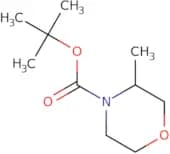
CAS:Versatile small molecule scaffoldFormula:C13H22N2O3Purity:Min. 95%Molecular weight:254.33 g/moltert-Butyl 3-methylmorpholine-4-carboxylate
CAS:Versatile small molecule scaffoldFormula:C10H19NO3Purity:Min. 95%Molecular weight:201.26 g/mol1-(2,6-Difluorophenyl)cyclopentane-1-carbonitrile
CAS:Versatile small molecule scaffold
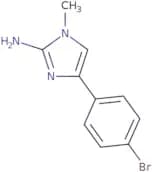
Formula:C12H11F2NPurity:Min. 95%Molecular weight:207.22 g/mol4-(4-Bromophenyl)-1-methyl-1H-imidazol-2-amine
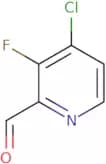
CAS:Versatile small molecule scaffoldFormula:C10H10BrN3Purity:Min. 95%Molecular weight:252.11 g/mol4-Chloro-3-fluoropyridine-2-carbaldehyde
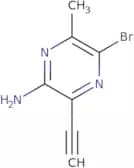
CAS:Versatile small molecule scaffoldFormula:C6H3ClFNOPurity:Min. 95%Molecular weight:159.54 g/mol5-Bromo-3-ethynyl-6-methylpyrazin-2-amine
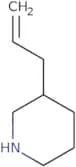
CAS:Versatile small molecule scaffoldFormula:C7H6BrN3Purity:Min. 95%Molecular weight:212.05 g/mol3-(Prop-2-en-1-yl)piperidine
CAS:Versatile small molecule scaffoldFormula:C8H15NPurity:Min. 95%Molecular weight:125.21 g/mol2-(2-{[(tert-Butoxy)carbonyl]amino}pyridin-3-yl)acetic acid
CAS:Versatile small molecule scaffoldFormula:C12H16N2O4Purity:Min. 95%Molecular weight:252.27 g/mol4-(But-3-enyl)-1-(tert-butoxycarbonyl)piperidine-4-carboxylic acid
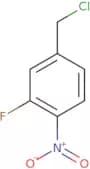
CAS:Versatile small molecule scaffoldFormula:C15H25NO4Purity:Min. 95%Molecular weight:283.4 g/mol4-(Chloromethyl)-2-fluoro-1-nitrobenzene
CAS:Versatile small molecule scaffoldFormula:C7H5ClFNO2Purity:Min. 95%Molecular weight:189.57 g/mol3-[4-(Trifluoromethyl)phenyl]-1,2,4-oxadiazol-5-amine
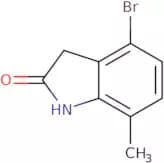
CAS:Versatile small molecule scaffoldFormula:C9H6F3N3OPurity:Min. 95%Molecular weight:229.16 g/mol4-Bromo-7-methyl-2,3-dihydro-1H-indol-2-one
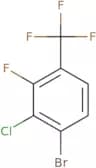
CAS:Versatile small molecule scaffoldFormula:C9H8BrNOPurity:Min. 95%Molecular weight:226.07 g/mol1-Bromo-2-chloro-3-fluoro-4-(trifluoromethyl)-benzene
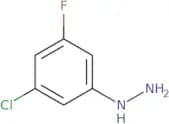
CAS:Versatile small molecule scaffoldFormula:C7H2BrClF4Purity:Min. 95%Molecular weight:277.44 g/mol(3-Chloro-5-fluorophenyl)hydrazine
CAS:Versatile small molecule scaffoldFormula:C6H6ClFN2Purity:Min. 95%Molecular weight:160.58 g/moltert-Butyl 2-(3-chloropyrazin-2-yl)-2-cyanoacetate
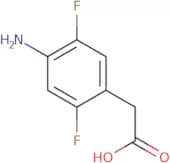
CAS:Versatile small molecule scaffoldFormula:C11H12ClN3O2Purity:Min. 95%Molecular weight:253.68 g/mol2-(4-Amino-2,5-difluorophenyl)acetic acid
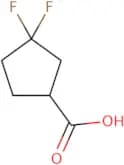
CAS:Versatile small molecule scaffoldFormula:C8H7F2NO2Purity:Min. 95%Molecular weight:187.14 g/mol3,3-difluorocyclopentanecarboxylic acid
CAS:Versatile small molecule scaffoldFormula:C6H8F2O2Purity:Min. 95%Molecular weight:150.13 g/mol4,5,6,7-Tetrahydro-2H-pyrazolo[4,3-c]pyridin-3-ol dihydrochloride
CAS:Versatile small molecule scaffold
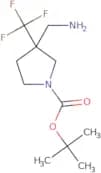
Formula:C6H11Cl2N3OPurity:Min. 95%Molecular weight:212.07 g/moltert-butyl 3-(aminomethyl)-3-(trifluoromethyl)pyrrolidine-1-carboxylate
CAS:Versatile small molecule scaffoldFormula:C11H19F3N2O2Purity:Min. 95%Molecular weight:268.3 g/mol2-(Trifluoromethyl)-1,3,4-oxadiazole
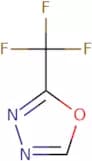
CAS:Versatile small molecule scaffold
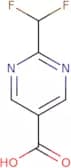
Formula:C3HF3N2OPurity:Min. 95%Molecular weight:138.05 g/mol2-(Difluoromethyl)pyrimidine-5-carboxylic acid
CAS:Versatile small molecule scaffoldFormula:C6H4F2N2O2Purity:Min. 95%Molecular weight:174.1 g/mol5-(4-Bromophenyl)-1H-imidazol-2-amine
CAS:Versatile small molecule scaffoldFormula:C9H8BrN3Purity:Min. 95%Molecular weight:238.08 g/mol4-(4-Nitrophenyl)-1H-imidazol-2-amine
CAS:Versatile small molecule scaffoldFormula:C9H8N4O2Purity:Min. 95%Molecular weight:204.19 g/mol[2-(Methylsulfanyl)phenyl]hydrazine hydrochloride
CAS:Versatile small molecule scaffoldFormula:C7H11ClN2SPurity:Min. 95%Molecular weight:190.69 g/mol(3-Ethyl-phenyl)-hydrazine hydrochloride
CAS:Versatile small molecule scaffold
Formula:C8H13ClN2Purity:Min. 95%Molecular weight:172.66 g/mol3-Chloro-N-methyl-2-nitroaniline
CAS:3-Chloro-N-methyl-2-nitroaniline is an antibiotic that belongs to the group of quinolone antibiotics. It has a broad spectrum against Gram-positive and Gram-negative bacteria, including methicillin resistant Staphylococcus aureus (MRSA) and Pseudomonas aeruginosa. 3-Chloro-N-methyl-2-nitroaniline binds to bacterial DNA gyrase and topoisomerase IV, as well as human DNA gyrase and topoisomerase II, inhibiting their activity. This leads to cell death by interfering with the production of proteins vital for cell division. The optimal parameters for this drug have been found using isothermal titration calorimetry on the enzyme gyrase in the presence of different concentrations of 3CMA. Pharmacological targets for this drug include DNA gyrase and topoisomerase IV.
Formula:C7H7ClN2O2Purity:Min. 95%Molecular weight:186.59 g/mol2-Acetamido-4-phenylbutanoic acid
CAS:Versatile small molecule scaffold
Formula:C12H15NO3Purity:Min. 95%Molecular weight:221.25 g/mol2-Chloro-5-nitronicotinamide
CAS:2-Chloro-5-nitronicotinamide is a synthetic drug that has been used as an antileprosy, antimycobacterial, and chemotherapeutic agent. It is a dithiocarbamate that inhibits the synthesis of mycolic acids in mycobacteria. The interaction between 2-chloro-5-nitronicotinamide and mycolic acid is synergistic. This drug can be used to investigate the role of mycolic acids in the pathogenesis of leprosy and tuberculosis. 2-Chloro-5-nitronicotinamide is also active against footpad infections caused by erythromycin resistant strains of Mycobacterium smegmatis. It has been shown to be effective in mice when applied topically as an antimicrobial agent or when injected intravenously as an antimicrobial chemotherapy agent.
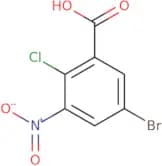
Formula:C6H4ClN3O3Purity:Min. 95%Molecular weight:201.57 g/mol5-Bromo-2-chloro-3-nitrobenzoic acid
CAS:Versatile small molecule scaffoldFormula:C7H3BrClNO4Purity:Min. 95%Molecular weight:280.46 g/mol3-(Methylamino)-4-phenylbutanoic acid hydrochloride
CAS:Versatile small molecule scaffoldFormula:C11H16ClNO2Purity:Min. 95%Molecular weight:229.7 g/mol4-(Benzyloxy)-5-methoxy-2-nitrobenzoic acid
CAS:4-(Benzyloxy)-5-methoxy-2-nitrobenzoic acid (BMN) is a linker that has been shown to have anticancer activity. It has been found that BMN enhances the effect of a tumor suppressor gene and blocks the growth of tumor cells. In addition, BMN can be used as a linker to introduce drugs into proteins. This compound has also been shown to inhibit platelet-derived growth factor receptor (PDGFR), which is linked to atherosclerosis and cancer cell proliferation.Formula:C15H13NO6Purity:Min. 95%Molecular weight:303.27 g/mol6,7-Dimethoxy-2-(piperazin-1-yl)quinazolin-4-amine dihydrochloride
CAS:6,7-Dimethoxy-2-(piperazin-1-yl)quinazolin-4-amine dihydrochloride (DMPQ) is a piperazine derivative that is a potent and selective inhibitor of phosphodiesterase type 5 (PDE5). This drug has been shown to be useful in the treatment of the symptoms of benign prostatic hyperplasia. DMPQ inhibits the hydrolysis of cyclic adenosine monophosphate (cAMP), which leads to an increase in intracellular levels of cAMP. This drug also exhibits antihypertensive effects, as it inhibits the activity of nitric oxide synthase.
Formula:C14H21Cl2N5O2Purity:Min. 95%Molecular weight:362.3 g/mol2,2-Dimethyloxane-4-carbonitrile
CAS:Versatile small molecule scaffoldFormula:C8H13NOPurity:Min. 95%Molecular weight:139.19 g/mol2-(5-Oxooxolan-2-yl)acetic acid
CAS:2-(5-Oxooxolan-2-yl)acetic acid is a fluorophore that emits light upon excitation. It binds to the kappa opioid receptor and has been shown to inhibit leukocyte chemotaxis in vivo. 2-(5-Oxooxolan-2-yl)acetic acid has also been shown to function as an acetylcholinesterase inhibitor, which is important for maintaining the stability of the neurotransmitter dopamine. The fluorescence intensity of 2-(5-Oxooxolan-2-yl)acetic acid increases when it is reacted with amines or other functional groups.
Formula:C6H8O4Purity:Min. 95%Molecular weight:144.12 g/molMethyl 2-(2-pyrimidyl)acetate
CAS:Versatile small molecule scaffoldFormula:C7H8N2O2Purity:Min. 95%Molecular weight:152.15 g/mol2-((4-Methoxyphenyl)amino)-2-phenylacetic acid
CAS:Versatile small molecule scaffoldFormula:C15H15NO3Purity:Min. 95%Molecular weight:257.28 g/mol6-Methoxy-1,2-dihydronaphthalene
CAS:Versatile small molecule scaffold
Formula:C11H12OPurity:Min. 95%Molecular weight:160.21 g/molSpiro[2.5]octane-4,8-dione
CAS:Versatile small molecule scaffoldFormula:C8H10O2Purity:Min. 95%Molecular weight:138.16 g/mol2-(((Benzyloxy)carbonyl)amino)-2-phenylacetic acid
CAS:Versatile small molecule scaffoldFormula:C16H15NO4Purity:Min. 95%Molecular weight:285.29 g/molMethyl 4,4-dimethyl-2-oxocyclopentane-1-carboxylate
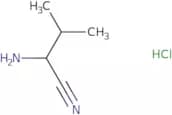
CAS:Versatile small molecule scaffoldFormula:C9H14O3Purity:Min. 95%Molecular weight:170.21 g/mol2-Amino-3-methylbutanenitrile hydrochloride
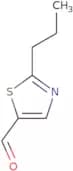
CAS:2-Amino-3-methylbutanenitrile hydrochloride is a chemical that has been shown to have anti-tumor effects. It inhibits the growth of cancer cells and induces programmed cell death (apoptosis). The mechanism of action is not fully understood, but it may involve the immune system by inhibiting certain types of immune cells and suppressing their activity. 2-Amino-3-methylbutanenitrile hydrochloride binds to the mineralocorticoid receptor, which is involved in regulating blood pressure and fluid balance. 2-Amino-3-methylbutanenitrile hydrochloride also has antagonistic activities against C1–6 alkyl groups and C1–4 alkyl groups as well as insoluble properties.Formula:C5H11ClN2Purity:Min. 95%Molecular weight:134.61 g/mol2-Propyl-1,3-thiazole-5-carbaldehyde
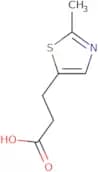
CAS:Versatile small molecule scaffoldFormula:C7H9NOSPurity:Min. 95%Molecular weight:155.22 g/mol3-(2-Methyl-1,3-thiazol-5-yl)propanoic acid
CAS:Versatile small molecule scaffoldFormula:C7H9NO2SPurity:Min. 95%Molecular weight:171.22 g/mol(2-Chloro-3-pyridinyl)(4-methyl-1-piperazinyl)-methanone
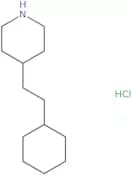
CAS:Versatile small molecule scaffoldFormula:C11H14ClN3OPurity:Min. 95%Molecular weight:239.7 g/mol4-(2-Cyclohexylethyl)piperidine hydrochloride
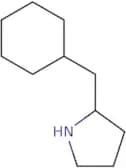
CAS:Versatile small molecule scaffoldFormula:C13H26ClNPurity:Min. 95%Molecular weight:231.8 g/mol2-(Cyclohexylmethyl)pyrrolidine
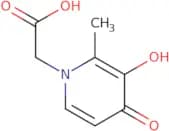
CAS:Versatile small molecule scaffoldFormula:C11H21NPurity:Min. 95%Molecular weight:167.29 g/mol2-(3-Hydroxy-2-methyl-4-oxo-1,4-dihydropyridin-1-yl)acetic acid
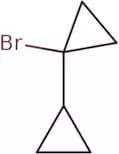
CAS:Versatile small molecule scaffoldFormula:C8H9NO4Purity:Min. 95%Molecular weight:183.16 g/mol1-Bromo-1-cyclopropylcyclopropane
CAS:1-Bromo-1-cyclopropylcyclopropane is a chloride that is produced by the reaction of magnesium with hydrogen bromide. It is used as a reagent in organic synthesis, for example as a stabilizing agent for cyclopropanes and as a ring-opening agent for halides. In addition, 1-bromo-1-cyclopropylcyclopropane can be used to synthesize acetylated compounds and amines. This compound is scalable, which means it can be made in large quantities.Formula:C6H9BrPurity:Min. 95%Molecular weight:161.04 g/mol


![tert-Butyl 7-oxo-octahydro-1H-pyrido[1,2-a]pyrazine-2-carboxylate](/_next/image/?url=https%3A%2Fstatic.cymitquimica.com%2Fproducts%2F3D%2Fthumb-webp%2FKAC86304.webp&w=3840&q=75)

![2-(2-{[(tert-Butoxy)carbonyl]amino}pyridin-3-yl)acetic acid](/_next/image/?url=https%3A%2Fstatic.cymitquimica.com%2Fproducts%2F3D%2Fthumb-webp%2FKAC88017.webp&w=3840&q=75)
![3-[4-(Trifluoromethyl)phenyl]-1,2,4-oxadiazol-5-amine](/_next/image/?url=https%3A%2Fstatic.cymitquimica.com%2Fproducts%2F3D%2Fthumb-webp%2FKAC88671.webp&w=3840&q=75)

![4,5,6,7-Tetrahydro-2H-pyrazolo[4,3-c]pyridin-3-ol dihydrochloride](/_next/image/?url=https%3A%2Fstatic.cymitquimica.com%2Fproducts%2F3D%2Fthumb-webp%2FKAC89828.webp&w=3840&q=75)


![[2-(Methylsulfanyl)phenyl]hydrazine hydrochloride](/_next/image/?url=https%3A%2Fstatic.cymitquimica.com%2Fproducts%2F3D%2Fthumb-webp%2FKCA48133.webp&w=3840&q=75)




![Spiro[2.5]octane-4,8-dione](/_next/image/?url=https%3A%2Fstatic.cymitquimica.com%2Fproducts%2F3D%2Fthumb-webp%2FKCA58268.webp&w=3840&q=75)