


Building Blocks
Subcategories of "Building Blocks"
- Boronic Acids & Boronic Acid Derivatives(5,783 products)
- Chiral Building Blocks(1,242 products)
- Hydrocarbon Building Blocks(6,105 products)
- Organic Building Blocks(61,055 products)
Found 205383 products of "Building Blocks"
2-methyl-2-(trifluoroacetamido)propanoic Acid
CAS:Versatile small molecule scaffoldFormula:C6H8NO3F3Purity:Min. 95%Molecular weight:199.12 g/mol2-[3-(Trifluoromethyl)phenyl]cyclopropan-1-amine hydrochloride
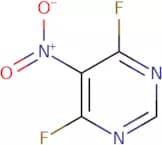
CAS:Versatile small molecule scaffoldFormula:C10H11ClF3NPurity:Min. 95%Molecular weight:237.65 g/mol4,6-Difluoro-5-nitropyrimidine
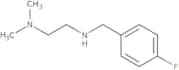
CAS:Versatile small molecule scaffoldFormula:C4HF2N3O2Purity:Min. 95%Molecular weight:161.07 g/molN'-(4-Fluoro-benzyl)-N,N-dimethyl-ethane-1,2-diamine
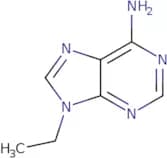
CAS:Versatile small molecule scaffoldFormula:C11H17FN2Purity:Min. 95%Molecular weight:196.27 g/mol9-Ethyladenine
CAS:9-Ethyladenine is a molecule that belongs to the group of p2 type hydrogen bond. It has been shown to form intermolecular hydrogen bonds with other molecules, such as DNA and proteins. 9-Ethyladenine can also form intramolecular hydrogen bonds within its own structure. A number of crystal structures have been determined for 9-Ethyladenine and it has been shown to have an x-ray crystallographic symmetry. 9-Ethyladenine has shown that it is capable of repairing damaged DNA by interacting with the adenosine receptor, which may be due to its ability to bind with a specific region on the receptor.Formula:C7H9N5Purity:Min. 95%Molecular weight:163.18 g/mol[Pentakis(hydroxymethyl)phenyl]methanol
CAS:Pentakis(hydroxymethyl)phenyl]methanol is a synthetic fatty acid with the formula CH(CHOH)(CHOH). It can be synthesized by reacting two molecules of formaldehyde with one molecule of sorbitol. Pentakis(hydroxymethyl)phenyl]methanol has been found to be an antioxidant compound that also has the ability to inhibit polyester formation. This compound can act as a radially symmetric trimer, which is a molecule that consists of three identical monomers that are bonded together at 120° intervals.Formula:C12H18O6Purity:Min. 95%Molecular weight:258.27 g/molBicyclo[2.2.2]octan-2-one
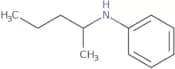
CAS:Bicyclo[2.2.2]octan-2-one is an enolate that can be synthesized by the acetylation of ketones or by the reaction of nitrite ion with aldehydes. This compound has been shown to undergo stereoselective reactions, including borohydride reduction and carbonyl group activation. The bicyclic skeleton of this molecule is asymmetric, which allows for the synthesis of two different enolates. Bicyclo[2.2.2]octan-2-one predominately exists in its keto form, but does exist as a diketone under certain conditions. When exposed to light, bicyclo[2.2.2]octan-2-one will undergo photoelectron transfer from the carbonyl groups to produce an intramolecular hydrogen bond between the carbonyl oxygen and the hydroxyl oxygen of neighboring molecules, making it predominately a dikFormula:C8H12OPurity:Min. 95%Molecular weight:124.18 g/molN-(Pentan-2-yl)aniline
CAS:Versatile small molecule scaffold
Formula:C11H17NPurity:Min. 95%Molecular weight:163.26 g/mol{Imidazo[1,2-a]pyridin-3-ylmethyl}trimethylazanium iodide
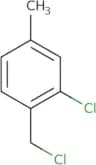
CAS:Versatile small molecule scaffoldFormula:C11H16IN3Purity:Min. 95%Molecular weight:317.17 g/mol2-Chloro-1-(chloromethyl)-4-methylbenzene
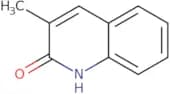
CAS:2-Chloro-1-(chloromethyl)-4-methylbenzene is an industrial chemical that belongs to the class of quaternary ammonium compounds. It is a monomer that can be used in the production of alkali-resistant polymers and synthetic fibers. 2-Chloro-1-(chloromethyl)-4-methylbenzene reacts with alkalis to form a quaternary ammonium salt, which catalyzes the elimination of water from other molecules. This reaction can be used to synthesize many organic compounds that are not readily available commercially.Formula:C8H8Cl2Purity:Min. 95%Molecular weight:175.05 g/mol3-Methyl-1,2-dihydroquinolin-2-one
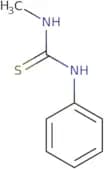
CAS:3-Methyl-1,2-dihydroquinolin-2-one is a synthetic molecule with a molecular weight of 198.3. This compound has not yet been researched to the extent that it has been patented and assigned a chemical name. It is a diazine derivative, containing two benzyl groups and two chlorine atoms, which are connected by an intramolecular bond. The compound is soluble in dimethylsulphoxide and insoluble in water. 3-Methyl-1,2-dihydroquinolin-2-one is used in the synthesis of benzodiazines and other compounds.Formula:C10H9NOPurity:Min. 95%Molecular weight:159.18 g/mol1-Methyl-3-phenyl thiourea
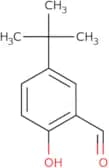
CAS:1-Methyl-3-phenyl thiourea is a homologous compound that has been shown to produce an increase in cerebral blood flow and a decrease in hematocrit. 1-Methyl-3-phenyl thiourea also has an empirically derived rat dose, which is 100 mg/kg. This drug has been shown to produce dihedral angles of approximately 180 degrees and unsymmetrical conformation. 1-Methyl-3-phenyl thiourea is a good example of a molecule with centrosymmetrical conformation.Formula:C8H10N2SPurity:Min. 95%Molecular weight:166.24 g/mol5-tert-Butyl-2-hydroxybenzaldehyde
CAS:5-tert-Butyl-2-hydroxybenzaldehyde is a synthetic compound that has been used in wastewater treatment. It is a hydrogen donor, which helps to remove organic matter and other contaminants from wastewater. The hydrogen bonding properties of 5-tert-Butyl-2-hydroxybenzaldehyde have been studied systematically using hydrogen chloride and hydrogen ions. This compound reacts with the acidic ph, removing hydrogen ions and forming chloride. The fluorescence lifetimes of this compound have been shown to vary with structural changes. Oxidation products of 5-tert-Butyl-2-hydroxybenzaldehyde have also been synthesized, studied crystallographically, and structurally characterized.
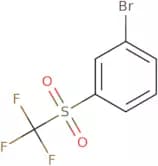
Formula:C11H14O2Purity:Min. 95%Molecular weight:178.23 g/mol1-Bromo-3-((trifluoromethyl)sulfonyl)benzene
CAS:Versatile small molecule scaffold
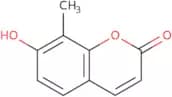
Formula:C7H4BrF3O2SPurity:Min. 95%Molecular weight:289.07 g/mol7-Hydroxy-8-methyl-2H-1-benzopyran-2-one
CAS:The 7-hydroxy-8-methyl-2H-1-benzopyran-2-one is a fluorescent probe that is used in the imaging of DNA and RNA. It has been shown to bind to nucleic acids with high affinity, and can be used to identify the location of specific sequences on DNA or RNA. The fluorescence of this probe can be detected using a microscope, which makes it useful for identifying specific regions of DNA or RNA.Formula:C10H8O3Purity:Min. 95%Molecular weight:176.17 g/molEthyl(3-methylbutan-2-yl)amine hydrochloride
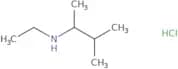
CAS:Versatile small molecule scaffold
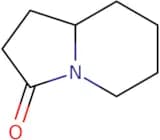
Formula:C7H18ClNPurity:Min. 95%Molecular weight:151.68 g/molOctaahydro-indolizin-3-one
CAS:Octahydro-indolizin-3-one is a peptidomimetic with a hypervalent structure. It has been shown to bind to the pancreatic enzyme cck-a with high affinity, and it can inhibit the production of proinflammatory cytokines. Octahydro-indolizin-3-one has also been shown to be selective for the receptor subtype that binds amido groups, which is important for its activity. This compound also shows stereoselectivity in binding to ornithine, which may be responsible for its biological activities.Formula:C8H13NOPurity:Min. 95%Molecular weight:139.19 g/mol2-Chlorophenyl Isothiocyanate
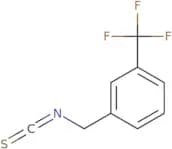
CAS:2-Chlorophenyl Isothiocyanate is a molecule that has been shown to have cytotoxic activity against cancer cells. It is believed to work by inducing apoptosis and modulating the expression of certain genes. 2-Chlorophenyl Isothiocyanate has also been shown to induce cell death in fibroblast cells, which may be due to its ability to polarize these cells and cause them to become more susceptible to oxidative stress. It also has the ability to react with DNA via a dihedral mechanism. The thermodynamic data for this compound are high, as it can form strong hydrogen bonds and hydrophilic interactions with water molecules. This molecule also contains functional groups such as carbonyl and thiocarbonyl, which are reactive in biological systems. 2-Chlorophenyl Isothiocyanate's reaction mechanism is believed to involve electron transfer from an electron rich site on the molecule (such as a carbonyl)Formula:C7H4ClNSPurity:Min. 95%Molecular weight:169.63 g/mol1-(Isothiocyanatomethyl)-3-(trifluoromethyl)benzene
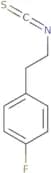
CAS:Versatile small molecule scaffoldFormula:C9H6F3NSPurity:Min. 95%Molecular weight:217.21 g/mol1-Fluoro-4-(2-isothiocyanatoethyl)benzene
CAS:Versatile small molecule scaffold
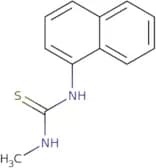
Formula:C9H8FNSPurity:Min. 95%Molecular weight:181.23 g/mol3-Methyl-1-(naphthalen-1-yl)thiourea
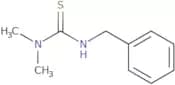
CAS:Versatile small molecule scaffoldFormula:C12H12N2SPurity:Min. 95%Molecular weight:216.3 g/mol1-Benzyl-3,3-dimethylthiourea
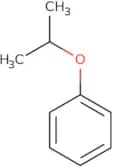
CAS:Versatile small molecule scaffoldFormula:C10H14N2SPurity:Min. 95%Molecular weight:194.3 g/molIsopropoxybenzene
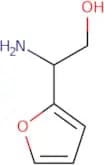
CAS:Isopropoxybenzene is an organic compound that belongs to the group of alkynylbenzenes. It is synthesized from ethyl diazoacetate and a terminal alkoxybenzene in the presence of a Friedel-Crafts catalyst. Isopropoxybenzene has been found to have potent anti-inflammatory effects and can be used for the treatment of bowel disease, such as ulcerative colitis. The biological properties of isopropoxybenzene are related to its ability to act as a potent antagonist of chloride channels. Isopropoxybenzene also has the potential to inhibit production of inflammatory factors by reducing oxidative stress in cells.Formula:C9H12OPurity:Min. 95%Molecular weight:136.19 g/mol2-(2-Amino-1-hydroxyethyl)furan
CAS:Versatile small molecule scaffoldFormula:C6H9NO2Purity:Min. 95%Molecular weight:127.14 g/mol2-Amino-2-(furan-2-yl)ethan-1-ol
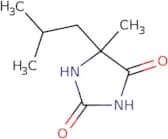
CAS:Versatile small molecule scaffoldFormula:C6H9NO2Purity:Min. 95%Molecular weight:127.14 g/mol5-Iso-butyl-5-methylhydantoin
CAS:5-Iso-butyl-5-methylhydantoin is an organic compound that contains a sulphonic acid group. It has the chemical formula of CH3C(O)NHCH2SO3H. 5-Iso-butyl-5-methylhydantoin is soluble in water and has a pH between 1 and 4. It can be used as a solvent for substances with high solubility, such as additives, solutions, and inorganic materials. The flow properties of 5-isobutyl-5-methylhydantoin are dependent on the binder or carbon atoms present.
Formula:C8H14N2O2Purity:Min. 95%Molecular weight:170.21 g/mol(3,3-Dimethylbicyclo[2.2.1]heptan-2-yl)methanol
CAS:Versatile small molecule scaffoldFormula:C10H18OPurity:Min. 95%Molecular weight:154.25 g/mol(2-Phenylethyl)propylamine
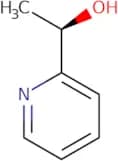
CAS:Controlled Product2-Phenylethyl)propylamine is an aminophenol that is a monosubstituted aromatic compound. 2-Phenylethyl)propylamine has been shown to be a bifunctional substrate for the cytochrome P450 enzyme and is also a receptor affinity analog of cannabinoids. The liposome formulation of 2-phenylethylamine has been shown to have an enhanced blood stability, which makes it useful for analytical toxicology as well as in pharmaceutical research. The oxidase type of 2-phenylethylamine has been shown to have inorganic particles, which may cause particle aggregation during storage.Formula:C11H17NPurity:Min. 95%Molecular weight:163.26 g/mol(R)-2-(1-Hydroxyethyl)pyridine
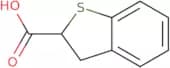
CAS:(R)-2-(1-Hydroxyethyl)pyridine is an enantiopure compound that is used as a catalyst in the production of alcohols, carbinols and hydrocarbons. It has been shown to be a high yield preparative catalyst for catalytic asymmetric reactions. The enzyme alcohol dehydrogenase catalyses the oxidation of (R)-2-(1-hydroxyethyl)pyridine to form an intermediate that can then be oxidized by the enzyme carbinol dehydrogenase, which produces carbinols. This product has also been found to act as a vasodilator and nonselective inhibitor of phosphodiesterases 3 and 4.Formula:C7H9NOPurity:Min. 95%Molecular weight:123.15 g/mol2,3-Dihydro-1-benzothiophene-2-carboxylic acid
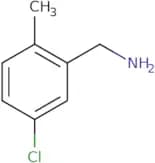
CAS:2,3-Dihydro-1-benzothiophene-2-carboxylic acid is a hydrocarbon with the molecular formula C10H8O3. It has a benzene and phenolic functional groups. The compound is quantified by gas chromatography, which can be preselected to identify specific compounds, such as hydrocarbons and aromatic hydrocarbons. The compound can also be analyzed using spectrometric techniques, such as UV/Vis spectroscopy. 2,3-Dihydro-1-benzothiophene-2-carboxylic acid is found in databases of mass spectrometry data. It can be used to determine the structure of benzylsuccinic acid and naphthalenes.Formula:C9H8O2SPurity:Min. 95%Molecular weight:180.23 g/mol5-Chloro-2-methylbenzylamine
CAS:5-Chloro-2-methylbenzylamine is a chemical compound that has been shown to be an effective ozone depleter. It has also been used to study the relationship between chemical structure and reactivity, as well as in regression analysis. The ionic, nucleophilic, and electron properties of 5-Chloro-2-methylbenzylamine have been studied by looking at its affinity for different metal ions. This molecule can be used in organic pollutant remediation because of its ability to catalyze the regeneration of ozonide when it is oxidized by oxygen in water. This reaction is reversible, so 5-Chloro-2-methylbenzylamine can be regenerated from the ozonide product.
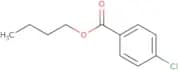
Formula:C8H10ClNPurity:Min. 95%Molecular weight:155.63 g/molButyl 4-chlorobenzoate
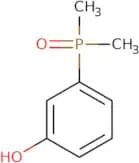
CAS:Butyl 4-chlorobenzoate is an organic compound that has a radical chain mechanism of action. It is used as a photosensitizer in photodynamic therapy and can be activated by ultraviolet light. The radical species generated by this drug attacks the DNA of the bacteria, leading to cell death. One of the key steps in the process is the transfer of a hydrogen atom from butyl 4-chlorobenzoate to an electron donor, such as hydroxyanisole, followed by irradiation with light to generate radical species. Butyl 4-chlorobenzoate also inhibits bacterial growth through its ability to act as an acid and cause acidic pH changes within cells.Formula:C11H13ClO2Purity:Min. 95%Molecular weight:212.67 g/mol3-(Dimethylphosphoryl)phenol
CAS:Versatile small molecule scaffold
Formula:C8H11O2PPurity:Min. 95%Molecular weight:170.15 g/mol2-Methylimidazo[1,2-a]pyrazin-3-amine
CAS:Versatile small molecule scaffoldFormula:C7H8N4Purity:Min. 95%Molecular weight:148.17 g/mol2-Phenylimidazo[1,2-a]pyrazin-3-amine
CAS:Versatile small molecule scaffoldFormula:C12H10N4Purity:Min. 95%Molecular weight:210.23 g/mol2-[(Pyrazin-2-yl)amino]acetic acid
CAS:Versatile small molecule scaffoldFormula:C6H7N3O2Purity:Min. 95%Molecular weight:153.14 g/mol2-[(Diethylamino)methyl]aniline
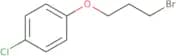
CAS:Versatile small molecule scaffoldFormula:C11H18N2Purity:Min. 95%Molecular weight:178.27 g/mol1-(3-Bromo-propoxy)-4-chloro-benzene
CAS:1-(3-Bromopropoxy)-4-chlorobenzene is a nitrate salt that has a crystal structure that is mathematically represented by the space group P2/c. The compound crystallizes in the monoclinic system with the lattice constants of a = 10.6, b = 9.7, c = 5.8, and β = 117°. It has an experimental solubility data range of 0.01 to 1 g/L in ethanol solutions at room temperature and 1 atmosphere pressure. The solubility of this compound is decreased by the presence of oxygen and increased by the presence of moisture or heat. The stability of this compound can be monitored using a laser light monitoring system to detect changes in crystallization behavior or changes in concentration due to hydrolysis reactions.Formula:C9H10BrClOPurity:Min. 95%Molecular weight:249.53 g/mol8-Aminooctanoic acid hydrochloride
CAS:Versatile small molecule scaffoldFormula:C8H18ClNO2Purity:Min. 95%Molecular weight:195.69 g/molSpiro[5.5]undecan-1-amine
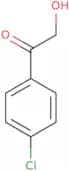
CAS:Versatile small molecule scaffoldFormula:C11H21NPurity:Min. 95%Molecular weight:167.3 g/mol1-(4-Chlorophenyl)-2-hydroxyethan-1-one
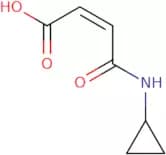
CAS:1-(4-Chlorophenyl)-2-hydroxyethan-1-one is a selective enantiomer that inhibits the growth of candida parapsilosis and c. parapsilosis. It has been shown to be preferentially oxidized by candida parapsilosis and c. parapsilosis, which leads to its selectivity for these fungi. 1-(4-Chlorophenyl)-2-hydroxyethan-1-one has been shown to be a biphasic system that can inhibit the growth of both candida parapsilosis and c. parapsilosis, with biphasic activity being due to its ability to selectively oxidize alcohols in these fungi. This compound is also an enantiomer, making it more effective than other compounds with similar structures but different stereochemistry.Formula:C8H7ClO2Purity:Min. 95%Molecular weight:170.59 g/mol(2z)-3-(cyclopropylcarbamoyl)prop-2-enoic acid
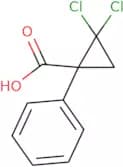
CAS:Versatile small molecule scaffoldFormula:C7H9NO3Purity:Min. 95%Molecular weight:155.15 g/mol2,2-Dichloro-1-phenylcyclopropane-1-carboxylic acid
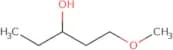
CAS:2,2-Dichloro-1-phenylcyclopropane-1-carboxylic acid is a cyclopropanecarboxylic acid. It is an organochlorine compound that has been used as a pesticide and herbicide. 2,2-Dichloro-1-phenylcyclopropane-1-carboxylic acid inhibits the production of chlorophyll in plants by inhibiting the activity of photosystem II. This inhibition leads to a decrease in the rate of photosynthesis and plant growth.Formula:C10H8Cl2O2Purity:Min. 95%Molecular weight:231.07 g/mol1-Methoxypentan-3-ol
CAS:Versatile small molecule scaffold
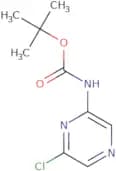
Formula:C6H14O2Purity:Min. 95%Molecular weight:118.17 g/moltert-Butyl N-(6-chloropyrazin-2-yl)carbamate
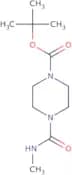
CAS:Versatile small molecule scaffoldFormula:C9H12ClN3O2Purity:Min. 95%Molecular weight:229.66 g/moltert-Butyl 4-(methylcarbamoyl)piperazine-1-carboxylate
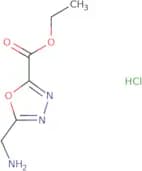
CAS:Versatile small molecule scaffoldFormula:C11H21N3O3Purity:Min. 95%Molecular weight:243.3 g/molEthyl 5-(aminomethyl)-1,3,4-oxadiazole-2-carboxylate hydrochloride
CAS:Versatile small molecule scaffoldFormula:C6H10ClN3O3Purity:Min. 95%Molecular weight:207.61 g/mol6-[4-(Trifluoromethyl)phenoxy]pyridin-3-amine
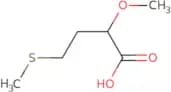
CAS:Versatile small molecule scaffoldFormula:C12H9F3N2OPurity:Min. 95%Molecular weight:254.21 g/mol2-Methoxy-4-(methylsulfanyl)butanoic acid
CAS:Versatile small molecule scaffoldFormula:C6H12O3SPurity:Min. 95%Molecular weight:164.22 g/molEthyl 2-[(carbamoylmethyl)amino]acetate
CAS:Versatile small molecule scaffoldFormula:C6H12N2O3Purity:Min. 95%Molecular weight:160.17 g/mol


![2-[3-(Trifluoromethyl)phenyl]cyclopropan-1-amine hydrochloride](/_next/image/?url=https%3A%2Fstatic.cymitquimica.com%2Fproducts%2F3D%2Fthumb-webp%2FCAA71156.webp&w=3840&q=75)
![[Pentakis(hydroxymethyl)phenyl]methanol](/_next/image/?url=https%3A%2Fstatic.cymitquimica.com%2Fproducts%2F3D%2Fthumb-webp%2FCAA71591.webp&w=3840&q=75)
![Bicyclo[2.2.2]octan-2-one](/_next/image/?url=https%3A%2Fstatic.cymitquimica.com%2Fproducts%2F3D%2Fthumb-webp%2FCAA71623.webp&w=3840&q=75)
![{Imidazo[1,2-a]pyridin-3-ylmethyl}trimethylazanium iodide](/_next/image/?url=https%3A%2Fstatic.cymitquimica.com%2Fproducts%2F3D%2Fthumb-webp%2FCAA71791.webp&w=3840&q=75)


![(3,3-Dimethylbicyclo[2.2.1]heptan-2-yl)methanol](/_next/image/?url=https%3A%2Fstatic.cymitquimica.com%2Fproducts%2F3D%2Fthumb-webp%2FCBA89945.webp&w=3840&q=75)

![2-Methylimidazo[1,2-a]pyrazin-3-amine](/_next/image/?url=https%3A%2Fstatic.cymitquimica.com%2Fproducts%2F3D%2Fthumb-webp%2FCBA95552.webp&w=3840&q=75)
![2-Phenylimidazo[1,2-a]pyrazin-3-amine](/_next/image/?url=https%3A%2Fstatic.cymitquimica.com%2Fproducts%2F3D%2Fthumb-webp%2FCBA95553.webp&w=3840&q=75)
![2-[(Pyrazin-2-yl)amino]acetic acid](/_next/image/?url=https%3A%2Fstatic.cymitquimica.com%2Fproducts%2F3D%2Fthumb-webp%2FCBA95554.webp&w=3840&q=75)
![2-[(Diethylamino)methyl]aniline](/_next/image/?url=https%3A%2Fstatic.cymitquimica.com%2Fproducts%2F3D%2Fthumb-webp%2FCBA95883.webp&w=3840&q=75)

![Spiro[5.5]undecan-1-amine](/_next/image/?url=https%3A%2Fstatic.cymitquimica.com%2Fproducts%2F3D%2Fthumb-webp%2FCBA99230.webp&w=3840&q=75)
![6-[4-(Trifluoromethyl)phenoxy]pyridin-3-amine](/_next/image/?url=https%3A%2Fstatic.cymitquimica.com%2Fproducts%2F3D%2Fthumb-webp%2FCBB96633.webp&w=3840&q=75)
![Ethyl 2-[(carbamoylmethyl)amino]acetate](/_next/image/?url=https%3A%2Fstatic.cymitquimica.com%2Fproducts%2F3D%2Fthumb-webp%2FCBB97529.webp&w=3840&q=75)