


Building Blocks
Subcategories of "Building Blocks"
- Boronic Acids & Boronic Acid Derivatives(5,786 products)
- Chiral Building Blocks(1,246 products)
- Hydrocarbon Building Blocks(6,107 products)
- Organic Building Blocks(61,079 products)
Found 205461 products of "Building Blocks"
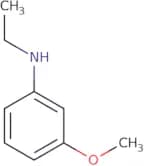
N-Ethyl-3-methoxyaniline
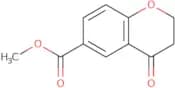
CAS:N-Ethyl-3-methoxyaniline (NEM) is a biocompatible and biodegradable surrogate that can be used as a substitute for arginine in metathesis reactions. NEM has been shown to inhibit thrombin, an enzyme involved in the coagulation of blood. Cocrystallization with cobalt(II) chloride has been optimized to yield crystals with an x-ray crystal structure. The crystal structure was analyzed by x-ray diffraction and found to contain the cocrystallized product of NEM and cobalt(II) chloride.Formula:C9H13NOPurity:Min. 95%Molecular weight:151.21 g/molMethyl 4-oxochromane-6-carboxylate
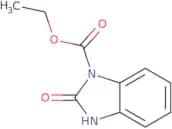
CAS:Versatile small molecule scaffoldFormula:C11H10O4Purity:Min. 95%Molecular weight:206.2 g/molEthyl 2-oxo-2,3-dihydro-1H-1,3-benzodiazole-1-carboxylate
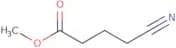
CAS:Versatile small molecule scaffoldFormula:C10H10N2O3Purity:Min. 95%Molecular weight:206.2 g/molMethyl 4-cyanobutanoate
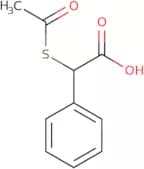
CAS:Versatile small molecule scaffoldFormula:C6H9NO2Purity:Min. 95%Molecular weight:127.14 g/mol2-(Acetylsulfanyl)-2-phenylacetic acid
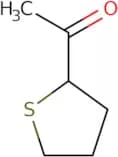
CAS:Versatile small molecule scaffoldFormula:C10H10O3SPurity:Min. 95%Color and Shape:PowderMolecular weight:210.25 g/mol1-(Thiolan-2-yl)ethan-1-one
CAS:Versatile small molecule scaffoldFormula:C6H10OSPurity:Min. 95%Molecular weight:130.21 g/mol2,2-Dimethyl-1,3-diphenylpropane-1,3-dione
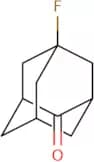
CAS:Versatile small molecule scaffoldFormula:C17H16O2Purity:Min. 95%Molecular weight:252.31 g/mol5-Fluoroadamantan-2-one
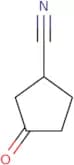
CAS:5-Fluoroadamantan-2-one is a stable molecule that has been shown to stabilize transition states in the presence of cyclohexanone. This agent can also be used for carbonyl reduction, iminium formation and epoxidation reactions. 5-Fluoroadamantan-2-one can also react with nucleophiles to form imino or organic chemistry moieties. It acts as a radical cation and can be detected by infrared spectroscopy.Formula:C10H13FOPurity:Min. 95%Molecular weight:168.21 g/mol3-Oxocyclopentane-1-carbonitrile
CAS:3-Oxocyclopentane-1-carbonitrile is a chiral aliphatic compound that is used in the synthesis of other organic compounds. It is a diastereomer of cyclopentanone and can be obtained by the isomerization of cyclohexanone. The carbon atom at position 1 has three different substituents, which give it three stereoisomers. 3-Oxocyclopentane-1-carbonitrile is used to synthesize hexanoic acid, acrylonitrile, and styrene.Purity:Min. 95%3-[4-(Methoxycarbonyl)-1,3-oxazol-5-yl]propanoic acid
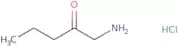
CAS:Versatile small molecule scaffoldFormula:C8H9NO5Purity:Min. 95%Molecular weight:199.16 g/mol1-Aminopentan-2-one hydrochloride
CAS:Versatile small molecule scaffold
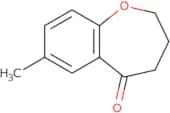
Formula:C5H12ClNOPurity:Min. 95%Molecular weight:137.61 g/mol7-Methyl-2,3,4,5-tetrahydro-1-benzoxepin-5-one
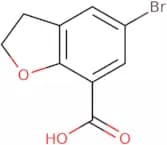
CAS:Versatile small molecule scaffoldFormula:C11H12O2Purity:Min. 95%Molecular weight:176.21 g/mol5-Bromo-2,3-dihydrobenzofuran-7-carboxylic acid
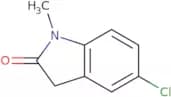
CAS:Versatile small molecule scaffoldFormula:C9H7BrO3Purity:Min. 95%Molecular weight:243.06 g/mol5-Chloro-1-methyl-2,3-dihydro-1H-indol-2-one
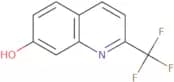
CAS:Versatile small molecule scaffoldFormula:C9H8ClNOPurity:Min. 95%Molecular weight:181.62 g/mol2-(Trifluoromethyl)quinolin-7-ol
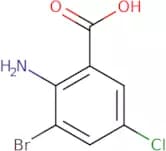
CAS:Versatile small molecule scaffoldFormula:C10H6F3NOPurity:Min. 95%Molecular weight:213.16 g/mol2-Amino-3-bromo-5-chlorobenzoic acid
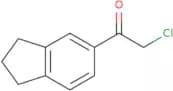
CAS:Versatile small molecule scaffoldFormula:C7H5BrClNO2Purity:Min. 95%Molecular weight:250.48 g/mol2-Chloro-1-(2,3-dihydro-1H-inden-5-yl)ethan-1-one
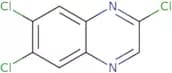
CAS:Versatile small molecule scaffoldFormula:C11H11ClOPurity:Min. 95%Molecular weight:194.66 g/mol2,6,7-Trichloroquinoxaline
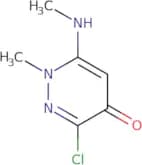
CAS:Versatile small molecule scaffoldFormula:C8H3Cl3N2Purity:Min. 95%Molecular weight:233.5 g/mol3-Chloro-1-methyl-6-(methylamino)-1,4-dihydropyridazin-4-one
CAS:Versatile small molecule scaffoldFormula:C6H8ClN3OPurity:Min. 95%Molecular weight:173.6 g/mol1-[(2-Methylphenyl)methyl]piperidin-4-amine
CAS:Versatile small molecule scaffold
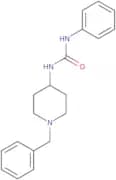
Formula:C13H20N2Purity:Min. 95%Molecular weight:204.31 g/mol3-(1-Benzylpiperidin-4-yl)-1-phenylurea
CAS:Versatile small molecule scaffold
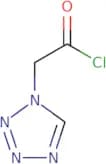
Formula:C19H23N3OPurity:Min. 95%Molecular weight:309.4 g/mol1H-Tetrazol-1-ylacetyl chloride
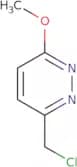
CAS:Versatile small molecule scaffoldFormula:C3H3ClN4OPurity:Min. 95%Molecular weight:146.53 g/mol3-(Chloromethyl)-6-methoxypyridazine
CAS:Versatile small molecule scaffoldFormula:C6H7ClN2OPurity:Min. 95%Molecular weight:158.58 g/mol2,3-Dimethyl-3H-imidazo[4,5-b]pyridine
CAS:Versatile small molecule scaffold
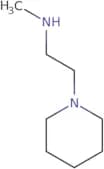
Formula:C8H9N3Purity:Min. 95%Color and Shape:PowderMolecular weight:147.18 g/molN-Methyl-2-piperidin-1-ylethanamine
CAS:Versatile small molecule scaffoldFormula:C8H18N2Purity:Min. 95%Molecular weight:142.24 g/molH-Imidazo[1,2-a]pyridine-3-carbaldehyde
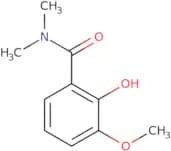
CAS:H-Imidazo[1,2-a]pyridine-3-carbaldehyde is an anti-infective agent that is active against bacteria and fungi. The compound inhibits the growth of bacteria by interfering with the synthesis of DNA and RNA. H-Imidazo[1,2-a]pyridine-3-carbaldehyde has been shown to be effective in treating infections caused by Stenotrophomonas maltophilia and Pseudomonas aeruginosa. It also has an effect on Enterobacteriaceae, including Escherichia coli, Klebsiella pneumoniae, and Proteus mirabilis. H-Imidazo[1,2-a]pyridine-3-carbaldehyde is not effective against Streptococcus species such as Streptococcus pyogenes or Group A beta hemolytic streptococci.Formula:C9H8N2OPurity:Min. 95%Molecular weight:160.17 g/mol2-Hydroxy-3-methoxy-N,N-dimethylbenzamide
CAS:Versatile small molecule scaffoldFormula:C10H13NO3Purity:Min. 95%Molecular weight:195.21 g/mol2-[[(1S)-1-Phenylethyl]amino]ethanol
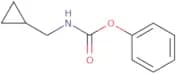
CAS:Versatile small molecule scaffoldFormula:C10H15NOPurity:Min. 95%Molecular weight:165.23 g/molPhenyl N-(cyclopropylmethyl)carbamate
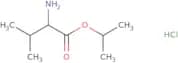
CAS:Versatile small molecule scaffoldFormula:C11H13NO2Purity:Min. 95%Molecular weight:191.23 g/molPropan-2-yl (2S)-2-amino-3-methylbutanoate hydrochloride
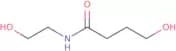
CAS:Versatile small molecule scaffoldFormula:C8H18ClNO2Purity:Min. 95%Molecular weight:195.69 g/mol4-Hydroxy-N-(2-hydroxyethyl)butanamide
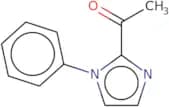
CAS:Versatile small molecule scaffoldFormula:C6H13NO3Purity:Min. 95%Molecular weight:147.17 g/mol1-(1-Phenyl-1H-imidazol-2-yl)ethan-1-one
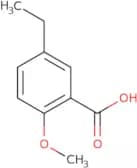
CAS:Versatile small molecule scaffoldFormula:C11H10N2OPurity:Min. 95%Molecular weight:186.2 g/mol5-Ethyl-2-methoxybenzoic acid
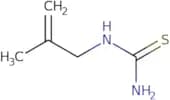
CAS:Versatile small molecule scaffoldFormula:C10H12O3Purity:Min. 95%Molecular weight:180.2 g/mol(2-Methylprop-2-en-1-yl)thiourea
CAS:(2-Methylprop-2-en-1-yl)thiourea is a lead compound that has been shown to have acetylcholinesterase and butyrylcholinesterase inhibitory activity. It has been shown to have antioxidant properties and may be used as an antiinflammatory agent. This drug has also been shown to have neuroprotective effects in animals with Alzheimer's disease by inhibiting the progression of the disease. The biological activity of (2-Methylprop-2-en-1-yl)thiourea is not limited to mammals, as it has also been shown to protect against oxidative damage in cells from pigs, horses, and chickens.
Formula:C5H10N2SPurity:Min. 95%Molecular weight:130.21 g/mol[(Tetrahydrofuran-2-yl)methyl]thiourea
CAS:[(Tetrahydrofuran-2-yl)methyl]thiourea is a thiourea that functions as an antimicrobial agent. It has been shown to be effective against fungal strains, including Candida albicans, Cryptococcus neoformans, and Aspergillus fumigatus. [(Tetrahydrofuran-2-yl)methyl]thiourea has also been shown to inhibit the growth of biofilms and human cell lines. The antimicrobial activity of thiourea can be attributed to its ability to form reactive oxygen species that cause oxidative stress in microbial cells. Thiourea disrupts the cell membrane and causes leakage of cellular contents such as proteins and nucleic acids. This disruption results in cell death by apoptosis or necrosis.Formula:C6H12N2OSPurity:Min. 95%Molecular weight:160.24 g/mol2-(Azidomethyl)-1H-benzo[D]imidazole
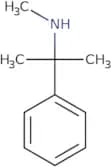
CAS:Versatile small molecule scaffoldFormula:C8H7N5Purity:Min. 95%Molecular weight:173.17 g/molMethyl(2-phenylpropan-2-yl)amine
CAS:Methyl(2-phenylpropan-2-yl)amine is a synthetic compound that inhibits the replication of chronic kidney disease (CKD) related viruses. It is metabolized to malonic acid and benzylamine derivatives, both of which are plasma biomarkers for CKD progression. Methyl(2-phenylpropan-2-yl)amine has been shown to have anti-depressive effects in animal models, as well as inhibitory effects on inflammatory diseases and circulatory system disorders.
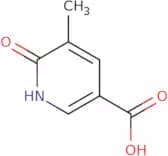
Formula:C10H15NPurity:Min. 95%Molecular weight:149.23 g/mol5-Methyl-6-oxo-1,6-dihydropyridine-3-carboxylic acid
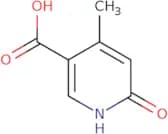
CAS:Versatile small molecule scaffoldFormula:C7H7NO3Purity:Min. 95%Molecular weight:153.14 g/mol4-Methyl-6-oxo-1,6-dihydropyridine-3-carboxylic acid
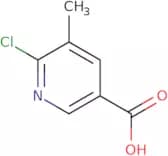
CAS:Versatile small molecule scaffoldFormula:C7H7NO3Purity:Min. 95%Molecular weight:153.14 g/mol6-chloro-5-methylpyridine-3-carboxylic acid
CAS:6-Chloro-5-methylpyridine-3-carboxylic acid (6CMP) is a pyridine that is used for the treatment of lymphoma. 6CMP binds to the brain tissue and has been shown to have affinity for thiophene receptors. It can be found in blood and has an oral profile. 6CMP also has a medicinal chemistry profile, which includes inhibition of protein synthesis, DNA replication, and RNA transcription. This compound can be used as a medicinal drug with its chemical properties as an antitumor agent and immunosuppressant.
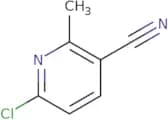
Formula:C7H6ClNO2Purity:Min. 95%Molecular weight:171.6 g/mol6-Chloro-2-methylnicotinonitrile
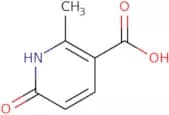
CAS:Versatile small molecule scaffoldFormula:C7H5ClN2Purity:Min. 95%Molecular weight:152.58 g/mol6-Hydroxy-2-methylnicotinic Acid
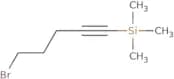
CAS:Versatile small molecule scaffoldFormula:C7H7NO3Purity:Min. 95%Molecular weight:153.13 g/mol(5-Bromopent-1-yn-1-yl)trimethylsilane
CAS:Versatile small molecule scaffoldFormula:C8H15BrSiPurity:Min. 95%Molecular weight:219.19 g/mol2-{[(3,4-Dimethoxyphenyl)methoxy]methyl}oxirane
CAS:Versatile small molecule scaffoldFormula:C12H16O4Purity:Min. 95%Molecular weight:224.25 g/mol2-{[(4-Chlorophenyl)methoxy]methyl}oxirane
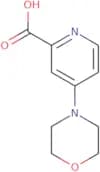
CAS:Versatile small molecule scaffoldFormula:C10H11ClO2Purity:Min. 95%Molecular weight:198.64 g/mol4-(4-Morpholinyl)-picolinic acid
CAS:Versatile small molecule scaffold
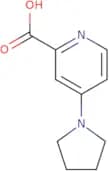
Formula:C10H12N2O3Purity:Min. 95%Molecular weight:208.22 g/mol4-(1-Pyrrolidinyl)-2-pyridinecarboxylic acid
CAS:Versatile small molecule scaffoldFormula:C10H12N2O2Purity:Min. 95%Molecular weight:192.22 g/moltert-Butyl 2-[(2-phenylethyl)amino]acetate
CAS:Versatile small molecule scaffoldFormula:C14H21NO2Purity:Min. 95%Molecular weight:235.32 g/moltert-Butyl 2-[(2-hydroxyethyl)amino]acetate
CAS:Versatile small molecule scaffoldFormula:C8H17NO3Purity:Min. 95%Molecular weight:175.23 g/moltert-Butyl 2-[(prop-2-yn-1-yl)amino]acetate
CAS:Versatile small molecule scaffoldFormula:C9H15NO2Purity:Min. 95%Molecular weight:169.22 g/mol


![3-[4-(Methoxycarbonyl)-1,3-oxazol-5-yl]propanoic acid](/_next/image/?url=https%3A%2Fstatic.cymitquimica.com%2Fproducts%2F3D%2Fthumb-webp%2FRBA17261.webp&w=3840&q=75)
![1-[(2-Methylphenyl)methyl]piperidin-4-amine](/_next/image/?url=https%3A%2Fstatic.cymitquimica.com%2Fproducts%2F3D%2Fthumb-webp%2FRBA22034.webp&w=3840&q=75)
![2,3-Dimethyl-3H-imidazo[4,5-b]pyridine](/_next/image/?url=https%3A%2Fstatic.cymitquimica.com%2Fproducts%2F3D%2Fthumb-webp%2FRBA23105.webp&w=3840&q=75)
![H-Imidazo[1,2-a]pyridine-3-carbaldehyde](/_next/image/?url=https%3A%2Fstatic.cymitquimica.com%2Fproducts%2F3D%2Fthumb-webp%2FRBA24294.webp&w=3840&q=75)
![2-[[(1S)-1-Phenylethyl]amino]ethanol](/_next/image/?url=https%3A%2Fstatic.cymitquimica.com%2Fproducts%2F3D%2Fthumb-webp%2FRCA84929.webp&w=3840&q=75)
![[(Tetrahydrofuran-2-yl)methyl]thiourea](/_next/image/?url=https%3A%2Fstatic.cymitquimica.com%2Fproducts%2F3D%2Fthumb-webp%2FRCA89225.webp&w=3840&q=75)
![2-(Azidomethyl)-1H-benzo[D]imidazole](/_next/image/?url=https%3A%2Fstatic.cymitquimica.com%2Fproducts%2F3D%2Fthumb-webp%2FRCA89426.webp&w=3840&q=75)
![2-{[(3,4-Dimethoxyphenyl)methoxy]methyl}oxirane](/_next/image/?url=https%3A%2Fstatic.cymitquimica.com%2Fproducts%2F3D%2Fthumb-webp%2FRCA93153.webp&w=3840&q=75)
![2-{[(4-Chlorophenyl)methoxy]methyl}oxirane](/_next/image/?url=https%3A%2Fstatic.cymitquimica.com%2Fproducts%2F3D%2Fthumb-webp%2FRCA93155.webp&w=3840&q=75)
![tert-Butyl 2-[(2-phenylethyl)amino]acetate](/_next/image/?url=https%3A%2Fstatic.cymitquimica.com%2Fproducts%2F3D%2Fthumb-webp%2FRCA93752.webp&w=3840&q=75)
![tert-Butyl 2-[(2-hydroxyethyl)amino]acetate](/_next/image/?url=https%3A%2Fstatic.cymitquimica.com%2Fproducts%2F3D%2Fthumb-webp%2FRCA93771.webp&w=3840&q=75)
![tert-Butyl 2-[(prop-2-yn-1-yl)amino]acetate](/_next/image/?url=https%3A%2Fstatic.cymitquimica.com%2Fproducts%2F3D%2Fthumb-webp%2FRCA93772.webp&w=3840&q=75)