Building Blocks
Subcategories of "Building Blocks"
- Boronic Acids & Boronic Acid Derivatives(5,805 products)
- Chiral Building Blocks(1,248 products)
- Hydrocarbon Building Blocks(6,118 products)
- Organic Building Blocks(61,447 products)
Found 208423 products of "Building Blocks"
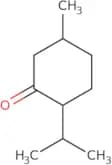
(2R,5R)-5-Methyl-2-(propan-2-yl)cyclohexan-1-one
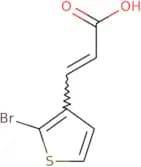
CAS:(2R,5R)-5-Methyl-2-(propan-2-yl)cyclohexan-1-one is a mesomorphic compound that is synthesized by the reaction of 2,5-dimethylcyclohexanone and propane. The molecular structure of this compound can be determined using molecular modeling with intermolecular hydrogen bonding. The enantiomer has been shown to have acid catalytic activity, while the mesomorphic form has an optimum ph at around 8. The structural analysis of this compound was completed using X-ray crystallography and NMR spectroscopy. The synthesis of (2R,5R)-5-methyl cyclohexanone isomers can be achieved through a ph range from 1 to 14 using piperitone as an acid catalyst. This synthetic process also requires ruthenium complex and α pinene as starting materials.Formula:C10H18OPurity:Min. 95%Molecular weight:154.25 g/mol(2E)-3-(2-Bromothiophen-3-yl)prop-2-enoic acid
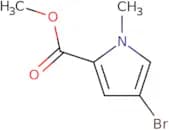
CAS:Versatile small molecule scaffoldFormula:C7H5BrO2SPurity:Min. 95%Molecular weight:233.08 g/molMethyl 4-bromo-1-methyl-1H-pyrrole-2-carboxylate
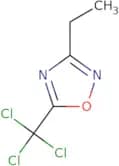
CAS:Versatile small molecule scaffoldFormula:C7H8BrNO2Purity:Min. 95%Molecular weight:218.06 g/mol3-Ethyl-5-(trichloromethyl)-1,2,4-oxadiazole
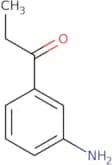
CAS:Versatile small molecule scaffoldFormula:C5H5Cl3N2OPurity:Min. 95%Molecular weight:215.46 g/mol1-(3-Aminophenyl)propan-1-one
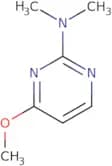
CAS:1-(3-Aminophenyl)propan-1-one is a nicotinamide. Nicotinamide is a form of vitamin B3 and has been shown to protect against the toxicity of aromatic amines in the liver, kidneys, and lungs. 1-(3-Aminophenyl)propan-1-one is excreted unchanged in urine as aminoacetophenone and may be used as a marker for exposure to aromatic amines. It also has solubilizing properties, which are useful for the extraction of proteins from red blood cells. 1-(3-Aminophenyl)propan-1-one can be used in polynomial equations to determine the concentrations of nitrite anions at different temperatures.Formula:C9H11NOPurity:Min. 95%Molecular weight:149.19 g/mol4-Methoxy-N,N-dimethylpyrimidin-2-amine
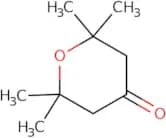
CAS:Versatile small molecule scaffoldFormula:C7H11N3OPurity:Min. 95%Molecular weight:153.18 g/mol2,2,6,6-Tetramethyloxan-4-one
CAS:2,2,6,6-Tetramethyloxan-4-one is a reactive compound that is sensitive to light. It has been used as a probe for the detection of hydrogen peroxide in microscopy and fluorescence. 2,2,6,6-Tetramethyloxan-4-one is also used as a fluorophore in research. The potential use of this compound includes the detection of peroxide in transfer reactions or benzoic anhydride in functional theory studies.Formula:C9H16O2Purity:Min. 95%Molecular weight:156.22 g/mol1-Methyl-1,2,3,4-tetrahydroquinolin-4-one
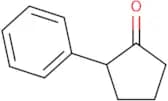
CAS:1-Methyl-1,2,3,4-tetrahydroquinolin-4-one is a chemical compound that is the condensation product of aromatic aldehydes. It can be synthesized by condensing 1-methylbenzaldehyde with aniline. This compound has been used as an analog for the antidepressant drug amitriptyline.Formula:C10H11NOPurity:Min. 95%Molecular weight:161.2 g/mol2-Phenylcyclopentan-1-one
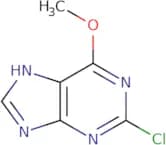
CAS:2-Phenylcyclopentan-1-one is a compound with the molecular formula C10H12O. It can exist as two stereoisomers, which are mirror images of one another. The two isomers can be distinguished by their different melting points and by the difference in their infrared spectra. This compound belongs to a class of compounds called cyanoalkyls, which contain an alkyl group that is bonded to a cyanide group. 2-Phenylcyclopentan-1-one has been used as a probe for labeling chiral centers in biological systems. This probe is also useful for studying kinetic and photochemical reactions involving chiral molecules, such as catalysis and ionization by light.Formula:C11H12OPurity:Min. 95%Molecular weight:160.21 g/mol2-Chloro-6-methoxypurine
CAS:2-Chloro-6-methoxypurine is a nucleoside that is synthesized by the enzyme nucleoside phosphorylase. It is used in an enzymatic reaction to produce 2-chloroadenine and allopurinol. The reaction requires ribose and d-arabinose as substrates, and can also be carried out at high temperatures (60°C). The bacteria E. coli can be used for the production of 2-chloro-6-methoxypurine. This product has been shown to inhibit bacterial growth in vitro when mixed with other substances such as xylosides, soluble form, and thermophilic.
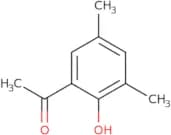
Formula:C6H5ClN4OPurity:Min. 95%Molecular weight:184.58 g/mol3',5'-Dimethyl-2'-hydroxyacetophenone
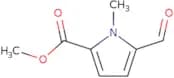
CAS:3',5'-Dimethyl-2'-hydroxyacetophenone is a chemical compound that is used in the pharmaceutical industry. It has a controllable viscosity and is stable to heat, light, and acidity. 3',5'-Dimethyl-2'-hydroxyacetophenone can be used as an excipient for injectable pharmaceutical preparations. It can also be used as a polymerization agent or to control the impurities in mannitol, lactose, and other substances. This chemical can react with cysteine or glutathione to form 3',5'-dimethyl-2'-hydroxybenzylcysteine or 3',5'-dimethyl-2'-hydroxybenzylglutathione respectively.Formula:C10H12O2Purity:Min. 95%Molecular weight:164.2 g/molmethyl 5-formyl-1-methyl-1H-pyrrole-2-carboxylate
CAS:Versatile small molecule scaffoldFormula:C8H9NO3Purity:Min. 95%Molecular weight:167.2 g/mol5,7-Dimethylpyrazolo[1,5-a]pyrimidin-2-amine hydrochloride
CAS:Versatile small molecule scaffoldFormula:C8H11ClN4Purity:Min. 95%Molecular weight:198.65 g/mol2,2-Dimethylchroman
CAS:2,2-Dimethylchroman is a prenylated chroman that has been shown to have anti-oxidative activity in muscle. It is also a potent anti-platelet drug and may be used as an anti-inflammatory agent. 2,2-Dimethylchroman has been shown to inhibit platelet aggregation by blocking the action of adenosine diphosphate (ADP) on its receptor. This inhibitory effect may be due to the nitro group present in the molecule. 2,2-Dimethylchroman also inhibits lipid peroxidation and suppresses lipoxygenase activity.Formula:C11H14OPurity:Min. 95%Molecular weight:162.23 g/mol3-Pyridin-3-yl-[1,2,4]oxadiazol-5-ol
CAS:Versatile small molecule scaffold
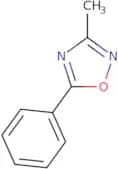
Formula:C7H5N3O2Purity:Min. 95%Molecular weight:163.13 g/mol3-Methyl-5-phenyl-1,2,4-oxadiazole
CAS:3-Methyl-5-phenyl-1,2,4-oxadiazole is an organic compound that has been synthesized from aminoacids. It is a mesoionic heterocyclic compound with the chemical formula CHNO. 3-Methyl-5-phenyl-1,2,4-oxadiazole is a dipolarophile and can be used in cycloaddition reactions with nitrosobenzene to produce nitrostyrenes. 3-Methyl-5-phenyl-1,2,4-oxadiazole can also be synthesized by using diazomethane as a reagent and a regiospecific process.
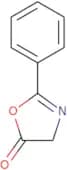
Formula:C9H8N2OPurity:Min. 95%Molecular weight:160.17 g/mol2-Phenyl-5-oxazolone
CAS:2-Phenyl-5-oxazolone is a chemical compound that has been used as a starting material for the synthesis of various other organic compounds. It can be synthesized by the reaction of 2-phenylacetamide with 3-chloro-5,6-dihydrobenzoxazole. The kinetic data for this reaction are provided in the table below. Monoclonal antibodies have been used to detect and quantify 2-phenyl-5-oxazolone in human urine samples, but it is not yet known whether this compound plays any role in the development of prostate cancer cells. Caproic acid is a metabolite that is formed from 2-phenylacetamide during its conversion to 2-phenyl 5 oxazolone.
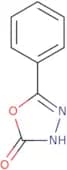
Formula:C9H7NO2Purity:Min. 95%Molecular weight:161.16 g/mol5-Phenyl-1,3,4-oxadiazol-2-ol
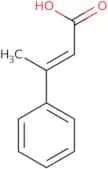
CAS:5-Phenyl-1,3,4-oxadiazol-2-ol is an organic compound that belongs to the heterocyclic compounds. It is a white solid at room temperature with a melting point of 117°C. The reaction of 5-phenyl-1,3,4-oxadiazol-2-ol with hydrochloric acid gives solvents and polyelectrolytes. This compound also reacts with amines to give ring opening polymerization products and with anilines to give oxadiazolones. 5-Phenyl-1,3,4-oxadiazol-2-ol has been shown to have 5HT4 receptor agonist activity in mice and has been used as a lead compound for drug development against depression and anxiety disorders. 5HT4 receptors are located on the nerve cells in the brain and spinal cord and are involved in regulating mood and anxiety levels.Formula:C8H6N2O2Purity:Min. 95%Molecular weight:162.15 g/mol3-Phenylbut-2-enoic acid
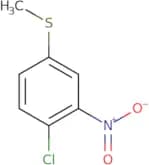
CAS:3-Phenylbut-2-enoic acid is a prochiral, carbonyl compound that can be used in the synthesis of chiral pharmaceuticals. Mechanistic studies have shown that 3-phenylbut-2-enoic acid is a catalytic hydrogenation reagent that converts prochiral substrates to their corresponding chiral products. When combined with binap and butenoic acid, 3-phenylbut-2-enoic acid can catalyze the asymmetric synthesis of butenoate. The reaction yields high enantiomeric excesses and good yields.Formula:C10H10O2Purity:Min. 95%Molecular weight:162.19 g/mol(4-chloro-3-nitrophenyl)(methyl)sulfane
CAS:Versatile small molecule scaffold
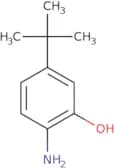
Formula:C7H6ClNO2SPurity:Min. 95%Molecular weight:203.64 g/mol2-Amino-5-tert-butylphenol
CAS:Versatile small molecule scaffold
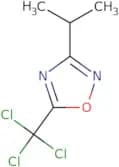
Formula:C10H15NOPurity:Min. 95%Molecular weight:165.23 g/mol3-isopropyl-5-(trichloromethyl)-1,2,4-oxadiazole
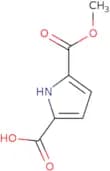
CAS:Versatile small molecule scaffoldFormula:C6H7Cl3N2OPurity:Min. 95%Molecular weight:229.49 g/mol5-(Methoxycarbonyl)-1H-pyrrole-2-carboxylic acid
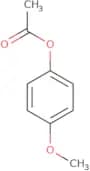
CAS:Versatile small molecule scaffoldFormula:C7H7NO4Purity:Min. 95%Molecular weight:169.13 g/mol4-Methoxyphenyl acetate
CAS:4-Methoxyphenyl acetate is the product of a chloroformate reaction with an alcohol. It has been synthesized in high yield and purified by recrystallization from hexahydrate to produce a white crystalline solid. This compound is soluble in water and chloroform, and is stable at room temperature. 4-Methoxyphenyl acetate has been shown to be active against influenza virus strains Covid-19, H1N1, H3N2, PR8, H5N1, and H7N7. The mechanism of action is not fully understood but this molecule may act as a substrate for the enzyme active site of the viral polymerase complex or interfere with viral nucleic acid replication.
Formula:C9H10O3Purity:Min. 95%Molecular weight:166.17 g/mol2-(2-Dimethylamino-ethoxy)-phenylamine
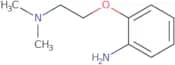
CAS:Controlled Product2-(2-Dimethylamino-ethoxy)-phenylamine is a colorless liquid with a boiling point of 212 °C. The detection limit for this compound is 2 ppm. It has an acidity of 0.1 and can be synthesized from the reaction of two equivalents of phenol and two equivalents of ethylenediamine in the presence of conc. sulfuric acid, followed by reduction of the nitro group to an amine. This compound is used as an intermediate in the synthesis of several drugs such as amphetamine, methamphetamine, and ephedrine, as well as pharmaceuticals such as levamisole, clonidine, and mepyramine hydrochloride.
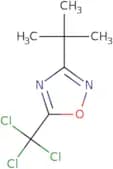
2-(2-Dimethylamino-ethoxy)-phenylamine can be detected using UV spectroscopy at wavelengths between 260 nm and 270 nm with maximum absorption at 266 nm.Formula:C10H16N2OPurity:Min. 95%Molecular weight:180.25 g/mol3-tert-Butyl-5-(trichloromethyl)-1,2,4-oxadiazole
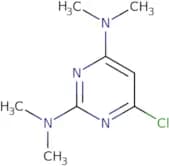
CAS:Versatile small molecule scaffoldFormula:C7H9Cl3N2OPurity:Min. 95%Molecular weight:243.5 g/mol4-Chloro-2,6-bis(dimethylamino)pyrimidine
CAS:Versatile small molecule scaffoldFormula:C8H13ClN4Purity:Min. 95%Molecular weight:200.67 g/mol2-[(Cycloheptylideneamino)oxy]acetic acid
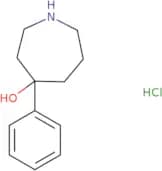
CAS:Versatile small molecule scaffoldFormula:C9H15NO3Purity:Min. 95%Molecular weight:185.22 g/mol4-Phenylazepan-4-ol hydrochloride
CAS:Versatile small molecule scaffold
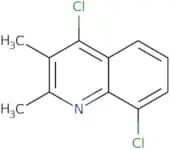
Formula:C12H18ClNOPurity:Min. 95%Molecular weight:227.73 g/mol4,8-Dichloro-2,3-dimethylquinoline
CAS:Versatile small molecule scaffold
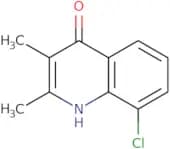
Formula:C11H9Cl2NPurity:Min. 95%Molecular weight:226.1 g/mol8-Chloro-2,3-dimethyl-1,4-dihydroquinolin-4-one
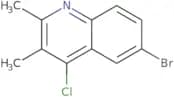
CAS:Versatile small molecule scaffoldFormula:C11H10ClNOPurity:Min. 95%Molecular weight:207.65 g/mol6-Bromo-4-chloro-2,3-dimethylquinoline
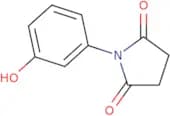
CAS:Versatile small molecule scaffoldFormula:C11H9BrClNPurity:Min. 95%Molecular weight:270.55 g/mol1-(3-Hydroxyphenyl)pyrrolidine-2,5-dione
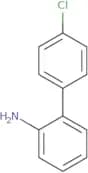
CAS:Versatile small molecule scaffoldFormula:C10H9NO3Purity:Min. 95%Molecular weight:191.18 g/mol4'-Chloro-biphenyl-2-ylamine
CAS:4'-Chloro-biphenyl-2-ylamine is an organic solvent that is used in alkalization and as a reagent in chemical reactions. It has been shown to be bactericidal, with a broad spectrum of activity against Gram-positive and Gram-negative bacteria. 4'-Chloro-biphenyl-2-ylamine can be synthesized by the reaction of biphenyl with hydrogen chloride, producing an azide and chloride. The azide reacts with chloroacetic acid to produce the desired compound.
Formula:C12H10ClNPurity:Min. 95%Molecular weight:203.67 g/mol2-(3-Methyl-1-benzofuran-2-yl)acetic acid
CAS:Versatile small molecule scaffold
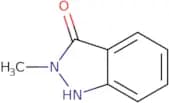
Formula:C11H10O3Purity:Min. 95%Molecular weight:190.19 g/mol2-Methyl-2,3-dihydro-1H-indazol-3-one
CAS:Versatile small molecule scaffold
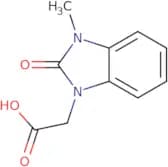
Formula:C8H8N2OPurity:Min. 95%Molecular weight:148.16 g/mol(3-Methyl-2-oxo-2,3-dihydro-benzoimidazol-1-yl)-acetic acid
CAS:Versatile small molecule scaffoldFormula:C10H10N2O3Purity:Min. 95%Molecular weight:206.2 g/mol2-[3-(Carboxymethyl)-2-oxo-2,3-dihydro-1H-1,3-benzodiazol-1-yl]acetic acid
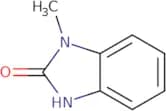
CAS:Versatile small molecule scaffoldFormula:C11H10N2O5Purity:Min. 95%Molecular weight:250.21 g/mol1-Methyl-2-benzimidazolinone
CAS:1-Methyl-2-benzimidazolinone is a synthetic compound that has been shown to be cytotoxic to cancer cells. It binds to metal ions and forms reactive intermediates, which are able to react with nucleophiles in cellular macromolecules. The reaction mechanism of 1-methyl-2-benzimidazolinone is similar to the reaction of picolinic acid with metal hydroxides. The heteroarylations of this compound have also been studied using chemical ligation, and it has been found that the d4 receptor may play a role in its cytotoxicity.
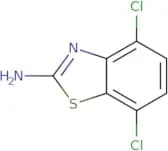
Formula:C8H8N2OPurity:Min. 95%Molecular weight:148.16 g/mol2-Amino-4,7-dichlorobenzothiazole
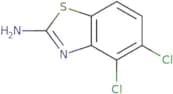
CAS:Versatile small molecule scaffoldFormula:C7H4Cl2N2SPurity:Min. 95%Molecular weight:219.09 g/mol4,5-Dichloro-benzothiazol-2-ylamine
CAS:Versatile small molecule scaffoldFormula:C7H4Cl2N2SPurity:Min. 95%Molecular weight:219.08 g/mol3-Bromo-5-chloro-4-hydroxybenzaldehyde
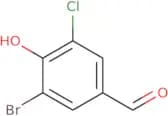
CAS:3-Bromo-5-chloro-4-hydroxybenzaldehyde (3BCHA) is a phenolic compound that has been used in the synthesis of new drugs. 3BCHA is produced by the ozonation of 2,6-dichlorophenol and subsequent reactions with sodium hydroxide and hydrogen peroxide. The production of 3BCHA can be monitored using gas chromatography/electron spray ionization mass spectrometry (GC/ESI MS). 3BCHA can be synthesized in two ways:Formula:C7H4BrClO2Purity:Min. 95%Molecular weight:235.46 g/mol{4-[2-(Diethylamino)ethoxy]phenyl}methanamine
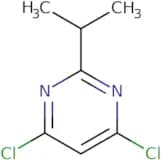
CAS:Controlled ProductVersatile small molecule scaffoldFormula:C13H22N2OPurity:Min. 95%Molecular weight:222.33 g/mol4,6-Dichloro-2-(propan-2-yl)pyrimidine
CAS:Versatile small molecule scaffoldFormula:C7H8Cl2N2Purity:Min. 95%Molecular weight:191.05 g/mol5-Hydroxy-1,3-diazinan-2-one
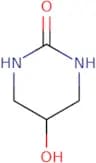
CAS:Versatile small molecule scaffold
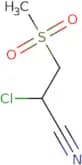
Formula:C4H8N2O2Purity:Min. 95%Molecular weight:116.12 g/mol2-Chloro-3-methanesulfonylpropanenitrile
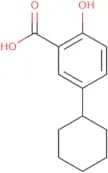
CAS:Versatile small molecule scaffoldFormula:C4H6ClNO2SPurity:Min. 95%Molecular weight:167.61 g/mol5-Cyclohexyl-2-hydroxybenzoic acid
CAS:5-Cyclohexyl-2-hydroxybenzoic acid is a compound that belongs to the group of phenolic compounds. It has been clinically used for the treatment of systemic hypertension and is used in the manufacture of dyes, resins, flavors and fragrances. 5-Cyclohexyl-2-hydroxybenzoic acid can be found in light exposure, metal cations and environmental pollution. The use of this compound may lead to depression, which may be due to its effects on the vessel diameter. This drug also has an effect on blood pressure by stimulating vasodilatation through an endothelium-dependent mechanism.
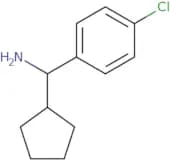
Formula:C13H16O3Purity:Min. 95%Molecular weight:220.26 g/mol(4-Chlorophenyl)(cyclopentyl)methanamine
CAS:Versatile small molecule scaffold
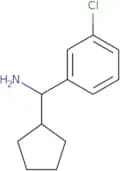
Formula:C12H16ClNPurity:Min. 95%Molecular weight:209.71 g/mol(3-Chlorophenyl)(cyclopentyl)methanamine
CAS:Versatile small molecule scaffold
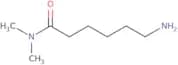
Formula:C12H16ClNPurity:Min. 95%Molecular weight:209.71 g/mol6-Amino-N,N-dimethylhexanamide
CAS:Versatile small molecule scaffoldFormula:C8H18N2OPurity:Min. 95%Molecular weight:158.2 g/mol


![5,7-Dimethylpyrazolo[1,5-a]pyrimidin-2-amine hydrochloride](/_next/image/?url=https%3A%2Fstatic.cymitquimica.com%2Fproducts%2F3D%2Fthumb-webp%2FBAA19879.webp&w=3840&q=75)

![3-Pyridin-3-yl-[1,2,4]oxadiazol-5-ol](/_next/image/?url=https%3A%2Fstatic.cymitquimica.com%2Fproducts%2F3D%2Fthumb-webp%2FBAA19899.webp&w=3840&q=75)
![2-[(Cycloheptylideneamino)oxy]acetic acid](/_next/image/?url=https%3A%2Fstatic.cymitquimica.com%2Fproducts%2F3D%2Fthumb-webp%2FBAA20245.webp&w=3840&q=75)

![2-[3-(Carboxymethyl)-2-oxo-2,3-dihydro-1H-1,3-benzodiazol-1-yl]acetic acid](/_next/image/?url=https%3A%2Fstatic.cymitquimica.com%2Fproducts%2F3D%2Fthumb-webp%2FBAA84899.webp&w=3840&q=75)
![{4-[2-(Diethylamino)ethoxy]phenyl}methanamine](/_next/image/?url=https%3A%2Fstatic.cymitquimica.com%2Fproducts%2F3D%2Fthumb-webp%2FBAA84980.webp&w=3840&q=75)