Building Blocks
This section contains fundamental products for the synthesis of organic and biological compounds. Building blocks are the essential starting materials used to construct complex molecules through various chemical reactions. They play a critical role in drug discovery, material science, and chemical research. At CymitQuimica, we offer a diverse range of high-quality building blocks to support your innovative research and industrial projects, ensuring you have the essential components for successful synthesis.
Subcategories of "Building Blocks"
- Boronic Acids & Boronic Acid Derivatives(5,756 products)
- Chiral Building Blocks(1,242 products)
- Hydrocarbon Building Blocks(6,095 products)
- Organic Building Blocks(61,038 products)
Found 196817 products of "Building Blocks"
Sort by
Purity (%)
0
100
|
0
|
50
|
90
|
95
|
100
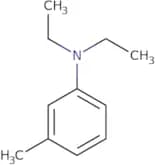
N,N-Diethyl-m-toluidine
CAS:<p>N,N-Diethyl-m-toluidine is a chemical that is used as an intermediate in the synthesis of other chemicals. It has been shown to have a dipole moment and can be used in the production of dyes, pharmaceuticals, and herbicides. N,N-Diethyl-m-toluidine has been shown to inhibit heterocyclic amines from reacting with p-hydroxyphenylacetic acid which may prevent carcinogenesis. This product also has a chloride ion that will react with hydrochloric acid to form a fatty acid. The optical properties of N,N-Diethyl-m-toluidine are bathochromic and butyric acid.</p>Formula:C11H17NPurity:Min. 95%Molecular weight:163.26 g/molN,N-Diethyl-3-aminophenol
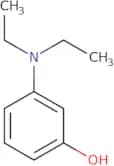
CAS:<p>N,N-Diethyl-3-aminophenol is a fluorescent probe that is used for the detection of nucleophilic substitutions. This nucleophile can react with electron-rich aromatic compounds to form stable covalent adducts. The reaction mechanism of this probe is not yet well understood, but it may involve a substitution reaction between the hydroxyl group and an electron-deficient aromatic compound to form a phenolate ester. N,N-Diethyl-3-aminophenol has been shown to exhibit high stability in organic solvents and can be used as a crosslinking agent for biomolecules. It also exhibits fluorescence properties that make it useful for the detection of chloride ions in solution.</p>Formula:C10H15NOPurity:Min. 95%Molecular weight:165.24 g/mol1-Chloro-2-naphthol
CAS:<p>1-Chloro-2-naphthol is a chemical compound that is used for biological purposes.</p>Formula:C10H7ClOPurity:Min. 95%Molecular weight:178.62 g/mol1,2,3,4-Tetrachlorobenzene
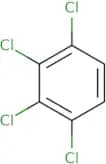
CAS:<p>1,2,3,4-Tetrachlorobenzene is a chemical compound that has been used as an intermediate in the production of other chemicals. It is also used as a solvent and in the manufacture of dyes and pesticides. 1,2,3,4-Tetrachlorobenzene is stable in air but reacts with metal hydroxides and sodium carbonate to form tetrachloro-1-hydroxybenzene. It has shown hypoglycemic effect in bacterial strain. The toxicity of 1,2,3,4-tetrachlorobenzene is evaluated by studying its effects on redox potential and water vapor. It also causes liver cells to release enzymes; therefore it can be used for analytical methods. The surface methodology of 1,2,3,4-tetrachlorobenzene can be studied by solid phase microextraction (SPME).</p>Formula:C6H2Cl4Purity:Min. 95%Molecular weight:215.89 g/mol2-Methylquinoline-3-carboxylic acid
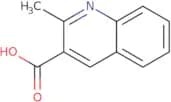
CAS:<p>2-Methylquinoline-3-carboxylic acid (2MQCA) is a nucleophilic, acidic and hiv integrase inhibitor. It has been shown to inhibit the activity of HIV integrase by binding to the active site of the enzyme. 2MQCA has a strong affinity for chloride ions and is soluble in organic solvents such as diethyl ether or chloroform. 2MQCA shows diffraction peaks at 2.5Å, which is indicative of an acidic molecule with a hydroxymethyl group. Reaction time for a reaction between 2MQCA and methylamine was found to be optimal at 10 minutes at room temperature and pH 5. The technique used for this reaction was NMR spectroscopy.</p>Formula:C11H9NO2Purity:Min. 95%Molecular weight:187.2 g/mol1,2,4,5-Tetraiodobenzene
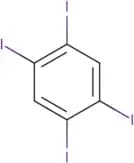
CAS:<p>1,2,4,5-Tetraiodobenzene is a fluorescent molecule that has been used in optical imaging and molecular imaging. 1,2,4,5-Tetraiodobenzene is a fluorophore with an isolated yield of 100%. It has been shown to be useful as a rate enhancer for the transfer of singlet oxygen.</p>Formula:C6H2I4Purity:Min. 95%Molecular weight:581.7 g/mol2-Ethylsuccinic acid
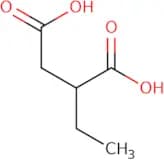
CAS:<p>2-Ethylsuccinic acid is a trifluoroacetic acid derivative. It can be used as a cationic surfactant, cross-linking agent, and a trifluoromethanesulfonic acid (TFMS) catalyst. 2-Ethylsuccinic acid has been shown to react with calcium carbonate, hydroxyl group, or divalent hydrocarbon to form a film-forming polymer. This compound also has the ability to form polycarboxylic acids when reacted with glycol ethers and aluminium. 2-Ethylsuccinic acid is used as a solid catalyst for the acylation reaction of amines and alcohols.</p>Formula:C6H10O4Purity:Min. 95%Molecular weight:146.14 g/mol2-Hydroxyheptanoic acid
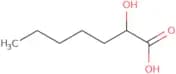
CAS:<p>2-Hydroxyheptanoic acid is a metabolite of 2,6-dihydroxypyridine (DHP), which is an organic compound that can be found in the environment and produced by microbes. 2-Hydroxyheptanoic acid has been shown to inhibit the function of the ryanodine receptor in rat cardiac cells, which may cause arrhythmia. The drug also inhibits fatty acid synthesis and hydrolysis in the small intestine. It is synthesized from oleic acid through demethylation or hydroxylation. The technique used to produce this drug is not known. Verticillium produces this metabolite as a result of its metabolism of DHP.END></p>Formula:C7H14O3Purity:Min. 95%Molecular weight:146.18 g/molp-Phenetidine Hydrochloride
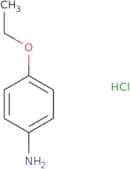
CAS:<p>p-Phenetidine hydrochloride is a pharmaceutical preparation that is used as an intermediate in the production of chlorate, which is used in the synthesis of other organochlorine compounds. It can be prepared by reacting p-phenetidine with a solution of hydrochloric acid and zirconium dichloride in a reaction vessel. The reaction products are then heat treated to produce a solid catalyst, which can be further reacted with organic acids to form metal ion complexes. These complexes are stable and can be separated from unreacted reactants by distillation or recrystallization. The kinetic method has been shown to be useful for determining the order of reaction between these complex ions.<br>The benzalkonium chloride acts as a cocatalyst in this process, while the solid catalyst provides kinetic stability to the process.</p>Formula:C8H11NO·HClPurity:Min. 95%Molecular weight:173.64 g/molPramoxine HCl
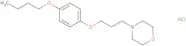
CAS:<p>Pramoxine HCl is a leukotriene receptor antagonist that inhibits the action of the enzyme phospholipase A2, which is responsible for the conversion of arachidonic acid to prostaglandin H2. Pramoxine HCl has been shown to inhibit skin cell proliferation and induce apoptosis in human skin cells. It also has anti-inflammatory properties, and may have therapeutic potential for treating autoimmune diseases such as Crohn's disease. Pramoxine HCl is a colorless liquid that has a particle size of less than 10 microns, and has an odor of benzalkonium chloride. The melting point of pramoxine is 203°C, and its boiling point is 390°C.</p>Formula:C17H27NO3·HClPurity:Min. 95%Molecular weight:329.86 g/mol2-Iodopentane
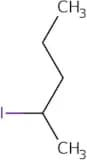
CAS:<p>2-Iodopentane is a thiourea that has been shown to react with iodide to form the crystalline compound 2-iodopentane diiodide. The crystal x-ray diffraction pattern and optical properties of this compound are similar to those reported for the rare earth metal arenium ions. A spectroscopic study has also been carried out on this compound, which indicates that it is an efficient method for generating nitrate, halides, and frequencies. The solvents used in these reactions are not identified, but may include polyols or other unidentified compounds.</p>Formula:C5H11IPurity:Min. 95%Molecular weight:198.05 g/molAmyl Chloroformate
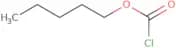
CAS:<p>Amyl chloroformate is a synthetic compound that is used as an intermediate in the manufacture of detergent compositions, antimicrobial agents, and other chemicals. It has been shown to inhibit the activity of cytidine deaminase, which is involved in the synthesis of DNA. This inhibition can lead to cancer cell death or inflammatory diseases. Amyl chloroformate also inhibits uridine phosphorylase, an enzyme that is important for lipid metabolism.</p>Formula:C6H11ClO2Purity:Min. 95%Molecular weight:150.6 g/molN-{2-[(2-Acetamidoethyl)disulfanyl]ethyl}acetamide
CAS:<p>Versatile small molecule scaffold</p>Formula:C8H16N2O2S2Purity:Min. 95%Molecular weight:236.4 g/molTridecanoic acid
CAS:<p>Tridecanoic acid is a fatty acid that is found in the skin cells of humans. It is a metabolic disorder, and has been shown to have antimicrobial properties. Tridecanoic acid may be used in wastewater treatment as a glycol ester and to reduce the presence of organic molecules such as caproic acid, alkanoic acid, and multivariate logistic regression. It has also been shown to be effective against chemical pesticides such as dinucleotide phosphate and hydroxyl group.</p>Formula:C13H26O2Purity:Min. 95%Molecular weight:214.34 g/molBis[2-(2-chloroethoxy)ethyl] Ether
CAS:<p>Bis[2-(2-chloroethoxy)ethyl] Ether is an alkylating agent that has been used in the synthesis of organic compounds. It reacts with a variety of nucleophiles, including thionyl chloride and hydrogen chloride, to generate ether linkages. Bis[2-(2-chloroethoxy)ethyl] Ether can also be used as a solvent for reactions involving alcohols, amines, and other nucleophiles. The x-ray crystal structures of the monomers show that this compound is planar with a small dipole moment. The solubility of this compound is determined by its ability to form hydrogen bonds.<br>The reaction time for Bis[2-(2-chloroethoxy)ethyl] Ether depends on the type of nucleophile being reacted with: it takes longer for more reactive nucleophiles such as thionyl chloride or hydrogen chloride than ethanolamine or dimethylformamide.</p>Formula:C8H16Cl2O3Purity:Min. 95%Molecular weight:231.12 g/molDiiodochloromethane
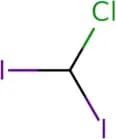
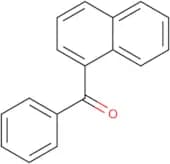
CAS:<p>Diiodochloromethane is a halogenated hydrocarbon that is used as a wastewater treatment agent. It can be used in biological treatment to break down organic compounds and remove heavy metals, such as mercury. Diiodochloromethane has been shown to have cytotoxic effects on mammalian cells and may be toxic at high concentrations. This chemical has been shown to react with trichloroacetic acid in the presence of ultraviolet light and generate iodoacetic acid, which can be used for specific treatment of chlorinated compounds. Diiodochloromethane binds to chloride ions present in the water and forms chlorine atoms, which are then released into the environment.</p>Formula:CHClI2Purity:Min. 95%Molecular weight:302.28 g/mol1-Naphthyl phenyl ketone
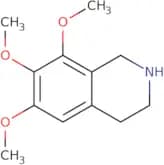
CAS:<p>1-Naphthyl phenyl ketone is a hydroxylated aromatic compound that has shown anticancer activity in leukemia cells. The 1-Naphthyl phenyl ketone molecule also possesses fluorescence properties, which are used for optical imaging. When 1-Naphthyl phenyl ketone is acylated with an electron-deficient alkylating agent such as methyl chloroformate, it forms the corresponding carbonyl compound, which can be used as a polymerization initiator in polymers. This reaction was first studied in detail by Otto Wallach and Heinrich Otto Wieland in 1891 and 1892. Radiation can also induce the decomposition of 1-naphthyl phenyl ketone to produce naphthalene.</p>Formula:C17H12OPurity:Min. 95%Molecular weight:232.28 g/mol6,7,8-Trimethoxy-1,2,3,4-tetrahydroisoquinoline
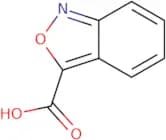
CAS:<p>6,7,8-Trimethoxy-1,2,3,4-tetrahydroisoquinoline is a neurally active alkaloid found in the plant Solanum nigrum. It has been shown to act as an antagonist of acetylcholine at the neuromuscular junction. This compound has also been shown to have muscle relaxant properties and can be used as a potential treatment for acute gastral spasms. 6,7,8-Trimethoxy-1,2,3,4-tetrahydroisoquinoline also has calcium hydrogen phosphate binding properties and may play a role in carbohydrate metabolism. This natural compound may also have addictive properties due to its effects on the cholinergic system.</p>Formula:C12H17NO3Purity:Min. 95%Molecular weight:223.27 g/mol2,1-benzisoxazole-3-carboxylic acid
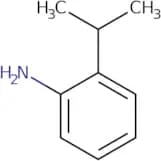
CAS:<p>2,1-benzisoxazole-3-carboxylic acid (BIX) is a small molecule with antimicrobial and anticancer activity. It has been shown to be selective against candidum, a fungus that causes oral thrush in humans. BIX has also been shown to suppress the growth of plasmodium, the malaria parasite that causes malaria. This compound is synthesized by diazo coupling of 2-aminobenzoic acid and benzisoxazole with potassium carbonate and potassium chloride. BIX has also been shown to have an antiplasmodial effect against Plasmodium falciparum, the most virulent form of this parasite, which is responsible for more than 90% of deaths from malaria. The mechanism of action is not yet known but may be due to inhibition of protein synthesis or inhibition of mitochondrial function.</p>Formula:C8H5NO3Purity:Min. 95%Molecular weight:163.13 g/molo-Isopropylaniline
CAS:<p>o-Isopropylaniline is an antimicrobial agent that is used as a corrosion inhibitor. It has been shown to be effective in the inhibition of population growth of bacteria and fungi. o-Isopropylaniline is mainly used in industrial settings, such as water treatment and oil production, where it prevents corrosion of metal surfaces. In addition, it is an important intermediate in the synthesis of other compounds such as anilines, amines, and chlorinated hydrocarbons. This chemical has been shown to have a potential use as a broad-spectrum antibiotic against Gram-positive bacteria including Bacillus subtilis and Enterococcus faecalis. It also has significant activity against Gram-negative bacteria such as Escherichia coli and Pseudomonas aeruginosa. The mechanism of action for o-isopropylaniline is not well understood but may involve its ability to act as an irreversible oxidation agent by reacting with sulfhydryl groups</p>Formula:C9H13NPurity:Min. 95%Molecular weight:135.21 g/mol2-Propylphenol
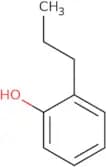
CAS:<p>2-Propylphenol is a diphenyl ether that inhibits the growth of microorganisms by inhibiting enzymes in the electron transport chain. It can be used as an herbicide to control weeds and as a disinfectant for animals and humans. 2-Propylphenol has been shown to have anti-inflammatory properties, which may be due to its inhibition of prostaglandin synthesis. This compound also has been shown to inhibit the transfer of electrons from NADH to oxygen, which may reduce the production of reactive oxygen species. The production of reactive oxygen species leads to oxidative stress, which can cause DNA damage and cell death.<br>2-Propylphenol is a colorless liquid with a boiling point of 221°C at atmospheric pressure. It is soluble in water, alcohols, esters, ethers, and chloroform but insoluble in fats and oils.</p>Formula:C9H12OPurity:Min. 95%Molecular weight:136.19 g/mol(2Z)-2-Bromo-2-butenedioic acid
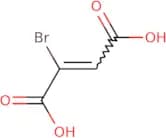
CAS:<p>2-Bromobut-2-enedioic acid is a reactive chemical that can be used for the production of acrylates. It is also a hydroxyl compound with an acidic property. 2-Bromobut-2-enedioic acid has been shown to react with hydrogen fluoride, dimethyl fumarate, and fatty acids to form products with different structures and properties. The detection sensitivity of this compound was found to be 0.5 ppm in the gas phase and 0.1 ppm in the liquid phase. This compound has a particle size of 30 nm and an optical sensor that can detect its presence at concentrations of 1 ppm or higher.</p>Formula:C4H3BrO4Purity:Min. 95%Molecular weight:194.97 g/molDL-2-Aminocaprylic acid
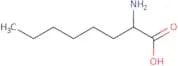
CAS:<p>DL-2-Aminocaprylic acid is a fatty acid that is synthesized from lysine by the enzyme lysine decarboxylase. It is one of the major lipids in cancer cells, and its level can be used to measure the severity of a cancerous tumor. DL-2-Aminocaprylic acid has been shown to have antimicrobial properties against bacteria and fungi. This compound also possesses an inhibitory effect on the biosynthesis of polyunsaturated fatty acids, which may contribute to its anticancer effects.</p>Formula:C8H17NO2Purity:Min. 95%Molecular weight:159.23 g/mol4²-Isopropylacetophenone
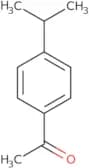
CAS:<p>Propiophenone is a propionic acid derivative that can be synthesized from acetone and formaldehyde. The reaction is selective for the 4-position of the phenyl ring, and the product is largely in the 2-isopropylacetophenone (2-IPAP) form. This compound is used to manufacture industrial chemicals such as propionitrile, which are used to make other chemicals such as acrylic acid. It can also be used to produce synthetic rubber and polymers.</p>Formula:C11H14OPurity:Min. 95%Molecular weight:162.23 g/molL-Histidine hydrochloride solution
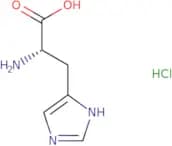
CAS:<p>L-Histidine hydrochloride solution is a chemical that is used as a nutrient in the treatment of bowel disease. It can be used to treat leukemia, autoimmune diseases, and bowel disease. L-histidine hydrochloride solution contains sodium citrate, which is an essential ingredient for the formation of blood clots. This chemical also has been shown to inhibit group P2 enzymes that are responsible for the degradation of heparin. L-histidine hydrochloride solution may have anti-inflammatory effects due to its ability to inhibit neutrophil chemotaxis and leukocyte adhesion, which are both important factors in inflammation.</p>Formula:C6H9N3O2·HClPurity:Min. 95%Molecular weight:191.62 g/mol2-Phenylhydrazinecarbothioamide
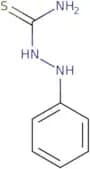
CAS:<p>2-Phenylhydrazinecarbothioamide is a chelating agent that has been used in wastewater treatment. It is a geometric isomer of phenylhydrazinecarbothioamide, which is the other type of chelating agent. 2-Phenylhydrazinecarbothioamide can be used for the production of ruthenium complexes and as an efficient method to corrode aluminum. 2-Phenylhydrazinecarbothioamide also inhibits fatty acid synthesis, leading to insulin resistance. Structural formula:</p>Formula:C7H9N3SPurity:Min. 95%Molecular weight:167.23 g/molN,N-Diethyl-p-toluenesulfonamide
CAS:<p>N,N-Diethyl-p-toluenesulfonamide is a sulfonamide compound that has the chemical formula CH3CONHCH2CH2SO2N(CH3)2. It is an organic amine with a sulfonic acid group. This compound is mainly used as a solvent for cellulose acetate and nitrocellulose, as well as in pharmaceuticals and photographic chemicals. N,N-Diethyl-p-toluenesulfonamide also has pharmacophoric properties and can be used to study biomolecules such as peptides and proteins. It reacts with organolithium reagents to form lithium salts. The bond cleavage of this compound occurs at temperatures between 190°C and 210°C, which make it useful in chromatographic science. N,N-Diethyl-p-toluenesulfonamide is synthesized by the condensation of amines with sulfonic acids</p>Formula:C11H17NO2SPurity:Min. 95%Molecular weight:227.32 g/mol4,5-Bis(trifluoromethyl)imidazole
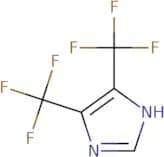
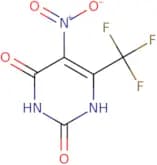
CAS:<p>4,5-Bis(trifluoromethyl)imidazole is a heterocyclic organic compound and a dimethylhydrazone derivative. It can be used as an intermediate in the synthesis of pharmaceuticals.</p>Formula:C5H2F6N2Purity:Min. 95%Molecular weight:204.08 g/mol5-Nitro-6-(trifluoromethyl)-1,2,3,4-tetrahydropyrimidine-2,4-dione
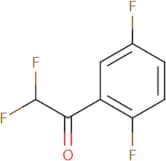
CAS:<p>Versatile small molecule scaffold</p>Formula:C5H2F3N3O4Purity:Min. 95%Molecular weight:225.08 g/mol1-(2,5-Difluorophenyl)-2,2-difluoroethan-1-one
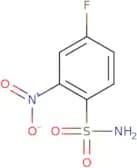
CAS:<p>Versatile small molecule scaffold</p>Formula:C8H4F4OPurity:Min. 95%Molecular weight:192.11 g/mol4-Fluoro-2-nitrobenzene-1-sulfonamide
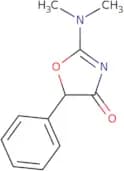
CAS:<p>Versatile small molecule scaffold</p>Formula:C6H5FN2O4SPurity:Min. 95%Molecular weight:220.18 g/molThozalinone
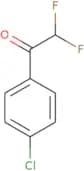
CAS:<p>Thozalinone is a synthetic compound that has been used as an antidepressant treatment for the symptoms of clinical depression. It binds to the CB2 receptor and prevents the reuptake of norepinephrine, which helps to increase levels of this neurotransmitter in the brain. Thozalinone has also shown efficacy in treating inflammatory bowel disease, hepatitis, and bowel diseases. This drug binds to a number of different substrate molecules, such as Toll-like receptor 4 (TLR4), which may be responsible for its ability to suppress inflammation. Thozalinone also acts as a substrate molecule for polymeric matrix metalloproteinases (MMPs), which are involved in tissue remodeling and degradation.</p>Formula:C11H12N2O2Purity:Min. 95%Molecular weight:204.23 g/mol1-(4-Chloro-phenyl)-2,2-difluoro-ethanone
CAS:<p>Versatile small molecule scaffold</p>Formula:C8H5ClF2OPurity:Min. 95%Molecular weight:190.57 g/molN-[4-Chloro-3-(trifluoromethyl)phenyl]formamide
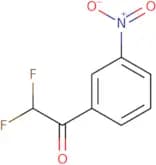
CAS:<p>Versatile small molecule scaffold</p>Formula:C8H5ClF3NOPurity:Min. 95%Molecular weight:223.58 g/mol2,2-Difluoro-1-(3-nitrophenyl)ethan-1-one
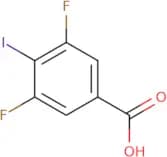
CAS:<p>Versatile small molecule scaffold</p>Formula:C8H5F2NO3Purity:Min. 95%Molecular weight:201.13 g/mol3,5-Difluoro-4-iodobenzoic acid
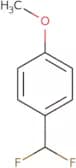
CAS:<p>Versatile small molecule scaffold</p>Formula:C7H3F2IO2Purity:Min. 95%Molecular weight:284 g/mol1-(Difluoromethyl)-4-methoxybenzene
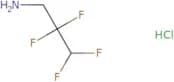
CAS:<p>Versatile small molecule scaffold</p>Formula:C8H8F2OPurity:Min. 95%Molecular weight:158.14 g/mol2,2,3,3-Tetrafluoropropan-1-amine hydrochloride
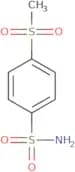
CAS:<p>Versatile small molecule scaffold</p>Formula:C3H6ClF4NPurity:Min. 95%Molecular weight:167.53 g/mol4-Methanesulfonylbenzene-1-sulfonamide
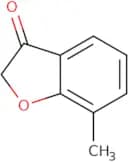
CAS:<p>4-Methanesulfonylbenzene-1-sulfonamide is a research chemical that is used in assays to study the metabolism of penicillium chrysogenum and other fungi. The metabolite 4-methanesulfonylbenzenesulfonic acid has been shown to inhibit fungal growth by inhibiting the synthesis of proteins, such as ribosomal proteins, which are necessary for cell division. This research chemical has also been shown to inhibit the production of aflatoxins, which are carcinogenic compounds produced by Aspergillus flavus and other species of fungi. 4-Methanesulfonylbenzene-1-sulfonamide has been found to be safe for use in humans and animals and can be used as a replacement for methyl bromide due to its sustainable functionality.</p>Formula:C7H9NO4S2Purity:Min. 95%Molecular weight:235.3 g/mol7-Methylbenzofuran-3(2H)-one
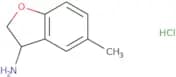
CAS:<p>7-Methylbenzofuran-3(2H)-one is a cyclic compound that consists of four rings in a furan and thiophene ring system. It is a reactive oxygen species (ROS) that can be found in the environment as an air pollutant. 7-Methylbenzofuran-3(2H)-one is used as an oxidant in organic synthesis and has been shown to have antiplatelet effects. This compound also reacts with sulfur compounds to form sulfides, which can be found in foods such as garlic, onion, and cabbage. The presence of ascorbic acid or other antioxidants may prevent this reaction from occurring. 7-Methylbenzofuran-3(2H)-one can also react with pyrazine to form hydroxypyrazines. This reaction product has been detected in human blood samples, where it may play a role in the development of atherosclerosis or heart disease.</p>Formula:C9H8O2Purity:Min. 95%Molecular weight:148.16 g/mol5-Methyl-2,3-dihydro-1-benzofuran-3-amine hydrochloride
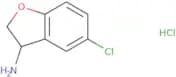
CAS:<p>Versatile small molecule scaffold</p>Formula:C9H12ClNOPurity:Min. 95%Molecular weight:185.65 g/mol5-Chloro-2,3-dihydro-1-benzofuran-3-amine hydrochloride
CAS:<p>Versatile small molecule scaffold</p>Formula:C8H8ClNO·HClPurity:Min. 95%Molecular weight:206.07 g/molTricyclo[5.2.1.0,2,6]decan-8-amine
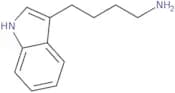
CAS:<p>Versatile small molecule scaffold</p>Formula:C10H17NPurity:Min. 95%Molecular weight:151.25 g/mol4-(1H-Indol-3-yl)butan-1-amine
CAS:<p>4-(1H-Indol-3-yl)butan-1-amine is a chemical compound that belongs to the group of indole compounds. It has been shown to have an antitumor effect on colon tumor cells in vivo as well as inhibiting cell growth and inducing apoptosis in vitro. 4-(1H-Indol-3-yl)butan-1-amine is structurally similar to 1,4 butanediol, which has been shown to inhibit histone deacetylase activity. The clinical trials are still ongoing for this drug.</p>Formula:C12H16N2Purity:Min. 95%Molecular weight:188.27 g/mol1-[2-(Trifluoromethyl)phenyl]propan-2-amine hydrochloride
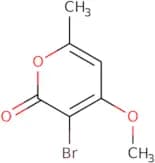
CAS:Controlled Product<p>Versatile small molecule scaffold</p>Formula:C10H13ClF3NPurity:Min. 95%Molecular weight:239.66 g/mol3-Bromo-4-methoxy-6-methyl-2H-pyran-2-one
CAS:<p>3-Bromo-4-methoxy-6-methyl-2H-pyran-2-one (BMMP) is a substrate that is used in the synthesis of 1,3,5,7,9,11,13,15,17,19-octahydrocyclopenta[a]phenanthrene (CCHP). The BMMP molecule has a bromine atom at the 4th position and two methoxy groups at the 6th and 10th positions. This compound was synthesized by reacting 3-bromopropionitrile with 2-(chloromethyl)-1-(chloromethyl)ethene in a cross coupling reaction. The BMMP compound has been shown to have myelogenous properties and can be used as a probe for chloride ions.</p>Formula:C7H7BrO3Purity:Min. 95%Molecular weight:219.03 g/mol(2Z)-2-Fluorobut-2-enedioic acid
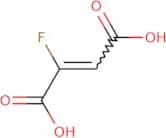
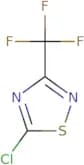
CAS:<p>(2Z)-2-Fluorobut-2-enedioic acid is an enzyme inhibitor that binds to the active site of enzymes. It has cross-linking properties and can be used as an activator or catalyst of polymerization reactions. (2Z)-2-Fluorobut-2-enedioic acid has been shown to be a good substrate for hydrogen fluoride, which converts it into a more reactive form that reacts with fatty acids to form esters. The reaction product is biocompatible and can be used in a variety of medical applications, such as the prevention of adhesions following surgery. (2Z)-2-Fluorobut-2-enedioic acid also acts as an antigen and can be used in the detection of specific antibodies.</p>Formula:C4H3FO4Purity:Min. 95%Molecular weight:134.06 g/mol5-Chloro-3-(trifluoromethyl)-1,2,4-thiadiazole
CAS:<p>5-Chloro-3-(trifluoromethyl)-1,2,4-thiadiazole is a molecule that has been synthesized and shown to have Raman spectroscopic features. It has been shown to be stable at temperatures up to 250°C and can be thermolyzed with wavelengths in the range of 270-700 nm. This molecule has also been observed in the gas phase by Raman spectroscopy. 5-Chloro-3-(trifluoromethyl)-1,2,4-thiadiazole is an orange solid that absorbs light in the ultraviolet region. The molecule is a sulfur analog of 1,2,4-triazole.</p>Formula:C3ClF3N2SPurity:Min. 95%Molecular weight:188.56 g/mol2-Oxo-2H-pyran-6-carboxylic acid
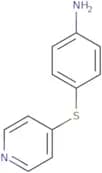
CAS:<p>2-Oxo-2H-pyran-6-carboxylic acid is a diphenyl ether that is used as an antimicrobial preservative. It functions by inhibiting bacterial growth and the activity of enzymes, such as pyrylium, which is required for the synthesis of DNA. 2-Oxo-2H-pyran-6-carboxylic acid has also been shown to bind to biphenyl and ether linkages in bacterial cells, preventing their replication. This compound has an acidic pH (4) and can be synthesized on a solid support using hydrochloric acid as a catalyst at neutral pH. The culture supernatant is then mixed with organic acids, such as acetic acid or formic acid, to produce 2-oxo-2H-pyran-6 carboxylic acid in solution.</p>Formula:C6H4O4Purity:Min. 95%Molecular weight:140.09 g/mol4-(Pyridin-4-ylsulfanyl)aniline
CAS:<p>Versatile small molecule scaffold</p>Formula:C11H10N2SPurity:Min. 95%Molecular weight:202.28 g/mol


![N-{2-[(2-Acetamidoethyl)disulfanyl]ethyl}acetamide](/_next/image/?url=https%3A%2Fstatic.cymitquimica.com%2Fproducts%2F3D%2Fthumb-webp%2FAAA63844.webp&w=3840&q=75)

![Bis[2-(2-chloroethoxy)ethyl] Ether](/_next/image/?url=https%3A%2Fstatic.cymitquimica.com%2Fproducts%2F3D%2Fthumb-webp%2FAAA63856.webp&w=3840&q=75)
![N-[4-Chloro-3-(trifluoromethyl)phenyl]formamide](/_next/image/?url=https%3A%2Fstatic.cymitquimica.com%2Fproducts%2F3D%2Fthumb-webp%2FAAA65696.webp&w=3840&q=75)
![Tricyclo[5.2.1.0,2,6]decan-8-amine](/_next/image/?url=https%3A%2Fstatic.cymitquimica.com%2Fproducts%2F3D%2Fthumb-webp%2FAAA66951.webp&w=3840&q=75)
![1-[2-(Trifluoromethyl)phenyl]propan-2-amine hydrochloride](/_next/image/?url=https%3A%2Fstatic.cymitquimica.com%2Fproducts%2F3D%2Fthumb-webp%2FAAA67003.webp&w=3840&q=75)