


Building Blocks
Subcategories of "Building Blocks"
- Boronic Acids & Boronic Acid Derivatives(5,781 products)
- Chiral Building Blocks(1,242 products)
- Hydrocarbon Building Blocks(6,101 products)
- Organic Building Blocks(61,033 products)
Found 205320 products of "Building Blocks"
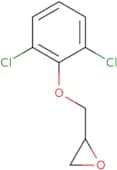
2-(2,6-Dichlorophenoxymethyl)oxirane
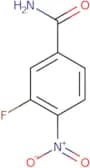
CAS:Versatile small molecule scaffoldFormula:C9H8Cl2O2Purity:Min. 95%Molecular weight:219.06 g/mol3-Fluoro-4-nitrobenzamide
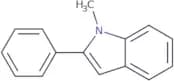
CAS:Versatile small molecule scaffoldFormula:C7H5FN2O3Purity:Min. 95%Molecular weight:184.13 g/mol1-Methyl-2-phenylindole
CAS:1-Methyl-2-phenylindole (1MPI) is an adenine nucleotide analog, which has been shown to cause oxidative injury in the cervical cancer cells. The hydrochloric acid present in 1MPI reacts with the hydroxyl group on the indole ring to form a reactive species that can damage cellular macromolecules and DNA. 1MPI also causes mitochondrial dysfunction and reduced ATP levels, leading to cell death. It has been shown to be effective against diabetic neuropathy and reduce the production of malondialdehyde in tissue culture experiments. This drug is also capable of inducing apoptosis by releasing nitrous oxide and activating caspases.
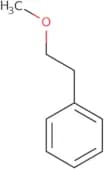
Formula:C15H13NPurity:Min. 95%Molecular weight:207.27 g/molPhenylethyl Methyl Ether
CAS:Phenylethyl methyl ether is an organic compound that is commonly used as a cross-linking agent for the preparation of polymers. It reacts with an unsaturated polymer to form a covalent bond, which improves the polymer's mechanical properties. Phenylethyl methyl ether also has acidic properties and can react with chloride ions to produce chloride salts, such as phenyl etherates, which can be detected using spectroscopy. The phenyl groups are alicyclic, whereas the product is particle in shape. Phenylethyl methyl ether is structurally similar to terpinen-4-ol and has been shown to have anti-inflammatory activities in mice. This compound forms a particle and has been shown to have anti-inflammatory activities in mice.Formula:C9H12OPurity:Min. 95%Molecular weight:136.19 g/molMethyl 2-methoxy-2-phenylacetate
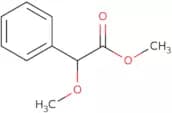
CAS:Methyl 2-methoxy-2-phenylacetate is a tautomer of the flavin mononucleotide. It has been shown to have mechanistic and metabolic properties that are similar to those of other flavins. Methyl 2-methoxy-2-phenylacetate can be obtained by UV irradiation of methyl 2,4-dimethoxyphenylacetate or by irradiating methyl 2,4,6-trimethoxyphenylacetate with UV light. This compound can be used as a flavin analogue for the study of flavin compounds in nature. Methyl 2-methoxy-2-phenylacetate was also used in a method to synthesize carbanions by reacting with alkoxycarbonyl groups.Formula:C10H12O3Purity:Min. 95%Molecular weight:180.2 g/molEmbramine
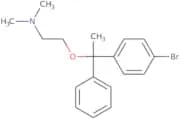
CAS:Controlled ProductEmbramine is a drug that belongs to the group of maleate salts and is used in the treatment of idiopathic urticaria. It has been shown to inhibit nitrite levels in the body and reduce inflammation by inhibiting fatty acid release from cells. The drug has also been found to have a general inhibitory effect on the release of histamine, leukotrienes, and prostaglandins that are associated with allergic reactions. Embramine has also been shown to have antioxidative properties, which may be due to its aldehyde groups.Formula:C18H22BrNOPurity:Min. 95%Molecular weight:348.28 g/mol3,4-Dihydroxy-5-methyl-2,5-dihydrofuran-2-one
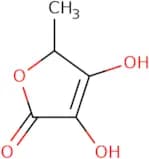
CAS:3,4-Dihydroxy-5-methyl-2,5-dihydrofuran-2-one is a chemical compound that has a colorless crystal appearance. It is an oxidative and nonoxidative compound with the chemical formula C8H10O3. The chromatogram shows the overlap of different compounds which are separated by their colored bands. This overlapped banding pattern indicates the presence of 3,4-dihydroxy-5-methyl-2,5-dihydrofuran-2one in the mixture.Formula:C5H6O4Purity:Min. 95%Molecular weight:130.1 g/mol1-Phenylprop-2-yn-1-yl carbamate
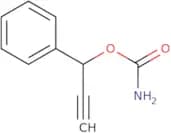
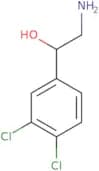
CAS:1-Phenylprop-2-yn-1-yl carbamate is an insoluble compound that can be used as a diluent for therapeutic proteins. It has no known adverse effects on humans and it is not known to be carcinogenic. 1-Phenylprop-2-yn-1-yl carbamate inhibits inflammatory bowel disease by inhibiting the release of inflammatory cytokines, such as TNFα and ILβ, from activated macrophages. This drug is also effective in treating bowel disease caused by implanting bacteria, such as Salmonella enterica serovar Typhi and Shigella sonnei. The mechanism of action of 1-phenylpropan-2-ynyl carbamate is unclear but may be due to the inhibition of bacterial biosynthesis or the reconstitution of the bowel lining cells.Formula:C10H9NO2Purity:Min. 95%Molecular weight:175.18 g/mol2-Amino-1-(3,4-dichloro-phenyl)-ethanol
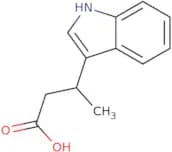
CAS:2-Amino-1-(3,4-dichloro-phenyl)-ethanol is a triazine that binds to the active site of senescent and increases the rate of senescent in vitro. 2-Amino-1-(3,4-dichloro-phenyl)-ethanol has been shown to be effective at reducing hepatic steatosis in mice. The redox potentials of 2-amino-1-(3,4-dichloro-phenyl)-ethanol are -0.14 V vs NHE (negative hydrogen electrode) and -0.92 V vs Ag/AgCl (silver chloride). The chelate ring of 2-amino-1-(3,4-dichloro-phenyl)-ethanol contains eight atoms: two nitrogen atoms, two carbon atoms, two oxygen atoms, and two chlorine atoms. It is a diphosphine with a transfer reaction mechanism that isFormula:C8H9Cl2NOPurity:Min. 95%Molecular weight:206.07 g/mol3-(1H-Indol-3-yl)butanoic acid
CAS:3-(1H-Indol-3-yl)butanoic acid is an antibiotic that inhibits the activity of lipases and other enzymes that are involved in the digestion of fats. It is also an enantiomerically pure product, which means that it has a single chiral center and only one stereoisomer is present in the compound. 3-(1H-Indol-3-yl)butanoic acid has been shown to inhibit the growth of pseudomonas fluorescens, which is a bacterium that causes infections in humans. The enzyme hydrolysis of this antibiotic can be done by either microorganisms or enzymes from human cells.
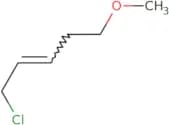
Formula:C12H13NO2Purity:Min. 95%Molecular weight:203.24 g/mol1-Chloro-5-methoxy-2-pentene
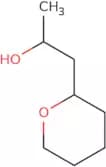
CAS:Versatile small molecule scaffoldFormula:C6H11ClOPurity:Min. 95%Molecular weight:134.6 g/mol1-(Oxan-2-yl)propan-2-ol
CAS:Versatile small molecule scaffoldFormula:C8H16O2Purity:Min. 95%Molecular weight:144.21 g/mol2-[4-(Ethylsulfanyl)phenyl]acetic acid
CAS:Versatile small molecule scaffold
Formula:C10H12O2SPurity:Min. 95%Molecular weight:196.27 g/mol2-[4-(Propan-2-ylsulfanyl)phenyl]acetic acid
CAS:Versatile small molecule scaffoldFormula:C11H14O2SPurity:Min. 95%Molecular weight:210.29 g/mol1-[4-(Ethylsulfanyl)phenyl]ethan-1-one
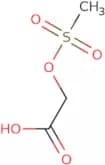
CAS:Versatile small molecule scaffoldFormula:C10H12OSPurity:Min. 95%Molecular weight:180.27 g/mol2-(Methanesulfonyloxy)acetic acid
CAS:2-Methanesulfonyloxyacetic acid (MSAA) is a nitrosated compound that is used in the food industry as a preservative. It has been shown to inhibit tumor growth by inhibiting the synthesis of DNA and RNA, as well as protein synthesis. MSAA also inhibits the production of dehydrogenase in thymus cells, which has been shown to be related to cancer development. The mechanism of this inhibition is not yet clear, but it may be due to an interaction with diazoacetate or imidazole. MSAA also inhibits catalysis by anion, which can be reinterpreted to mean that it catalyzes anion.
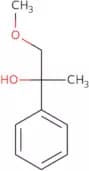
Formula:C3H6O5SPurity:Min. 95%Molecular weight:154.14 g/mol1-Methoxy-2-phenylpropan-2-ol
CAS:Versatile small molecule scaffold
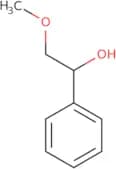
Formula:C10H14O2Purity:Min. 95%Molecular weight:166.22 g/mol2-Methoxy-1-phenylethan-1-ol
CAS:2-Methoxy-1-phenylethan-1-ol is a derivatised compound that contains a hydroxyl group. It is structurally similar to styrene and has been found to be catalysed by proton, as well as by the presence of other compounds such as cytochrome P450. 2-Methoxy-1-phenylethan-1-ol is an ether with two ether linkages in its backbone, which form at the alpha carbon of the ethyl group and the oxygen atom of the methoxy group. The ether linkage can be cleaved by peroxide to produce an alcohol and an aldehyde. 2-Methoxy-1-phenylethan-1-ol has been shown to reduce inflammation in mice by inhibiting the synthesis of inflammatory cytokines, such as TNFα.
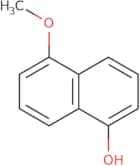
Formula:C9H12O2Purity:Min. 95%Molecular weight:152.19 g/mol5-Methoxynaphthalen-1-ol
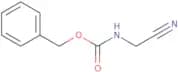
CAS:5-Methoxynaphthalen-1-ol is an alkylating agent that has been shown to have hypoglycemic activity. It is a nonpolar solvent, which can be used for the extraction of alkaloids from plants and fungi. 5-Methoxynaphthalen-1-ol has been shown to bind specifically to the hydroxyl group of proteins, nucleic acids, and lipids. This binding inhibits the metabolism of carbohydrates and leads to an increase in blood sugar levels. 5-Methoxynaphthalen-1-ol is synthesized by reacting naphthalene with a mixture of nitric acid and hydrochloric acid in a polar solvent such as water or ethanol. The reaction produces dihydroxynaphthalenes, which are then oxidized with potassium permanganate in a nonpolar solvent such as benzene or chloroform.Formula:C11H10O2Purity:Min. 95%Molecular weight:174.2 g/molN-(Benzyloxycarbonyl)-2-aminoacetonitrile
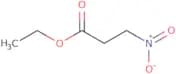
CAS:N-(Benzyloxycarbonyl)-2-aminoacetonitrile is a chemists molecule that has significant cytotoxicity. It is used as an antibacterial agent against Streptococcus pneumoniae, which is the cause of bacterial pneumonia and ear infections. The drug binds to the fatty acid biosynthesis enzyme, inhibiting the production of long-chain fatty acids such as palmitic and oleic acids. This leads to cell death through apoptosis or necrosis. N-(Benzyloxycarbonyl)-2-aminoacetonitrile has potent antibacterial activity against S. pneumoniae and other bacteria that are resistant to penicillin, ampicillin, erythromycin, and tetracycline antibiotics.Formula:C10H10N2O2Purity:Min. 95%Molecular weight:190.2 g/molethyl 3-nitropropanoate
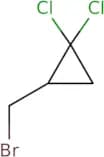
CAS:Ethyl 3-nitropropanoate is a synthetic, organic compound that has been reported as an effective nucleophile in the synthesis of nitroaldol products. This reagent is also used to synthesize bifunctional derivatives from nitro compounds and malonates. It can be used in the synthesis of asymmetric nitro compounds. Ethyl 3-nitropropanoate is a low molecular weight anion that can be easily removed by washing with water or dilute acid, which makes it ideal for use in organic synthesis. The chloride anion is also present in this compound, which may be derived from the reaction of ethyl 3-nitropropanoate with chlorine gas or other chlorine containing reagents.Formula:C5H9NO4Purity:Min. 95%Molecular weight:147.13 g/mol2-(Bromomethyl)-1,1-dichlorocyclopropane
CAS:2-(Bromomethyl)-1,1-dichlorocyclopropane is a compound that contains carbon atoms and a three-membered ring. This compound can be synthesized by the reaction of maleimide with 1,1-dichlorocyclopropane in the presence of p-toluenesulfonic acid. The yield of this reaction is typically 60%. 2-(Bromomethyl)-1,1-dichlorocyclopropane has been shown to have antiviral properties against pandemic H5N1 influenza A virus (Covid-19) and amide antiviral activity. It also has intramolecular reactivity due to its amine groups.Formula:C4H5BrCl2Purity:Min. 95%Molecular weight:203.89 g/molN-Propylcyclohexanamine hydrochloride
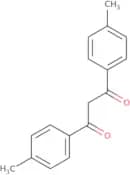
CAS:Versatile small molecule scaffoldFormula:C9H20ClNPurity:Min. 95%Molecular weight:177.71 g/mol1,3-Bis(4-methylphenyl)propane-1,3-dione
CAS:Versatile small molecule scaffold
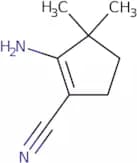
Formula:C17H16O2Purity:Min. 95%Molecular weight:252.31 g/mol2-Amino-3,3-dimethylcyclopent-1-ene-1-carbonitrile
CAS:Versatile small molecule scaffoldFormula:C8H12N2Purity:Min. 95%Molecular weight:136.19 g/molCaffeoylalkohol
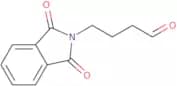
CAS:Caffeoylalkohol is a caffeic acid ester that has been shown to inhibit the growth of bacteria. It inhibits bacterial growth by binding to hydroxyl ions, sinapate, and methoxy groups in cell membranes, which prevents fatty acids from entering the cell. Caffeoylalkohol also has an inhibitory effect on fatty alcohols and monocarboxylic acids by competitive inhibition. The synergistic interaction between caffeoylalkohol and other compounds such as sinapic acid or p-coumaryl alcohol may have a synergistic effect on bacterial growth inhibition.Formula:C9H10O3Purity:Min. 95%Molecular weight:166.17 g/mol4-(1,3-Dioxoisoindolin-2-yl)butanal
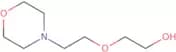
CAS:4-(1,3-Dioxoisoindolin-2-yl)butanal is a ligand that binds to the dopamine D3 and D2 receptors. It has been shown to have high affinity for these receptors in rat brain tissue. 4-(1,3-Dioxoisoindolin-2-yl)butanal is an analogue of the neurotransmitter dopamine and can be used as a lead compound for drug discovery programs. It is also a bioisosteric replacement for anilines, which are commonly used as starting materials in chemical synthesis. This compound has been shown to have affinity with carboxylic acid groups and amide groups on proteins.Formula:C12H11NO3Purity:Min. 95%Molecular weight:217.22 g/mol2-(2-morpholinoethoxy)ethan-1-ol
CAS:2-(2-Morpholinoethoxy)ethan-1-ol is a surface stabilizer that is used in detergents. It can be used as an additive in the manufacture of gaseous fuels, such as propane, butane, and natural gas. 2-(2-Morpholinoethoxy)ethan-1-ol also has primary amine groups that react with chloride to form polyester resins. 2-(2-Morpholinoethoxy)ethan-1-ol is hydrophobic and therefore does not dissolve easily in water, which makes it suitable for use in dehydrating reactions.
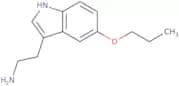
Formula:C8H17NO3Purity:Min. 95%Molecular weight:175.12 g/mol2-(5-Propoxy-1H-indol-3-yl)ethan-1-amine
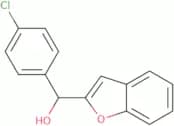
CAS:Controlled ProductVersatile small molecule scaffoldFormula:C13H18N2OPurity:Min. 95%Molecular weight:218.29 g/mol(1-Benzofuran-2-yl)(4-chlorophenyl)methanol
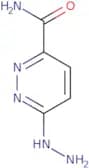
CAS:(1-Benzofuran-2-yl)(4-chlorophenyl)methanol is a synthetic compound that is used as an estrogen receptor modulator. This drug binds to the estrogen receptor and activates it, which causes the cell to proliferate. (1-Benzofuran-2-yl)(4-chlorophenyl)methanol has been shown to have both anti-inflammatory and cardioprotective effects in animal models. It is also effective against cancer in animals, but not in humans. The side effects of this drug are cardiac toxicity and congestive heart failure.Formula:C15H11ClO2Purity:Min. 95%Molecular weight:258.7 g/mol6-Hydrazinopyridazine-3-carboxamide
CAS:6-Hydrazinopyridazine-3-carboxamide (HPC) is a drug that regulates the activity of protein genes. It is an antihypertensive agent and has been shown to inhibit the conversion of citrate to ATP in heart tissue, which may be due to its ability to bind to collagen. HPC has biological properties that include inhibition of cardiac contractility and vasodilation, as well as growth factor activity. This drug also inhibits cancer cell proliferation by interfering with the production of growth factors, such as PDGF and FGF. HPC is a coordination complex with dopamine and may have therapeutic effects on Parkinson's disease.
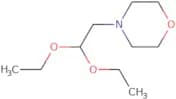
Formula:C5H7N5OPurity:Min. 95%Molecular weight:153.14 g/mol4-(2,2-Diethoxyethyl)morpholine
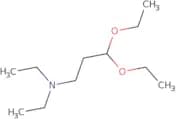
CAS:Versatile small molecule scaffoldFormula:C10H21NO3Purity:Min. 95%Molecular weight:203.28 g/mol(3,3-Diethoxypropyl)diethylamine
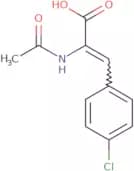
CAS:Versatile small molecule scaffoldFormula:C11H25NO2Purity:Min. 95%Molecular weight:203.32 g/mol(2Z)-2-(Acetylamino)-3-(4-chlorophenyl)acrylic acid
CAS:Versatile small molecule scaffoldFormula:C11H10ClNO3Purity:Min. 95%Molecular weight:239.65 g/mol2-{Spiro[3.3]heptan-2-yl}ethan-1-ol
CAS:Versatile small molecule scaffoldFormula:C9H16OPurity:Min. 95%Molecular weight:140.22 g/mol4-Methyl-5-oxopentanenitrile
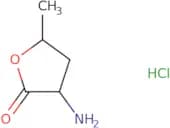
CAS:Versatile small molecule scaffoldFormula:C6H9NOPurity:Min. 95%Molecular weight:111.14 g/mol3-Amino-5-methyloxolan-2-one hydrochloride
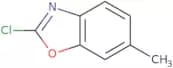
CAS:Versatile small molecule scaffoldFormula:C5H10ClNO2Purity:Min. 95%Molecular weight:151.59 g/mol2-Chloro-6-methyl-1,3-benzoxazole
CAS:Versatile small molecule scaffoldFormula:C8H6ClNOPurity:Min. 95%Molecular weight:167.59 g/mol2-Chloro-6-(methylsulfonyl)benzo[d]thiazole
CAS:Versatile small molecule scaffold
Formula:C8H6ClNO2S2Purity:Min. 95%Molecular weight:247.72 g/mol2-Chloro-5-methylbenzo[d]thiazole
CAS:Versatile small molecule scaffoldFormula:C8H6ClNSPurity:Min. 95%Molecular weight:183.66 g/mol2-Chloro-4-methyl-benzothiazole
CAS:Versatile small molecule scaffold
Formula:C8H6ClNSPurity:Min. 95%Molecular weight:183.66 g/mol2-Bromo-7-methylbenzo[D]thiazole
CAS:Versatile small molecule scaffold
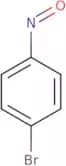
Formula:C8H6BrNSPurity:Min. 95%Molecular weight:228.11 g/mol1-Bromo-4-nitrosobenzene
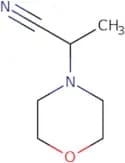
CAS:1-Bromo-4-nitrosobenzene is a chemical compound that has been shown to be a stable, metastable molecule. It can undergo nucleophilic attack on the carbonyl group by deuterium atoms. This reaction is dependent on kinetic and thermodynamic factors, such as activation energy and the concentration of the reactants. The FT-IR spectroscopy for this compound reveals that it consists of two heterodimers: one containing three nitroso groups and one bromine atom and another with two nitroso groups and one bromine atom. The rates of reaction for these monomers are different because they are not equivalent in terms of their chemical properties.Formula:C6H4BrNOPurity:Min. 95%Molecular weight:186.01 g/mol2-(Morpholin-4-yl)propanenitrile
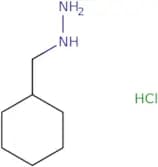
CAS:2-(Morpholin-4-yl)propanenitrile is a diaminodiphenylsulfone that inhibits the synthesis of pyrimidines, such as thymine and cytosine. It also has synergistic effects with sulphones, which are inhibitors of mycobacteria. The synergistic activity of 2-(Morpholin-4-yl)propanenitrile against mycobacteria has been shown to be due to its antimicrobial properties. This chemical compound has been shown to have a synergistic effect when combined with isoniazide, an inhibitor of the synthesis of mycolic acid in Mycobacterium tuberculosis.Formula:C7H12N2OPurity:Min. 95%Molecular weight:140.18 g/mol(Cyclohexylmethyl)hydrazine hydrochloride
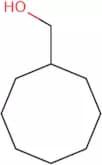
CAS:Cyclohexylmethyl)hydrazine hydrochloride is a heterocyclic compound that has been used as a medicinal agent. It has shown to be effective in the treatment of cachexia, autoimmune diseases, diabetes, rheumatoid arthritis, and asthma. Cyclohexylmethyl)hydrazine hydrochloride has an inhibitory effect on the production of inflammatory cytokines and enzymes such as prostaglandin E2 synthase and cyclooxygenase-1 (COX-1). The drug also inhibits the growth of cells in human skin and erythematosus lesions. Cyclohexylmethyl)hydrazine hydrochloride is metabolized by hydroxamic acid.Formula:C7H16N2·ClHPurity:Min. 95%Molecular weight:164.68 g/molCyclooctylmethanol
CAS:Cyclooctylmethanol is a cancer drug that belongs to the class of amides. It has been shown to have anti-inflammatory properties and can be used in the treatment of bladder infections, as well as infectious diseases. Cyclooctylmethanol binds to the platelet membrane and inhibits the growth of cancer cells. This compound also has an inhibitory effect on nicotinic acetylcholine receptors and can be used to treat Alzheimer's disease. Cyclooctylmethanol has been shown to have growth factor activity, which may be due to its hydroxyl group or fatty acid moiety. This antibiotic also reacts with ruthenium complex, which causes it to become more active against bacteria.Formula:C9H18OPurity:Min. 95%Molecular weight:142.23 g/mol2-Hydroxy-2,3-dimethylbutanoic acid
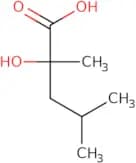
CAS:Versatile small molecule scaffoldFormula:C6H12O3Purity:Min. 95%Molecular weight:132.16 g/mol2-Hydroxy-2,4-dimethylpentanoic acid
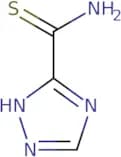
CAS:Versatile small molecule scaffoldFormula:C7H14O3Purity:Min. 95%Molecular weight:146.18 g/mol4H-1,2,4-Triazole-3-carbothioamide
CAS:Versatile small molecule scaffold
Formula:C3H4N4SPurity:Min. 95%Molecular weight:128.16 g/molSpiro[4.5]decan-2-one
CAS:Spiro[4.5]decan-2-one is a lactam that is used in pharmaceutical formulations for the treatment of cerebral and nervous disorders. Lactams are prepared by reacting an amine with a carbonyl compound, usually a carboxylic acid, in the presence of an acid catalyst. This reaction creates a ring structure that contains both a nitrogen atom and an oxygen atom. Spiro[4.5]decan-2-one can be administered orally or intravenously. It is also used as an intermediate in the synthesis of other drugs, such as anti-inflammatory agents and antibiotics. The preparation process includes three steps: the tosylate is activated by reaction with hydrochloric acid; then it reacts with magnesium sulfate to form the crystalline salt; and finally this salt is treated with ethyl chloride to produce the hydrochloride salt, which is soluble in water.Formula:C10H16OPurity:Min. 95%Molecular weight:152.23 g/mol

![2-[4-(Ethylsulfanyl)phenyl]acetic acid](/_next/image/?url=https%3A%2Fstatic.cymitquimica.com%2Fproducts%2F3D%2Fthumb-webp%2FDAA58358.webp&w=3840&q=75)
![2-[4-(Propan-2-ylsulfanyl)phenyl]acetic acid](/_next/image/?url=https%3A%2Fstatic.cymitquimica.com%2Fproducts%2F3D%2Fthumb-webp%2FDAA58360.webp&w=3840&q=75)
![1-[4-(Ethylsulfanyl)phenyl]ethan-1-one](/_next/image/?url=https%3A%2Fstatic.cymitquimica.com%2Fproducts%2F3D%2Fthumb-webp%2FDAA58573.webp&w=3840&q=75)
![2-{Spiro[3.3]heptan-2-yl}ethan-1-ol](/_next/image/?url=https%3A%2Fstatic.cymitquimica.com%2Fproducts%2F3D%2Fthumb-webp%2FDAA61781.webp&w=3840&q=75)

![2-Chloro-6-(methylsulfonyl)benzo[d]thiazole](/_next/image/?url=https%3A%2Fstatic.cymitquimica.com%2Fproducts%2F3D%2Fthumb-webp%2FDAA62229.webp&w=3840&q=75)
![2-Chloro-5-methylbenzo[d]thiazole](/_next/image/?url=https%3A%2Fstatic.cymitquimica.com%2Fproducts%2F3D%2Fthumb-webp%2FDAA62231.webp&w=3840&q=75)

![2-Bromo-7-methylbenzo[D]thiazole](/_next/image/?url=https%3A%2Fstatic.cymitquimica.com%2Fproducts%2F3D%2Fthumb-webp%2FDAA62244.webp&w=3840&q=75)

![Spiro[4.5]decan-2-one](/_next/image/?url=https%3A%2Fstatic.cymitquimica.com%2Fproducts%2F3D%2Fthumb-webp%2FDAA64316.webp&w=3840&q=75)