Building Blocks
This section contains fundamental products for the synthesis of organic and biological compounds. Building blocks are the essential starting materials used to construct complex molecules through various chemical reactions. They play a critical role in drug discovery, material science, and chemical research. At CymitQuimica, we offer a diverse range of high-quality building blocks to support your innovative research and industrial projects, ensuring you have the essential components for successful synthesis.
Subcategories of "Building Blocks"
- Boronic Acids & Boronic Acid Derivatives(5,778 products)
- Chiral Building Blocks(1,242 products)
- Hydrocarbon Building Blocks(6,098 products)
- Organic Building Blocks(61,059 products)
Found 199580 products of "Building Blocks"
Sort by
Purity (%)
0
100
|
0
|
50
|
90
|
95
|
100
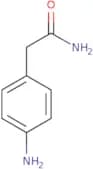
2-(4-Aminophenyl)acetamide
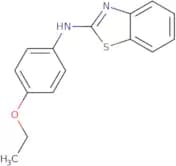
CAS:<p>2-(4-Aminophenyl)acetamide is a white crystalline solid with a melting point of 146°C. It has the optical rotation of +232° and 13c-nmr spectroscopy in DMSO-d6, with chemical shifts at δ = 9.3 (1H), 8.8 (1H), 7.5 (2H), 5.9 (1H), 5.8 (1H). 2-(4-Aminophenyl)acetamide has been synthesized from 4-aminobenzenesulfonyl chloride and 2-methylacetic acid in the presence of triethylamine and potassium carbonate as catalysts. This compound has two conformations, one being lamellar and the other being switchable between lamellar and non-lamellar structures due to its amide linkage. In addition, this compound can be used to study bacterial cell wall biosynthesis by using microscopy</p>Formula:C8H10N2OPurity:Min. 95%Molecular weight:150.18 g/molBenzothiazol-2-yl-(4-ethoxy-phenyl)-amine
CAS:Benzothiazol-2-yl-(4-ethoxy-phenyl)-amine is a compound that has been shown to be active against solid tumours and metastases. It has been shown to inhibit phosphatase activity in the presence of monoclonal antibodies, which is an indicator for cancerous cells. Benzothiazol-2-yl-(4-ethoxy-phenyl)-amine may be used as a diagnostic marker for determining the presence of cancer cells in patients with infectious diseases, such as HIV/AIDS. This compound has also been shown to inhibit phosphatase activity in the presence of monoclonal antibodies, which is an indicator for cancerous cells. Benzothiazol-2-yl-(4-ethoxy-phenyl)-amine may be used as a diagnostic marker for determining the presence of cancer cells in patients with infectious diseases, such as HIV/AIDS.Formula:C15H14N2OSPurity:Min. 95%Molecular weight:270.4 g/mol2-(Dimethylamino)-6-hydroxypyrimidine-4-carboxylic Acid
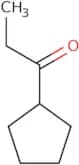
CAS:<p>Versatile small molecule scaffold</p>Formula:C7H9N3O3Purity:Min. 95%Molecular weight:183.16 g/mol1-Cyclopentylpropan-1-one
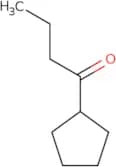
CAS:<p>Cyclopentylpropan-1-one is an organic compound with the chemical formula CH3C(O)CH2CH2CH2. It is a cyclic ketone that can be synthesized by reacting boron trifluoride etherate with aldehydes. Cyclopentylpropan-1-one has stereochemical and diastereomeric properties, which can be determined by looking at the spectral data. The molecular geometry of cyclopentylpropan-1-one is also chiral and there are two possible configurations of this molecule.</p>Formula:C8H14OPurity:Min. 95%Molecular weight:126.2 g/mol1-Cyclopentylbutan-1-one
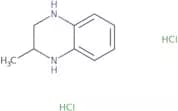
CAS:<p>Versatile small molecule scaffold</p>Formula:C9H16OPurity:Min. 95%Molecular weight:140.22 g/mol2-Methyl-1,2,3,4-tetrahydroquinoxaline
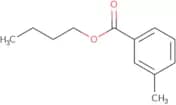
CAS:<p>2-Methyl-1,2,3,4-tetrahydroquinoxaline is an enantioselective antioxidant that has been shown to have a chiral conformation. It has also been found to be a catalyst in the reductive elimination of hydrochloric acid. This compound can be hydrogenated by catalytic hydrogenation and this reaction produces tetralin as a by-product. 2-Methyl-1,2,3,4-tetrahydroquinoxaline is used in research because it contains a methyl group and amines that are important for biological functions.</p>Formula:C9H12N2Purity:Min. 95%Molecular weight:148.2 g/molButyl 3-methylbenzoate
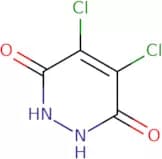
CAS:Versatile small molecule scaffoldFormula:C12H16O2Purity:Min. 95%Molecular weight:192.25 g/mol4,5-Dichloropyridazine-3,6-diol
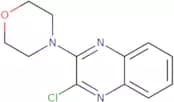
CAS:<p>Dichloropyridazine-3,6-diol is a furan derivative that has been shown to act as an inhibitor of the oxidative deamination of pyridine. It is also a nucleophilic reagent with a chlorine atom and two hydroxylamine groups in its structure. The carbonyl oxygen atom and the cyclic carbonyl group are both susceptible to oxidation and can be used to form chlorides. Dichloropyridazine-3,6-diol is resistant to acid chlorides such as thionyl chloride or phosphoric acid. This compound undergoes dehydration reactions with carboxylic acids and chlorides, yielding the corresponding carboxylate or chloride.</p>Formula:C4H2Cl2N2O2Purity:Min. 95%Molecular weight:180.97 g/mol2-Chloro-3-(morpholin-4-yl)quinoxaline
CAS:Versatile small molecule scaffoldFormula:C12H12ClN3OPurity:Min. 95%Molecular weight:249.69 g/mol(6-Bromobenzo[d][1,3]dioxol-5-yl)methanol
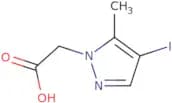
CAS:<p>Versatile small molecule scaffold</p>Formula:C8H7BrO3Purity:Min. 95%Molecular weight:231.04 g/mol2-(4-Iodo-5-methyl-1H-pyrazol-1-yl)acetic acid
CAS:<p>Versatile small molecule scaffold</p>Formula:C6H7IN2O2Purity:Min. 95%Molecular weight:266.04 g/mol2-(4-Iodo-3-methyl-1H-pyrazol-1-yl)acetic acid
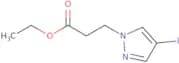
CAS:<p>Versatile small molecule scaffold</p>Formula:C6H7IN2O2Purity:Min. 95%Molecular weight:266.04 g/molEthyl 3-(4-iodopyrazol-1-yl)propanoate
CAS:<p>Versatile small molecule scaffold</p>Formula:C8H11IN2O2Purity:Min. 95%Molecular weight:294.09 g/mol6-(4-Bromophenyl)-2H,3H,5H,6H-imidazo[2,1-b][1,3]thiazole
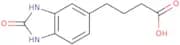
CAS:6-(4-Bromophenyl)-2H,3H,5H,6H-imidazo[2,1-b][1,3]thiazole is a phosphatase inhibitor. It is used to treat hyperphosphatemia in patients with end-stage renal disease who are on dialysis. 6-(4-Bromophenyl)-2H,3H,5H,6H-imidazo[2,1-b][1,3]thiazole inhibits the activity of tyrosine phosphatases and prevents the uptake of calcium and phosphate from the gastrointestinal tract. This drug has been shown to improve bone mineralization in postmenopausal women with osteoporosis.Formula:C11H11BrN2SPurity:Min. 95%Molecular weight:283.19 g/mol4-(2-Oxo-2,3-dihydro-1H-1,3-benzodiazol-5-yl)butanoic acid
CAS:<p>Versatile small molecule scaffold</p>Formula:C11H12N2O3Purity:Min. 95%Molecular weight:220.22 g/molmethyl 2-(4-amino-1H-pyrazol-1-yl)acetate hydrochloride
CAS:<p>Versatile small molecule scaffold</p>Formula:C6H10ClN3O2Purity:Min. 95%Molecular weight:191.6 g/mol4-Iodo-1,5-dimethyl-1H-pyrazole-3-carboxylic acid
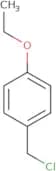
CAS:<p>Versatile small molecule scaffold</p>Formula:C6H7IN2O2Purity:Min. 95%Molecular weight:266.04 g/mol1-(Chloromethyl)-4-ethoxybenzene
CAS:<p>1-(Chloromethyl)-4-ethoxybenzene is an alkylation agent that is used as a phase transfer catalyst in the conversion of toluene to ethylbenzene. The reaction can be catalyzed by sodium hydroxide, which causes the chloride ion from 1-(chloromethyl)-4-ethoxybenzene to react with sodium hydroxide and form sodium chloride (table salt). This reaction produces an ether group (-O-CH2-) on the benzene ring of 1-(chloromethyl)-4-ethoxybenzene. Elemental analysis has shown that 1-(chloromethyl)-4-ethoxybenzene has a 98% yield for the product, ethylbenzene. Spectrometry has confirmed that 1-(chloromethyl)-4-ethoxybenzene contains three carbon atoms, nine hydrogen atoms, two chlorine atoms, and one oxygen atom.</p>Formula:C9H11ClOPurity:Min. 95%Molecular weight:170.64 g/mol2-Nitrobenzene-1-sulfonyl azide
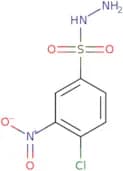
CAS:Versatile small molecule scaffoldFormula:C6H4N4O4SPurity:Min. 95%Molecular weight:228.19 g/mol4-Chloro-3-nitrobenzene-1-sulfonohydrazide
CAS:Versatile small molecule scaffoldFormula:C6H6ClN3O4SPurity:Min. 95%Molecular weight:251.65 g/mol2-[(2-Methylphenyl)methyl]-1H-1,3-benzodiazole
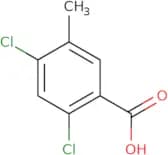
CAS:<p>Versatile small molecule scaffold</p>Formula:C15H14N2Purity:Min. 95%Molecular weight:222.28 g/mol2,4-Dichloro-5-methylbenzoic acid
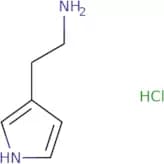
CAS:<p>Versatile small molecule scaffold</p>Formula:C8H6Cl2O2Purity:Min. 95%Molecular weight:205.03 g/mol2-(1H-Pyrrol-3-yl)ethan-1-amine hydrochloride
CAS:Versatile small molecule scaffoldFormula:C6H11ClN2Purity:Min. 95%Molecular weight:146.62 g/mol2-Bromooxane
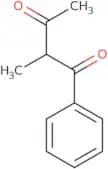
CAS:2-Bromooxane is a molecule that binds to the alkylthio group on the surface of cells. It has been shown to be effective in the treatment of hepatitis and inflammatory diseases such as rheumatoid arthritis. 2-Bromooxane has also been shown to induce apoptotic cell death in macrophages, which may be due to its ability to inhibit the synthesis of inflammatory cytokines and chemokines. This drug also has nitrogen atoms that can form hydrogen bonds with hydroxyl groups in proteins, which may account for its biological properties.Formula:C5H9BrOPurity:Min. 95%Molecular weight:165.03 g/mol2-Methyl-1-phenylbutane-1,3-dione
CAS:<p>2-Methyl-1-phenylbutane-1,3-dione is a chemical intermediate that belongs to the group of alkyl bromides. It is used as an herbicide and a pesticide, and can be reduced to 2-methyl-2-(4'-bromophenyl)pentanal by reductive cleavage with chlorine. The reduction of 2-methyl-1-phenylbutane-1,3-dione by hydrogen gas leads to the diastereoisomers 2-(4'-bromophenyl)-2-(2'-methylpropionyl)pentanal and 3-(4'-bromophenyl)-2-(2'-methylpropionyl)pentanal. The former is a chiral molecule that can be used as a medicine for high blood pressure, while the latter has been shown to be effective against microbial strains such as Escherichia coli and Candida albicans.</p>Formula:C11H12O2Purity:Min. 95%Molecular weight:176.21 g/mola-(1-Methylethyl)benzenemethanamine
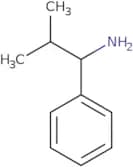
CAS:a-(1-Methylethyl)benzenemethanamine is a phenylalkylamine that has been modified to contain a chloride group. It can be used as an analytical tool to study the effects of molecular modifications on the inhibitory potency and selectivity of phenylalkylamines. The chloride group was introduced in order to increase the solubility of this molecule in water and make it more compatible with other molecules that are often used for analysis, such as isopropyl alcohol. Electrospray ionization (ESI) was employed to generate a positive ion spectrum, which was then analyzed by a mass spectrometer (MS). Molecular modeling studies were also conducted using quantum chemical tools to predict the structure of this compound. Structural modifications were made based on these predictions in order to optimize properties such as inhibitory potency and selectivity. These changes were validated using ESI-MS analysis and then confirmed by molecular modeling studies. This compound can be usedFormula:C10H15NPurity:Min. 95%Molecular weight:149.23 g/moltert-Butoxybenzene
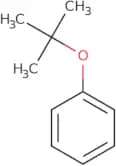
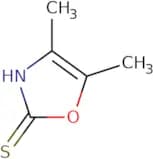
CAS:<p>Tert-Butoxybenzene is a chemical compound that is used to manufacture other chemicals. It is used as a reagent in organic synthesis, in particular for the preparation of derivatives of salicylic acid. Tert-Butoxybenzene can be detected by electron spin resonance spectroscopy and nuclear magnetic resonance spectroscopy. The health effects of tert-butoxybenzene are not well known, but it has been linked with cancer in animals and humans. Tert-butoxybenzene also reacts with hydrochloric acid to produce hydrogen chloride and benzyl alcohol. Further reactions lead to the formation of isobutene, which can be converted into propylene carbonate or alkylated to form methyl tert-butyl ether (MTBE).</p>Formula:C10H14OPurity:Min. 95%Molecular weight:150.21 g/molDimethyl-1,3-oxazole-2-thiol
CAS:<p>Versatile small molecule scaffold</p>Formula:C5H7NOSPurity:Min. 95%Molecular weight:129.18 g/mol2-Azaspiro[5.5]undec-8-ene
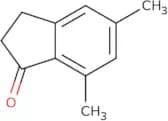
CAS:<p>Versatile small molecule scaffold</p>Formula:C10H17NPurity:Min. 95%Molecular weight:151.25 g/mol5,7-Dimethyl-2,3-dihydro-1H-inden-1-one
CAS:<p>5,7-Dimethyl-2,3-dihydro-1H-inden-1-one is a cytotoxic agent that is used in vivo to study tumor models. It has been shown to be potent and cytotoxic against tumor cells. The drug inhibits the growth of colon cancer cells by binding to the DNA chain at the level of purine nucleoside phosphorylase. 5,7-Dimethyl-2,3-dihydro-1H-inden-1-one also inhibits carboxamides and lipophilic substituents in the cell membrane. This drug is also an inhibitor that blocks purine nucleoside phosphorylase and prevents synthesis of purines from ATP and hypoxanthine.</p>Formula:C11H12OPurity:Min. 95%Molecular weight:160.21 g/mol1-Phenyl-2-pentanone
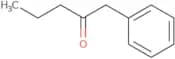
CAS:<p>1-Phenyl-2-pentanone is an organic solvent that is used to dissolve other substances. It can be found in coatings and resins, as well as in hexane and naphthol. 1-Phenyl-2-pentanone has been used in the synthesis of benzene derivatives, such as mandelonitrile. This compound is reactive with hydroxy groups and cyclic ethers, which may lead to the formation of benzoate esters. The phenyl groups allow for the detection of this compound by mass spectrometry.</p>Formula:C11H14OPurity:Min. 95%Molecular weight:162.23 g/mol2-(2-Imino-2,3-dihydro-1,3-thiazol-3-yl)-1-(thiophen-2-yl)ethan-1-ol
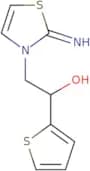
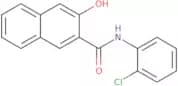
CAS:<p>Versatile small molecule scaffold</p>Formula:C9H10N2OS2Purity:Min. 95%Molecular weight:226.3 g/mol3-Hydroxy-2-naphthoic Acid 2-Chloroanilide
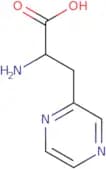
CAS:<p>Versatile small molecule scaffold</p>Formula:C17H12ClNO2Purity:Min. 95%Molecular weight:297.74 g/mol2-Amino-3-(pyrazin-2-yl)propanoic acid
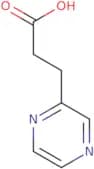
CAS:<p>Versatile small molecule scaffold</p>Formula:C7H9N3O2Purity:Min. 95%Molecular weight:167.17 g/mol3-(2-Pyrazinyl)propanoic acid
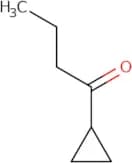
CAS:<p>Versatile small molecule scaffold</p>Formula:C7H8N2O2Purity:Min. 95%Molecular weight:152.15 g/mol1-Cyclopropylbutan-1-one
CAS:Versatile small molecule scaffoldFormula:C7H12OPurity:Min. 95%Molecular weight:112.17 g/molDimethyl[2-(phenylamino)ethyl]amine
CAS:<p>Versatile small molecule scaffold</p>Formula:C10H16N2Purity:Min. 95%Molecular weight:164.25 g/mol4,8-Dioxatricyclo[4.2.1.0,3,7]nonan-5-one
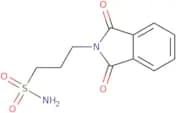
CAS:<p>Versatile small molecule scaffold</p>Formula:C7H8O3Purity:Min. 95%Molecular weight:140.14 g/mol3-(1,3-Dioxo-2,3-dihydro-1H-isoindol-2-yl)propane-1-sulfonamide
CAS:<p>Versatile small molecule scaffold</p>Formula:C11H12N2O4SPurity:Min. 95%Molecular weight:268.29 g/mol1-Cycloheptylethan-1-one
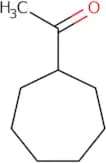
CAS:<p>1-Cycloheptylethan-1-one is a nitro compound that is used as an intermediate in the production of pharmaceuticals. It is also used to produce dyes and coolants. It has been shown to have bronchodilatory effects, which may be due to its ability to relax smooth muscle cells in the bronchi. 1-Cycloheptylethan-1-one has also been shown to have antiosteoporotic properties, which may be due to its ability to inhibit bone resorption and stimulate bone formation. 1-Cycloheptylethan-1-one has been reported as a racemate, but it has also been reported as a transfer agent.</p>Formula:C9H16OPurity:Min. 95%Molecular weight:140.22 g/mol6-Oxa-2-azabicyclo[3.2.1]octan-7-one
CAS:<p>Versatile small molecule scaffold</p>Formula:C6H9NO2Purity:Min. 95%Molecular weight:127.14 g/mol4-Azatricyclo[5.2.2.0,2,6]undec-8-ene-3,5-dione
CAS:4-Azatricyclo[5.2.2.0,2,6]undec-8-ene-3,5-dione (ATU) is a chemical compound that has been shown to have antimicrobial properties. It inhibits the growth of gram-negative and gram-positive bacteria and shows significant inhibition of MT4 cells in culture. ATU also demonstrated antifungal properties against Candida albicans and Aspergillus niger in vitro. ATU has been found to be cytotoxic to cells in culture, but not to mammals. The mechanism of action is not known, but it may be due to binding with DNA or RNA.>>END>>Formula:C10H11NO2Purity:Min. 95%Molecular weight:177.2 g/mol3-(4-Iodo-5-methyl-1H-pyrazol-1-yl)propanoic acid
CAS:<p>Versatile small molecule scaffold</p>Formula:C7H9IN2O2Purity:Min. 95%Molecular weight:280.06 g/mol3,3-Dimethyl-1-phenylbutan-2-one
CAS:<p>3,3-Dimethyl-1-phenylbutan-2-one is a ketone that can be prepared by the hydration of acetophenone with toluene. The yield for this reaction is about 56%. This ketone has been shown to undergo photochemical reactions in benzene and dioxane. These reactions are classified as triketones, which are characterized by their electron transfer properties. 3,3-Dimethyl-1-phenylbutan-2-one is also capable of undergoing vicinal dioxan transfer reactions with electron donors like phenols or nitro compounds.</p>Formula:C12H16OPurity:Min. 95%Molecular weight:176.25 g/molPyrazolo[3,2-c][1,2,4]triazin-4-ol
CAS:Versatile small molecule scaffoldFormula:C5H4N4OPurity:Min. 95%Molecular weight:136.11 g/mol4-Iodobutanenitrile
CAS:<p>4-Iodobutanenitrile is a synthetic compound that is used in the preparation of cyclobutanones. It can be prepared by the reaction of bromoacetic acid chloride with lysine. This procedure yields the product in high yield and purity and without significant amounts of undesired side products, such as 4-bromobutanenitrile and 2-chlorobenzene. The 4-iodobutanenitrile is synthesized using an asymmetric synthesis which includes hydrochloric acid as a reagent.</p>Formula:C4H6INPurity:Min. 95%Molecular weight:195 g/mol5-Iodopentanenitrile
CAS:<p>5-Iodopentanenitrile is a reactive chemical that can be used to produce organic compounds. This compound is an intermediate in the production of 5-iodo-1,3-dihydrobenzofuran and 5-iodoquinoline. It is also used for the production of pharmaceutical intermediates such as fluoroquinolones and alkylating agents. The mechanism of this chemical's reactivity has been studied extensively, which led to the discovery that it reacts by nucleophilic addition at electron deficient carbonyls groups. These reactions are known as Grignard reactions or halolactonizations. This chemical has also been shown to be reactive with biomolecules, such as DNA and RNA, and can bind to their sugar residues.</p>Formula:C5H8INPurity:Min. 95%Molecular weight:209.03 g/mol6-Bromo-4,5-dihydro-1H-benzo[b]azepin-2(3H)-one
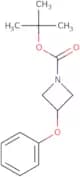
CAS:<p>Versatile small molecule scaffold</p>Formula:C10H10BrNOPurity:Min. 95%Molecular weight:240.1 g/moltert-Butyl 3-phenoxyazetidine-1-carboxylate
CAS:<p>Tert-butyl 3-phenoxyazetidine-1-carboxylate is a boronate ester that can be used in the coupling of arylboronic acids. It reacts with aryl halides or triflates to form a new carbon-carbon bond. This reaction proceeds through the formation of an intermediate, phenoxyacetylene. The tertiary alcohol group on the tert-butyl 3-phenoxyazetidine-1-carboxylate molecule is then attacked by the carbonyl carbon atom on the phenoxyacetylene intermediate to form a new carbon-carbon bond. This reaction can be catalyzed with palladium and copper catalysis.</p>Formula:C14H19NO3Purity:Min. 95%Molecular weight:249.3 g/mol2-cyclopropyl-1-phenylethan-1-one
CAS:<p>2-Cyclopropyl-1-phenylethan-1-one is a drug that has been used in the treatment of psychosis. It has been shown to have growth regulatory properties and to be able to inhibit the conversion of catecholamines and serotonin into their respective metabolites. 2-Cyclopropyl-1-phenylethan-1-one also decreases the level of dopamine, which can lead to symptoms such as psychosis. This drug is used for the treatment of hypofunction and may be effective in patients with Parkinson's disease who have low levels of dopamine in their brains. 2-Cyclopropyl-1-phenylethan-1-one has been shown to produce a number of hydrosilylation products when reacted with an alkene or alkyne substrate. These reactions are catalyzed by platinum complexes, which often undergo formylation, cyclization, or addition reactions during these processes. The 2-, 3-, 4-, 5-,</p>Formula:C11H12OPurity:Min. 95%Molecular weight:160.21 g/mol

![(6-Bromobenzo[d][1,3]dioxol-5-yl)methanol](/_next/image/?url=https%3A%2Fstatic.cymitquimica.com%2Fproducts%2F3D%2Fthumb-webp%2FGAA64234.webp&w=3840&q=75)

![6-(4-Bromophenyl)-2H,3H,5H,6H-imidazo[2,1-b][1,3]thiazole](/_next/image/?url=https%3A%2Fstatic.cymitquimica.com%2Fproducts%2F3D%2Fthumb-webp%2FGAA64646.webp&w=3840&q=75)



![2-[(2-Methylphenyl)methyl]-1H-1,3-benzodiazole](/_next/image/?url=https%3A%2Fstatic.cymitquimica.com%2Fproducts%2F3D%2Fthumb-webp%2FGAA65983.webp&w=3840&q=75)

![2-Azaspiro[5.5]undec-8-ene](/_next/image/?url=https%3A%2Fstatic.cymitquimica.com%2Fproducts%2F3D%2Fthumb-webp%2FGAA67173.webp&w=3840&q=75)
![Dimethyl[2-(phenylamino)ethyl]amine](/_next/image/?url=https%3A%2Fstatic.cymitquimica.com%2Fproducts%2F3D%2Fthumb-webp%2FGAA71146.webp&w=3840&q=75)
![4,8-Dioxatricyclo[4.2.1.0,3,7]nonan-5-one](/_next/image/?url=https%3A%2Fstatic.cymitquimica.com%2Fproducts%2F3D%2Fthumb-webp%2FGAA71283.webp&w=3840&q=75)
![6-Oxa-2-azabicyclo[3.2.1]octan-7-one](/_next/image/?url=https%3A%2Fstatic.cymitquimica.com%2Fproducts%2F3D%2Fthumb-webp%2FGAA71441.webp&w=3840&q=75)
![4-Azatricyclo[5.2.2.0,2,6]undec-8-ene-3,5-dione](/_next/image/?url=https%3A%2Fstatic.cymitquimica.com%2Fproducts%2F3D%2Fthumb-webp%2FGAA71529.webp&w=3840&q=75)


![Pyrazolo[3,2-c][1,2,4]triazin-4-ol](/_next/image/?url=https%3A%2Fstatic.cymitquimica.com%2Fproducts%2F3D%2Fthumb-webp%2FGAA72665.webp&w=3840&q=75)


![6-Bromo-4,5-dihydro-1H-benzo[b]azepin-2(3H)-one](/_next/image/?url=https%3A%2Fstatic.cymitquimica.com%2Fproducts%2F3D%2Fthumb-webp%2FGAA72930.webp&w=3840&q=75)