Building Blocks
Subcategories of "Building Blocks"
- Boronic Acids & Boronic Acid Derivatives(5,780 products)
- Chiral Building Blocks(1,241 products)
- Hydrocarbon Building Blocks(6,100 products)
- Organic Building Blocks(61,029 products)
Found 205306 products of "Building Blocks"
Ethyl 3-bromo-2,2-dimethylpropanoate
CAS:Versatile small molecule scaffold
Formula:C7H13BrO2Purity:Min. 95%Molecular weight:209.08 g/mol3-Amino-2,2-dimethylpropanoic acid hydrochloride
CAS:Versatile small molecule scaffoldFormula:C5H11NO2·HClPurity:Min. 95%Molecular weight:153.61 g/molo-[2-(Dimethylamino)ethyl]hydroxylamine dihydrochloride
CAS:Versatile small molecule scaffoldFormula:C4H14Cl2N2OPurity:Min. 95%Molecular weight:177.07 g/molBML-190
CAS:BML-190 is a quinoline compound that inhibits the growth of cancer cells. It has antimicrobial activity and can bind to the CB2 receptor on cells, preventing the binding of endogenous cannabinoids. BML-190 also blocks the production of certain growth factors and erythropoietin, which may inhibit tumor proliferation. BML-190 has been shown to have anti-inflammatory properties in animal models. This drug has been shown to have anticancer effects in rat liver microsomes and colorectal carcinoma cells in vitro. BML-190 is not active against cryptococcus neoformans, although it inhibits pluripotent stem cell growth in vitro.Formula:C23H23ClN2O4Purity:Min. 95%Molecular weight:426.89 g/mol2-(Bromomethyl)-3-methoxy-4H-pyran-4-one
CAS:Versatile small molecule scaffoldFormula:C7H7BrO3Purity:Min. 95%Molecular weight:219.03 g/mol2-[(2-Methoxyphenyl)methyl]cyclopentan-1-one
CAS:Versatile small molecule scaffoldFormula:C13H16O2Purity:Min. 95%Molecular weight:204.26 g/mol2-[(4-Chlorophenyl)methyl]cyclopentan-1-one
CAS:Versatile small molecule scaffoldFormula:C12H13ClOPurity:Min. 95%Molecular weight:208.68 g/molN-(4-Chlorophenyl)benzenecarboxamide
CAS:N-(4-Chlorophenyl)benzenecarboxamide (PCBAA) is a reactive amide. It is used to prepare the corresponding acid chloride, which can be reacted with alcohols or amines to form esters and amides respectively. The rate of the reaction between PCBAA and water is linearly dependent on the concentration of PCBAA. The reaction is first order in both reactants and second order overall. The theory behind this chemical reaction is called nucleophilic attack theory, in which a nucleophile attacks an electrophilic carbon atom in an organic molecule. This mechanism occurs when a nucleophile such as water or alcohol attacks the carbonyl group of PCBAA, leading to a nucleophilic addition.Formula:C13H10ClNOPurity:Min. 95%Molecular weight:231.68 g/mol2-Benzylcyclopentanone
CAS:Loxoprofen sodium is a nonsteroidal anti-inflammatory drug that has been shown to inhibit the production of prostaglandins. 2-Benzylcyclopentanone is a natural toxin found in plants, which can be extracted from the seeds of plants like alfalfa and parsley. It is used as an intermediate for the synthesis of loxoprofen sodium. The toxic effects of 2-benzylcyclopentanone are due to its ability to inhibit membrane conductance by binding to amines and chloride ions. In high concentrations, it can lead to homochiral molecules and induce loxoprofen sodium formation.
Formula:C12H14OPurity:Min. 95%Molecular weight:174.24 g/mol2,2-Dimethyldodecanoic acid
CAS:2,2-Dimethyldodecanoic acid is a fatty acid ester that is prepared by the reaction of malonic acid with a fatty acid. It has been used as a lubricant and in the production of liquid crystals. 2,2-Dimethyldodecanoic acid has been shown to have efficient methods for biomolecular labeling and immobilization. This compound also exhibits amide-like properties and has functional groups such as hydroxyl, carboxylic acid, and aliphatic chains. The structure of 2,2-Dimethyldodecanoic acid is constant throughout its transformation from an acidic form to a more neutral form. Slow release may be achieved through this process because the molecule maintains its shape after being converted into a neutral state.Formula:C14H28O2Purity:Min. 95%Molecular weight:228.37 g/molEthyl 2-(naphthalen-2-yl)acetate
CAS:Ethyl 2-(naphthalen-2-yl)acetate is an organic compound that is a colorless liquid with a pleasant, fruity odor. It has the molecular formula C10H12O2 and it consists of an ethyl group attached to an acetate group. This product is used in the synthesis of other compounds and as a solvent for dyes and resins. Ethyl 2-(naphthalen-2-yl)acetate can be synthesized by substituting chloride for bromide in the reaction between methanol and naphthalene. The substitution can also be accomplished by adding potassium hydroxide or sodium hydroxide to the reaction mixture.Formula:C14H14O2Purity:Min. 95%Molecular weight:214.26 g/molMethyl 2-naphthylacetate
CAS:Methyl 2-naphthylacetate is a prenylated aromatic compound that is used as an intermediate in the synthesis of leucovorin, an analogue of folic acid. It has been shown to be effective in the treatment of benzofurans and aldehydes. Methyl 2-naphthylacetate binds with high affinity to cationic surfactants and chiral salts. This compound has also been used as a radical chain initiator for the synthesis of benzofurans and aldehydes, as well as being detected at high concentrations in plasma samples by nmr spectroscopy.Formula:C13H12O2Purity:Min. 95%Molecular weight:200.23 g/mol8-(hydroxymethyl)-1,3-dimethyl-1H-purine-2,6(3H,7H)-dione
CAS:Versatile small molecule scaffold
Formula:C8H10N4O3Purity:Min. 95%Molecular weight:210.19 g/mol(2E)-3-(2-Cyanophenyl)prop-2-enoic acid
CAS:2-Cyanophenylacetic acid (2CAPA) is a mitochondrial matrix stabilizer that acts as an antioxidant by binding to the hydroxyl and amino groups of fatty acids. It is used to protect against lipid peroxidation in muscle tissue and human erythrocytes. 2CAPA has been shown to have a protective effect on mitochondria, which are cells' powerhouses. It reversibly binds to the mitochondrial membrane and prevents its oxidation, thereby preventing cell death. This drug also has affinity for the cell membrane of resistant bacteria and inhibits fatty acid synthesis in the cytoplasmic membrane of these bacteria. The hydroxyl group on 2CAPA can react with nucleophilic groups on proteins, such as aldehyde dehydrogenase, leading to inhibition of enzymes involved in mitochondrial respiration.
Formula:C10H7NO2Purity:Min. 95%Molecular weight:173.17 g/mol1-(2-Hydroxy-4-methylphenyl)propan-1-one
CAS:1-(2-Hydroxy-4-methylphenyl)propan-1-one is an alkylphenol that is used in the production of polymers and as a precursor for other chemicals. It has a dienone structure, which means it has two double bonds in the same plane. The two methyl groups give it an isomeric ratio of 1:1. Alkylphenols have been reinvestigated for their use in polymerization reactions because of their kinetic stability and lack of rearrangements. This chemical reacts with lanthanide ions to form complexes such as [Ln(CHCOO)]. The alkyl groups on the molecule are important for its use as a precursor in the production of polymers and other chemicals.Formula:C10H12O2Purity:Min. 95%Molecular weight:164.2 g/mol1-(4-Hydroxy-2-methylphenyl)propan-1-one
CAS:Versatile small molecule scaffoldFormula:C10H12O2Purity:Min. 95%Molecular weight:164.2 g/mol1-(1-Methylcyclohexyl)ethanone
CAS:1-(1-Methylcyclohexyl)ethanone is an unsaturated ketone that is used for the production of fatty acid esters. It is also a volatile compound, which means it evaporates easily. The most significant use of 1-(1-Methylcyclohexyl)ethanone is in the production of carbinols and fatty acids. In addition, 1-(1-Methylcyclohexyl)ethanone has been shown to be photosensitized by uv irradiation and liquefaction. The mechanism of how this compound works is not yet fully understood; however, it has been found to inhibit the growth of aspergillus flavus and sulphureus in laboratory studies.Formula:C9H16OPurity:Min. 95%Color and Shape:PowderMolecular weight:140.22 g/mol2-(Piperidine-1-carbonyl)phenol
CAS:Versatile small molecule scaffold
Formula:C12H15NO2Purity:Min. 95%Molecular weight:205.25 g/mol1-(3-Chloro-4-hydroxyphenyl)propan-1-one
CAS:1-(3-Chloro-4-hydroxyphenyl)propan-1-one is an unlabelled, radioactive compound. It is a chemical intermediate for the synthesis of butylamino and other organic compounds.Formula:C9H9ClO2Purity:Min. 95%Molecular weight:184.62 g/mol7-Bromo-5-phenyl-2,3-dihydro-1H-1,4-benzodiazepin-2-one
CAS:Controlled ProductVersatile small molecule scaffold
Formula:C15H11BrN2OPurity:Min. 95%Molecular weight:315.16 g/molEthyl 2-(4-methoxyphenyl)-2-methylpropanoate
CAS:Versatile small molecule scaffoldFormula:C13H18O3Purity:Min. 95%Molecular weight:222.28 g/mol2,4-Diphenylbutanoic acid
CAS:Versatile small molecule scaffoldFormula:C16H16O2Purity:Min. 95%Molecular weight:240.3 g/mol2-({4-Chloro-6-[(propan-2-yl)amino]-1,3,5-triazin-2-yl}amino)ethan-1-ol
CAS:Versatile small molecule scaffoldFormula:C8H14ClN5OPurity:Min. 95%Molecular weight:231.68 g/mol1-Benzylpiperidine
CAS:1-Benzylpiperidine is a drug that inhibits the enzyme acetylcholinesterase, which is responsible for breaking down the neurotransmitter acetylcholine. It has been shown to be effective in treating bowel disease and is being investigated as a potential treatment for autoimmune diseases, including multiple sclerosis. 1-Benzylpiperidine has also been found to be effective in preventing neuronal death in an animal model of Alzheimer's disease. The molecular docking analysis of 1-benzylpiperidine revealed that it binds to the active site of acetylcholinesterase by steric interactions with a nitrogen atom in the active site. This binding prevents access of acetylcholine and other inhibitors to the active site of acetylcholinesterase, thereby inhibiting its activity.
Formula:C12H17NPurity:Min. 95%Molecular weight:175.28 g/mol2,3-Dichlorobenzoyl chloride
CAS:2,3-Dichlorobenzoyl chloride is an organic compound that is used as a pharmacological agent. It is a benzimidazole derivative with amide and fatty acid substituents. 2,3-Dichlorobenzoyl chloride has been shown to increase insulin sensitivity in rats by affecting the hypothalamic-pituitary-adrenal axis. This compound also has anti-inflammatory properties and can be used for the treatment of inflammatory diseases such as atherosclerotic cardiovascular disease.Formula:C7H3Cl3OPurity:Min. 95%Molecular weight:209.46 g/molDiethyl (2-oxooxolan-3-yl)phosphonate
CAS:Versatile small molecule scaffoldFormula:C8H15O5PPurity:Min. 95%Molecular weight:222.18 g/mol2-(Dicyclohexylamino)-N-(4-{4-[2-(dicyclohexylamino)acetamido]benzenesulfonyl}phenyl)acetamide
CAS:Versatile small molecule scaffold
Formula:C40H58N4O4SPurity:Min. 95%Molecular weight:691 g/mol5-(Bromomethyl)-2-methylpyrimidin-4-amine hydrobromide
CAS:Versatile small molecule scaffoldFormula:C6H9Br2N3Purity:Min. 95%Molecular weight:282.97 g/molN,N-Dimethylethanimidamide hydrochloride
CAS:Controlled ProductVersatile small molecule scaffoldFormula:C4H11ClN2Purity:Min. 95%Molecular weight:122.6 g/mol±-Chlorophenylacetyl Chloride
CAS:±-Chlorophenylacetyl Chloride is a chemical reagent that is used in organic chemistry. It reacts with tetronic acid to form a ruthenium complex, which can be used as a catalyst for organic reactions. It has been shown to react with n-dimethyl formamide and sodium chloride, forming an insoluble precipitate. The rate of reaction depends on the morphology of the reactant and whether it is soluble or not. The reactive properties of ±-chlorophenylacetyl chloride are due to its chlorine atom, which forms a stable bond with a carbon atom on the reactant. This product has been shown to have low expression levels in Chinese herbs and fetal bovine serum when compared to subtilis.Formula:C8H6Cl2OPurity:Min. 95%Molecular weight:189.04 g/mol2-Hydroxy-3-nitrobenzamide
CAS:2-Hydroxy-3-nitrobenzamide is a cyclic, layered amide with the formula (NHCH)CO. It is a polymeric compound that has been shown to be effective in the treatment of bovine heart arrhythmia and as an antiarrhythmic agent in mice. 2-Hydroxy-3-nitrobenzamide can be synthesized by oxidative nitration of 2-aminoanisole followed by hydrolysis of the resulting nitro group. This compound also reacts with amines to form dimers and hydrogen bonding can occur between its nitro group and amino group.Formula:C7H6N2O4Purity:Min. 95%Molecular weight:182.13 g/molN-(1-Phenylethyl)hydroxylamine
CAS:N-(1-Phenylethyl)hydroxylamine is a research chemical that belongs to the class of oximes. It has been shown to react with a variety of amines and lipoxygenase in the presence of p-toluenesulfonic acid to form an N-hydroxyamino derivative. This reaction is stereospecific and enantioselective, which means it will only take place when the chiral center is on one side of the molecule. The hydroxylamine group is also synthesized by a novel asymmetric synthesis method involving ketones. This synthetic process uses tert-butyl and primary amines, which are racemized during the reaction.
Formula:C8H11NOPurity:Min. 95%Molecular weight:137.18 g/mol2-(2-Fluoro-phenoxy)-ethanol
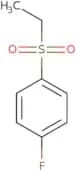
CAS:Versatile small molecule scaffoldFormula:C8H9FO2Purity:Min. 95%Molecular weight:156.16 g/mol1-Ethanesulphonyl-4-fluorobenzene
CAS:1-Ethanesulphonyl-4-fluorobenzene is a chemical compound that belongs to the group of fluorinated drugs. It has been used as a drug for the treatment of cancer and inflammatory diseases, such as epilepsy and inflammatory bowel disease. This polymer is biocompatible, which means it does not cause an adverse reaction in living tissue. 1-Ethanesulphonyl-4-fluorobenzene has a wide spectrum of biological properties and is able to inhibit water vapor transport through occlusive polymer matrices. The use of this polymer can be beneficial in the development of new drug delivery systems because it has low toxicity and high stability.
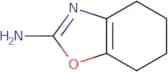
Formula:C8H9FO2SPurity:Min. 95%Molecular weight:188.22 g/mol4,5,6,7-Tetrahydro-1,3-benzoxazol-2-amine
CAS:Versatile small molecule scaffoldFormula:C7H10N2OPurity:Min. 95%Molecular weight:138.17 g/mol2-[(2-Methoxyphenyl)amino]ethan-1-ol
CAS:Versatile small molecule scaffold
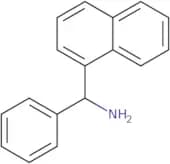
Formula:C9H13NO2Purity:Min. 95%Molecular weight:167.2 g/molalpha-(1-Naphthyl)benzylamine
CAS:Versatile small molecule scaffold
Formula:C17H15NPurity:Min. 95%Molecular weight:233.31 g/mol[(2-Aminoethyl)sulfanyl]sulfonic acid
CAS:[(2-Aminoethyl)sulfanyl]sulfonic acid is an inorganic compound and a corrosion inhibitor. It is the ammonium salt of sulfonic acid, with a pK of 3.75. The molecule has two nitrogen atoms and one sulfur atom, which are unreactive with other compounds and do not form bonds. It is soluble in water, alcohols, ethers, chloroform, and carbon tetrachloride. [(2-Aminoethyl)sulfanyl]sulfonic acid can be used as a corrosion inhibitor for metals such as iron or copper because it does not corrode the metal like some other substances containing sulfur or nitrogen would. This compound also has an acidic nature because it can act as a proton donor to cleave bonds that are second-order rate constants. [(2-Aminoethyl)sulfanyl]sulfonic acid also reacts with aziridine in simulated gas phase reactions to form sulf
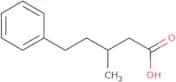
Formula:C2H7NO3S2Purity:Min. 95%Molecular weight:157.22 g/mol3-Methyl-5-phenylpentanoic acid
CAS:Versatile small molecule scaffoldFormula:C12H16O2Purity:Min. 95%Molecular weight:192.25 g/mol1-(5-Methyl-2-phenyl-1,3-oxazol-4-yl)ethan-1-one
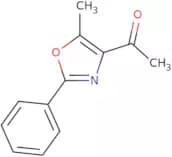
CAS:Versatile small molecule scaffoldFormula:C12H11NO2Purity:Min. 95%Molecular weight:201.22 g/mol2-(4-Chlorophenyl)-5-methyl-1,3-oxazole-4-carboxylic acid
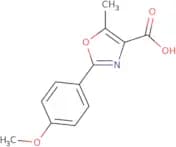
CAS:Versatile small molecule scaffoldFormula:C11H8ClNO3Purity:Min. 95%Molecular weight:237.64 g/mol2-(4-Methoxyphenyl)-5-methyl-1,3-oxazole-4-carboxylic acid
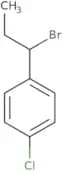
CAS:Versatile small molecule scaffoldFormula:C12H11NO4Purity:Min. 95%Molecular weight:233.22 g/mol1-(1-Bromopropyl)-4-chlorobenzene
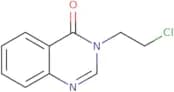
CAS:Versatile small molecule scaffoldFormula:C9H10BrClPurity:Min. 95%Molecular weight:233.53 g/mol3-(2-Chloroethyl)-3,4-dihydroquinazolin-4-one
CAS:Versatile small molecule scaffoldFormula:C10H9ClN2OPurity:Min. 95%Molecular weight:208.64 g/mol2-Methyl-5-nitrobenzo[d]thiazole
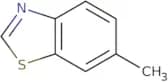
CAS:Versatile small molecule scaffoldFormula:C8H6N2O2SPurity:Min. 95%Molecular weight:194.21 g/mol6-Methyl-1,3-benzothiazole
CAS:6-Methyl-1,3-benzothiazole is a chemical compound that belongs to the class of sulfur. It has been patented for use in the treatment of hepatitis C. 6-Methyl-1,3-benzothiazole is a substituent that can be found in pharmaceutical chemicals. The chemical formula for this compound is C6H4S.Formula:C8H7NSPurity:Min. 95%Molecular weight:149.21 g/mol1-Methyl-1H,2H,3H-pyrazolo[3,4-b]pyridin-3-one
CAS:Versatile small molecule scaffoldFormula:C7H7N3OPurity:Min. 95%Molecular weight:149.15 g/mol4H-Pyrazolo[3,4-d]pyrimidin-4-one, 1,5-dihydro-3-methyl-
CAS:Versatile small molecule scaffold
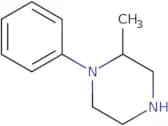
Formula:C6H6N4OPurity:Min. 95%Molecular weight:150.14 g/mol2-Methyl-1-phenylpiperazine
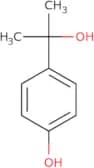
CAS:Versatile small molecule scaffoldFormula:C11H16N2Purity:Min. 95%Molecular weight:176.26 g/mol4-(2-Hydroxypropan-2-yl)phenol
CAS:4-(2-Hydroxypropan-2-yl)phenol is a petrochemical that is obtained from the hydrolysis of phenol. It can be used as a stabilizer for polymers and has been shown to selectively stabilize polystyrene and polypropylene. 4-(2-Hydroxypropan-2-yl)phenol also helps in the crystallization of intermediates, such as 2,4,6-trihydroxyphenylacetic acid, which are used in organic synthesis. The high yield of this chemical makes it an efficient and cost-effective process. 4-(2-Hydroxypropan-2-yl)phenol is also useful in the conversion of phenols into adducts with polymers, which can be used in plastics manufacturing.Formula:C9H12O2Purity:Min. 95%Molecular weight:152.19 g/mol


![o-[2-(Dimethylamino)ethyl]hydroxylamine dihydrochloride](/_next/image/?url=https%3A%2Fstatic.cymitquimica.com%2Fproducts%2F3D%2Fthumb-webp%2FCAA84878.webp&w=3840&q=75)


![2-[(2-Methoxyphenyl)methyl]cyclopentan-1-one](/_next/image/?url=https%3A%2Fstatic.cymitquimica.com%2Fproducts%2F3D%2Fthumb-webp%2FCAA86663.webp&w=3840&q=75)
![2-[(4-Chlorophenyl)methyl]cyclopentan-1-one](/_next/image/?url=https%3A%2Fstatic.cymitquimica.com%2Fproducts%2F3D%2Fthumb-webp%2FCAA86668.webp&w=3840&q=75)


![2-({4-Chloro-6-[(propan-2-yl)amino]-1,3,5-triazin-2-yl}amino)ethan-1-ol](/_next/image/?url=https%3A%2Fstatic.cymitquimica.com%2Fproducts%2F3D%2Fthumb-webp%2FCAA90453.webp&w=3840&q=75)


![2-(Dicyclohexylamino)-N-(4-{4-[2-(dicyclohexylamino)acetamido]benzenesulfonyl}phenyl)acetamide](/_next/image/?url=https%3A%2Fstatic.cymitquimica.com%2Fproducts%2F3D%2Fthumb-webp%2FCAA90788.webp&w=3840&q=75)


![2-[(2-Methoxyphenyl)amino]ethan-1-ol](/_next/image/?url=https%3A%2Fstatic.cymitquimica.com%2Fproducts%2F3D%2Fthumb-webp%2FCAA93375.webp&w=3840&q=75)
![[(2-Aminoethyl)sulfanyl]sulfonic acid](/_next/image/?url=https%3A%2Fstatic.cymitquimica.com%2Fproducts%2F3D%2Fthumb-webp%2FCAA93753.webp&w=3840&q=75)
![2-Methyl-5-nitrobenzo[d]thiazole](/_next/image/?url=https%3A%2Fstatic.cymitquimica.com%2Fproducts%2F3D%2Fthumb-webp%2FCAA94166.webp&w=3840&q=75)
![1-Methyl-1H,2H,3H-pyrazolo[3,4-b]pyridin-3-one](/_next/image/?url=https%3A%2Fstatic.cymitquimica.com%2Fproducts%2F3D%2Fthumb-webp%2FCAA94245.webp&w=3840&q=75)
![4H-Pyrazolo[3,4-d]pyrimidin-4-one, 1,5-dihydro-3-methyl-](/_next/image/?url=https%3A%2Fstatic.cymitquimica.com%2Fproducts%2F3D%2Fthumb-webp%2FCAA94247.webp&w=3840&q=75)