Building Blocks
This section contains fundamental products for the synthesis of organic and biological compounds. Building blocks are the essential starting materials used to construct complex molecules through various chemical reactions. They play a critical role in drug discovery, material science, and chemical research. At CymitQuimica, we offer a diverse range of high-quality building blocks to support your innovative research and industrial projects, ensuring you have the essential components for successful synthesis.
Subcategories of "Building Blocks"
- Boronic Acids & Boronic Acid Derivatives(5,778 products)
- Chiral Building Blocks(1,243 products)
- Hydrocarbon Building Blocks(6,098 products)
- Organic Building Blocks(61,057 products)
Found 200716 products of "Building Blocks"
Sort by
Purity (%)
0
100
|
0
|
50
|
90
|
95
|
100
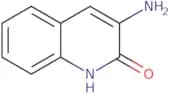
3-Aminoquinolin-2(1H)-one
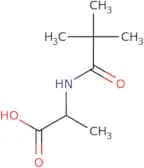
CAS:<p>3-Aminoquinolin-2(1H)-one is a synthetic compound. It has been prepared by condensation of 2-aminoacrylic acid with 1,3-diaminopropane. This reaction yields an imine that can be hydrolyzed to the corresponding amine. 3-Aminoquinolin-2(1H)-one has been used as an efficient method for the synthesis of hippuric acid and its isomers. The spectra of 3-aminoquinolin-2(1H)-one show three peaks at m/z=193, 182 and 144, which correspond to the molecular ion peak (m/z=193), the corresponding methylene peak (m/z=182) and the protonated amine peak (m/z=144). The mass spectrum shows two major peaks: one at m/z=193 and one at m/z=145. These peaks are due to fragmentation</p>Formula:C9H8N2OPurity:Min. 95%Molecular weight:160.17 g/mol2-(2,2-Dimethylpropanamido)propanoic acid
CAS:<p>Versatile small molecule scaffold</p>Formula:C8H15NO3Purity:Min. 95%Molecular weight:173.21 g/mol2,4-Dimethylpentanoic acid
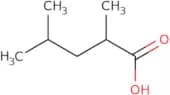
CAS:The compound 2,4-dimethylpentanoic acid is a monocarboxylic acid that can be used as a conditioner in refrigeration fluids. It has been shown to have a significant effect on the fluid's ability to transfer heat by lowering its viscosity. This compound is also an acid catalyst that has been used in the production of polyesters and other plastics. The carboxyl groups on this substance allow it to act as a weak base.Formula:C7H14O2Purity:Min. 95%Molecular weight:130.18 g/mol3-Hydroxy-2-phenylcyclopent-2-en-1-one
CAS:<p>The herbicide 3-Hydroxy-2-phenylcyclopent-2-en-1-one is a phenoxy compound that inhibits the enzyme acetolactate synthase, which is required for the biosynthesis of branched chain amino acids. This inhibition leads to a shortage of these amino acids and growth inhibition in plants.</p>Formula:C11H10O2Purity:Min. 95%Molecular weight:174.2 g/molrac-Methyl (1R,2R)-2-phenylcyclopropane-1-carboxylate
CAS:Versatile small molecule scaffoldFormula:C11H12O2Purity:Min. 95%Molecular weight:176.21 g/mol2-Aminocarbonylnicotinic acid
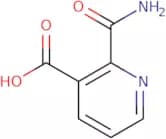
CAS:2-Aminocarbonylnicotinic acid is a nicotinic acid amide with a 3-quinolinecarboxylic acid moiety. It is synthesized by the reaction of isocyanates and succinamide, followed by cyclization. 2-Aminocarbonylnicotinic acid has been used to produce benzoic acids, amides, and dicarboxylic acids. This compound has also been shown to be an effective inhibitor of bacterial growth in vitro. 2-Aminocarbonylnicotinic acid is an unsubstituted molecule that can be used as a starting material for the synthesis of other compounds.Formula:C7H6N2O3Purity:Min. 95%Molecular weight:166.13 g/mol5-Methyl-2-nitrobenzaldehyde
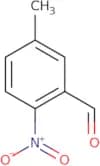
CAS:<p>5-Methyl-2-nitrobenzaldehyde is an aldehyde that is used in the synthesis of other organic compounds. It can be prepared by reacting cinnamyl alcohol with pyridinium chlorochromate. 5-Methyl-2-nitrobenzaldehyde has been used as a natural antioxidant and in organic reactions. The yields are typically low, but the reaction can be improved by using inorganic reagents.</p>Formula:C8H7NO3Purity:Min. 95%Molecular weight:165.15 g/mol3-Methyl-2-nitrobenzaldehyde
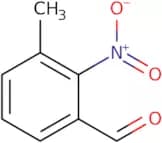
CAS:<p>3-Methyl-2-nitrobenzaldehyde is a compound that has been shown to undergo the shift reaction in which one atom or group of atoms is moved from one position to another. This reaction was catalyzed by carbodiimides, and the product was an n-substituted carbodiimide. 3-Methyl-2-nitrobenzaldehyde also has been shown to react with methylamine as well as amines such as aniline, cyclohexylamine, and benzylamine. The reaction products are diarylmethane derivatives with a nitrogen atom and an aryl group.</p>Formula:C8H7NO3Purity:Min. 95%Molecular weight:165.15 g/mol2,5-Dichlorobenzenethiol
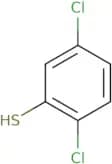
CAS:<p>2,5-Dichlorobenzenethiol is an acceptor molecule that can form hydrogen bonds. It has been shown to be a dehydrogenation catalyst and is used in the production of 2,5-dichloroaniline. 2,5-Dichlorobenzenethiol reacts with phenothiazine to produce biphenyl. It has also been used as a multivariable technique for analysis of chemical structures. This compound is an enantiopure molecule with two chiral centers and four stereoisomers. The thiolate group has been shown to react with adsorbates such as aminobiphenyl or phenothiazine to form the corresponding adducts.</p>Formula:Cl2C6H3SHPurity:Min. 95%Molecular weight:179.07 g/mol2-Chloro-4-phenylquinoline
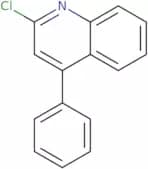
CAS:<p>2-Chloro-4-phenylquinoline is a chemical compound that has been identified in the straw of triticum aestivum. It has been shown to interact with amino acids in vitro, and may have an effect on protein synthesis. 2-Chloro-4-phenylquinoline is also toxic to microbes and can be used as a herbicide. In vitro studies have shown that 2-chloro-4-phenylquinoline inhibits microbial metabolism by inhibiting propionate production, thereby leading to lower levels of fatty acid and faeces.</p>Formula:C15H10ClNPurity:Min. 95%Molecular weight:239.7 g/mol2-Phenylquinolin-4-amine
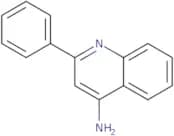
CAS:<p>2-Phenylquinolin-4-amine is a ligand that binds to the active site of the human apoE4 protein, which is involved in lipid metabolism. 2-Phenylquinolin-4-amine has been shown to be cytotoxic against cancer cell lines and potent at low concentrations. It was also shown to have potent activity in apoptosis induction and cell cycle arrest. This ligand interacts with amide groups on the surface of proteins and can form amide bonds with other molecules, including formamide and solvents. The binding constants for 2-phenylquinolin-4-amine have been measured using molecular modeling techniques and bioinformatics databases.</p>Formula:C15H12N2Purity:Min. 95%Molecular weight:220.28 g/mol2-(2-Bromoethoxy)-2-methylpropane
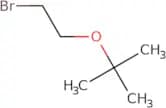
CAS:<p>2-(2-Bromoethoxy)-2-methylpropane is a cavity solvent that is used to extract fullerenes, metal ions, and other organic compounds from crystals. It can be used as an extractant for metal cations in the presence of water. 2-(2-Bromoethoxy)-2-methylpropane has been shown to have ion channel inhibition properties. This compound will bind to the hydrophobic cavities of ion channels, which prevents the flow of ions through the channel. This binding leads to a decrease in membrane potential and causes cells to become unstable or die. 2-(2-Bromoethoxy)-2-methylpropane crystallizes in the monoclinic crystal system with a space group P21/c. In this crystal structure, there are two molecules per unit cell with their molecular axes parallel to each other and perpendicular to the two mirror planes that intersect at 90° angles. The conformation of this molecule can</p>Formula:C6H13BrOPurity:Min. 95%Molecular weight:181.07 g/mol2-Pentyl-1H-benzo[d]imidazole
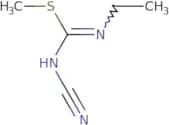
CAS:<p>2-Pentyl-1H-benzo[d]imidazole is a hydrophobic compound with affinity for the cavity of cytochrome P450. It has been used as a solid catalyst, and is being investigated as an active substance in the treatment of diseases such as asthma and Parkinson's disease. The binding constants have been determined by the microsomal preparations. The nature of this molecule is supramolecular, which means it contains complex molecules that bind to each other through hydrogen bonding or coordination. 2-Pentyl-1H-benzo[d]imidazole binds to substrates by interaction with their functional groups (e.g., OH, NH2).</p>Formula:C12H16N2Purity:Min. 95%Molecular weight:188.27 g/molN'-Cyano-N-ethyl(methylsulfanyl)methanimidamide
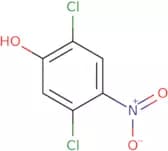
CAS:<p>Versatile small molecule scaffold</p>Formula:C5H9N3SPurity:Min. 95%Molecular weight:143.21 g/mol2,5-Dichloro-4-nitrophenol
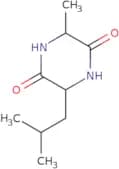
CAS:Harmol is a natural substance that is found in the leaves of the plant Myrtus communis. Harmol is metabolized to harmalol and then to harmalin, which are conjugates that have been shown to have anticancer properties. Harmalol has been shown to inhibit mitochondrial membrane potential and decrease cell proliferation in cancer cells. It also inhibits p-450 enzymes and β-carboline alkaloids, which may contribute to its anticancer effects. Harmalol has also been shown to be an inhibitor of cellular respiration in animals and humans, suggesting that it may be useful for the treatment of various diseases associated with mitochondrial dysfunction.Formula:C6H3Cl2NO3Purity:Min. 95%Molecular weight:208 g/mol(3S,6R)-3-Methyl-6-(2-methylpropyl)piperazine-2,5-dione
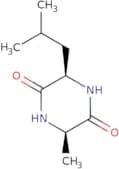
CAS:Versatile small molecule scaffoldFormula:C9H16N2O2Purity:Min. 95%Molecular weight:184.24 g/mol(3R,6R)-3-Methyl-6-(2-methylpropyl)piperazine-2,5-dione
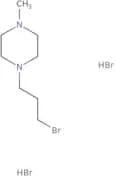
CAS:Versatile small molecule scaffoldFormula:C9H16N2O2Purity:Min. 95%Molecular weight:184.2 g/mol1-(3-Bromopropyl)-4-methylpiperazine Dihydrobromide
CAS:Versatile small molecule scaffoldFormula:C8H19Br3N2Purity:Min. 95%Molecular weight:382.97 g/mol2-Azabicyclo[2.2.2]octane hydrochloride
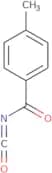
CAS:<p>Versatile small molecule scaffold</p>Formula:C7H14ClNPurity:Min. 95%Molecular weight:147.65 g/mol4-Methylbenzoyl isocyanate
CAS:<p>Versatile small molecule scaffold</p>Formula:C9H7NO2Purity:Min. 95%Molecular weight:161.16 g/mol4-[Methyl(propan-2-yl)amino]butan-2-one
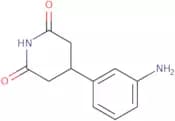
CAS:<p>Versatile small molecule scaffold</p>Formula:C8H17NOPurity:Min. 95%Molecular weight:143.23 g/mol4-(3-Aminophenyl)piperidine-2,6-dione
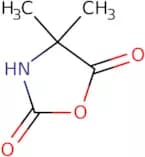
CAS:<p>Versatile small molecule scaffold</p>Formula:C11H12N2O2Purity:Min. 95%Molecular weight:204.22 g/mol4,4-Dimethyloxazolidine-2,5-dione
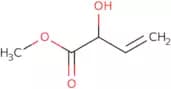
CAS:<p>Versatile small molecule scaffold</p>Formula:C5H7NO3Purity:Min. 95%Molecular weight:129.11 g/molMethyl 2-hydroxybut-3-enoate
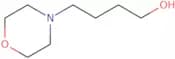
CAS:Methyl 2-hydroxybut-3-enoate is an organic solvent that can be used for the synthesis of monomers and polymers. This molecule has a functional group, a metal ion, and an acid catalyst. It is also efficient for the synthesis of lipids and fatty acids. Methyl 2-hydroxybut-3-enoate is synthesized by reacting with potassium ions in an alcohol solution with a lipase as the catalyst. This reaction may be carried out using radiation or metathesis reactions. The product may also be used as a solid catalyst for other reactions such as hydrogenation, esterification, dehydrogenation, oxidation, hydrolysis, and polymerization.Formula:C5H8O3Purity:Min. 95%Molecular weight:116.12 g/mol4-(4-Morpholinyl)-1-butanol
CAS:<p>Versatile small molecule scaffold</p>Formula:C8H17NO2Purity:Min. 95%Molecular weight:159.23 g/molN-{8-Oxatricyclo[7.4.0.0,2,7]trideca-1(9),2(7),3,5,10,12-hexaen-5-yl}acetamide
CAS:Versatile small molecule scaffoldFormula:C14H11NO2Purity:Min. 95%Molecular weight:225.24 g/mol3-(4-Methylthiophen-2-yl)propanoic Acid
CAS:<p>Versatile small molecule scaffold</p>Formula:C8H10O2SPurity:Min. 95%Molecular weight:170.22 g/mol2-(Tetrahydro-2-furanylmethoxy)-1-ethanol
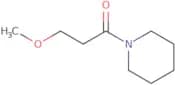
CAS:<p>2-(Tetrahydro-2-furanylmethoxy)-1-ethanol is a monoglyceride with a 2-hydroxy group and an ether bond. It is a glycol ether and glycol ester, which are used in the manufacture of polymers and adhesives. 2-(Tetrahydro-2-furanylmethoxy)-1-ethanol is also known to be metabolized in the human body to methyl ethyl, which has been shown to have neurotoxic effects. The substance has been shown to cause locomotor activity in mice at a dose of 100 mg/kg. It is also known to inhibit the activity of the receptor that binds acetylcholine, thereby decreasing muscle contractions. This product has been shown to cause skin cancer when applied topically in animal studies.</p>Formula:C7H14O3Purity:Min. 95%Molecular weight:146.19 g/mol3-Methoxy-1-(piperidin-1-yl)propan-1-one
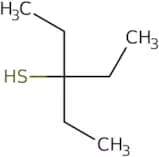
CAS:Versatile small molecule scaffoldFormula:C9H17NO2Purity:Min. 95%Molecular weight:171.2 g/mol3-Ethylpentane-3-thiol
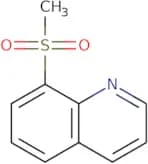
CAS:3-Ethylpentane-3-thiol is a hydroperoxide that is formed by the photolysis of 2,2,5,5-tetramethylcyclobutane-1,3-dione. It has been shown to cyclize to form 3-(2-benzothiazolyl)-2-(hydroxymethyl)pyridinium perchlorate and 3-(2-benzothiazolyl)-2-(hydroxymethyl)pyridinium chloride. The transannular reaction of 3-ethylpentane-3-thiol with thiohydroxamate produces 2-(4'-hydroxybutoxy)benzothiazole. This product can then react with an alkyne to produce a radical.Formula:C7H16SPurity:Min. 95%Molecular weight:132.27 g/mol8-(Methylsulfonyl)quinoline
CAS:<p>Versatile small molecule scaffold</p>Formula:C10H9NO2SPurity:Min. 95%Molecular weight:207.25 g/mol1-Bromo-4-[(2-methylprop-2-en-1-yl)oxy]benzene
CAS:<p>Versatile small molecule scaffold</p>Formula:C10H11BrOPurity:Min. 95%Molecular weight:227.1 g/mol[(2-Methylprop-2-en-1-yl)oxy]benzene
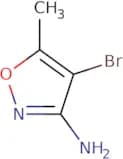
CAS:<p>[(2-Methylprop-2-en-1-yl)oxy]benzene is a diphenyl ether with the chemical formula C9H14O. This molecule has a hydroxy group, which is an inorganic acid, and a chloride group. [(2-Methylprop-2-en-1-yl)oxy]benzene is used as a polymerization initiator for plastics and resins. It also has functional groups that are involved in receptor activity and can be used to synthesize different types of organic molecules.</p>Formula:C10H12OPurity:Min. 95%Molecular weight:148.2 g/mol4-bromo-5-methylisoxazol-3-amine
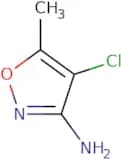
CAS:Versatile small molecule scaffoldFormula:C4H5BrN2OPurity:Min. 95%Molecular weight:177 g/mol4-Chloro-5-methyl-isoxazol-3-ylamine
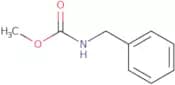
CAS:<p>Versatile small molecule scaffold</p>Formula:C4H5ClN2OPurity:Min. 95%Molecular weight:132.55 g/molMethyl benzylcarbamate
CAS:<p>Methyl benzylcarbamate (MBQ) is a synthetic compound that has the general chemical formula of CH2CH(NH2)COOH. It is a sulfamic acid which has been used as an organic solvent, in polymerization reactions, and in amide formation. MBQ can be synthesized by reacting methyl benzyl chloride with sodium sulfamate. The reaction mechanism for this chemical change is similar to the one that occurs in esterification reactions, except that the hydroxyl group on the methyl benzyl chloride reacts with the carboxylic acid group on sulfamic acid. The chemical reaction also produces water as a by-product. Density lipoproteins are proteins that are involved in lipid transport and metabolism. They are primarily synthesized by liver cells but can also be made by other cell types like macrophages or adipocytes. They have an important role in transporting lipids from peripheral tissues to the liver for metabolism and excretion and are regulated by</p>Formula:C9H11NO2Purity:Min. 95%Molecular weight:165.19 g/mol(1Z)-N'-Hydroxy-2-(4-morpholinyl)ethanimidamide
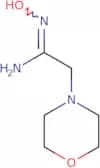
CAS:Versatile small molecule scaffoldFormula:C6H13N3O2Purity:Min. 95%Molecular weight:159.19 g/mol6-(Pyrrolidin-1-yl)hexanoic acid
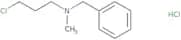
CAS:<p>Versatile small molecule scaffold</p>Formula:C10H19NO2Purity:Min. 95%Molecular weight:185.3 g/molBenzyl(3-chloropropyl)methylamine hydrochloride
CAS:Versatile small molecule scaffoldFormula:C11H17Cl2NPurity:Min. 95%Molecular weight:234.16 g/mol3-(Benzylmethylamino)-1-propanol
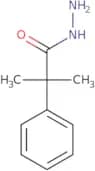
CAS:<p>Versatile small molecule scaffold</p>Formula:C11H17NOPurity:Min. 95%Molecular weight:179.26 g/mol2-Methyl-2-phenylpropanehydrazide
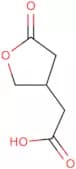
CAS:<p>Versatile small molecule scaffold</p>Formula:C10H14N2OPurity:Min. 95%Molecular weight:178.23 g/mol2-(5-Oxooxolan-3-yl)acetic acid
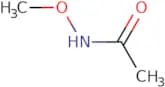
CAS:<p>Versatile small molecule scaffold</p>Formula:C6H8O4Purity:Min. 95%Molecular weight:144.12 g/molN-Methoxyacetamide
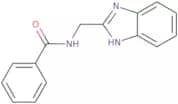
CAS:Versatile small molecule scaffoldFormula:C3H7NO2Purity:Min. 95%Molecular weight:89.09 g/molN-(1H-1,3-Benzodiazol-2-ylmethyl)benzamide
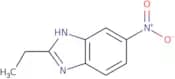
CAS:<p>Versatile small molecule scaffold</p>Formula:C15H13N3OPurity:Min. 95%Molecular weight:251.28 g/mol2-Ethyl-6-nitro-1H-1,3-benzodiazole
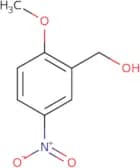
CAS:Versatile small molecule scaffoldFormula:C9H9N3O2Purity:Min. 95%Molecular weight:191.19 g/mol(2-Methoxy-5-nitrophenyl)methanol
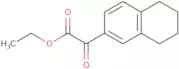
CAS:Versatile small molecule scaffoldFormula:C8H9NO4Purity:Min. 95%Molecular weight:183.16 g/molEthyl 2-oxo-2-(5,6,7,8-tetrahydronaphthalen-2-yl)acetate
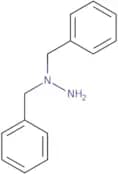
CAS:<p>Versatile small molecule scaffold</p>Formula:C14H16O3Purity:Min. 95%Molecular weight:232.27 g/molN,N-Dibenzylhydrazine
CAS:<p>N,N-Dibenzylhydrazine is a chemical compound that is used as an inhibitor in the synthesis of organic molecules. It has been shown to inhibit the activity of enzymes such as azide, halides and hydrazones. This agent also shows sensitivity to yield variations in mass spectrometric analysis. N,N-Dibenzylhydrazine inhibits the growth of bacteria by being mutagenic and lowering protein synthesis.</p>Formula:C14H16N2Purity:Min. 95%Molecular weight:212.3 g/molMethanedisulfonyl Dichloride
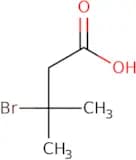
CAS:Methanedisulfonyl Dichloride is a proton-containing nucleophilic reagent that can be used as an acid catalyst in organic synthesis. It is primarily used as a source of sulfonyl chloride, which is a functional group that can react with other molecules to form ester compounds. Methanedisulfonyl Dichloride also reacts with hydrogen fluoride (HF) to produce methanesulfonic acid, which dissociates in water to form H+ and SO3-. This chemical has been shown to be effective for the synthesis of carbon nanotubes by reacting with amine groups on the surface of carbon nanotubes.Formula:CH2Cl2O4S2Purity:Min. 95%Molecular weight:213.04 g/mol3-Bromo-3-methylbutanoic acid
CAS:<p>Hippuric acid is a naturally occurring compound that is found in the urine of humans and other mammals. 3-Bromo-3-methylbutanoic acid inhibits the activity of enzymes that catalyze reactions involving an organic acid, such as anthranilic or citric acids. It has been shown to be biodegradable and not toxic to humans. The inhibitory effect of 3-bromo-3-methylbutanoic acid on enzymes is reversible, with the exception of methyl esterification, where it remains inhibited even after removal. This compound may be used as a preservative in food products or cosmetics.</p>Formula:C5H9BrO2Purity:Min. 95%Molecular weight:181.03 g/mol



![2-Pentyl-1H-benzo[d]imidazole](/_next/image/?url=https%3A%2Fstatic.cymitquimica.com%2Fproducts%2F3D%2Fthumb-webp%2FFAA85146.webp&w=3840&q=75)
![2-Azabicyclo[2.2.2]octane hydrochloride](/_next/image/?url=https%3A%2Fstatic.cymitquimica.com%2Fproducts%2F3D%2Fthumb-webp%2FFAA84515.webp&w=3840&q=75)
![4-[Methyl(propan-2-yl)amino]butan-2-one](/_next/image/?url=https%3A%2Fstatic.cymitquimica.com%2Fproducts%2F3D%2Fthumb-webp%2FFAA84324.webp&w=3840&q=75)
![N-{8-Oxatricyclo[7.4.0.0,2,7]trideca-1(9),2(7),3,5,10,12-hexaen-5-yl}acetamide](/_next/image/?url=https%3A%2Fstatic.cymitquimica.com%2Fproducts%2F3D%2Fthumb-webp%2FFAA83425.webp&w=3840&q=75)

![1-Bromo-4-[(2-methylprop-2-en-1-yl)oxy]benzene](/_next/image/?url=https%3A%2Fstatic.cymitquimica.com%2Fproducts%2F3D%2Fthumb-webp%2FFAA82027.webp&w=3840&q=75)
![[(2-Methylprop-2-en-1-yl)oxy]benzene](/_next/image/?url=https%3A%2Fstatic.cymitquimica.com%2Fproducts%2F3D%2Fthumb-webp%2FFAA82022.webp&w=3840&q=75)