Building Blocks
This section contains fundamental products for the synthesis of organic and biological compounds. Building blocks are the essential starting materials used to construct complex molecules through various chemical reactions. They play a critical role in drug discovery, material science, and chemical research. At CymitQuimica, we offer a diverse range of high-quality building blocks to support your innovative research and industrial projects, ensuring you have the essential components for successful synthesis.
Subcategories of "Building Blocks"
- Boronic Acids & Boronic Acid Derivatives(5,778 products)
- Chiral Building Blocks(1,243 products)
- Hydrocarbon Building Blocks(6,098 products)
- Organic Building Blocks(61,057 products)
Found 200716 products of "Building Blocks"
Sort by
Purity (%)
0
100
|
0
|
50
|
90
|
95
|
100
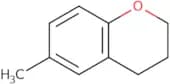
6-Methyl-3,4-dihydro-2H-1-benzopyran
CAS:<p>Versatile small molecule scaffold</p>Formula:C10H12OPurity:Min. 95%Molecular weight:148.2 g/mol8-Bromochromane
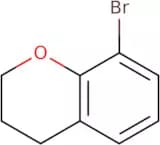
CAS:<p>Versatile small molecule scaffold</p>Formula:C9H9BrOPurity:Min. 95%Molecular weight:213.07 g/molN-Benzyl-3-nitropyridin-2-amine
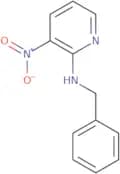
CAS:<p>Versatile small molecule scaffold</p>Formula:C12H11N3O2Purity:Min. 95%Molecular weight:229.24 g/mol2-Hydroxybenzene-1-sulfonamide
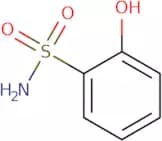
CAS:<p>2-Hydroxybenzene-1-sulfonamide (2HBS) is an aromatic hydrocarbon that inhibits the metabolism of aromatic compounds. It has an inhibitory effect on the enzyme cytochrome P450 2E1, which is responsible for the oxidation of hydroxylated aromatic compounds. The compound can also be used as a solvent. 2HBS binds to lysine residues in proteins, preventing the protein from functioning properly. This binding can lead to irreversible inhibition of enzymes and other proteins. 2HBS has been shown to have a protective effect against brain infarction in mice by inhibiting hydrogen atom production and reducing the levels of quinoline derivatives. The compound is activated by exposure to light, heat, or silver ions, which enhances its ability to inhibit cytochrome P450 2E1</p>Formula:C6H7NO3SPurity:Min. 95%Molecular weight:173.19 g/mol2-(Pyridin-3-yl)acetamide
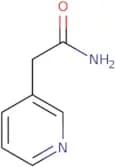
CAS:<p>2-(Pyridin-3-yl)acetamide is a benzodiazepine receptor antagonist that binds to the benzodiazepine site on the GABA receptor. It has potent inhibitory activity against dpp-4, which is an enzyme that degrades active insulin and has been implicated in the development of type 2 diabetes. The drug has been shown to be effective in chronic treatment of Parkinson's disease with reduced side effects when compared to other drugs used for this indication. It also showed anxiolytic activity in animal studies. This drug may have a role as a future treatment for anxiety disorders and diseases of the nervous system such as Alzheimer's disease, Huntington's disease, and Tourette syndrome.</p>Formula:C7H8N2OPurity:Min. 95%Molecular weight:136.15 g/mol3-(3-Pyridyl)propionic Acid
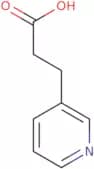
CAS:3-(3-Pyridyl)propionic Acid is a molecule that contains a hydroxyl group. It is an asymmetric synthesis of β-amino acid and has been shown to inhibit cancer cells. 3-(3-Pyridyl)propionic Acid inhibits the enzyme fibrinogen, which is important for blood clotting. This agent also has antiplatelet effects and can be used as an amine or perfluorinated reagent. 3-(3-Pyridyl)propionic Acid also inhibits the enzyme aldolase, which has been found to be useful in the treatment of diabetes mellitus type II.Formula:C8H9NO2Purity:Min. 95%Molecular weight:151.17 g/molEthyl cyclohexa-1,3-diene-1-carboxylate
CAS:Ethyl cyclohexa-1,3-diene-1-carboxylate is a conformationally constrained analog of the purine nucleoside adenosine. It has been shown to inhibit replication of the HIV-1 virus in cultured cells. This compound binds to the viral RNA and prevents it from being translated into viral proteins. Ethyl cyclohexa-1,3-diene-1-carboxylate has also been shown to inhibit the synthesis of pyrimidines in human cells, which may be due to its ability to react with nucleobases that are required for this process. Ethyl cyclohexa-1,3-diene-1-carboxylate is not active against Herpes simplex virus type 1 (HSV 1), which is due to its inability to interact with nucleosides that are required for HSV 1 replication.Formula:C9H12O2Purity:Min. 95%Molecular weight:152.19 g/mol1,4-Dimethyl-2-(2-propenyloxy)benzene
CAS:<p>Versatile small molecule scaffold</p>Formula:C11H14OPurity:Min. 95%Molecular weight:162.23 g/mol1-Nitro-3-(prop-2-ene-1-sulfonyl)benzene
CAS:Versatile small molecule scaffoldFormula:C9H9NO4SPurity:Min. 95%Molecular weight:227.24 g/mol5-Ethyl-3-methylfuran-2-carboxylic acid
CAS:Versatile small molecule scaffoldFormula:C8H10O3Purity:Min. 95%Molecular weight:154.16 g/mol3-Bromo-1-chloroprop-1-ene
CAS:Versatile small molecule scaffoldFormula:C3H4BrClPurity:Min. 95%Molecular weight:155.42 g/molN-Phenylthiophene-2-carboximidamide
CAS:<p>N-Phenylthiophene-2-carboximidamide is an organic compound that contains a substituted thiophene ring. The 2-position of the thiophene ring is substituted with a phenyl group, and the 4-position is substituted with a carboxylic acid. The amidine skeleton can be converted to an imidazole or cyclic amide by substitution at the N-1 position. N-Phenylthiophene-2-carboximidamide can be oxidized to form an aromatic carbonyl group in the presence of oxygen, which allows for regioselectivity in its synthesis. This functional group can also react with other functional groups such as alcohols, thiols, and amines to form various chalcones and imidazoles.</p>Formula:C11H10N2SPurity:Min. 95%Molecular weight:202.28 g/mol2,4-dichloro-5-(chlorosulfonyl)benzoic acid
CAS:2,4-Dichloro-5-(chlorosulfonyl)benzoic acid is an organic compound that is used as a reagent in the synthesis of other chemicals. It belongs to the group of sulfonyl chlorides and has similar functional groups to 2,4-dichlorophenylsulfonyl chloride.Formula:C7H3Cl3O4SPurity:Min. 95%Molecular weight:289.51 g/mol4-Nitroquinoline
CAS:<p>4-Nitroquinoline is a methyltransferase inhibitor that can be used to study the role of DNA methylation in carcinogenesis. It has been shown to produce tumorigenesis in mice and to induce cancerous lesions in animals. 4-Nitroquinoline is a natural compound that has been found to inhibit cellular proliferation and induce apoptosis, which may be due to its genotoxic activity. 4-Nitroquinoline is also an experimental model for studying carcinomas, which are cancers of epithelial cells lining the organs and cavities of the body.</p>Formula:C9H6N2O2Purity:Min. 95%Molecular weight:174.16 g/mol5-Chloro-2-methoxyphenol
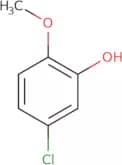
CAS:<p>5-Chloro-2-methoxyphenol is a phenolic compound that is used in wastewater treatment. It can be synthesized from 2-chloro-5-hydroxyphenol and sodium hydroxide. 5-Chloro-2-methoxyphenol has been shown to inhibit the growth of Pseudomonas strains, including P. aeruginosa, P. putida, and P. fluorescens. This inhibition may be due to its ability to release Mn2+ ions from the bacteria's cell wall by oxidation reactions. The bacterial strain also needs a carbon source for 5-chloro-2-methoxyphenol to be effective against it and it is not active against radiation, oxidation products, or hplc analysis.BR>BR></p>Formula:C7H7ClO2Purity:Min. 95%Molecular weight:158.58 g/mol3-Hydroxy-N-phenylbenzamide
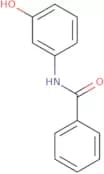
CAS:<p>3-Hydroxy-N-phenylbenzamide (3HB) is a chemical compound that has been isolated from the plant Caryophyllaceae. This compound is an electrophile, which can react with nucleophiles in biological systems. 3HB produces anthranilic acid when it reacts with amino acids, and this compound may be responsible for the antimicrobial activity of 3HB. 3HB was shown to have fungitoxic effects against some fungi including Fusarium oxysporum, Rhizoctonia solani, and Stemphylium sp., but not against other fungi such as Alternaria alternata and Penicillium cyclopium. The phytoalexin caryophyllin, which is produced by infected plants, also inhibits fungal growth.</p>Formula:C13H11NO2Purity:Min. 95%Molecular weight:213.23 g/molN-(3-Hydroxyphenyl)-4-methylbenzene-1-sulfonamide
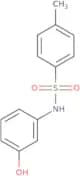
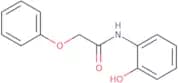
CAS:N-(3-Hydroxyphenyl)-4-methylbenzene-1-sulfonamide has a moiety that is dihedral and forms hydrogen bonds with the phenol, toluene, and hydrogen bonds. It has a phenol that is substituted with a methyl group at the 3 position. The chemical name of this molecule is 3-[(3-hydroxyphenyl)amino]-4-methylbenzenesulfonamide.Formula:C13H13NO3SPurity:Min. 95%Molecular weight:263.31 g/molN-(2-Hydroxyphenyl)-2-phenoxyacetamide
CAS:<p>Versatile small molecule scaffold</p>Formula:C14H13NO3Purity:Min. 95%Molecular weight:243.26 g/mol2-{[(4-Bromophenyl)carbamoyl]amino}acetic acid
CAS:Versatile small molecule scaffoldFormula:C9H9BrN2O3Purity:Min. 95%Molecular weight:273.08 g/mol3-{[(4-Bromophenyl)carbamoyl]amino}propanoic acid
CAS:Versatile small molecule scaffoldFormula:C10H11BrN2O3Purity:Min. 95%Molecular weight:287.11 g/mol3-[(2-Methoxyphenyl)amino]propanamide
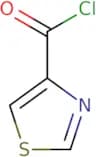
CAS:Versatile small molecule scaffoldFormula:C10H14N2O2Purity:Min. 95%Molecular weight:194.23 g/mol1,3-Thiazole-4-carbonyl chloride
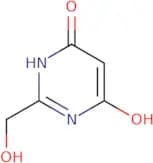
CAS:Versatile small molecule scaffoldFormula:C4H2ClNOSPurity:Min. 95%Molecular weight:147.58 g/mol2-(Hydroxymethyl)pyrimidine-4,6-diol
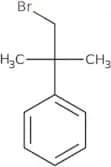
CAS:<p>Versatile small molecule scaffold</p>Formula:C5H6N2O3Purity:Min. 95%Molecular weight:142.11 g/mol(1-Bromo-2-methylpropan-2-yl)benzene
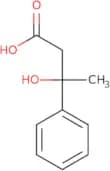
CAS:<p>1-Bromo-2-methylpropan-2-yl)benzene is an organic solvent that has a hydrogen bond. It is used in the synthesis of malonic acid and kinetic studies. This solvent has been shown to react with chloride to form 1,2-dibromochloromethane. The reaction rate for this reaction is affected by the presence of other halides, such as iodine and bromine. 1-Bromo-2-methylpropan-2-yl)benzene can also be used as a polymerization inhibitor.</p>Formula:C10H13BrPurity:Min. 95%Molecular weight:213.11 g/mol3-Hydroxy-3-phenylbutanoic acid
CAS:3-Hydroxy-3-phenylbutanoic acid is a chiral, organic compound that is an intermediate in the synthesis of many pharmaceuticals. It can be synthesized from hydrochloric acid and phenylacetic acid by adding hydrogen chloride to the carboxylic acid. 3-Hydroxy-3-phenylbutanoic acid is used as a solvent for organic compounds, including hydrochloric acid, and acts as a catalyst in asymmetric synthesis reactions. 3-Hydroxy-3-phenylbutanoic acid has been shown to have therapeutic effects in the treatment of chronic kidney disease. This drug has been shown to increase the glomerular filtration rate (GFR) and improve prognosis.Formula:C10H12O3Purity:Min. 95%Molecular weight:180.2 g/mol2-[(Thiophen-2-ylmethyl)sulfanyl]benzoic acid
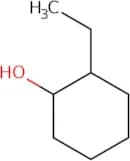
CAS:<p>Versatile small molecule scaffold</p>Formula:C12H10O2S2Purity:Min. 95%Molecular weight:250.3 g/mol2-Ethylcyclohexanol (cis- and trans- mixture)
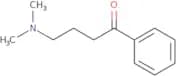
CAS:2-Ethylcyclohexanol is a hydrogen peroxide catalyst that has been implemented in nanocomposites for use as electrodes. This multifunctional material is a transition metal oxide with properties of being acidic and able to catalyze the oxidation of organic pollutants. 2-Ethylcyclohexanol has also been shown to be efficient in mineralizing (oxidizing) transition metals such as Fe(II) or Cr(III). This chemical can be used to remove toxic heavy metals from water, and it can be analyzed using techniques such as voltammetry, cyclic voltammetry, and electrochemical impedance spectroscopy. 2-Ethylcyclohexanol can be used as an inexpensive hydroxyl radical generator. It is commercially available in the cis- and trans- mixture.Formula:C8H16OPurity:Min. 95%Molecular weight:128.22 g/mol4-(Dimethylamino)-1-phenylbutan-1-one
CAS:<p>Versatile small molecule scaffold</p>Formula:C12H17NOPurity:Min. 95%Molecular weight:191.27 g/mol4-Amino-N-[2-(diethylamino)ethyl]-2-methoxybenzamide
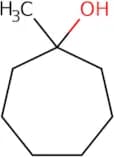
CAS:Versatile small molecule scaffoldFormula:C14H23N3O2Purity:Min. 95%Molecular weight:265.35 g/mol1-Methylcycloheptanol
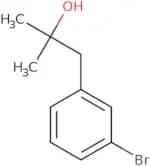
CAS:<p>1-Methylcycloheptanol (1MCH) is a polydimethylsiloxane with a molecular weight of about 370. The catalytic activity of 1MCH is due to the presence of two double bonds in the molecule. The 1-methylcycloheptanol can be used for the synthesis of iodides and for the degradation of headspace volatile compounds, such as dichlorocarbene and dihalocarbenes. It has been shown to have affinity towards certain unsaturated ketones, such as oxoalkyl and unsaturated ketones. 1-Methylcycloheptanol has also been found to be able to extract cirsium setidens from soil samples using microextraction methods.</p>Formula:C8H16OPurity:Min. 95%Molecular weight:128.21 g/mol1-(3-Bromophenyl)-2-methylpropan-2-ol
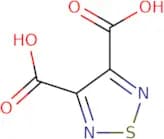
CAS:Versatile small molecule scaffoldFormula:C10H13BrOPurity:Min. 95%Molecular weight:229.11 g/mol1,2,5-Thiadiazole-3,4-dicarboxylic acid
CAS:<p>1,2,5-Thiadiazole-3,4-dicarboxylic acid is a dicarboxylic acid that is structurally related to the thiadiazole ring. It has been shown to interact with amines and hydrate in humid conditions. The crystal structure of 1,2,5-thiadiazole-3,4-dicarboxylic acid has been determined by x-ray diffraction. The molecule forms a mononuclear complex with chloride ions in the crystal system called the cycloaliphatic motif. 1,2,5-Thiadiazole-3,4-dicarboxylic acid has also been found to form hydrogen bonds with temperatures in the range of −10°C and 30°C.</p>Formula:C4H2N2O4SPurity:Min. 95%Molecular weight:174.14 g/mol1-(Propan-2-yl)-1H,4H,5H-pyrazolo[3,4-d]pyrimidin-4-one
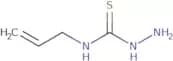
CAS:Versatile small molecule scaffoldFormula:C8H10N4OPurity:Min. 95%Molecular weight:178.19 g/mol4-Allyl-3-thiosemicarbazide
CAS:<p>4-Allyl-3-thiosemicarbazide is a copper complex that inhibits the growth of cancer cells. Copper chloride is an important catalyst for this reaction. The coordination geometry of the copper ion and the structure of the product are key factors in determining its cytotoxicity. This compound has been shown to have significant cytotoxicity against a variety of cancer cell lines, including leukemia, lymphoma, breast, prostate, lung, pancreatic and colon cancer cells. 4-Allyl-3-thiosemicarbazide is also able to inhibit kinesin by binding to its ATPase site and preventing it from transporting cargo along microtubules.</p>Formula:C4H9N3SPurity:Min. 95%Molecular weight:131.2 g/mol3-Methylpiperidin-2-one
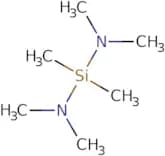
CAS:<p>3-Methylpiperidin-2-one is a hydroxylated piperidine derivative that can be synthesized by the reaction of xylene with triphosgene in the presence of an acid hydrazide. This compound has been shown to have antibacterial activity against Streptococcus faecalis and other bacteria, but it is carcinogenic in rats. 3-Methylpiperidin-2-one has been used as a ligand for metal ions such as copper and nickel. It can be synthesized using methods like alkylation or chiral synthesis with five membered rings.</p>Formula:C6H11NOPurity:Min. 95%Molecular weight:113.16 g/molBis(dimethylamino)dimethylsilane
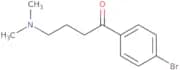
CAS:<p>Bis(dimethylamino)dimethylsilane (Bis-DMAS) is a silylating agent that reacts with the hydroxy groups of siloxanes to form a cross-link. It can be used as a functional group for the synthesis of polymers, coatings, and adhesives. Bis-DMAS has also been used to improve the reactivity of other functional groups, such as carbonyls, amines, nitriles, and epoxides. It is reactive in air and moisture and should be stored in an inert atmosphere. Bis-DMAS reacts with metal surfaces to form a coating by reacting with both the metal surface and hydrogen atoms on the surface. The reaction temperature is dependent on the substrate: higher temperatures are needed for copper than aluminum due to copper's higher reactivity. The activation energies are different for each reaction type: thermal reactions have an activation energy of 40 kJ/mol while electrochemical reactions have an activation energy of</p>Formula:C6H18N2SiPurity:Min. 95%Molecular weight:146.31 g/mol1-(4-Bromophenyl)-4-(dimethylamino)butan-1-one
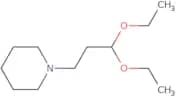
CAS:Versatile small molecule scaffoldFormula:C12H16BrNOPurity:Min. 95%Molecular weight:270.17 g/mol1-(3,3-Diethoxypropyl)piperidine
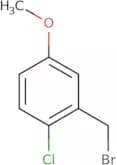
CAS:<p>Versatile small molecule scaffold</p>Formula:C12H25NO2Purity:Min. 95%Molecular weight:215.33 g/mol2-Chloro-5-methoxybenzyl bromide
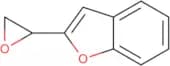
CAS:2-Chloro-5-methoxybenzyl bromide is a cyclization agent that is used in the synthesis of tetracyclines, polyphosphoric acid, and tetralones. It is typically used as a catalyst for cyclization reactions involving aromatic rings. This agent reacts with phosphorus oxychloride to produce polyphosphoric acid. Polyphosphoric acid can be used to synthesize tetracyclines and tetralones. 2-Chloro-5-methoxybenzyl bromide also acts as an oxidizing agent that converts primary alcohols into carboxylic acids and secondary alcohols into ketones or aldehydes.Formula:C8H8BrClOPurity:Min. 95%Molecular weight:235.51 g/mol2-(Oxiran-2-yl)-1-benzofuran
CAS:<p>Versatile small molecule scaffold</p>Formula:C10H8O2Purity:Min. 95%Molecular weight:160.17 g/mol4-Chloro-1H,5H,6H,7H-pyrido[2,3-d]pyrimidine
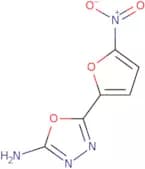
CAS:Versatile small molecule scaffoldFormula:C7H8ClN3Purity:Min. 95%Molecular weight:169.61 g/mol5-(5-Nitrofuran-2-yl)-1,3,4-oxadiazol-2-amine
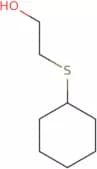
CAS:Versatile small molecule scaffoldFormula:C6H4N4O4Purity:Min. 95%Molecular weight:196.12 g/mol2-(Cyclohexylsulfanyl)ethan-1-ol
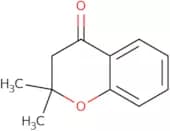
CAS:<p>Versatile small molecule scaffold</p>Formula:C8H16OSPurity:Min. 95%Molecular weight:160.28 g/mol2,2-Dimethyl-chroman-4-one
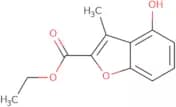
CAS:2,2-Dimethyl-chroman-4-one is a synthetic compound that has been shown to be an antibacterial agent. It is active against many Gram-positive bacteria, including Staphylococcus aureus and Enterococcus faecalis. 2,2-Dimethyl-chroman-4-one also inhibits the activation of the MAP kinase pathway and the synthesis of protein kinase C. The irradiation of 2,2-dimethylchroman-4-one produces a compound which has been shown to have antiinflammatory effects on mesenchymal stromal cells.Formula:C11H12O2Purity:Min. 95%Molecular weight:176.22 g/molEthyl 4-hydroxy-3-methyl-1-benzofuran-2-carboxylate
CAS:Ethyl 4-hydroxy-3-methyl-1-benzofuran-2-carboxylate (EHMC) is an oxadiazole compound that has been shown to be toxic to the central nervous system. It is a tetraacetate ester of the compound and it has been shown to induce death in mice. EHMC has also been observed to produce thionyl chloride, aldehydes and dehydrogenation products in tissue samples. Elution profiles of EHMC from liquid chromatography have shown that this chemical can be quickly metabolized by methylation and subsequent degradation into benzofuran derivatives. The heterozygote for this compound is known for its ability to metabolize carbohydrates more efficiently than normal individuals.Formula:C12H12O4Purity:Min. 95%Molecular weight:220.22 g/mol4-Hydroxy-3-methyl-1-benzofuran-2-carboxylic acid
CAS:4-Hydroxy-3-methyl-1-benzofuran-2-carboxylic acid (4HMBF) is an antifungal agent that belongs to the group of phenylacetic acid derivatives. It has been shown to have antifungal activity against Candida albicans and other fungal species. 4HMBF incorporates into the fungal cell wall by reacting with the chain, which may inhibit protein synthesis. The biological properties of 4HMBF are not yet fully understood. It has been found to be a lead compound for future drug design.Formula:C10H8O4Purity:Min. 95%Molecular weight:192.17 g/mol4-Methoxybenzo[b]thiophene
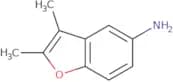
CAS:<p>4-Methoxybenzo[b]thiophene is a molecule that is activated by fluorescence and emits light as it transfers from an excited state to a lower energy state. This process is called fluorescence, and the emitted light can be detected with ultraviolet (UV) spectroscopy. 4-Methoxybenzo[b]thiophene has been shown to have an olefinic nature, which means it reacts readily with electron-donating groups such as alcohols or phenols. The reaction rate for this compound increases with increasing temperatures and the population of acceptor molecules. It has been studied using photophysical techniques and lipid profile analysis, which measures the lipid content of cells in order to determine their health status.</p>Formula:C9H8OSPurity:Min. 95%Molecular weight:164.22 g/mol2,3-Dimethyl-1-benzofuran-5-amine
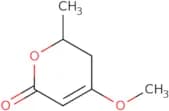
CAS:<p>Versatile small molecule scaffold</p>Formula:C10H11NOPurity:Min. 95%Molecular weight:161.2 g/mol4-Methoxy-6-methyl-5,6-dihydro-2H-pyran-2-one
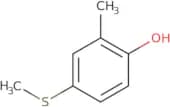
CAS:Versatile small molecule scaffoldFormula:C7H10O3Purity:Min. 95%Molecular weight:142.15 g/mol2-Methyl-4-(methylsulfanyl)phenol
CAS:<p>Versatile small molecule scaffold</p>Formula:C8H10OSPurity:Min. 95%Molecular weight:154.23 g/mol



![2-{[(4-Bromophenyl)carbamoyl]amino}acetic acid](/_next/image/?url=https%3A%2Fstatic.cymitquimica.com%2Fproducts%2F3D%2Fthumb-webp%2FDAA74413.webp&w=3840&q=75)
![3-{[(4-Bromophenyl)carbamoyl]amino}propanoic acid](/_next/image/?url=https%3A%2Fstatic.cymitquimica.com%2Fproducts%2F3D%2Fthumb-webp%2FDAA74418.webp&w=3840&q=75)
![3-[(2-Methoxyphenyl)amino]propanamide](/_next/image/?url=https%3A%2Fstatic.cymitquimica.com%2Fproducts%2F3D%2Fthumb-webp%2FDAA74558.webp&w=3840&q=75)
![2-[(Thiophen-2-ylmethyl)sulfanyl]benzoic acid](/_next/image/?url=https%3A%2Fstatic.cymitquimica.com%2Fproducts%2F3D%2Fthumb-webp%2FDAA75975.webp&w=3840&q=75)
![4-Amino-N-[2-(diethylamino)ethyl]-2-methoxybenzamide](/_next/image/?url=https%3A%2Fstatic.cymitquimica.com%2Fproducts%2F3D%2Fthumb-webp%2FDAA76148.webp&w=3840&q=75)
![1-(Propan-2-yl)-1H,4H,5H-pyrazolo[3,4-d]pyrimidin-4-one](/_next/image/?url=https%3A%2Fstatic.cymitquimica.com%2Fproducts%2F3D%2Fthumb-webp%2FDAA76325.webp&w=3840&q=75)
![4-Chloro-1H,5H,6H,7H-pyrido[2,3-d]pyrimidine](/_next/image/?url=https%3A%2Fstatic.cymitquimica.com%2Fproducts%2F3D%2Fthumb-webp%2FDAA77195.webp&w=3840&q=75)
![4-Methoxybenzo[b]thiophene](/_next/image/?url=https%3A%2Fstatic.cymitquimica.com%2Fproducts%2F3D%2Fthumb-webp%2FDAA78190.webp&w=3840&q=75)