Building Blocks
This section contains fundamental products for the synthesis of organic and biological compounds. Building blocks are the essential starting materials used to construct complex molecules through various chemical reactions. They play a critical role in drug discovery, material science, and chemical research. At CymitQuimica, we offer a diverse range of high-quality building blocks to support your innovative research and industrial projects, ensuring you have the essential components for successful synthesis.
Subcategories of "Building Blocks"
- Boronic Acids & Boronic Acid Derivatives(5,778 products)
- Chiral Building Blocks(1,243 products)
- Hydrocarbon Building Blocks(6,098 products)
- Organic Building Blocks(61,057 products)
Found 200716 products of "Building Blocks"
Sort by
Purity (%)
0
100
|
0
|
50
|
90
|
95
|
100
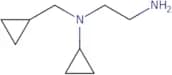
N-(2-Aminoethyl)-N-(cyclopropylmethyl)cyclopropanamine
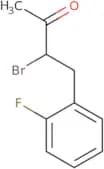
CAS:Versatile small molecule scaffoldFormula:C9H18N2Purity:Min. 95%Molecular weight:154.25 g/mol3-Bromo-4-(2-fluorophenyl)butan-2-one
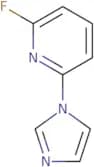
CAS:Versatile small molecule scaffoldFormula:C10H10BrFOPurity:Min. 95%Molecular weight:245.09 g/mol2-Fluoro-6-(1H-imidazol-1-yl)pyridine
CAS:Versatile small molecule scaffoldFormula:C8H6FN3Purity:Min. 95%Molecular weight:163.15 g/mol3-[(3-Chlorophenyl)sulfanyl]butan-2-one
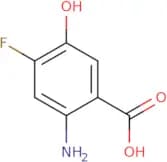
CAS:Versatile small molecule scaffoldFormula:C10H11ClOSPurity:Min. 95%Molecular weight:214.71 g/mol2-Amino-4-fluoro-5-hydroxybenzoic acid
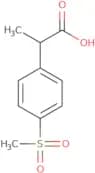
CAS:Versatile small molecule scaffoldFormula:C7H6FNO3Purity:Min. 95%Molecular weight:171.13 g/mol2-(4-Methanesulfonylphenyl)propanoic acid
CAS:<p>Versatile small molecule scaffold</p>Formula:C10H12O4SPurity:Min. 95%Molecular weight:228.27 g/mol[4-Methyl-2-(2-methylpropoxy)phenyl]methanamine
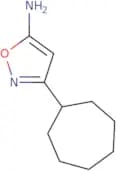
CAS:Versatile small molecule scaffoldFormula:C12H19NOPurity:Min. 95%Molecular weight:193.28 g/mol3-Cycloheptyl-1,2-oxazol-5-amine
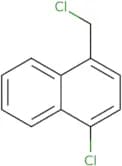
CAS:<p>Versatile small molecule scaffold</p>Formula:C10H16N2OPurity:Min. 95%Molecular weight:180.2 g/mol1-Chloro-4-(chloromethyl)naphthalene
CAS:<p>Versatile small molecule scaffold</p>Formula:C11H8Cl2Purity:Min. 95%Molecular weight:211.08 g/molPyrrolo[1,2-d][1,2,4]triazin-1(2H)-one
CAS:<p>Pyrrolo[1,2-b][1,2,4]triazin-1(2H)-one is a synthetic compound that inhibits the growth of cancer cells and can be used for the treatment of reperfusion injury. It has been shown to have significant inhibitory activity against inflammatory diseases and neurodegenerative diseases. Pyrrolo[1,2-b][1,2,4]triazin-1(2H)-one has also been found to inhibit the production of cytokines in response to bacterial stimulation. This compound binds reversibly to the active site of enzymes such as escherichia coli ribonucleoside diphosphate reductase (RNR), which prevents the conversion of ribonucleotide triphosphates into deoxyribonucleotide triphosphates. This inhibits DNA synthesis and leads to cell death. Pyrrolo[1,2-b][1,2,4]triaz</p>Formula:C6H5N3OPurity:Min. 95%Molecular weight:135.12 g/mol4-Hydroxy-1H,2H-pyrrolo[1,2-d][1,2,4]triazin-1-one
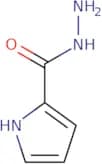
CAS:Versatile small molecule scaffoldFormula:C6H5N3O2Purity:Min. 95%Molecular weight:151.12 g/mol1H-pyrrole-2-carbohydrazide
CAS:<p>1H-Pyrrole-2-carbohydrazide is an antimicrobial agent that belongs to the group of synthetic compounds. It can be synthesized by the cross-coupling reaction of anilines with halides, diastereomeric products being formed. The reaction product is purified by preparative high performance liquid chromatography (prep HPLC) and tested for antimycobacterial activity in vitro. 1H-pyrrole-2-carbohydrazide has been shown to inhibit the growth of Mycobacterium tuberculosis and Mycobacterium avium complex at a concentration of 10 μM. This compound also inhibits the synthesis of proteins and nucleic acids, which are essential for bacterial growth.</p>Formula:C5H7N3OPurity:Min. 95%Molecular weight:125.13 g/mol4,5-Dichloro-2-hydroxybenzoic acid
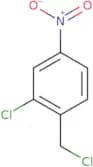
CAS:<p>Versatile small molecule scaffold</p>Formula:C7H4Cl2O3Purity:Min. 95%Molecular weight:207.01 g/mol2-Chloro-1-(chloromethyl)-4-nitrobenzene
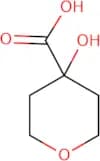
CAS:2-Chloro-1-(chloromethyl)-4-nitrobenzene is a silver salt used in the manufacture of photographic emulsions. It is prepared by reacting 2-chloro-3-nitropyridine with silver nitrate. The reaction produces a white precipitate that can be recrystallized from water or ethanol. This compound has been shown to be an effective antimicrobial agent against bacteria and fungi, and can be used to prevent the growth of mould on photographic film.Formula:C7H5Cl2NO2Purity:Min. 95%Molecular weight:206.02 g/mol4-hydroxytetrahydro-2H-pyran-4-carboxylic acid
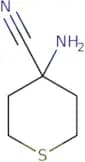
CAS:Versatile small molecule scaffoldFormula:C6H10O4Purity:Min. 95%Molecular weight:146.14 g/mol4-Aminotetrahydro-2H-thiopyran-4-carbonitrile
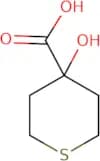
CAS:Versatile small molecule scaffoldFormula:C6H10N2SPurity:Min. 95%Molecular weight:142.22 g/mol4-Hydroxythiane-4-carboxylic acid
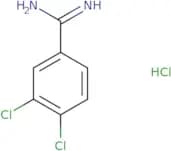
CAS:<p>Versatile small molecule scaffold</p>Formula:C6H10O3SPurity:Min. 95%Molecular weight:162.21 g/mol3,4-Dichlorobenzene-1-carboximidamide hydrochloride
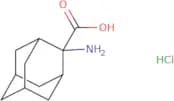
CAS:Versatile small molecule scaffoldFormula:C7H7Cl3N2Purity:Min. 95%Molecular weight:225.5 g/mol2-Aminoadamantane-2-carboxylic acid hydrochloride
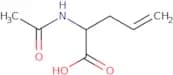
CAS:Versatile small molecule scaffoldFormula:C11H18ClNO2Purity:Min. 95%Color and Shape:PowderMolecular weight:231.72 g/mol2-Acetamidopent-4-enoic acid
CAS:<p>Versatile small molecule scaffold</p>Formula:C7H11NO3Purity:Min. 95%Molecular weight:157.17 g/mol4-[2-(Dimethylamino)ethyl]benzene-1,2-diol hydrobromide
CAS:4-[2-(Dimethylamino)ethyl]benzene-1,2-diol hydrobromide (DMAB) is a potent and selective inhibitor of cocaine-induced chronotropic and pressor responses in rats. DMAB also inhibits the release of dopamine from rat brain nerve endings. In addition, it has been shown to inhibit the binding of cocaine to ganglionic nerve endings and bulbocapnine receptors. The drug appears to be well tolerated following oral administration in animals, as no changes in blood pressure or heart rate were observed.Formula:C10H16BrNO2Purity:Min. 95%Molecular weight:262.14 g/mol2-[(4-Methyl-1,3-thiazol-2-yl)methyl]pyridine dihydrochloride
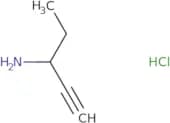
CAS:Versatile small molecule scaffoldFormula:C10H12Cl2N2SPurity:Min. 95%Molecular weight:263.19 g/molPent-1-yn-3-amine hydrochloride
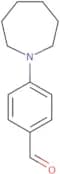
CAS:Versatile small molecule scaffoldFormula:C5H10ClNPurity:Min. 95%Molecular weight:119.59 g/mol4-(Azepan-1-yl)benzaldehyde
CAS:<p>Versatile small molecule scaffold</p>Formula:C13H17NOPurity:Min. 95%Molecular weight:203.28 g/molDiethyl({2-[(2-methylpropyl)amino]ethyl})amine
CAS:Versatile small molecule scaffoldFormula:C10H24N2Purity:Min. 95%Molecular weight:172.31 g/mol3-Bromo-2-hydroxy-5-methoxybenzenecarbaldehyde
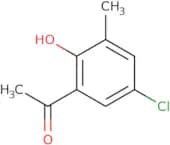
CAS:3-Bromo-2-hydroxy-5-methoxybenzenecarbaldehyde is an organic compound with the chemical formula of CHBrOH. It has an acidic character and a melting point of -220°C. This compound is used in diagnostic tests for HIV infection and inflammatory bowel disease. The hydroxyl group at the 3 position of the molecule makes this compound reactive, leading to its use as a catalyst in polymerization reactions. 3-Bromo-2-hydroxy-5-methoxybenzenecarbaldehyde also has protease activity, which may be due to the presence of nitrogen atoms on its structure.Formula:C8H7BrO3Purity:Min. 95%Molecular weight:231.05 g/mol1-(5-Chloro-2-hydroxy-3-methylphenyl)ethan-1-one
CAS:Versatile small molecule scaffoldFormula:C9H9ClO2Purity:Min. 95%Molecular weight:184.62 g/mol6-(Methylamino)hexan-1-ol
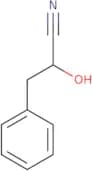
CAS:<p>Versatile small molecule scaffold</p>Formula:C7H17NOPurity:Min. 95%Molecular weight:131.22 g/mol2-Hydroxy-3-phenylpropanenitrile
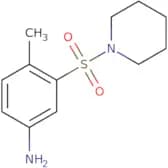
CAS:<p>2-Hydroxy-3-phenylpropanenitrile is a mesenteric extract that has been shown to have an inhibitory effect on the growth of bacteria. It is a chemical compound that is found in biological samples such as human liver, kidney, and lung. 2-Hydroxy-3-phenylpropanenitrile contains a phenyl group and a hydroxy group, which are important for its biochemical properties. It is also used as a carbon source in chemical reactions. The bacterial strain that has been studied with this compound is mesenteroides. This organism was grown in hydrolyzable media containing mandelonitrile and malonic acid, and 2-hydroxypropane nitrile was removed from the culture medium by acidic hydrolysis. This extract showed an inhibitory effect on the growth of the bacterial strain</p>Formula:C9H9NOPurity:Min. 95%Molecular weight:147.17 g/mol4-Methyl-3-(piperidine-1-sulfonyl)-phenylamine
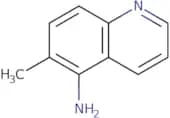
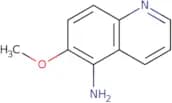
CAS:Versatile small molecule scaffoldFormula:C12H18N2O2SPurity:Min. 95%Molecular weight:254.35 g/mol6-Methyl-5-quinolinamine
CAS:<p>6-Methyl-5-quinolinamine (6MQ) is a cationic quinolone antibacterial that inhibits bacterial growth by binding to DNA. It has been shown to inhibit the growth of bacteria, such as Escherichia coli and Staphylococcus aureus. 6MQ binds to the DNA gyrase enzyme and prevents it from unwinding the double helix, which prevents transcription and replication. The quinoline ring in this compound also contains an amine group, which is important for its antibacterial activity. 6MQ forms hydrogen bonds with the carboxylic acid groups on the surface of bacterial cells, leading to cell death.<br>6MQ can be synthesized by reacting malonate with fluorine gas in order to form an intermediate molecule, which reacts with ammonia and methyl iodide in order to form a quinoline ring.</p>Formula:C10H10N2Purity:Min. 95%Molecular weight:158.2 g/mol6-Methoxyquinolin-5-amine
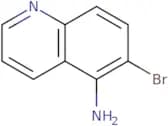
CAS:<p>6-Methoxyquinolin-5-amine is a cytotoxic drug that belongs to the class of quinoline derivatives. It has been shown to induce cell death in cancer cells through a caspase-independent mechanism. 6-Methoxyquinolin-5-amine is also able to induce autophagy, which is a process of self-digestion and recycling of cellular components. The chemical stability of 6-methoxyquinolin-5-amine is greater than that of most other cytotoxic drugs, making it an active analogue with improved pharmacokinetic properties. This compound induces apoptosis by binding to the mitochondria and inhibiting electron transport chain activity. 6-Methoxyquinolin-5-amine can also cause reactive oxygen species release, which leads to DNA damage and subsequent apoptosis induction.</p>Formula:C10H10N2OPurity:Min. 95%Molecular weight:174.2 g/mol5-Amino-6-bromoquinoline
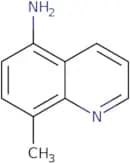
CAS:<p>Versatile small molecule scaffold</p>Formula:C9H7BrN2Purity:Min. 95%Molecular weight:223.07 g/mol8-Methyl-quinolin-5-ylamine
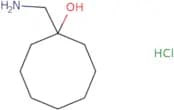
CAS:<p>8-Methylquinolin-5-ylamine is a heterocyclic compound. It is prepared by the catalytic oxidation of paraformaldehyde, which can be produced from formaldehyde and chloral hydrate or from formaldehyde and ammonium sulfate. 8-Methylquinolin-5-ylamine has been shown to have carcinogenic activity in animal studies, although it does not seem to have carcinogenic properties in humans. The carcinogenic effect may be due to its ability to induce cancer through a number of mechanisms, including binding with DNA, inhibiting DNA repair enzymes, or causing mutations in the DNA molecule. This chemical also has the potential to cause damage by forming covalent bonds with cellular macromolecules such as proteins or nucleic acids (e.g., DNA).</p>Formula:C10H10N2Purity:Min. 95%Molecular weight:158.2 g/mol1-(Aminomethyl)cyclooctan-1-ol hydrochloride
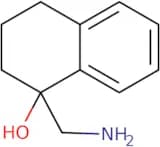
CAS:<p>Versatile small molecule scaffold</p>Formula:C9H20ClNOPurity:Min. 95%Molecular weight:193.7 g/mol1-(Aminomethyl)-1,2,3,4-tetrahydronaphthalen-1-ol
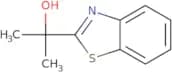
CAS:<p>Versatile small molecule scaffold</p>Formula:C11H15NOPurity:Min. 95%Molecular weight:177.24 g/mol2-(1,3-Benzothiazol-2-yl)propan-2-ol
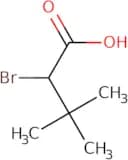
CAS:<p>2-(1,3-Benzothiazol-2-yl)propan-2-ol is an organic perchlorate. It is a white crystalline solid that has a melting point of about 5°C and a boiling point of about 170°F. The molecular weight of 2-(1,3-Benzothiazol-2-yl)propan-2-ol is 134.19 grams/mol. This substance is not hazardous to health and can be used in the production of substances such as acylation agents, carbinols, and perchloric acid.</p>Formula:C10H11NOSPurity:Min. 95%Molecular weight:193.27 g/mol2-Bromo-3,3-dimethylbutanoic acid
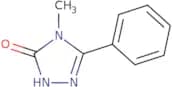
CAS:<p>Versatile small molecule scaffold</p>Formula:C6H11BrO2Purity:Min. 95%Molecular weight:195.05 g/mol4-Methyl-3-phenyl-4,5-dihydro-1H-1,2,4-triazol-5-one
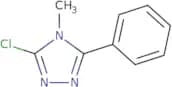
CAS:Versatile small molecule scaffoldFormula:C9H9N3OPurity:Min. 95%Molecular weight:175.19 g/mol3-Chloro-4-methyl-5-phenyl-4H-1,2,4-triazole
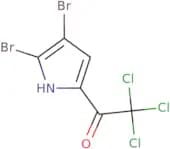
CAS:<p>Versatile small molecule scaffold</p>Formula:C9H8ClN3Purity:Min. 95%Molecular weight:193.63 g/mol2,2,2-Trichloro-1-(4,5-dibromo-1H-pyrrol-2-yl)-1-ethanone
CAS:Versatile small molecule scaffoldFormula:C6H2Br2Cl3NOPurity:Min. 95%Molecular weight:370.27 g/mol2-(Dimethylamino)-4-phenyl-1,3-thiazole-5-carbaldehyde
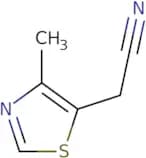
CAS:Versatile small molecule scaffoldFormula:C12H12N2OSPurity:Min. 95%Molecular weight:232.3 g/mol2-(4-Methyl-1,3-thiazol-5-yl)acetonitrile
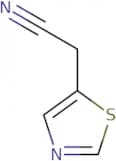
CAS:Versatile small molecule scaffoldFormula:C6H6N2SPurity:Min. 95%Molecular weight:138.19 g/mol2-(1,3-Thiazol-5-yl)acetonitrile
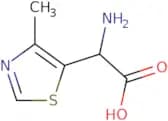
CAS:<p>Versatile small molecule scaffold</p>Formula:C5H4N2SPurity:Min. 95%Molecular weight:124.17 g/mol2-Amino-2-(4-methyl-1,3-thiazol-5-yl)acetic acid
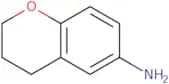
CAS:Versatile small molecule scaffoldFormula:C6H8N2O2SPurity:Min. 95%Molecular weight:172.21 g/mol3,4-dihydro-2H-1-benzopyran-6-amine
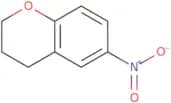
CAS:<p>3,4-dihydro-2H-1-benzopyran-6-amine is an olefinic, reactive chemical that is used as an excipient in the preparation of polyenes. It can be used as a reactant to form heterocycles and unsaturated fatty acids. 3,4-dihydro-2H-1-benzopyran-6-amine has been shown to inhibit platelet aggregation and has been used as a ligand for the study of chemical reactions. This drug also has a wittig reaction with amido compounds to form hydrocarbon groups.</p>Formula:C9H11NOPurity:Min. 95%Molecular weight:149.19 g/mol6-Nitro-3,4-dihydro-2H-1-benzopyran
CAS:<p>Ai Product Descriptions 50 Creative</p>Formula:C9H9NO3Purity:Min. 95%Molecular weight:179.17 g/mol7-Nitro-3,4-dihydro-2H-chromen-6-ylamine
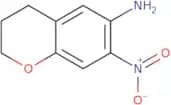
CAS:Versatile small molecule scaffoldFormula:C9H10N2O3Purity:Min. 95%Molecular weight:194.19 g/molMethyl 5,5-Dimethyl-2-oxocyclohexanecarboxylate
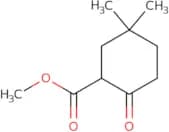
CAS:Versatile small molecule scaffoldFormula:C10H16O3Purity:Min. 95%Molecular weight:184.23 g/mol2,2-Dimethyl-1-m-tolylpropan-1-one
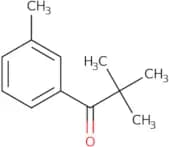
CAS:<p>Versatile small molecule scaffold</p>Formula:C12H16OPurity:Min. 95%Molecular weight:176.26 g/mol

![3-[(3-Chlorophenyl)sulfanyl]butan-2-one](/_next/image/?url=https%3A%2Fstatic.cymitquimica.com%2Fproducts%2F3D%2Fthumb-webp%2FAAC92750.webp&w=3840&q=75)
![[4-Methyl-2-(2-methylpropoxy)phenyl]methanamine](/_next/image/?url=https%3A%2Fstatic.cymitquimica.com%2Fproducts%2F3D%2Fthumb-webp%2FAAC93467.webp&w=3840&q=75)
![Pyrrolo[1,2-d][1,2,4]triazin-1(2H)-one](/_next/image/?url=https%3A%2Fstatic.cymitquimica.com%2Fproducts%2F3D%2Fthumb-webp%2FACA26986.webp&w=3840&q=75)
![4-Hydroxy-1H,2H-pyrrolo[1,2-d][1,2,4]triazin-1-one](/_next/image/?url=https%3A%2Fstatic.cymitquimica.com%2Fproducts%2F3D%2Fthumb-webp%2FACA26988.webp&w=3840&q=75)

![4-[2-(Dimethylamino)ethyl]benzene-1,2-diol hydrobromide](/_next/image/?url=https%3A%2Fstatic.cymitquimica.com%2Fproducts%2F3D%2Fthumb-webp%2FACA30953.webp&w=3840&q=75)
![2-[(4-Methyl-1,3-thiazol-2-yl)methyl]pyridine dihydrochloride](/_next/image/?url=https%3A%2Fstatic.cymitquimica.com%2Fproducts%2F3D%2Fthumb-webp%2FACA31070.webp&w=3840&q=75)
![Diethyl({2-[(2-methylpropyl)amino]ethyl})amine](/_next/image/?url=https%3A%2Fstatic.cymitquimica.com%2Fproducts%2F3D%2Fthumb-webp%2FACA34206.webp&w=3840&q=75)