Building Blocks
This section contains fundamental products for the synthesis of organic and biological compounds. Building blocks are the essential starting materials used to construct complex molecules through various chemical reactions. They play a critical role in drug discovery, material science, and chemical research. At CymitQuimica, we offer a diverse range of high-quality building blocks to support your innovative research and industrial projects, ensuring you have the essential components for successful synthesis.
Subcategories of "Building Blocks"
- Boronic Acids & Boronic Acid Derivatives(5,756 products)
- Chiral Building Blocks(1,242 products)
- Hydrocarbon Building Blocks(6,095 products)
- Organic Building Blocks(61,038 products)
Found 196817 products of "Building Blocks"
Sort by
Purity (%)
0
100
|
0
|
50
|
90
|
95
|
100
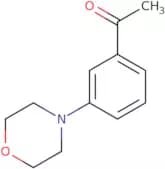
1-(3-Morpholin-4-ylphenyl)ethanone
CAS:<p>Versatile small molecule scaffold</p>Formula:C12H15NO2Purity:Min. 95%Molecular weight:205.26 g/mol4-Methyl-1-piperazinepropanoic acid 2HCl
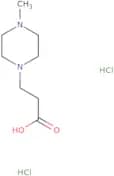
CAS:<p>Versatile small molecule scaffold</p>Formula:C8H16N2O2·2ClHPurity:Min. 95%Molecular weight:245.14 g/mol5-Cyclopropyl-1,2,3,4-tetrahydropyrimidine-2,4-dione
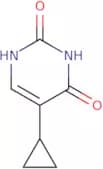
CAS:<p>5-Cyclopropyl-1,2,3,4-tetrahydropyrimidine-2,4-dione is a non-polar molecule that has been shown to have adsorption properties. It is an analogue of uracil and 6-methyluracil and can be used in the synthesis of thymine. The adsorption property of 5-cyclopropyl-1,2,3,4-tetrahydropyrimidine-2,4-dione can be analyzed using chromatographic techniques. 5CPD is also a substituted pyrimidine which can be used in the synthesis of cytosine and molecules with similar structures.</p>Formula:C7H8N2O2Purity:Min. 95%Molecular weight:152.15 g/mol4-(2-Chloroacetyl)piperazin-2-one
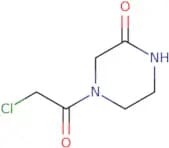
CAS:<p>Versatile small molecule scaffold</p>Formula:C6H9ClN2O2Purity:Min. 95%Molecular weight:176.6 g/mol4-Methanesulfonylpiperazin-2-one
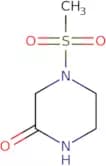
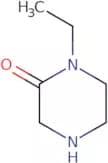
CAS:<p>Versatile small molecule scaffold</p>Formula:C5H10N2O3SPurity:Min. 95%Molecular weight:178.21 g/mol1-Ethylpiperazin-2-one
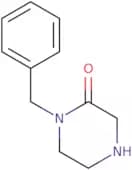
CAS:<p>Versatile small molecule scaffold</p>Formula:C6H12N2OPurity:Min. 95%Molecular weight:128.17 g/mol1-Benzylpiperazin-2-one
CAS:<p>1-Benzylpiperazin-2-one is a derivative of isoxazolidine. It is an amination reaction product that has been shown to have a profile of inhibition against phagocytic cells. 1-Benzylpiperazin-2-one has the ability to inhibit uptake and modification of drugs by inhibiting transport into the cell, which may be due to its antagonistic effects on halides and thp-1 cells. 1-Benzylpiperazin-2-one can also inhibit reuptake by blocking the transporter in presynaptic neurons, thereby preventing neurotransmitters from being recycled back into the neuron. The drug may also have antidepressant properties because it blocks reuptake of serotonin and dopamine in synapses.</p>Formula:C11H14N2OPurity:Min. 95%Molecular weight:190.25 g/mol1-Methylpiperazine-2,3-dione
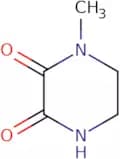
CAS:<p>Versatile small molecule scaffold</p>Formula:C5H8N2O2Purity:Min. 95%Molecular weight:128.13 g/mol2-Benzoyloxy-1,1-dimethoxy-ethane
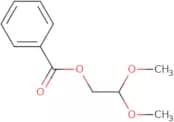
CAS:<p>Versatile small molecule scaffold</p>Formula:C11H14O4Purity:Min. 95%Molecular weight:210.23 g/moltert-Butyl 2-amino-4H,5H,6H-cyclopenta[b]thiophene-3-carboxylate
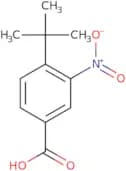
CAS:<p>Versatile small molecule scaffold</p>Formula:C12H17NO2SPurity:Min. 95%Molecular weight:239.3 g/mol4-tert-butyl-3-nitrobenzoic acid
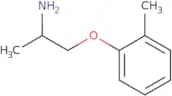
CAS:<p>4-tert-butyl-3-nitrobenzoic acid is an inorganic compound that has been used as a semiconductor material. It is a programmable material that can be fabricated to have properties that can be changed by exposing it to radiation, such as electron beams or x-rays. 4-tert-butyl-3-nitrobenzoic acid has been studied for use in fabricating solar cells, transistors, and diodes. The compound has shown high growth rates and functionalities when it is exposed to silver ions or germanium. The ligands of the compound have also been optimized for use with organic materials.</p>Formula:C11H13NO4Purity:Min. 95%Molecular weight:223.2 g/mol1-(2-Aminopropoxy)-2-methylbenzene
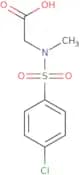
CAS:<p>Versatile small molecule scaffold</p>Formula:C10H15NOPurity:Min. 95%Molecular weight:165.23 g/mol2-(N-Methyl4-chlorobenzenesulfonamido)acetic acid
CAS:<p>Versatile small molecule scaffold</p>Formula:C9H10ClNO4SPurity:Min. 95%Molecular weight:263.7 g/mol2-[N-(Carboxymethyl)4-methylbenzenesulfonamido]acetic acid
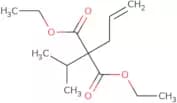
CAS:<p>Versatile small molecule scaffold</p>Formula:C11H11NO6SPurity:Min. 95%Molecular weight:285.28 g/mol1,3-Diethyl 2-(prop-2-en-1-yl)-2-(propan-2-yl)propanedioate
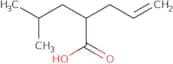
CAS:<p>Versatile small molecule scaffold</p>Formula:C13H22O4Purity:Min. 95%Molecular weight:242.31 g/mol2-(2-Methylpropyl)pent-4-enoic acid
CAS:<p>Versatile small molecule scaffold</p>Formula:C9H16O2Purity:Min. 95%Molecular weight:156.22 g/mol1-Methyl-2-((4-(methylthio)phenoxy)methyl)-5-nitro-1H-imidazole
CAS:<p>1-Methyl-2-((4-(methylthio)phenoxy)methyl)-5-nitro-1H-imidazole is a nitroheterocyclic compound that belongs to the group of antimicrobial agents. It has been shown to be active against Leishmania and is used in combination therapy with melarsoprol and sesquiterpene lactones. 1-Methyl-2-((4-(methylthio)phenoxy)methyl)-5-nitro-1H-imidazole inhibits the growth of bacteria by interfering with their electron transport system, which may lead to cell death. 1-Methyl-2-[(4-(methylthio)phenoxy)methyl]-5nitro -1H imidazole also has pharmacokinetic properties that are similar to those of fexinidazole, which makes it suitable as an experimental model for this drug's effects on humans.</p>Formula:C12H13N3O3SPurity:Min. 95%Molecular weight:279.31 g/molN-Heptylformamide
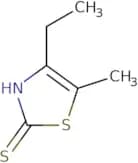
CAS:<p>N-Heptylformamide is a growth factor and an energy metabolism regulator that has been shown to affect platelet aggregation and human serum. It has been studied as a potential treatment for carcinoma cell lines in vitro assays. This compound also has neurotrophic effects, meaning it stimulates the growth and differentiation of nerve cells. N-Heptylformamide may be useful as a treatment for melanoma, since it induces the production of melanoma antigen by polymerase chain reaction. In vitro assays have shown that N-heptylformamide binds to protein kinase C (PKC) and inhibits PKC activity by preventing the phosphorylation of proteins.</p>Formula:C8H17NOPurity:Min. 95%Molecular weight:143.23 g/mol4-Ethyl-5-methyl-1,3-thiazole-2-thiol
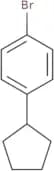
CAS:<p>Versatile small molecule scaffold</p>Formula:C6H9NS2Purity:Min. 95%Molecular weight:159.3 g/mol1-Bromo-4-cyclopentylbenzene
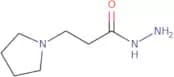
CAS:<p>1-Bromo-4-cyclopentylbenzene (1-BCPB) is a chlorinated aromatic compound that can be synthesized by reacting 1-bromo-4-chlorobenzene and cyclopentylmagnesium bromide. The reaction sequence begins with the addition of hydrochloric acid to the first reactant, followed by magnesium chloride and ether. The mixture is heated to produce a liquid solution of ethylhexyloxy pyridine, which reacts with the second reactant in a sequence that leads to the desired product. 1-BCPB is used as an intermediate in organic synthesis. It has been shown to have moderate interaction with paraldehyde and pyridinium salts at room temperature, but it does not react with cycloalkyls or pyridinium salts at elevated temperatures.</p>Formula:C11H13BrPurity:Min. 95%Molecular weight:225.13 g/mol3-(Pyrrolidin-1-yl)propanehydrazide
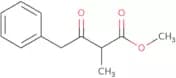
CAS:<p>Versatile small molecule scaffold</p>Formula:C7H15N3OPurity:Min. 95%Molecular weight:157.21 g/molMethyl 2-methyl-3-oxo-4-phenylbutanoate
CAS:<p>Versatile small molecule scaffold</p>Formula:C12H14O3Purity:Min. 95%Molecular weight:206.24 g/molEthyl 3-[(4-bromophenyl)amino]-2-cyanoprop-2-enoate
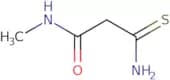
CAS:<p>Versatile small molecule scaffold</p>Formula:C12H11BrN2O2Purity:Min. 95%Molecular weight:295.13 g/mol3-Amino-N-methyl-3-thioxopropanamide
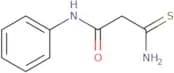
CAS:<p>Versatile small molecule scaffold</p>Formula:C4H8N2OSPurity:Min. 95%Molecular weight:132.19 g/mol2-Carbamothioyl-N-phenylacetamide
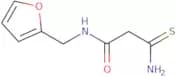
CAS:<p>2-Carbamothioyl-N-phenylacetamide is a basic compound that reacts with sodium hydroxide to form the corresponding amide. It is used in the synthesis of other compounds, including xanthine and caffeine. 2-Carbamothioyl-N-phenylacetamide can be prepared by reacting phenylacetic acid with thiourea in the presence of ethanol, followed by hydrolysis with sodium hydroxide. The product can also be obtained by heating xanthine in aqueous solution with sodium hydroxide and ethanol. This reaction is shown in figure 1 below.</p>Formula:C9H10N2OSPurity:Min. 95%Molecular weight:194.26 g/mol2-Carbamothioyl-N-(furan-2-ylmethyl)acetamide
CAS:<p>Versatile small molecule scaffold</p>Formula:C8H10N2O2SPurity:Min. 95%Molecular weight:198.24 g/mol(E)-(Methyl N-cyano-2-methylpropanecarboximidate)
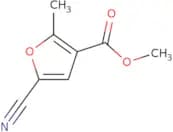
CAS:<p>Versatile small molecule scaffold</p>Formula:C6H10N2OPurity:Min. 95%Molecular weight:126.2 g/molMethyl 5-cyano-2-methylfuran-3-carboxylate
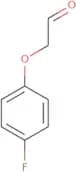
CAS:<p>Versatile small molecule scaffold</p>Formula:C8H7NO3Purity:Min. 95%Molecular weight:165.15 g/mol2-(4-Fluorophenoxy)acetaldehyde
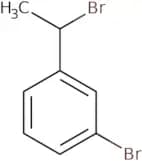
CAS:<p>Versatile small molecule scaffold</p>Formula:C8H7FO2Purity:Min. 95%Molecular weight:154.14 g/mol1-bromo-3-(1-bromoethyl)benzene
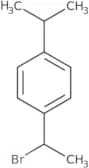
CAS:<p>Versatile small molecule scaffold</p>Formula:C8H8Br2Purity:Min. 95%Molecular weight:263.96 g/mol1-(1-Bromoethyl)-4-(propan-2-yl)benzene
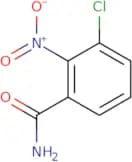
CAS:<p>Versatile small molecule scaffold</p>Formula:C11H15BrPurity:Min. 95%Molecular weight:227.14 g/mol3-Chloro-2-nitrobenzamide
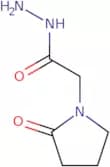
CAS:<p>Versatile small molecule scaffold</p>Formula:C7H5ClN2O3Purity:Min. 95%Molecular weight:200.58 g/mol2-(2-Oxopyrrolidin-1-yl)acetohydrazide
CAS:<p>Versatile small molecule scaffold</p>Formula:C6H11N3O2Purity:Min. 95%Molecular weight:157.17 g/molMethyl 3-sulfamoylbenzoate
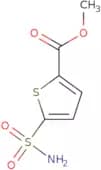
CAS:<p>Versatile small molecule scaffold</p>Formula:C8H9NO4SPurity:Min. 95%Molecular weight:215.22 g/molMethyl 5-sulfamoylthiophene-2-carboxylate
CAS:<p>Versatile small molecule scaffold</p>Formula:C6H7NO4S2Purity:Min. 95%Molecular weight:221.3 g/mol5-(Benzyloxy)pyridine-2-carbaldehyde
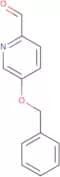
CAS:<p>Versatile small molecule scaffold</p>Formula:C13H11NO2Purity:Min. 95%Molecular weight:213.23 g/mol2-Chloro-5-iodonicotinic acid
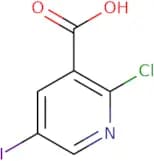
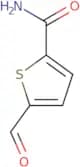
CAS:<p>Versatile small molecule scaffold</p>Formula:C6H3ClINO2Purity:Min. 95%Molecular weight:283.45 g/mol5-Formylthiophene-2-carboxamide
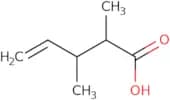
CAS:<p>Versatile small molecule scaffold</p>Formula:C6H5NO2SPurity:Min. 95%Molecular weight:155.18 g/mol2,3-Dimethylpent-4-enoic acid
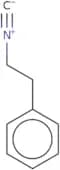
CAS:<p>Versatile small molecule scaffold</p>Formula:C7H12O2Purity:Min. 95%Molecular weight:128.17 g/mol2-Isocyanoethylbenzene
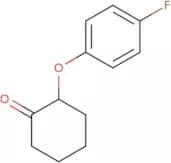
CAS:<p>2-Isocyanoethylbenzene, also known as 2-IBAB, is an organic compound that contains a carbonyl group and two isocyanate groups. It is used as a catalyst in hydrosilylation reactions to synthesize polymers such as polyurethanes. The reaction between 2-isocyanoethylbenzene and copper complex produces an imine that reacts with phosphite to form quinoline derivatives. These quinoline derivatives are then reacted with carboxylates to form ruthenium complexes, which catalyze the polymerization of deionized water. The polymerization initiator for this process is typically an organic peroxide or azide.</p>Formula:C9H9NPurity:Min. 95%Molecular weight:131.18 g/mol2-(4-Fluorophenoxy)cyclohexan-1-one
CAS:<p>Versatile small molecule scaffold</p>Formula:C12H13FO2Purity:Min. 95%Molecular weight:208.23 g/mol9-Cyclopropylnonan-1-ol
CAS:<p>Versatile small molecule scaffold</p>Formula:C12H24OPurity:Min. 95%Molecular weight:184.32 g/mol3-Chloro-6-nitro-benzo[b]thiophene-2-carboxylic acid methyl ester
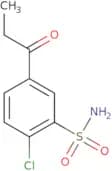
CAS:<p>Versatile small molecule scaffold</p>Formula:C10H6ClNO4SPurity:Min. 95%Molecular weight:271.68 g/mol2-Chloro-5-propanoylbenzene-1-sulfonamide
CAS:<p>Versatile small molecule scaffold</p>Formula:C9H10ClNO3SPurity:Min. 95%Molecular weight:247.7 g/mol1-Cyclopropyl-3-methylthiourea
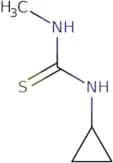
CAS:<p>1-Cyclopropyl-3-methylthiourea (1CMTU) is an inhibitor of glutamate dehydrogenase and has been shown to regulate the levels of glutamate in the brain. It is an effective treatment for a number of neurological disorders, such as epilepsy and Parkinson's disease. 1CMTU inhibits the activity of glutamic acid decarboxylase, which is responsible for converting glutamate into GABA. This drug also prevents neuronal death by inhibiting oxidative stress and regulating insulin sensitivity.</p>Formula:C5H10N2SPurity:Min. 95%Molecular weight:130.21 g/mol1,3-Dicyclopropylthiourea
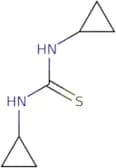
CAS:<p>Versatile small molecule scaffold</p>Formula:C7H12N2SPurity:Min. 95%Molecular weight:156.25 g/mol1-(Furan-2-ylmethyl)-3-methylthiourea
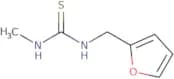
CAS:<p>Versatile small molecule scaffold</p>Formula:C7H10N2OSPurity:Min. 95%Molecular weight:170.23 g/mol4-bromo-3-sulfamoylbenzoic acid
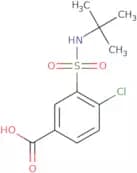
CAS:<p>Versatile small molecule scaffold</p>Formula:C7H6BrNO4SPurity:Min. 95%Molecular weight:280.1 g/mol3-(tert-Butylsulfamoyl)-4-chlorobenzoic acid
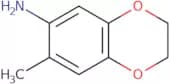
CAS:<p>Versatile small molecule scaffold</p>Formula:C11H14ClNO4SPurity:Min. 95%Molecular weight:291.75 g/mol7-Methyl-2,3-dihydro-1,4-benzodioxin-6-amine
CAS:<p>Versatile small molecule scaffold</p>Formula:C9H11NO2Purity:Min. 95%Molecular weight:165.19 g/mol

![tert-Butyl 2-amino-4H,5H,6H-cyclopenta[b]thiophene-3-carboxylate](/_next/image/?url=https%3A%2Fstatic.cymitquimica.com%2Fproducts%2F3D%2Fthumb-webp%2FJCA71355.webp&w=3840&q=75)
![2-[N-(Carboxymethyl)4-methylbenzenesulfonamido]acetic acid](/_next/image/?url=https%3A%2Fstatic.cymitquimica.com%2Fproducts%2F3D%2Fthumb-webp%2FJCA72485.webp&w=3840&q=75)

![Ethyl 3-[(4-bromophenyl)amino]-2-cyanoprop-2-enoate](/_next/image/?url=https%3A%2Fstatic.cymitquimica.com%2Fproducts%2F3D%2Fthumb-webp%2FJCA74700.webp&w=3840&q=75)

![3-Chloro-6-nitro-benzo[b]thiophene-2-carboxylic acid methyl ester](/_next/image/?url=https%3A%2Fstatic.cymitquimica.com%2Fproducts%2F3D%2Fthumb-webp%2FJCA81236.webp&w=3840&q=75)