Building Blocks
This section contains fundamental products for the synthesis of organic and biological compounds. Building blocks are the essential starting materials used to construct complex molecules through various chemical reactions. They play a critical role in drug discovery, material science, and chemical research. At CymitQuimica, we offer a diverse range of high-quality building blocks to support your innovative research and industrial projects, ensuring you have the essential components for successful synthesis.
Subcategories of "Building Blocks"
- Boronic Acids & Boronic Acid Derivatives(5,778 products)
- Chiral Building Blocks(1,242 products)
- Hydrocarbon Building Blocks(6,098 products)
- Organic Building Blocks(61,059 products)
Found 199580 products of "Building Blocks"
Sort by
Purity (%)
0
100
|
0
|
50
|
90
|
95
|
100
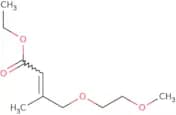
Ethyl 4-(2-methoxyethoxy)-3-methylbut-2-enoate
CAS:<p>Versatile small molecule scaffold</p>Formula:C10H18O4Purity:Min. 95%Molecular weight:202.25 g/mol3-Methyl-4-(morpholin-4-yl)but-2-enoic acid hydrochloride
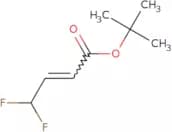
CAS:<p>Versatile small molecule scaffold</p>Formula:C9H16ClNO3Purity:Min. 95%Molecular weight:221.68 g/moltert-Butyl 4,4-difluorobut-2-enoate
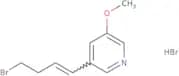
CAS:<p>Versatile small molecule scaffold</p>Formula:C8H12F2O2Purity:Min. 95%Molecular weight:178.18 g/mol3-(4-Bromobut-1-en-1-yl)-5-methoxypyridine hydrobromide
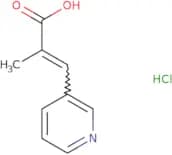
CAS:Versatile small molecule scaffoldFormula:C10H13Br2NOPurity:Min. 95%Molecular weight:323.02 g/mol2-Methyl-3-(pyridin-3-yl)prop-2-enoic acid hydrochloride
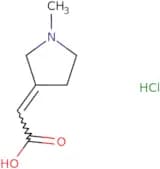
CAS:<p>Versatile small molecule scaffold</p>Formula:C9H10ClNO2Purity:Min. 95%Molecular weight:199.63 g/mol2-(1-Methylpyrrolidin-3-ylidene)acetic acid hydrochloride
CAS:Versatile small molecule scaffoldFormula:C7H12ClNO2Purity:Min. 95%Molecular weight:177.63 g/mol(2E)-3-{1-[(tert-Butoxy)carbonyl]-1H-pyrrol-2-yl}prop-2-enoic acid
CAS:<p>Versatile small molecule scaffold</p>Formula:C12H15NO4Purity:Min. 95%Molecular weight:237.25 g/molDiethyl [(R)-amino(phenyl)methyl]phosphonate hydrochloride
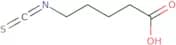
CAS:Versatile small molecule scaffoldFormula:C11H19ClNO3PPurity:Min. 95%Molecular weight:279.7 g/mol5-Isothiocyanatopentanoic acid
CAS:Versatile small molecule scaffoldFormula:C6H9NO2SPurity:Min. 95%Molecular weight:159.21 g/molDiethyl [(S)-amino(phenyl)methyl]phosphonate hydrochloride
CAS:Versatile small molecule scaffoldFormula:C11H19ClNO3PPurity:Min. 95%Molecular weight:279.7 g/mol2-Amino-2-[4-(chloromethyl)phenyl]acetic acid hydrochloride
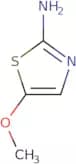
CAS:Versatile small molecule scaffoldFormula:C9H11Cl2NO2Purity:Min. 95%Molecular weight:236.1 g/mol5-Methoxy-2-thiazolamine
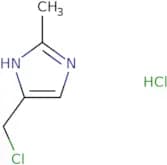
CAS:<p>Versatile small molecule scaffold</p>Formula:C4H6N2OSPurity:Min. 95%Molecular weight:130.17 g/mol4-(Chloromethyl)-2-methyl-1H-imidazole hydrochloride
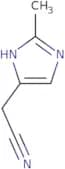
CAS:Versatile small molecule scaffoldFormula:C5H8Cl2N2Purity:Min. 95%Molecular weight:167.03 g/mol2-(2-Methyl-1H-imidazol-5-yl)acetonitrile
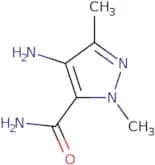
CAS:<p>Versatile small molecule scaffold</p>Formula:C6H7N3Purity:Min. 95%Molecular weight:121.14 g/mol4-Amino-1,3-dimethyl-1H-pyrazole-5-carboxamide
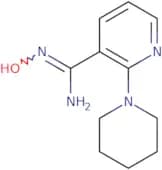
CAS:<p>Versatile small molecule scaffold</p>Formula:C6H10N4OPurity:Min. 95%Molecular weight:154.17 g/molN'-Hydroxy-2-piperidin-1-ylpyridine-3-carboximidamide
CAS:<p>Versatile small molecule scaffold</p>Formula:C11H16N4OPurity:Min. 95%Molecular weight:220.27 g/mol1-Isopropyl-[1,4]diazepane
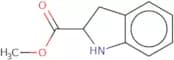
CAS:<p>Versatile small molecule scaffold</p>Formula:C8H18N2Purity:Min. 95%Molecular weight:142.25 g/molmethyl 2,3-dihydro-1H-indole-2-carboxylate
CAS:<p>Methyl 2,3-dihydro-1H-indole-2-carboxylate is an optical isomer of 1,3,5-trimethyl indole. It is a reactive compound that can undergo transesterification reaction with methyl esters or nitroindoles to form antibiotics. Methyl 2,3-dihydro-1H-indole-2-carboxylate has been shown to inhibit the activity of cyclooxygenase and lipase enzymes by forming allyl carbonates. The chemical parameters of this compound have been studied using nuclear magnetic resonance spectroscopy (NMR) and kinetic methods.</p>Formula:C10H11NO2Purity:Min. 95%Molecular weight:177.2 g/mol2-[(S)-1-Hydroxyethyl]pyridine
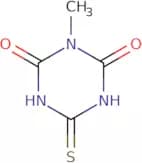
CAS:2-[(S)-1-Hydroxyethyl]pyridine is a chiral, optically active anion that has been used in the preparation of enantiopure lanthanide complexes. It has been shown to have anisotropic magnetic properties and can be employed as a ligand for the synthesis of stable complexes. The optical purity of 2-[(S)-1-hydroxyethyl]pyridine is constant due to its high degree of symmetry. 2-[(S)-1-Hydroxyethyl]pyridine is soluble in organic solvents and can be synthesized by acetylation of pyridine with ethylene oxide.Formula:C7H9NOPurity:Min. 95%Molecular weight:123.16 g/mol3-Methyl-6-sulfanyl-1,2,3,4-tetrahydro-1,3,5-triazine-2,4-dione
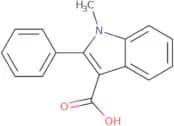
CAS:Versatile small molecule scaffoldFormula:C4H5N3O2SPurity:Min. 95%Molecular weight:159.17 g/mol1-Methyl-2-phenyl-1H-indole-3-carboxylic acid
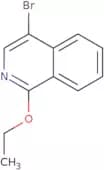
CAS:Controlled Product<p>1-Methyl-2-phenyl-1H-indole-3-carboxylic acid is an indole that can be synthesized from 2,3,4,5,6-pentafluorobenzaldehyde and 3,4-dihydrobenzo[b]furan. This compound can also be synthesized by the decarboxylative coupling of 1-(pyridinium)carboxylic acid with aryl bromide or chloride. The synthesis of this compound is not limited to these two methods and many other methods have been reported. The heteroaromatic ring in this compound may be accessed via an arylation reaction with an aryl halide or carbenes. A variety of functional groups are present in this compound including carboxylic acids and decarboxylative groups.</p>Formula:C16H13NO2Purity:Min. 95%Molecular weight:251.28 g/mol4-Bromo-1-ethoxyisoquinoline
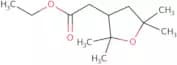
CAS:Versatile small molecule scaffoldFormula:C11H10BrNOPurity:Min. 95%Molecular weight:252.11 g/molEthyl 2-(2,2,5,5-tetramethyloxolan-3-yl)acetate
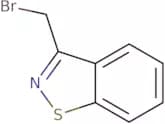
CAS:<p>Versatile small molecule scaffold</p>Formula:C12H22O3Purity:Min. 95%Molecular weight:214.3 g/mol3-(Bromomethyl)-1,2-benzothiazole
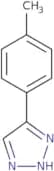
CAS:<p>Versatile small molecule scaffold</p>Formula:C8H6BrNSPurity:Min. 95%Molecular weight:228.11 g/mol4-(4-Methylphenyl)-2H-1,2,3-triazole
CAS:<p>Versatile small molecule scaffold</p>Formula:C9H9N3Purity:Min. 95%Molecular weight:159.19 g/molMethyl 8-aminooctanoate
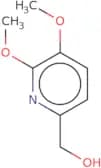
CAS:<p>Methyl 8-aminooctanoate is a fatty acid amide that inhibits the HIV virus by binding to its receptor. Methyl 8-aminooctanoate has been shown to inhibit the production of human immunodeficiency virus (HIV) in vitro, which may be due to its ability to inhibit the interaction between HIV and its receptor. Methyl 8-aminooctanoate is metabolized by esterases in vivo and excreted in urine. The pharmacokinetic properties of this drug have been evaluated in humans and optimized for a long-chain fatty ester form.</p>Formula:C9H19NO2Purity:Min. 95%Molecular weight:173.25 g/mol(5,6-Dimethoxypyridin-2-yl)methanol
CAS:<p>Versatile small molecule scaffold</p>Formula:C8H11NO3Purity:Min. 95%Molecular weight:169.18 g/mol[3-(Methylsulfanyl)phenyl]methanol
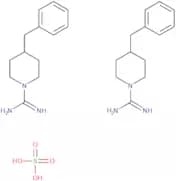
CAS:<p>Versatile small molecule scaffold</p>Formula:C8H10OSPurity:Min. 95%Molecular weight:154.23 g/molBis(4-benzylpiperidine-1-carboximidamide), sulfuric acid
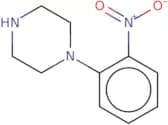
CAS:<p>Bis(4-benzylpiperidine-1-carboximidamide)sulfuric acid is a compound that contains the piperidine and carboximidamide functional groups. It is synthesized by reacting sodium carbonate with sulfuric acid in water vapor to form bis(4-benzylpiperidine-1-carboximidamide)sulfuric acid. The structure of this compound has been confirmed by Langmuir adsorption isotherm, sulfuric particle, and fatty acid analysis. Bis(4-benzylpiperidine-1-carboximidamide)sulfuric acid has been shown to be an excellent catalyst for the synthesis of polyurethane elastomers. The reaction mechanism underlying this process is electrochemical impedance spectroscopy, which allows for the measurement of the changes in impedance as a function of time following the application of an alternating voltage potential.</p>Formula:C26H40N6O4SPurity:Min. 95%Molecular weight:532.7 g/mol1-(2-Nitro-phenyl)-piperazine
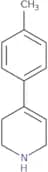
CAS:<p>1-(2-Nitro-phenyl)-piperazine is a chemical compound that is found in plants of the Primulaceae family, such as Arnica montana. It has been shown to have anti-inflammatory properties and may be useful for the treatment of inflammatory bowel disease and alopecia areata. 1-(2-Nitro-phenyl)-piperazine inhibits nitric oxide synthesis by binding to plasma glucose and forming a complex that cannot be broken down by hydrochloric acid. This complex inhibits the enzyme nitrate reductase, which converts nitric oxide into nitrite. Nitrite then reacts with erythrocytes to form methemoglobin, which reduces the oxygen carrying capacity of red blood cells (RBCs). Inhibition of nitric oxide production leads to decreased inflammation and an improvement in symptoms associated with inflammatory bowel disease and alopecia areata.</p>Formula:C10H13N3O2Purity:Min. 95%Molecular weight:207.23 g/mol4-(4-Methylphenyl)-1,2,3,6-tetrahydropyridine
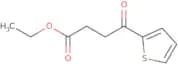
CAS:Versatile small molecule scaffoldFormula:C12H15NPurity:Min. 95%Molecular weight:173.25 g/molEthyl 4-oxo-4-(thiophen-2-yl)butanoate
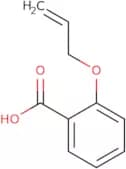
CAS:<p>Versatile small molecule scaffold</p>Formula:C10H12O3SPurity:Min. 95%Molecular weight:212.27 g/mol2-(Prop-2-en-1-yloxy)benzoic acid
CAS:2-(Prop-2-en-1-yloxy)benzoic acid is a chemical compound that is used as an antimicrobial agent. It has been shown to have a broad spectrum of activity against bacteria, fungi, and viruses. In particular, it is active against organisms that are resistant to penicillin. This drug has been shown to be effective against methicillin-resistant Staphylococcus aureus (MRSA) and Clostridium perfringens, although is not active against acid-fast bacteria such as Mycobacterium tuberculosis or Mycobacterium avium complex. 2-(Prop-2-en-1-yloxy)benzoic acid has also been shown to have antiinflammatory properties which may be due to its inhibition of prostaglandin synthesis.Formula:C10H10O3Purity:Min. 95%Molecular weight:178.18 g/mol2-[2-(4-Methylphenoxy)acetamido]benzoic acid
CAS:Versatile small molecule scaffoldFormula:C16H15NO4Purity:Min. 95%Molecular weight:285.29 g/molMethyl 1-methyl-1,2,3,6-tetrahydropyridine-4-carboxylate
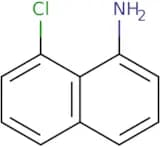
CAS:Methyl 1-methyl-1,2,3,6-tetrahydropyridine-4-carboxylate is a drug that binds to the m1 receptor. It has been shown to reduce airflow in rats and produce bronchoconstriction in guinea pigs. Methyl 1-methyl-1,2,3,6-tetrahydropyridine-4-carboxylate is an antagonist at the m1 receptor that induces airway constriction by activating the receptors. The compound is also found in the human blood pressure medication methyldopa.Formula:C8H13NO2Purity:Min. 95%Molecular weight:155.19 g/mol8-Chloro-naphthalen-1-ylamine
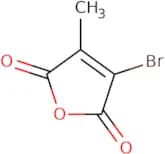
CAS:<p>Versatile small molecule scaffold</p>Formula:C10H8ClNPurity:Min. 95%Molecular weight:177.63 g/mol3-Bromo-4-methyl-2,5-dihydrofuran-2,5-dione
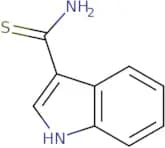
CAS:3-Bromo-4-methyl-2,5-dihydrofuran-2,5-dione is a byproduct of bilirubin oxidation. It is found in the urine of patients with Gilbert's syndrome and can be used to identify this condition. 3-Bromo-4-methyl-2,5-dihydrofuran-2,5-dione can be oxidized to 3,3'-bichlorodihydrofuran by an oxidative technique that uses lc/ms as a detection method. This product is an isomeric form of 2,2'-bichlorooxirane and crystallizes in four different forms.Formula:C5H3BrO3Purity:Min. 95%Molecular weight:190.98 g/mol1H-Indole-3-carbothioic acid amide
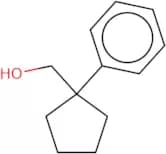
CAS:<p>1H-Indole-3-carbothioic acid amide is a synthetic anticancer agent that has been shown to be active against cancer cells. It inhibits the growth of cancer cells by inducing apoptosis and inhibiting the production of proteins necessary for cell division. 1H-Indole-3-carbothioic acid amide is a chlorine atom that is obtained by reacting an indole with phosgene in the presence of a base to form the corresponding chloroindole. The diacetate of 1H-indole-3-carbothioic acid amide can also be used as an anticancer agent, which inhibits protein synthesis and induces apoptosis.</p>Formula:C9H8N2SPurity:Min. 95%Molecular weight:176.24 g/mol(1-Phenylcyclopentyl)methanol
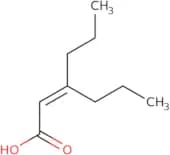
CAS:<p>Versatile small molecule scaffold</p>Formula:C12H16OPurity:Min. 95%Molecular weight:176.26 g/mol3-Propylhex-2-enoic acid
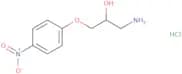
CAS:<p>Versatile small molecule scaffold</p>Formula:C9H16O2Purity:Min. 95%Molecular weight:156.22 g/mol1-Amino-3-(4-nitrophenoxy)propan-2-ol hydrochloride
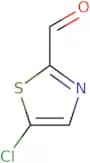
CAS:<p>Versatile small molecule scaffold</p>Formula:C9H13ClN2O4Purity:Min. 95%Molecular weight:248.66 g/mol5-Chlorothiazole-2-carbaldehyde
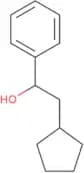
CAS:<p>Versatile small molecule scaffold</p>Formula:C4H2ClNOSPurity:Min. 95%Molecular weight:147.59 g/mol2-Cyclopentyl-1-phenylethan-1-ol
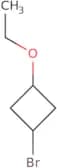
CAS:Versatile small molecule scaffoldFormula:C13H18OPurity:Min. 95%Molecular weight:190.28 g/mol1-Bromo-3-ethoxycyclobutane
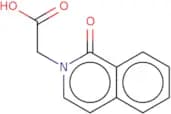
CAS:<p>Versatile small molecule scaffold</p>Formula:C6H11BrOPurity:Min. 95%Molecular weight:179.05 g/mol2-(1-Oxoisoquinolin-2(1H)-yl)acetic acid
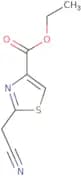
CAS:<p>Versatile small molecule scaffold</p>Formula:C11H9NO3Purity:Min. 95%Molecular weight:203.19 g/molEthyl 2-(cyanomethyl)-1,3-thiazole-4-carboxylate
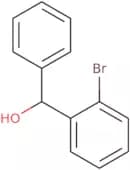
CAS:<p>Versatile small molecule scaffold</p>Formula:C8H8N2O2SPurity:Min. 95%Molecular weight:196.23 g/mol(2-Bromophenyl)(phenyl)methanol
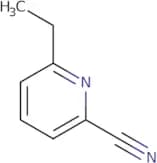
CAS:The synthesis of (2-bromophenyl)(phenyl)methanol is accomplished by the reaction of an aldehyde with bromine followed by an alkylation with magnesium. The product is obtained as a racemic mixture of enantiomers with a chiral center, which can be resolved by fractional crystallization or other separation methods. This method has been shown to be efficient for the synthesis of alcohols and carbinols, and stereogenic reactions.Formula:C13H11OBrPurity:Min. 95%Molecular weight:263.12 g/mol6-Ethylpyridine-2-carbonitrile
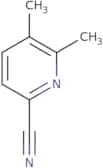
CAS:Versatile small molecule scaffoldFormula:C8H8N2Purity:Min. 95%Molecular weight:132.16 g/mol5,6-Dimethylpicolinonitrile
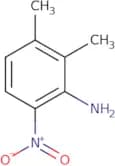
CAS:Versatile small molecule scaffoldFormula:C8H8N2Purity:Min. 95%Molecular weight:132.16 g/mol6-Nitro-2,3-xylidine
CAS:<p>6-Nitro-2,3-xylidine is a molecule that has been synthesized using organocatalytic methods. This compound is an electron acceptor and a strong nucleophile, which can be used for the synthesis of chiral derivatives. As an organocatalyst, 6-nitro-2,3-xylidine can be used to sulfonate aldehydes with high stereoselectivity. The molecular orbital diagram shows that the antibonding interaction is stronger than the bonding interaction between this compound and chloride.</p>Formula:C8H10N2O2Purity:Min. 95%Molecular weight:166.18 g/mol


![(2E)-3-{1-[(tert-Butoxy)carbonyl]-1H-pyrrol-2-yl}prop-2-enoic acid](/_next/image/?url=https%3A%2Fstatic.cymitquimica.com%2Fproducts%2F3D%2Fthumb-webp%2FJBD35891.webp&w=3840&q=75)
![Diethyl [(R)-amino(phenyl)methyl]phosphonate hydrochloride](/_next/image/?url=https%3A%2Fstatic.cymitquimica.com%2Fproducts%2F3D%2Fthumb-webp%2FJCA00119.webp&w=3840&q=75)
![Diethyl [(S)-amino(phenyl)methyl]phosphonate hydrochloride](/_next/image/?url=https%3A%2Fstatic.cymitquimica.com%2Fproducts%2F3D%2Fthumb-webp%2FJCA00511.webp&w=3840&q=75)
![2-Amino-2-[4-(chloromethyl)phenyl]acetic acid hydrochloride](/_next/image/?url=https%3A%2Fstatic.cymitquimica.com%2Fproducts%2F3D%2Fthumb-webp%2FJCA01283.webp&w=3840&q=75)
![1-Isopropyl-[1,4]diazepane](/_next/image/?url=https%3A%2Fstatic.cymitquimica.com%2Fproducts%2F3D%2Fthumb-webp%2FJCA03961.webp&w=3840&q=75)
![2-[(S)-1-Hydroxyethyl]pyridine](/_next/image/?url=https%3A%2Fstatic.cymitquimica.com%2Fproducts%2F3D%2Fthumb-webp%2FJCA04290.webp&w=3840&q=75)

![[3-(Methylsulfanyl)phenyl]methanol](/_next/image/?url=https%3A%2Fstatic.cymitquimica.com%2Fproducts%2F3D%2Fthumb-webp%2FJCA08333.webp&w=3840&q=75)
![2-[2-(4-Methylphenoxy)acetamido]benzoic acid](/_next/image/?url=https%3A%2Fstatic.cymitquimica.com%2Fproducts%2F3D%2Fthumb-webp%2FJCA09064.webp&w=3840&q=75)