Building Blocks
Subcategories of "Building Blocks"
- Boronic Acids & Boronic Acid Derivatives(5,805 products)
- Chiral Building Blocks(1,248 products)
- Hydrocarbon Building Blocks(6,122 products)
- Organic Building Blocks(61,463 products)
Found 208442 products of "Building Blocks"
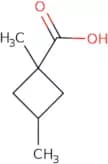
1,3-Dimethylcyclobutane-1-carboxylic acid
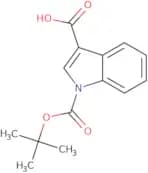
CAS:Versatile small molecule scaffoldFormula:C7H12O2Purity:Min. 95%Molecular weight:128.17 g/mol1-(tert-Butoxycarbonyl)-1H-indole-3-carboxylic acid
CAS:This compound is an indole carboxylic acid with a tert-butoxycarbonyl group. It has a functional group of an ester at the C3 position, which is positioned at the 2-position on the indole ring. The molecule is a heterocycle and can be found in nature. This compound is bioactive and has been shown to have an affinity for human inflammatory receptors. It can also act as a surrogate for other molecules that might be too difficult to synthesize or too expensive to produce.Formula:C14H15NO4Purity:Min. 95%Molecular weight:261.27 g/mol6-Chloroimidazo[1,2-B]pyridazine-3-methanol
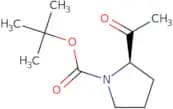
CAS:Versatile small molecule scaffoldFormula:C7H6ClN3OPurity:Min. 95%Molecular weight:183.6 g/mol(R)-Tert-butyl 2-acetylpyrrolidine-1-carboxylate
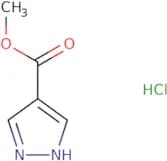
CAS:Versatile small molecule scaffoldFormula:C11H19NO3Purity:Min. 95%Molecular weight:213.28 g/molMethyl 1H-pyrazole-4-carboxylate hydrochloride
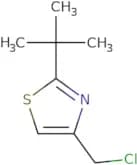
CAS:Versatile small molecule scaffoldFormula:C5H7ClN2O2Purity:Min. 95%Molecular weight:162.57 g/mol2-tert-Butyl-4-(chloromethyl)-1,3-thiazole
CAS:Versatile small molecule scaffoldFormula:C8H12ClNSPurity:Min. 95%Molecular weight:189.71 g/mol(1R)-1-[2-(Benzyloxy)phenyl]ethan-1-ol
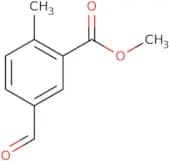
CAS:Versatile small molecule scaffoldFormula:C15H16O2Purity:Min. 95%Molecular weight:228.29 g/molMethyl 5-formyl-2-methylbenzoate
CAS:Versatile small molecule scaffold
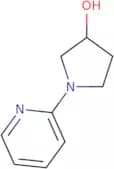
Formula:C10H10O3Purity:Min. 95%Molecular weight:178.18 g/mol(3R)-1-(Pyridin-2-yl)pyrrolidin-3-ol
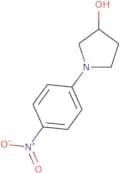
CAS:Versatile small molecule scaffoldFormula:C9H12N2OPurity:Min. 95%Molecular weight:164.2 g/mol(3R)-1-(4-Nitrophenyl)pyrrolidin-3-ol
CAS:Versatile small molecule scaffold
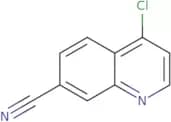
Formula:C10H12N2O3Purity:Min. 95%Molecular weight:208.21 g/mol4-chloroquinoline-7-carbonitrile
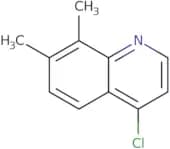
CAS:4-Chloroquinoline-7-carbonitrile is a molecule that is an azidealkyne with a pharmacophore. It has been shown to be a more effective linker for the preparation of biologically active molecules than other linkers such as amides. 4-Chloroquinoline-7-carbonitrile is also a precursor for quinoline derivatives, which are bioactive molecules. The synthetic route to 4-chloroquinoline-7-carbonitrile has been developed and optimized by organic chemists and advances have been made in the biological properties of this molecule.Formula:C10H5ClN2Purity:Min. 95%Molecular weight:188.61 g/mol4-Chloro-7,8-dimethylquinoline
CAS:Versatile small molecule scaffold
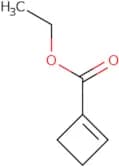
Formula:C11H10ClNPurity:Min. 95%Molecular weight:191.66 g/molEthyl cyclobut-1-ene-1-carboxylate
CAS:Versatile small molecule scaffold
Formula:C7H10O2Purity:Min. 95%Molecular weight:126.15 g/mol[(2-Methoxyphenyl)methyl](methyl)amine hydrochloride
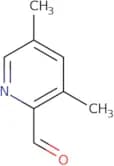
CAS:Versatile small molecule scaffoldFormula:C9H13NO·HClPurity:Min. 95%Molecular weight:187.67 g/mol3,5-Dimethylpyridine-2-carbaldehyde
CAS:Versatile small molecule scaffoldFormula:C8H9NOPurity:Min. 95%Molecular weight:135.16 g/molN-{[3-(Aminomethyl)phenyl]methyl}acetamide hydrochloride
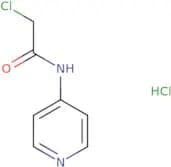
CAS:Versatile small molecule scaffoldFormula:C10H15ClN2OPurity:Min. 95%Molecular weight:214.69 g/mol2-Chloro-N-(pyridin-4-yl)acetamide hydrochloride
CAS:Versatile small molecule scaffold
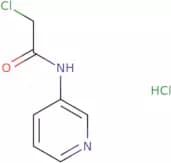
Formula:C7H8Cl2N2OPurity:Min. 95%Molecular weight:207.05 g/mol2-Chloro-N-(pyridin-3-yl)acetamide hydrochloride
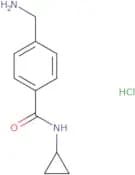
CAS:Versatile small molecule scaffoldFormula:C7H8Cl2N2OPurity:Min. 95%Molecular weight:207.05 g/mol4-(Aminomethyl)-N-cyclopropylbenzamide hydrochloride
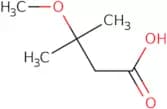
CAS:Versatile small molecule scaffoldFormula:C11H15ClN2OPurity:Min. 95%Molecular weight:226.7 g/mol3-Methoxy-3-methylbutanoic acid
CAS:3-Methoxy-3-methylbutanoic acid is a monounsaturated fatty acid found in vegetable oils. It is used as an inexpensive chemical reagent in the synthesis of various organic compounds, including herbicides, insecticides, and pharmaceuticals. 3-Methoxy-3-methylbutanoic acid reacts with hypochlorite to form 3-chloro-3-methoxypropionic acid, which is an effective insecticide. In addition, it reacts with potassium dihydrogen phosphate to produce a salt that can be used to make butanal.
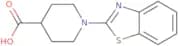
Formula:C6H12O3Purity:Min. 95%Molecular weight:132.16 g/mol1-(1,3-Benzothiazol-2-yl)piperidine-4-carboxylic acid
CAS:Versatile small molecule scaffoldFormula:C13H14N2O2SPurity:Min. 95%Molecular weight:262.33 g/mol4-Bromo-1-(3-chloropropoxy)-2-fluorobenzene
CAS:Versatile small molecule scaffold
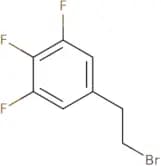
Formula:C9H9BrClFOPurity:Min. 95%Molecular weight:267.52 g/mol5-(2-Bromoethyl)-1,2,3-trifluorobenzene
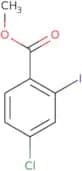
CAS:Versatile small molecule scaffoldFormula:C8H6BrF3Purity:Min. 95%Molecular weight:239.03 g/molMethyl 4-chloro-2-iodobenzoate
CAS:Methyl 4-chloro-2-iodobenzoate is an efficient synthesis of 2,4-dihydroxyphenylacetic acid.Formula:C8H6ClIO2Purity:Min. 95%Molecular weight:296.49 g/mol2-[(Piperidine-1-sulfonyl)amino]ethan-1-ol
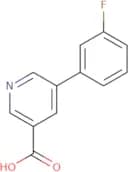
CAS:Versatile small molecule scaffoldFormula:C7H16N2O3SPurity:Min. 95%Molecular weight:208.28 g/mol5-(3-Fluorophenyl)nicotinic acid
CAS:Versatile small molecule scaffold
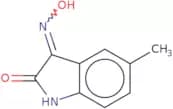
Formula:C12H8FNO2Purity:Min. 95%Molecular weight:217.2 g/mol3-(Hydroxyimino)-5-methyl-2,3-dihydro-1H-indol-2-one
CAS:Versatile small molecule scaffoldFormula:C9H8N2O2Purity:Min. 95%Molecular weight:176.2 g/molN-Ethyl-4-oxopiperidine-1-carboxamide
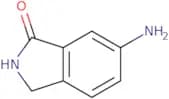
CAS:Controlled ProductVersatile small molecule scaffoldFormula:C8H14N2O2Purity:Min. 95%Molecular weight:170.21 g/mol6-Aminoisoindolin-1-one
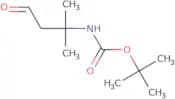
CAS:Versatile small molecule scaffoldFormula:C8H8N2OPurity:Min. 95%Molecular weight:148.16 g/moltert-Butyl N-(2-methyl-4-oxobutan-2-yl)carbamate
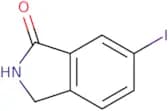
CAS:Versatile small molecule scaffoldFormula:C10H19NO3Purity:Min. 95%Molecular weight:201.26 g/mol6-Iodo-2,3-dihydro-1H-isoindol-1-one
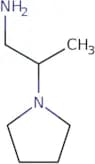
CAS:Versatile small molecule scaffoldFormula:C8H6INOPurity:Min. 95%Molecular weight:259.04 g/mol2-Pyrrolidin-1-yl-propylamine
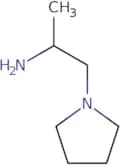
CAS:Versatile small molecule scaffoldFormula:C7H16N2Purity:Min. 95%Molecular weight:128.22 g/mol1-Methyl-2-pyrrolidin-1-yl-ethylamine
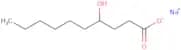
CAS:Versatile small molecule scaffoldFormula:C7H16N2Purity:Min. 95%Molecular weight:128.22 g/molSodium 4-hydroxydecanoate
CAS:Versatile small molecule scaffoldFormula:C10H19NaO3Purity:Min. 95%Molecular weight:210.25 g/mol(2E)-4-{[(tert-Butoxy)carbonyl]amino}-4-methylpent-2-enoic acid
CAS:Versatile small molecule scaffoldFormula:C11H19NO4Purity:Min. 95%Molecular weight:229.27 g/molEthyl 2-(1,2-dihydroxy-2-phenylethyl)-1,3-oxazole-4-carboxylate
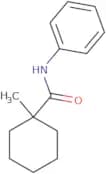
CAS:Versatile small molecule scaffoldFormula:C14H15NO5Purity:Min. 95%Molecular weight:277.3 g/mol1-Methyl-N-phenylcyclohexane-1-carboxamide
CAS:Versatile small molecule scaffold
Formula:C14H19NOPurity:Min. 95%Molecular weight:217.31 g/mol1-Bromo-3-(2-ethoxyethoxy)propane
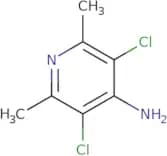
CAS:Versatile small molecule scaffoldFormula:C7H15BrO2Purity:Min. 95%Molecular weight:211.1 g/mol3,5-dichloro-2,6-dimethylpyridin-4-amine
CAS:3,5-Dichloro-2,6-dimethylpyridin-4-amine is a phytotoxic compound that belongs to the group of heterocyclic compounds. It has been used in hydroponic cultures as a carboxyl herbicide and for the control of clopidol-resistant weeds. The symptoms induced by 3,5-dichloro-2,6-dimethylpyridin-4-amine are similar to those observed in plants treated with picolinic acid. Ingestion of this substance can lead to symptoms such as vomiting and diarrhea. The chemical is toxic and ingestion can result in death.Formula:C7H8N2Cl2Purity:Min. 95%Molecular weight:191.05 g/mol3-Pyridinamine, 6-[(2-methyl-3-pyridinyl)oxy]-
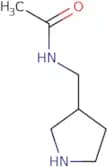
CAS:Versatile small molecule scaffoldFormula:C11H11N3OPurity:Min. 95%Molecular weight:201.22 g/molN-(Pyrrolidin-3-ylmethyl)acetamide
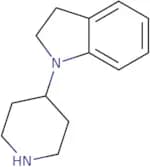
CAS:Versatile small molecule scaffoldFormula:C7H14N2OPurity:Min. 95%Molecular weight:142.2 g/mol1-(Piperidin-4-yl)-2,3-dihydro-1H-indole
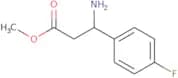
CAS:Versatile small molecule scaffoldFormula:C13H18N2Purity:Min. 95%Molecular weight:202.3 g/molMethyl 3-amino-3-(4-fluorophenyl)propanoate
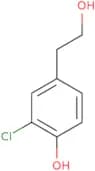
CAS:Versatile small molecule scaffoldFormula:C10H12FNO2Purity:Min. 95%Molecular weight:197.21 g/mol2-Chloro-4-(2-hydroxyethyl)phenol
CAS:Versatile small molecule scaffoldFormula:C8H9ClO2Purity:Min. 95%Molecular weight:172.61 g/mol1-Methyl-2-{[(2-nitrophenyl)methyl]sulfanyl}-1H-imidazole
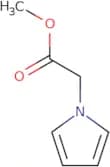
CAS:Versatile small molecule scaffoldFormula:C11H11N3O2SPurity:Min. 95%Molecular weight:249.29 g/molMethyl 2-(1H-pyrrol-1-yl)acetate
CAS:Versatile small molecule scaffoldFormula:C7H9NO2Purity:Min. 95%Molecular weight:139.15 g/mol2-(3-Aminophenoxy)ethan-1-ol
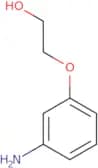
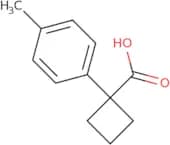
CAS:2-(3-Aminophenoxy)ethan-1-ol is a nitro compound that has been synthesized from 3-aminophenol and ethyl chloroformate. The synthesis of this compound involves the use of a copper catalyst to form the nitro group. This chemical is an intermediate in the production of other nitro compounds, such as 2,4-dinitrophenol, which are used in explosives and dyes. 2-(3-Aminophenoxy)ethan-1-ol can be used as a stabilizing agent for nanoparticles because it contains amines that can bind to metal ions. It also has optical properties that can be exploited for various purposes, such as catalyzed reactions or optical studies. 2-(3-Aminophenoxy)ethan-1-ol is also useful when analyzing nitroarenes by using techniques such as chemoselective oxidation and hydrolysis.Formula:C8H11NO2Purity:Min. 95%Molecular weight:153.18 g/mol1-(4-Methylphenyl)cyclobutanecarboxylic acid
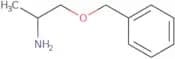
CAS:Versatile small molecule scaffoldFormula:C12H14O2Purity:Min. 95%Molecular weight:190.24 g/mol(2R)-1-(Benzyloxy)propan-2-amine
CAS:Versatile small molecule scaffold
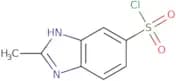
Formula:C10H15NOPurity:Min. 95%Molecular weight:165.23 g/mol2-Methyl-1H-benzimidazole-5-sulfonyl chloride
CAS:Versatile small molecule scaffoldFormula:C8H7ClN2O2SPurity:Min. 95%Molecular weight:230.67 g/mol

![6-Chloroimidazo[1,2-B]pyridazine-3-methanol](/_next/image/?url=https%3A%2Fstatic.cymitquimica.com%2Fproducts%2F3D%2Fthumb-webp%2FACB58049.webp&w=3840&q=75)
![(1R)-1-[2-(Benzyloxy)phenyl]ethan-1-ol](/_next/image/?url=https%3A%2Fstatic.cymitquimica.com%2Fproducts%2F3D%2Fthumb-webp%2FGHA96252.webp&w=3840&q=75)
amine hydrochloride](/_next/image/?url=https%3A%2Fstatic.cymitquimica.com%2Fproducts%2F3D%2Fthumb-webp%2FGHA88042.webp&w=3840&q=75)
![N-{[3-(Aminomethyl)phenyl]methyl}acetamide hydrochloride](/_next/image/?url=https%3A%2Fstatic.cymitquimica.com%2Fproducts%2F3D%2Fthumb-webp%2FACB11291.webp&w=3840&q=75)

![2-[(Piperidine-1-sulfonyl)amino]ethan-1-ol](/_next/image/?url=https%3A%2Fstatic.cymitquimica.com%2Fproducts%2F3D%2Fthumb-webp%2FGHA76202.webp&w=3840&q=75)

![(2E)-4-{[(tert-Butoxy)carbonyl]amino}-4-methylpent-2-enoic acid](/_next/image/?url=https%3A%2Fstatic.cymitquimica.com%2Fproducts%2F3D%2Fthumb-webp%2FGHA64594.webp&w=3840&q=75)


![3-Pyridinamine, 6-[(2-methyl-3-pyridinyl)oxy]-](/_next/image/?url=https%3A%2Fstatic.cymitquimica.com%2Fproducts%2F3D%2Fthumb-webp%2FGHA63342.webp&w=3840&q=75)
![1-Methyl-2-{[(2-nitrophenyl)methyl]sulfanyl}-1H-imidazole](/_next/image/?url=https%3A%2Fstatic.cymitquimica.com%2Fproducts%2F3D%2Fthumb-webp%2FACA96881.webp&w=3840&q=75)