


Building Blocks
Subcategories of "Building Blocks"
- Boronic Acids & Boronic Acid Derivatives(5,781 products)
- Chiral Building Blocks(1,242 products)
- Hydrocarbon Building Blocks(6,101 products)
- Organic Building Blocks(61,033 products)
Found 205320 products of "Building Blocks"
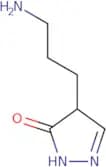
4-(3-Aminopropyl)-2,4-dihydro-3H-pyrazol-3-one
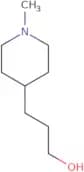
CAS:Versatile small molecule scaffoldFormula:C6H11N3OPurity:Min. 95%Molecular weight:141.17 g/mol3-(1-Methyl-piperidin-4-yl)-propan-1-ol
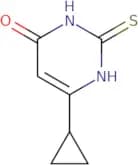
CAS:3-(1-Methyl-piperidin-4-yl)-propan-1-ol is a potent and selective inhibitor of the protein kinase activity of Pim1. It inhibits the phosphorylation of Pim1 at its optimal binding site, leading to cellular apoptosis. 3-(1-Methyl-piperidin-4-yl)-propan-1-ol has been shown to inhibit the growth of human tumor cells in vivo, as well as inhibiting cell proliferation in vitro. 3-(1-Methyl-piperidin-4-yl)-propan-1-ol also has a strong inhibitory effect on the kinase activity of Pim2 in vitro.Formula:C9H19NOPurity:Min. 95%Molecular weight:157.26 g/mol6-Cyclopropyl-2-sulfanylpyrimidin-4-ol
CAS:Versatile small molecule scaffoldFormula:C7H8N2OSPurity:Min. 95%Molecular weight:168.22 g/mol6-Cyclopropylpyrimidin-4-ol
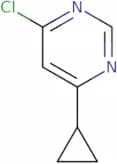
CAS:Versatile small molecule scaffoldFormula:C7H8N2OPurity:Min. 95%Molecular weight:136.15 g/mol4-chloro-6-cyclopropylpyrimidine
CAS:Versatile small molecule scaffold
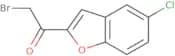
Formula:C7H7ClN2Purity:Min. 95%Molecular weight:154.6 g/mol2-Bromo-1-(5-chloro-1-benzofuran-2-yl)ethan-1-one
CAS:Versatile small molecule scaffold
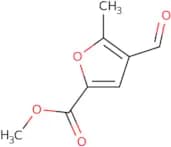
Formula:C10H6BrClO2Purity:Min. 95%Molecular weight:273.51 g/molMethyl 4-formyl-5-methylfuran-2-carboxylate
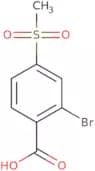
CAS:Versatile small molecule scaffoldFormula:C8H8O4Purity:Min. 95%Molecular weight:168.15 g/mol2-Bromo-4-methanesulfonylbenzoic acid
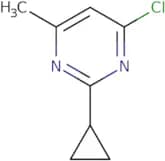
CAS:Versatile small molecule scaffoldFormula:C8H7BrO4SPurity:Min. 95%Molecular weight:279.11 g/mol4-chloro-2-cyclopropyl-6-methylpyrimidine
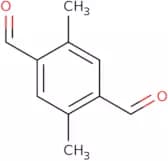
CAS:Versatile small molecule scaffoldFormula:C8H9ClN2Purity:Min. 95%Molecular weight:168.62 g/mol2,5-Dimethylbenzene-1,4-dicarbaldehyde
CAS:Versatile small molecule scaffoldFormula:C10H10O2Purity:Min. 95%Molecular weight:162.18 g/mol6-Hydroxy-2,6-dimethyloct-7-enoic acid
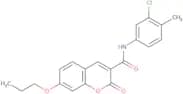
CAS:Versatile small molecule scaffoldFormula:C20H18ClNO4Purity:Min. 95%Molecular weight:371.8 g/mol2-(Chloromethyl)-1-methoxy-4-methylbenzene
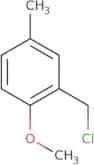
CAS:2-(Chloromethyl)-1-methoxy-4-methylbenzene is a coordination complex with an octahedral geometry. It contains a metal ion in the axial position, bound by two ligands. The ligands are typically electron donating groups such as phenols, alcohols and ethers. 2-(Chloromethyl)-1-methoxy-4-methylbenzene has been used to study the electronic spectra of metal complexes.Formula:C9H11ClOPurity:Min. 95%Molecular weight:170.64 g/mol2-(2-Methoxy-5-methylphenyl)acetonitrile
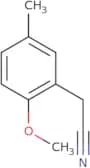
CAS:Versatile small molecule scaffold
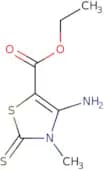
Formula:C10H11NOPurity:Min. 95%Molecular weight:161.2 g/molEthyl 4-amino-3-methyl-2-sulfanylidene-2,3-dihydro-1,3-thiazole-5-carboxylate
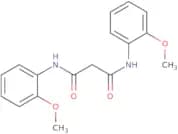
CAS:Versatile small molecule scaffoldFormula:C7H10N2O2S2Purity:Min. 95%Molecular weight:218.3 g/molN1,N3-Bis(2-methoxyphenyl)malonamide
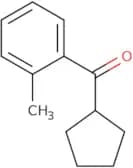
CAS:Versatile small molecule scaffoldFormula:C17H18N2O4Purity:Min. 95%Molecular weight:314.34 g/molCyclopentyl(2-methylphenyl)methanone
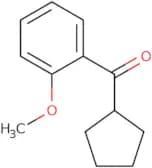
CAS:Versatile small molecule scaffoldFormula:C13H16OPurity:Min. 95%Molecular weight:188.26 g/molCyclopentyl 2-methoxyphenyl ketone
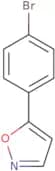
CAS:Versatile small molecule scaffoldFormula:C13H16O2Purity:Min. 95%Molecular weight:204.26 g/mol5-(4-Bromophenyl)-1,2-oxazole
CAS:5-(4-Bromophenyl)-1,2-oxazole is an isoxazole that can be synthesized for use in both organic synthesis and as a catalyst. The reaction mechanism of 5-(4-bromophenyl)-1,2-oxazole is radical and the catalytic efficiency of this compound is high. The synthesis of 5-(4-bromophenyl)-1,2-oxazole has been improved by using hydroxylamine as a reducing agent to produce clean products. The reaction yields are also efficient with a high conversion rate.
Formula:C9H6BrNOPurity:Min. 95%Molecular weight:224.05 g/mol3,3-Dimethylbutyryl Chloride
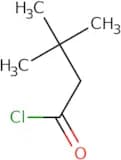
CAS:3,3-Dimethylbutyryl Chloride is a nucleophilic reagent that is used in the synthesis of butyric acid. It can be used to treat diabetic neuropathy by activating sensory neurons and increasing their sensitivity to pain stimuli. 3,3-Dimethylbutyryl Chloride also binds with butyric acid, which activates the sensory neurons, leading to increased sensitivity to pain stimuli. This product has been shown to have anticancer effects against breast cancer cells in vitro and in vivo. 3,3-Dimethylbutyryl Chloride inhibits cell proliferation and induces apoptosis in cancer cells, which may be due to its ability to induce DNA damage. 3,3-Dimethylbutyryl Chloride is a nucleophilic reagent that can react with chloride ions yielding chloride as a byproduct. The fluorescence of this product can be used for detection purposes with an ultraviolet lamp or laser diode excitation sourceFormula:C6H11ClOPurity:Min. 95%Molecular weight:134.6 g/mol2-chloro-3-phenylquinoxaline
CAS:2-Chloro-3-phenylquinoxaline is a piperidine derivative that has been shown to have anticancer potential in leukemia HL60 cells. It also has high cytotoxicity in HL60 cells. The molecular modelling of this molecule reveals the presence of two amine groups, which are connected by a piperazine substructure. This molecule is synthesized from morpholine and 3-chloroaniline. 2-Chloro-3-phenylquinoxaline is an aminopiperazine derivative with a chloro substituent on the aromatic ring and two chlorine atoms at the 3 and 4 positions on the phenyl ring.
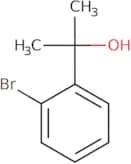
Formula:C14H9ClN2Purity:Min. 95%Molecular weight:240.69 g/mol2-(2-Bromophenyl)propan-2-ol
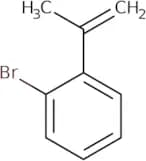
CAS:Versatile small molecule scaffoldFormula:C9H11BrOPurity:Min. 95%Molecular weight:215.09 g/mol1-bromo-2-(prop-1-en-2-yl)benzene
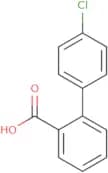
CAS:Versatile small molecule scaffoldFormula:C9H9BrPurity:Min. 95%Molecular weight:197.08 g/mol4'-Chloro-biphenyl-2-carboxylic acid
CAS:4'-Chloro-biphenyl-2-carboxylic acid (4CPCA) is a ketone that has been shown to have an ionic nature and is soluble in water. It is also stable at elevated temperatures, has a high water uptake, and can be transferred from one solvent to another. 4CPCA has been used in experiments for electrochemical impedance spectroscopy. The proton transfer rate for this compound was found to be fast and the thermal stability was high.Formula:C13H9ClO2Purity:Min. 95%Molecular weight:232.66 g/mol1-Bromo-4-tert-butylcyclohexane
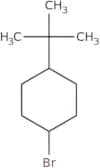
CAS:Versatile small molecule scaffoldFormula:C10H19BrPurity:Min. 95%Molecular weight:219.16 g/molDoxapram hydrochloride monohydrate
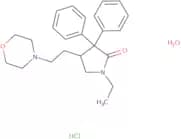
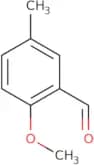
CAS:Doxapram is a drug that belongs to the class of thiopentone sodium, which is used as an anesthetic agent and for sedation during surgery. It has been shown to have antihistaminic activity and also lowers blood pressure. Doxapram has been used in clinical trials for the treatment of cardiac arrhythmia, but its use is limited due to its low potency. Doxapram has been found to be effective in decreasing glucose levels in patients with diabetes mellitus type 2 who are undergoing diagnostic testing. This drug also has diagnostic and therapeutic relevance in the diagnosis of nervous system diseases such as Alzheimer's disease, Parkinson's disease, and multiple sclerosis.Formula:C24H30N2O2·HCl·H2OPurity:Min. 95%Molecular weight:432.98 g/mol2-Methoxy-5-methylbenzaldehyde
CAS:2-Methoxy-5-methylbenzaldehyde is a synthetic compound that has been used as a cross-linking agent in chromatographic science. It has been used to create particle and liquid phase columns, which are used for the separation of organic compounds. The isomers of 2-methoxy-5-methylbenzaldehyde can be differentiated by their different physical properties and spectroscopic signatures. This molecule can also be used as a leaf extract or as a chitosan nanoparticle, which have been shown to have antibacterial properties against methicillin resistant Staphylococcus aureus (MRSA).
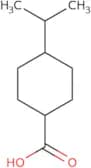
Formula:C9H10O2Purity:Min. 95%Molecular weight:150.18 g/molcis-4-Isopropylcyclohexanecarboxylic acid
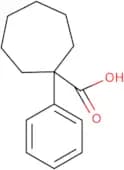
CAS:cis-4-Isopropylcyclohexanecarboxylic acid is a sulfurous, industrial chemical that is produced by the oxidation of terephthalic acid. It is used in the production of medicines and as a reagent for organic synthesis. cis-4-Isopropylcyclohexanecarboxylic acid can be synthesized from β-pinene, methylmagnesium chloride, and methyl ester. The high yield and stability make it an attractive synthetic intermediate for pharmaceuticals and cyclic peptides.Formula:C10H18O2Purity:Min. 95%Molecular weight:170.25 g/mol1-Phenylcycloheptane-1-carboxylic acid
CAS:Versatile small molecule scaffold
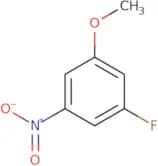
Formula:C14H18O2Purity:Min. 95%Molecular weight:218.29 g/mol1-Fluoro-3-methoxy-5-nitrobenzene
CAS:Versatile small molecule scaffoldFormula:C7H6FNO3Purity:Min. 95%Molecular weight:171.13 g/mol1,4-Dioxaspiro[4.5]dec-7-ene
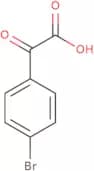
CAS:Versatile small molecule scaffoldFormula:C8H12O2Purity:Min. 95%Molecular weight:140.18 g/mol2-(4-bromophenyl)-2-oxoacetic acid
CAS:2-(4-Bromophenyl)-2-oxoacetic acid is an acetylcholinesterase inhibitor. It binds to the active site of acetylcholinesterase, preventing the breakdown of acetylcholine and leading to increased concentrations in the synaptic cleft. 2-(4-Bromophenyl)-2-oxoacetic acid has been shown to have high reactivity with the phenyl ring, which may be due to its ability to form hydrogen bonds. This compound also has a number of modifications that can affect its colorimetric and spectral properties. 2-(4-Bromophenyl)-2-oxoacetic acid also has a number of hydroxy groups, which can be important for biological activity.Formula:C8H5BrO3Purity:Min. 95%Molecular weight:229 g/mol2-(4-tert-Butylphenyl)-2-oxoacetic acid
CAS:Versatile small molecule scaffold
Formula:C12H14O3Purity:Min. 95%Molecular weight:206.24 g/mol4-Methylquinoline-6-carboxylic acid
CAS:Versatile small molecule scaffoldFormula:C11H9NO2Purity:Min. 95%Molecular weight:187.2 g/molMethyl 4-oxo-1,4-dihydroquinoline-2-carboxylate
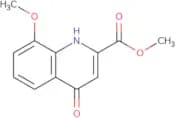
CAS:Versatile small molecule scaffoldFormula:C11H9NO3Purity:Min. 95%Molecular weight:203.19 g/molMethyl 4-hydroxy-8-methoxyquinoline-2-carboxylate
CAS:Methyl 4-hydroxy-8-methoxyquinoline-2-carboxylate is a methyl ester of 8-methoxyquinoline. It can be synthesized from the acid methyl ester of 8-methoxyquinoline and methanol, or by heating quinoline with formaldehyde and hydrochloric acid. Methyl 4-hydroxy-8-methoxyquinoline-2-carboxylate has been shown to inhibit protein synthesis in animal cells.Formula:C12H11NO4Purity:Min. 95%Molecular weight:233.2 g/mol{2-Methylbicyclo[2.2.1]heptan-2-yl}methanamine
CAS:Versatile small molecule scaffold
Formula:C9H17NPurity:Min. 95%Molecular weight:139.24 g/mol5-Iodo-6-nitro-1,3-dioxaindane
CAS:Versatile small molecule scaffoldFormula:C7H4INO4Purity:Min. 95%Molecular weight:293.02 g/molBenzyl N-(4-hydroxyphenyl)carbamate
CAS:Versatile small molecule scaffoldFormula:C14H13NO3Purity:Min. 95%Molecular weight:243.26 g/mol2'-Methylbiphenyl-2-carboxaldehyde
CAS:Versatile small molecule scaffold
Formula:C14H12OPurity:Min. 95%Molecular weight:196.25 g/mol2'-Methyl-biphenyl-2-carboxylic acid
CAS:2'-Methyl-biphenyl-2-carboxylic acid is a diacyl peroxide that can be synthesized by the cyclization of benzene and triphenylene. It has been used in the synthesis of biphenyl-2-carboxylic acid.Formula:C14H12O2Purity:Min. 95%Molecular weight:212.25 g/molDecahydronaphthalene-4a-carboxylic acid
CAS:Versatile small molecule scaffoldFormula:C11H18O2Purity:Min. 95%Molecular weight:182.3 g/mol7-Nitro-1,3-dioxaindane-5-carboxylic acid
CAS:Versatile small molecule scaffoldFormula:C8H5NO6Purity:Min. 95%Molecular weight:211.13 g/mol3-Methyl-2H-isoquinolin-1-one
CAS:3-Methyl-2H-isoquinolin-1-one is an analog of a natural molecule that can be used to treat autoimmune diseases. It is a small molecule with antiviral and immunomodulatory properties. 3-Methyl-2H-isoquinolin-1-one inhibits the expression of genes involved in the inflammatory response, such as Caspase 9 and IL6, and stimulates the expression of genes involved in tissue repair, such as MMP3 and TIMP3. 3-Methyl-2H-isoquinolin-1-one also has antihepatitis effects by acting on viral replication and targeting virus particles for destruction. The drug blocks the synthesis of new virus particles, which reduces inflammation caused by chronic hepatitis B or C infection. 3MIIQ inhibits the production of DNA from RNA templates during mRNA translation by binding to RNA polymerase III to block transcriptional elongation. This inhibition prevents viral gene expression and replication, leading to cellFormula:C10H9NOPurity:Min. 95%Molecular weight:159.18 g/molIsoquinoline-4-carboxamide
CAS:Versatile small molecule scaffoldFormula:C10H8N2OPurity:Min. 95%Molecular weight:172.18 g/mol1-Chloro-3-methyl-isoquinoline
CAS:1-Chloro-3-methyl-isoquinoline is a cytotoxic compound with potent anti-cancer activity. It exhibits cytotoxicity against cancer cell lines and alkylation of DNA, which may be due to its ability to bind to the colchicine binding site on the cancer cell. 1-Chloro-3-methyl-isoquinoline has been shown to exhibit low yields in synthesis, but these can be improved by using phthalidyl as an intermediate. The chlorination of 1-chloro-3-methyl isoquinoline leads to the production of a heterocycle that is subsequently decarboxylated.Formula:C10H8ClNPurity:Min. 95%Molecular weight:177.63 g/molN-Methyl-2-(propan-2-yl)aniline
CAS:Versatile small molecule scaffoldFormula:C10H15NPurity:Min. 95%Molecular weight:149.23 g/mol1H-Benzo[c][1,2]thiazin-4(3H)-one 2,2-dioxide
CAS:Methylene blue is a dye that has been used in the treatment of methemoglobinemia and as an antimalarial drug. It has also been used as a stain for microscope slides, as a reagent in biochemical experiments, and as a diagnostic agent. Methylene blue is a triethylamine salt of the methylene blue molecule, which consists of a benzothiazine ring system with two methylene groups attached to it. The compound can reversibly bind to the active site of most known enzymes that contain heme groups, such as hemoglobin, cytochrome c oxidase, catalase, and xanthine oxidase. This binding inhibits these enzymes' activity by preventing substrate access to the active site. This property makes methylene blue useful in biochemistry research for studying enzyme function and mechanisms.Formula:C8H7NO3SPurity:Min. 95%Molecular weight:197.21 g/mol1-Methyl-1,2,3,4-tetrahydro-2lambda~6~,1-benzothiazine-2,2,4-trione
CAS:1-Methyl-1,2,3,4-tetrahydro-2lambda~6~,1-benzothiazine-2,2,4-trione is a heterocyclic compound that contains a benzene ring and a heterocyclic ring. It has an asymmetric carbon atom with two different substituents (a hydrogen and a sulfonyl group). The carbonyl group is bonded to the sulfur atom of the sulfonyl group. The molecule also has two hydrogen bonds in its geometry. This molecule has a dimerized conformation and can be found as a dimerized crystal structure.Formula:C9H9NO3SPurity:Min. 95%Molecular weight:211.24 g/mol2,3-Dimethylquinoline-4-carboxylic acid
CAS:Versatile small molecule scaffoldFormula:C12H11NO2Purity:Min. 95%Molecular weight:201.22 g/mol3-Cyclohexylcyclohexan-1-one
CAS:Versatile small molecule scaffold
Formula:C12H20OPurity:Min. 95%Molecular weight:180.29 g/mol


![1,4-Dioxaspiro[4.5]dec-7-ene](/_next/image/?url=https%3A%2Fstatic.cymitquimica.com%2Fproducts%2F3D%2Fthumb-webp%2FHAA09224.webp&w=3840&q=75)


![{2-Methylbicyclo[2.2.1]heptan-2-yl}methanamine](/_next/image/?url=https%3A%2Fstatic.cymitquimica.com%2Fproducts%2F3D%2Fthumb-webp%2FHAA10600.webp&w=3840&q=75)


![1H-Benzo[c][1,2]thiazin-4(3H)-one 2,2-dioxide](/_next/image/?url=https%3A%2Fstatic.cymitquimica.com%2Fproducts%2F3D%2Fthumb-webp%2FHAA11728.webp&w=3840&q=75)


