Building Blocks
This section contains fundamental products for the synthesis of organic and biological compounds. Building blocks are the essential starting materials used to construct complex molecules through various chemical reactions. They play a critical role in drug discovery, material science, and chemical research. At CymitQuimica, we offer a diverse range of high-quality building blocks to support your innovative research and industrial projects, ensuring you have the essential components for successful synthesis.
Subcategories of "Building Blocks"
- Boronic Acids & Boronic Acid Derivatives(5,778 products)
- Chiral Building Blocks(1,242 products)
- Hydrocarbon Building Blocks(6,098 products)
- Organic Building Blocks(61,092 products)
Found 199296 products of "Building Blocks"
Sort by
Purity (%)
0
100
|
0
|
50
|
90
|
95
|
100
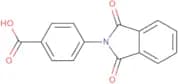
N-(4-Carboxyphenyl)phthalimide
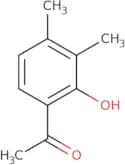
CAS:<p>N-(4-Carboxyphenyl)phthalimide is a ligand that interacts with metal ions. It has been shown to bind to benzocaine and dihedral angles in polyvinyl chloride, lysine, and hydrogen bonds in hydrogen-bonded complexes. N-(4-Carboxyphenyl)phthalimide has been used as a bifunctional agent for the polymerization of vinyl chloride.</p>Formula:C15H9NO4Purity:Min. 95%Molecular weight:267.24 g/mol1-(2-Hydroxy-3,4-dimethylphenyl)ethan-1-one
CAS:<p>Versatile small molecule scaffold</p>Formula:C10H12O2Purity:Min. 95%Molecular weight:164.2 g/molTricyclo[7.2.1.0,2,7]dodeca-2,4,6-trien-8-one
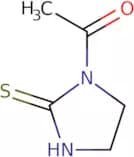
CAS:<p>Versatile small molecule scaffold</p>Formula:C12H12OPurity:Min. 95%Molecular weight:172.2 g/molTizanidine Related Compound C
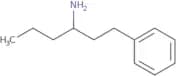
CAS:Versatile small molecule scaffoldFormula:C5H8N2OSPurity:Min. 95%Molecular weight:144.19 g/mol1-Phenylhexan-3-amine
CAS:Versatile small molecule scaffoldFormula:C12H19NPurity:Min. 95%Molecular weight:177.29 g/mol2-Bromobenzothiophene
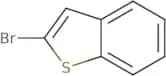
CAS:<p>2-Bromobenzothiophene (BBT) is a synthetic molecule that has potent inhibitory activity against several biological targets, including hydroxy group, enantiomer and enhancement. BBT has been shown to have anticancer properties in vitro and in vivo. This compound also exhibits anti-inflammatory activities, which may be mediated by the inhibition of inflammatory cytokines such as IL-6, IL-8 and TNF-α. This heterocycle inhibits estradiol binding to estrogen receptors by competitive inhibition. The hydroxyl group on 2-bromobenzothiophene can form a covalent bond with thiols, which are abundant in proteins involved in inflammation. It also reacts with other reactive functional groups such as carbonyl groups or aromatic hydrocarbons.</p>Formula:C8H5BrSPurity:Min. 95%Molecular weight:213.09 g/mol4,7-Dichloro-1,10-phenanthroline
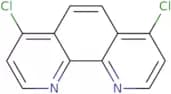
CAS:<p>4,7-Dichloro-1,10-phenanthroline is a bidentate ligand that binds to the chloride anion and has been shown to have anticancer activity against leukemia cells. This compound has also been shown to inhibit the proliferation of cervical cancer cells and chronic myeloid leukemia cells. 4,7-Dichloro-1,10-phenanthroline enhances the fluorescence of human chronic myeloid leukemia cells in a cytometry assay by increasing hydrogen bonding between the cell membrane and fluorophore. This enhancement effect was seen at concentrations of 0.01 μM and higher. 4,7-Dichloro-1,10-phenanthroline also binds to DNA and has been shown to be effective against cancer cells in a luminescent human chronic myeloid leukemia (MRC5) assay.</p>Formula:C12H6Cl2N2Purity:Min. 95%Molecular weight:249.09 g/mol5-Phenyl-5-propylimidazolidine-2,4-dione
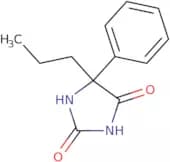
CAS:<p>Versatile small molecule scaffold</p>Formula:C12H14N2O2Purity:Min. 95%Molecular weight:218.25 g/mol4-(2,5-Dimethylphenyl)-4-oxobutanoic acid
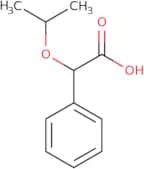
CAS:<p>Versatile small molecule scaffold</p>Formula:C12H14O3Purity:Min. 95%Molecular weight:206.24 g/mol2-Phenyl-2-(propan-2-yloxy)acetic acid
CAS:<p>2-Phenyl-2-(propan-2-yloxy)acetic acid (PPAA) is a serotonin antagonist that inhibits the binding of serotonin to its receptor. PPAA has been shown to have anti-cancer and anti-inflammatory properties. It also has antagonistic properties against azabicyclic compounds, organic acids, and tachykinin peptides. PPAA has also been found to be a prodrug for the treatment of Parkinson's disease, with the active form being 2-(benzyloxy)-2-phenylethanoic acid. The molecular weight of PPAA is 220.21 g/mol and it is soluble in water.<br>PPAA can be synthesized from piperidine and benzyl group with amide as a byproduct. The oxygen atoms in PPAA are c1-c6 alkoxy which are esterified by propan-2-ol.</p>Formula:C11H14O3Purity:Min. 95%Molecular weight:194.23 g/mol2-Bromo-N-propylacetamide
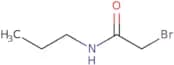
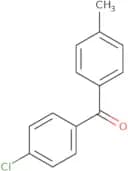
CAS:<p>2-Bromo-N-propylacetamide is a protein target that has been shown to regulate the activity of amines. It has affinity for both anionic and cationic amines. 2-Bromo-N-propylacetamide is used in optimization studies to identify the fluorescent groups that can be used as labels on proteins. This drug also interacts with family members, such as elution and immobilization.</p>Formula:C5H10BrNOPurity:Min. 95%Molecular weight:180.04 g/mol(4-Chlorophenyl)(4-methylphenyl)methanone
CAS:<p>Versatile small molecule scaffold</p>Formula:C14H11ClOPurity:Min. 95%Color and Shape:PowderMolecular weight:230.69 g/molEthyl oxo(2-oxocyclohexyl)acetate
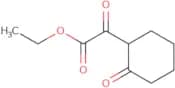
CAS:<p>Ethyl oxo(2-oxocyclohexyl)acetate is a condensation product of glycine and anhydride, which is obtained by heating the two components in the presence of acid. The reaction yields an isomeric mixture of ethyl oxo(2-oxocyclohexyl)acetate and ethyl oxo(3-oxocyclohexyl)acetate. The condensation products are hydrolyzed to their respective amino acids with ammonia or sodium hydroxide. Ethyl oxo(2-oxocyclohexyl)acetate can also be synthesized from glycine ethyl ester and aminomalonic acid in the presence of enamine.</p>Formula:C10H14O4Purity:Min. 95%Molecular weight:198.22 g/mol6,9-Dichloro-1,2,3,4-tetrahydroacridine
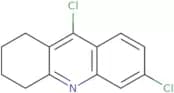
CAS:<p>Versatile small molecule scaffold</p>Formula:C13H11Cl2NPurity:Min. 95%Molecular weight:252.14 g/mol4-tert-Butylanisole
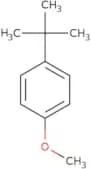
CAS:<p>4-tert-Butylanisole is an amide that has been shown to undergo conformational changes upon irradiation with light. The photochemical cleavage of the amide bond occurs with a quantum yield of 0.4 and produces a diphenyl ether and an acetonitrile derivative. This reaction mechanism has been proposed in order to explain the formation of a nitro group in the molecule, which is responsible for its labile nature. Labile molecules are those that can easily undergo decomposition or change their structure due to external influences, such as heat or light. 4-tert-Butylanisole also undergoes reductive elimination reactions when treated with ethyl bromoacetate, which leads to the formation of labile products as well.</p>Formula:C11H16OPurity:Min. 95%Molecular weight:164.25 g/mol2-(tert-Butylsulfanyl)ethan-1-ol
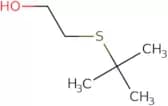
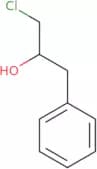
CAS:<p>Versatile small molecule scaffold</p>Formula:C6H14OSPurity:Min. 95%Molecular weight:134.24 g/mol1-Chloro-3-phenylpropan-2-ol
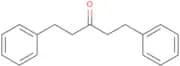
CAS:<p>1-Chloro-3-phenylpropan-2-ol is an alcohol that is detectable and has been shown to have a stereoselective dehydrogenase activity. The kinetic parameters of this enzyme are optimal for the detection of 1-chloro-3-phenylpropan-2-ol in complex mixtures. It has been used in pharmaceuticals as a chiral building block, where it forms a ternary complex with a chiral metal ion and an amino acid. This enzyme is also able to catalyze the conversion of phenylacetone into amphetamine.</p>Formula:C9H11ClOPurity:Min. 95%Molecular weight:170.63 g/mol1,5-Diphenylpentan-3-one
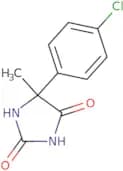
CAS:<p>1,5-Diphenylpentan-3-one is a hydroxylated analog of the anti-inflammatory compound 1,5-diphenylpentan-2-one. It can be used as a reactive intermediate in the synthesis of ester compounds, hydrogen bond inhibitors, and insulin resistance inhibitors. This compound also has the ability to inhibit HDAC activity and radiation.</p>Formula:C17H18OPurity:Min. 95%Molecular weight:238.32 g/mol5-(4-Chlorophenyl)-5-methylimidazolidine-2,4-dione
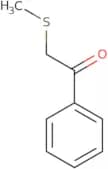
CAS:Versatile small molecule scaffoldFormula:C10H9ClN2O2Purity:Min. 95%Molecular weight:224.64 g/mol2-(Methylsulfanyl)-1-phenylethan-1-one
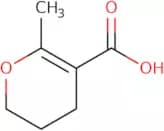
CAS:<p>2-(Methylsulfanyl)-1-phenylethan-1-one is a sulfoxide that was synthesized by the photoelectron transfer of methylsulfane. It is an electron acceptor, which can be reduced to the corresponding sulfide or sulfone. It has been shown to react with carbonyl groups and thioacetals, forming triazole derivatives. The molecule has been found to have affinity for aluminium surfaces and has a strong interaction with the carbonyl group.</p>Formula:C9H10OSPurity:Min. 95%Molecular weight:166.24 g/mol6-Methyl-3,4-dihydro-2H-pyran-5-carboxylic acid
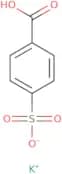
CAS:<p>6-Methyl-3,4-dihydro-2H-pyran-5-carboxylic acid is an organic compound that is used as a solvent. It is preferentially soluble in solvents with low boiling points and high dielectric constants. The solvation of 6-methylpyran-5-carboxylic acid can be accomplished by photooxygenation or hydroperoxide formation.</p>Formula:C7H10O3Purity:Min. 95%Molecular weight:142.15 g/mol4-Sulfobenzoic acid potassium
CAS:<p>4-Sulfobenzoic acid potassium salt is a quasicrystalline compound with a flow rate of 0.1 cm/s. It is a molecule with an approximate diameter of 2 nm and functional groups that include sulfonic acid, carboxylic acid, hydroxyl, and OH. 4-Sulfobenzoic acid potassium salt has a high solubility in water and can be found in the form of potassium ions or as a covalent bond to other molecules. The analytical methods for this compound include IR (infrared) spectroscopy, Raman spectroscopy, X-ray diffraction analysis, and electron microscopy. A synthetic method for 4-sulfobenzoic acid potassium salt is via reaction of benzoic acid with potassium hydroxide followed by recrystallization from ethanol. This compound can be found in the form of nanosheets or polymerized into polybenzoxazole films</p>Formula:C7H6O5S•KPurity:Min. 95%Molecular weight:241.28 g/mol7-Chloro-3-methyl-1H-pyrazolo[4,3-d]pyrimidine
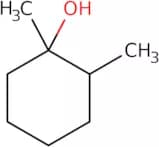
CAS:<p>Formycin is a form of potassium glycolate (KG), which belongs to the class of chlorinated alkyl ethers. Formycin has been used as an antiseptic, but is no longer in use due to its toxicity. It is also a potent inhibitor of bacterial growth and was used in the past for treating tuberculosis. The methylation of KG produces formaldehyde, which can react with ethylene glycol to produce ethylene glycol monomethyl ether (EGME). EGME is highly toxic and can cause lung damage.</p>Formula:C6H5ClN4Purity:Min. 95%Molecular weight:168.58 g/mol1,2-Dimethylcyclohexan-1-ol
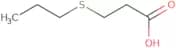
CAS:<p>1,2-Dimethylcyclohexan-1-ol is a hydroxylated phenolic compound that has been shown to inhibit the production of inflammatory cytokines. It also inhibits the activity of carboxylesterases and aminopeptidases in vitro, which may be due to its acidic nature. This drug is used to treat autoimmune diseases such as rheumatoid arthritis, psoriasis, and multiple sclerosis. 1,2-Dimethylcyclohexan-1-ol can be synthesized from hydroxybenzene and formaldehyde with hydrochloric acid as a reaction intermediate. It reacts with trifluoroacetic acid to produce an intermediate that is soluble in water. This compound is also susceptible to oxidation by air or light.</p>Formula:C8H16OPurity:Min. 95%Molecular weight:128.21 g/mol3-(Propylsulfanyl)propanoic acid
CAS:<p>Versatile small molecule scaffold</p>Formula:C6H12O2SPurity:Min. 95%Molecular weight:148.23 g/mol2,5-Dichlorobenzenesulfonyl Chloride
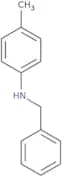
CAS:<p>2,5-Dichlorobenzenesulfonyl Chloride is a chemical compound that binds to the G protein-coupled receptor. It has been shown to stabilize the receptor and inhibit angiogenic process. 2,5-Dichlorobenzenesulfonyl Chloride has been shown to have anticancer activity against human glioma cells in vitro and in vivo. It also inhibits hydrogen bonding interactions with the receptor which may be important for cancer treatment.<br>2,5-Dichlorobenzenesulfonyl Chloride is soluble in chloroform and acetone but not water or ethanol. The solubility of this compound can be improved by adding a solvent such as benzene or dichloromethane.</p>Formula:C6H3Cl3O2SPurity:Min. 95%Molecular weight:245.51 g/molN-Benzyl-4-methylaniline
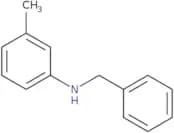
CAS:<p>N-Benzyl-4-methylaniline is a mesoporous material with a high surface area that can be used as a solid acid catalyst. It has been shown to have excellent catalytic properties for the synthesis of quinoline derivatives from trans-stilbene and anilines. The immobilized N-benzyl-4-methylaniline is a novel material that can be used in various applications, such as as an uv detector or proton donor.</p>Formula:C14H15NPurity:Min. 95%Molecular weight:197.27 g/molN-Benzyl-3-methylaniline
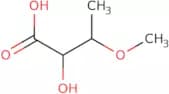
CAS:<p>Versatile small molecule scaffold</p>Formula:C14H15NPurity:Min. 95%Molecular weight:197.27 g/mol2-Hydroxy-3-methoxybutanoic acid
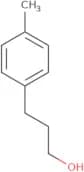
CAS:<p>Versatile small molecule scaffold</p>Formula:C5H10O4Purity:Min. 95%Molecular weight:134.13 g/mol3-(4-Methylphenyl)propan-1-ol
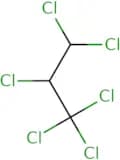
CAS:<p>3-(4-Methylphenyl)propan-1-ol is a compound that is used as an intermediate in organic synthesis. It has been shown to undergo regioselective radical cyclization reactions with cations and radical cations, yielding the corresponding methylenecyclopropane derivatives. 3-(4-Methylphenyl)propan-1-ol can be used as a precursor for various other compounds, such as ethyl (2E)-3-[4-(methylphenyl)buta-1,3-diene]propanoate.</p>Formula:C10H14OPurity:Min. 95%Molecular weight:150.22 g/mol1,1,1,2,3,3-Hexachloropropane
CAS:<p>1,1,1,2,3,3-Hexachloropropane is a fluorinated hydrocarbon that is used as a catalyst in the fluorination of organic compounds. The reaction is highly selective and only produces one stereoisomer (e.g., 1-fluoropropane). This product can be used as a conditioner for gas streams or a diluent for liquid phase reactions. Hexachloropropane also reacts with hydrogen chloride to produce fluorides and chlorides. The reaction selectivity of this product is high because it does not react with other substances such as water or ammonia.</p>Formula:C3H2Cl6Purity:Min. 95%Molecular weight:250.8 g/molCyclobutyl Phenyl Ketone
CAS:<p>Cyclobutyl Phenyl Ketone is an unsaturated ketone that belongs to the class of aliphatic hydrocarbons. It is used in vitro assays as a receptor binding agent. Cyclobutyl Phenyl Ketone can bind to the benzodiazepine site on GABA-A receptors, which are a type of neurotransmitter receptor found in the central nervous system. Cyclobutyl Phenyl Ketone has been shown to be effective in treating chronic bronchitis due to its ability to inhibit chloride ion uptake by human lung cells. This compound has also been shown to be effective for treating bladder cancer due to its function as a hydrogen chloride scavenger and nitro group donor. Cyclobutyl Phenyl Ketone can be synthesized from ethyl formate, through a Friedel-Crafts reaction with hydrogen chloride, followed by carbonyl reduction with sodium borohydride. The asymmetric synthesis of this compound requires a simple modification in the starting material,</p>Formula:C11H12OPurity:Min. 95%Molecular weight:160.22 g/mol7-Methyloctan-3-one
CAS:<p>7-Methyloctan-3-one is a natural product that belongs to the family of cyclic terpenes. It has been identified in the fur of the arctic fox and has been shown to be a pheromone in some species of formicidae (ants). The compound is also found in tarandus (reindeer) and formicidae species. 7-Methyloctan-3-one exhibits an endoparasitic effect on insects, including those that are pests for humans such as the Colorado potato beetle, and can be used as an insecticide. The compound is hypothesized to have a similar effect on other types of pests, including mites and ticks. 7-Methyloctan-3-one is extracted by distillation from animal fat or vegetable oils with high boiling points. Chromatographic analysis reveals its presence at Rf 0.4 on TLC plates with a solvent system of hexane/diethyl ether/</p>Formula:C9H18OPurity:Min. 95%Molecular weight:142.24 g/mol1-(2-chlorophenyl)-2-methylpropan-1-one
CAS:Versatile small molecule scaffoldFormula:C10H11OClPurity:Min. 95%Molecular weight:182.64 g/mol2,3-Dibromobutane
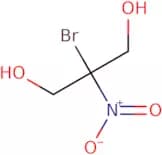
CAS:<p>2,3-Dibromobutane is a molecule that is used as a polarizer in liquid crystal composition. It is an elimination reaction product of bromine and ethylene, which also has the ability to inhibit hyperproliferative diseases. 2,3-Dibromobutane has been shown to have cancer-preventing properties by inhibiting the growth of tumor cells. The mechanism of this inhibition is not yet clear and may be due to its ability to react with reactive oxygen species or other intermediates involved in carcinogenesis. 2,3-Dibromobutane has been shown to form adducts with protonated molecules such as phenol or cresol, which are found in coal tar and cigarette smoke. These adducts have been shown to cause mutations and increase the risk for cancer.</p>Formula:C4H8Br2Purity:Min. 95%Molecular weight:215.92 g/mol2-Bromo-2-nitro-1,3-propanediol
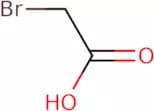
CAS:<p>2-Bromo-2-nitro-1,3-propanediol (BNP) is a preservative that is used in wastewater treatment. It is an antimicrobial agent that has synergistic effects with other antimicrobial agents such as triclosan, benzalkonium chloride and sesquiterpene lactones. 2-Bromo-2-nitro-1,3-propanediol has been shown to have a phase transition temperature of -28°C, which can be used to identify it in the laboratory. This compound also has a pK value of 4.4, which indicates that it is weakly acidic. 2-Bromo-2-nitro-1,3-propanediol can be used as an analytical method for the determination of p - hydroxybenzoic acid in aqueous samples by electrochemical impedance spectroscopy (EIS).</p>Formula:C3H6BrNO4Purity:Min. 95%Color and Shape:PowderMolecular weight:199.99 g/molBromoacetic acid
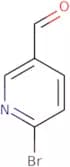
CAS:<p>Bromoacetic acid is a brominated carboxylic acid that has been shown to bind to response elements and inhibit the synthesis of proteins. It has been shown to inhibit the growth of bacteria in human serum at concentrations of 1-5 mM. Bromoacetic acid also binds to metals, such as copper and zinc, and inhibits their activity. This compound has also been shown to have anti-inflammatory properties in experimental models. Bromoacetic acid is not toxic in rats, but it may cause myocardial infarction in humans.</p>Formula:C2H3BrO2Purity:Min. 95%Color and Shape:Clear LiquidMolecular weight:138.95 g/mol6-Bromopyridine-3-carboxaldehyde
CAS:<p>6-Bromopyridine-3-carboxaldehyde (6-BPAR) is a synthetic compound that binds to copper ions and has been shown to have inhibitory activities against trifluoroacetic acid, calcium carbonate, optical properties, and low energy. 6-BPAR also has an aldehyde group and hydroxamic acid group. This chemical can be used as a catalyst for the hydrogenation reduction of metal ions such as chloride or formyl groups.</p>Formula:C6H4BrNOPurity:Min. 95%Color and Shape:White To Dark Red Or Brown SolidMolecular weight:186.01 g/mol5-Bromo-2,3-dihydrobenzo[b]furan
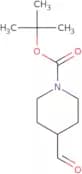
CAS:<p>Please enquire for more information about 5-Bromo-2,3-dihydrobenzo[b]furan including the price, delivery time and more detailed product information at the technical inquiry form on this page</p>Formula:C8H7BrOPurity:Min. 95%Color and Shape:White to pale red solid.Molecular weight:199.04 g/mol1-Boc-4-formyl piperidine
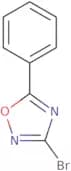
CAS:<p>The functional theory of 1-Boc-4-formyl piperidine (1BP) is that it activates the serine protease, which in turn inhibits the acetylcholine release. It also affects the 5-ht4 receptor, which is an important regulator of neuronal function and amine release. 1BP has been shown to have potent inhibitory activity against reactive molecules, including those that are involved in carcinogenesis. It also has a high affinity for the 5-ht4 receptor and can be used as a 5-ht4 receptor agonist.</p>Formula:C11H19NO3Purity:Min. 95%Color and Shape:PowderMolecular weight:213.27 g/mol3-Bromo-5-phenyl-1,2,4-oxadiazole
CAS:<p>3-Bromo-5-phenyl-1,2,4-oxadiazole (3BrO) is an organic compound that can be synthesized by coupling a benzoyl chloride with a cyanide salt. 3BrO is also produced in the pyrolysis of benzophenone and 1,2,4-triazole. The fragmentation of 3BrO produces catechol and phenylhydrazine. The deoxygenative coupling reaction of 3BrO with sodium azide produces the explosive compound 2,4,6-trinitrobenzamide. This chemical has been used as the starting material for the synthesis of many other explosives such as RDX and TNT.</p>Formula:C8H5BrN2OPurity:Min. 95%Molecular weight:225.04 g/mol3-Bromo-4H-1,2,4-triazole
CAS:3-Bromo-4H-1,2,4-triazole is a triazole that is soluble in water. It has been shown to be an effective inhibitor of the enzyme DNA gyrase at low temperatures (4 degrees Celsius). 3-Bromo-4H-1,2,4-triazole has been analysed by spectroscopic methods and found to possess vibrational and annular spectra. The tautomers of this substance are also known to exist.Formula:C2HBrN3Purity:Min. 95%Color and Shape:PowderMolecular weight:146.95 g/mol(S)-tert-Butyl 3-(methylamino)pyrrolidine-1-carboxylate
CAS:<p>(S)-tert-Butyl 3-(methylamino)pyrrolidine-1-carboxylate is a research chemical that can be used as a versatile building block for the synthesis of complex compounds. It is also a reaction component in the synthesis of speciality chemicals and useful scaffolds. It has been shown to have high quality, reagent grade and purity.</p>Formula:C10H20N2O2Purity:Min. 95%Color and Shape:PowderMolecular weight:200.28 g/moltert-Butyl 7-formyl-3,4-dihydro-2H-1,4-benzoxazine-4-carboxylate
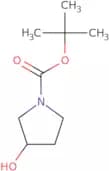
CAS:<p>Please enquire for more information about tert-Butyl 7-formyl-3,4-dihydro-2H-1,4-benzoxazine-4-carboxylate including the price, delivery time and more detailed product information at the technical inquiry form on this page</p>Formula:C14H17NO4Molecular weight:263.29 g/molN-Boc-3-hydroxypyrrolidine
CAS:<p>N-Boc-3-hydroxypyrrolidine is a synthetic, orally available, broad spectrum antibiotic that inhibits bacterial DNA gyrase and topoisomerase IV. It has been shown to be effective against methicillin-resistant Staphylococcus aureus (MRSA) and resistant strains of other bacteria such as Pseudomonas aeruginosa. N-Boc-3-hydroxypyrrolidine is an amide that binds to the active site of PI3Kδ and inhibits its activity. This inhibition prevents the phosphorylation of Akt, leading to decreased production of inflammatory cytokines and chemokines. N-Boc-3-hydroxypyrrolidine also has immunosuppressive effects on T cells in vitro.</p>Formula:C9H17NO3Purity:Min. 95%Color and Shape:PowderMolecular weight:187.24 g/molN-Boc-ethanolamine
CAS:<p>N-Boc-ethanolamine is a naturally occurring antimicrobial peptide that has been shown to have an inhibitory effect on the growth of cancer cells in vitro. It also inhibits glucose production in the body and has been used in the treatment of diabetes mellitus. N-Boc-ethanolamine is synthesized by solid-phase synthesis with ferrocenecarboxylic acid, followed by reaction with aldehyde groups and subsequent hydrogenation. This compound has potent inhibition against cancer cells and can be used as a chemotherapeutic agent for cancer treatment. The hydrogen bond between this compound and β-unsaturated ketones leads to its photochemical properties. Cellular uptake of N-Boc-ethanolamine was observed when it was conjugated to polymers such as polyethylene glycol (PEG).</p>Formula:C7H15NO3Purity:Min. 95%Color and Shape:Colorless Clear LiquidMolecular weight:161.2 g/mol4-Cyanobenzoic acid
CAS:<p>4-Cyanobenzoic acid (4CB) is a benzene derivative that inhibits the activity of tyrosinase, an enzyme involved in the production of melanin. It is synthesized by reacting 2,4-dichlorobenzoic acid with sodium hydroxide and acetone. 4CB has been shown to have a potent inhibitory effect on the enzyme, with an isolated yield of up to 83%. The compound also shows strong hydrogen bonding interactions with water molecules and coordinates in a geometry where one of its oxygen atoms is double bonded to two nitrogen atoms. This structural analysis suggests that 4 CB may bind to tyrosinase through adsorption mechanism.</p>Formula:C8H5NO2Purity:Min. 95%Color and Shape:White PowderMolecular weight:147.13 g/mol3-Chloro-2-methylaniline
CAS:3-Chloro-2-methylaniline is an organic chemical that is used as a raw material in the production of pesticides and pharmaceuticals. 3-Chloro-2-methylaniline is generated by the reaction of hydrochloric acid with isobutyl chloride, which produces a mixture of chloroalkylcarbinols. This product can be activated to form chloromethylketones or chloromethylcarbonyls by reacting it with sodium hypochlorite or hydrogen peroxide. The impurities found in 3-Chloro-2-methylaniline are mainly carbon sources and inorganic compounds such as chloride and strain. It can be synthesized from other chemicals and also through chromatographic science.Formula:C7H8ClNPurity:Min. 95%Color and Shape:Clear LiquidMolecular weight:141.6 g/mol5-Chloropyridine-2-boronicacid
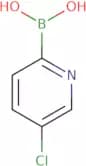
CAS:<p>Please enquire for more information about 5-Chloropyridine-2-boronicacid including the price, delivery time and more detailed product information at the technical inquiry form on this page</p>Formula:C5H5BClNO2Purity:Min. 95%Molecular weight:157.36 g/molN-Chlorosuccinimide
CAS:<p>Chlorinating agents are used in the production of pharmaceutical preparations and other chemical products. They react with amines to form diazonium salts, which can then be reduced to azo compounds. N-Chlorosuccinimide is a chlorinating agent that reacts with amines to form diazonium salts. It is used primarily as an injection solution for the treatment of trichomoniasis and other sexually transmitted diseases, but it also has been used in the preparation of pharmaceutical preparations. The reaction mechanism for N-chlorosuccinimide is not well understood, but it may involve a free radical intermediate or electron transfer from the chlorine atom to the carbon atom. Diazonium salts are formed by the reaction between an amine and an acid chloride. The addition of sodium hydroxide produces the corresponding azo compound. The reaction mechanism for N-chlorosuccinimide is not well understood, but it may involve a free radical intermediate or</p>Formula:C4H4ClNO2Purity:Min. 95%Color and Shape:White PowderMolecular weight:133.53 g/mol

![Tricyclo[7.2.1.0,2,7]dodeca-2,4,6-trien-8-one](/_next/image/?url=https%3A%2Fstatic.cymitquimica.com%2Fproducts%2F3D%2Fthumb-webp%2FFAA38719.webp&w=3840&q=75)
![7-Chloro-3-methyl-1H-pyrazolo[4,3-d]pyrimidine](/_next/image/?url=https%3A%2Fstatic.cymitquimica.com%2Fproducts%2F3D%2Fthumb-webp%2FFAA39995.webp&w=3840&q=75)



![5-Bromo-2,3-dihydrobenzo[b]furan](/_next/image/?url=https%3A%2Fstatic.cymitquimica.com%2Fproducts%2F3D%2Fthumb-webp%2FFB11160.webp&w=3840&q=75)