


Building Blocks
This section contains fundamental products for the synthesis of organic and biological compounds. Building blocks are the essential starting materials used to construct complex molecules through various chemical reactions. They play a critical role in drug discovery, material science, and chemical research. At CymitQuimica, we offer a diverse range of high-quality building blocks to support your innovative research and industrial projects, ensuring you have the essential components for successful synthesis.
Subcategories of "Building Blocks"
- Boronic Acids & Boronic Acid Derivatives(5,778 products)
- Chiral Building Blocks(1,242 products)
- Hydrocarbon Building Blocks(6,098 products)
- Organic Building Blocks(61,059 products)
Found 199580 products of "Building Blocks"
Sort by
Purity (%)
0
100
|
0
|
50
|
90
|
95
|
100
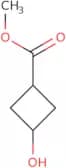
Trans-methyl 3-hydroxycyclobutanecarboxylate
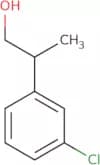
CAS:Versatile small molecule scaffoldFormula:C6H10O3Purity:Min. 95%Molecular weight:130.1 g/mol2-(3-Chlorophenyl)propan-1-ol
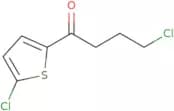
CAS:<p>Versatile small molecule scaffold</p>Formula:C9H11ClOPurity:Min. 95%Molecular weight:170.63 g/mol4-Chloro-1-(5-chlorothiophen-2-yl)butan-1-one
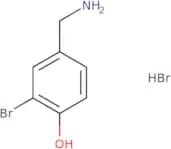
CAS:Versatile small molecule scaffoldFormula:C8H8Cl2OSPurity:Min. 95%Molecular weight:223.12 g/mol4-(Aminomethyl)-2-bromophenol hydrobromide
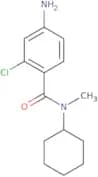
CAS:Versatile small molecule scaffoldFormula:C7H9Br2NOPurity:Min. 95%Molecular weight:282.96 g/mol4-Amino-2-chloro-N-cyclohexyl-N-methylbenzamide
CAS:<p>Versatile small molecule scaffold</p>Formula:C14H19ClN2OPurity:Min. 95%Molecular weight:266.76 g/mol8-Chloro-1H-benzo[D][1,3]oxazine-2,4-dione
CAS:<p>8-Chloro-1H-benzo[D][1,3]oxazine-2,4-dione is an organic chemical used as a precursor to pharmaceuticals. It is produced by the esterification of an acid chloride with a carboxylic acid. This chemical can be converted into other products through hydrogenation or hydrochlorination. 8-Chloro-1H-benzo[D][1,3]oxazine-2,4-dione is also used in the production of xylene and dichlorobenzene. This compound has two isomers that differ in their reactivity due to steric hindrance. The less reactive isomer has been shown to have antiinflammatory effects in mice.</p>Formula:C8H4ClNO3Purity:Min. 95%Molecular weight:197.58 g/molCyclobutane-1,3-diol
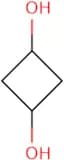
CAS:<p>Cyclobutane-1,3-diol is an organic compound that is a viscous liquid at room temperature. It is used in the production of polyesters and coatings. Cyclobutane-1,3-diol has been shown to be a good ligation partner with ethylene glycol in the liquid phase. It also has been used as an impurity scavenger and as a skeleton for other compounds. Cyclobutane-1,3-diol can be purified by distillation or crystallization, but it may contain fluorine or alkali metal residues that are difficult to remove. There are two stereoisomers of cyclobutane-1,3-diol: D-(+)-cyclobutane-1,3-diol and L-(+)-cyclobutane-1,3-diol.</p>Formula:C4H8O2Purity:Min. 95%Molecular weight:88.11 g/mol2,4-Dichloro-3-methylbenzaldehyde
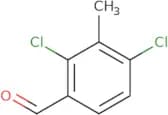
CAS:<p>Versatile small molecule scaffold</p>Formula:C8H6Cl2OPurity:Min. 95%Molecular weight:189.04 g/molEthyl(2-methylpropyl)amine hydrochloride
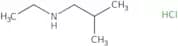
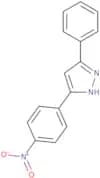
CAS:<p>Versatile small molecule scaffold</p>Formula:C6H16ClNPurity:Min. 95%Molecular weight:137.65 g/mol3-(4-Nitrophenyl)-5-phenyl-1H-pyrazole
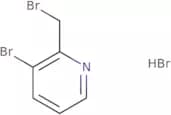
CAS:<p>3-(4-Nitrophenyl)-5-phenyl-1H-pyrazole is a dipole tautomeric proton tautomer with a fluorescence photophysical. It has a molecular orbital that is acidic. 3-(4-Nitrophenyl)-5-phenyl-1H-pyrazole has the following transfer functional groups: nitro, fluorescence, and photophysical. 3-(4-Nitrophenyl)-5-phenyl-1H-pyrazole is an experimentally determined molecule with a molecular orbitals of acidic. It has two tautomers, which are the dipole and tautomers. The dipole tautomeric proton tautomer is the more stable form of 3-(4-Nitrophenyl)-5-phenyl-1H-pyrazole in solution.</p>Formula:C15H11N3O2Purity:Min. 95%Molecular weight:265.27 g/mol3-Bromo-2-(bromomethyl)pyridine hydrobromide
CAS:Versatile small molecule scaffoldFormula:C6H6Br3NPurity:Min. 95%Molecular weight:331.83 g/molBiphenyl-4-yl-hydrazine hydrochloride
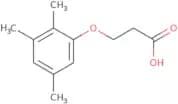
CAS:Versatile small molecule scaffoldFormula:C12H13ClN2Purity:Min. 95%Molecular weight:220.7 g/mol3-(2,3,5-Trimethylphenoxy)propanoic acid
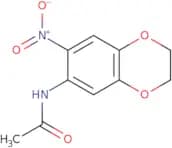
CAS:<p>Versatile small molecule scaffold</p>Formula:C12H16O3Purity:Min. 95%Molecular weight:208.25 g/molN-(7-Nitro-2,3-dihydro-1,4-benzodioxin-6-yl)acetamide
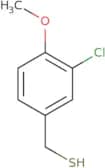
CAS:<p>Versatile small molecule scaffold</p>Formula:C10H10N2O5Purity:Min. 95%Molecular weight:238.2 g/mol(3-Chloro-4-methoxyphenyl)methanethiol
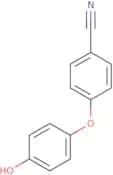
CAS:<p>Versatile small molecule scaffold</p>Formula:C8H9ClOSPurity:Min. 95%Molecular weight:188.67 g/mol4-(4-Hydroxyphenoxy)benzonitrile
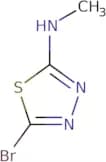
CAS:<p>Versatile small molecule scaffold</p>Formula:C13H9NO2Purity:Min. 95%Molecular weight:211.22 g/mol5-Bromo-N-methyl-1,3,4-thiadiazol-2-amine
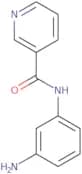
CAS:<p>Versatile small molecule scaffold</p>Formula:C3H4BrN3SPurity:Min. 95%Molecular weight:194.06 g/molN-(3-Aminophenyl)nicotinamide
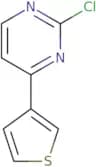
CAS:<p>Versatile small molecule scaffold</p>Formula:C12H11N3OPurity:Min. 95%Molecular weight:213.23 g/mol2-Chloro-4-(thiophen-3-yl)pyrimidine
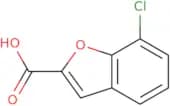
CAS:Versatile small molecule scaffoldFormula:C8H5ClN2SPurity:Min. 95%Molecular weight:196.66 g/mol7-Chlorobenzofuran-2-carboxylic acid
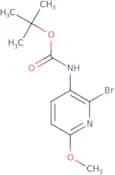
CAS:<p>Versatile small molecule scaffold</p>Formula:C9H5O3ClPurity:Min. 95%Molecular weight:196.58 g/moltert-Butyl N-(2-bromo-6-methoxypyridin-3-yl)carbamate
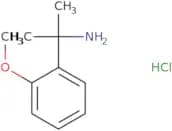
CAS:<p>Versatile small molecule scaffold</p>Formula:C11H15BrN2O3Purity:Min. 95%Molecular weight:303.15 g/mol2-(2-Methoxyphenyl)propan-2-amine hydrochloride
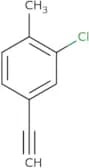
CAS:Versatile small molecule scaffoldFormula:C10H16ClNOPurity:Min. 95%Molecular weight:201.69 g/mol2-Chloro-4-ethynyl-1-methylbenzene
CAS:Versatile small molecule scaffoldFormula:C9H7ClPurity:Min. 95%Molecular weight:150.6 g/molLIMKi 3
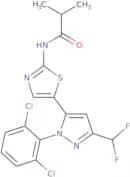
CAS:<p>LIMKi 3 is a sesquiterpene lactone that has been shown to activate the LIM kinase pathway. This pathway is involved in axonal growth, neuronal differentiation, and apoptosis. It has been shown to induce apoptosis in HL-60 cells and malignant brain cells. LIMKi 3 also inhibits HIV infection by interrupting the production of effector proteins such as tat and rev, which are necessary for viral replication. The compound has potent antitumor activity against human tumor cell lines in vitro and in vivo with no observed toxicity to normal tissues.</p>Formula:C17H14Cl2F2N4OSPurity:Min. 95%Molecular weight:431.29 g/mol3-(Trifluoromethyl)-4,5,6,7-tetrahydro-1H-indazole-5-carboxylic acid
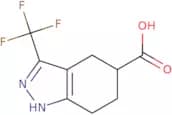
CAS:Versatile small molecule scaffoldFormula:C9H9F3N2O2Purity:Min. 95%Molecular weight:234.18 g/mol3-Methyl-4,5,6,7-tetrahydro-1H-indazole-5-carboxylic acid
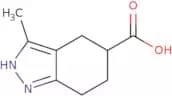
CAS:Versatile small molecule scaffoldFormula:C9H12N2O2Purity:Min. 95%Molecular weight:180.21 g/mol3-Methyl-1H,4H,5H,6H,7H-pyrazolo[4,3-b]pyridine
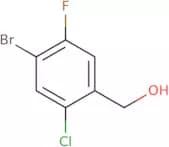
CAS:Versatile small molecule scaffoldFormula:C7H11N3Purity:Min. 95%Molecular weight:137.18 g/mol4-bromo-2-chloro-5-fluorobenzyl alcohol
CAS:<p>Versatile small molecule scaffold</p>Formula:C7H5BrClFOPurity:Min. 95%Molecular weight:239.47 g/mol2-{5H,6H,7H,8H-[1,2,4]Triazolo[4,3-a]pyrazin-3-yl}pyridine dihydrochloride
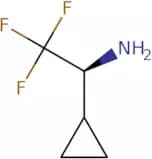
CAS:Versatile small molecule scaffoldFormula:C10H13Cl2N5Purity:Min. 95%Molecular weight:274.1 g/mol(1S)-1-Cyclopropyl-2,2,2-trifluoroethan-1-amine hydrochloride
CAS:Versatile small molecule scaffoldFormula:C5H9ClF3NPurity:Min. 95%Molecular weight:175.58 g/molMethyl 4,5-dimethyl-6H-thieno[2,3-b]pyrrole-2-carboxylate
CAS:<p>Versatile small molecule scaffold</p>Formula:C10H11NO2SPurity:Min. 95%Molecular weight:209.27 g/mol4-Methyl-4,6-diazaspiro[2.4]heptan-5-one
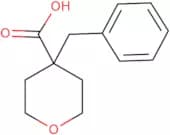
CAS:<p>Versatile small molecule scaffold</p>Formula:C6H10N2OPurity:Min. 95%Molecular weight:126.16 g/mol4-Benzyloxane-4-carboxylic acid
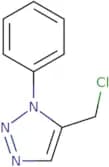
CAS:<p>Versatile small molecule scaffold</p>Formula:C13H16O3Purity:Min. 95%Molecular weight:220.27 g/mol5-(Chloromethyl)-1-phenyl-1H-1,2,3-triazole
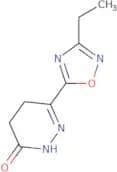
CAS:Versatile small molecule scaffoldFormula:C9H8ClN3Purity:Min. 95%Molecular weight:193.63 g/mol6-(3-Ethyl-1,2,4-oxadiazol-5-yl)-2,3,4,5-tetrahydropyridazin-3-one
CAS:Versatile small molecule scaffoldFormula:C8H10N4O2Purity:Min. 95%Molecular weight:194.19 g/mol[2-(Aminomethyl)-4-methylpentyl]benzene
CAS:Versatile small molecule scaffoldFormula:C13H21NPurity:Min. 95%Molecular weight:191.31 g/mol2-(4-Cyclopropyl-2-fluorophenyl)-4,4,5,5-tetramethyl-1,3,2-dioxaborolane
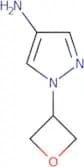
CAS:Versatile small molecule scaffoldFormula:C15H20BFO2Purity:Min. 95%Molecular weight:262.13 g/mol1-(3-Oxetanyl)-1H-pyrazol-4-amine
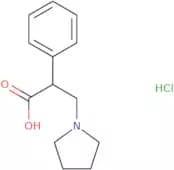
CAS:<p>Versatile small molecule scaffold</p>Formula:C6H9N3OPurity:Min. 95%Molecular weight:139.16 g/mol2-Phenyl-3-(pyrrolidin-1-yl)propanoic acid hydrochloride
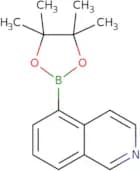
CAS:Versatile small molecule scaffoldFormula:C13H18ClNO2Purity:Min. 95%Molecular weight:255.74 g/mol5-(4,4,5,5-Tetramethyl-1,3,2-dioxaborolan-2-yl)isoquinoline
CAS:<p>Versatile small molecule scaffold</p>Formula:C15H18BNO2Purity:Min. 95%Molecular weight:255.12 g/mol{[3-(1-Ethoxyethyl)-1,2,4-oxadiazol-5-yl]methyl}(methyl)amine
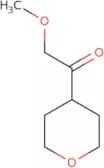
CAS:Versatile small molecule scaffoldFormula:C8H15N3O2Purity:Min. 95%Molecular weight:185.22 g/mol2-Methoxy-1-(oxan-4-yl)ethan-1-one
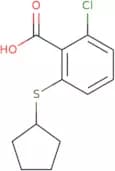
CAS:Versatile small molecule scaffoldFormula:C8H14O3Purity:Min. 95%Molecular weight:158.19 g/mol2-Chloro-6-(cyclopentylsulfanyl)benzoic acid
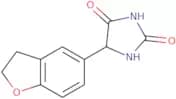
CAS:Versatile small molecule scaffoldFormula:C12H13ClO2SPurity:Min. 95%Molecular weight:256.75 g/mol5-(2,3-Dihydro-1-benzofuran-5-yl)imidazolidine-2,4-dione
CAS:<p>Versatile small molecule scaffold</p>Formula:C11H10N2O3Purity:Min. 95%Molecular weight:218.21 g/mol[1-(4-Fluoro-3-methylphenyl)-1H-1,2,3-triazol-4-yl]methanol
CAS:<p>Versatile small molecule scaffold</p>Formula:C10H10FN3OPurity:Min. 95%Molecular weight:207.2 g/mol4-Bromo-N1-[2-(dimethylamino)ethyl]-N1-methylbenzene-1,2-diamine
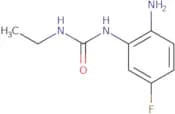
CAS:<p>Versatile small molecule scaffold</p>Formula:C11H18BrN3Purity:Min. 95%Molecular weight:272.18 g/mol1-(2-Amino-5-fluorophenyl)-3-ethylurea
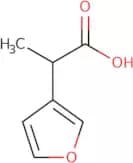
CAS:Versatile small molecule scaffoldFormula:C9H12FN3OPurity:Min. 95%Molecular weight:197.21 g/mol2-(Furan-3-yl)propanoic acid
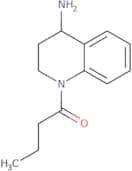
CAS:<p>2-(Furan-3-yl)propanoic acid is a toolbox compound that has been shown to bind to DNA binding proteins and induce protein interactions. 2-(Furan-3-yl)propanoic acid also binds to intramolecular hydrogen bridges, which are important for the correct folding of some proteins. This compound has been shown to be effective in inhibiting the expression of mirnas and may have therapeutic potential for cancer treatment by inducing apoptosis in cells that carry mutated genes. 2-(Furan-3-yl)propanoic acid can be used as a red light sensitizer, where it will cause cross-linking between adjacent thymidine bases on double stranded DNA, leading to cell death.</p>Formula:C7H8O3Purity:Min. 95%Molecular weight:140.14 g/mol1-(4-Amino-3,4-dihydroquinolin-1(2H)-yl)butan-1-one
CAS:Versatile small molecule scaffoldFormula:C13H18N2OPurity:Min. 95%Molecular weight:218.29 g/mol[3-(Pentan-3-yl)-1,2-oxazol-5-yl]methanamine
CAS:<p>Versatile small molecule scaffold</p>Formula:C9H16N2OPurity:Min. 95%Molecular weight:168.24 g/mol

![8-Chloro-1H-benzo[D][1,3]oxazine-2,4-dione](/_next/image/?url=https%3A%2Fstatic.cymitquimica.com%2Fproducts%2F3D%2Fthumb-webp%2FNCA49760.webp&w=3840&q=75)

![3-Methyl-1H,4H,5H,6H,7H-pyrazolo[4,3-b]pyridine](/_next/image/?url=https%3A%2Fstatic.cymitquimica.com%2Fproducts%2F3D%2Fthumb-webp%2FNDC24752.webp&w=3840&q=75)
![2-{5H,6H,7H,8H-[1,2,4]Triazolo[4,3-a]pyrazin-3-yl}pyridine dihydrochloride](/_next/image/?url=https%3A%2Fstatic.cymitquimica.com%2Fproducts%2F3D%2Fthumb-webp%2FNDC37574.webp&w=3840&q=75)
![Methyl 4,5-dimethyl-6H-thieno[2,3-b]pyrrole-2-carboxylate](/_next/image/?url=https%3A%2Fstatic.cymitquimica.com%2Fproducts%2F3D%2Fthumb-webp%2FNDC46650.webp&w=3840&q=75)
![4-Methyl-4,6-diazaspiro[2.4]heptan-5-one](/_next/image/?url=https%3A%2Fstatic.cymitquimica.com%2Fproducts%2F3D%2Fthumb-webp%2FNDC49329.webp&w=3840&q=75)
![[2-(Aminomethyl)-4-methylpentyl]benzene](/_next/image/?url=https%3A%2Fstatic.cymitquimica.com%2Fproducts%2F3D%2Fthumb-webp%2FNDC68556.webp&w=3840&q=75)

![{[3-(1-Ethoxyethyl)-1,2,4-oxadiazol-5-yl]methyl}(methyl)amine](/_next/image/?url=https%3A%2Fstatic.cymitquimica.com%2Fproducts%2F3D%2Fthumb-webp%2FNDC94295.webp&w=3840&q=75)
![[1-(4-Fluoro-3-methylphenyl)-1H-1,2,3-triazol-4-yl]methanol](/_next/image/?url=https%3A%2Fstatic.cymitquimica.com%2Fproducts%2F3D%2Fthumb-webp%2FNDC94933.webp&w=3840&q=75)
![4-Bromo-N1-[2-(dimethylamino)ethyl]-N1-methylbenzene-1,2-diamine](/_next/image/?url=https%3A%2Fstatic.cymitquimica.com%2Fproducts%2F3D%2Fthumb-webp%2FNDC94968.webp&w=3840&q=75)
![[3-(Pentan-3-yl)-1,2-oxazol-5-yl]methanamine](/_next/image/?url=https%3A%2Fstatic.cymitquimica.com%2Fproducts%2F3D%2Fthumb-webp%2FNDC96786.webp&w=3840&q=75)