Building Blocks
Subcategories of "Building Blocks"
- Boronic Acids & Boronic Acid Derivatives(5,781 products)
- Chiral Building Blocks(1,242 products)
- Hydrocarbon Building Blocks(6,101 products)
- Organic Building Blocks(61,033 products)
Found 205320 products of "Building Blocks"
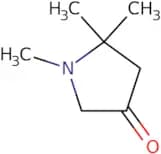
1,5,5-Trimethylpyrrolidin-3-one
CAS:Versatile small molecule scaffold
Formula:C7H13NOPurity:Min. 95%Molecular weight:127.18 g/molRef: 3D-CDA13094
Discontinued product4-[(4-Nitrophenyl)methyl]piperidine
CAS:Versatile small molecule scaffold
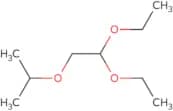
Formula:C12H16N2O2Purity:Min. 95%Molecular weight:220.27 g/mol2-(2,2-Diethoxyethoxy)propane
CAS:Versatile small molecule scaffold
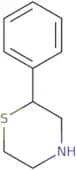
Formula:C9H20O3Purity:Min. 95%Molecular weight:176.25 g/mol2-Phenylthiomorpholine
CAS:2-Phenylthiomorpholine is a drug that is used as an antiarrhythmic agent. This drug has been shown to be effective in the treatment of arrhythmias and can be used to decrease the frequency of ventricular tachycardia, ventricular fibrillation, and atrial fibrillation. 2-Phenylthiomorpholine inhibits the activity of cysteamine, which is an amino acid that plays a major role in the regulation of blood pressure. It also has anti-inflammatory properties due to its ability to inhibit prostaglandin synthesis, as well as analgesic effects due to its activity on ligand-gated ion channels.
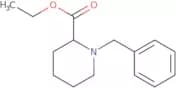
Formula:C10H13NSPurity:Min. 95%Molecular weight:179.28 g/molEthyl 1-benzylpiperidine-2-carboxylate
CAS:Ethyl 1-benzylpiperidine-2-carboxylate is an organic compound that belongs to the class of benzhydryl compounds. It is a colorless liquid at room temperature and has a boiling point of 60°C. Ethyl 1-benzylpiperidine-2-carboxylate can be synthesized by reacting methanol with piperidine in the presence of aluminum chloride and sodium borohydride in a catalytic amount. The nitrogen atom in this compound is a chiral center, which means it cannot exist as two enantiomers. This product also reacts with chloride to form ethylmagnesium chloride, which is used for the production of aminoalcohols.
Formula:C15H21NO2Purity:Min. 95%Molecular weight:247.33 g/molRef: 3D-CDA03434
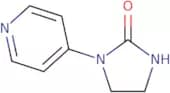
Discontinued product1-Pyridin-4-yl-imidazolidin-2-one
CAS:1-Pyridin-4-yl-imidazolidin-2-one is a potent inhibitor of the growth hormone receptor, which in turn prevents the activation of the insulin receptor and glycogenolysis. It has been shown to attenuate cachexia in mice by reducing their weight loss. 1Pyridin-4-yl-imidazolidin-2-one also exerts an antihypertensive effect on congestive heart failure by inhibiting alpha 2 adrenergic receptors. This drug has been shown to have a stimulatory effect on premarin production and to be an effective insecticide against aphids, mites, and caterpillars.
Formula:C8H9N3OPurity:Min. 95%Molecular weight:163.18 g/molRef: 3D-CCA21090
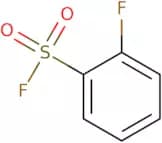
Discontinued product2-Fluorobenzenesulfonyl Fluoride
CAS:Versatile small molecule scaffold
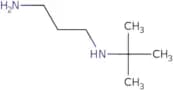
Formula:C6H4F2O2SPurity:Min. 95%Molecular weight:178.16 g/mol(3-Aminopropyl)(tert-butyl)amine
CAS:Versatile small molecule scaffold
Formula:C7H18N2Purity:Min. 95%Molecular weight:130.23 g/mol1-(Dichloromethyl)cyclohexan-1-ol
CAS:Versatile small molecule scaffold
Formula:C7H12Cl2OPurity:Min. 95%Molecular weight:183.07 g/molRef: 3D-CCA18364
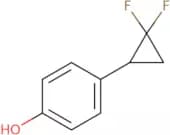
Discontinued product4-(2,2-Difluorocyclopropyl)phenol
CAS:Versatile small molecule scaffold
Formula:C9H8F2OPurity:Min. 95%Molecular weight:170.16 g/molRef: 3D-CCA17886
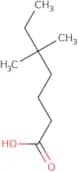
Discontinued product5,5-Dimethylheptanoic acid
CAS:Versatile small molecule scaffold
Formula:C9H18O2Purity:Min. 95%Molecular weight:158.24 g/molRef: 3D-CCA14621
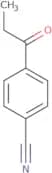
Discontinued product4-Propanoylbenzonitrile
CAS:Versatile small molecule scaffold
Formula:C10H9NOPurity:Min. 95%Molecular weight:159.18 g/mol1H,4H,5H-Pyrazolo[4,3-b]pyridin-5-one
CAS:Versatile small molecule scaffold
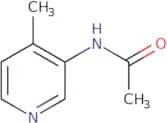
Formula:C6H5N3OPurity:Min. 95%Molecular weight:135.12 g/mol3-Acetamido-4-picoline
CAS:3-Acetamido-4-picoline (3AP) is a fatty acid that has been used in the treatment of autoimmune diseases. It is also a potent activator of AMPK, which is an enzyme that regulates cellular metabolism and energy homeostasis. 3AP has been shown to have antibacterial activity against a wide range of bacteria, including Mycoplasma and endophytic fungi. 3AP also inhibits leukotriene receptor antagonists, which are important for the inflammatory response. 3AP may be used as a diagnostic agent to measure body fat mass and body mass index in humans. The type strain for this compound is ATCC 21797.
Formula:C8H10N2OPurity:Min. 95%Molecular weight:150.18 g/molRef: 3D-CCA09068
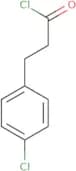
Discontinued product3-(4-Chlorophenyl)propanoyl chloride
CAS:Versatile small molecule scaffold
Formula:C9H8Cl2OPurity:Min. 95%Molecular weight:203.06 g/molRef: 3D-CCA08596
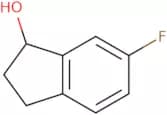
Discontinued product6-Fluoro-2,3-dihydro-1H-inden-1-ol
CAS:Versatile small molecule scaffold
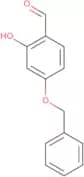
Formula:C9H9FOPurity:Min. 95%Molecular weight:152.16 g/mol4-(Benzyloxy)-2-hydroxybenzaldehyde
CAS:4-(Benzyloxy)-2-hydroxybenzaldehyde is a functional compound that has various tautomeric forms. It can be found in the mesomorphic form at low temperatures and in the imine form at higher temperatures. It is also active as an anti-inflammatory agent, inhibiting cyclooxygenase and lipoxygenase enzymes. 4-(Benzyloxy)-2-hydroxybenzaldehyde has been shown to have a protective effect on cells from Alzheimer's disease and other neurodegenerative diseases by preventing the aggregation of beta-amyloid proteins that are implicated in these diseases.
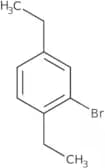
Formula:C14H12O3Purity:Min. 95%Molecular weight:228.24 g/mol2-Bromo-1,4-diethylbenzene
CAS:Versatile small molecule scaffold
Formula:C10H13BrPurity:Min. 95%Molecular weight:213.11 g/molRef: 3D-CCA07643
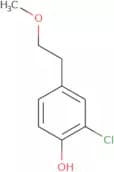
Discontinued product2-Chloro-4-(2-methoxyethyl)phenol
CAS:Versatile small molecule scaffold
Formula:C9H11ClO2Purity:Min. 95%Molecular weight:186.63 g/molRef: 3D-CCA07613
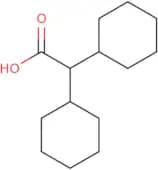
Discontinued productDicyclohexylacetic acid
CAS:Dicyclohexylacetic acid is an organic compound that is used as a reagent to measure the binding constants of proteins. It has a hydrophobic effect, which may be due to its particle size, and it has been shown to have antioxidant properties. Dicyclohexylacetic acid is also used in the production of chemical structures, such as hydrogen bond and carboxylate. It can be used in the treatment of autoimmune diseases by inhibiting serine protease activity and radiation therapy. Naphthenic acids are found in crude oil, and FT-IR spectroscopy can be used to detect these acids.
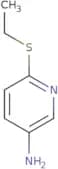
Formula:C14H24O2Purity:Min. 95%Molecular weight:224.35 g/mol6-(Ethylsulfanyl)pyridin-3-amine
CAS:Versatile small molecule scaffold
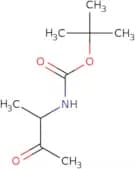
Formula:C7H10N2SPurity:Min. 95%Molecular weight:154.24 g/moltert-Butyl N-(3-oxobutan-2-yl)carbamate
CAS:Versatile small molecule scaffold
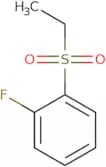
Formula:C9H17NO3Purity:Min. 95%Molecular weight:187.24 g/mol1-(Ethanesulfonyl)-2-fluorobenzene
CAS:Versatile small molecule scaffold
Formula:C8H9FO2SPurity:Min. 95%Molecular weight:188.22 g/molRef: 3D-CBB17025
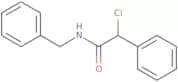
Discontinued productN-Benzyl-2-chloro-2-phenylacetamide
CAS:Versatile small molecule scaffold
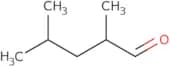
Formula:C15H14ClNOPurity:Min. 95%Molecular weight:259.73 g/mol2,4-Dimethylpentanal
CAS:Versatile small molecule scaffold
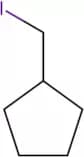
Formula:C7H14OPurity:Min. 95%Molecular weight:114.19 g/mol(Iodomethyl)cyclopentane
CAS:(Iodomethyl)cyclopentane is a potent cytotoxic agent that inhibits the proliferation of a wide range of cells. It binds to the DNA of proliferating cells and causes cross-linking and strand breakage, which leads to cell death. This compound also has anti-inflammatory properties and can be used in hyperproliferative diseases such as cancer, as well as infectious diseases such as tuberculosis. (Iodomethyl)cyclopentane is not available for sale in its pure form, but rather in a salt form.
Formula:C6H11IPurity:Min. 95%Molecular weight:210.06 g/mol4-Chloro-2-methylbenzylamine
CAS:Versatile small molecule scaffold
Formula:C8H10ClNPurity:Min. 95%Molecular weight:155.63 g/molRef: 3D-CBA91711
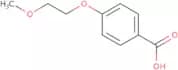
Discontinued product4-(2-Methoxy-ethoxy)-benzoic acid
CAS:Versatile small molecule scaffold
Formula:C10H12O4Purity:Min. 95%Molecular weight:196.2 g/molOxiranemethanamine, N,N-diethyl-
CAS:Oxirane-methanamine, N,N-diethyl (ODME) is a surface active agent that can be used in the treatment of cancer. It is also a hydrophobic molecule that has been shown to bind to cellulose derivatives and sodium carbonate. ODME has been shown to have an optimal reaction at pH 7 and a reaction time of 3 minutes. The ODME molecule can form base with the amines present in the tissue and this leads to cellular damage. ODME is linear polymer and its structure can be seen below:
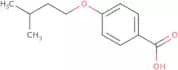
Formula:C7H15NOPurity:Min. 95%Molecular weight:129.2 g/mol4-(Isopentyloxy)benzenecarboxylic acid
CAS:Versatile small molecule scaffold
Formula:C12H16O3Purity:Min. 95%Molecular weight:208.25 g/molEthyl N-(2,6-Dimethylphenyl)oxamate
CAS:Versatile small molecule scaffold
Formula:C12H15NO3Purity:Min. 95%Molecular weight:221.25 g/molRef: 3D-CAA90346
Discontinued product2,2-Diphenylhexanoic acid
CAS:Versatile small molecule scaffold
Formula:C18H20O2Purity:Min. 95%Molecular weight:268.3 g/molRef: 3D-CAA90260
Discontinued productN-Acetyl-dl-tyrosine
CAS:N-Acetyl-dl-tyrosine is a biologically active form of tyrosine that inhibits the activity of protein tyrosine phosphatases. It has been shown to inhibit the acylation reaction of acetylcholine esterase, which leads to the accumulation of acetylcholine in the synaptic cleft and enhances its effects on postsynaptic receptors. N-Acetyl-dl-tyrosine also binds to metal ions such as copper, zinc, or iron and can be used in metal chelation therapy. The drug has been shown to produce light emission when exposed to UV radiation and has been used for detection of biochemical abnormalities.
Formula:C11H13NO4Purity:Min. 95%Molecular weight:223.23 g/mol3-(4-Chlorophenyl)-2-phenylpropanoic acid
CAS:Versatile small molecule scaffoldFormula:C15H13ClO2Purity:Min. 95%Molecular weight:260.71 g/molRef: 3D-CAA90130
Discontinued product2-[Ethyl(propan-2-yl)amino]ethan-1-ol
CAS:Controlled ProductVersatile small molecule scaffold
Formula:C7H17NOPurity:Min. 95%Molecular weight:131.22 g/mol5'-Chloro-2'-hydroxypropiophenone
CAS:Versatile small molecule scaffold
Formula:C9H9ClO2Purity:Min. 95%Molecular weight:184.62 g/mol2-Bromo-3-phenylpyrazine
CAS:Versatile small molecule scaffold
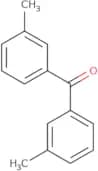
Formula:C10H7BrN2Purity:Min. 95%Molecular weight:235.08 g/molBis(3-methylphenyl)methanone
CAS:The molecule is a benzene with two methyl groups at the 3 and 5 positions. The dipole moment of this molecule is 0.6 D, which means that it can be oriented in two different ways. Molecular conformations are analysed by calculating the energy of the molecule when it is rotated around its axis. This molecule has three possible conformations, with two of them being more stable than the other one.
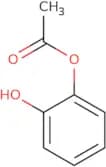
Formula:C15H14OPurity:Min. 95%Molecular weight:210.27 g/mol2-Hydroxyphenyl acetate
CAS:2-Hydroxyphenyl acetate (2HPA) is a phenolic compound that has been shown to inhibit the growth of prostate cancer cells in vitro. 2HPA inhibits the activity of two enzymes, hydroxylase and transketolase, which are involved in energy metabolism and collagen synthesis. 2HPA also induces apoptosis in prostate cancer cells by activating caspases and inhibiting DNA synthesis. Studies have shown that 2HPA may be effective against fungal infections by inhibiting cell growth. This compound also has anti-inflammatory properties and may be beneficial for those with osteoporosis by stimulating the production of new bone cells. 2HPA has been shown to stimulate the release of neurotransmitters, such as acetylcholine, glutamate, GABA, dopamine, norepinephrine and serotonin from mouse hippocampal neurons. It also inhibits the phosphorylation of cyclic AMP response element binding protein (CREB) to block CREB-mediated
Formula:C8H8O3Purity:Min. 95%Molecular weight:152.15 g/molRef: 3D-CAA84825
Discontinued product6-(Morpholin-4-yl)-9H-purine
CAS:6-(Morpholin-4-yl)-9H-purine is a carbocyclic nucleoside that has been synthesized and its antiviral properties have been investigated. It has been shown to be damaging to cells and has potent inhibition of tumor cell proliferation. 6-(Morpholin-4-yl)-9H-purine is a synthetic compound that binds to the ribosome, inhibiting protein synthesis, which inhibits the production of proteins vital for cell division. 6-(Morpholin-4-yl)-9H-purine also interacts with kinases, blocking their activity by binding to the ATP site on the enzyme, preventing ATP hydrolysis and leading to cell death by apoptosis.
Formula:C9H11N5OPurity:Min. 95%Molecular weight:205.22 g/molRef: 3D-CAA84696
Discontinued productThiazolo[5,4-d]pyrimidin-7-amine
CAS:Versatile small molecule scaffold
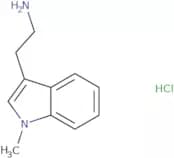
Formula:C5H4N4SPurity:Min. 95%Molecular weight:152.18 g/mol(3-(2-Aminoethyl)-1-methylindole) dihydrochloride
CAS:Controlled Product(3-(2-Aminoethyl)-1-methylindole) dihydrochloride is a drug that has been used to study serotonin receptors in the brain. It has been shown to bind to 5-HT1A, 5-HT2 and 5-HT6 receptors. This drug also binds to amine receptors in the cerebral cortex of rats. The drug is a phenylalkylamine with a ring system and homologs.
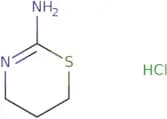
Formula:C11H16Cl2N2Purity:Min. 95%Molecular weight:247.16 g/mol1,3-Thiazinan-2-imine hydrochloride
CAS:Versatile small molecule scaffold
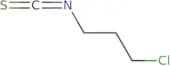
Formula:C4H9ClN2SPurity:Min. 95%Molecular weight:152.65 g/mol3-Chloropropyl isothiocyanate
CAS:3-Chloropropyl isothiocyanate (3CPITC) is a chemical compound that is used in research to produce an artificial reflux and to study the effects of acid on esterase activity. This compound is synthesized by reacting 2-chloroethyl chloride with triethylamine in the presence of methanol, followed by hydrolysis of the resulting 3-chloropropyl isothiocyanate. 3CPITC has been shown to have a neutral effect on esterase activity.
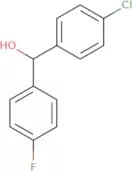
Formula:C4H6ClNSPurity:Min. 95%Molecular weight:135.61 g/mol(4-Chlorophenyl)(4-fluorophenyl)methanol
CAS:Versatile small molecule scaffold
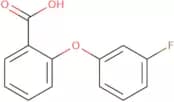
Formula:C13H10ClFOPurity:Min. 95%Molecular weight:236.67 g/mol2-(3-Fluorophenoxy)benzoic acid
CAS:Versatile small molecule scaffold
Formula:C13H9FO3Purity:Min. 95%Molecular weight:232.21 g/molRef: 3D-CAA79562
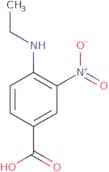
Discontinued product4-(Ethylamino)-3-nitrobenzoic acid
CAS:4-(Ethylamino)-3-nitrobenzoic acid (4ENA) is a centrosymmetric molecule with a crystal structure that contains ammonium and nitro groups. It also forms dimers when in the presence of chloride or chloroformate, which can be seen by the absorption bands at 550 nm. The 4ENA molecule is sensitive to hydrogen chloride and ammonium carbonate, which can cause it to decompose into ethylamine and 3-nitrophenol. Nitric acid will cause 4ENA to form the nitro group attached to the benzene ring. 4ENA has been shown to inhibit platelet aggregation by inhibiting thrombus formation on damaged endothelium.
Formula:C9H10N2O4Purity:Min. 95%Molecular weight:210.19 g/molRef: 3D-CAA78874
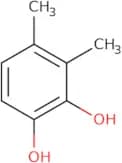
Discontinued product3,4-Dimethylbenzene-1,2-diol
CAS:3,4-Dimethylbenzyl alcohol is a colorless liquid with a low viscosity. It is used as an intermediate in the preparation of polycarboxylic acids and amides. 3,4-Dimethylbenzyl alcohol has been shown to increase the polymerization rate of unsaturated polyester resins. The compound can be synthesized from 3,4-dimethylbenzene-1,2-diol by treatment with sodium carbonate in methanol followed by hydrolysis of the resulting 3,4-dimethylbenzyl alcohol.
The compound has also been shown to have anti-inflammatory properties and be used as a solvent for tobacco products.
3,4-Dimethylbenzyl alcohol can be obtained through the reaction of fatty acid with potassium hydroxide in ethylene glycol at high temperatures.Formula:C8H10O2Purity:Min. 95%Molecular weight:138.16 g/molRef: 3D-CAA78576
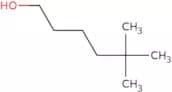
Discontinued product5,5-Dimethylhexan-1-ol
CAS:Versatile small molecule scaffold
Formula:C8H18OPurity:Min. 95%Molecular weight:130.23 g/molRef: 3D-CAA76818
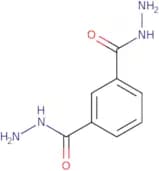
Discontinued productIsophthalic Dihydrazide
CAS:Isophthalic Dihydrazide is an ethylene diamine that reacts with oxadiazole and trifluoroacetic acid to form a polymeric coating on the surface of nickel particle. It is used in the production of epoxy resins for automotive coatings and as a hardener for paints and varnishes. Isophthalic Dihydrazide reacts with hydroxyl groups on the surface of polymer particles to produce cross-linking, which increases the resistance of the polymer against water vapor and other substances. The optimum concentration for this product is between 0.1% - 0.5%.
Formula:C8H10N4O2Purity:Min. 95%Molecular weight:194.19 g/mol

![4-[(4-Nitrophenyl)methyl]piperidine](/_next/image/?url=https%3A%2Fstatic.cymitquimica.com%2Fproducts%2F3D%2Fthumb-webp%2FCDA09381.webp&w=3840&q=75)

![1H,4H,5H-Pyrazolo[4,3-b]pyridin-5-one](/_next/image/?url=https%3A%2Fstatic.cymitquimica.com%2Fproducts%2F3D%2Fthumb-webp%2FCCA09073.webp&w=3840&q=75)




![2-[Ethyl(propan-2-yl)amino]ethan-1-ol](/_next/image/?url=https%3A%2Fstatic.cymitquimica.com%2Fproducts%2F3D%2Fthumb-webp%2FCAA89361.webp&w=3840&q=75)



![Thiazolo[5,4-d]pyrimidin-7-amine](/_next/image/?url=https%3A%2Fstatic.cymitquimica.com%2Fproducts%2F3D%2Fthumb-webp%2FCAA84690.webp&w=3840&q=75)