


Building Blocks
Subcategories of "Building Blocks"
- Boronic Acids & Boronic Acid Derivatives(5,780 products)
- Chiral Building Blocks(1,241 products)
- Hydrocarbon Building Blocks(6,100 products)
- Organic Building Blocks(61,029 products)
Found 205306 products of "Building Blocks"
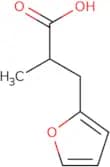
3-(Furan-2-yl)-2-methylpropanoic acid
CAS:Versatile small molecule scaffold
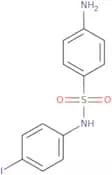
Formula:C8H10O3Purity:Min. 95%Molecular weight:154.16 g/mol4-Amino-N-(4-iodophenyl)benzene-1-sulfonamide
CAS:Versatile small molecule scaffold
Formula:C12H11IN2O2SPurity:Min. 95%Molecular weight:374.2 g/molRef: 3D-GAA96575
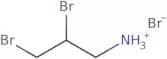
Discontinued product2,3-Dibromo-propylamine, hydrobromide
CAS:2,3-Dibromo-propylamine, hydrobromide is an organolithium compound that is postulated to exist. It has been synthesized in the laboratory but its structure and properties have not yet been fully characterized. In addition to allylamine and azetidine, it has also been shown to react with benzoyl peroxide to form a peroxide. The magnesium ion coordinates the bromine atom of 2,3-dibromo-propylamine, hydrobromide. This mechanism is similar to that of other organolithium compounds.
Formula:C3H8Br3NPurity:Min. 95%Molecular weight:297.81 g/molRef: 3D-GAA96332
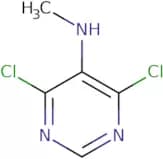
Discontinued product4,6-dichloro-N-methylpyrimidin-5-amine
CAS:Versatile small molecule scaffoldFormula:C5H5Cl2N3Purity:Min. 95%Molecular weight:178 g/mol2-(4-Bromo-2-methylphenoxy)acetic acid
CAS:2-(4-Bromo-2-methylphenoxy)acetic acid is a sulfonated phenolic compound that is synthesized by the sulfurylation of 2-methylphenoxyacetic acid with sulfuryl chloride. It has been used as a chemical intermediate in the synthesis of various drugs, such as triethanolamine. 2-(4-Bromo-2-methylphenoxy)acetic acid can also be used to produce fluorinated compounds, such as pentafluoropropionic and hexafluoroacetic acids. The chlorination reaction is an efficient method for the production of this compound.
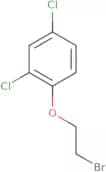
Formula:C9H9BrO3Purity:Min. 95%Molecular weight:245.08 g/mol1-(2-Bromoethoxy)-2,4-dichlorobenzene
CAS:Versatile small molecule scaffold
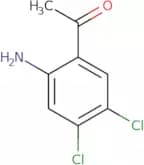
Formula:C8H7BrCl2OPurity:Min. 95%Molecular weight:269.96 g/mol1-(2-Amino-4,5-dichlorophenyl)ethanone
CAS:Versatile small molecule scaffold
Formula:C8H7Cl2NOPurity:Min. 95%Molecular weight:204.05 g/mol3-[(Pyridin-2-ylmethyl)amino]propan-1-ol
CAS:3-[(Pyridin-2-ylmethyl)amino]propan-1-ol is an industrial chemical that is used in the production of peroxy compounds. It is a byproduct of hydrogenation and aluminium production processes, and can be produced using transition metal ions such as copper or nickel. 3-[(Pyridin-2-ylmethyl)amino]propan-1-ol has a low molecular weight, which allows it to be used in a variety of applications. This compound has been shown to interact with adsorption equilibrium and kinetic techniques, as well as being suitable for sustainable development.
Formula:C9H14N2OPurity:Min. 95%Molecular weight:166.22 g/molRef: 3D-GAA95099
Discontinued product[2-(Methylsulfanyl)ethyl]urea
CAS:Versatile small molecule scaffold
Formula:C4H10N2OSPurity:Min. 95%Molecular weight:134.2 g/molRef: 3D-GAA95055
Discontinued product1-[(Methoxycarbonyl)amino]cyclopentane-1-carboxylic acid
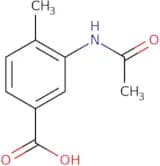
CAS:Versatile small molecule scaffoldFormula:C8H13NO4Purity:Min. 95%Molecular weight:187.19 g/mol3-Acetamido-4-methylbenzoic acid
CAS:3-Acetamido-4-methylbenzoic acid is a product of organic synthesis. It is an amide compound and is synthesized by the condensation reaction of cyanamide and aniline. 3-Acetamido-4-methylbenzoic acid has been used in the synthesis of medicines such as nilotinib, which is a tyrosine kinase inhibitor that blocks cancer cell growth.
Formula:C10H11NO3Purity:Min. 95%Molecular weight:193.2 g/molRef: 3D-GAA94614
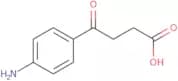
Discontinued product4-(4-Aminophenyl)-4-oxobutanoic acid
CAS:Versatile small molecule scaffold
Formula:C10H11NO3Purity:Min. 95%Molecular weight:193.2 g/mol1-(3-Bromopropyl)-3-methoxybenzene
CAS:Versatile small molecule scaffold
Formula:C10H13OBrPurity:Min. 95%Molecular weight:229.11 g/molRef: 3D-GAA94397
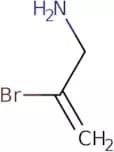
Discontinued product2-Bromo-allylamine
CAS:2-Bromo-allylamine is an inorganic compound that can be used as a synthetic intermediate for organic synthesis. It has been used to synthesize a variety of compounds, such as pharmaceuticals and agrochemicals. The bromide group is attached to the amine group through an ether bond. Bromoallylation is a chemoenzymatic reaction system that uses 2-bromo-allylamine as an intermediate.
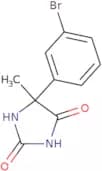
2-Bromo-allylamine can also be synthesized by reacting allyl chloride with bromine or chlorodibromomethane in the presence of catalysts such as copper(II) acetate and sodium methoxide. This reaction has been shown to be able to produce 2-bromo-allylamine in high yield without any side reactions.Formula:C3H6BrNPurity:Min. 95%Molecular weight:135.99 g/mol5-(3-Bromo-phenyl)-5-methyl-imidazolidine-2,4-dione
CAS:Versatile small molecule scaffold
Formula:C10H9BrN2O2Purity:Min. 95%Molecular weight:269.1 g/molRef: 3D-GAA94333
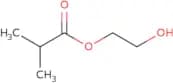
Discontinued product2-Hydroxyethyl 2-methylpropanoate
CAS:2-Hydroxyethyl 2-methylpropanoate is a fatty acid ester that has been used as a chemical intermediate in the synthesis of other chemicals. It can be synthesized by reacting a carboxylate with an alcohol, followed by hydrolysis. The reaction is exothermic, and the product has a lipophilic nature. This compound is often used in clinical applications because it is hydrophobic and can form polymers easily.
Formula:C6H12O3Purity:Min. 95%Molecular weight:132.16 g/molRef: 3D-GAA94258
Discontinued product2-[2,2-Bis-(1H-indol-3-yl)-ethyl]-phenylamine
CAS:2-[2,2-Bis-(1H-indol-3-yl)-ethyl]-phenylamine is a drug that inhibits the growth of cancer cells by interfering with the epidermal growth factor receptor, which is a protein involved in cell proliferation. This drug has been shown to be effective against leukemia and breast cancer cells. 2-[2,2-Bis-(1H-indol-3-yl)-ethyl]-phenylamine has also been shown to synergistically interact with light emission and preventative therapies, such as radiation therapy and chemotherapy. The compound has been shown to have an effect on body fat mass and also transport properties for certain drugs.Formula:C24H21N3Purity:Min. 95%Molecular weight:351.4 g/mol3-Chloro-±-methylbenzyl Alcohol
CAS:3-Chloro-±-methylbenzyl Alcohol is an alcohol that can be used as a biocatalyst. It is chiral and has been shown to be an efficient catalyst for the asymmetric synthesis of (R)-2,3-butanediol in the presence of saccharomyces cerevisiae. This compound has also been shown to be an effective optical resolution agent, with a high optical purity and excellent stability in organic solvents. 3-Chloro-±-methylbenzyl Alcohol is useful in the catalyzed conversion of glucose into ethanol, which is a dry weight procedure that does not require water or addition of cosubstrate.
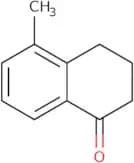
Formula:C8H9ClOPurity:Min. 95%Molecular weight:156.61 g/mol5-Methyl-3,4-dihydronaphthalen-1(2H)-one
CAS:Versatile small molecule scaffoldFormula:C11H12OPurity:Min. 95%Molecular weight:160.22 g/mol1-Bromodocosane
CAS:1-Bromodocosane is a microcapsule that is used as an antimicrobial agent. It consists of a water-soluble polymer, polyvinyl alcohol, which forms a shell around the active ingredient, 1-bromodocosane. The brominated derivative of docosane has been shown to have a profound effect on aliphatic hydrocarbons in plant physiology.
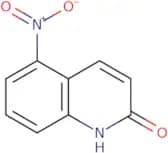
Formula:C22H45BrPurity:Min. 95%Molecular weight:389.5 g/mol5-Nitro-1H-quinolin-2-one
CAS:Versatile small molecule scaffold
Formula:C9H6N2O3Purity:Min. 95%Molecular weight:190.16 g/mol1,7,7-Trimethylspiro[bicyclo[2.2.1]heptane-2,4'-imidazolidine]-2',5'-dione
CAS:Versatile small molecule scaffold
Formula:C12H18N2O2Purity:Min. 95%Molecular weight:222.28 g/molRef: 3D-GAA92930
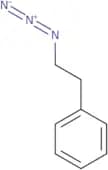
Discontinued product(2-Azidoethyl)benzene
CAS:2-Azidoethylbenzene is a coumarin derivative that has been identified as an important bioactive molecule. It is synthesized by the reaction of azides and benzene using a reaction solution. The compound reacts with hydroxyl groups to form a C-N bond, which may be responsible for its biological activity. 2-Azidoethylbenzene has been shown to have anti-leukemia effects in radiation-sensitive leukemia cells. It also has vasodilatory properties that may be related to the increase in blood pressure induced by the compound. 2-Azidoethylbenzene has also been shown to be effective against hypoxia inducible factors such as HIF1α, which are proteins involved in cell growth and proliferation.
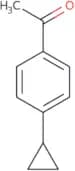
Formula:C8H9N3Purity:Min. 95%Molecular weight:147.18 g/mol1-(4-Cyclopropylphenyl)ethanone
CAS:Versatile small molecule scaffold
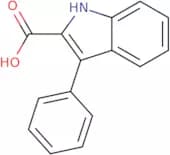
Formula:C11H12OPurity:Min. 95%Molecular weight:160.22 g/mol3-Phenyl-1H-indole-2-carboxylic Acid
CAS:3-Phenyl-1H-indole-2-carboxylic acid is a chemical compound that has an acidic property. It is used in the analysis of hormones, such as testosterone and estradiol. 3-Phenyl-1H-indole-2-carboxylic acid is used to analyze the biotic and abiotic properties of a sample by liquid chromatography. It can be used for the profiling of steroids, such as cortisol and cortisone, and sex hormones. This chemical is also used to highlight the presence of acetonitrile in a sample.
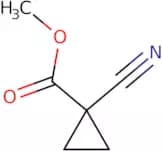
Formula:C15H11NO2Purity:Min. 95%Molecular weight:237.25 g/molMethyl 1-cyanocyclopropanecarboxylate
CAS:Versatile small molecule scaffoldFormula:C6H7NO2Purity:Min. 95%Molecular weight:125.13 g/molRef: 3D-GAA91473
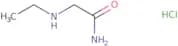
Discontinued product2-(Ethylamino)acetamide hydrochloride
CAS:Versatile small molecule scaffold
Formula:C4H11ClN2OPurity:Min. 95%Molecular weight:138.59 g/molRef: 3D-GAA91324
Discontinued product{[3-(Trifluoromethyl)phenyl]carbamoyl}formic acid
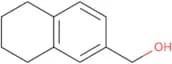
CAS:Versatile small molecule scaffoldFormula:C9H6F3NO3Purity:Min. 95%Molecular weight:233.14 g/mol(5,6,7,8-Tetrahydronaphthalen-2-yl)methanol
CAS:(5,6,7,8-Tetrahydronaphthalen-2-yl)methanol is a hexacyclic molecule that is used as an intermediate in the production of drugs. It can also be used as a precursor for the synthesis of various nitrogen compounds. This compound has potent inducers of cytochrome P450 and hydroxylase enzymes. This product is also considered to be carcinogenic and has been shown to cause tumors in rats when given orally.
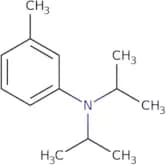
Formula:C11H14OPurity:Min. 95%Molecular weight:162.23 g/mol3-Methyl-N,N-bis(propan-2-yl)aniline
CAS:Versatile small molecule scaffold
Formula:C13H21NPurity:Min. 95%Molecular weight:191.31 g/molRef: 3D-GAA86396
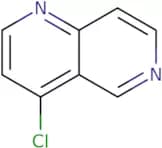
Discontinued product4-Chloro-1,6-naphthyridine
CAS:4-Chloro-1,6-naphthyridine is a chlorinated derivative of 1,6-naphthyridine. It is synthesized by catalytic hydrogenation. Catalytic hydrogenation of 4-chloro-1,6-naphthyridine yields two isomeric products: 4-chloronicotinamide and 4-chlorobenzamide. The industrial process for the synthesis of 4-chloro-1,6-naphthyridine involves condensation with ethyl acetate to form the N-(4'-chlorophenyl)ethane sulfonate salt followed by reaction with potassium chloride in alcoholic solution.
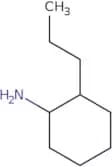
Formula:C8H5ClN2Purity:Min. 95%Molecular weight:164.6 g/mol2-Propylcyclohexan-1-amine
CAS:2-Propylcyclohexan-1-amine is a hydrogenation reaction intermediate that is produced by the thermodynamic equilibrium of cyclohexanone. It is a colorless liquid that has an amine odor. 2-Propylcyclohexan-1-amine can be used as a solvent and as a reactant in industrial processes. The phosphide ion, P, in this compound can be oxidized to form phosphoric acid with heat or light. This reaction has an activation energy (Ea) of 78 kJ/mol and produces hydrogen gas and the corresponding acid from 2-propyclohexanone. The bond cleavage reaction between phosphine and cyclohexane has an Ea of 54 kJ/mol and produces hydrogen gas, phosphate ions, and the corresponding alcohol.
Formula:C9H19NPurity:Min. 95%Molecular weight:141.25 g/molRef: 3D-GAA85040
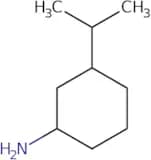
Discontinued product3-(Propan-2-yl)cyclohexan-1-amine
CAS:Versatile small molecule scaffold
Formula:C9H19NPurity:Min. 95%Molecular weight:141.25 g/molRef: 3D-GAA85037
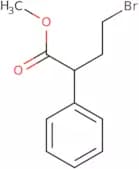
Discontinued productMethyl 4-bromo-2-phenylbutanoate
CAS:Versatile small molecule scaffold
Formula:C11H13BrO2Purity:Min. 95%Molecular weight:257.12 g/molRef: 3D-GAA83700
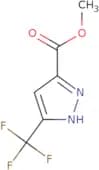
Discontinued productMethyl 5-(trifluoromethyl)pyrazole-3-carboxylate
CAS:Versatile small molecule scaffold
Formula:C6H5F3N2O2Purity:Min. 95%Molecular weight:194.11 g/molRef: 3D-GAA83382
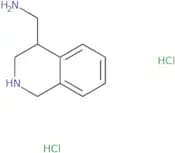
Discontinued product(1,2,3,4-Tetrahydroisoquinolin-4-yl)methanamine dihydrochloride
CAS:Versatile small molecule scaffold
Formula:C10H16Cl2N2Purity:Min. 95%Molecular weight:235.15 g/molRef: 3D-GAA82818
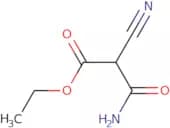
Discontinued productEthyl 2-carbamoyl-2-cyanoacetate
CAS:Versatile small molecule scaffold
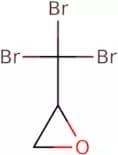
Formula:C6H8N2O3Purity:Min. 95%Molecular weight:156.14 g/mol2-(Tribromomethyl)oxirane
CAS:Versatile small molecule scaffold
Formula:C3H3Br3OPurity:Min. 95%Molecular weight:294.77 g/molRef: 3D-GAA82497
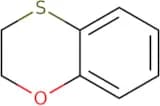
Discontinued product2,3-Dihydro-1,4-benzoxathiine
CAS:2,3-Dihydro-1,4-benzoxathiine is a chemical compound that blocks the action of ethylene. It is an antimycotic and has been used to treat fungal infections. The structure of 2,3-dihydro-1,4-benzoxathiine is similar to that of the estrogen molecule and it binds to the estrogen receptor with high affinity. This drug also acts as a selective serotonin receptor ligand and binds selectively to serotonin receptors. In addition, this drug has been shown to act on the nucleus by inhibiting melatonin synthesis in rats.
Formula:C8H8OSPurity:Min. 95%Molecular weight:152.22 g/molRef: 3D-GAA81248
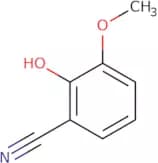
Discontinued product2-Hydroxy-3-methoxybenzenecarbonitrile
CAS:2-Hydroxy-3-methoxybenzenecarbonitrile (2HMB) is a reagent that is used in the synthesis of benzofurans. It is an analog of 2,2'-dichlorodiethyl carbonate. The reaction mechanism involves the conversion of 2HMB to 2-chloro-3-methoxybenzenecarbonitrile, followed by the elimination of chloride to yield 3-hydroxybenzofuran. This reagent also has the ability to catalyze reactions such as demethylation and alkylations.
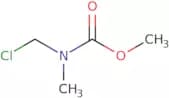
Formula:C8H7NO2Purity:Min. 95%Molecular weight:149.15 g/molMethyl N-(chloromethyl)-N-methylcarbamate
CAS:Versatile small molecule scaffold
Formula:C4H8ClNO2Purity:Min. 95%Molecular weight:137.56 g/mol3-[(2-Furylmethyl)amino]propanenitrile
CAS:Versatile small molecule scaffold
Formula:C8H10N2OPurity:Min. 95%Molecular weight:150.18 g/molRef: 3D-GAA78868
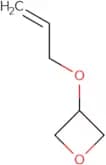
Discontinued product3-(Allyloxy)oxetane
CAS:3-(Allyloxy)oxetane is a monomer that has been found to be an effective adhesive. It is synthesized by the reaction of allyl alcohol with oxetane in the presence of base. 3-(Allyloxy)oxetane is used as an adhesive in textile manufacturing, paper coating, and sealing windows. It has also been found to be a promising material for use in sealants and adhesives.
Formula:C6H10O2Purity:Min. 95%Molecular weight:114.14 g/mol(2R,3S,4R,5R)-Oxane-2,3,4,5-tetrol
CAS:(2R,3S,4R,5R)-Oxane-2,3,4,5-tetrol is a ligand that binds to metal ions and isomers of nitro groups. This compound has four chiral centers and two stereogenic centers. It has been used as an immobilized catalyst in the synthesis of enantiopure alcohols and aldehydes. (2R,3S,4R,5R)-Oxane-2,3,4,5-tetrol can be used as a feedstock for the production of polyols or polymers. It can also be used in fermentations such as the conversion of sugars into alcohols using yeast. (2R,3S,4R,5R)-Oxane-2,3,4,5-tetrol is transported across cell membranes by active transport or diffusion. Growth temperature affects its solubility in water and its ability to form hydrogen bonds
Formula:C5H10O5Purity:Min. 95%Molecular weight:150.13 g/molRef: 3D-GAA74895
Discontinued product4-(4-Methoxy-phenyl)-piperidine hydrochloride
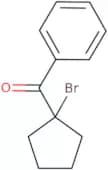
CAS:Versatile small molecule scaffoldFormula:C12H18ClNOPurity:Min. 95%Molecular weight:227.74 g/mol(1-Bromocyclopentyl)(phenyl)methanone
CAS:Versatile small molecule scaffold
Formula:C12H13BrOPurity:Min. 95%Molecular weight:253.13 g/molRef: 3D-GAA74066
Discontinued product5-Iodopentanenitrile
CAS:5-Iodopentanenitrile is a reactive chemical that can be used to produce organic compounds. This compound is an intermediate in the production of 5-iodo-1,3-dihydrobenzofuran and 5-iodoquinoline. It is also used for the production of pharmaceutical intermediates such as fluoroquinolones and alkylating agents. The mechanism of this chemical's reactivity has been studied extensively, which led to the discovery that it reacts by nucleophilic addition at electron deficient carbonyls groups. These reactions are known as Grignard reactions or halolactonizations. This chemical has also been shown to be reactive with biomolecules, such as DNA and RNA, and can bind to their sugar residues.
Formula:C5H8INPurity:Min. 95%Molecular weight:209.03 g/mol4-Iodobutanenitrile
CAS:4-Iodobutanenitrile is a synthetic compound that is used in the preparation of cyclobutanones. It can be prepared by the reaction of bromoacetic acid chloride with lysine. This procedure yields the product in high yield and purity and without significant amounts of undesired side products, such as 4-bromobutanenitrile and 2-chlorobenzene. The 4-iodobutanenitrile is synthesized using an asymmetric synthesis which includes hydrochloric acid as a reagent.
Formula:C4H6INPurity:Min. 95%Molecular weight:195 g/molRef: 3D-GAA72773
Discontinued product3-(4-Iodo-5-methyl-1H-pyrazol-1-yl)propanoic acid
CAS:Versatile small molecule scaffold
Formula:C7H9IN2O2Purity:Min. 95%Molecular weight:280.06 g/molRef: 3D-GAA71593
Discontinued product4-Azatricyclo[5.2.2.0,2,6]undec-8-ene-3,5-dione
CAS:4-Azatricyclo[5.2.2.0,2,6]undec-8-ene-3,5-dione (ATU) is a chemical compound that has been shown to have antimicrobial properties. It inhibits the growth of gram-negative and gram-positive bacteria and shows significant inhibition of MT4 cells in culture. ATU also demonstrated antifungal properties against Candida albicans and Aspergillus niger in vitro. ATU has been found to be cytotoxic to cells in culture, but not to mammals. The mechanism of action is not known, but it may be due to binding with DNA or RNA.>>END>>Formula:C10H11NO2Purity:Min. 95%Molecular weight:177.2 g/molRef: 3D-GAA71529
Discontinued product

![3-[(Pyridin-2-ylmethyl)amino]propan-1-ol](/_next/image/?url=https%3A%2Fstatic.cymitquimica.com%2Fproducts%2F3D%2Fthumb-webp%2FGAA95099.webp&w=3840&q=75)
![[2-(Methylsulfanyl)ethyl]urea](/_next/image/?url=https%3A%2Fstatic.cymitquimica.com%2Fproducts%2F3D%2Fthumb-webp%2FGAA95055.webp&w=3840&q=75)
![1-[(Methoxycarbonyl)amino]cyclopentane-1-carboxylic acid](/_next/image/?url=https%3A%2Fstatic.cymitquimica.com%2Fproducts%2F3D%2Fthumb-webp%2FGAA94976.webp&w=3840&q=75)

![2-[2,2-Bis-(1H-indol-3-yl)-ethyl]-phenylamine](/_next/image/?url=https%3A%2Fstatic.cymitquimica.com%2Fproducts%2F3D%2Fthumb-webp%2FGAA94173.webp&w=3840&q=75)


![1,7,7-Trimethylspiro[bicyclo[2.2.1]heptane-2,4'-imidazolidine]-2',5'-dione](/_next/image/?url=https%3A%2Fstatic.cymitquimica.com%2Fproducts%2F3D%2Fthumb-webp%2FGAA92930.webp&w=3840&q=75)
![{[3-(Trifluoromethyl)phenyl]carbamoyl}formic acid](/_next/image/?url=https%3A%2Fstatic.cymitquimica.com%2Fproducts%2F3D%2Fthumb-webp%2FGAA89083.webp&w=3840&q=75)
![3-[(2-Furylmethyl)amino]propanenitrile](/_next/image/?url=https%3A%2Fstatic.cymitquimica.com%2Fproducts%2F3D%2Fthumb-webp%2FGAA78868.webp&w=3840&q=75)




![4-Azatricyclo[5.2.2.0,2,6]undec-8-ene-3,5-dione](/_next/image/?url=https%3A%2Fstatic.cymitquimica.com%2Fproducts%2F3D%2Fthumb-webp%2FGAA71529.webp&w=3840&q=75)