Building Blocks
This section contains fundamental products for the synthesis of organic and biological compounds. Building blocks are the essential starting materials used to construct complex molecules through various chemical reactions. They play a critical role in drug discovery, material science, and chemical research. At CymitQuimica, we offer a diverse range of high-quality building blocks to support your innovative research and industrial projects, ensuring you have the essential components for successful synthesis.
Subcategories of "Building Blocks"
- Boronic Acids & Boronic Acid Derivatives(5,756 products)
- Chiral Building Blocks(1,242 products)
- Hydrocarbon Building Blocks(6,095 products)
- Organic Building Blocks(61,038 products)
Found 196817 products of "Building Blocks"
Sort by
Purity (%)
0
100
|
0
|
50
|
90
|
95
|
100
1-Adamantane carboxylic acid
CAS:<p>1-Adamantane carboxylic acid is a hydrophobic molecule that can form a complex with metal hydroxides. It is used in the process optimization of the synthesis of sodium salts. 1-Adamantane carboxylic acid binds to metals, such as magnesium and calcium, in a coordination geometry that is similar to that observed for water molecules. The complexation of 1-Adamantane carboxylic acid with metal ions results in an acidic environment, which is important for bowel disease. This acid complex also has anti-inflammatory properties. The hydroxyl group on the 1-adamantane carboxylic acid reacts with oxygen to form an alcohol group and this reaction mechanism may be involved in physiological functions.</p>Formula:C11H16O2Purity:Min. 95%Color and Shape:White PowderMolecular weight:180.25 g/mol2-Amino-5-fluoro-4-methoxybenzoic acid
CAS:<p>Versatile small molecule scaffold</p>Formula:C8H8FNO3Purity:Min. 95%Molecular weight:185.15 g/mol2-Amino-4-bromopyridine
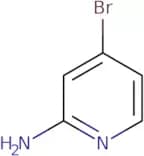
CAS:<p>2-Amino-4-bromopyridine is a potent, selective antagonist of the nicotinic acetylcholine receptor (nAChR) that has been shown to inhibit the proliferation of cancer cells in vitro. 2-Amino-4-bromopyridine binds to the nAChR and stabilizes it by binding to an allosteric site on the receptor. 2-Amino-4-bromopyridine is synthesized from 4,5-dibromobenzene and 2,6-diaminopyridine in two steps with a yield of 47%. The synthesis of 2-amino-4-bromopyridine proceeds via reaction mechanism involving electrophilic substitution at the bromine atom followed by nucleophilic addition at the nitrogen atom.</p>Formula:C5H5BrN2Purity:Min. 95%Color and Shape:PowderMolecular weight:173.01 g/mol4-Acetylimidazole
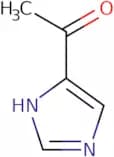
CAS:<p>4-Acetylimidazole is a histidine analogue that has been shown to have anticancer activity in breast cancer cells. It can react with amines and form imidazoles. The hydroxyl group on the 4-position of the imidazole ring is able to undergo dehydration, which leads to the formation of a chloride ion. This reaction mechanism is reversible and can be used in organic synthesis. 4-Acetylimidazole can also act as an h2 receptor antagonist, although it does not bind to the zwitterionic site of the h2 receptor. NMR spectra show that 4-acetylimidazole exists as a zwitterion in water solution, but becomes a monovalent ion when dissolved in an organic solvent such as methanol or acetone. 4-Acetylimidazole is chemically stable and does not react with poloxamer.</p>Formula:C5H6N2OPurity:Min. 95%Color and Shape:Yellow PowderMolecular weight:110.11 g/mol6-chloro-1H-pyrazolo[3,4-d]pyrimidin-4-amine
CAS:<p>Versatile small molecule scaffold</p>Formula:C5H4ClN5Purity:Min. 95%Molecular weight:169.6 g/mol6-Chloro-1H-benzimidazol-2-amine
CAS:<p>Aminoguanidine is a drug that inhibits the activity of the enzyme guanidinoacetate methyltransferase (GAMT). It is used to treat some types of cancer, such as bladder cancer. Aminoguanidine has been shown to inhibit tumour growth and induce apoptosis in animal models. It has also been reported to be effective in a number of other cancers, including breast cancer, prostate cancer and colon cancer. Aminoguanidine binds with high affinity to protein targets, including x-ray crystallography, magnetic resonance imaging and devices. The binding site on the ligand is highly conserved among different proteins, which may explain the broad spectrum of its activity. Aminoguanidine is dose-dependent and can be administered either stepwise or as one large dose.</p>Formula:C7H6ClN3Purity:Min. 95%Molecular weight:167.6 g/molBenzophenone-4-carboxylic acid
CAS:<p>Organic intermediate</p>Formula:C14H10O3Purity:Min. 98 Area-%Color and Shape:White PowderMolecular weight:226.23 g/mol4-Bromobenzaldehyde
CAS:<p>4-Bromobenzaldehyde is a chemical compound that belongs to the group of aromatic compounds. It has been shown to have a potent stimulatory effect on locomotor activity in mice, which may be due to its ability to increase levels of epidermal growth factor and gamma-aminobutyric acid in the brain. 4-Bromobenzaldehyde can be synthesized from 2,4-dibromophenol and anhydrous copper chloride in the presence of sodium hydroxide. The reaction mechanism for this synthesis is believed to involve an intermediate enamine form of 4-bromobenzaldehyde, which can then undergo hydrolysis into 2,4-dibromophenol and benzaldehyde. This product is used as a reagent in organic synthesis because it can be used to form esters with trifluoroacetic acid or hydrochloric acid in high yield.</p>Formula:C7H5BrOPurity:Min. 90 Area-%Color and Shape:White PowderMolecular weight:185.02 g/mol1-Benzofuran-5-carbaldehyde
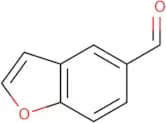
CAS:<p>1-Benzofuran-5-carbaldehyde is a synthetic compound that inhibits the enzyme ido1. It has been shown to have potent cytotoxicity, potent inhibition, and neurotrophic properties in a number of cell lines. 1-Benzofuran-5-carbaldehyde also exhibits inhibitory effects on the enzymes hydrolyzing dopamine, which is involved in the synthesis of norepinephrine and epinephrine. The chemical structure of 1-benzofuran-5-carbaldehyde closely resembles that of dopamine and its derivatives, and can be used for the treatment of neurodegenerative diseases such as Parkinson's disease.</p>Formula:C9H6O2Purity:Min. 95%Color and Shape:Yellow To Brown SolidMolecular weight:146.14 g/mol3-Bromo-4-nitropyridine
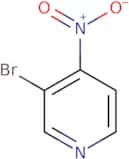
CAS:<p>3-Bromo-4-nitropyridine is a pyridine compound that has been identified as an environmental contaminant. It is used to synthesize other compounds, such as 4-(3-bromopyridin-2-yl)morpholine, which is used in the synthesis of acetonitrile. 3-Bromo-4-nitropyridine undergoes nucleophilic substitution reactions with amines, leading to homoconjugation and bond cleavage. This reaction may be followed by nitration to give 3-(3'-nitro)pyridine. 3-Bromo-4-nitropyridine can be converted into its n-oxide form or into the ionic form by treatment with acetonitrile.</p>Formula:C5H3BrN2O2Purity:Min. 95%Color and Shape:Yellow PowderMolecular weight:202.99 g/mol(R)-tert-Butyl 2-methylpiperazine-1-carboxylate
CAS:<p>(R)-tert-Butyl 2-methylpiperazine-1-carboxylate is a versatile building block that can be used for the synthesis of complex compounds. The compound is a reagent, speciality chemical, and useful building block in research. It can be used as a reaction component or scaffold in synthesis. (R)-tert-Butyl 2-methylpiperazine-1-carboxylate has been shown to react with nucleophiles such as amines and alcohols to form stable products. This product has high quality and is useful for chemical reactions involving carbonyl groups.</p>Formula:C10H20N2O2Purity:Min. 95%Color and Shape:White PowderMolecular weight:200.28 g/mol(2S)-3-(3,4-dihydroxyphenyl)-2-{[(9H-fluoren-9-ylmethoxy)carbonyl]amino}propanoic acid
CAS:<p>3,4-Dihydroxyphenylalanine (3,4-DOPA) is a non-protein amino acid that is an intermediate in the synthesis of dopamine and norepinephrine. 3,4-DOPA is metabolized by the enzyme dopa decarboxylase to dopamine and then by catechol-O-methyl transferase to norepinephrine. 3,4-DOPA has antioxidant properties and has been shown to have anticancer effects in animals. It also has been shown to interact with other biomolecules such as proteins and nucleic acids. 3,4-DOPA binds strongly to metal ions through its carboxylic acid group and can chelate metals such as copper or iron. This property may be used for coatings on metal surfaces or for interacting with other molecules.br>br> 3,4-Dopa contains a chiral center due to the presence of two stereogenic carbons on the phen</p>Formula:C24H21NO6Purity:Min. 95%Molecular weight:419.4 g/mol3-Bromo-2-hydroxy-5-iodopyridine
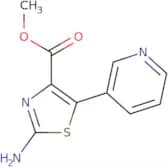
CAS:<p>Versatile small molecule scaffold</p>Formula:C5H3BrINOPurity:Min. 95%Molecular weight:299.89 g/molMethyl 2-amino-5-pyridin-3-yl-1,3-thiazole-4-carboxylate
CAS:<p>Versatile small molecule scaffold</p>Formula:C10H9N3O2SPurity:Min. 95%Molecular weight:235.26 g/mol2-Bromo-5-hydroxypyridine
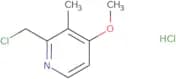
CAS:<p>2-Bromo-5-hydroxypyridine is an aromatic compound that is used in the synthesis of a variety of pharmaceuticals and other organic compounds. It can be synthesized by the Suzuki coupling reaction from 2-bromobenzaldehyde and 5-aminopyridine. 2-Bromo-5-hydroxypyridine has been shown to be a hepatotoxin in humans, with possible carcinogenic activity. It also has cholinergic properties, as well as being able to cause fluorescence when exposed to halogens. The carbon next to the hydroxyl group is a stereocenter, so there are two different configurations for this molecule. The configuration shown above (R) is the more stable form of this molecule due to its electron withdrawing power on the neighboring oxygen atom.</p>Formula:C5H4BrNOPurity:Min. 95%Color and Shape:White PowderMolecular weight:174 g/mol2-(Chloromethyl)-4-methoxy-3-methylpyridine hydrochloride
CAS:<p>2-(Chloromethyl)-4-methoxy-3-methylpyridine hydrochloride is a lead compound that belongs to the family of pyridine derivatives. It has been shown to be a potent inhibitor of bacterial RNA synthesis, with an IC50 value of 1.2 μM for Escherichia coli and 8 μM for Bacillus subtilis. 2-(Chloromethyl)-4-methoxy-3-methylpyridine hydrochloride also inhibits the growth of Gram negative bacteria such as Pseudomonas aeruginosa and Enterobacter cloacae. The compound binds to the nucleophilic site on ribosomes, which prevents the formation of peptide bonds between amino acids in protein synthesis. This leads to cell death by inhibiting protein synthesis, leading to cell division.</p>Formula:C8H11Cl2NOPurity:Min. 95%Molecular weight:208.08 g/molBisaboloxide A
CAS:<p>Please enquire for more information about Bisaboloxide A including the price, delivery time and more detailed product information at the technical inquiry form on this page</p>Formula:C15H26O2Purity:Min. 95%Molecular weight:238.37 g/mol6-Bromo-4-hydroxypyrazolo[1,5-a]pyridine-3-carbonitrile
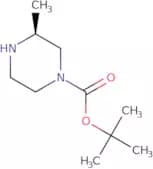
CAS:<p>Please enquire for more information about 6-Bromo-4-hydroxypyrazolo[1,5-a]pyridine-3-carbonitrile including the price, delivery time and more detailed product information at the technical inquiry form on this page</p>Formula:C8H4BrN3OPurity:Min. 95%Molecular weight:238.04 g/mol(S)-1-Boc-3-methylpiperazine
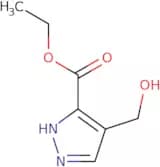
CAS:<p>(S)-1-Boc-3-methylpiperazine is a hydrophobic compound that is structurally modified from the tetracyclic family of drugs. It has been shown to inhibit tumor cell growth by binding to the oncogene, KRASG12C, and downregulating its expression. (S)-1-Boc-3-methylpiperazine also inhibits cancer cell growth through the inhibition of the PI3K/AKT signaling pathway. The pharmacological effects of (S)-1-Boc-3-methylpiperazine are dependent on its ability to bind with high affinity to KRASG12C and inhibit its activity.</p>Formula:C10H20N2O2Purity:Min. 95%Color and Shape:White PowderMolecular weight:200.28 g/molEthyl 4-(hydroxymethyl)-1H-pyrazole-3-carboxylate
CAS:<p>Versatile small molecule scaffold</p>Formula:C7H10N2O3Purity:Min. 95%Molecular weight:170.17 g/mol1,3-Bis(diphenylphosphino)propane
CAS:<p>1,3-Bis(diphenylphosphino)propane is a chelate ligand that forms complexes with a wide range of transition metal ions. It has been shown to be an effective catalyst for the conversion of aryl halides to acid derivatives. The compound has been found to have an excellent stability in aqueous solutions and does not hydrolyze readily in human serum or water. 1,3-Bis(diphenylphosphino)propane is also used as an additive in many industrial processes, such as the production of nylon and polyester fibers.</p>Formula:C27H26P2Purity:Min 96.0%Color and Shape:White Off-White PowderMolecular weight:412.44 g/molN,N-bis(Hydroxyethyl)-2-aminoethanesulfonic acid sodium salt
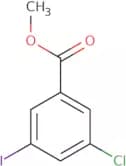
CAS:<p>N,N-bis(Hydroxyethyl)-2-aminoethanesulfonic acid sodium salt is a cross-linking agent for polymers. It has been shown to react with dimethylol propionic acid to form a hydroxyl group and a carboxylate. This reaction yields the product of bis(hydroxyethyl) aminosulfonic acid sodium salt. N,N-bis(Hydroxyethyl)-2-aminoethanesulfonic acid sodium salt can be used as a cross-linking agent in the manufacture of biodegradable polymers that are environmentally friendly and biocompatible. The viscosity of the reaction solution increases with an increase in temperature, which is due to the hydrophobic interaction between molecules.</p>Formula:C6H14NO5SNaPurity:Min. 95%Color and Shape:PowderMolecular weight:235.23 g/mol3-Chloro-5-iodobenzoic acid methyl ester
CAS:<p>3-Chloro-5-iodobenzoic acid methyl ester is a versatile building block that can be used to make many complex compounds, including research chemicals and reagents. 3-Chloro-5-iodobenzoic acid methyl ester is used as an intermediate for the production of speciality chemicals and has many uses in chemical reactions. This compound was previously sold under the CAS number 289039-85-6.</p>Formula:C8H6ClIO2Purity:Min. 95%Color and Shape:PowderMolecular weight:296.49 g/mol2,6-Diaminopyridine
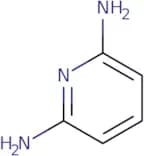
CAS:<p>2,6-Diaminopyridine is a heterocyclic compound that is used in analytical chemistry as an indicator for the presence of protonated amines. It is prepared by coupling 2,6-diamino-pyridine with 1,3-benzodioxole-5-carboxylic acid. The nitrogen atoms are electron withdrawing groups and form hydrogen bonding interactions with the protonated amine. This type of interaction leads to a phase transition temperature of about 115°C and a high value for electrochemical impedance spectroscopy (EIS) measurements. The reaction mechanism involves the formation of a protonated amine from 2,6-diaminopyridine and 1,3-benzodioxole-5-carboxylic acid followed by proton transfer to yield the corresponding pyridinium salt.</p>Formula:C5H7N3Purity:Min. 95%Color and Shape:Beige To Brown SolidMolecular weight:109.13 g/mol3-(Difluoromethyl)-1-methyl-1H-pyrazole-4-carboxylic acid
CAS:<p>3-(Difluoromethyl)-1-methyl-1H-pyrazole-4-carboxylic acid is a synthetic chemical that is used as a pesticide. This chemical has been found to be more effective than other pesticides because it can inhibit the synthesis of fatty acids, which are necessary for the growth of insect larvae. 3-(Difluoromethyl)-1-methyl-1H-pyrazole-4-carboxylic acid is synthesized by reacting sodium hydroxide solution with triethyl orthoformate in the presence of hexamethylenetetramine. This reaction produces a mixture of diethyl ester and carboxylate esters, which are then separated from each other. The resulting carboxylate ester is then oxidized to produce 3-(difluoromethyl)-1-methyl-1H pyrazole 4 carboxylic acid.</p>Formula:C6H6F2N2O2Purity:Min. 95%Color and Shape:White Off-White PowderMolecular weight:176.12 g/mol2,5-Dibromo-3-aminopyrazine
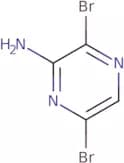
CAS:<p>2,5-Dibromo-3-aminopyrazine is an experimental drug with anticancer activity. It has been shown to have a high affinity for DNA and inhibit the growth of tumor cells in vivo. 2,5-Dibromo-3-aminopyrazine has undergone stability tests in vivo and in vitro and also completed clinical trials. This drug binds to DNA and inhibits the enzyme protein kinase C, leading to suppression of cellular proliferation. The pharmacokinetics of this drug were evaluated by measuring the concentration of 2,5-dibromo-3-aminopyrazine in plasma after oral administration to mice. This study found that the maximum concentration was achieved at 1 hour post dose and that there was a decrease in concentration over time. The drug has been shown to bind to the dimethoxybenzene metabolic pathway, which is involved in regulating cell proliferation.<br>2,5-Dibromo-3-aminopyrazine</p>Formula:C4H3Br2N3Purity:Min. 95%Color and Shape:PowderMolecular weight:252.89 g/mol4-Amino-5-hydroxy-2,7-naphthalenedisulfonic acid
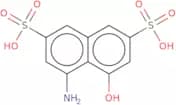
CAS:<p>4-Amino-5-hydroxy-2,7-naphthalenedisulfonic acid (4-AHNDS) is a hydroxyl group and nitrogen containing molecule. It is a reactive compound that can be used to extract anions from water. 4-AHNDS has been shown to react with sodium ions in the presence of water, forming a salt that is soluble in water. This chemical also reacts with organic molecules and forms stable complexes. The reaction mechanism of 4-AHNDS has been studied by kinetic analysis and surface methodology measurements.</p>Formula:C10H9NO7S2Purity:Min. 95%Color and Shape:PowderMolecular weight:319.31 g/mol2-Chloro-4-(tert-pentyl)phenol
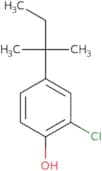
CAS:<p>2-Chloro-4-(tert-pentyl)phenol is an aromatic compound. It has a cyclic, unsaturated alkyl group with a biphenyl and 6-membered heterocycle. This compound also has a haloalkyl group that can be substituted by nitro or benzoxazine groups. 2-Chloro-4-(tert-pentyl)phenol is used as an intermediate in the production of pharmaceuticals, dyes, and pesticides.</p>Formula:C11H15ClOPurity:Min. 95%Molecular weight:198.69 g/molJMJD2 Inhibitor, 5-carboxy-8HQ
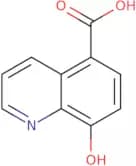
CAS:<p>JMJD2 is an enzyme that catalyzes the methylation of histone H3 at lysine 27. JMJD2 inhibitors are compounds that inhibit JMJD2 activity, which may be used to treat cancer. This class of drugs inhibits the activity of JMJD2 by binding to the active site and blocking the substrate from entering. The most potent compound in this class, 5-carboxy-8HQ, has been shown to have antibacterial efficacy in a squamous cell carcinoma model system and up-regulated expression in wild-type cells. Additionally, this compound has been shown to significantly inhibit tumor growth in a mouse model of atherosclerotic lesion.</p>Formula:C10H7NO3Purity:Min. 95%Molecular weight:189.17 g/mol2,3-Dihydro-1H-pyrrolo[3,2-c]pyridine hydrochloride
CAS:<p>Versatile small molecule scaffold</p>Formula:C7H8N2·HClPurity:Min. 95%Molecular weight:156.62 g/molBoc-Tyr(tBu)-OH
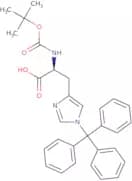
CAS:<p>Boc-Tyr(tBu)-OH is a chemical compound that is part of the class of lactams. It has been shown to have antitumor activity in vitro and in vivo, but it has not yet been tested for its cytotoxicity. This compound is synthesized by solid-phase synthesis and contains a disulfide bond, which may contribute to its cytotoxicity. Boc-Tyr(tBu)-OH has also been shown to have high affinity for the alpha 2A adrenergic receptor subtype and other receptors with an isosteric carbonyl group.</p>Formula:C18H27NO5Purity:Min. 95%Color and Shape:PowderMolecular weight:337.41 g/molBoc-His(Trt)-OH
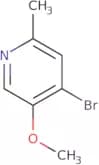
CAS:<p>Boc-His(Trt)-OH is a chemical compound that has been used in the laboratory to study uptake and binding of compounds. It is stable in complex with albumin, which has led to its use as a model system for studying hepatic steatosis. This chemical can be synthesized by solid-phase synthesis with trifluoroacetic acid and polypeptide synthesis. FT-IR spectroscopy has been used to characterize Boc-His(Trt)-OH, revealing its chemical diversity.</p>Formula:C30H31N3O4Purity:Min. 95%Color and Shape:PowderMolecular weight:497.58 g/mol4-Bromo-5-methoxy-2-methylpyridine
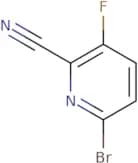
CAS:<p>Versatile small molecule scaffold</p>Formula:C7H8BrNOPurity:Min. 95%Molecular weight:202.05 g/mol6-Bromo-3-fluoropyridine-2-carbonitrile
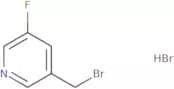
CAS:<p>Versatile small molecule scaffold</p>Formula:C6H2N2FBrPurity:Min. 95%Molecular weight:200.99 g/mol3-(bromomethyl)-5-fluoropyridine hbr
CAS:<p>Versatile small molecule scaffold</p>Formula:C6H6Br2FNPurity:Min. 95%Molecular weight:270.93 g/molMethyl 3-chloropropionate
CAS:<p>Methyl 3-chloropropionate is an alkyl ether that has been used in clinical studies as a liquid phase ion-pair extraction solvent. It was developed to replace the use of hexane, which is not environmentally friendly and can also cause irritation. Methyl 3-chloropropionate has been shown to have a higher viscosity than hexane at room temperature and is less likely to evaporate than hexane. Methyl 3-chloropropionate has also been used as a synthetic process solvent, with the reaction time being shorter than that of hexane. This compound can be used for chromatography without any effect on the solute or the stationary phase. Methyl 3-chloropropionate has also been shown to be effective in lipase and agarose gel assays, as well as chloride ion extraction from water samples.</p>Formula:C4H7ClO2Purity:Min. 95%Color and Shape:Clear LiquidMolecular weight:122.55 g/molMethyl trans-4-bromo-2-butenoate
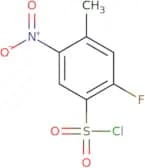
CAS:<p>Methyl trans-4-bromo-2-butenoate is a synthetic compound that contains a hydroxyl group and two bromine atoms. It is synthesized by the reaction of diethyl succinate, hydrogen, and piperazine in an aqueous solution. Methyl trans-4-bromo-2-butenoate has been shown to have antineoplastic activity in combination with epidermal growth factor (EGF) and carbohydrate conjugates. It also binds to cell surface receptors on the epidermal cells, inhibiting their growth. The structural formula of methyl trans-4-bromo-2-butenoate can be seen below: [[File:Methyltrans4bromobutanoate.png|thumb|300px|left|The structural formula of methyl trans-[4] -[bromo]-[2] -butenoate.]]</p>Formula:C5H7BrO2Purity:Min. 95%Color and Shape:Clear LiquidMolecular weight:179.01 g/mol2-Fluoro-4-methyl-5-nitrobenzene-1-sulfonyl chloride
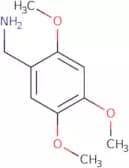
CAS:<p>Versatile small molecule scaffold</p>Formula:C7H5ClFNO4SPurity:Min. 95%Color and Shape:PowderMolecular weight:253.64 g/mol2,4,5-Trimethoxybenzylamine
CAS:<p>2,4,5-Trimethoxybenzylamine is a synthetic compound that can be used as a precursor to the synthesis of other chemicals. It is prepared by reacting phenol with deuterium gas in a process called amination. This reaction is followed by reductive quaternization with cyanide. 2,4,5-Trimethoxybenzylamine is often used as an intermediate for the synthesis of drugs such as tamoxifen and clonidine.</p>Formula:C10H15NO3Purity:Min. 95%Color and Shape:PowderMolecular weight:197.23 g/mol6-Bromohexanoic acid methyl ester
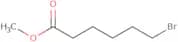
CAS:<p>6-Bromohexanoic acid methyl ester is a linker that can be used in the synthesis of amides. This compound is synthesized by reaction between 2-bromobutyric acid and malonic acid, followed by hydrolysis with sodium hydroxide. 6-Bromohexanoic acid methyl ester is an efficient method for the preparation of amides. It is biologically active and has been shown to have anti-inflammatory properties in biological studies.</p>Formula:C7H13BrO2Purity:Min. 95%Color and Shape:Clear LiquidMolecular weight:209.08 g/mol1,1',1''-(1,3,5-Triazinane-1,3,5-triyl)tris(2-bromoethan-1-one)
CAS:<p>Please enquire for more information about 1,1',1''-(1,3,5-Triazinane-1,3,5-triyl)tris(2-bromoethan-1-one) including the price, delivery time and more detailed product information at the technical inquiry form on this page</p>Formula:C9H12Br3N3O3Purity:Min. 95%Color and Shape:PowderMolecular weight:449.82 g/molDL-Tropic acid
CAS:<p>Please enquire for more information about DL-Tropic acid including the price, delivery time and more detailed product information at the technical inquiry form on this page</p>Formula:C9H10O3Purity:Min. 95%Molecular weight:166.17 g/mol5-Methyl-3-oxo-hexanoic acid methyl ester
CAS:<p>Versatile small molecule scaffold</p>Formula:C8H14O3Purity:Min. 95%Molecular weight:158.2 g/molRC-3095 trifluoroacetate
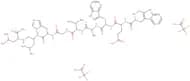
CAS:<p>Please enquire for more information about RC-3095 trifluoroacetate including the price, delivery time and more detailed product information at the technical inquiry form on this page</p>Formula:C56H79N15O9•C2HF3O2Purity:Min. 95%Molecular weight:1,220.35 g/mol2-Pyridineboronic acid
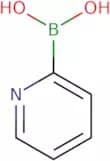
CAS:<p>2-Pyridineboronic acid is a chemical compound that belongs to the group of quinoline derivatives. It is used in pharmaceutical preparations, including as an intermediate for the synthesis of other compounds. 2-Pyridineboronic acid has been shown to have antiproliferative effects on cancer cells and has been found to be active against nicotinic acetylcholine receptors (NAR). The compound also inhibits lipid kinase activity, which is involved in the production of phosphatidylcholine and phosphatidylethanolamine from phosphatidylserine. 2-Pyridineboronic acid can react with hydrochloric acid and electrochemical impedance spectroscopy to produce a solution that has a detection time of about 10 minutes.</p>Formula:C5H6BNO2Purity:Min. 95%Molecular weight:122.92 g/mol(R)-1-Propylpiperidin-3-amine
CAS:<p>Please enquire for more information about (R)-1-Propylpiperidin-3-amine including the price, delivery time and more detailed product information at the technical inquiry form on this page</p>Formula:C8H18N2Purity:Min. 95%Molecular weight:142.24 g/molPolycarbosilane
CAS:<p>Polycarbosilane is a cross-linking agent that can be used to modify the surface properties of polymers. It reacts with the hydroxyl groups on the polymer to form carbosilane bonds, which lead to a change in the viscosity and other physical properties of the material. Polycarbosilane is insoluble in water and has an absorption peak at 350 nm. When reacted with argon gas, polycarbosilane reacts with oxygen or nitrogen to produce carbonyls or amines, respectively. Polycarbosilane can react with x-rays or magnetic resonance spectroscopy to produce elemental analysis data for a variety of elements. This chemical also has optical properties that make it useful as an organic solution for optical devices such as lenses and mirrors. Polycarbosilane is stable under most conditions and can be used as an efficient method for environmental pollution control by removing heavy metals from wastewater streams.</p>Formula:(C2H6Si)nPurity:Min. 95%Color and Shape:PowderPyrazin-2-ylboronic acid
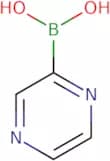
CAS:<p>Pyrazin-2-ylboronic acid is a white crystalline solid that is soluble in water. It is an efficient and economical selenium source for use in the synthesis of selenides and other selenium compounds. Pyrazin-2-ylboronic acid can be produced by the reaction of aniline with borohydride, or by the reaction of pyrazine with borane. This synthetic process also provides a convenient way to produce diaryl compounds.</p>Formula:C4H5BN2O2Purity:Min. 95%Molecular weight:123.91 g/molPiperazine-2-carboxylic acid dihydrochloride
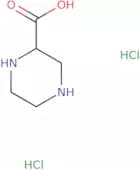
CAS:<p>Piperazine-2-carboxylic acid dihydrochloride (PZC) is an aminopyrimidine antibiotic that binds to the amine groups of plasma proteins and hydroxyapatite. It has been shown to have a specific interaction with Gram-negative bacteria, such as Escherichia coli and Salmonella typhimurium, as well as cancer cells. PZC can be used as a modifier in the treatment of staphylococcal infections and has been shown to inhibit protein synthesis in mammalian cells. PZC interacts with histidine residues on the surface of bacterial cells and inhibits their growth by binding to sites on DNA called triplexes. This drug also specifically binds to primary amines and reacts with other molecules containing amines such as polyamines, amides, or thiols.</p>Formula:C5H12Cl2N2O2Purity:Min. 95%Color and Shape:PowderMolecular weight:203.07 g/molPyridoxal-5-phosphate monohydrate
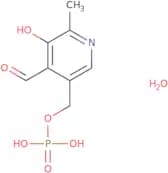
CAS:<p>Bioavailable form of vitamin B6; coenzyme; food supplement</p>Formula:C8H10NO6P·H2OPurity:Min. 98.5 Area-%Color and Shape:Off-White Slightly Yellow PowderMolecular weight:265.16 g/mol


![6-chloro-1H-pyrazolo[3,4-d]pyrimidin-4-amine](/_next/image/?url=https%3A%2Fstatic.cymitquimica.com%2Fproducts%2F3D%2Fthumb-webp%2FFAA41778.webp&w=3840&q=75)



![(2S)-3-(3,4-dihydroxyphenyl)-2-{[(9H-fluoren-9-ylmethoxy)carbonyl]amino}propanoic acid](/_next/image/?url=https%3A%2Fstatic.cymitquimica.com%2Fproducts%2F3D%2Fthumb-webp%2FMFA01893.webp&w=3840&q=75)



![6-Bromo-4-hydroxypyrazolo[1,5-a]pyridine-3-carbonitrile](/_next/image/?url=https%3A%2Fstatic.cymitquimica.com%2Fproducts%2F3D%2Fthumb-webp%2FFB182798.webp&w=3840&q=75)



![2,3-Dihydro-1H-pyrrolo[3,2-c]pyridine hydrochloride](/_next/image/?url=https%3A%2Fstatic.cymitquimica.com%2Fproducts%2F3D%2Fthumb-webp%2FFAA91219.webp&w=3840&q=75)