Building Blocks
This section contains fundamental products for the synthesis of organic and biological compounds. Building blocks are the essential starting materials used to construct complex molecules through various chemical reactions. They play a critical role in drug discovery, material science, and chemical research. At CymitQuimica, we offer a diverse range of high-quality building blocks to support your innovative research and industrial projects, ensuring you have the essential components for successful synthesis.
Subcategories of "Building Blocks"
- Boronic Acids & Boronic Acid Derivatives(5,756 products)
- Chiral Building Blocks(1,242 products)
- Hydrocarbon Building Blocks(6,095 products)
- Organic Building Blocks(61,055 products)
Found 199650 products of "Building Blocks"
Sort by
Purity (%)
0
100
|
0
|
50
|
90
|
95
|
100
1-Aminopyrazin-1-ium 2,4,6-trimethylbenzene-1-sulfonate
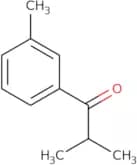
CAS:<p>Versatile small molecule scaffold</p>Formula:C13H17N3O3SPurity:Min. 95%Molecular weight:295.36 g/mol2-Methyl-1-(3-methylphenyl)propan-1-one
CAS:<p>Versatile small molecule scaffold</p>Formula:C11H14OPurity:Min. 95%Molecular weight:162.23 g/mol2-{[(tert-Butoxy)carbonyl]amino}-4-methanesulfinylbutanoic acid
CAS:<p>Versatile small molecule scaffold</p>Formula:C10H19NO5SPurity:Min. 95%Molecular weight:265.33 g/mol1,3-Diiminoisoindoline
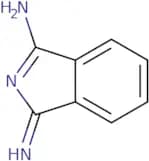
CAS:<p>1,3-Diiminoisoindoline is a copper complex that can be used as a basic dye. It is soluble in water and hydrochloric acid with a pH of less than 7. It is used in the textile industry and in the synthesis of dyes for wool. 1,3-Diiminoisoindoline has been shown to inhibit colon cancer cells by binding to their DNA and inhibiting transcription. This compound also has photochemical properties and binds to nitrogen atoms found in biological molecules. In addition, it can form intramolecular hydrogen bonds with other 1,3-diiminoisoindoline molecules or with phthalocyanine molecules.</p>Formula:C8H7N3Purity:Min. 95%Molecular weight:145.17 g/mol4-Nitro-2-furancarboxaldehyde
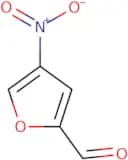
CAS:<p>Versatile small molecule scaffold</p>Formula:C5H3NO4Purity:Min. 95%Molecular weight:141.08 g/mol4-(3,4,5-Trimethoxyphenyl)butan-2-one
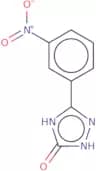
CAS:<p>Versatile small molecule scaffold</p>Formula:C13H18O4Purity:Min. 95%Molecular weight:238.3 g/mol3-(3-Nitrophenyl)-4,5-dihydro-1H-1,2,4-triazol-5-one
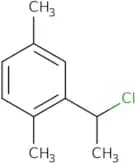
CAS:<p>Versatile small molecule scaffold</p>Formula:C8H6N4O3Purity:Min. 95%Molecular weight:206.2 g/mol2-(1-Chloroethyl)-1,4-dimethylbenzene
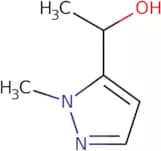
CAS:<p>2-(1-Chloroethyl)-1,4-dimethylbenzene is a metal hydrogenation catalyst that is used as an intermediate in organic synthesis. It can be used to produce ethers and sulfides from alcohols or to convert carboxylic acids into esters. 2-(1-Chloroethyl)-1,4-dimethylbenzene has been shown to react with sodium chloride and potassium chloride to produce the corresponding chlorides. In addition, this compound can be used as an herbicide or peroxide decomposition catalyst. The yield of products obtained using 2-(1-Chloroethyl)-1,4-dimethylbenzene can vary depending on the reaction conditions and the type of alkali metal ion present.</p>Formula:C10H13ClPurity:Min. 95%Molecular weight:168.66 g/mol1-(1-Methyl-1H-pyrazol-5-yl)ethan-1-ol
CAS:<p>Versatile small molecule scaffold</p>Formula:C6H10N2OPurity:Min. 95%Molecular weight:126.16 g/mol3-Amino-N-phenylpropanamide
CAS:<p>3-Amino-N-phenylpropanamide is a synthetic chemical that has been used as an optical sensor to detect the presence of β-glucosidase. It reacts with β-glucosidase, which hydrolyses 3-amino-N-phenylpropanamide to produce colorless products. The reaction is detected by a change in the optical properties of the substrate, which can be observed using a colorimetric assay or an enzymatic hydrolysis assay. This product was synthesised from 3 amino N phenyl propanamide and trifluoroacetic acid (TFA) salt, which is hydrolysed by β-glucosidase to form the sodium salt of 3 amino N phenyl propanoic acid and acetic acid.</p>Formula:C9H12N2OPurity:Min. 95%Molecular weight:164.21 g/mol4-(1,3-Dithian-2-yl)phenol
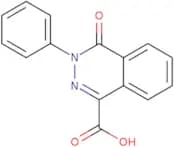
CAS:<p>Versatile small molecule scaffold</p>Formula:C10H12OS2Purity:Min. 95%Molecular weight:212.3 g/mol4-Oxo-3-phenyl-3,4-dihydrophthalazine-1-carboxylic acid
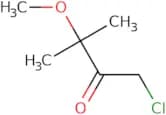
CAS:<p>Versatile small molecule scaffold</p>Formula:C15H10N2O3Purity:Min. 95%Molecular weight:266.25 g/mol1-Chloro-3-methoxy-3-methylbutan-2-one
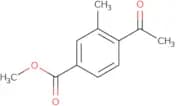
CAS:<p>Versatile small molecule scaffold</p>Formula:C6H11ClO2Purity:Min. 95%Molecular weight:150.6 g/molMethyl 4-acetyl-3-methylbenzoate
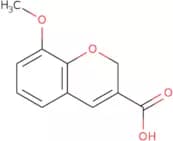
CAS:<p>Versatile small molecule scaffold</p>Formula:C11H12O3Purity:Min. 95%Molecular weight:192.21 g/mol8-Methoxy-2H-chromene-3-carboxylic acid
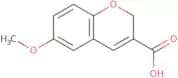
CAS:<p>Versatile small molecule scaffold</p>Formula:C11H10O4Purity:Min. 95%Molecular weight:206.19 g/mol6-Methoxy-2H-chromene-3-carboxylic acid
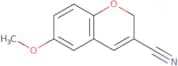
CAS:<p>Versatile small molecule scaffold</p>Formula:C11H10O4Purity:Min. 95%Molecular weight:206.2 g/mol6-Methoxy-2H-chromene-3-carbonitrile
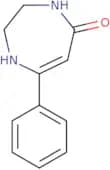
CAS:<p>Versatile small molecule scaffold</p>Formula:C11H9NO2Purity:Min. 95%Molecular weight:187.19 g/mol7-Phenyl-2,3,4,5-tetrahydro-1H-1,4-diazepin-5-one
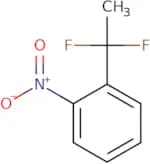
CAS:<p>Versatile small molecule scaffold</p>Formula:C11H12N2OPurity:Min. 95%Molecular weight:188.23 g/mol1-(1,1-Difluoroethyl)-2-nitrobenzene
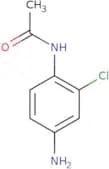
CAS:<p>Versatile small molecule scaffold</p>Formula:C8H7F2NO2Purity:Min. 95%Molecular weight:187.14 g/molN-(4-Amino-2-chlorophenyl)acetamide
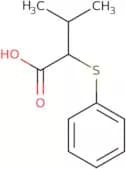
CAS:<p>Versatile small molecule scaffold</p>Formula:C8H9ClN2OPurity:Min. 95%Molecular weight:184.62 g/mol3-Methyl-2-(phenylsulfanyl)butanoic acid
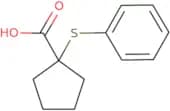
CAS:<p>Versatile small molecule scaffold</p>Formula:C11H14O2SPurity:Min. 95%Molecular weight:210.29 g/mol1-(Phenylsulfanyl)cyclopentane-1-carboxylic acid
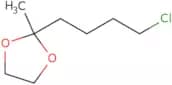
CAS:<p>Versatile small molecule scaffold</p>Formula:C12H14O2SPurity:Min. 95%Molecular weight:222.31 g/mol2-(4-Chlorobutyl)-2-methyl-1,3-dioxolane
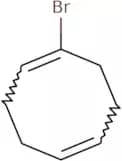
CAS:<p>Versatile small molecule scaffold</p>Formula:C8H15ClO2Purity:Min. 95%Molecular weight:178.65 g/mol1-Bromocycloocta-1,5-diene
CAS:<p>1-Bromocycloocta-1,5-diene is a brominated compound that is used as an insecticide. It has been shown to inhibit the growth of bacteria by binding to sulfoxide and benzene groups. It has also been shown to be effective against fungi, such as Trichophyton mentagrophytes and Candida albicans. 1-Bromocycloocta-1,5-diene has been shown to be effective in the treatment of head lice infestations in humans.</p>Formula:C8H11BrPurity:Min. 95%Molecular weight:187.08 g/mol6,7,8,9-Tetrahydro-5H-benzo[7]annulen-6-amine
CAS:Controlled Product<p>Versatile small molecule scaffold</p>Formula:C11H15NPurity:Min. 95%Molecular weight:161.24 g/mol4-Methylpyrazole-3-carboxylic acid
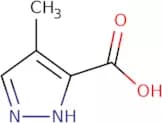
CAS:<p>4-Methylpyrazole-3-carboxylic acid is a monocarboxylic acid. It is a byproduct of the reaction between chloride and hydrogen chloride. 4-Methylpyrazole-3-carboxylic acid has been shown to have carcinogenic properties in animals, but not in humans. The mechanism for this effect is thought to be due to its ability to inhibit IL-17a production, which may lead to an increase in tumor growth. 4-Methylpyrazole-3-carboxylic acid has been shown to inhibit muscle glycogen synthesis and focus formation. It also inhibits the oxidation of fatty acids by binding with the enzyme acyl CoA oxidase. This compound can be used as an agrochemical and dechlorinated organic solvent for the extraction of phenylephrine from plants like tobacco leaves.</p>Formula:C5H6N2O2Purity:Min. 95%Color and Shape:PowderMolecular weight:126.11 g/mol3-Oxo-5,6-diphenyl-2,3-dihydropyridazine-4-carboxylic acid
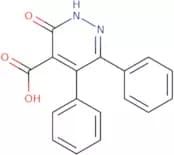
CAS:<p>Versatile small molecule scaffold</p>Formula:C17H12N2O3Purity:Min. 95%Molecular weight:292.29 g/molBenzyl 4-(2-ethoxy-2-oxoethylidene)piperidine-1-carboxylate
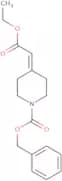
CAS:<p>Versatile small molecule scaffold</p>Formula:C17H21NO4Purity:Min. 95%Molecular weight:303.35 g/mol(1R)-2,2-Difluoro-1-phenylethan-1-ol
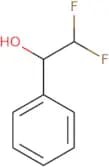
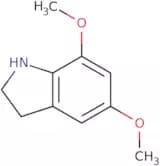
CAS:<p>Versatile small molecule scaffold</p>Formula:C8H8F2OPurity:Min. 95%Molecular weight:158.14 g/mol5,7-Dimethoxy-2,3-dihydro-1H-indole
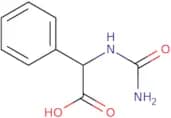
CAS:<p>Versatile small molecule scaffold</p>Formula:C10H13NO2Purity:Min. 95%Molecular weight:179.22 g/mol2-(Carbamoylamino)-2-phenylacetic acid
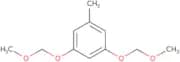
CAS:<p>2-Carbamoylamino-2-phenylacetic acid is a basic chemical that is used as a reagent in organic synthesis. It can be synthesized by the reaction of lithium aluminum hydride with phenylglycinol, and it can be purified by recrystallization from water. The compound is also used to reduce aluminium to aluminium hydride. 2-Carbamoylamino-2-phenylacetic acid has been shown to react with lithium or aluminium hydride, forming a lithium or aluminum salt respectively.</p>Formula:C9H10N2O3Purity:Min. 95%Molecular weight:194.19 g/mol1,3-Bis(methoxymethoxy)-5-methylbenzene
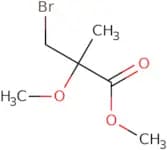
CAS:<p>Versatile small molecule scaffold</p>Formula:C11H16O4Purity:Min. 95%Molecular weight:212.24 g/molMethyl 3-bromo-2-methoxy-2-methylpropanoate
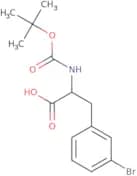
CAS:<p>Versatile small molecule scaffold</p>Formula:C6H11BrO3Purity:Min. 95%Molecular weight:211.05 g/molN-Boc-3-bromo-DL-phenylalanine
CAS:<p>Versatile small molecule scaffold</p>Formula:C14H18BrNO4Purity:Min. 95%Molecular weight:344.2 g/mol2-{[(tert-Butoxy)carbonyl]amino}-3-(3-methoxyphenyl)propanoic acid
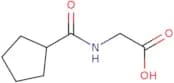
CAS:<p>Versatile small molecule scaffold</p>Formula:C15H21NO5Purity:Min. 95%Molecular weight:295.33 g/mol2-(Cyclopentylformamido)acetic acid
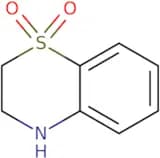
CAS:<p>Versatile small molecule scaffold</p>Formula:C8H13NO3Purity:Min. 95%Molecular weight:171.19 g/mol3,4-Dihydro-2H-1,4-benzothiazine-1,1-dione
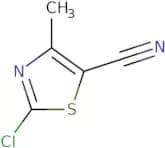
CAS:<p>Versatile small molecule scaffold</p>Formula:C8H9NO2SPurity:Min. 95%Molecular weight:183.23 g/mol2-Chloro-4-methyl-1,3-thiazole-5-carbonitrile
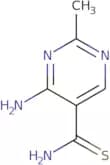
CAS:<p>Versatile small molecule scaffold</p>Formula:C5H3ClN2SPurity:Min. 95%Molecular weight:158.61 g/mol4-Amino-2-methylpyrimidine-5-carbothioamide
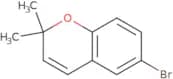
CAS:<p>Versatile small molecule scaffold</p>Formula:C6H8N4SPurity:Min. 95%Molecular weight:168.22 g/mol6-Bromo-2,2-dimethyl-2H-chromene
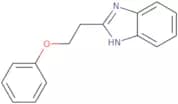
CAS:<p>Versatile small molecule scaffold</p>Formula:C11H11BrOPurity:Min. 95%Molecular weight:239.11 g/mol2-(2-Phenoxyethyl)-1H-1,3-benzodiazole
CAS:<p>Versatile small molecule scaffold</p>Formula:C15H14N2OPurity:Min. 95%Molecular weight:238.28 g/mol5-Benzoyl-1H-1,3-benzodiazole
CAS:<p>Benzodiazole is a heterocyclic organic compound. Benzodiazoles are widely used in industry, and as pharmaceuticals, biologicals, and pesticides. They are also important for their use as chemical intermediates. Benzodiazole derivatives have been prepared from hydrogen chloride and benzoyl chloride.</p>Formula:C14H10N2OPurity:Min. 95%Molecular weight:222.25 g/mol2-[(1,3-Dimethyl-2,6-dioxo-2,3,6,9-tetrahydro-1H-purin-8-yl)sulfanyl]acetic acid
CAS:<p>Versatile small molecule scaffold</p>Formula:C9H10N4O4SPurity:Min. 95%Molecular weight:270.27 g/mol2-[(1,3-Dimethyl-2,6-dioxo-2,3,6,7-tetrahydro-1H-purin-8-yl)sulfanyl]propanoic acid
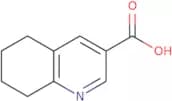
CAS:<p>Versatile small molecule scaffold</p>Formula:C10H12N4O4SPurity:Min. 95%Molecular weight:284.29 g/mol5,6,7,8-Tetrahydroquinoline-3-carboxylic acid
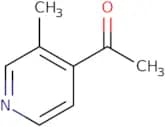
CAS:<p>5,6,7,8-Tetrahydroquinoline-3-carboxylic acid is a quinoline derivative that has been shown to have bacteriostatic activity against Staphylococcus aureus. It binds to the hydroxyl groups of the bacterial cell membrane and inhibits the production of enzymes necessary for protein synthesis. The interaction between the 5,6,7,8-tetrahydroquinoline-3-carboxylic acid and the hydroxyl group is reversible. 5,6,7,8-Tetrahydroquinoline-3-carboxylic acid also has bacteriostatic activity against other bacteria such as Mycobacterium tuberculosis and Mycobacterium avium complex.</p>Formula:C10H11NO2Purity:Min. 95%Molecular weight:177.2 g/mol1-(3-Methylpyridin-4-yl)ethan-1-one
CAS:<p>Versatile small molecule scaffold</p>Formula:C8H9NOPurity:Min. 95%Molecular weight:135.16 g/moltert-butyl N-[(2R)-1-oxopropan-2-yl]carbamate
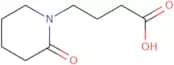
CAS:<p>Versatile small molecule scaffold</p>Formula:C8H15NO3Purity:Min. 95%Molecular weight:173.2 g/mol4-(2-Oxopiperidin-1-yl)butanoic acid
CAS:<p>Versatile small molecule scaffold</p>Formula:C9H15NO3Purity:Min. 95%Molecular weight:185.22 g/mol1-[(3-Methylphenyl)methyl]piperidin-4-amine
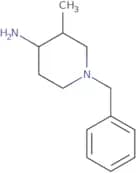
CAS:<p>Versatile small molecule scaffold</p>Formula:C13H20N2Purity:Min. 95%Molecular weight:204.31 g/mol1-Benzyl-3-methylpiperidin-4-amine
CAS:<p>Versatile small molecule scaffold</p>Formula:C13H20N2Purity:Min. 95%Molecular weight:204.32 g/mol


![2-{[(tert-Butoxy)carbonyl]amino}-4-methanesulfinylbutanoic acid](/_next/image/?url=https%3A%2Fstatic.cymitquimica.com%2Fproducts%2F3D%2Fthumb-webp%2FHCA49645.webp&w=3840&q=75)



![6,7,8,9-Tetrahydro-5H-benzo[7]annulen-6-amine](/_next/image/?url=https%3A%2Fstatic.cymitquimica.com%2Fproducts%2F3D%2Fthumb-webp%2FHCA55972.webp&w=3840&q=75)
![2-{[(tert-Butoxy)carbonyl]amino}-3-(3-methoxyphenyl)propanoic acid](/_next/image/?url=https%3A%2Fstatic.cymitquimica.com%2Fproducts%2F3D%2Fthumb-webp%2FHDA27899.webp&w=3840&q=75)

![2-[(1,3-Dimethyl-2,6-dioxo-2,3,6,9-tetrahydro-1H-purin-8-yl)sulfanyl]acetic acid](/_next/image/?url=https%3A%2Fstatic.cymitquimica.com%2Fproducts%2F3D%2Fthumb-webp%2FHDA33112.webp&w=3840&q=75)
![2-[(1,3-Dimethyl-2,6-dioxo-2,3,6,7-tetrahydro-1H-purin-8-yl)sulfanyl]propanoic acid](/_next/image/?url=https%3A%2Fstatic.cymitquimica.com%2Fproducts%2F3D%2Fthumb-webp%2FHDA33113.webp&w=3840&q=75)
![tert-butyl N-[(2R)-1-oxopropan-2-yl]carbamate](/_next/image/?url=https%3A%2Fstatic.cymitquimica.com%2Fproducts%2F3D%2Fthumb-webp%2FHDA35356.webp&w=3840&q=75)
![1-[(3-Methylphenyl)methyl]piperidin-4-amine](/_next/image/?url=https%3A%2Fstatic.cymitquimica.com%2Fproducts%2F3D%2Fthumb-webp%2FHDA37882.webp&w=3840&q=75)