Building Blocks
This section contains fundamental products for the synthesis of organic and biological compounds. Building blocks are the essential starting materials used to construct complex molecules through various chemical reactions. They play a critical role in drug discovery, material science, and chemical research. At CymitQuimica, we offer a diverse range of high-quality building blocks to support your innovative research and industrial projects, ensuring you have the essential components for successful synthesis.
Subcategories of "Building Blocks"
- Boronic Acids & Boronic Acid Derivatives(5,756 products)
- Chiral Building Blocks(1,242 products)
- Hydrocarbon Building Blocks(6,095 products)
- Organic Building Blocks(61,038 products)
Found 196817 products of "Building Blocks"
Sort by
Purity (%)
0
100
|
0
|
50
|
90
|
95
|
100
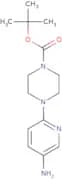
1-Boc-4-(5-Aminopyridin-2-yl)piperazine
CAS:<p>Versatile small molecule scaffold</p>Formula:C14H22N4O2Purity:Min. 95%Molecular weight:278.35 g/mol6-Chloro-1H-benzimidazol-2-amine
CAS:<p>Aminoguanidine is a drug that inhibits the activity of the enzyme guanidinoacetate methyltransferase (GAMT). It is used to treat some types of cancer, such as bladder cancer. Aminoguanidine has been shown to inhibit tumour growth and induce apoptosis in animal models. It has also been reported to be effective in a number of other cancers, including breast cancer, prostate cancer and colon cancer. Aminoguanidine binds with high affinity to protein targets, including x-ray crystallography, magnetic resonance imaging and devices. The binding site on the ligand is highly conserved among different proteins, which may explain the broad spectrum of its activity. Aminoguanidine is dose-dependent and can be administered either stepwise or as one large dose.</p>Formula:C7H6ClN3Purity:Min. 95%Molecular weight:167.6 g/mol2,4,6-Trichloronicotinic acid
CAS:<p>Versatile small molecule scaffold</p>Formula:C6H2Cl3NO2Purity:Min. 95%Molecular weight:226.44 g/mol3-Bromo-5-cyanobenzaldehyde
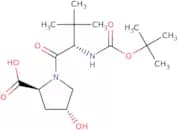
CAS:<p>Versatile small molecule scaffold</p>Formula:C8H4BrNOPurity:Min. 95%Molecular weight:210.04 g/mol1-(Boc-L-tert-leucinyl)-(4R)-4-hydroxy-L-proline
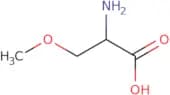
CAS:<p>Versatile small molecule scaffold</p>Formula:C16H28N2O6Purity:Min. 95%Molecular weight:344.4 g/mol2-Amino-3-methoxypropanoic acid hydrochloride
CAS:<p>2-Amino-3-methoxypropanoic acid hydrochloride is a mitochondrial enzyme inhibitor that is used as a research tool to study protein synthesis. It binds to the cytochrome b2 subunit of the mitochondrial respiratory chain, inhibiting the oxidation of pyruvate and affecting the production of ATP. 2-Amino-3-methoxypropanoic acid hydrochloride has been shown to induce apoptosis in human liver cells by triggering caspase 3, which is an important enzyme in the apoptotic pathway. 2-Amino-3-methoxypropanoic acid hydrochloride also has a number of chemical properties that make it useful for analytical chemistry. For example, 2-amino-3-methoxypropanoic acid hydrochloride can be used to measure carboxylic acids, acetylation reactions, hydrogen bonds and hydroxyl groups. It can also be used as a nucle</p>Formula:C4H10ClNO3Purity:Min. 95%Molecular weight:155.58 g/molbenzyl 5-(tetramethyl-1,3,2-dioxaborolan-2-yl)-1,2,3,6-tetrahydropyridine-1-carboxylate
CAS:<p>Versatile small molecule scaffold</p>Formula:C19H26BNO4Purity:Min. 95%Molecular weight:343.2 g/mol1-[(tert-butoxy)carbonyl]-5,5-difluoropiperidine-3-carboxylic acid
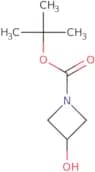
CAS:<p>Versatile small molecule scaffold</p>Formula:C11H17F2NO4Purity:Min. 95%Molecular weight:265.3 g/molN-Boc-3-Azetidinol
CAS:<p>This linker is chemically stable and not cleavable under standard intracellular or extracellular conditions. N-Boc-3-Azetidinol is also a versatile organic intermediate used primarily in the pharmaceutical industry for synthesizing a wide range of drugs, including antibacterials, immunosuppressants, and cancer therapies.</p>Formula:C8H15NO3Purity:Min. 95%Molecular weight:173.21 g/mol6-Amino-4H,5H,6H,7H,8H-thieno[3,2-b]azepin-5-one hydrochloride
CAS:<p>Versatile small molecule scaffold</p>Formula:C8H11ClN2OSPurity:Min. 95%Molecular weight:218.7 g/mol4-Bromopyridine hydrochloride
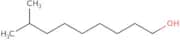
CAS:<p>4-Bromopyridine HCl is a chemical compound with the molecular formula C6H5BrN. It is an aromatic heterocycle and is used in organic synthesis as a coupling partner in cross-coupling reactions. The bromine atom of 4-bromopyridine is replaced by chloride, resulting in 4-chloropyridine. The chlorination reaction can be conducted using either hydrochloric acid or thionyl chloride. This process can be done on an industrial scale and the chlorinated product has been used in the manufacture of pharmaceuticals, dyes, and pesticides. The reaction mechanism for this substitution reaction involves a nucleophilic attack by chlorine on the pyridine ring at carbon atom 2 followed by displacement of hydrogen from the adjacent position on nitrogen atom 3. Acylation reactions are oxidation processes that involve conversion of carboxylic acids to acyl halides or acyl chlorides through treatment with acidified halogenating agents such</p>Formula:C5H4BrN•HClPurity:Min. 95%Color and Shape:White PowderMolecular weight:194.46 g/mol8-Methylnonan-1-ol
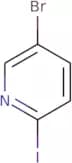
CAS:<p>Please enquire for more information about 8-Methylnonan-1-ol including the price, delivery time and more detailed product information at the technical inquiry form on this page</p>Formula:C10H22OPurity:Min. 95%Molecular weight:158.28 g/mol5-Bromo-2-iodopyridine
CAS:<p>5-Bromo-2-iodopyridine is an antibiotic that is used to treat bacterial infections. It has been shown to inhibit the growth of bacteria by binding to the 50S ribosomal subunit. This drug also has a toxic effect on respiratory system cells, which may be due to its ability to induce apoptosis. 5-Bromo-2-iodopyridine interacts with DNA in a triazine ring and inhibits bacterial growth by inhibiting protein synthesis. The drug binds to the 50S ribosomal subunit at a site that is different from that of rifampin and other antibiotics. The reaction is catalyzed by palladium at high temperatures and takes place in organic solvents such as chloroform or benzene. This synthetic process can be made more efficient by using inexpensive starting materials, such as bromine, iodine, and acetone, rather than expensive starting materials like platinum or gold salts.</p>Formula:C5H3BrINPurity:Min. 95%Color and Shape:Slightly Yellow PowderMolecular weight:283.89 g/mol1-(piperazin-1-yl)butan-1-one
CAS:<p>1-(Piperazin-1-yl)butan-1-one is a neoplastic cell growth inhibitor that inhibits the proliferation of myeloid, k562 and HL60 cells. It has been shown to inhibit the growth of tumor cells in vitro. 1-(Piperazin-1-yl)butan-1-one is an analog of piperazine, which is known to be a cytotoxic agent with anticancer activity. The mechanism of action is not known, but it may be due to its ability to inhibit DNA synthesis or its inhibition of protein synthesis.</p>Formula:C8H16N2OPurity:Min. 95%Molecular weight:156.23 g/mol1-tert-butyl 2-methyl (2R,4S)-4-aminopyrrolidine-1,2-dicarboxylate hydrochloride
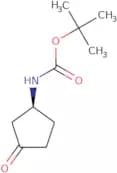
CAS:<p>Versatile small molecule scaffold</p>Formula:C11H21ClN2O4Purity:Min. 95%Molecular weight:280.7 g/mol(S)-tert-Butyl (3-oxocyclopentyl)carbamate
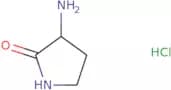
CAS:<p>Versatile small molecule scaffold</p>Formula:C10H17NO3Purity:Min. 95%Molecular weight:199.25 g/mol3-aminopyrrolidin-2-one hcl
CAS:<p>3-Aminopyrrolidin-2-one hcl is an antibiotic that is used to treat tuberculosis. It inhibits the enzyme transacylase, which catalyses the conversion of L-lysine into L-pipecolic acid in bacteria. This antibiotic has been shown to be effective against Mycobacterium tuberculosis and Mycobacterium avium complex. 3-Aminopyrrolidin-2-one hcl has a broad spectrum of activity against gram positive and gram negative bacteria, but it is not active against acid-fast bacteria.</p>Formula:C4H9ClN2OPurity:Min. 95%Molecular weight:136.58 g/molMethyl 2-(6-chloropyridin-3-yl)acetate
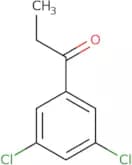
CAS:<p>Versatile small molecule scaffold</p>Formula:C8H8ClNO2Purity:Min. 95%Molecular weight:185.61 g/mol1-(3,5-Dichloro-phenyl)-propan-1-one
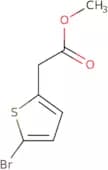
CAS:<p>Versatile small molecule scaffold</p>Formula:C9H8Cl2OPurity:Min. 95%Molecular weight:203.07 g/molMethyl 2-(5-bromothiophen-2-yl)acetate
CAS:<p>Versatile small molecule scaffold</p>Formula:C7H7BrO2SPurity:Min. 95%Molecular weight:235.1 g/mol5-Bromo-2-dimethylaminopyridine
CAS:Controlled Product<p>Please enquire for more information about 5-Bromo-2-dimethylaminopyridine including the price, delivery time and more detailed product information at the technical inquiry form on this page</p>Formula:C7H9BrN2Purity:Min. 95%Molecular weight:201.01 g/molBenzophenone-4-carboxylic acid
CAS:<p>Organic intermediate</p>Formula:C14H10O3Purity:Min. 98 Area-%Color and Shape:White PowderMolecular weight:226.23 g/mol6-Chloro-2,8-dimethylimidazo[1,2-b]pyridazine
CAS:<p>Versatile small molecule scaffold</p>Formula:C8H8ClN3Purity:Min. 95%Molecular weight:181.62 g/mol(R)-tert-Butyl 2-methylpiperazine-1-carboxylate
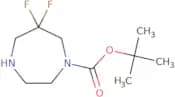
CAS:<p>(R)-tert-Butyl 2-methylpiperazine-1-carboxylate is a versatile building block that can be used for the synthesis of complex compounds. The compound is a reagent, speciality chemical, and useful building block in research. It can be used as a reaction component or scaffold in synthesis. (R)-tert-Butyl 2-methylpiperazine-1-carboxylate has been shown to react with nucleophiles such as amines and alcohols to form stable products. This product has high quality and is useful for chemical reactions involving carbonyl groups.</p>Formula:C10H20N2O2Purity:Min. 95%Color and Shape:White PowderMolecular weight:200.28 g/moltert-butyl 6,6-difluoro-1,4-diazepane-1-carboxylate
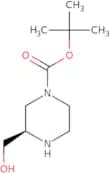
CAS:<p>Versatile small molecule scaffold</p>Formula:C10H18F2N2O2Purity:Min. 95%Molecular weight:236.3 g/mol(R)-4-N-Boc-2-hydroxymethyl-piperazine
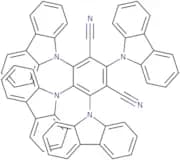
CAS:<p>Please enquire for more information about (R)-4-N-Boc-2-hydroxymethyl-piperazine including the price, delivery time and more detailed product information at the technical inquiry form on this page</p>Formula:C10H20N2O3Purity:Min. 95%Molecular weight:216.28 g/mol2,4,5,6-Tetra(9H-carbazol-9-yl)isophthalonitrile
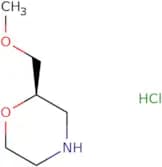
CAS:<p>2,4,5,6-Tetra(9H-carbazol-9-yl)isophthalonitrile is a redox molecule that emits light when excited by an electron or photon. It is used in organic light emitting devices (OLEDs) as the emissive material. This compound has been shown to have low chemical stability and limited transport properties. Its efficiency can be improved by increasing the concentration of the molecule. Activated 2,4,5,6-tetra(9H-carbazol-9-yl)isophthalonitrile emits a bright red orange emission with a maximum at 569 nm and it is activated by electron transfer from an electrode. 2,4,5,6-Tetra(9H-carbazol-9-yl)isophthalonitrile has been shown to emit blue light when excited by UV light in the presence of oxygen as an oxidant.</p>Formula:C56H32N6Purity:Min. 98 Area-%Color and Shape:PowderMolecular weight:788.89 g/mol(R)-2-(Methoxymethyl)-morpholine hydrochloride
CAS:<p>Versatile small molecule scaffold</p>Formula:C6H14ClNO2Purity:Min. 95%Molecular weight:167.63 g/molMethyl amino(2-chlorophenyl)acetate hydrochloride
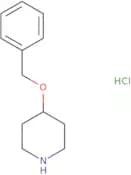
CAS:<p>Versatile small molecule scaffold</p>Formula:C9H11Cl2NO2Purity:Min. 95%Molecular weight:236.1 g/mol4-(Benzyloxy)piperidine HCl
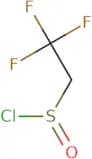
CAS:<p>4-(Benzyloxy)piperidine HCl is a versatile building block that is used in the synthesis of complex compounds such as research chemicals, reagents and speciality chemicals. 4-(Benzyloxy)piperidine HCl is also a useful intermediate in organic synthesis and can be used as a reaction component. 4-(Benzyloxy)piperidine HCl has CAS number 81151-68-0 and is a useful scaffold for chemical syntheses.</p>Formula:C12H17NOHClPurity:Min. 95%Color and Shape:White PowderMolecular weight:227.73 g/mol2,2,2-Trifluoroethanesulfinyl chloride
CAS:<p>Please enquire for more information about 2,2,2-Trifluoroethanesulfinyl chloride including the price, delivery time and more detailed product information at the technical inquiry form on this page</p>Formula:C2H2ClF3OSPurity:Min. 95%Color and Shape:Clear LiquidMolecular weight:166.55 g/molN-[5-(4-Bromophenyl)-6-(2-hydroxyethoxy)-4-pyrimidinyl]-N′-propylsulfamide
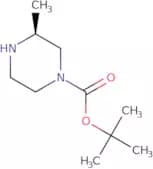
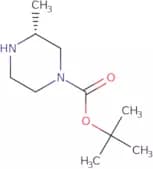
CAS:<p>Please enquire for more information about N-[5-(4-Bromophenyl)-6-(2-hydroxyethoxy)-4-pyrimidinyl]-N′-propylsulfamide including the price, delivery time and more detailed product information at the technical inquiry form on this page</p>Formula:C15H19BrN4O4SPurity:Min. 95%Molecular weight:431.31 g/mol(S)-1-Boc-3-methylpiperazine
CAS:<p>(S)-1-Boc-3-methylpiperazine is a hydrophobic compound that is structurally modified from the tetracyclic family of drugs. It has been shown to inhibit tumor cell growth by binding to the oncogene, KRASG12C, and downregulating its expression. (S)-1-Boc-3-methylpiperazine also inhibits cancer cell growth through the inhibition of the PI3K/AKT signaling pathway. The pharmacological effects of (S)-1-Boc-3-methylpiperazine are dependent on its ability to bind with high affinity to KRASG12C and inhibit its activity.</p>Formula:C10H20N2O2Purity:Min. 95%Color and Shape:White PowderMolecular weight:200.28 g/mol3,3-Diethoxypropan-1-amine
CAS:<p>3,3-Diethoxypropan-1-amine is a synthetic drug that reversibly inhibits the growth of bacteria. It has been shown to be effective against methicillin resistant strains of Staphylococcus aureus and Clostridium perfringens, with no detectable activity against acid-fast bacteria such as Mycobacterium tuberculosis or Mycobacterium avium complex. 3,3-Diethoxypropan-1-amine is a heterobifunctional compound that binds to epidermal growth factor with high affinity. 3,3-Diethoxypropan-1-amine can also bind to collagen and liposomal formulations, which may be useful for the treatment of wounds. This drug has been shown to inhibit δ opioid receptors in mice and rats, which is thought to contribute to its analgesic effects.</p>Formula:C7H17NO2Purity:Min. 95%Molecular weight:147.22 g/mol4-(Methylamino)benzene-1-sulfonamide
CAS:<p>Versatile small molecule scaffold</p>Formula:C7H10N2O2SPurity:Min. 95%Molecular weight:186.23 g/mol1,3-Bis(diphenylphosphino)propane
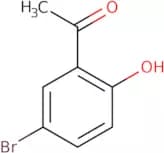
CAS:<p>1,3-Bis(diphenylphosphino)propane is a chelate ligand that forms complexes with a wide range of transition metal ions. It has been shown to be an effective catalyst for the conversion of aryl halides to acid derivatives. The compound has been found to have an excellent stability in aqueous solutions and does not hydrolyze readily in human serum or water. 1,3-Bis(diphenylphosphino)propane is also used as an additive in many industrial processes, such as the production of nylon and polyester fibers.</p>Formula:C27H26P2Purity:Min 96.0%Color and Shape:White Off-White PowderMolecular weight:412.44 g/mol5'-Bromo-2'-hydroxyacetophenone
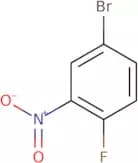
CAS:<p>5'-Bromo-2'-hydroxyacetophenone is a chemical that is used as a substrate in the preparation of other chemicals. The reaction solution contains 5'-bromo-2'-hydroxyacetophenone, nitrogen atoms, and a biological sample. This substrate reacts with trifluoroacetic acid to form an intramolecular hydrogen bond. The magnetic resonance spectrum of this product reveals the presence of two carbon atoms, three hydrogen atoms, and one oxygen atom. The resulting chemical structure is that of 2-Aminobenzamide.</p>Formula:C8H7BrO2Purity:Min. 95%Color and Shape:White PowderMolecular weight:215.04 g/mol4-Bromo-1-fluoro-2-nitrobenzene
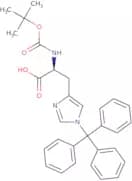
CAS:<p>4-Bromo-1-fluoro-2-nitrobenzene is a boron trifluoride compound that reacts with sulfuric acid to form the target product, 4-bromo-2-fluorobenzenesulfonic acid. It is used in the production of dyes and pharmaceuticals. The reaction is conducted at a temperature of 60°C in a reaction time of 8 hours. The repeatability of this process was found to be high, with a relative standard deviation (RSD) of 2.5% and an RSD for peak area of 3%. Experiments have been conducted to optimize the reaction conditions and determine the optimum reaction time and target product yield. A sulfuric acid concentration of 1M has been found to produce the highest yield, while maintaining the lowest RSD values.</p>Formula:C6H3BrFNO2Purity:Min. 98%Molecular weight:220 g/molBoc-His(Trt)-OH
CAS:<p>Boc-His(Trt)-OH is a chemical compound that has been used in the laboratory to study uptake and binding of compounds. It is stable in complex with albumin, which has led to its use as a model system for studying hepatic steatosis. This chemical can be synthesized by solid-phase synthesis with trifluoroacetic acid and polypeptide synthesis. FT-IR spectroscopy has been used to characterize Boc-His(Trt)-OH, revealing its chemical diversity.</p>Formula:C30H31N3O4Purity:Min. 95%Color and Shape:PowderMolecular weight:497.58 g/molThiophen-3-ylmethanamine hydrochloride
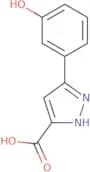
CAS:<p>Versatile small molecule scaffold</p>Formula:C5H8ClNSPurity:Min. 95%Molecular weight:149.64 g/mol5-(3-Hydroxyphenyl)-1H-pyrazole-3-carboxylic acid
CAS:<p>Versatile small molecule scaffold</p>Formula:C10H8N2O3Purity:Min. 95%Molecular weight:204.18 g/mol(R)-4-Boc-2-methylpiperazine
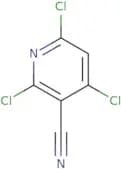
CAS:<p>(R)-4-Boc-2-methylpiperazine is a picolinamide dehydrogenase inhibitor that is used to treat type 2 diabetes. It has been shown to reduce blood glucose levels in animal models and human subjects with type 2 diabetes mellitus. The mechanism of action is thought to be via inhibition of the 11β-hydroxysteroid dehydrogenase, which increases insulin sensitivity. This drug also has good oral bioavailability, does not cause weight gain, and has an acceptable safety profile.</p>Formula:C10H20N2O2Purity:Min. 95%Color and Shape:White PowderMolecular weight:200.28 g/mol2,4,6-trichloropyridine-3-carbonitrile
CAS:<p>Versatile small molecule scaffold</p>Formula:C6HCl3N2Purity:Min. 95%Molecular weight:207.4 g/mol5-Methyl-3-oxo-hexanoic acid methyl ester
CAS:<p>Versatile small molecule scaffold</p>Formula:C8H14O3Purity:Min. 95%Molecular weight:158.2 g/molMethyl 4-chlorobenzenesulfonate
CAS:<p>Versatile small molecule scaffold</p>Formula:C7H7ClO3SPurity:Min. 95%Molecular weight:206.65 g/mol7H,8H-Pyrido[2,3-d]pyridazin-8-one
CAS:<p>Versatile small molecule scaffold</p>Formula:C7H5N3OPurity:Min. 95%Color and Shape:PowderMolecular weight:147.13 g/molCyclobutanesulfonyl chloride
CAS:<p>Cyclobutanesulfonyl chloride is a reagent that is used for the synthesis of 1-6-alkylcyclobutanes. It can be used to synthesize heterocyclic compounds, including those with high optical purity. Cyclobutanesulfonyl chloride has been shown to have antiviral and antiproliferative properties. It has also been shown to exhibit anticancer activity in vitro and in vivo. The mechanism of action for this compound is unclear, but it may inhibit protein synthesis by attacking the amino acid methionine in proteins or by inhibiting DNA replication.</p>Formula:C4H7ClO2SPurity:Min. 95%Color and Shape:Clear LiquidMolecular weight:154.62 g/molCyclopent-2-en-1-ol
CAS:<p>Cyclopent-2-en-1-ol is a reactive monomer that can react with chloride and hydroxyl groups. It can also undergo reaction with sodium carbonate to form a cyclic ester. Cyclopent-2-en-1-ol can be converted to an epoxide by the use of acid catalyst. This compound also has the ability to polymerize, forming polymers that are used in rayon production.</p>Formula:C5H8OPurity:Min. 95%Color and Shape:Clear LiquidMolecular weight:84.12 g/molCucurbit[7]uril
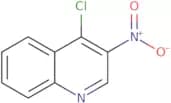
CAS:<p>Cucurbit[7]uril is a chemical compound that can be used as a fluorescent probe for protein target. It has been shown to produce significant cytotoxicity against cancer cell lines in vitro. Cucurbit[7]uril also exhibits hydrophobic effects, which bind to the cell nuclei of cancer cells and inhibits DNA replication. The photophysical properties of cucurbit[7]uril are stable under physiological conditions and it can be used in vivo as a styryl dye. This chemical compound is also able to form stable complexes with carbonyl oxygens, making it an interesting candidate for anti-cancer drug development.</p>Formula:C42H42N28O14Purity:Min. 95%Color and Shape:White To Yellow SolidMolecular weight:1,162.96 g/mol4-Chloro-3-nitroquinoline
CAS:<p>4-Chloro-3-nitroquinoline is a quinoline derivative that can be synthesized by cross-coupling reaction. The amide and n-oxide functional groups are the most reactive sites. It can react with nucleophiles such as haloamines, azides, and pyridazines to form covalent bonds. 4-Chloro-3-nitroquinoline has been shown to have anti-HIV activity in vitro and in vivo in animal models. In addition, this compound has shown potential use for the treatment of leishmania.</p>Formula:C9H5ClN2O2Purity:Min. 95%Color and Shape:Slightly Yellow PowderMolecular weight:208.6 g/mol



![1-[(tert-butoxy)carbonyl]-5,5-difluoropiperidine-3-carboxylic acid](/_next/image/?url=https%3A%2Fstatic.cymitquimica.com%2Fproducts%2F3D%2Fthumb-webp%2FFAC66686.webp&w=3840&q=75)
![6-Amino-4H,5H,6H,7H,8H-thieno[3,2-b]azepin-5-one hydrochloride](/_next/image/?url=https%3A%2Fstatic.cymitquimica.com%2Fproducts%2F3D%2Fthumb-webp%2FTHC97972.webp&w=3840&q=75)






![6-Chloro-2,8-dimethylimidazo[1,2-b]pyridazine](/_next/image/?url=https%3A%2Fstatic.cymitquimica.com%2Fproducts%2F3D%2Fthumb-webp%2FSAA41223.webp&w=3840&q=75)


![N-[5-(4-Bromophenyl)-6-(2-hydroxyethoxy)-4-pyrimidinyl]-N′-propylsulfamide](/_next/image/?url=https%3A%2Fstatic.cymitquimica.com%2Fproducts%2F3D%2Fthumb-webp%2FFB183879.webp&w=3840&q=75)




![7H,8H-Pyrido[2,3-d]pyridazin-8-one](/_next/image/?url=https%3A%2Fstatic.cymitquimica.com%2Fproducts%2F3D%2Fthumb-webp%2FQAA37579.webp&w=3840&q=75)


![Cucurbit[7]uril](/_next/image/?url=https%3A%2Fstatic.cymitquimica.com%2Fproducts%2F3D%2Fthumb-webp%2FFC171865.webp&w=3840&q=75)