


Building Blocks
This section contains fundamental products for the synthesis of organic and biological compounds. Building blocks are the essential starting materials used to construct complex molecules through various chemical reactions. They play a critical role in drug discovery, material science, and chemical research. At CymitQuimica, we offer a diverse range of high-quality building blocks to support your innovative research and industrial projects, ensuring you have the essential components for successful synthesis.
Subcategories of "Building Blocks"
- Boronic Acids & Boronic Acid Derivatives(5,756 products)
- Chiral Building Blocks(1,242 products)
- Hydrocarbon Building Blocks(6,095 products)
- Organic Building Blocks(61,051 products)
Found 199813 products of "Building Blocks"
Sort by
Purity (%)
0
100
|
0
|
50
|
90
|
95
|
100
2-Chloro-1-(furan-3-yl)ethan-1-one
CAS:<p>Versatile small molecule scaffold</p>Formula:C6H5ClO2Purity:Min. 95%Molecular weight:144.55 g/mol1-Ethyl-3-methyl-1H-pyrazole hydrochloride
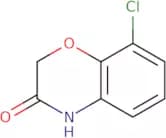
CAS:<p>Versatile small molecule scaffold</p>Formula:C6H11ClN2Purity:Min. 95%Molecular weight:146.62 g/mol8-Chloro-3,4-dihydro-2H-1,4-benzoxazin-3-one
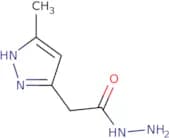
CAS:<p>Versatile small molecule scaffold</p>Formula:C8H6ClNO2Purity:Min. 95%Molecular weight:183.59 g/mol2-(3-Methyl-1H-pyrazol-5-yl)acetohydrazide
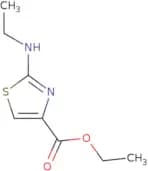
CAS:<p>Versatile small molecule scaffold</p>Formula:C6H10N4OPurity:Min. 95%Molecular weight:154.17 g/molEthyl 2-(ethylamino)-1,3-thiazole-4-carboxylate
CAS:<p>Versatile small molecule scaffold</p>Formula:C8H12N2O2SPurity:Min. 95%Molecular weight:200.26 g/mol1-[2-(Hydroxymethyl)phenyl]ethan-1-ol
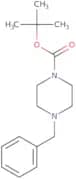
CAS:<p>Versatile small molecule scaffold</p>Formula:C9H12O2Purity:Min. 95%Molecular weight:152.19 g/mol1-Boc-(4-benzyl)piperazine
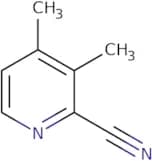
CAS:Controlled Product<p>Versatile small molecule scaffold</p>Formula:C16H24N2O2Purity:Min. 95%Molecular weight:276.37 g/mol3,4-Dimethylpyridine-2-carbonitrile
CAS:<p>Versatile small molecule scaffold</p>Formula:C8H8N2Purity:Min. 95%Molecular weight:132.16 g/mol1-[(2-Aminophenyl)methyl]pyrrolidin-2-one
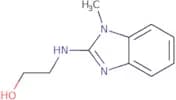
CAS:<p>Versatile small molecule scaffold</p>Formula:C11H14N2OPurity:Min. 95%Molecular weight:190.24 g/mol2-(1-Methyl-1h-benzoimidazol-2-ylamino)-ethanol
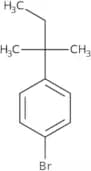
CAS:Versatile small molecule scaffoldFormula:C10H13N3OPurity:Min. 95%Molecular weight:191.23 g/mol1-Bromo-4-(2-methylbutan-2-yl)benzene
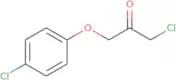
CAS:<p>Versatile small molecule scaffold</p>Formula:C11H15BrPurity:Min. 95%Molecular weight:227.14 g/mol1-Chloro-3-(4-chlorophenoxy)propan-2-one
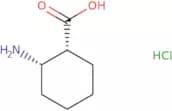
CAS:<p>Versatile small molecule scaffold</p>Formula:C9H8Cl2O2Purity:Min. 95%Molecular weight:219.06 g/molcis-2-Amino-1-cyclohexanecarboxylic acid hydrochloride
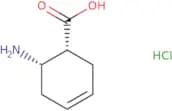
CAS:<p>Versatile small molecule scaffold</p>Formula:C7H14ClNO2Purity:Min. 95%Molecular weight:179.64 g/molcis-6-Amino-cyclohex-3-enecarboxylic acid hydrochloride
CAS:<p>Versatile small molecule scaffold</p>Formula:C7H12ClNO2Purity:Min. 95%Molecular weight:177.63 g/mol2-Aminocyclohexane-1-carboxylic acid hydrochloride
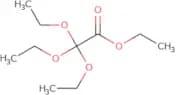
CAS:<p>Versatile small molecule scaffold</p>Formula:C7H14ClNO2Purity:Min. 95%Molecular weight:179.64 g/molEthyl 2,2,2-triethoxyacetate
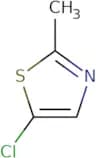
CAS:<p>Ethyl 2,2,2-triethoxyacetate is a chemical compound that belongs to the group of diazonium salts. It is used as an analytical reagent. It has been shown to be a potent antagonist for angiotensin II receptors and may be helpful in the treatment of restenosis and inflammatory bowel disease. The chemical structure of ethyl 2,2,2-triethoxyacetate is similar to that of glutamate, which is an excitatory neurotransmitter in the central nervous system. Ethyl 2,2,2-triethoxyacetate has been shown to inhibit cancer cell growth by interfering with DNA replication and protein synthesis.</p>Formula:C10H20O5Purity:Min. 95%Molecular weight:220.26 g/mol5-Chloro-2-methyl-1,3-thiazole
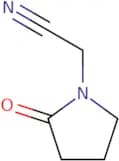
CAS:<p>Versatile small molecule scaffold</p>Formula:C4H4ClNSPurity:Min. 95%Molecular weight:133.6 g/mol2-(2-Oxopyrrolidin-1-yl)acetonitrile
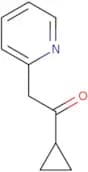
CAS:<p>Versatile small molecule scaffold</p>Formula:C6H8N2OPurity:Min. 95%Molecular weight:124.14 g/mol1-Cyclopropyl-2-pyridin-2-yl-ethanone
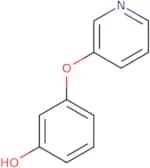
CAS:<p>Versatile small molecule scaffold</p>Formula:C10H11NOPurity:Min. 95%Molecular weight:161.2 g/mol3-(Pyridin-3-yloxy)phenol
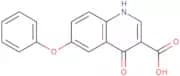
CAS:<p>Versatile small molecule scaffold</p>Formula:C11H9NO2Purity:Min. 95%Molecular weight:187.19 g/mol4-Oxo-6-phenoxy-1,4-dihydroquinoline-3-carboxylic acid
CAS:<p>Versatile small molecule scaffold</p>Formula:C16H11NO4Purity:Min. 95%Molecular weight:281.26 g/mol4H,6H,7H-Thieno[3,4-c]pyran-4,6-dione
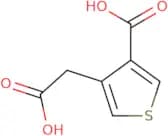
CAS:Versatile small molecule scaffoldFormula:C7H4O3SPurity:Min. 95%Molecular weight:168.2 g/mol4-(Carboxymethyl)thiophene-3-carboxylic acid
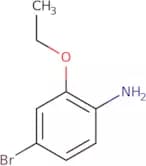
CAS:<p>Versatile small molecule scaffold</p>Formula:C7H6O4SPurity:Min. 95%Molecular weight:186.19 g/mol4-Bromo-2-ethoxyaniline
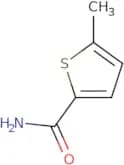
CAS:<p>Versatile small molecule scaffold</p>Formula:C8H10BrNOPurity:Min. 95%Molecular weight:216.08 g/mol5-Methylthiophene-2-carboxamide
CAS:<p>Versatile small molecule scaffold</p>Formula:C6H7NOSPurity:Min. 95%Molecular weight:141.19 g/molSpiro[bicyclo[2.2.2]octane-2,2'-oxirane]
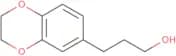
CAS:<p>Versatile small molecule scaffold</p>Formula:C9H14OPurity:Min. 95%Molecular weight:138.21 g/mol3-(2,3-Dihydro-1,4-benzodioxin-6-yl)propan-1-ol
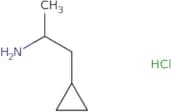
CAS:<p>Versatile small molecule scaffold</p>Formula:C11H14O3Purity:Min. 95%Molecular weight:194.23 g/mol1-Cyclopropylpropan-2-amine hydrochloride
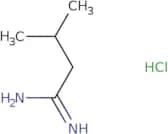
CAS:<p>Versatile small molecule scaffold</p>Formula:C6H14ClNPurity:Min. 95%Molecular weight:135.63 g/mol3-Methylbutanimidamide hydrochloride
CAS:<p>3-Methylbutanimidamide hydrochloride (3MBAM) is a quaternary ammonium salt that is used primarily in the treatment of tuberculosis. It inhibits the biosynthesis of mycolic acids, which are important for the growth and survival of Mycobacterium tuberculosis. 3MBAM binds to the enzyme ATPase, which is essential for energy production and cell division. 3MBAM also has strong inhibitory activity against various strains of Mycobacterium tuberculosis resistant to other drugs. 3MBAM is metabolized by hydrolysis, forming formamide and methylsulfonyl chloride in the liver.</p>Formula:C5H13ClN2Purity:Min. 95%Molecular weight:136.62 g/molHeptanimidamide hydrochloride
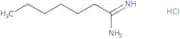
CAS:<p>Versatile small molecule scaffold</p>Formula:C7H17ClN2Purity:Min. 95%Molecular weight:164.7 g/mol1-Methyl-1,2,5,6,7,8-hexahydroquinoline-2,5-dione
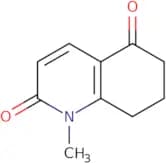
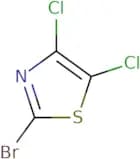
CAS:Versatile small molecule scaffoldFormula:C10H11NO2Purity:Min. 95%Molecular weight:177.2 g/mol2-Bromo-4,5-dichloro-1,3-thiazole
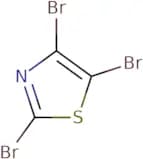
CAS:<p>Versatile small molecule scaffold</p>Formula:C3BrCl2NSPurity:Min. 95%Molecular weight:232.91 g/molTribromo-1,3-thiazole
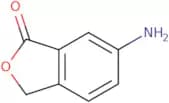
CAS:<p>Versatile small molecule scaffold</p>Formula:C3Br3NSPurity:Min. 95%Molecular weight:321.82 g/mol6-Aminophthalide
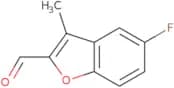
CAS:6-Aminophthalide is a fluorophore that can be used as an indicator of the presence of aldehydes. It is also a fluorescent compound that has been shown to be capable of binding to metal cations, such as Cu(II) and Zn(II). 6-Aminophthalide can be reduced by desoxybenzoin in the presence of amines to give the corresponding amine and 6-aminophthalide. The resulting solid has a crystal structure with one molecule in each asymmetric unit.Formula:C8H7NO2Purity:Min. 95%Molecular weight:149.15 g/mol5-Fluoro-3-methylbenzofuran-2-carbaldehyde
CAS:<p>Versatile small molecule scaffold</p>Formula:C10H7FO2Purity:Min. 95%Molecular weight:178.16 g/molMethyl 2-sulfanyl-1H-imidazole-4-carboxylate
CAS:<p>Versatile small molecule scaffold</p>Formula:C5H6N2O2SPurity:Min. 95%Molecular weight:158.18 g/molEthyl 2-{imidazo[2,1-b][1,3]thiazol-6-yl}acetate
CAS:Versatile small molecule scaffoldFormula:C9H10N2O2SPurity:Min. 95%Molecular weight:210.26 g/mol2-(Imidazo[2,1-b]thiazol-6-yl)acetic acid
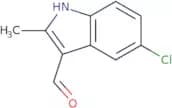
CAS:<p>Versatile small molecule scaffold</p>Formula:C7H6N2O2SPurity:Min. 95%Molecular weight:182.2 g/mol5-Chloro-2-methyl-1H-indole-3-carbaldehyde
CAS:<p>Versatile small molecule scaffold</p>Formula:C10H8ClNOPurity:Min. 95%Molecular weight:193.63 g/mol[4-(Trimethylsilyl)phenyl]methanethiol
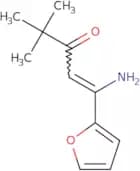
CAS:<p>Versatile small molecule scaffold</p>Formula:C10H16SSiPurity:Min. 95%Molecular weight:196.39 g/mol1-Amino-1-(furan-2-yl)-4,4-dimethylpent-1-en-3-one
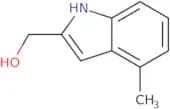
CAS:<p>Versatile small molecule scaffold</p>Formula:C11H15NO2Purity:Min. 95%Molecular weight:193.24 g/mol(4-Methyl-1H-indol-2-yl)methanol
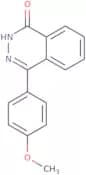
CAS:<p>Versatile small molecule scaffold</p>Formula:C10H11NOPurity:Min. 95%Molecular weight:161.2 g/mol4-(4-Methoxyphenyl)-1-(2H)-phthalazinone
CAS:<p>4-(4-Methoxyphenyl)-1-(2H)-phthalazinone is a hydrazine derivative that is used in the synthesis of other compounds. It is a colorless liquid with a pungent smell. It reacts with sodium ethoxide to form 4-methoxy-1,2-phenylenediamine, which condenses with ammonia and hydrochloric acid to form 4-amino-3-hydroxyphenylacetic acid hydrochloride. Hydrazines are reactive because they contain both a nitrogen and an oxygen atom in their formula. They are also nucleophiles because they can react with electron donating groups such as amines or alcohols. Hydrazides are less reactive than hydrazines because they lack the oxygen atom. The elemental analysis of this compound shows it contains carbon (C), hydrogen (H), and nitrogen (N).</p>Formula:C15H12N2O2Purity:Min. 95%Molecular weight:252.27 g/mol3,5,6-Trimethylpyrazin-2(1H)-one
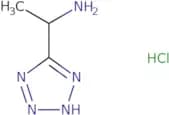
CAS:<p>3,5,6-Trimethylpyrazin-2(1H)-one is a reactive compound that can be obtained by reacting 2-aminoethanol with 3,5,6-trimethylpyrazine. This product has been shown to form a reactive intermediate in the formation of an asparagine residue during the synthesis of d-glucose. It has also been found to react with amines and carboxylic acids to form stable products. The product has been used as a model system for studying the mechanism of reaction between dialyzed monosaccharides and dialysis.<br>The chemical structure of this product is basically similar to that of 3,5,6-trimethylpyrazine. The difference is that it contains an additional methyl group on the benzene ring at position 6.</p>Formula:C7H10N2OPurity:Min. 95%Molecular weight:138.16 g/mol1-(2H-1,2,3,4-Tetrazol-5-yl)ethan-1-amine hydrochloride
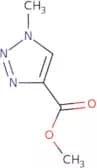
CAS:<p>Versatile small molecule scaffold</p>Formula:C3H8ClN5Purity:Min. 95%Molecular weight:149.58 g/molMethyl 1-methyl-1H-1,2,3-triazole-4-carboxylate
CAS:<p>Methyl 1-methyl-1H-1,2,3-triazole-4-carboxylate is a chemical compound that contains two methyl groups and one carbonyl group. It is used in the production of polymers such as cellulose acetate and other commercial products. Methyl 1-methyl-1H-1,2,3-triazole-4-carboxylate has been shown to regulate the transport of molecules across cell membranes by changing their physicochemical properties. This process can be done through a number of mechanisms, including:</p>Formula:C5H7N3O2Purity:Min. 95%Molecular weight:141.13 g/mol5,5-Dimethyl-1-cyclohexene-1-carboxylic acid
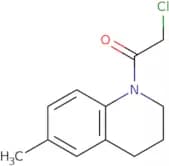
CAS:<p>Versatile small molecule scaffold</p>Formula:C9H14O2Purity:Min. 95%Molecular weight:154.21 g/mol2-Chloro-1-(6-methyl-1,2,3,4-tetrahydroquinolin-1-yl)ethan-1-one
CAS:<p>Versatile small molecule scaffold</p>Formula:C12H14ClNOPurity:Min. 95%Molecular weight:223.7 g/mol6-Bromo-1-azatricyclo[6.3.1.0,4,12]dodeca-4(12),5,7-trien-2-one
CAS:<p>Versatile small molecule scaffold</p>Formula:C11H10BrNOPurity:Min. 95%Molecular weight:252.11 g/mol7-Bromo-1-azatricyclo[7.3.1.0,5,13]trideca-5,7,9(13)-trien-2-one
CAS:<p>Versatile small molecule scaffold</p>Formula:C12H12BrNOPurity:Min. 95%Molecular weight:266.13 g/mol


![1-[2-(Hydroxymethyl)phenyl]ethan-1-ol](/_next/image/?url=https%3A%2Fstatic.cymitquimica.com%2Fproducts%2F3D%2Fthumb-webp%2FHCA25971.webp&w=3840&q=75)
![1-[(2-Aminophenyl)methyl]pyrrolidin-2-one](/_next/image/?url=https%3A%2Fstatic.cymitquimica.com%2Fproducts%2F3D%2Fthumb-webp%2FHCA26226.webp&w=3840&q=75)

![4H,6H,7H-Thieno[3,4-c]pyran-4,6-dione](/_next/image/?url=https%3A%2Fstatic.cymitquimica.com%2Fproducts%2F3D%2Fthumb-webp%2FHCA27938.webp&w=3840&q=75)
![Spiro[bicyclo[2.2.2]octane-2,2'-oxirane]](/_next/image/?url=https%3A%2Fstatic.cymitquimica.com%2Fproducts%2F3D%2Fthumb-webp%2FHCA28981.webp&w=3840&q=75)

![Ethyl 2-{imidazo[2,1-b][1,3]thiazol-6-yl}acetate](/_next/image/?url=https%3A%2Fstatic.cymitquimica.com%2Fproducts%2F3D%2Fthumb-webp%2FHCA33273.webp&w=3840&q=75)
![2-(Imidazo[2,1-b]thiazol-6-yl)acetic acid](/_next/image/?url=https%3A%2Fstatic.cymitquimica.com%2Fproducts%2F3D%2Fthumb-webp%2FHCA33275.webp&w=3840&q=75)
![[4-(Trimethylsilyl)phenyl]methanethiol](/_next/image/?url=https%3A%2Fstatic.cymitquimica.com%2Fproducts%2F3D%2Fthumb-webp%2FHCA33785.webp&w=3840&q=75)


![6-Bromo-1-azatricyclo[6.3.1.0,4,12]dodeca-4(12),5,7-trien-2-one](/_next/image/?url=https%3A%2Fstatic.cymitquimica.com%2Fproducts%2F3D%2Fthumb-webp%2FHCA36892.webp&w=3840&q=75)
![7-Bromo-1-azatricyclo[7.3.1.0,5,13]trideca-5,7,9(13)-trien-2-one](/_next/image/?url=https%3A%2Fstatic.cymitquimica.com%2Fproducts%2F3D%2Fthumb-webp%2FHCA36919.webp&w=3840&q=75)