Building Blocks
This section contains fundamental products for the synthesis of organic and biological compounds. Building blocks are the essential starting materials used to construct complex molecules through various chemical reactions. They play a critical role in drug discovery, material science, and chemical research. At CymitQuimica, we offer a diverse range of high-quality building blocks to support your innovative research and industrial projects, ensuring you have the essential components for successful synthesis.
Subcategories of "Building Blocks"
- Boronic Acids & Boronic Acid Derivatives(5,756 products)
- Chiral Building Blocks(1,242 products)
- Hydrocarbon Building Blocks(6,095 products)
- Organic Building Blocks(61,055 products)
Found 199650 products of "Building Blocks"
Sort by
Purity (%)
0
100
|
0
|
50
|
90
|
95
|
100
5-chloro-[1,3]thiazolo[5,4-d]pyrimidine
CAS:<p>5-Chloro-[1,3]thiazolo[5,4-d]pyrimidine is a non-polar compound that is soluble in non-polar solvents. It reacts with 5-aminouracil to form the pentasulfide. This reaction can be followed by monitoring the change in fluorescence of the product as it cyclises to form a chloride. The reaction may also be monitored by measuring the release of phosphorous pentoxide gas from phosphoryl chloride. 5-Chloro-[1,3]thiazolo[5,4-d]pyrimidine has been used in fluorescence studies and cyclisation reactions.</p>Formula:C5H2N3SClPurity:Min. 95%Molecular weight:171.6 g/mol1,7-Dimethyl-4-oxo-1,4-dihydro-1,8-naphthyridine-3-carboxylic acid
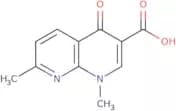
CAS:<p>Versatile small molecule scaffold</p>Formula:C11H10N2O3Purity:Min. 95%Molecular weight:218.21 g/mol3-Methyl-3,9-diazaspiro[5,5]undecane
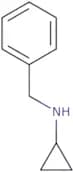
CAS:<p>Versatile small molecule scaffold</p>Formula:C10H20N2Purity:Min. 95%Molecular weight:168.28 g/molN-Cyclopropyl-benzylamine
CAS:<p>N-Cyclopropyl-benzylamine is a dopamine precursor that inhibits the activity of p-450 enzymes. It has been shown to be effective in clinical trials and is used as a model drug for other compounds with similar structures. N-Cyclopropyl-benzylamine irreversibly inhibits the activity of p-450 enzymes, but does not inhibit other cytochrome P450 enzymes such as CYP2D6 or CYP1A2. It has been shown to have antihypertensive effects in animal models and human pharmacokinetic studies, but no biological properties have been identified. N-Cyclopropyl-benzylamine can be found in rat liver microsomes and aminergic neurons.</p>Formula:C10H13NPurity:Min. 95%Molecular weight:147.22 g/mol3,4-Dihydro-1H-2-benzopyran-1-carbonitrile
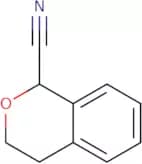
CAS:<p>Versatile small molecule scaffold</p>Formula:C10H9NOPurity:Min. 95%Molecular weight:159.18 g/mol3,4-Dihydro-1H-2-benzothiopyran-1-carbonitrile
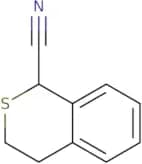
CAS:<p>Versatile small molecule scaffold</p>Formula:C10H9NSPurity:Min. 95%Molecular weight:175.25 g/mol4-(Cyclopentyloxy)phenol
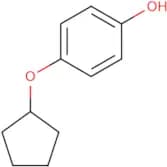
CAS:<p>Versatile small molecule scaffold</p>Formula:C11H14O2Purity:Min. 95%Molecular weight:178.23 g/mol2-[(Carboxymethyl)sulfanyl]-2-methylpropanoic acid
CAS:<p>Versatile small molecule scaffold</p>Formula:C6H10O4SPurity:Min. 95%Molecular weight:178.21 g/mol2-Bromobutyl acetate
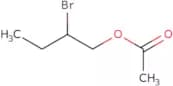
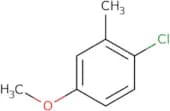
CAS:<p>2-Bromobutyl acetate is an experimental chemical that has been used in organic synthesis. It is a dehydrogenase inhibitor, and its recycling properties have been shown in some experiments.</p>Formula:C6H11BrO2Purity:Min. 95%Molecular weight:195.05 g/mol4-Chloro-3-methylanisole
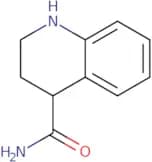
CAS:<p>Versatile small molecule scaffold</p>Formula:C8H9ClOPurity:Min. 95%Molecular weight:156.61 g/mol1,2,3,4-Tetrahydroquinoline-4-carboxamide
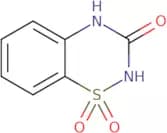
CAS:<p>Versatile small molecule scaffold</p>Formula:C10H12N2OPurity:Min. 95%Molecular weight:176.21 g/mol2H-1,2,4-Benzothiadiazin-3(4H)-one 1,1-dioxide
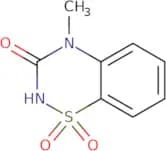
CAS:<p>Versatile small molecule scaffold</p>Formula:C7H6N2O3SPurity:Min. 95%Molecular weight:198.19 g/mol4-Methyl-2H-1,2,4-benzothiadiazin-3(4H)-one 1,1-dioxide
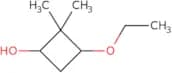
CAS:<p>Versatile small molecule scaffold</p>Formula:C8H8N2O3SPurity:Min. 95%Molecular weight:212.23 g/mol3-Ethoxy-2,2-dimethylcyclobutan-1-ol
CAS:<p>Versatile small molecule scaffold</p>Formula:C8H16O2Purity:Min. 95%Molecular weight:144.21 g/mol3-Ethylisonicotinonitrile
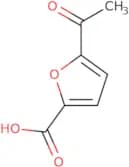
CAS:<p>Versatile small molecule scaffold</p>Formula:C8H8N2Purity:Min. 95%Molecular weight:132.16 g/mol5-Acetylfuran-2-carboxylic acid
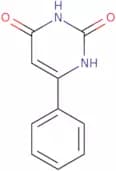
CAS:<p>5-Acetylfuran-2-carboxylic acid is a pharmaceutical compound that is synthesized by the acetylation of 5-acetylfuran. It can be used as a raw material for the synthesis of other pharmaceuticals, such as ferrocene and aliphatic alcohols. Acetylation can be carried out using acetic anhydride or acetyl chloride. This chemical has been shown to have high yield when synthesized in bulk quantities and can be easily made into polyalkylated compounds. The nature of this compound is not yet known.</p>Formula:C7H6O4Purity:Min. 95%Molecular weight:154.12 g/mol6-Phenyl-pyrimidine-2,4-diol
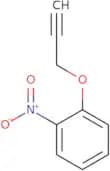
CAS:<p>6-Phenyl-pyrimidine-2,4-diol is a cyclobutane that can be found in acidic solutions. It can also be found as an enantiomeric mixture of the two stereoisomers, which are the result of a dimerisation reaction. The hydrated form of this molecule has been shown to react with nucleic acids and nucleobases. 6-Phenyl-pyrimidine-2,4-diol can be used as a precursor to form other molecules.</p>Formula:C10H8N2O2Purity:Min. 95%Molecular weight:188.19 g/mol1-nitro-2-(prop-2-yn-1-yloxy)benzene
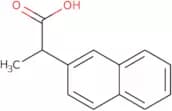
CAS:<p>1-nitro-2-(prop-2-yn-1-yloxy)benzene (NPPB) is a p-glycoprotein inhibitor that blocks the efflux of anticancer drugs from cancer cells. It has been shown to inhibit the cytotoxicity of verapamil, which is a calcium channel blocker used in the treatment of high blood pressure and coronary artery disease. NPPB is also a modulator that inhibits multidrug resistance, which is the ability of cancer cells to resist chemotherapy. This drug has been shown to induce apoptosis in a dose dependent manner, which means that it kills cancer cells when they are exposed to higher doses. NPPB can be used as an anticancer drug in combination with other drugs to increase its effectiveness and reduce toxicity.</p>Formula:C9H7NO3Purity:Min. 95%Molecular weight:177.15 g/mol2-(Naphthalen-2-yl)propanoic acid
CAS:<p>Naphthalen-2-ylpropanoic acid is a molecule that is used as an oral drug. It is a potentiator of opioid analgesics and has been shown to inactivate some types of bacterial cells. Naphthalen-2-ylpropanoic acid binds to the naphthol group of β-lactam antibiotics, which leads to their inactivation by covalent binding. This compound also inhibits the production of acetaminophen, which may be due to its inhibition of glutathione reductase enzymes. Naphthalen-2-ylpropanoic acid has been found to be safe for use in infants and children, as well as for adults, with no significant adverse effects observed at therapeutic doses.</p>Formula:C13H12O2Purity:Min. 95%Molecular weight:200.23 g/molSpiro[4.4]nonan-1-ol
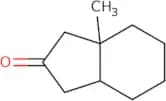
CAS:<p>Versatile small molecule scaffold</p>Formula:C9H16OPurity:Min. 95%Molecular weight:140.22 g/molrac-(3aR,7aS)-3a-Methyl-octahydro-1H-inden-2-one
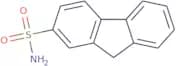
CAS:<p>Versatile small molecule scaffold</p>Formula:C10H16OPurity:Min. 95%Molecular weight:152.23 g/mol9H-Fluorene-2-sulfonamide
CAS:<p>Versatile small molecule scaffold</p>Formula:C13H11NO2SPurity:Min. 95%Molecular weight:245.3 g/mol(3-Methoxyadamantan-1-yl)methanamine hydrochloride
CAS:<p>Versatile small molecule scaffold</p>Formula:C12H22ClNOPurity:Min. 95%Molecular weight:231.8 g/molN-Ethylbutylamine
CAS:<p>N-Ethylbutylamine is an amine that is used as a raw material for the production of anti-infective agents and biodiesel. This chemical has a high boiling point, which makes it suitable for use in industrial processes such as chromatography and basic protein purification. It is also used as a solid catalyst to synthesize fatty acids from alcohols, amines, and glycerol. N-Ethylbutylamine can be synthesized by reacting carbon disulfide with anhydrous ammonia gas, followed by hydrolysis of the resulting ethylamine sulfate salt. This process produces hydrogen sulfide gas as a byproduct. The chemical has been shown to have receptor binding properties and intermolecular hydrogen bonding capabilities, both of which are important features in drug discovery research. N-Ethylbutylamine also exhibits uv absorption bands at 220 nm and 275 nm, making it useful in analytical chemistry techniques such as water vapor detection</p>Formula:C6H15NPurity:Min. 95%Molecular weight:186.25 g/mol2-[4-(2-Methylpropoxy)phenyl]acetic acid
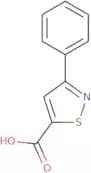
CAS:2-[4-(2-Methylpropoxy)phenyl]acetic acid is an acylating agent that is used to synthesize the target product, 4-hydroxyphenylacetic acid, in a hydrolysis reaction with methylester and azide. In the synthesis of pimavanserin, 2-[4-(2-methylpropoxy)phenyl]acetic acid is reacted with benzylamine in the presence of a carbamate to form an amide bond. The intermediate product is then reacted with tartrate to form the final product.Formula:C12H16O3Purity:Min. 95%Molecular weight:208.25 g/mol3-Phenyl-1,2-thiazole-5-carboxylic acid
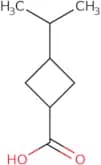
CAS:<p>Versatile small molecule scaffold</p>Formula:C10H7NO2SPurity:Min. 95%Molecular weight:205.23 g/mol3-(Propan-2-yl)cyclobutane-1-carboxylic acid
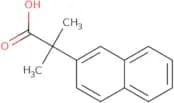
CAS:<p>Versatile small molecule scaffold</p>Formula:C8H14O2Purity:Min. 95%Molecular weight:142.2 g/mol2-Methyl-2-(2-naphthyl)propanoic acid
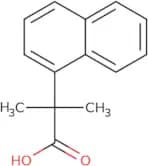
CAS:<p>Versatile small molecule scaffold</p>Formula:C14H14O2Purity:Min. 95%Molecular weight:214.27 g/mol2-Methyl-2-(naphthalen-1-yl)propanoic acid
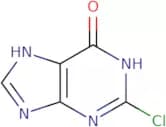
CAS:<p>Versatile small molecule scaffold</p>Formula:C14H14O2Purity:Min. 95%Molecular weight:214.26 g/mol2-Chloro-6-hydroxypurine
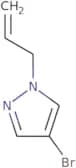
CAS:<p>2-Chloro-6-hydroxypurine is a purine derivative that inhibits the synthesis of nucleic acids, proteins and lipids. It has been shown to be effective in the treatment of myeloproliferative diseases and some forms of cancer. The 2-chloro-6-hydroxypurine molecule has two tautomeric forms, including the lactam form and the mesomeric form. The lactam form is more stable than the mesomeric form, but both forms are active in inhibiting DNA synthesis.</p>Formula:C5H3ClN4OPurity:Min. 95%Molecular weight:170.56 g/mol4-Bromo-1-(prop-2-en-1-yl)-1H-pyrazole
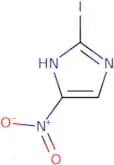
CAS:<p>Versatile small molecule scaffold</p>Formula:C6H7BrN2Purity:Min. 95%Molecular weight:187.04 g/mol2-Iodo-5-nitro-1H-imidazole
CAS:<p>2-Iodo-5-nitro-1H-imidazole is an intermediate in the synthesis of a number of drugs, including antibiotics, antiparasitics, and antimalarial agents. This compound is a potent inhibitor of bacterial growth and has shown some activity against protozoal infections.</p>Formula:C3H2IN3O2Purity:Min. 95%Molecular weight:238.97 g/mol4,5-Diiodo-1,2-dimethyl-1H-imidazole
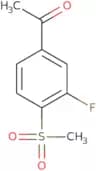
CAS:<p>Versatile small molecule scaffold</p>Formula:C5H6I2N2Purity:Min. 95%Molecular weight:347.92 g/mol3'-Fluoro-4'-(methylsulphonyl)acetophenone
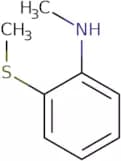
CAS:<p>Versatile small molecule scaffold</p>Formula:C9H9FO3SPurity:Min. 95%Molecular weight:216.23 g/molN-Methyl-2-(methylsulfanyl)aniline
CAS:<p>Versatile small molecule scaffold</p>Formula:C8H11NSPurity:Min. 95%Molecular weight:153.25 g/molN-{[4-(Propan-2-yl)phenyl]methylidene}hydroxylamine
CAS:<p>N-{[4-(Propan-2-yl)phenyl]methylidene}hydroxylamine is a tartrate reagent that is used in the asymmetric synthesis of chiral compounds. It has been shown to be effective in the synthesis of enantiomerically pure amines, ketones, and alcohols. This reagent has been shown to catalyze reactions with high enantioselectivities and tolerates a wide range of functional groups. The tartrate anion is formed stoichiometrically by the reaction of two equivalents of tartaric acid with one equivalent of a base such as dicyclohexyl or dimethylzinc. The glyoxal group may be converted to a dioxane by heating with ethylene glycol at 160 °C for 30 minutes. The acid ester may be hydrolyzed by heating with water at 100 °C for 2 hours.</p>Formula:C10H13NOPurity:Min. 95%Molecular weight:163.22 g/mol2-{[2-(Methylsulfanyl)phenoxy]methyl}oxirane
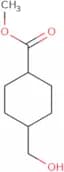
CAS:<p>Versatile small molecule scaffold</p>Formula:C10H12O2SPurity:Min. 95%Molecular weight:196.27 g/molMethyl cis-4-hydroxymethylcyclohexane-1-carboxylate
CAS:<p>Versatile small molecule scaffold</p>Formula:C9H16O3Purity:Min. 95%Molecular weight:172.22 g/mol[2-(Hydroxymethyl)oxolan-2-yl]methanol
CAS:<p>2-(Hydroxymethyl)oxolan-2-yl]methanol is a factor receptor agonist that has been shown to inhibit the growth of human colon cancer cells. The enantiomers of 2-(hydroxymethyl)oxolan-2-yl]methanol were found to have an opposite effect on cell proliferation in vitro, with the levorotatory form being more potent than the dextrorotatory form. This leads to inhibition of cell proliferation and differentiation, which may be due to its ability to induce phospholipase A2 activity and affect cellular signal transduction pathways. 2-(Hydroxymethyl)oxolan-2-yl]methanol is also able to inhibit tumorigenesis in mammary carcinoma cells and leukemia cells.</p>Formula:C6H12O3Purity:Min. 95%Molecular weight:132.16 g/molBicyclo[3.1.0]hexane-3-carboxylic acid
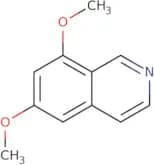
CAS:<p>Versatile small molecule scaffold</p>Formula:C7H10O2Purity:Min. 95%Molecular weight:126.15 g/mol6,8-Dimethoxyisoquinoline
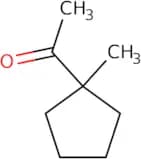
CAS:<p>Versatile small molecule scaffold</p>Formula:C11H11NO2Purity:Min. 95%Molecular weight:189.21 g/mol1-(1-Methylcyclopentyl)ethan-1-one
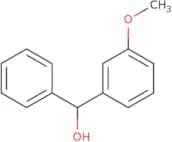
CAS:<p>Versatile small molecule scaffold</p>Formula:C8H14OPurity:Min. 95%Molecular weight:126.2 g/mol3-Methoxybenzhydrol
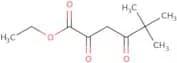
CAS:<p>Versatile small molecule scaffold</p>Formula:C14H14O2Purity:Min. 95%Molecular weight:214.26 g/molEthyl Trimethylacetopyruvate
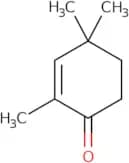
CAS:<p>Ethyl Trimethylacetopyruvate is a chemical compound that belongs to the class of organic ester compounds. It has been shown to have high proton chemical stability and strong hydrogen bonding properties. This compound also has a chelate ring, which is formed through a reaction between an acid and a metal ion, such as ethyl acetate (CH3CO2CH3) or ethyl propionate (CH3CO2CH2CH3). Ethyl Trimethylacetopyruvate is synthesized by reacting ethanol with trimethylacetaldehyde in the presence of sulfuric acid. This process produces two products: Ethyl 2-methylpropanoate (Et2MP) and Ethyl 3-methylbutanoate (Et3MB). The molecule's x-ray diffraction data has been obtained using synchrotron radiation, which can be used to study the molecular structure and identify its purity.</p>Formula:C10H16O4Purity:Min. 95%Molecular weight:200.23 g/mol2,4,4-Trimethylcyclohex-2-en-1-one
CAS:<p>2,4,4-Trimethylcyclohex-2-en-1-one (TMC) is a carbonyl group that has an oxime group. It can be used as an intermediate in the synthesis of dienones and ester compounds. TMC can be prepared by reacting 2,4,4-trimethylcyclohexanone with formaldehyde or acetaldehyde in the presence of a base. TMC is also used as a reagent for the synthesis of safranal and exocyclic dienones. Safranal is found in plants such as saffron, which gives it its distinctive aroma and flavor. Exocyclic dienones are found in plants such as coffee beans and vanilla beans.</p>Formula:C9H14OPurity:Min. 95%Color and Shape:PowderMolecular weight:138.21 g/mol2,3-Dimethylcyclohexan-1-one
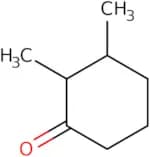
CAS:<p>2,3-Dimethylcyclohexan-1-one is a synthetic compound that belongs to the group of enolates. This molecule can be synthesized from 2,3-dimethylcyclohexane by alkylation with bromide and then reduction with sodium borohydride. It has anti-inflammatory properties that are due to its ability to inhibit prostaglandin synthesis. The levorotatory form is more active than the dextrorotatory form. Kinetic studies have shown that the stereoselectivity is dependent on the solvent and temperature used in the reaction.</p>Formula:C8H14OPurity:Min. 95%Molecular weight:126.2 g/mol4,4-Diethoxybut-1-yne
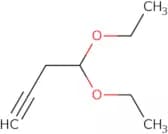
CAS:<p>4,4-Diethoxybut-1-yne is a versatile chemical that can be used in a variety of configurations. It is an efficient and trackable chemical that has been extracted from coal tar. The configurations of 4,4-diethoxybut-1-yne include the cis and trans isomers. This chemical can be used as a solvent in organic synthesis and as an intermediate in the production of pharmaceuticals. The stereochemistry of 4,4-diethoxybut-1-yne is controlled with the use of chiral auxiliary groups.</p>Formula:C8H14O2Purity:Min. 95%Molecular weight:142.2 g/mol(S)-alpha-methyl-phenylglycine
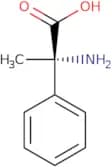
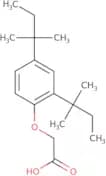
CAS:<p>Versatile small molecule scaffold</p>Formula:C9H11NO2Purity:Min. 95%Molecular weight:165.19 g/mol2,4-Di(tert-amyl)phenoxyacetic acid
CAS:<p>Versatile small molecule scaffold</p>Formula:C18H28O3Purity:Min. 95%Color and Shape:PowderMolecular weight:292.41 g/mol5,6,7,8-Tetrahydronaphthalene-2-carboxamide
CAS:<p>5,6,7,8-Tetrahydronaphthalene-2-carboxamide is a substance that belongs to the category of alkoxy groups. It has a hydrogen atom and an oxygen atom. A methoxy group can be found in its structure. This substance also has a nitrogen atom and an alkyl group. 5,6,7,8-Tetrahydronaphthalene-2-carboxamide is an organic chemical with pharmacological properties. The substance is also known as 1-(3-(1-methylethyl)phenyl)-5,5-dimethylhydantoin. It has two different isomers: 2-(3-(1-methylethyl)phenyl)-5,5-dimethylhydantoin and 3-(3-(1-methylethyl)phenyl)-5,5-dimethylhydantoin.</p>Formula:C11H13NOPurity:Min. 95%Molecular weight:175.23 g/mol
![5-chloro-[1,3]thiazolo[5,4-d]pyrimidine](/_next/image/?url=https%3A%2Fstatic.cymitquimica.com%2Fproducts%2F3D%2Fthumb-webp%2FNAA31608.webp&w=3840&q=75)

![3-Methyl-3,9-diazaspiro[5,5]undecane](/_next/image/?url=https%3A%2Fstatic.cymitquimica.com%2Fproducts%2F3D%2Fthumb-webp%2FNAA32345.webp&w=3840&q=75)
![2-[(Carboxymethyl)sulfanyl]-2-methylpropanoic acid](/_next/image/?url=https%3A%2Fstatic.cymitquimica.com%2Fproducts%2F3D%2Fthumb-webp%2FNAA33092.webp&w=3840&q=75)

![Spiro[4.4]nonan-1-ol](/_next/image/?url=https%3A%2Fstatic.cymitquimica.com%2Fproducts%2F3D%2Fthumb-webp%2FNAA35081.webp&w=3840&q=75)

![2-[4-(2-Methylpropoxy)phenyl]acetic acid](/_next/image/?url=https%3A%2Fstatic.cymitquimica.com%2Fproducts%2F3D%2Fthumb-webp%2FNAA36294.webp&w=3840&q=75)
![N-{[4-(Propan-2-yl)phenyl]methylidene}hydroxylamine](/_next/image/?url=https%3A%2Fstatic.cymitquimica.com%2Fproducts%2F3D%2Fthumb-webp%2FNAA37280.webp&w=3840&q=75)
![2-{[2-(Methylsulfanyl)phenoxy]methyl}oxirane](/_next/image/?url=https%3A%2Fstatic.cymitquimica.com%2Fproducts%2F3D%2Fthumb-webp%2FNAA37985.webp&w=3840&q=75)
![[2-(Hydroxymethyl)oxolan-2-yl]methanol](/_next/image/?url=https%3A%2Fstatic.cymitquimica.com%2Fproducts%2F3D%2Fthumb-webp%2FNAA38657.webp&w=3840&q=75)
![Bicyclo[3.1.0]hexane-3-carboxylic acid](/_next/image/?url=https%3A%2Fstatic.cymitquimica.com%2Fproducts%2F3D%2Fthumb-webp%2FNAA38851.webp&w=3840&q=75)