Building Blocks
This section contains fundamental products for the synthesis of organic and biological compounds. Building blocks are the essential starting materials used to construct complex molecules through various chemical reactions. They play a critical role in drug discovery, material science, and chemical research. At CymitQuimica, we offer a diverse range of high-quality building blocks to support your innovative research and industrial projects, ensuring you have the essential components for successful synthesis.
Subcategories of "Building Blocks"
- Boronic Acids & Boronic Acid Derivatives(5,756 products)
- Chiral Building Blocks(1,242 products)
- Hydrocarbon Building Blocks(6,095 products)
- Organic Building Blocks(61,055 products)
Found 199650 products of "Building Blocks"
Sort by
Purity (%)
0
100
|
0
|
50
|
90
|
95
|
100
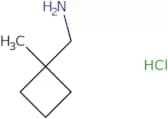
(1-Methylcyclobutyl)methanamine hydrochloride
CAS:<p>Versatile small molecule scaffold</p>Formula:C6H14ClNPurity:Min. 95%Molecular weight:135.64 g/mol5-Fluoro-[1,2,4]triazolo[1,5-a]pyridin-2-amine
CAS:<p>Versatile small molecule scaffold</p>Formula:C6H5FN4Purity:Min. 95%Molecular weight:152.13 g/mol6-Iodo-[1,2,4]triazolo[1,5-a]pyridin-2-amine
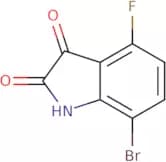
CAS:Versatile small molecule scaffoldFormula:C6H5IN4Purity:Min. 95%Molecular weight:260.04 g/mol7-Bromo-4-fluoroindoline-2,3-dione
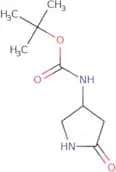
CAS:<p>7-Bromo-4-fluoroindoline-2,3-dione is an experimental industrial solvent that belongs to the class of sulfates. It is a precursor for the synthesis of chloral and other potentially useful compounds. 7-Bromo-4-fluoroindoline-2,3-dione can be prepared by using a solvent system consisting of ethanol, sulfuric acid, and hydroxylamine. The intermediate 7-bromoindoline can be obtained by reacting 2 equivalents of bromine with 2 equivalents of ethyl acetate in the presence of sulfuric acid and hydroxylamine. The cyclization reaction can then be performed on 7-bromoindoline to give 7-bromo-4-fluoroindoline.</p>Formula:C8H3BrFNO2Purity:Min. 95%Molecular weight:244.02 g/mol4-Aminopyrrolidin-2-one, 4-BOC protected
CAS:<p>Versatile small molecule scaffold</p>Formula:C9H16N2O3Purity:Min. 95%Molecular weight:200.23 g/mol[3-(1H-Pyrazol-1-yl)phenyl]methanamine hydrochloride
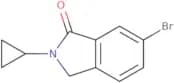
CAS:<p>Versatile small molecule scaffold</p>Formula:C10H12ClN3Purity:Min. 95%Molecular weight:209.67 g/mol6-Bromo-2-cyclopropylisoindolin-1-one
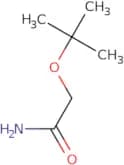
CAS:<p>Versatile small molecule scaffold</p>Formula:C11H10NOBrPurity:Min. 95%Molecular weight:252.11 g/mol2-(tert-Butoxy)acetamide
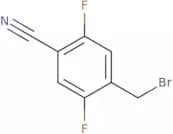
CAS:<p>Versatile small molecule scaffold</p>Formula:C6H13NO2Purity:Min. 95%Molecular weight:131.17 g/mol4-(Bromomethyl)-2,5-difluorobenzonitrile
CAS:<p>Versatile small molecule scaffold</p>Formula:C8H4BrF2NPurity:Min. 95%Molecular weight:232.02 g/mol2-[4-(Bromomethyl)-3-fluorophenyl]-1,3-oxazole
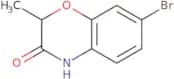
CAS:<p>Versatile small molecule scaffold</p>Formula:C10H7NOFBrPurity:Min. 95%Molecular weight:256.07 g/mol7-Bromo-2-methyl-3,4-dihydro-2H-1,4-benzoxazin-3-one
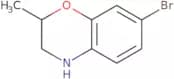
CAS:<p>Versatile small molecule scaffold</p>Formula:C9H8BrNO2Purity:Min. 95%Molecular weight:242.07 g/mol7-Bromo-2-methyl-3,4-dihydro-2H-1,4-benzoxazine
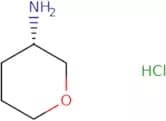
CAS:<p>Versatile small molecule scaffold</p>Formula:C9H10BrNOPurity:Min. 95%Molecular weight:228.09 g/mol(S)-Tetrahydro-2H-pyran-3-amine hydrochloride
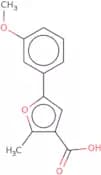
CAS:<p>Versatile small molecule scaffold</p>Formula:C5H12ClNOPurity:Min. 95%Molecular weight:137.61 g/mol5-(3-Methoxyphenyl)-2-methylfuran-3-carboxylic acid
CAS:<p>Versatile small molecule scaffold</p>Formula:C13H12O4Purity:Min. 95%Molecular weight:232.2 g/mol1-[(5-Fluorothiophen-2-yl)methyl]piperazine
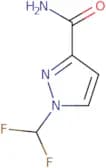
CAS:<p>Versatile small molecule scaffold</p>Formula:C9H13FN2SPurity:Min. 95%Molecular weight:200.28 g/mol1-(Difluoromethyl)-1H-pyrazole-3-carboxamide
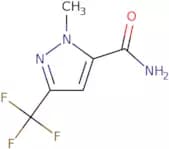
CAS:<p>Versatile small molecule scaffold</p>Formula:C5H5F2N3OPurity:Min. 95%Molecular weight:161.11 g/mol1-Methyl-3-(trifluoromethyl)-1H-pyrazole-5-carboxamide
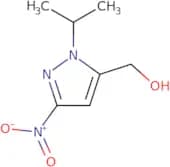
CAS:Versatile small molecule scaffoldFormula:C6H6F3N3OPurity:Min. 95%Molecular weight:193.13 g/mol(1-Isopropyl-3-nitro-1H-pyrazol-5-yl)methanol
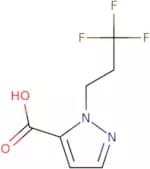
CAS:<p>Versatile small molecule scaffold</p>Formula:C7H11N3O3Purity:Min. 95%Molecular weight:185.18 g/mol1-(3,3,3-Trifluoropropyl)-1H-pyrazole-5-carboxylic acid
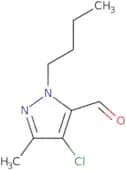
CAS:<p>Versatile small molecule scaffold</p>Formula:C7H7F3N2O2Purity:Min. 95%Molecular weight:208.14 g/mol1-Butyl-4-chloro-3-methyl-1H-pyrazole-5-carbaldehyde
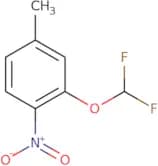
CAS:<p>Versatile small molecule scaffold</p>Formula:C9H13ClN2OPurity:Min. 95%Molecular weight:200.66 g/mol2-(Difluoromethoxy)-4-methyl-1-nitrobenzene
CAS:Versatile small molecule scaffoldFormula:C8H7F2NO3Purity:Min. 95%Molecular weight:203.14 g/mol[1-(Difluoromethyl)-1H-pyrazol-5-yl]methanol
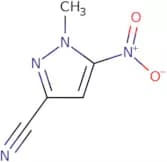
CAS:<p>Versatile small molecule scaffold</p>Formula:C5H6N2OF2Purity:Min. 95%Molecular weight:148.11 g/mol1-Methyl-5-nitro-pyrazole-3-carbonitrile
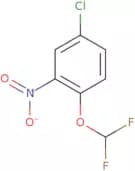
CAS:<p>Versatile small molecule scaffold</p>Formula:C5H4N4O2Purity:Min. 95%Molecular weight:152.11 g/mol4-Chloro-1-(difluoromethoxy)-2-nitrobenzene
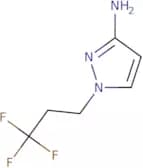
CAS:<p>Versatile small molecule scaffold</p>Formula:C7H4ClF2NO3Purity:Min. 95%Molecular weight:223.56 g/mol1-(3,3,3-Trifluoropropyl)-1H-pyrazol-3-amine
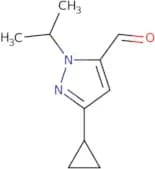
CAS:<p>Versatile small molecule scaffold</p>Formula:C6H8F3N3Purity:Min. 95%Molecular weight:179.14 g/mol3-Cyclopropyl-1-(propan-2-yl)-1H-pyrazole-5-carbaldehyde
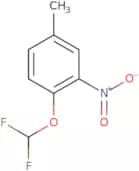
CAS:<p>Versatile small molecule scaffold</p>Formula:C10H14N2OPurity:Min. 95%Molecular weight:178.23 g/mol1-(Difluoromethoxy)-4-methyl-2-nitrobenzene
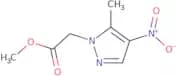
CAS:<p>Versatile small molecule scaffold</p>Formula:C8H7F2NO3Purity:Min. 95%Molecular weight:203.14 g/molMethyl 2-(5-methyl-4-nitro-1H-pyrazol-1-yl)acetate
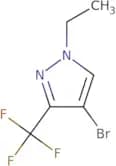
CAS:<p>Versatile small molecule scaffold</p>Formula:C7H9N3O4Purity:Min. 95%Molecular weight:199.16 g/mol4-Bromo-1-ethyl-3-(trifluoromethyl)pyrazole
CAS:<p>Versatile small molecule scaffold</p>Formula:C6H6BrF3N2Purity:Min. 95%Molecular weight:243.03 g/mol3-Amino-1-benzyl-3-methylthiourea
CAS:<p>3-Amino-1-benzyl-3-methylthiourea (MBT) is a cationic organosulfur compound with a trifluoroacetic acid moiety. It is also known as 3-aminobenzyl methylthiocarbamate or 3,3'-diacetylbenzyl methylthiocarbamate. MBT is a cyclized product of trifluoroacetic acid and phenylglyoxal, which has been used in the synthesis of various organic compounds. The chemical properties of MBT are similar to those of diacetyl and acetaldehyde, but it does not have the unpleasant odor associated with these substances. In addition, MBT does not react with proteins and is less toxic than other carbonyl compounds.</p>Formula:C9H13N3SPurity:Min. 95%Molecular weight:195.29 g/mol(4-Methoxy-3-nitrophenyl)methanamine hydrochloride
CAS:<p>Versatile small molecule scaffold</p>Formula:C8H11ClN2O3Purity:Min. 95%Molecular weight:218.64 g/mol5-Cyclopropyl-1,2-oxazol-3-amine
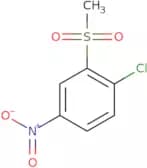
CAS:<p>Versatile small molecule scaffold</p>Formula:C6H8N2OPurity:Min. 95%Molecular weight:124.14 g/mol1-chloro-2-methanesulfonyl-4-nitrobenzene
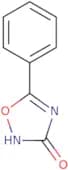
CAS:<p>Versatile small molecule scaffold</p>Formula:C7H6ClNO4SPurity:Min. 95%Molecular weight:235.64 g/mol5-Phenyl-2,3-dihydro-1,2,4-oxadiazol-3-one
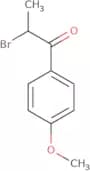
CAS:<p>Versatile small molecule scaffold</p>Formula:C8H6N2O2Purity:Min. 95%Molecular weight:162.15 g/mol2-Bromo-1-(4-methoxyphenyl)propan-1-one
CAS:<p>2-Bromo-1-(4-methoxyphenyl)propan-1-one is a synthetic molecule that has been used to induce apoptosis in tumor cells. It reacts with ethanolamine to form 2,2'-dibromoethyl ether, which then reacts with nitrobenzene to produce the carcinogenic compound 4-nitrophenol. This compound induces apoptosis by inhibiting DNA synthesis and protein synthesis. The reaction time for this process is about 1 hour at room temperature. The structure of 2-bromo-1-(4-methoxyphenyl)propan-1-one is shown below:</p>Formula:C10H11BrO2Purity:Min. 95%Molecular weight:243.1 g/molCINNAMYL CHLORIDE
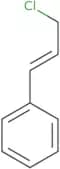
CAS:The asymmetric synthesis of cinnamyl chloride is achieved using a palladium-catalyzed coupling reaction. Cinnamyl chloride is a chiral compound that has been shown to have anti-inflammatory properties and inhibit acetylcholinesterase (AChE) activity. The enzyme inhibition mechanism of cinnamyl chloride is not well-understood, but it may be attributed to the allylation of the nitrogen atoms in the molecule. Cinnamyl chloride inhibits AChE by binding to its active site, which prevents the hydrolysis of acetylcholine, an important neurotransmitter for memory and learning. This leads to increased levels of acetylcholine in the brain and increases neuron activity.Formula:C9H9ClPurity:Min. 95%Molecular weight:152.62 g/mol2-[(Benzenesulfonyl)methyl]-1H-1,3-benzodiazole
CAS:<p>Versatile small molecule scaffold</p>Formula:C14H12N2O2SPurity:Min. 95%Molecular weight:272.32 g/mol1-[(Dimethylamino)methyl]cyclohexan-1-ol
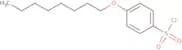
CAS:<p>Versatile small molecule scaffold</p>Formula:C9H19NOPurity:Min. 95%Molecular weight:157.25 g/mol4-(Octyloxy)benzene-1-sulfonyl chloride
CAS:Versatile small molecule scaffoldFormula:C14H21ClO3SPurity:Min. 95%Molecular weight:304.8 g/mol1-{4-[(Trifluoromethyl)sulfanyl]phenyl}ethan-1-ol
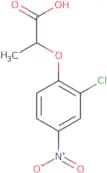
CAS:<p>Versatile small molecule scaffold</p>Formula:C9H9F3OSPurity:Min. 95%Molecular weight:222.23 g/mol2-(2-Chloro-4-nitrophenoxy)propanoic acid
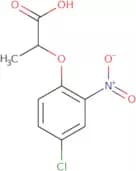
CAS:<p>Versatile small molecule scaffold</p>Formula:C9H8ClNO5Purity:Min. 95%Molecular weight:245.61 g/mol2-(4-Chloro-2-nitrophenoxy)propanoic acid
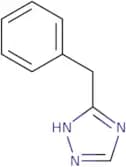
CAS:<p>Versatile small molecule scaffold</p>Formula:C9H8ClNO5Purity:Min. 95%Molecular weight:245.61 g/mol3-Benzyl-4H-1,2,4-triazole
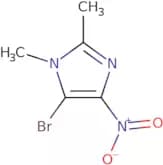
CAS:<p>Versatile small molecule scaffold</p>Formula:C9H9N3Purity:Min. 95%Molecular weight:159.19 g/mol5-Bromo-1,2-dimethyl-4-nitro-1H-imidazole
CAS:<p>Versatile small molecule scaffold</p>Formula:C5H6BrN3O2Purity:Min. 95%Molecular weight:220.02 g/mol3-Oxo-2-azabicyclo[2.2.2]octane-1-carboxamide
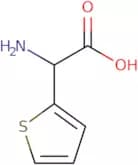
CAS:<p>Versatile small molecule scaffold</p>Formula:C8H12N2O2Purity:Min. 95%Molecular weight:168.19 g/molDL-±-Amino-2-thiopheneacetic acid
CAS:<p>D-2-Amino-thiopheneacetic acid (DAT) is a non-selective endothelin receptor antagonist. It has an IC50 value of 2 nM for bq-123, an affinity that is mediated by receptor subtypes, and inhibits cyclic AMP production in the presence of hexapeptide. DAT was discovered as a cyclic peptide antagonist of the endothelin receptor. It binds to the same site on the endothelin receptor as endothelin itself, preventing it from binding to its receptors on cells in the body. This prevents activation of cellular responses to endothelin, such as vasoconstriction, which can lead to high blood pressure and heart disease. DAT also has been shown to have anti-inflammatory properties due to its ability to inhibit prostaglandin synthesis.</p>Formula:C6H7NO2SPurity:Min. 95%Molecular weight:157.19 g/mol2,4-Dioxo-1,3-diazaspiro[4.5]decane-8-carboxylic acid
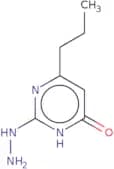
CAS:<p>Versatile small molecule scaffold</p>Formula:C9H12N2O4Purity:Min. 95%Molecular weight:212.2 g/mol2-Hydrazinyl-6-propyl-3,4-dihydropyrimidin-4-one
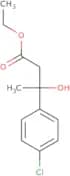
CAS:<p>Versatile small molecule scaffold</p>Formula:C7H12N4OPurity:Min. 95%Molecular weight:168.2 g/molEthyl 3-(4-chlorophenyl)-3-hydroxybutanoate
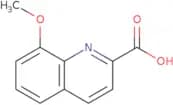
CAS:<p>Versatile small molecule scaffold</p>Formula:C12H15ClO3Purity:Min. 95%Molecular weight:242.7 g/mol8-Methoxyquinoline-2-carboxylic acid
CAS:<p>8-Methoxyquinoline-2-carboxylic acid (8MQCA) is a carboxylate that has been shown to be an effective antibacterial agent. 8MQCA can inhibit the growth of bacteria by binding to the cell wall and inhibiting the synthesis of proteins, leading to cell death. The bactericidal effect of 8MQCA against Escherichia coli and Pseudomonas aeruginosa was demonstrated using a recording technique in which the inhibition of bacterial growth was measured as a function of time. It is also used as an additive in food packaging films and paperboard to prevent photofading. 8MQCA is stable at elevated temperatures and pH levels, making it suitable for use in food packaging materials.</p>Formula:C11H9NO3Purity:Min. 95%Molecular weight:203.19 g/mol

![5-Fluoro-[1,2,4]triazolo[1,5-a]pyridin-2-amine](/_next/image/?url=https%3A%2Fstatic.cymitquimica.com%2Fproducts%2F3D%2Fthumb-webp%2FVZB64762.webp&w=3840&q=75)
![6-Iodo-[1,2,4]triazolo[1,5-a]pyridin-2-amine](/_next/image/?url=https%3A%2Fstatic.cymitquimica.com%2Fproducts%2F3D%2Fthumb-webp%2FVZB64765.webp&w=3840&q=75)
![[3-(1H-Pyrazol-1-yl)phenyl]methanamine hydrochloride](/_next/image/?url=https%3A%2Fstatic.cymitquimica.com%2Fproducts%2F3D%2Fthumb-webp%2FVZB64913.webp&w=3840&q=75)
![2-[4-(Bromomethyl)-3-fluorophenyl]-1,3-oxazole](/_next/image/?url=https%3A%2Fstatic.cymitquimica.com%2Fproducts%2F3D%2Fthumb-webp%2FVZB65129.webp&w=3840&q=75)
![1-[(5-Fluorothiophen-2-yl)methyl]piperazine](/_next/image/?url=https%3A%2Fstatic.cymitquimica.com%2Fproducts%2F3D%2Fthumb-webp%2FVZB77149.webp&w=3840&q=75)
![[1-(Difluoromethyl)-1H-pyrazol-5-yl]methanol](/_next/image/?url=https%3A%2Fstatic.cymitquimica.com%2Fproducts%2F3D%2Fthumb-webp%2FVZB77228.webp&w=3840&q=75)


![2-[(Benzenesulfonyl)methyl]-1H-1,3-benzodiazole](/_next/image/?url=https%3A%2Fstatic.cymitquimica.com%2Fproducts%2F3D%2Fthumb-webp%2FWAA09470.webp&w=3840&q=75)
![1-[(Dimethylamino)methyl]cyclohexan-1-ol](/_next/image/?url=https%3A%2Fstatic.cymitquimica.com%2Fproducts%2F3D%2Fthumb-webp%2FWAA09516.webp&w=3840&q=75)
![1-{4-[(Trifluoromethyl)sulfanyl]phenyl}ethan-1-ol](/_next/image/?url=https%3A%2Fstatic.cymitquimica.com%2Fproducts%2F3D%2Fthumb-webp%2FWAA10166.webp&w=3840&q=75)
![3-Oxo-2-azabicyclo[2.2.2]octane-1-carboxamide](/_next/image/?url=https%3A%2Fstatic.cymitquimica.com%2Fproducts%2F3D%2Fthumb-webp%2FWAA12149.webp&w=3840&q=75)
![2,4-Dioxo-1,3-diazaspiro[4.5]decane-8-carboxylic acid](/_next/image/?url=https%3A%2Fstatic.cymitquimica.com%2Fproducts%2F3D%2Fthumb-webp%2FWAA12982.webp&w=3840&q=75)