


Building Blocks
This section contains fundamental products for the synthesis of organic and biological compounds. Building blocks are the essential starting materials used to construct complex molecules through various chemical reactions. They play a critical role in drug discovery, material science, and chemical research. At CymitQuimica, we offer a diverse range of high-quality building blocks to support your innovative research and industrial projects, ensuring you have the essential components for successful synthesis.
Subcategories of "Building Blocks"
- Boronic Acids & Boronic Acid Derivatives(5,756 products)
- Chiral Building Blocks(1,242 products)
- Hydrocarbon Building Blocks(6,095 products)
- Organic Building Blocks(61,038 products)
Found 196817 products of "Building Blocks"
Sort by
Purity (%)
0
100
|
0
|
50
|
90
|
95
|
100
2-{[4-Phenyl-5-(pyridin-4-yl)-4H-1,2,4-triazol-3-yl]sulfanyl}acetic acid
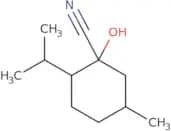
CAS:<p>Versatile small molecule scaffold</p>Formula:C15H12N4O2SPurity:Min. 95%Molecular weight:312.3 g/mol(1R,2S,5R)-1-Hydroxy-5-methyl-2-(propan-2-yl)cyclohexane-1-carbonitrile
CAS:<p>Versatile small molecule scaffold</p>Formula:C11H19NOPurity:Min. 95%Molecular weight:181.3 g/molRef: 3D-SPA93958
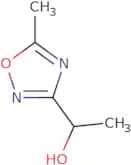
Discontinued product1-(5-Methyl-1,2,4-oxadiazol-3-yl)ethan-1-ol
CAS:<p>Versatile small molecule scaffold</p>Formula:C5H8N2O2Purity:Min. 95%Molecular weight:128.13 g/molRef: 3D-SNC58637
Discontinued producttert-Butyl N-(3-amino-2-methylbutan-2-yl)carbamate
CAS:<p>Versatile small molecule scaffold</p>Formula:C10H22N2O2Purity:Min. 95%Molecular weight:202.3 g/molRef: 3D-SLC84728
Discontinued product5-Oxo-1-[4-(trifluoromethyl)phenyl]-pyrrolidine-3-carboxylic acid
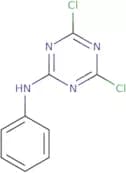
CAS:<p>Versatile small molecule scaffold</p>Formula:C12H10F3NO3Purity:Min. 95%Molecular weight:273.21 g/mol4,6-Dichloro-N-phenyl-1,3,5-triazin-2-amine
CAS:<p>4,6-Dichloro-N-phenyl-1,3,5-triazin-2-amine is a reactive and labile compound that has been shown to inhibit the nuclear factor kappa B (NF-κB). It is an analog of 2,4,6,-trichlorophenyl-1,3,5-triazine. 4,6-Dichloro-N-phenylsulfonyl triazin-2 amine is a chlorinated derivative of 4,6 dichloro triazin 2 amine. The chlorine atom in the molecule may be replaced with a cyanuric or chloride group. This chemical compound is used in dyestuffs and as a precursor for other chemicals. The effect varies depending on the dose administered.</p>Formula:C9H6Cl2N4Purity:Min. 95%Molecular weight:241.08 g/moltert-Butyl N-benzylcarbamate
CAS:<p>Tert-Butyl N-benzylcarbamate is a synthetic compound that is being developed for the treatment of cancer. It is an analog of carmustine, a drug used for the treatment of brain tumors, and has been shown to be effective against cell lines in vitro. Tert-Butyl N-benzylcarbamate binds to DNA and inhibits protein synthesis, leading to cancer cell death. The drug also inhibits the growth of cancer cells by inhibiting chloride channels and blocking the influx of hydrogen chloride into cells. Tert-Butyl N-benzylcarbamate has not been tested in humans yet, but it has shown promising results in animal models.</p>Formula:C12H17NO2Purity:Min. 95%Molecular weight:207.27 g/molN-[3-(Aminomethyl)phenyl]cyclobutanecarboxamide
CAS:<p>Versatile small molecule scaffold</p>Formula:C12H16N2OPurity:Min. 95%Molecular weight:204.27 g/molRef: 3D-BMB24704
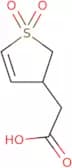
Discontinued product2,3-Dihydro-3-thiopheneacetic acid 1,1-dioxide
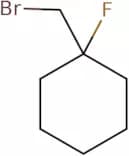
CAS:<p>2,3-Dihydro-3-thiopheneacetic acid 1,1-dioxide is a nucleophilic reagent that can be used to synthesize amides. It reacts with amines to form 2,3-dihydro-3-thiophenecarboxylic acid 1,1-diamide. Reactions of this compound with heterocycles such as pyridine and quinoline result in the formation of heterocyclic amines.</p>Formula:C6H8O4SPurity:Min. 95%Molecular weight:176.19 g/mol1-(Bromomethyl)-1-fluorocyclohexane
CAS:<p>Versatile small molecule scaffold</p>Formula:C7H12BrFPurity:Min. 95%Molecular weight:195.07 g/molRef: 3D-SAA17100
Discontinued product8-Thia-1-azabicyclo[3.2.1]octane-5-carboxylic acid 8,8-dioxide
CAS:<p>Versatile small molecule scaffold</p>Formula:C7H11NO4SPurity:Min. 95%Molecular weight:205.2 g/molRef: 3D-RPD13848
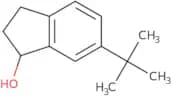
Discontinued product6-tert-Butyl-2,3-dihydro-1H-inden-1-ol
CAS:<p>Versatile small molecule scaffold</p>Formula:C13H18OPurity:Min. 95%Molecular weight:190.28 g/molRef: 3D-BLA89009
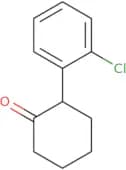
Discontinued product2-(2-Chlorophenyl)cyclohexan-1-one
CAS:<p>Versatile small molecule scaffold</p>Formula:C12H13ClOPurity:Min. 95%Molecular weight:208.68 g/molRef: 3D-RDA39349
Discontinued product1'-(tert-Butoxycarbonyl)-[1,4'-bipiperidine]-4-carboxylic acid
CAS:<p>Versatile small molecule scaffold</p>Formula:C16H28N2O4Purity:Min. 95%Molecular weight:312.4 g/molRef: 3D-BIA81059
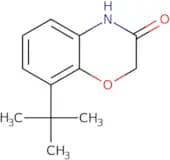
Discontinued product8-tert-Butyl-3,4-dihydro-2H-1,4-benzoxazin-3-one
CAS:<p>Versatile small molecule scaffold</p>Formula:C12H15NO2Purity:Min. 95%Molecular weight:205.25 g/molRef: 3D-RAC91566
Discontinued productrac-(1R,3R,5S)-8-Oxobicyclo[3.2.1]octane-3-carboxylic acid, exo
CAS:<p>Versatile small molecule scaffold</p>Formula:C9H12O3Purity:Min. 95%Molecular weight:168.19 g/mol2-[Cyclobutyl(methyl)amino]ethan-1-ol
CAS:<p>Versatile small molecule scaffold</p>Formula:C7H15NOPurity:Min. 95%Molecular weight:129.2 g/molRef: 3D-IFC45242
Discontinued product3-[1-Ethyl-5-(morpholine-4-sulfonyl)-1H-1,3-benzodiazol-2-yl]propanoic acid
CAS:<p>Versatile small molecule scaffold</p>Formula:C16H21N3O5SPurity:Min. 95%Molecular weight:367.4 g/mol2-Boc-8-amino-5-thia-2-azaspiro[3.4]octane 5,5-dioxide
CAS:<p>Versatile small molecule scaffold</p>Formula:C11H20N2O4SPurity:Min. 95%Molecular weight:276.35 g/molRef: 3D-QDC48183
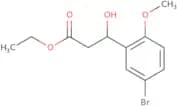
Discontinued productEthyl 3-(5-bromo-2-methoxyphenyl)-3-hydroxypropanoate
CAS:<p>Versatile small molecule scaffold</p>Formula:C12H15BrO4Purity:Min. 95%Molecular weight:303.15 g/molRef: 3D-QCC36863
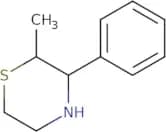
Discontinued product2-Methyl-3-phenylthiomorpholine
CAS:<p>Versatile small molecule scaffold</p>Formula:C11H15NSPurity:Min. 95%Molecular weight:193.31 g/molRef: 3D-QCC36543
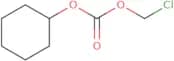
Discontinued productChloromethyl cyclohexyl carbonate
CAS:<p>Chloromethyl cyclohexyl carbonate is a new acyclic nucleoside phosphonate that has been shown to have antiviral properties. It is active against HIV strains and inhibits the production of clotting factors. Chloromethyl cyclohexyl carbonate can be used as a drug substance for treating bowel disease, hepatitis, and cancer. It also modulates syncytial cells and heterocycles. Pharmacokinetic studies on chloromethyl cyclohexyl carbonate have shown that it has high bioavailability in the small intestine and liver after oral administration. It is metabolized by tyrosine kinase, which indicates that it may interfere with other drugs such as warfarin or phenytoin. Chloromethyl cyclohexyl carbonate has been found to be effective in treating gastritis and cancer in animal models.</p>Formula:C8H13ClO3Purity:Min. 95%Molecular weight:192.64 g/mol3-Cyclohexyl-N-hydroxypropanamide
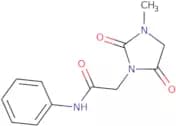
CAS:<p>Versatile small molecule scaffold</p>Formula:C9H17NO2Purity:Min. 95%Molecular weight:171.24 g/mol2-(3-Methyl-2,5-dioxoimidazolidin-1-yl)-N-phenylacetamide
CAS:<p>Versatile small molecule scaffold</p>Formula:C12H13N3O3Purity:Min. 95%Molecular weight:247.25 g/molRef: 3D-FEB25301
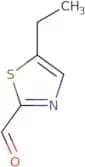
Discontinued product5-Ethyl-1,3-thiazole-2-carbaldehyde
CAS:<p>Versatile small molecule scaffold</p>Formula:C6H7NOSPurity:Min. 95%Molecular weight:141.19 g/molRef: 3D-PNA98968
Discontinued product5-Methyl-1H-indol-6-amine
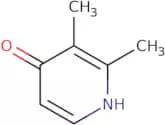
CAS:<p>Versatile small molecule scaffold</p>Formula:C9H10N2Purity:Min. 95%Molecular weight:146.19 g/mol2,3-Dimethyl-1,4-dihydropyridin-4-one
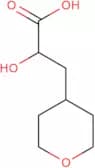
CAS:<p>Versatile small molecule scaffold</p>Formula:C7H9NOPurity:Min. 95%Molecular weight:123.15 g/mol2-Hydroxy-3-(oxan-4-yl)propanoic acid
CAS:<p>Versatile small molecule scaffold</p>Formula:C8H14O4Purity:Min. 95%Molecular weight:174.19 g/molRef: 3D-PCC90160
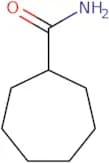
Discontinued productCycloheptanecarboxamide
CAS:<p>Cycloheptanecarboxamide is a cellular amide that is used in the study of β-amino acids. Cycloheptanecarboxamide is a prodrug that is converted to cycloheptylamine, which has been shown to be an inhibitor of proliferation and a potent inhibitor of inflammatory diseases. Cycloheptylamine also inhibits the production of aliphatic hydrocarbons and mineralocorticoids, as well as the activation of mineralocorticoid receptors. It has been shown to be an organic solution that can be used to generate tartrate-resistant acid potassium ions (TRAP).</p>Formula:C8H15NOPurity:Min. 95%Molecular weight:141.21 g/molRef: 3D-BAA45939
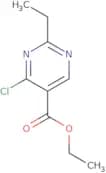
Discontinued productEthyl 4-chloro-2-ethylpyrimidine-5-carboxylate
CAS:<p>Versatile small molecule scaffold</p>Formula:C9H11ClN2O2Purity:Min. 95%Molecular weight:214.65 g/molRef: 3D-PCA17981
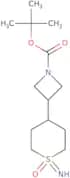
Discontinued producttert-Butyl 3-(1-imino-1-oxo-1λ⁶-thian-4-yl)azetidine-1-carboxylate
CAS:<p>Versatile small molecule scaffold</p>Formula:C13H24N2O3SPurity:Min. 95%Molecular weight:288.4 g/molRef: 3D-AVD26843
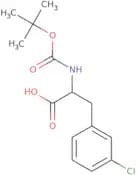
Discontinued product2-tert-Butoxycarbonylamino-3-(3-chloro-phenyl)-propionic Acid
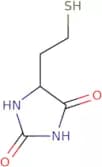
CAS:<p>Versatile small molecule scaffold</p>Formula:C14H18ClNO4Purity:Min. 95%Molecular weight:299.75 g/mol5-(2-Sulfanylethyl)imidazolidine-2,4-dione
CAS:<p>Versatile small molecule scaffold</p>Formula:C5H8N2O2SPurity:Min. 95%Molecular weight:160.2 g/mol5-Chloro-2-(methanesulfonylmethyl)aniline
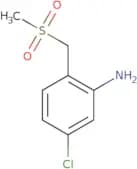
CAS:<p>Versatile small molecule scaffold</p>Formula:C8H10ClNO2SPurity:Min. 95%Molecular weight:219.69 g/molRef: 3D-AAC98811
Discontinued product2-Amino-N-(quinolin-8-yl)acetamide
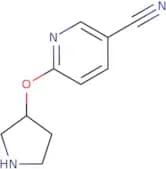
CAS:<p>2-Amino-N-(quinolin-8-yl)acetamide is a fluorescent inorganic compound. It has been shown to have a high affinity for chloride, with nanotube structures that are able to bind the chloride ions by supramolecular interactions. This binding prevents the chloride from interacting with other biomolecules, such as proteins and DNA. The energy of this interaction can be measured using fluorophore spectroscopy, which can be used for bioassays and medical imaging. 2-Amino-N-(quinolin-8-yl)acetamide has also been shown to have an ability to interact with zinc ions (Zn2+) in electrospray experiments, resulting in the emission of fluorescence.</p>Formula:C11H11N3OPurity:Min. 95%Molecular weight:201.22 g/mol6-(Pyrrolidin-3-yloxy)pyridine-3-carbonitrile
CAS:<p>Versatile small molecule scaffold</p>Formula:C10H11N3OPurity:Min. 95%Molecular weight:189.21 g/molRef: 3D-AAC16328
Discontinued product4-Aminoisothiochroman 2,2-dioxide hydrochloride
CAS:<p>Versatile small molecule scaffold</p>Formula:C9H12ClNO2SPurity:Min. 95%Molecular weight:233.72 g/molRef: 3D-MXB83061
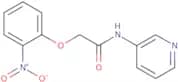
Discontinued product2-(2-Nitrophenoxy)-N-(pyridin-3-yl)acetamide
CAS:<p>Versatile small molecule scaffold</p>Formula:C13H11N3O4Purity:Min. 95%Molecular weight:273.24 g/mol7',8'-Dihydro-6'H-spiro[azetidine-3,5'-imidazo[1,2-a]pyrimidine]-7'-one dihydrochloride
CAS:<p>Versatile small molecule scaffold</p>Formula:C8H12Cl2N4OPurity:Min. 95%Molecular weight:251.11 g/molRef: 3D-MKD83202
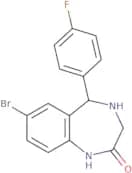
Discontinued product7-Bromo-5-(4-fluorophenyl)-2,3,4,5-tetrahydro-1H-1,4-benzodiazepin-2-one
CAS:Controlled Product<p>Versatile small molecule scaffold</p>Formula:C15H12BrFN2OPurity:Min. 95%Molecular weight:335.17 g/molRef: 3D-MKB20154
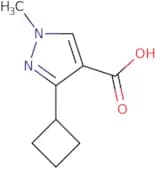
Discontinued product3-Cyclobutyl-1-methyl-1H-pyrazole-4-carboxylic acid
CAS:<p>Versatile small molecule scaffold</p>Formula:C9H12N2O2Purity:Min. 95%Molecular weight:180.2 g/molRef: 3D-MFA61413
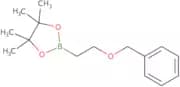
Discontinued product2-(Benzyloxy)ethylboronic acid pinacol ester
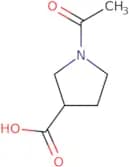
CAS:<p>Versatile small molecule scaffold</p>Formula:C15H25BO4Purity:Min. 95%Molecular weight:280.17 g/mol1-Acetyl-pyrrolidine-3-carboxylic acid
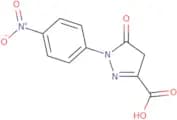
CAS:<p>Versatile small molecule scaffold</p>Formula:C7H11NO3Purity:Min. 95%Molecular weight:157.17 g/mol1-(4-Nitrophenyl)-5-oxo-4,5-dihydro-1H-pyrazole-3-carboxylic acid
CAS:<p>Versatile small molecule scaffold</p>Formula:C10H7N3O5Purity:Min. 95%Molecular weight:249.18 g/molRef: 3D-MCA08402
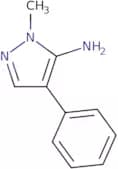
Discontinued product1H-Pyrazol-5-amine, 1-methyl-4-phenyl-
CAS:<p>Versatile small molecule scaffold</p>Formula:C10H11N3Purity:Min. 95%Molecular weight:173.21 g/mol(3-Chlorophenyl)(cyclohexyl)methanone
CAS:<p>Versatile small molecule scaffold</p>Formula:C13H15ClOPurity:Min. 95%Molecular weight:222.71 g/mol2-Ethynyl-4-methylthiazole
CAS:<p>2-Ethynyl-4-methylthiazole is a cell-based kinase inhibitor that binds to the ATP binding site on the enzyme and inhibits phosphorylation. It was shown to inhibit cell growth in vitro by interfering with the production of TGF-β, activin, and other growth factors. The inhibitory activity of 2-Ethynyl-4-methylthiazole is selective for receptor kinases and is not effective against alk5 kinase. This drug has been shown to be an inhibitor of cellular growth in vitro and may be useful for the treatment of cancer.</p>Formula:C6H5NSPurity:Min. 95%Molecular weight:123.17 g/molRef: 3D-LIA94025
Discontinued product3-(Aminomethyl)-5-fluorophenol hydrochloride
CAS:<p>Versatile small molecule scaffold</p>Formula:C7H9ClFNOPurity:Min. 95%Molecular weight:177.6 g/mol2-Chloro-3-cyclopropylpyrazine
CAS:<p>Versatile small molecule scaffold</p>Formula:C7H7ClN2Purity:Min. 95%Molecular weight:154.6 g/molRef: 3D-LFA81911
Discontinued product4-Chloro-2-methyl-5-(2-methylpropyl)thieno[2,3-d]pyrimidine
CAS:<p>Versatile small molecule scaffold</p>Formula:C11H13ClN2SPurity:Min. 95%Molecular weight:240.75 g/molRef: 3D-KKB46089
Discontinued product
![2-{[4-Phenyl-5-(pyridin-4-yl)-4H-1,2,4-triazol-3-yl]sulfanyl}acetic acid](/_next/image/?url=https%3A%2Fstatic.cymitquimica.com%2Fproducts%2F3D%2Fthumb-webp%2FTAA19982.webp&w=3840&q=75)

![5-Oxo-1-[4-(trifluoromethyl)phenyl]-pyrrolidine-3-carboxylic acid](/_next/image/?url=https%3A%2Fstatic.cymitquimica.com%2Fproducts%2F3D%2Fthumb-webp%2FCAA35727.webp&w=3840&q=75)

![N-[3-(Aminomethyl)phenyl]cyclobutanecarboxamide](/_next/image/?url=https%3A%2Fstatic.cymitquimica.com%2Fproducts%2F3D%2Fthumb-webp%2FBMB24704.webp&w=3840&q=75)
![8-Thia-1-azabicyclo[3.2.1]octane-5-carboxylic acid 8,8-dioxide](/_next/image/?url=https%3A%2Fstatic.cymitquimica.com%2Fproducts%2F3D%2Fthumb-webp%2FRPD13848.webp&w=3840&q=75)
![1'-(tert-Butoxycarbonyl)-[1,4'-bipiperidine]-4-carboxylic acid](/_next/image/?url=https%3A%2Fstatic.cymitquimica.com%2Fproducts%2F3D%2Fthumb-webp%2FBIA81059.webp&w=3840&q=75)
![rac-(1R,3R,5S)-8-Oxobicyclo[3.2.1]octane-3-carboxylic acid, exo](/_next/image/?url=https%3A%2Fstatic.cymitquimica.com%2Fproducts%2F3D%2Fthumb-webp%2FQNA16419.webp&w=3840&q=75)
![2-[Cyclobutyl(methyl)amino]ethan-1-ol](/_next/image/?url=https%3A%2Fstatic.cymitquimica.com%2Fproducts%2F3D%2Fthumb-webp%2FIFC45242.webp&w=3840&q=75)
![3-[1-Ethyl-5-(morpholine-4-sulfonyl)-1H-1,3-benzodiazol-2-yl]propanoic acid](/_next/image/?url=https%3A%2Fstatic.cymitquimica.com%2Fproducts%2F3D%2Fthumb-webp%2FQGB27067.webp&w=3840&q=75)
![2-Boc-8-amino-5-thia-2-azaspiro[3.4]octane 5,5-dioxide](/_next/image/?url=https%3A%2Fstatic.cymitquimica.com%2Fproducts%2F3D%2Fthumb-webp%2FQDC48183.webp&w=3840&q=75)




![7',8'-Dihydro-6'H-spiro[azetidine-3,5'-imidazo[1,2-a]pyrimidine]-7'-one dihydrochloride](/_next/image/?url=https%3A%2Fstatic.cymitquimica.com%2Fproducts%2F3D%2Fthumb-webp%2FMKD83202.webp&w=3840&q=75)


![4-Chloro-2-methyl-5-(2-methylpropyl)thieno[2,3-d]pyrimidine](/_next/image/?url=https%3A%2Fstatic.cymitquimica.com%2Fproducts%2F3D%2Fthumb-webp%2FKKB46089.webp&w=3840&q=75)