


Building Blocks
This section contains fundamental products for the synthesis of organic and biological compounds. Building blocks are the essential starting materials used to construct complex molecules through various chemical reactions. They play a critical role in drug discovery, material science, and chemical research. At CymitQuimica, we offer a diverse range of high-quality building blocks to support your innovative research and industrial projects, ensuring you have the essential components for successful synthesis.
Subcategories of "Building Blocks"
- Boronic Acids & Boronic Acid Derivatives(5,778 products)
- Chiral Building Blocks(1,242 products)
- Hydrocarbon Building Blocks(6,098 products)
- Organic Building Blocks(61,034 products)
Found 199601 products of "Building Blocks"
Sort by
Purity (%)
0
100
|
0
|
50
|
90
|
95
|
100
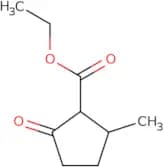
Ethyl 2-methyl-5-oxocyclopentane-1-carboxylate
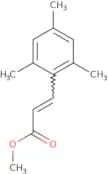
CAS:<p>Versatile small molecule scaffold</p>Formula:C9H14O3Purity:Min. 95%Molecular weight:170.21 g/molMethyl (2E)-3-(2,4,6-trimethylphenyl)prop-2-enoate
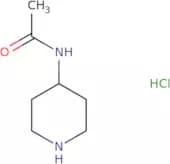
CAS:<p>Versatile small molecule scaffold</p>Formula:C13H16O2Purity:Min. 95%Molecular weight:204.26 g/molN-(4-Piperidinyl)acetamide HCl
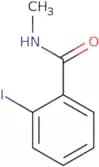
CAS:Versatile small molecule scaffoldFormula:C7H14N2O·HClPurity:Min. 95%Molecular weight:178.66 g/mol2-Iodo-N-methylbenzamide
CAS:<p>2-Iodo-N-methylbenzamide (2IMB) is a compound that has been shown in preliminary studies to have a high nucleophilic attack rate. It reacts with palladium complexes to form a stereoselective reaction and, when coupled with amide, aminosulfonyl, or tnf-α, can be used as an excellent model system for inflammatory diseases. 2IMB has also been shown to have anti-inflammatory properties by inhibiting prostaglandin synthesis. The deuterium isotope effect is the most important factor in determining the reactivity of the molecule. This effect causes the substitution of hydrogen atoms by deuterium atoms at various points on the molecule and affects the reaction yield.</p>Formula:C8H8INOPurity:Min. 95%Molecular weight:261.06 g/mol5-Propyloctanoic acid
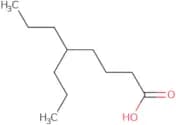
CAS:<p>5-Propyloctanoic acid is a fatty acid that is structurally related to octanoic acid. It has been shown to cause nerve demyelination in rats and mice, as well as sciatic nerve lesions in rabbits. 5-Propyloctanoic acid can be used as a potential antiepileptic drug, with anticonvulsant properties. This fatty acid also has the ability to inhibit lipoperoxide (LOOH) production by binding to LOOH and preventing its formation. The uptake of 5-propyloctanoic acid into cells is mediated by an uptake system, which may be inhibited by other chemicals.</p>Formula:C11H22O2Purity:Min. 95%Molecular weight:186.29 g/mol(3-Methylphenyl)(pyridin-2-yl)methanamine
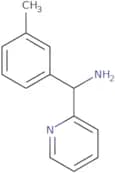
CAS:<p>Versatile small molecule scaffold</p>Formula:C13H14N2Purity:Min. 95%Molecular weight:198.26 g/mol1-(Pyridin-2-yl)-1-(pyridin-3-yl)methanamine
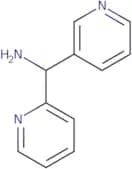
CAS:<p>Versatile small molecule scaffold</p>Formula:C11H11N3Purity:Min. 95%Molecular weight:185.22 g/mol1-(6-Methylpyridin-2-yl)ethanamine
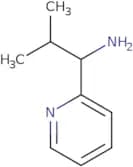
CAS:<p>Versatile small molecule scaffold</p>Formula:C8H12N2Purity:Min. 95%Molecular weight:136.19 g/mol2-Methyl-1-(2-pyridyl)-1-propylamine
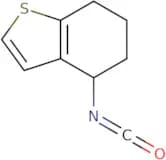
CAS:<p>Versatile small molecule scaffold</p>Formula:C9H14N2Purity:Min. 95%Molecular weight:150.22 g/mol4-Isocyanato-4,5,6,7-tetrahydro-1-benzothiophene
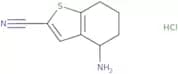
CAS:<p>4-Isocyanato-4,5,6,7-tetrahydro-1-benzothiophene is a urea derivative that is used as an herbicide. It is a member of the class of pesticides known as isothiocyanates and has been shown to be toxic to animals. 4-Isocyanato-4,5,6,7-tetrahydro-1-benzothiophene inhibits the production of urea in mammals by binding to the enzyme ornithine transcarbamylase (OTC). This binding prevents the formation of carbamoyl phosphate and argininosuccinate from ammonia and citrulline. The inhibition of this enzyme leads to decreased synthesis of arginine and eventually cell death.</p>Formula:C9H9NOSPurity:Min. 95%Molecular weight:179.24 g/mol4-Amino-4,5,6,7-tetrahydro-1-benzothiophene-2-carbonitrile hydrochloride
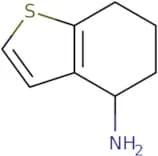
CAS:<p>Versatile small molecule scaffold</p>Formula:C9H11ClN2SPurity:Min. 95%Molecular weight:214.72 g/mol4,5,6,7-Tetrahydro-1-benzothiophen-4-amine
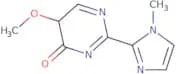
CAS:<p>Versatile small molecule scaffold</p>Formula:C8H11NSPurity:Min. 95%Molecular weight:153.25 g/mol5-Methoxy-2-(1-methyl-1H-imidazol-2-yl)-3,4-dihydropyrimidin-4-one
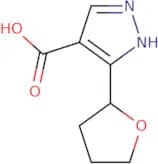
CAS:<p>Versatile small molecule scaffold</p>Formula:C9H10N4O2Purity:Min. 95%Molecular weight:206.2 g/mol5-(Oxolan-2-yl)-1H-pyrazole-4-carboxylic acid
CAS:<p>Versatile small molecule scaffold</p>Formula:C8H10N2O3Purity:Min. 95%Molecular weight:182.18 g/mol6,6-Dimethyl-1H,4H,6H-furo[3,4-c]pyrazole-3-carboxylic acid
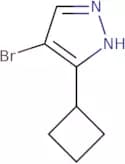
CAS:<p>Versatile small molecule scaffold</p>Formula:C8H10N2O3Purity:Min. 95%Molecular weight:182.18 g/mol4-Bromo-5-cyclobutyl-1H-pyrazole
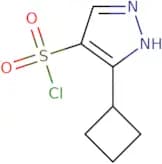
CAS:<p>Versatile small molecule scaffold</p>Formula:C7H9BrN2Purity:Min. 95%Molecular weight:201.06 g/mol3-Cyclobutyl-1H-pyrazole-4-sulfonyl chloride
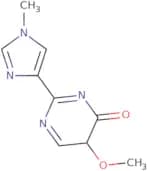
CAS:<p>Versatile small molecule scaffold</p>Formula:C7H9ClN2O2SPurity:Min. 95%Molecular weight:220.68 g/mol5-Methoxy-2-(1-methyl-1H-imidazol-4-yl)-3,4-dihydropyrimidin-4-one
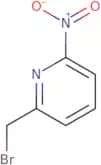
CAS:<p>Versatile small molecule scaffold</p>Formula:C9H10N4O2Purity:Min. 95%Molecular weight:206.2 g/mol2-(Bromomethyl)-6-nitropyridine
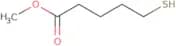
CAS:<p>Versatile small molecule scaffold</p>Formula:C6H5BrN2O2Purity:Min. 95%Molecular weight:217.02 g/molMethyl 5-sulfanylpentanoate
CAS:<p>Methyl 5-sulfanylpentanoate is a fatty acid ester with the molecular formula of CHOS. It is a yellow oil that has an odor and is soluble in organic solvents. The compound is used as an intermediate for the synthesis of other chemical compounds, such as peracid and sulfinyl. Methyl 5-sulfanylpentanoate has been shown to react with chloroform to produce methylene chloride, carbon atoms, and sulfur dioxide. The infrared spectrum for this compound has also been observed to have peaks at 3,600 cm-1 and 2,700 cm-1. This compound can be synthesized by reacting decanethiol with carbomethoxy in the presence of hydrogen chloride gas.</p>Formula:C6H12O2SPurity:Min. 95%Molecular weight:148.23 g/mol3-(1,2,5,6-Tetrahydropyridin-3-yl)phenol
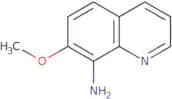
CAS:<p>Versatile small molecule scaffold</p>Formula:C11H13NOPurity:Min. 95%Molecular weight:175.2 g/mol7-methoxyquinolin-8-amine
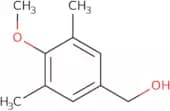
CAS:<p>Versatile small molecule scaffold</p>Formula:C10H10N2OPurity:Min. 95%Molecular weight:174.2 g/mol3,5-Dimethyl-4-methoxybenzyl alcohol
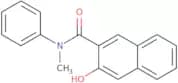
CAS:<p>Versatile small molecule scaffold</p>Formula:C10H14O2Purity:Min. 95%Molecular weight:166.22 g/mol3-Hydroxy-N-methyl-N-phenylnaphthalene-2-carboxamide
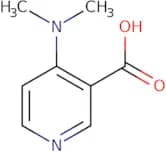
CAS:<p>Versatile small molecule scaffold</p>Formula:C18H15NO2Purity:Min. 95%Molecular weight:277.3 g/mol4-(Dimethylamino)nicotinic acid
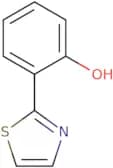
CAS:<p>Versatile small molecule scaffold</p>Formula:C8H10N2O2Purity:Min. 95%Molecular weight:166.18 g/mol2-(1,3-Thiazol-2-yl)phenol
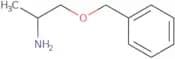
CAS:<p>2-(1,3-Thiazol-2-yl)phenol (TPTZ) is a chemiluminescent compound that can be used to detect the presence of DNA. It can be used as the substrate for an assay that detects mutations in dna. TPTZ is uniquely detectable by chemiluminescence, and it has been shown to inhibit herpes virus replication and induce apoptosis in cancer cells. TPTZ also has anti-atherosclerotic effects by reducing inflammation in the blood vessels.</p>Formula:C9H7NOSPurity:Min. 95%Molecular weight:177.22 g/mol(2S)-1-(Benzyloxy)propan-2-amine
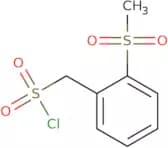
CAS:<p>Versatile small molecule scaffold</p>Formula:C10H15NOPurity:Min. 95%Molecular weight:165.23 g/mol(2-Methanesulfonylphenyl)methanesulfonyl chloride
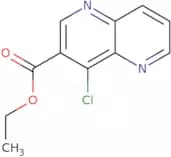
CAS:<p>Versatile small molecule scaffold</p>Formula:C8H9ClO4S2Purity:Min. 95%Molecular weight:268.7 g/molEthyl 4-chloro-1,5-naphthyridine-3-carboxylate
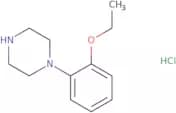
CAS:<p>Versatile small molecule scaffold</p>Formula:C11H9ClN2O2Purity:Min. 95%Molecular weight:236.65 g/mol1-(2-Ethoxyphenyl)piperazine Hydrochloride
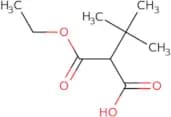
CAS:Controlled Product<p>Versatile small molecule scaffold</p>Formula:C12H18N2O·HClPurity:Min. 95%Molecular weight:242.75 g/mol2-(Ethoxycarbonyl)-3,3-dimethylbutanoic acid
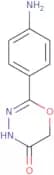
CAS:<p>2-(Ethoxycarbonyl)-3,3-dimethylbutanoic acid is an intermediate in the synthesis of propyl nitrate. It is a reactive compound that can form esters with alcohols and undergoes β-unsaturated nitration to form nitronium ions. 2-(Ethoxycarbonyl)-3,3-dimethylbutanoic acid can be used as a diagnostic for cyclopropane because it reacts with sodium tetrafluoroborate to form sodium ethoxycarbonyl-2,2-difluoroethanoate. This chemical has alkyl groups that are susceptible to nucleophilic attack from electrophiles such as cations and strong bases.</p>Formula:C9H16O4Purity:Min. 95%Molecular weight:188.22 g/mol2-(4-Aminophenyl)-4,5-dihydro-6H-1,3,4-oxadiazin-5-one
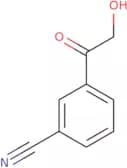
CAS:<p>Versatile small molecule scaffold</p>Formula:C9H9N3O2Purity:Min. 95%Molecular weight:191.19 g/mol3-(2-Hydroxyacetyl)benzonitrile
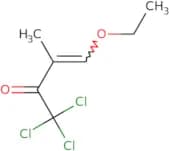
CAS:<p>Versatile small molecule scaffold</p>Formula:C9H7NO2Purity:Min. 95%Molecular weight:161.16 g/mol1,1,1-Trichloro-4-ethoxy-3-methylbut-3-en-2-one
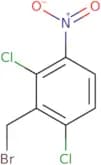
CAS:<p>Versatile small molecule scaffold</p>Formula:C7H9Cl3O2Purity:Min. 95%Molecular weight:231.5 g/mol2,6-dichloro-3-nitrobenzyl bromide
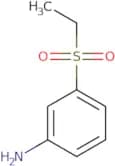
CAS:<p>Versatile small molecule scaffold</p>Formula:C7H4BrCl2NO2Purity:Min. 95%Molecular weight:284.92 g/mol3-(Ethanesulfonyl)aniline
CAS:<p>Versatile small molecule scaffold</p>Formula:C8H11NO2SPurity:Min. 95%Molecular weight:185.24 g/mol1-[4-(Prop-2-en-1-yloxy)phenyl]methanamine
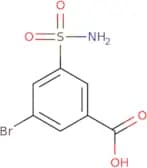
CAS:<p>Versatile small molecule scaffold</p>Formula:C10H13NOPurity:Min. 95%Molecular weight:163.22 g/mol3-Bromo-5-sulfamoylbenzoic acid
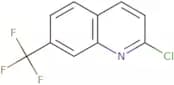
CAS:<p>Versatile small molecule scaffold</p>Formula:C7H6BrNO4SPurity:Min. 95%Molecular weight:280.1 g/mol2-Chloro-7-(trifluoromethyl)quinoline
CAS:<p>Versatile small molecule scaffold</p>Formula:C10H5NF3ClPurity:Min. 95%Molecular weight:231.6 g/mol4-(Difluoromethoxy)-3-fluoroaniline
CAS:<p>Versatile small molecule scaffold</p>Formula:C7H6F3NOPurity:Min. 95%Molecular weight:177.12 g/mol3-Chloro-4-(2,2,2-trifluoroethoxy)aniline
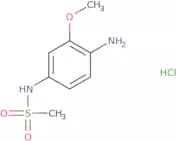
CAS:<p>Versatile small molecule scaffold</p>Formula:C8H7ClF3NOPurity:Min. 95%Molecular weight:225.59 g/molN-(4-Amino-3-methoxyphenyl)methanesulfonamidehydrochloride
CAS:<p>Versatile small molecule scaffold</p>Formula:C8H13ClN2O3SPurity:Min. 95%Molecular weight:252.71 g/mol4,6-dichloro-2-(4-fluorophenyl)pyrimidine
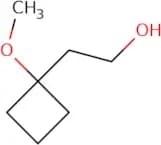
CAS:<p>Versatile small molecule scaffold</p>Formula:C10H5Cl2FN2Purity:Min. 95%Molecular weight:243.1 g/mol2-(1-Methoxycyclobutyl)ethan-1-ol
CAS:<p>Versatile small molecule scaffold</p>Formula:C7H14O2Purity:Min. 95%Molecular weight:130.18 g/molMethyl decahydroquinoline-2-carboxylate hydrochloride
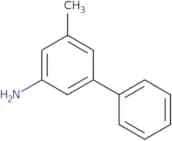
CAS:<p>Versatile small molecule scaffold</p>Formula:C11H20ClNO2Purity:Min. 95%Molecular weight:233.73 g/mol3-Methyl-5-phenylaniline
CAS:<p>Versatile small molecule scaffold</p>Formula:C13H13NPurity:Min. 95%Molecular weight:183.25 g/mol3-Phenylbicyclo[1.1.1]pentane-1-carbonitrile
CAS:<p>Versatile small molecule scaffold</p>Formula:C12H11NPurity:Min. 95%Molecular weight:169.22 g/mol3-Cyanobicyclo[1.1.1]pentane-1-carboxylic acid
CAS:<p>Versatile small molecule scaffold</p>Formula:C7H7NO2Purity:Min. 95%Molecular weight:137.14 g/mol3-phenylbicyclo[1.1.1]pentane-1-carboxylic acid
CAS:<p>Versatile small molecule scaffold</p>Formula:C12H12O2Purity:Min. 95%Molecular weight:188.2 g/mol3-(Acetyloxy)bicyclo[1.1.1]pentane-1-carboxylic acid
CAS:<p>Versatile small molecule scaffold</p>Formula:C8H10O4Purity:Min. 95%Molecular weight:170.16 g/mol


![6,6-Dimethyl-1H,4H,6H-furo[3,4-c]pyrazole-3-carboxylic acid](/_next/image/?url=https%3A%2Fstatic.cymitquimica.com%2Fproducts%2F3D%2Fthumb-webp%2FICD59607.webp&w=3840&q=75)
![1-[4-(Prop-2-en-1-yloxy)phenyl]methanamine](/_next/image/?url=https%3A%2Fstatic.cymitquimica.com%2Fproducts%2F3D%2Fthumb-webp%2FIDA17141.webp&w=3840&q=75)




![3-Phenylbicyclo[1.1.1]pentane-1-carbonitrile](/_next/image/?url=https%3A%2Fstatic.cymitquimica.com%2Fproducts%2F3D%2Fthumb-webp%2FIDA24901.webp&w=3840&q=75)
![3-Cyanobicyclo[1.1.1]pentane-1-carboxylic acid](/_next/image/?url=https%3A%2Fstatic.cymitquimica.com%2Fproducts%2F3D%2Fthumb-webp%2FIDA24902.webp&w=3840&q=75)
![3-phenylbicyclo[1.1.1]pentane-1-carboxylic acid](/_next/image/?url=https%3A%2Fstatic.cymitquimica.com%2Fproducts%2F3D%2Fthumb-webp%2FIDA24904.webp&w=3840&q=75)
![3-(Acetyloxy)bicyclo[1.1.1]pentane-1-carboxylic acid](/_next/image/?url=https%3A%2Fstatic.cymitquimica.com%2Fproducts%2F3D%2Fthumb-webp%2FIDA24907.webp&w=3840&q=75)