Building Blocks
This section contains fundamental products for the synthesis of organic and biological compounds. Building blocks are the essential starting materials used to construct complex molecules through various chemical reactions. They play a critical role in drug discovery, material science, and chemical research. At CymitQuimica, we offer a diverse range of high-quality building blocks to support your innovative research and industrial projects, ensuring you have the essential components for successful synthesis.
Subcategories of "Building Blocks"
- Boronic Acids & Boronic Acid Derivatives(5,756 products)
- Chiral Building Blocks(1,242 products)
- Hydrocarbon Building Blocks(6,095 products)
- Organic Building Blocks(61,055 products)
Found 199650 products of "Building Blocks"
Sort by
Purity (%)
0
100
|
0
|
50
|
90
|
95
|
100
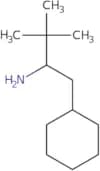
1-Cyclohexyl-3,3-dimethylbutan-2-amine
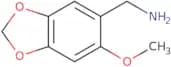
CAS:<p>Versatile small molecule scaffold</p>Formula:C12H25NPurity:Min. 95%Molecular weight:183.33 g/mol(6-Methoxy-1,3-dioxaindan-5-yl)methanamine
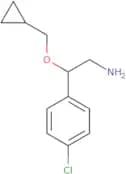
CAS:<p>Versatile small molecule scaffold</p>Formula:C9H11NO3Purity:Min. 95%Molecular weight:181.19 g/mol2-(4-Chlorophenyl)-2-(cyclopropylmethoxy)ethan-1-amine
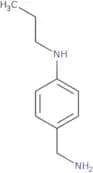
CAS:<p>Versatile small molecule scaffold</p>Formula:C12H16ClNOPurity:Min. 95%Molecular weight:225.71 g/mol4-(Aminomethyl)-N-propylaniline
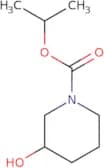
CAS:<p>Versatile small molecule scaffold</p>Formula:C10H16N2Purity:Min. 95%Molecular weight:164.25 g/molPropan-2-yl 3-hydroxypiperidine-1-carboxylate
CAS:<p>Versatile small molecule scaffold</p>Formula:C9H17NO3Purity:Min. 95%Molecular weight:187.24 g/mol3-[(Benzenesulfinyl)methyl]aniline
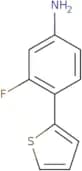
CAS:<p>Versatile small molecule scaffold</p>Formula:C13H13NOSPurity:Min. 95%Molecular weight:231.32 g/mol3-Fluoro-4-(thiophen-2-yl)aniline
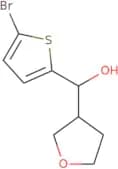
CAS:<p>Versatile small molecule scaffold</p>Formula:C10H8FNSPurity:Min. 95%Molecular weight:193.24 g/mol(5-Bromothiophen-2-yl)(oxolan-3-yl)methanol
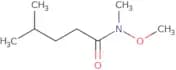
CAS:<p>Versatile small molecule scaffold</p>Formula:C9H11BrO2SPurity:Min. 95%Molecular weight:263.15 g/molN-Methoxy-N,4-dimethylpentanamide
CAS:<p>Versatile small molecule scaffold</p>Formula:C8H17NO2Purity:Min. 95%Molecular weight:159.23 g/mol3-[(1R)-1-Hydroxyethyl]phenol
CAS:<p>Versatile small molecule scaffold</p>Formula:C8H10O2Purity:Min. 95%Molecular weight:138.16 g/moltert-Butyl N-[1-(N'-hydroxycarbamimidoyl)-2-methylpropyl]carbamate
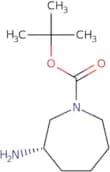
CAS:<p>Versatile small molecule scaffold</p>Formula:C10H21N3O3Purity:Min. 95%Molecular weight:231.29 g/moltert-butyl (3S)-3-aminoazepane-1-carboxylate
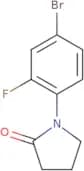
CAS:<p>Versatile small molecule scaffold</p>Formula:C11H22N2O2Purity:Min. 95%Molecular weight:214.3 g/mol1-(4-Bromo-2-fluorophenyl)pyrrolidin-2-one
CAS:<p>Versatile small molecule scaffold</p>Formula:C10H9BrFNOPurity:Min. 95%Molecular weight:258.09 g/mol2-[1-(Pyridin-4-yl)piperidin-4-yl]ethan-1-amine
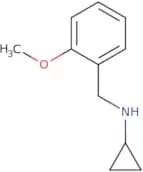
CAS:<p>Versatile small molecule scaffold</p>Formula:C12H19N3Purity:Min. 95%Molecular weight:205.3 g/molN-(2-Methoxybenzyl)cyclopropanamine
CAS:<p>Versatile small molecule scaffold</p>Formula:C11H15NOPurity:Min. 95%Molecular weight:177.24 g/molN-[(2,6-Difluorophenyl)methyl]cyclopropanamine
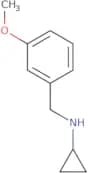
CAS:<p>Versatile small molecule scaffold</p>Formula:C10H11F2NPurity:Min. 95%Molecular weight:183.2 g/molCyclopropyl(3-methoxybenzyl)amine
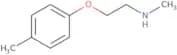
CAS:<p>Versatile small molecule scaffold</p>Formula:C11H15NOPurity:Min. 95%Molecular weight:177.25 g/molN-Methyl-2-(4-methylphenoxy)-1-ethanamine
CAS:<p>Versatile small molecule scaffold</p>Formula:C10H15NOPurity:Min. 95%Molecular weight:165.23 g/molN-[2-(4-Fluorophenyl)ethyl]cyclopropanamine
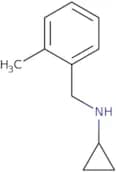
CAS:Controlled ProductVersatile small molecule scaffoldFormula:C11H14FNPurity:Min. 95%Molecular weight:179.23 g/molN-(2-Methylbenzyl)cyclopropanamine
CAS:<p>Versatile small molecule scaffold</p>Formula:C11H15NPurity:Min. 95%Molecular weight:161.25 g/molN-[(3,5-Dimethoxyphenyl)methyl]aniline
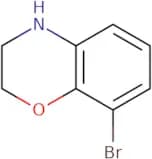
CAS:<p>Versatile small molecule scaffold</p>Formula:C15H17NO2Purity:Min. 95%Molecular weight:243.3 g/mol8-bromo-3,4-dihydro-2H-1,4-benzoxazine
CAS:<p>8-Bromo-3,4-dihydro-2H-1,4-benzoxazine is a regulatory agent that functions to inhibit protein kinase. It is used in cancer therapy and has been shown to induce antitumor activity. 8-Bromo-3,4-dihydro-2H-1,4-benzoxazine inhibits the proliferation of cancer cells by binding to the regulatory sites on DNA. This binding prevents RNA synthesis and transcription in cancer cells.</p>Formula:C8H8BrNOPurity:Min. 95%Molecular weight:214.1 g/mol7-tert-Butyl-1,2,3,4-tetrahydroisoquinoline
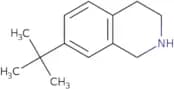
CAS:Versatile small molecule scaffoldFormula:C13H19NPurity:Min. 95%Molecular weight:189.3 g/molEthyl 5-(trifluoromethyl)-1,2-oxazole-3-carboxylate
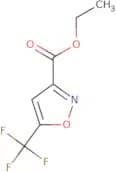
CAS:<p>Versatile small molecule scaffold</p>Formula:C7H6F3NO3Purity:Min. 95%Molecular weight:209.12 g/mol1-(3-Nitro-benzenesulfonyl)-piperidine-4-carboxylic acid ethyl ester
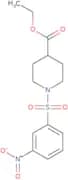
CAS:<p>Versatile small molecule scaffold</p>Formula:C14H18N2O6SPurity:Min. 95%Molecular weight:342.37 g/mol4-(2-Aminoethyl)thiomorpholine 1,1-dioxide dihydrochloride
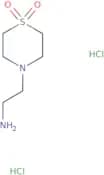
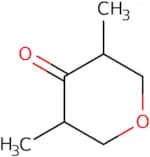
CAS:<p>Versatile small molecule scaffold</p>Formula:C6H16Cl2N2O2SPurity:Min. 95%Molecular weight:251.17 g/mol3,5-Dimethyloxan-4-one
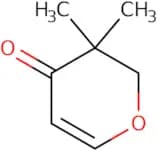
CAS:<p>Versatile small molecule scaffold</p>Formula:C7H12O2Purity:Min. 95%Molecular weight:128.17 g/mol3,3-Dimethyl-3,4-dihydro-2H-pyran-4-one
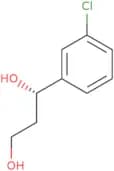
CAS:<p>Versatile small molecule scaffold</p>Formula:C7H10O2Purity:Min. 95%Molecular weight:126.15 g/mol(S)-1-(3-chlorophenyl)propane-1,3-diol
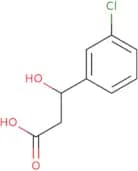
CAS:<p>Versatile small molecule scaffold</p>Formula:C9H11ClO2Purity:Min. 95%Molecular weight:186.64 g/mol(3S)-3-(3-Chlorophenyl)-3-hydroxypropanoic acid
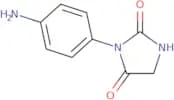
CAS:<p>Versatile small molecule scaffold</p>Formula:C9H9ClO3Purity:Min. 95%Molecular weight:200.62 g/mol3-(4-Aminophenyl)imidazolidine-2,4-dione
CAS:<p>Versatile small molecule scaffold</p>Formula:C9H9N3O2Purity:Min. 95%Molecular weight:191.19 g/mol4-Bromooctane
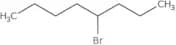
CAS:<p>4-Bromooctane is a nonpolar, hydrophobic compound that has been quantified by gas chromatography. The solute is protonated in the presence of chloride, alkene, or tribromide to give the corresponding cation, which can be detected by gas chromatography. The frequency range for 4-bromobutane is from 0.1 Hz to 10 kHz and the parameters for this compound are halides and dipole.</p>Formula:C8H17BrPurity:Min. 95%Molecular weight:193.12 g/molEthyl 3-ethoxycrotonate
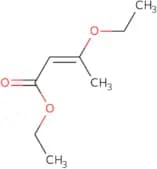
CAS:<p>Ethyl 3-ethoxycrotonate is an organic compound with the molecular formula C5H11O2. It is a colorless liquid that boils at 46°C. The molecule has a pyridine ring and an ethoxy group on the third carbon. This product can be used in enantioselective syntheses, yielding optically pure products. It also has structural analogues that are aliphatic and ketonic.</p>Formula:C8H14O3Purity:Min. 95%Molecular weight:158.2 g/mol1-(Ethylsulfanyl)propane-1-thione
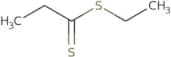
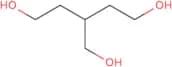
CAS:<p>Versatile small molecule scaffold</p>Formula:C5H10S2Purity:Min. 95%Molecular weight:134.3 g/mol3-(Hydroxymethyl)pentane-1,5-diol
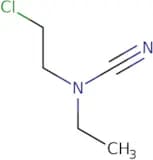
CAS:<p>Versatile small molecule scaffold</p>Formula:C6H14O3Purity:Min. 95%Molecular weight:134.17 g/mol(2-Chloroethyl)(cyano)ethylamine
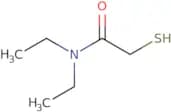
CAS:<p>Versatile small molecule scaffold</p>Formula:C5H9ClN2Purity:Min. 95%Molecular weight:132.59 g/molN,N-Diethyl-2-sulfanylacetamide
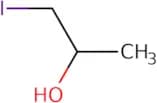
CAS:<p>Versatile small molecule scaffold</p>Formula:C6H13NOSPurity:Min. 95%Molecular weight:147.24 g/mol1-Iodopropan-2-ol
CAS:<p>1-Iodopropan-2-ol is a bifunctional reagent that has been used in epoxide ring opening reactions. It reacts with alkoxides and carbonates to form epoxides. 1-Iodopropan-2-ol also has been shown to react with silicon, forming siloxanes, which are used in the synthesis of polymers. This chemical is catalytic and can be used as a polymerization initiator. It has also been reinvestigated for use in the synthesis of cyclic compounds.</p>Formula:C3H7IOPurity:Min. 95%Molecular weight:186 g/mol2,2-Dimethylhexanal
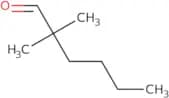
CAS:<p>Versatile small molecule scaffold</p>Formula:C8H16OPurity:Min. 95%Molecular weight:128.21 g/mol2-Bromo-3-pentanone
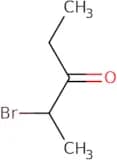
CAS:<p>2-Bromo-3-pentanone is a chemical reagent that is used in the synthesis of β-unsaturated ketones. It is produced by the alkylation of sodium hydroxide solution with 2-bromopentane, followed by the reaction with a ruthenium complex. The product can also be obtained from β-unsaturated ketones by reducing anhydrous sodium and sodium carbonate in a hydroxide solution. This process converts the carbonyl group to an alkene group. Cyclopentenones are obtained by dehydrogenation of ethyl esters, which can be achieved through reductive or stereoselective methods. Halides can be added as substituents to produce stereoisomers in stepwise reactions.</p>Formula:C5H9BrOPurity:Min. 95%Molecular weight:165.03 g/mol3-Bromopentan-2-one
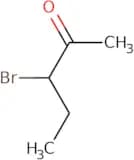
CAS:<p>3-Bromopentan-2-one is a furanone that has significant activity in biological screening. It is bicyclic and has an unsaturated five member ring. 3-Bromopentan-2-one is biologically active and can be used in the synthesis of both natural products and pharmaceuticals. The compound has been found to have significant activity against a variety of bacteria, fungi, and parasites. This drug also has anti-inflammatory activities and is being investigated for use in the treatment of psoriasis.</p>Formula:C5H9BrOPurity:Min. 95%Molecular weight:165.03 g/mol3-Bromo-2-butanone
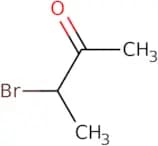
CAS:<p>3-Bromo-2-butanone is a chemical compound that has been detected in the lithosphere and is produced by the action of phosphorus pentoxide on brominated hydrocarbons. 3-Bromo-2-butanone can be used as an analog for acetaldehyde to study the effects of reactive species. It was found that 3-bromo-2-butanone reacts with phosphite in acetic acid to form a chlamydozonium ion and an acid catalyst, which leads to the formation of acetaldehyde. The reaction mechanism is shown below: 3BrCH=CHBr + P(O)OH → CH=CHCOH + H+ The overall reaction can be represented as: 3BrCH=CHBr + P(O)OH → CH=CHCOH + H+ HOAc + H+ → HOAc</p>Formula:C4H7BrOPurity:Min. 95%Color and Shape:Clear LiquidMolecular weight:151 g/mol2,2-Dimethylhexanoic Acid
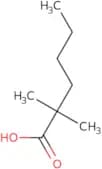
CAS:<p>2,2-Dimethylhexanoic Acid is an organic compound that belongs to the group of polycarboxylic acids. It is a colorless liquid with a strong odor and is soluble in water. 2,2-Dimethylhexanoic acid is used in wastewater treatment as a coagulant and flocculent. It has been shown to be effective at removing metals from wastewater, such as copper and nickel. This chemical also has high resistance to biological activity and can be used as a reactant in the synthesis of cationic surfactants and metal chelates. 2,2-Dimethylhexanoic acid has also been shown to inhibit viruses such as HIV, influenza A virus (IAV), and herpes simplex virus type 1 (HSV-1).</p>Formula:C8H16O2Purity:Min. 95%Molecular weight:144.21 g/mol2,2-Diethylbutanoic acid
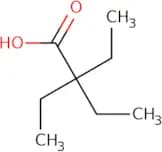
CAS:<p>2,2-Diethylbutanoic acid is a fluorescent probe that can be used to detect messenger RNA (mRNA). It is believed that 2,2-diethylbutanoic acid binds to the dinucleotide phosphate and inhibits the synthesis of proteins. This compound has been shown to inhibit tumor growth in mice by binding to the carboxylate and hydroxyl groups of the cell membrane. 2,2-Diethylbutanoic acid has also been used as an analog for clopidogrel, which is a drug that inhibits platelet aggregation.</p>Formula:C8H16O2Purity:Min. 95%Molecular weight:144.21 g/molDesoxycorticosterone pivalate
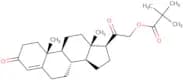
CAS:Controlled Product<p>Desoxycorticosterone pivalate is a synthetic hormone that is used as a replacement for cortisol in the treatment of Addison's disease. It is a prodrug that is hydrolyzed to its active form, cortisone, in the liver. Desoxycorticosterone pivalate has been shown to be effective in preventing and treating chronic oral toxicity and hiv infection. This drug can also increase the permeability of water in tissues and cells by causing cell lysis, which may lead to an increased production of histamine and prostaglandins. Desoxycorticosterone pivalate has been shown to have anti-inflammatory effects on the cardiovascular system by regulating the production of cholesterol, fatty acids, and other lipids. This drug also has physiological functions such as maintaining electrolyte balance in the body and regulating blood pressure levels.</p>Formula:C26H38O4Purity:Min. 95%Molecular weight:414.58 g/molAS8351
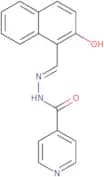
CAS:<p>AS8351 is a growth factor that has been shown to promote the repair of damaged tissues, including those of the heart and kidneys. AS8351 binds to the growth factor receptor and activates it, which in turn activates protein kinase B and extracellular signal-regulated kinases. This leads to cell lysis, fatty acid release, and cell proliferation. The molecule has potential therapeutic applications for degenerative diseases such as cancer and diabetes.</p>Formula:C17H13N3O2Purity:Min. 95%Molecular weight:291.3 g/mol2-[4-(Trifluoromethyl)benzoyl]aniline
CAS:<p>Versatile small molecule scaffold</p>Formula:C14H10F3NOPurity:Min. 95%Molecular weight:265.23 g/molAmeltolide
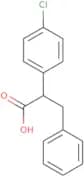
CAS:<p>Ameltolide is a chemical compound that belongs to the class of tricyclic diterpenes. It has been shown to have a variety of biological activities, including anticancer, immunosuppressive, and anti-inflammatory properties. Ameltolide has been shown to inhibit the activity of the N-methyl-D-aspartate (NMDA) receptor by hydrogen bond formation with the channel at the NMDA binding site. In vivo studies have demonstrated that ameltolide has an effect on cognitive function when administered at high doses. Ameltolide also inhibits voltage-gated Na+ channels, which are responsible for action potential generation in neurons and muscle cells. This inhibition leads to a decrease in nerve conduction velocity and an increase in duration of muscle contraction, resulting in increased fatigue.</p>Formula:C15H16N2OPurity:Min. 95%Molecular weight:240.31 g/mol2-(4-Chlorophenyl)-3-phenylpropanoic acid
CAS:<p>Versatile small molecule scaffold</p>Formula:C15H13ClO2Purity:Min. 95%Molecular weight:260.71 g/molDiethyl 1,4-cyclohexanedione-2,5-dicarboxylate
CAS:<p>Diethyl 1,4-cyclohexanedione-2,5-dicarboxylate is a polyester that is produced by the alkylation of diethylene glycol with terephthalic acid. It has been shown to have anti-cholinesterase activity in clinical studies and has been used as a pharmaceutical intermediate. This compound is also found in Huperzia serrata, which is an herbal medicine used to treat Alzheimer's disease. Diethyl 1,4-cyclohexanedione-2,5-dicarboxylate can be found in lycopodium alkaloid and terpenes. It binds to carboxyalkyl groups in proteins, inhibiting protein synthesis. Diethyl 1,4-cyclohexanedione-2,5-dicarboxylate has a strong anion radical and reacts with methoxy groups on proteins. This reaction leads to the formation of</p>Formula:C12H16O6Purity:Min. 95%Molecular weight:256.25 g/mol

![3-[(Benzenesulfinyl)methyl]aniline](/_next/image/?url=https%3A%2Fstatic.cymitquimica.com%2Fproducts%2F3D%2Fthumb-webp%2FAAC00539.webp&w=3840&q=75)
![3-[(1R)-1-Hydroxyethyl]phenol](/_next/image/?url=https%3A%2Fstatic.cymitquimica.com%2Fproducts%2F3D%2Fthumb-webp%2FAAB85210.webp&w=3840&q=75)
![tert-Butyl N-[1-(N'-hydroxycarbamimidoyl)-2-methylpropyl]carbamate](/_next/image/?url=https%3A%2Fstatic.cymitquimica.com%2Fproducts%2F3D%2Fthumb-webp%2FAAB83948.webp&w=3840&q=75)
![2-[1-(Pyridin-4-yl)piperidin-4-yl]ethan-1-amine](/_next/image/?url=https%3A%2Fstatic.cymitquimica.com%2Fproducts%2F3D%2Fthumb-webp%2FAAB43812.webp&w=3840&q=75)
![N-[(2,6-Difluorophenyl)methyl]cyclopropanamine](/_next/image/?url=https%3A%2Fstatic.cymitquimica.com%2Fproducts%2F3D%2Fthumb-webp%2FAAB43737.webp&w=3840&q=75)
![N-[2-(4-Fluorophenyl)ethyl]cyclopropanamine](/_next/image/?url=https%3A%2Fstatic.cymitquimica.com%2Fproducts%2F3D%2Fthumb-webp%2FAAB43516.webp&w=3840&q=75)
![N-[(3,5-Dimethoxyphenyl)methyl]aniline](/_next/image/?url=https%3A%2Fstatic.cymitquimica.com%2Fproducts%2F3D%2Fthumb-webp%2FAAB40759.webp&w=3840&q=75)
![2-[4-(Trifluoromethyl)benzoyl]aniline](/_next/image/?url=https%3A%2Fstatic.cymitquimica.com%2Fproducts%2F3D%2Fthumb-webp%2FAAA79010.webp&w=3840&q=75)