Building Blocks
This section contains fundamental products for the synthesis of organic and biological compounds. Building blocks are the essential starting materials used to construct complex molecules through various chemical reactions. They play a critical role in drug discovery, material science, and chemical research. At CymitQuimica, we offer a diverse range of high-quality building blocks to support your innovative research and industrial projects, ensuring you have the essential components for successful synthesis.
Subcategories of "Building Blocks"
- Boronic Acids & Boronic Acid Derivatives(5,756 products)
- Chiral Building Blocks(1,242 products)
- Hydrocarbon Building Blocks(6,095 products)
- Organic Building Blocks(61,055 products)
Found 199650 products of "Building Blocks"
Sort by
Purity (%)
0
100
|
0
|
50
|
90
|
95
|
100
5-bromo-4-methyl-1H-indole-2-carboxylic acid
CAS:<p>Versatile small molecule scaffold</p>Formula:C10H8BrNO2Purity:Min. 95%Molecular weight:254.1 g/mol4,5-Dimethyl-1H-indole-2-carboxylic acid
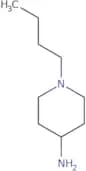
CAS:<p>Versatile small molecule scaffold</p>Formula:C11H11NO2Purity:Min. 95%Molecular weight:189.21 g/mol1-Butylpiperidin-4-amine
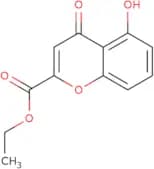
CAS:<p>Versatile small molecule scaffold</p>Formula:C9H20N2Purity:Min. 95%Molecular weight:156.27 g/molEthyl 5-hydroxy-4-oxo-4H-chromene-2-carboxylate
CAS:<p>Ethyl 5-hydroxy-4-oxo-4H-chromene-2-carboxylate is a chromone that is used in the synthesis of other compounds.</p>Formula:C12H10O5Purity:Min. 95%Molecular weight:234.2 g/mol2-{[(Benzyloxy)carbonyl]amino}-4-carbamoylbutanoic acid
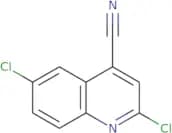
CAS:<p>2-{[(Benzyloxy)carbonyl]amino}-4-carbamoylbutanoic acid is a peptidomimetic that inhibits β-catenin signaling, leading to decreased cell proliferation. This compound has been shown to inhibit the growth of cancer cells and to be effective in preventing an outbreak of corynebacterium. 2-{[(Benzyloxy)carbonyl]amino}-4-carbamoylbutanoic acid was also shown to reduce the production of fatty acids and viral life. This compound is synthetic and can be made by microbial biotransformation or protein–protein interaction. It has been shown that this peptidomimetic binds with high affinity to coronaviruses, which may lead to new treatments for coronavirus infections.</p>Formula:C13H16N2O5Purity:Min. 95%Molecular weight:280.28 g/mol2,6-Dichloroquinoline-4-carbonitrile
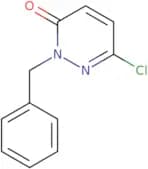
CAS:<p>Versatile small molecule scaffold</p>Formula:C10H4Cl2N2Purity:Min. 95%Molecular weight:223.05 g/mol2-Benzyl-6-chloro-2,3-dihydropyridazin-3-one
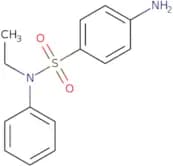
CAS:<p>2-Benzyl-6-chloro-2,3-dihydropyridazin-3-one is a Grignard reagent that reacts with electrophiles to form organometallic compounds. It is used in organic chemistry as a nucleophilic agent in the formation of carbon–carbon bonds and other types of reactions. 2-Benzyl-6-chloro-2,3-dihydropyridazin-3-one can also be used to produce alkyl magnesium bromides from alcohols and chlorides. The transformation of 2,2'-bipyridine into 2,2'-bipyrimidine is one example of this reaction.</p>Formula:C11H9ClN2OPurity:Min. 95%Molecular weight:220.65 g/mol4-Amino-N-ethyl-N-phenylbenzenesulfonamide
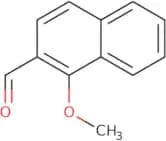
CAS:<p>Versatile small molecule scaffold</p>Formula:C14H16N2O2SPurity:Min. 95%Molecular weight:276.36 g/mol1-Methoxynaphthalene-2-carboxaldehyde
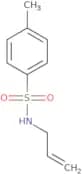
CAS:<p>1-Methoxynaphthalene-2-carboxaldehyde is an organic compound with the formula C11H14O. It is the simplest member of a family of compounds called naphthalenesulfonates, which consists of two fused benzene rings with a sulfonic acid group at each end. 1-Methoxynaphthalene-2-carboxaldehyde has been synthesised by reacting aluminium chloride with zinc chloride in anhydrous conditions. The product can be purified by distillation or recrystallisation from water and ethanol.</p>Formula:C12H10O2Purity:Min. 95%Molecular weight:186.21 g/molN-Allyl-p-toluenesulfonamide
CAS:<p>N-Allyl-p-toluenesulfonamide is a nucleophilic, centrosymmetric molecule that is used as an intermediate in organic synthesis. It can be prepared by refluxing allylstannane with azide and triflic acid. N-Allyl-p-toluenesulfonamide is useful for the preparation of azides and azidoformates because it reacts with alkyl halides to form cyclic products. The chloride group on this molecule makes it a good nucleophile for reactions with other nucleophiles, such as chloride ion or azide ion.</p>Formula:C10H13NO2SPurity:Min. 95%Molecular weight:211.28 g/molN-(Prop-2-en-1-yl)benzenesulfonamide
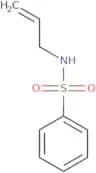
CAS:<p>Versatile small molecule scaffold</p>Formula:C9H11NO2SPurity:Min. 95%Molecular weight:197.26 g/molCyclopentane-1,2-dicarboxylic acid
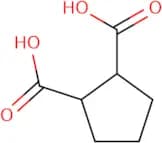
CAS:<p>Cyclopentane-1,2-dicarboxylic acid is a bioactive chemical that contains nitrogen atoms. It has a structural formula of C5H8O4 and an x-ray structure with antibacterial properties. Cyclopentane-1,2-dicarboxylic acid can be found in cocatalyst preparations for organic solvents such as benzene, toluene, and xylene. This compound has been shown to inhibit the growth of bacteria by binding to amines and forming coordination complexes with carboxylate groups on the surface of bacterial cells. The crystal structures of cyclopentane-1,2-dicarboxylic acid have not yet been determined due to its alicyclic nature.</p>Formula:C7H10O4Purity:Min. 95%Molecular weight:158.15 g/mol3-Phenyl-1,2,4-thiadiazole
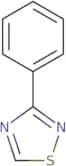
CAS:<p>3-Phenyl-1,2,4-thiadiazole is a tricyclic compound that has been synthesized in equimolar amounts by reactions of benzene with sulfur and nitric acid. This substance has also been shown to react with a number of other compounds and produce adducts. The reaction of 3-phenyl-1,2,4-thiadiazole with potassium bromide produces an adduct that contains the reactive benzylic bromide ion (3’). 3-Phenyl-1,2,4-thiadiazole is used in organic chemistry as a reagent for the synthesis of dithioesters. It can also be used to study the photochemistry of benzonitrile derivatives.</p>Formula:C8H6N2SPurity:Min. 95%Molecular weight:162.21 g/molEthyl 3-phenyl-1,2,4-thiadiazole-5-carboxylate
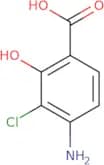
CAS:<p>Versatile small molecule scaffold</p>Formula:C11H10N2O2SPurity:Min. 95%Molecular weight:234.28 g/mol4-Amino-3-chloro-2-hydroxybenzoic acid
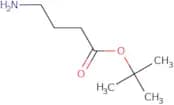
CAS:<p>Versatile small molecule scaffold</p>Formula:C7H6ClNO3Purity:Min. 95%Molecular weight:187.58 g/moltert-Butyl 4-aminobutanoate
CAS:<p>tert-Butyl 4-aminobutanoate is an amine that has been shown to stabilize the natural formyl group of the molecule. It is a nucleophilic reactant, which means it will react with electrophiles. The nucleophilic attack occurs when a nucleophile reacts with an electrophile, leading to the formation of a new bond between the two molecules. Tert-butyl 4-aminobutanoate also has a hydroxymethyl group on its side chain. This hydroxymethyl group can be reduced by pyridoxal phosphate in order to form gamma-aminobutyric acid.</p>Formula:C8H17NO2Purity:Min. 95%Molecular weight:159.23 g/mol5-chlorothiophene-2-carbonitrile
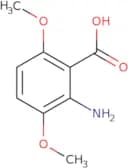
CAS:<p>5-Chlorothiophene-2-carbonitrile is a reactive heterocyclic compound that can be made by the chlorination of thiophene. It can be used as a precursor to other compounds, such as 1,3-dipolar cycloaddition products and 1,3-dioxolanes. 5-Chlorothiophene-2-carbonitrile has been shown to react with isoxazoles in a 1,3-dipolar cycloaddition reaction. This reaction produces dimers that are useful intermediates for the synthesis of pharmaceuticals. 5-Chlorothiophene-2-carbonitrile can also be used in an enantiospecific synthesis of 2,4,5,6 tetrahydropyrimidines. Irradiation of 5 chlorothiophene 2 carbonitrile leads to the formation of the corresponding n oxide or chloride and aldehyde.</p>Formula:C5H2ClNSPurity:Min. 95%Molecular weight:143.6 g/mol2-Amino-3,6-dimethoxybenzoic acid
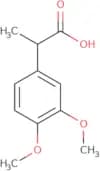
CAS:Versatile small molecule scaffoldFormula:C9H11NO4Purity:Min. 95%Molecular weight:197.19 g/mol2-(3,4-Dimethoxyphenyl)propanoic acid
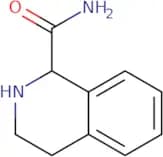
CAS:<p>Versatile small molecule scaffold</p>Formula:C11H14O4Purity:Min. 95%Molecular weight:210.23 g/mol1,2,3,4-Tetrahydroisoquinoline-1-carboxamide
CAS:<p>1,2,3,4-Tetrahydroisoquinoline-1-carboxamide is a solvate that is used in the pharmaceutical industry. It has been shown to be an inhibitor of thromboembolic disorders and is used as a crystalline solid. 1,2,3,4-Tetrahydroisoquinoline-1-carboxamide is a white crystalline solid that can be dissolved in water or methanol. The compound has been shown to inhibit thromboembolic disorders by preventing the oxidation of low density lipoprotein cholesterol and its subsequent aggregation with other molecules.</p>Formula:C10H12N2OPurity:Min. 95%Molecular weight:176.21 g/mol2-[(2-Methoxyphenoxy)methyl]benzoic acid
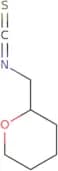
CAS:<p>Versatile small molecule scaffold</p>Formula:C15H14O4Purity:Min. 95%Molecular weight:258.27 g/mol2-(Isothiocyanatomethyl)oxane
CAS:<p>Versatile small molecule scaffold</p>Formula:C7H11NOSPurity:Min. 95%Molecular weight:157.2 g/mol4-Aminoquinazolin-2-ol
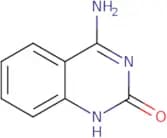
CAS:<p>4-Aminoquinazolin-2-ol is a regiospecific nitrogen nucleophile that can be used to synthesize heterocyclic compounds. It has been shown to have anticancer activity, and can be used as a control agent for cancer. 4-Aminoquinazolin-2-ol is also used in animals to study cell growth and the effects of drugs on cells. It binds to the alkyl group of a cell membrane and reacts with a hydroxyl group on the other side of the membrane, causing it to become more permeable so that sodium ions are allowed into the cell, which leads to an increase in intracellular calcium levels. 4-Aminoquinazolin-2-ol is also able to bind with potassium ion (K+) as a result of its nitrogen nucleophilic character.</p>Formula:C8H7N3OPurity:Min. 95%Molecular weight:161.16 g/mol4-Nitro-benzeneacetyl chloride
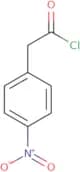
CAS:<p>4-Nitrobenzeneacetyl chloride is an amide with a heterocyclic amine group. It has been shown to have inhibitory activities against the growth of bacteria in acidic conditions, such as ph 3.5, and also inhibits the growth of bacteria in neutral conditions, such as ph 7.4. The functional groups on this compound are chlorides and phenyl groups. This compound does not have any halides or hydrochloric acid present in its structure. Nitrobenzeneacetyl chloride is unsymmetrical and has a benzene ring that is attached to an acetyl group.</p>Formula:C8H6ClNO3Purity:Min. 95%Color and Shape:SolidMolecular weight:199.59 g/mol5-Amino-1-(3-chlorophenyl)-1H-pyrazole-4-carboxamide
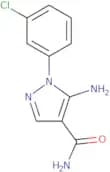
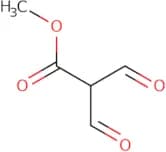
CAS:<p>Versatile small molecule scaffold</p>Formula:C10H9ClN4OPurity:Min. 95%Molecular weight:236.66 g/molMethyl 2-formyl-3-oxo-propionate
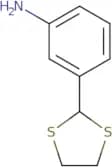
CAS:<p>Methyl 2-formyl-3-oxo-propionate is a reactive chemical that is used to prepare quinolizidines, which are biologically active compounds. It is synthesized from 3-acetylpyridine and formaldehyde in the presence of diborane. The reaction with trifluoroacetic acid leads to the formation of an acid chloride, which can be further reacted with amines to give quinolizidines. This compound has been shown to inhibit adenosine receptor a2a, which may lead to increased blood flow and improved cardiac function.</p>Formula:C5H6O4Purity:Min. 95%Molecular weight:130.1 g/mol3-(1,3-Dithiolan-2-yl)aniline
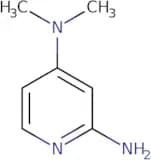
CAS:<p>Versatile small molecule scaffold</p>Formula:C9H11NS2Purity:Min. 95%Molecular weight:197.33 g/mol4-N,4-N-Dimethylpyridine-2,4-diamine
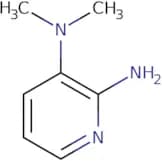
CAS:<p>Versatile small molecule scaffold</p>Formula:C7H11N3Purity:Min. 95%Molecular weight:137.18 g/mol3-N,3-N-Dimethylpyridine-2,3-diamine
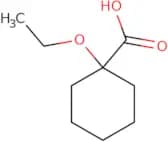
CAS:<p>3-N,3-N-Dimethylpyridine-2,3-diamine (DMPYD) is a pyrrole compound that has been used for the synthesis of aminopyridines. It can be synthesized by reacting 2-aminopyridine with dimethylamine in the presence of an acid catalyst and a base. The resulting molecule contains a pyrrole ring and an amino group. DMPYD binds to DNA through its amino group and is able to inhibit bacterial growth by inhibiting RNA synthesis in the ribosomes of bacteria. This inhibition prevents protein synthesis and leads to cell death.</p>Formula:C7H11N3Purity:Min. 95%Molecular weight:137.18 g/mol1-Ethoxycyclohexane-1-carboxylic acid
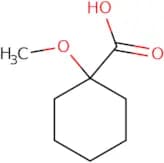
CAS:<p>Versatile small molecule scaffold</p>Formula:C9H16O3Purity:Min. 95%Molecular weight:172.22 g/mol1-Methoxycyclohexane-1-carboxylic acid
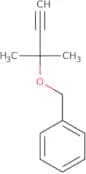
CAS:<p>1-Methoxycyclohexane-1-carboxylic acid is a potent histone deacetylase (HDAC) inhibitor. It binds to the catalytic site of HDACs and prevents them from removing acetyl groups from lysine residues on histones, which are proteins that are important for gene expression. 1-Methoxycyclohexane-1-carboxylic acid has been shown to inhibit the proliferation of recombinant cells and chronic bronchitis in animals. This compound may also be effective against other inflammatory diseases as it inhibits prostaglandin synthesis by inhibiting cyclooxygenases and nitric oxide synthases.</p>Formula:C8H14O3Purity:Min. 95%Molecular weight:158.19 g/mol(((2-Methylbut-3-yn-2-yl)oxy)methyl)benzene
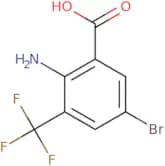
CAS:<p>Versatile small molecule scaffold</p>Formula:C12H14OPurity:Min. 95%Molecular weight:174.24 g/mol2-Amino-5-bromo-3-(trifluoromethyl)benzoic acid
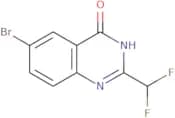
CAS:<p>Versatile small molecule scaffold</p>Formula:C8H5NO2F3BrPurity:Min. 95%Molecular weight:284.03 g/mol6-Bromo-2-(difluoromethyl)-3,4-dihydroquinazolin-4-one
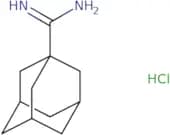
CAS:<p>Versatile small molecule scaffold</p>Formula:C9H5BrF2N2OPurity:Min. 95%Molecular weight:275.05 g/molAdamantane-1-carboxamidine hydrochloride
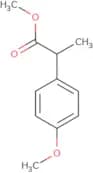
CAS:<p>Versatile small molecule scaffold</p>Formula:C11H19ClN2Purity:Min. 95%Molecular weight:214.73 g/molMethyl 2-(4-methoxyphenyl)propanoate
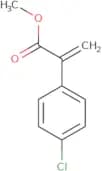
CAS:<p>Versatile small molecule scaffold</p>Formula:C11H14O3Purity:Min. 95%Molecular weight:194.23 g/molMethyl 2-(4-chlorophenyl)prop-2-enoate
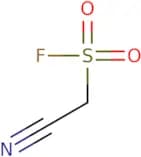
CAS:<p>Versatile small molecule scaffold</p>Formula:C10H9ClO2Purity:Min. 95%Molecular weight:196.63 g/molCyanomethanesulfonyl fluoride
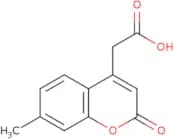
CAS:<p>Versatile small molecule scaffold</p>Formula:C2H2FNO2SPurity:Min. 95%Molecular weight:123.11 g/mol(7-Methyl-2-oxo-2H-chromen-4-yl)acetic acid
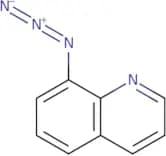
CAS:<p>(7-Methyl-2-oxo-2H-chromen-4-yl)acetic acid is a coumarin derivative that is used as a fluorescent probe to study the interaction of electron donors and acceptors. This compound has been shown to have photophysical properties, such as fluorescence and photoinduced electron transfer, which can be modulated by the presence of electron donors, such as piperidine or styryl. (7-Methyl-2-oxo-2H-chromen-4-yl)acetic acid belongs to the group of ethylenic compounds with moieties that are similar to those found in coumarin and phenothiazine.</p>Formula:C12H10O4Purity:Min. 95%Molecular weight:218.21 g/mol8-Azidoquinoline
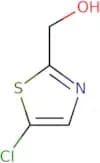
CAS:<p>8-Azidoquinoline is a chemical compound that belongs to the class of x-ray crystal structures. It has been shown to have cytotoxic effects on kidney cells in culture. 8-Azidoquinoline can be used as a precursor for the synthesis of other derivatives that are useful in cancer research, such as 8-azidopurine and 8-azidoadenosine. This chemical can also be used for cross-coupling reactions with amines, which isomerizes the ring and opens it for further reactions. The isomers of this molecule are formed by the replacement of one or more hydrogen atoms with an azide group.</p>Formula:C9H6N4Purity:Min. 95%Molecular weight:170.17 g/mol(5-Chloro-1,3-thiazol-2-yl)methanol
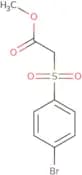
CAS:<p>Versatile small molecule scaffold</p>Formula:C4H4NOSClPurity:Min. 95%Molecular weight:149.59 g/molMethyl 2-(4-bromobenzenesulfonyl)acetate
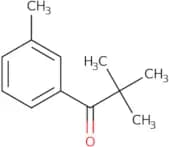
CAS:<p>Versatile small molecule scaffold</p>Formula:C9H9BrO4SPurity:Min. 95%Molecular weight:293.14 g/mol2,2-Dimethyl-1-m-tolylpropan-1-one
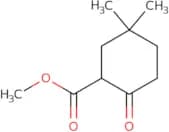
CAS:<p>Versatile small molecule scaffold</p>Formula:C12H16OPurity:Min. 95%Molecular weight:176.26 g/molMethyl 5,5-Dimethyl-2-oxocyclohexanecarboxylate
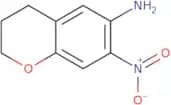
CAS:Versatile small molecule scaffoldFormula:C10H16O3Purity:Min. 95%Molecular weight:184.23 g/mol7-Nitro-3,4-dihydro-2H-chromen-6-ylamine
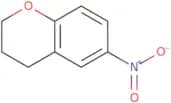
CAS:<p>Versatile small molecule scaffold</p>Formula:C9H10N2O3Purity:Min. 95%Molecular weight:194.19 g/mol6-Nitro-3,4-dihydro-2H-1-benzopyran
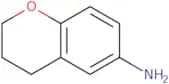
CAS:<p>Ai Product Descriptions 50 Creative</p>Formula:C9H9NO3Purity:Min. 95%Molecular weight:179.17 g/mol3,4-dihydro-2H-1-benzopyran-6-amine
CAS:<p>3,4-dihydro-2H-1-benzopyran-6-amine is an olefinic, reactive chemical that is used as an excipient in the preparation of polyenes. It can be used as a reactant to form heterocycles and unsaturated fatty acids. 3,4-dihydro-2H-1-benzopyran-6-amine has been shown to inhibit platelet aggregation and has been used as a ligand for the study of chemical reactions. This drug also has a wittig reaction with amido compounds to form hydrocarbon groups.</p>Formula:C9H11NOPurity:Min. 95%Molecular weight:149.19 g/mol2-Amino-2-(4-methyl-1,3-thiazol-5-yl)acetic acid
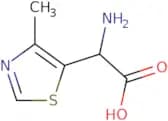
CAS:<p>Versatile small molecule scaffold</p>Formula:C6H8N2O2SPurity:Min. 95%Molecular weight:172.21 g/mol2-(1,3-Thiazol-5-yl)acetonitrile
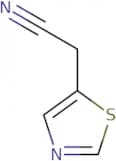
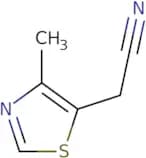
CAS:<p>Versatile small molecule scaffold</p>Formula:C5H4N2SPurity:Min. 95%Molecular weight:124.17 g/mol2-(4-Methyl-1,3-thiazol-5-yl)acetonitrile
CAS:<p>Versatile small molecule scaffold</p>Formula:C6H6N2SPurity:Min. 95%Molecular weight:138.19 g/mol


![2-{[(Benzyloxy)carbonyl]amino}-4-carbamoylbutanoic acid](/_next/image/?url=https%3A%2Fstatic.cymitquimica.com%2Fproducts%2F3D%2Fthumb-webp%2FACA51614.webp&w=3840&q=75)


![2-[(2-Methoxyphenoxy)methyl]benzoic acid](/_next/image/?url=https%3A%2Fstatic.cymitquimica.com%2Fproducts%2F3D%2Fthumb-webp%2FACA45688.webp&w=3840&q=75)