Building Blocks
Subcategories of "Building Blocks"
- Boronic Acids & Boronic Acid Derivatives(5,783 products)
- Chiral Building Blocks(1,242 products)
- Hydrocarbon Building Blocks(6,105 products)
- Organic Building Blocks(61,055 products)
Found 205383 products of "Building Blocks"
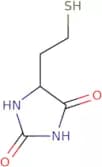
5-(2-Sulfanylethyl)imidazolidine-2,4-dione
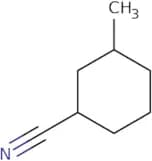
CAS:Versatile small molecule scaffoldFormula:C5H8N2O2SPurity:Min. 95%Molecular weight:160.2 g/mol3-Methylcyclohexane-1-carbonitrile
CAS:Versatile small molecule scaffold
Formula:C8H13NPurity:Min. 95%Molecular weight:123.2 g/molRef: 3D-NBA85762
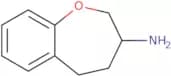
Discontinued product2,3,4,5-Tetrahydro-1-benzoxepin-3-amine
CAS:Versatile small molecule scaffold
Formula:C10H13NOPurity:Min. 95%Molecular weight:163.22 g/molRef: 3D-NBA82423
Discontinued product1-Chloro-4-[(2-isothiocyanatoethyl)sulfanyl]benzene
CAS:Versatile small molecule scaffold
Formula:C9H8ClNS2Purity:Min. 95%Molecular weight:229.8 g/molRef: 3D-NBA75240
Discontinued product2-Methylsulfonylthiophene
CAS:2-Methylsulfonylthiophene is a modulating agent that can inhibit the activity of carbonic anhydrase, adenosine receptors and 5-membered heteroaryl. It has been shown to have affinity for CB1 receptor antagonists and is used to treat cardiovascular diseases. 2-Methylsulfonylthiophene also inhibits the enzymatic activity of anhydrase in the eye, which leads to suppression of intraocular pressure (IOP). The drug also has anti-glaucoma effects by reducing the production of aqueous humour. 2-Methylsulfonylthiophene is used as a dyestuff intermediate and as an organic solvent.
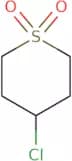
Formula:C5H6O2S2Purity:Min. 95%Molecular weight:162.23 g/mol4-Cchlorotetrahydro-2H-thiopyran 1,1-dioxide
CAS:4-chlorotetrahydro-2H-thiopyran 1,1-dioxide is an experimental heterocyclic compound. It has a dipole and a methylcyclohexane ring with an axial orientation. The density of the molecule is 1.499 g/cm3. This compound has conformational energies and substituents that are stable at room temperature. Theory predicts that this compound will have 3 conformers, all of which are energetically favorable, with one being more stable than the others. The energies and conformers are influenced by the steric interactions between substituents and cyclohexanes in the molecule. 4-chlorotetrahydro-2H-thiopyran 1,1-dioxide has no electrostatic interactions because it does not have any electronegative atoms or groups.
Formula:C5H9ClO2SPurity:Min. 95%Molecular weight:168.64 g/molCyclopropyl(3,4-dimethylphenyl)methanone
CAS:Cyclopropyl(3,4-dimethylphenyl)methanone (CPM) is a synthetic cannabinoid that has been shown to have similar effects to the natural cannabinoids found in cannabis. CPM binds to and activates the CB2 receptor, which is found on cells of the immune system, brain, and other organs. It has been studied for its ability to reduce glioma tumor growth in mice by inhibiting glutamate release. The molecular modeling study showed that CPM binds to the receptor with a geometry similar to other CB2 agonists like JWH-133. In addition, CPM inhibits locomotor activity in rats and has been shown to produce some symptoms of anxiety in mice. A receptor knockout study with mice showed that CPM can bind to CB2 receptors without activating them. X-ray diffraction data indicated that CPM is an achiral molecule with an idealized molecular geometry of "s".
Formula:C12H14OPurity:Min. 95%Molecular weight:174.24 g/mol1,9,10,11,12,12-Hexachloro-5-oxatetracyclo[7.2.1.0²,⁸.0⁴,⁶]dodec-10-ene-3,7-dione
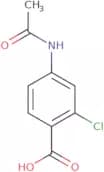
CAS:Versatile small molecule scaffoldFormula:C11H4Cl6O3Purity:Min. 95%Molecular weight:396.9 g/mol2-Chloro-4-acetamidobenzoic acid
CAS:2-Chloro-4-acetamidobenzoic acid is a nonsteroidal anti-inflammatory drug that binds to cyclooxygenase, thereby inhibiting the production of prostaglandins. 2-Chloro-4-acetamidobenzoic acid has been shown to be cytotoxic in vitro, eliciting DNA damage and cell death in some cells. This effect may be due to inhibition of mitochondrial function by 2-chloro-4-acetamidobenzoic acid. The drug has also been found to inhibit the growth of human leukemia cells and mouse mammary tumor cells in vitro. 2-Chloro-4-acetamidobenzoic acid is used as a research tool for studying the effects of cyclooxygenase inhibitors on cell cycle analysis, because it does not cause erythrocyte hemolysis.
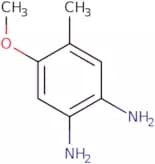
Formula:C9H8ClNO3Purity:Min. 95%Molecular weight:213.62 g/mol4-Methoxy-5-methylbenzene-1,2-diamine
CAS:Versatile small molecule scaffold
Formula:C8H12N2OPurity:90%MinMolecular weight:152.19 g/mol3-[(2-Nitrophenyl)amino]propanoic acid
CAS:Versatile small molecule scaffold
Formula:C9H10N2O4Purity:Min. 95%Molecular weight:210.19 g/molrac-(2R,6S)-2,4,6-Trimethylmorpholine
CAS:Versatile small molecule scaffold
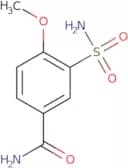
Formula:C7H15NOPurity:Min. 95%Molecular weight:129.2 g/mol4-Methoxy-3-sulfamoylbenzamide
CAS:Versatile small molecule scaffold
Formula:C8H10N2O4SPurity:Min. 95%Molecular weight:230.24 g/molRef: 3D-NBA50012
Discontinued productN-[3-(Dimethylamino)propyl]-2-hydroxybenzamide
CAS:Versatile small molecule scaffoldFormula:C12H18N2O2Purity:Min. 95%Molecular weight:222.28 g/molRef: 3D-NBA39443
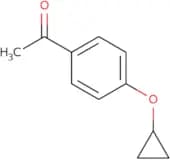
Discontinued product1-(4-Cyclopropoxyphenyl)ethan-1-one
CAS:1-(4-Cyclopropoxyphenyl)ethan-1-one is a stable, colorless ether. It is used in the acylation of aromatic or aliphatic compounds and has been shown to undergo acylation reactions with nitric acid, sulfuric acid, or phosphoric acid. This compound can also be cleaved with hydrochloric acid to form propionaldehyde.
Formula:C11H12O2Purity:Min. 95%Molecular weight:176.21 g/molRef: 3D-NBA38091
Discontinued product2-(3-Nitro-phenyl)-1H-imidazole
CAS:Versatile small molecule scaffold
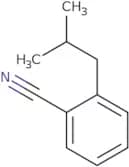
Formula:C9H7N3O2Purity:Min. 95%Molecular weight:189.17 g/mol2-(2-Methylpropyl)benzonitrile
CAS:Versatile small molecule scaffold
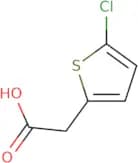
Formula:C11H13NPurity:Min. 95%Molecular weight:159.23 g/mol(5-Chloro-2-thienyl)acetic acid
CAS:Versatile small molecule scaffold
Formula:C6H5ClO2SPurity:Min. 95%Molecular weight:176.62 g/molRef: 3D-NAA66919
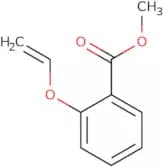
Discontinued productMethyl 2-(ethenyloxy)benzoate
CAS:Versatile small molecule scaffold
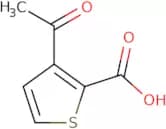
Formula:C10H10O3Purity:Min. 95%Molecular weight:178.18 g/mol3-Acetylthiophene-2-carboxylic acid
CAS:Versatile small molecule scaffold
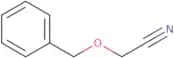
Formula:C7H6O3SPurity:Min. 95%Molecular weight:170.19 g/molBenzyloxyacetonitrile
CAS:Benzyloxyacetonitrile is a synthetic chemical that reacts with hydrochloric acid to form an acid complex. It has been used in the preparation of ethylene diamine and other amines. In addition, benzyloxyacetonitrile has been shown to react with phosphorus pentoxide to form a reactive chloride, alkylthio group, hydrogen chloride, hydroxy group, nucleophilic, acid complex.
Formula:C9H9NOPurity:Min. 95%Molecular weight:147.18 g/molRef: 3D-NAA62031
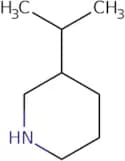
Discontinued product3-(propan-2-yl)piperidine
CAS:Versatile small molecule scaffold
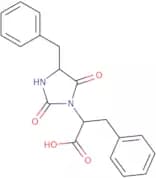
Formula:C8H17NPurity:Min. 95%Molecular weight:127.22 g/mol2-(4-Benzyl-2,5-dioxoimidazolidin-1-yl)-3-phenylpropanoic acid
CAS:Versatile small molecule scaffoldFormula:C19H18N2O4Purity:Min. 95%Molecular weight:338.4 g/molRef: 3D-NAA58909
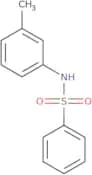
Discontinued productN-(3-Methylphenyl)benzenesulfonamide
CAS:3-Methylbenzenesulfonamide is a white crystalline solid that is soluble in water and ethanol. It has a melting point of 112 °C, with the molecular weight of 149.3 g/mol. 3-Methylbenzenesulfonamide can be synthesized by reacting 3-methylbenzoic acid and ethyl sulfonyl chloride. The chemical structure of this compound is a chain of six carbon atoms with two hydrogen bonds, which are dihedral angles. This compound is asymmetric because it contains one more chiral carbon atom than the other.
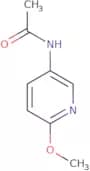
Formula:C13H13NO2SPurity:Min. 95%Molecular weight:247.31 g/molN-(6-Methoxypyridin-3-yl)acetamide
CAS:Versatile small molecule scaffold
Formula:C8H10N2O2Purity:Min. 95%Molecular weight:166.18 g/mol1,3-Dimethyl-1H,4H,5H,6H-pyrazolo[3,4-b][1,4]thiazin-5-one
CAS:Versatile small molecule scaffold
Formula:C7H9N3OSPurity:Min. 95%Molecular weight:183.23 g/molRef: 3D-NAA56876
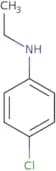
Discontinued productN-Ethyl-4-chloroaniline
CAS:N-Ethyl-4-chloroaniline is a colorless, oily liquid that is soluble in water and has a sweet odor. It is an aliphatic hydrocarbon and an aromatic hydrocarbon. It can be used in the production of acrylonitrile and ethylene chloride. This chemical reacts with amines to produce nitroamines. N-Ethyl-4-chloroaniline also reacts with dimethylamine to produce chlorobenzyl amine, which is a byproduct in the production of propylamine. It reacts with cycloaliphatic compounds to produce naphthalene.
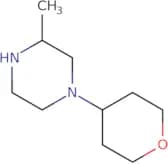
Formula:C8H10ClNPurity:Min. 95%Molecular weight:155.63 g/mol(3R)-3-Methyl-1-(oxan-4-yl)piperazine
CAS:Versatile small molecule scaffold
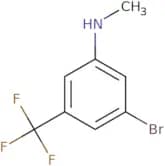
Formula:C10H20N2OPurity:Min. 95%Molecular weight:184.28 g/mol3-Bromo-N-methyl-5-(trifluoromethyl)aniline
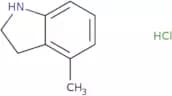
CAS:Versatile small molecule scaffoldFormula:C8H7BrF3NPurity:Min. 95%Molecular weight:254.05 g/mol4-Methylindoline hydrochloride
CAS:Versatile small molecule scaffold
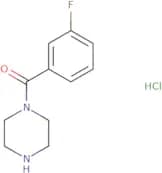
Formula:C9H12ClNPurity:Min. 95%Molecular weight:169.65 g/mol1-(3-Fluorobenzoyl)piperazine hydrochloride
CAS:Versatile small molecule scaffold
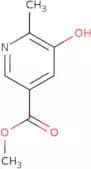
Formula:C11H14ClFN2OPurity:Min. 95%Molecular weight:244.69 g/mol5-Hydroxy-6-methyl-nicotinic acid methyl ester
CAS:Versatile small molecule scaffold
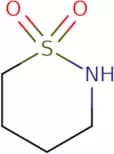
Formula:C8H9NO3Purity:Min. 95%Molecular weight:167.16 g/mol1lambda6,2-thiazinane-1,1-dione
CAS:1,2-Thiazinane-1,1-dione is a short-chain alkylating agent that has been shown to have neuropathic and inflammatory pain relief. It binds to a number of halides and inhibits their action, including the inhibition of angiotensin I-converting enzyme (ACE), which is an antihypertensive agent. 1,2-Thiazinane-1,1-dione also inhibits the production of epoxides in c1-4 alkyl groups. This drug also has antibacterial properties and can be used as a chemical probe for ligand binding studies.
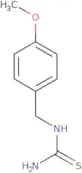
Formula:C4H9NO2SPurity:Min. 95%Molecular weight:135.2 g/mol1-(4-Methoxybenzyl)-2-thiourea
CAS:Versatile small molecule scaffold
Formula:C9H12N2OSPurity:Min. 95%Molecular weight:196.27 g/molRef: 3D-MBA41264
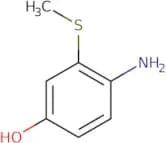
Discontinued product4-amino-3-(methylsulfanyl)phenol
CAS:Versatile small molecule scaffold
Formula:C7H9NOSPurity:Min. 95%Molecular weight:155.21 g/mol2-[(2-Methylphenyl)amino]-4,5-dihydro-1,3-thiazol-4-one
CAS:Versatile small molecule scaffold
Formula:C10H10N2OSPurity:Min. 95%Molecular weight:206.27 g/molRef: 3D-MBA39499
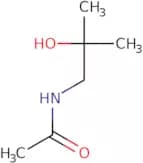
Discontinued productN-(2-Hydroxy-2-methylpropyl)acetamide
CAS:N-(2-Hydroxy-2-methylpropyl)acetamide (HMPA) is a molecule inhibitor that inhibits the activity of inflammatory bowel disease (IBD)-associated kinases. HMPA is a member of a family of molecules that are inhibitors of IBD-associated kinases, which may be useful for the treatment of IBD. HMPA has shown in vitro inhibition against two kinases, JNK1 and p38 MAPK, which are both important mediators in the progression of IBD. This drug may be used to inhibit inflammation in the digestive tract by blocking these inflammatory pathways.
Formula:C6H13NO2Purity:Min. 95%Molecular weight:131.17 g/molRef: 3D-MBA15062
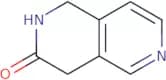
Discontinued product1,2-Dihydro-2,6-naphthyridin-3(4H)-one
CAS:Versatile small molecule scaffold
Formula:C8H8N2OPurity:Min. 95%Molecular weight:148.16 g/molRef: 3D-MBA12544
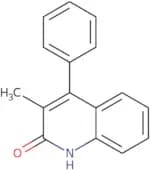
Discontinued product3-Methyl-4-phenyl-1,2-dihydroquinolin-2-one
CAS:Versatile small molecule scaffold
Formula:C16H13NOPurity:Min. 95%Molecular weight:235.28 g/molRef: 3D-MBA11875
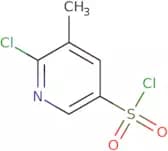
Discontinued product6-Chloro-5-methyl-pyridine-3-sulphonyl chloride
CAS:Versatile small molecule scaffold
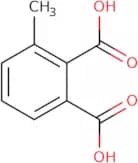
Formula:C6H5Cl2NO2SPurity:Min. 95%Molecular weight:226.07 g/mol3-Methylphthalic Acid
CAS:3-Methylphthalic Acid is a chemical that is used in the production of polyvinyl chloride. It is produced by the dioxygenation of phthalic anhydride and methanol, which produces 3-methylphthalic acid as well as 1,1-dichloroethane. The chemical can be used as a surfactant in polyvinyl chloride and styrene production processes. 3-Methylphthalic Acid has been shown to have adverse health effects on laboratory animals, including polyvinyl chloride workers who are exposed to it for prolonged periods of time. The chemical can cause irritation and corrosion to skin and eyes, as well as damage to the liver and kidneys.
Formula:C9H8O4Purity:Min. 95%Molecular weight:180.16 g/molRef: 3D-MBA10274
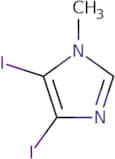
Discontinued product4,5-Diiodo-1-methyl-1H-imidazole
CAS:Versatile small molecule scaffold
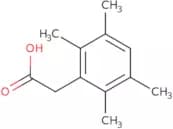
Formula:C4H4I2N2Purity:Min. 95%Molecular weight:333.89 g/mol2-(2,3,5,6-Tetramethylphenyl)acetic acid
CAS:Versatile small molecule scaffold
Formula:C12H16O2Purity:Min. 95%Molecular weight:192.25 g/mol4-Chloro-8-methyl-quinoline-3-carboxylic acid ethyl ester
CAS:Versatile small molecule scaffold
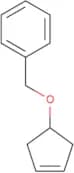
Formula:C13H12ClNO2Purity:Min. 95%Molecular weight:249.69 g/mol((Cyclopent-3-en-1-yloxy)methyl)benzene
CAS:((Cyclopent-3-en-1-yloxy)methyl)benzene (CPMB) is a cyclopentanoid that is found in nature. It has a hydrophilic substituent on the 3rd carbon and a hydroxyl group on the 1st carbon. The substitution at the 3rd carbon is an unresolved stereoisomer. CPMB is also a natural product that can be found in mixtures with other compounds. It can be synthesized using cyclopentadiene and connect to form a ring, or it can be created by reacting oxygen atoms from hydrogen peroxide with benzene. CPMB has been studied for its biological effects such as inducing sleep, or its potential use in cancer treatments.
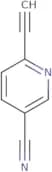
Formula:C12H14OPurity:Min. 95%Molecular weight:174.24 g/mol6-Ethynylpyridine-3-carbonitrile
CAS:Versatile small molecule scaffold
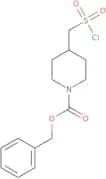
Formula:C8H4N2Purity:Min. 95%Molecular weight:128.13 g/molBenzyl 4-((chlorosulfonyl)methyl)piperidine-1-carboxylate
CAS:Versatile small molecule scaffold
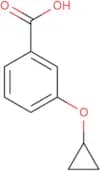
Formula:C14H18ClNO4SPurity:Min. 95%Molecular weight:331.82 g/mol3-Cyclopropoxybenzoic acid
CAS:Versatile small molecule scaffold
Formula:C10H10O3Purity:Min. 95%Molecular weight:178.18 g/molRef: 3D-LYB58715
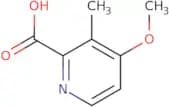
Discontinued product4-Methoxy-3-methylpyridine-2-carboxylic acid
CAS:Versatile small molecule scaffold
Formula:C8H9NO3Purity:Min. 95%Molecular weight:167.16 g/molRef: 3D-LYB58353
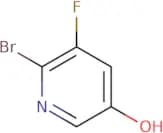
Discontinued product6-Bromo-5-fluoropyridin-3-ol
CAS:Versatile small molecule scaffold
Formula:C5H3BrFNOPurity:Min. 95%Molecular weight:191.99 g/mol

![1-Chloro-4-[(2-isothiocyanatoethyl)sulfanyl]benzene](/_next/image/?url=https%3A%2Fstatic.cymitquimica.com%2Fproducts%2F3D%2Fthumb-webp%2FNBA75240.webp&w=3840&q=75)


![1,9,10,11,12,12-Hexachloro-5-oxatetracyclo[7.2.1.0²,⁸.0⁴,⁶]dodec-10-ene-3,7-dione](/_next/image/?url=https%3A%2Fstatic.cymitquimica.com%2Fproducts%2F3D%2Fthumb-webp%2FNBA66780.webp&w=3840&q=75)
![3-[(2-Nitrophenyl)amino]propanoic acid](/_next/image/?url=https%3A%2Fstatic.cymitquimica.com%2Fproducts%2F3D%2Fthumb-webp%2FNBA58458.webp&w=3840&q=75)
![N-[3-(Dimethylamino)propyl]-2-hydroxybenzamide](/_next/image/?url=https%3A%2Fstatic.cymitquimica.com%2Fproducts%2F3D%2Fthumb-webp%2FNBA39443.webp&w=3840&q=75)

![1,3-Dimethyl-1H,4H,5H,6H-pyrazolo[3,4-b][1,4]thiazin-5-one](/_next/image/?url=https%3A%2Fstatic.cymitquimica.com%2Fproducts%2F3D%2Fthumb-webp%2FNAA56876.webp&w=3840&q=75)
![2-[(2-Methylphenyl)amino]-4,5-dihydro-1,3-thiazol-4-one](/_next/image/?url=https%3A%2Fstatic.cymitquimica.com%2Fproducts%2F3D%2Fthumb-webp%2FMBA39499.webp&w=3840&q=75)