


Building Blocks
Subcategories of "Building Blocks"
- Boronic Acids & Boronic Acid Derivatives(5,781 products)
- Chiral Building Blocks(1,242 products)
- Hydrocarbon Building Blocks(6,101 products)
- Organic Building Blocks(61,033 products)
Found 205320 products of "Building Blocks"
3-[(tert-Butylsulfanyl)methyl]aniline
CAS:Versatile small molecule scaffold
Formula:C11H17NSPurity:Min. 95%Molecular weight:195.33 g/mol2,4-dichloro-1,5-naphthyridine
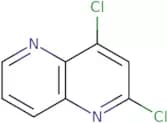
CAS:2,4-Dichloro-1,5-naphthyridine is a methanolic solution of hydrogen chloride and chloroquine. It has been shown to be an effective antimalarial agent. 2,4-Dichloro-1,5-naphthyridine has been synthesized by the reaction of methanolic hydrogen chloride and sodium methoxide with 1,5-dichloronaphthalene in the presence of chloroform. The chemical name for this compound is 2-(2′,4′-dichlorophenyl)-1H-isoindole-1,3(2H)-dione. This chemical has not been studied extensively in humans but it is thought that it may have similar effects to primaquine.
Formula:C8H4Cl2N2Purity:Min. 95%Molecular weight:199 g/molRef: 3D-DBA25282
Discontinued product2-Hexylpyrazine
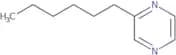
CAS:2-Hexylpyrazine is a heterocyclic organic compound that belongs to the group of alkynyl pyrazines. It is used as a solid catalyst in organic reactions, such as methylation, esterification, and alkylation. 2-Hexylpyrazine has been shown to be effective for bowel disease and inflammatory bowel disease. It has also been shown to inhibit cancer cell growth and is being studied for its potential use in the treatment of autoimmune diseases. 2-Hexylpyrazine is metabolized by bile acids and inflammatory cells into a reactive species which activates G protein coupled receptors on the surface of cells, leading to increased chloride ion concentrations within the cell. This leads to inhibition of dopamine D3 receptor signaling, which may have anti-inflammatory effects.
Formula:C10H16N2Purity:Min. 95%Molecular weight:164.25 g/molRef: 3D-DBA21791
Discontinued productBenzene, (1,1-dimethyl-2-propyn-1-yl)-
CAS:Versatile small molecule scaffold
Formula:C11H12Purity:Min. 95%Molecular weight:144.21 g/molRef: 3D-DBA12905
Discontinued productp-Hydroxyphenylacetylglycine
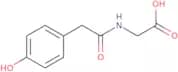
CAS:p-Hydroxyphenylacetylglycine (PHPAG) is a metabolite of creatine, which is found in urine samples. It can be detected through chemical analysis of tissue and food composition. The detection sensitivity is determined by the type of sample and the analytical method used. PHPAG has been shown to have diagnostic value for the diagnosis of certain diseases, such as liver cirrhosis, kidney disease, and fatty acid metabolism disorders. PHPAG has also been shown to be an indicator for intracellular levels of fatty acids and polyunsaturated fatty acids (PUFA).
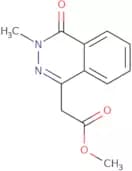
Formula:C10H11NO4Purity:Min. 95%Molecular weight:209.2 g/molMethyl 2-(3-methyl-4-oxo-3,4-dihydrophthalazin-1-yl)acetate
CAS:Versatile small molecule scaffold
Formula:C12H12N2O3Purity:Min. 95%Molecular weight:232.23 g/mol2-[2-(2-Chlorophenoxy)ethyl]-2,3-dihydro-1H-isoindole-1,3-dione
CAS:Versatile small molecule scaffold
Formula:C16H12ClNO3Purity:Min. 95%Molecular weight:301.72 g/molRef: 3D-CEB36876
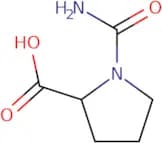
Discontinued product1-carbamoylpyrrolidine-2-carboxylic acid
CAS:1-Carbamoylpyrrolidine-2-carboxylic acid is an antimicrobial agent that belongs to the class of cyclic amino acid derivatives. It crystallizes well and has a high yield of approximately 91%. The antimicrobial activity of 1-carbamoylpyrrolidine-2-carboxylic acid is due to its ability to inhibit microbial cell parameters, such as axial rotation and hydrolysis. This compound also has the ability to bind to benzyl groups with a high affinity and inhibit microbial growth by interfering with protein synthesis. Furthermore, 1-carbamoylpyrrolidine-2-carboxylic acid is inexpensively synthesized from benzoic acid.
Formula:C6H10N2O3Purity:Min. 95%Molecular weight:158.16 g/molRef: 3D-AFA41162
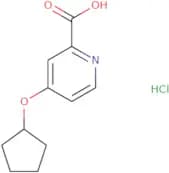
Discontinued product4-(Cyclopentyloxy)pyridine-2-carboxylic acid hydrochloride
CAS:Versatile small molecule scaffold
Formula:C11H14ClNO3Purity:Min. 95%Molecular weight:243.7 g/molRef: 3D-AVD25898
Discontinued product[(Carbamoylamino)carbonyl]urea
CAS:[(Carbamoylamino)carbonyl]urea (Urea) is a reactive compound that can be found in urine, saliva, and sweat. Urea is used as an active methylene group in the synthesis of polyurethane. It can be synthesized by reacting hydrochloric acid with calcium carbonate and carbonyl oxygens. The chemical formula for urea is NH2CONH2. The molecular weight of urea is 60.06 g/mol. Hydrolysis of urea produces ammonia and carbon dioxide, which are both gases at room temperature. Reaction products include ammonia, carbon dioxide, water, and hydrogen cyanide. The pH of urea ranges from 6 to 9 when in solution or solid form, depending on the concentration of the compound. Urea has been shown to produce fatty acids when heated above 300 degrees Celsius.
Formula:C3H6N4O3Purity:Min. 95%Molecular weight:146.11 g/mol1-Monotetranoin
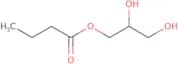
CAS:1-Monotetranoin is a fatty ester that is involved in the process of lipolysis, which is the breakdown of fat cells. Lipolysis occurs when an enzyme called lipase hydrolyzes triglycerides into glycerol and three fatty acids. 1-Monotetranoin has been shown to be a potent stimulator of growth factor production and cell proliferation in vivo models. It has also been shown to be effective at inhibiting angiogenic processes in vitro, including the release of growth factors from fat cells. The neutral pH optimum for 1-monotetranoin is between 7 and 8, which may be due to its hydrophobic nature.
Formula:C7H14O4Purity:Min. 95%Molecular weight:162.18 g/molRef: 3D-AAA55725
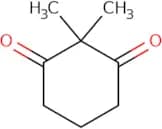
Discontinued product2,2-Dimethylcyclohexane-1,3-dione
CAS:2,2-Dimethylcyclohexane-1,3-dione is a compound that has been shown to be an intermediate in the taxol synthesis. It is an ester that can be alkylated and has been shown to have intramolecular or intermolecular alkylation through its ring system. The crystal structure analysis of this compound was done by x-ray diffraction and it was found to have key structural features for the synthesis of taxanes. 2,2-Dimethylcyclohexane-1,3-dione is used as an intermediate in the synthesis of taxol. It also shows enzymatic activity because it is a substrate for alcohol dehydrogenase. This molecule has been synthesized from different types of alcohols including methanol and ethanol via nitro reduction.
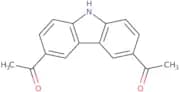
Formula:C8H12O2Purity:Min. 95%Molecular weight:140.18 g/mol1,1-(9H-carbazole-3,6-diyl)diethanone
CAS:1,1-(9H-carbazole-3,6-diyl)diethanone is an aromatic compound with a molecular formula of C12H10N2O that belongs to the class of enol ethers. It can be used as a framework for the synthesis of other compounds. The acylation reaction is catalyzed by a transfer catalyst and carried out in dioxane at room temperature. After filtration and washing with deionized water, it is then dried under vacuum to yield the product. Friedel-Crafts acylation or a metal salt may be used during this process. 1,1-(9H-carbazole-3,6-diyl)diethanone has also been shown to act as a ligand for transition metals such as copper and zinc in certain reactions.
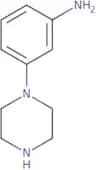
Formula:C16H13NO2Purity:Min. 95%Molecular weight:251.28 g/mol3-(Piperazin-1-yl)aniline
CAS:Versatile small molecule scaffold
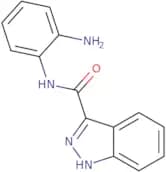
Formula:C10H15N3Purity:Min. 95%Molecular weight:177.25 g/molN-(2-Aminophenyl)-1H-indazole-3-carboxamide
CAS:Versatile small molecule scaffold
Formula:C14H12N4OPurity:Min. 95%Molecular weight:252.27 g/molRef: 3D-CCB70193
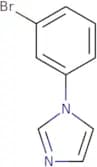
Discontinued product1-(3-Bromophenyl)-1H-imidazole
CAS:Versatile small molecule scaffold
Formula:C9H7BrN2Purity:Min. 95%Molecular weight:223.07 g/mol4-((4-Amino-1H-pyrazol-1-yl)methyl)benzonitrile
CAS:Versatile small molecule scaffoldFormula:C11H10N4Purity:Min. 95%Molecular weight:198.22 g/molRef: 3D-CWB94014
Discontinued productPB-22 3-carboxyindole metabolite solution
CAS:Controlled ProductPB-22 is a synthetic cannabinoid, which can be classified as a CB1 receptor agonist. It is one of the many cannabinoids that have been created in an attempt to circumvent drug laws by creating compounds that are similar to those found in cannabis but have different chemical structures. PB-22 has shown to increase locomotor activity and stimulate the cb1 receptor in mice. Magnetic resonance spectroscopy (MRS) and assays were used to determine the binding affinity of PB-22 for the CB1 receptor. The MRS data showed that PB-22 bound with high affinity to the CB1 receptor and had a lower affinity for CB2 receptors. This suggests that PB-22 may be more potent than other synthetic cannabinoids, such as JWH-018 and CP 55,940, which bind better with CB2 receptors than CB1 receptors.
PB-22 is an analog of JWH-073 and has been shown to have a stronger effect on locomotor activity than JWHFormula:C14H17NO2Purity:Min. 95%Molecular weight:231.29 g/mol1-Cyclopropyl-1-methoxypropan-2-amine
CAS:Versatile small molecule scaffoldFormula:C7H15NOPurity:Min. 95%Molecular weight:129.2 g/molRef: 3D-CPC07930
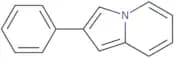
Discontinued product2-Phenylindolizine
CAS:2-Phenylindolizine is a chemical compound that can be used in the synthesis of other compounds. It has been shown to react with acrylonitrile to form a nitrile, which is an important intermediate in organic chemistry. 2-Phenylindolizine has also been shown to react with benzaldehyde, creating an acetal and a diazo compound. The reaction of 2-phenylindolizine with a chiral electrophile yields two different products. This reaction is highly efficient and can be screened for desirable products using fluorescence and yield measurements.
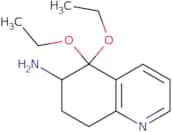
Formula:C14H11NPurity:Min. 95%Molecular weight:193.24 g/mol5,5-Diethoxy-5,6,7,8-tetrahydroquinolin-6-amine
CAS:Versatile small molecule scaffoldFormula:C13H20N2O2Purity:Min. 95%Molecular weight:236.3 g/molRef: 3D-AVD25918
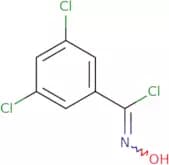
Discontinued product3,5-Dichloro-N-hydroxybenzene-1-carbonimidoyl chloride
CAS:Versatile small molecule scaffold
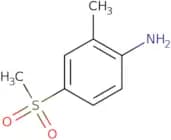
Formula:C7H4Cl3NOPurity:Min. 95%Molecular weight:224.5 g/mol4-Methanesulfonyl-2-Methylaniline
CAS:Versatile small molecule scaffold
Formula:C8H11NO2SPurity:Min. 95%Molecular weight:185.25 g/molRef: 3D-CKA56200
Discontinued product2-(4-Chlorobenzenesulfinyl)acetic acid
CAS:Versatile small molecule scaffold
Formula:C8H7ClO3SPurity:Min. 95%Molecular weight:218.66 g/molRef: 3D-DAA99647
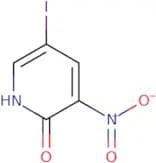
Discontinued product2-Hydroxy-5-iodo-3-nitropyridine
CAS:Versatile small molecule scaffold
Formula:C5H3IN2O3Purity:Min. 95%Molecular weight:265.99 g/mol1-[3-(Hydroxymethyl)phenyl]ethan-1-one
CAS:Versatile small molecule scaffold
Formula:C9H10O2Purity:Min. 95%Molecular weight:150.17 g/molRef: 3D-AFA60406
Discontinued productBPIPP
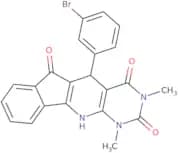
CAS:Biphenyl-2,3,4,5-tetracarboxylic acid dianhydride (BPIPP) is a small molecule that has been shown to be effective in the treatment of chronic diarrhea. It is also able to prevent malignant brain tumors and colorectal carcinomas. BPIPP inhibits intracellular cyclic guanosine monophosphate (cGMP) levels and activates protein kinase G (PKG), which causes an increase in cAMP levels. The increase in cAMP levels is responsible for the decrease in blood pressure. BPIPP also decreases camp levels and increases fluorescence efficiency. With this drug, it was possible to use a more efficient method to measure plasma concentrations of BPIPPA than with other methods.
Formula:C22H16BrN3O3Purity:Min. 95%Molecular weight:450.28 g/molRef: 3D-ANA74694
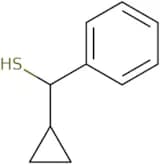
Discontinued productCyclopropyl(phenyl)methanethiol
CAS:Versatile small molecule scaffold
Formula:C10H12SPurity:Min. 95%Molecular weight:164.27 g/molRef: 3D-BGA15346
Discontinued productCholine kinase-A inhibitor, ck37
CAS:Versatile small molecule scaffold
Formula:C20H22N4OSPurity:Min. 95%Molecular weight:366.5 g/molRef: 3D-BQB47890
Discontinued producttert-Butyl 3-{[(tert-butoxy)carbonyl](hydroxy)amino}azetidine-1-carboxylate
CAS:Versatile small molecule scaffoldFormula:C13H24N2O5Purity:Min. 95%Molecular weight:288.3 g/molRef: 3D-AVD25929
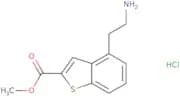
Discontinued productMethyl 4-(2-aminoethyl)-1-benzothiophene-2-carboxylate hydrochloride
CAS:Versatile small molecule scaffoldFormula:C12H14ClNO2SPurity:Min. 95%Molecular weight:271.8 g/molRef: 3D-CVD03319
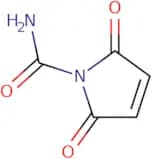
Discontinued productN-Carbamoylmaleimide
CAS:N-Carbamoylmaleimide is a maleimide that reacts with amides to form N-hydroxysuccinimidyl esters. It is used as an alternative to succinimidyl esters for the synthesis of cross-linked polymers. The reaction proceeds via a cyclic intermediate, and is catalyzed by metal ions such as iron. The product is stable at room temperature, but decomposes at elevated temperatures. N-Carbamoylmaleimide can be synthesized by the reaction of methylbenzene with ammonia in the presence of sodium hydroxide, followed by dehydration with sulfuric acid. This compound can also be synthesized using a solid phase synthesis technique, which involves reacting an amine with vinyl ether and dimethylformamide in the presence of a carbonylating agent such as dicyclohexylcarbodiimide (DCC).
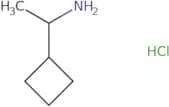
Formula:C5H4N2O3Purity:Min. 95%Molecular weight:140.1 g/mol(1R)-1-Cyclobutylethan-1-amine hydrochloride
CAS:Versatile small molecule scaffoldFormula:C6H14ClNPurity:Min. 95%Molecular weight:135.63 g/molRef: 3D-CCB74379
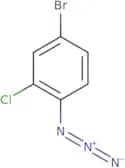
Discontinued product1-Azido-4-bromo-2-chlorobenzene
CAS:Versatile small molecule scaffold
Formula:C6H3BrClN3Purity:Min. 95%Molecular weight:232.46 g/molRef: 3D-CWB94347
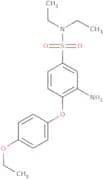
Discontinued product3-Amino-4-(4-ethoxyphenoxy)-N,N-diethylbenzene-1-sulfonamide
CAS:Versatile small molecule scaffoldFormula:C18H24N2O4SPurity:Min. 95%Molecular weight:364.5 g/molRef: 3D-CEB69463
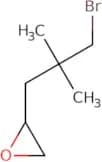
Discontinued product2-(3-Bromo-2,2-dimethylpropyl)oxirane
CAS:Versatile small molecule scaffold
Formula:C7H13BrOPurity:Min. 95%Molecular weight:193.08 g/molRef: 3D-AFA74136
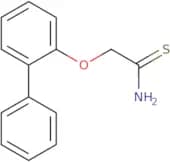
Discontinued product2-(2-Phenylphenoxy)ethanethioamide
CAS:Versatile small molecule scaffold
Formula:C14H13NOSPurity:Min. 95%Molecular weight:243.33 g/molRef: 3D-CMB99499
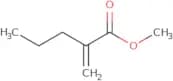
Discontinued productMethyl 2-methylidenepentanoate
CAS:Versatile small molecule scaffold
Formula:C7H12O2Purity:Min. 95%Molecular weight:128.17 g/molRef: 3D-DAA07066
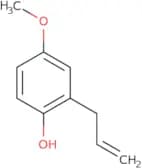
Discontinued product2-Allyl-4-methoxyphenol
CAS:2-Allyl-4-methoxyphenol is a monomer that is used in synthetic antioxidants. It has been shown to scavenge free radicals and inhibit the production of 4-allyl-2-methoxyphenol (AMPM) from carthamus tinctorius. Inhibition rates have been observed at different concentrations and microwaves. 2-Allyl-4-methoxyphenol has also been shown to enhance the antioxidant activity of phenethyl propionate, and it has a dry weight of 522 g/mol. This compound is synthetically derived and can be found in submandibular gland secretions, as well as eugenol and fusarium oxysporum f.
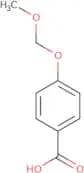
Formula:C10H12O2Purity:Min. 95%Molecular weight:164.2 g/mol4-(Methoxymethoxy)benzoic acid
CAS:4-(Methoxymethoxy)benzoic acid (MMBA) is a synthetic compound that is used in the synthesis of allyl compounds. MMBA is not chemically reactive and does not undergo any reactions at room temperature. This substance can be activated by adding a nucleophile, such as an alcohol or water molecule, which will then react with the electrophilic carbon atom. This reaction produces epoxide and an alkene product. The most common reaction occurs with methanol, producing methoxypropane, which can then be converted to other organic compounds. Research has shown that MMBA has anticancer properties due to its ability to inhibit cell growth and induce apoptosis in humans.
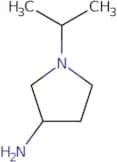
Formula:C9H10O4Purity:Min. 95%Molecular weight:182.17 g/mol1-(Propan-2-yl)pyrrolidin-3-amine
CAS:Versatile small molecule scaffold
Formula:C7H16N2Purity:Min. 95%Molecular weight:128.22 g/molRef: 3D-CHB29314
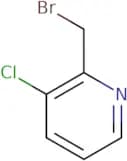
Discontinued product2-(bromomethyl)-3-chloropyridine
CAS:Versatile small molecule scaffold
Formula:C6H5BrClNPurity:Min. 95%Molecular weight:206.47 g/molRef: 3D-CZB51576
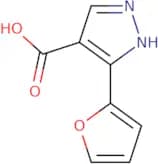
Discontinued product5-(Furan-2-yl)-1H-pyrazole-4-carboxylic acid
CAS:Versatile small molecule scaffold
Formula:C8H6N2O3Purity:Min. 95%Molecular weight:178.14 g/molRef: 3D-CWB54382
Discontinued product1-[1-(4-Fluorophenyl)-5-methyl-1H-pyrazol-4-yl]ethan-1-amine
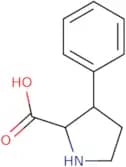
CAS:Versatile small molecule scaffoldFormula:C12H14FN3Purity:Min. 95%Molecular weight:219.26 g/mol3-Phenylpyrrolidine-2-carboxylic acid
CAS:3-Phenylpyrrolidine-2-carboxylic acid is a peptidomimetic that has been shown to have high affinity for melanocortin receptors. It is an agonist of the melanocortin receptor MC3 and MC4. 3-Phenylpyrrolidine-2-carboxylic acid has been synthesized, and its pharmacological properties have been simulated using molecular dynamic simulations. The molecule has a carbonyl group in the skeleton, which allows it to form steric interactions with the receptor. These interactions are important for the activation of the receptor by 3-Phenylpyrrolidine-2-carboxylic acid.
Formula:C11H13NO2Purity:Min. 95%Molecular weight:191.23 g/molRef: 3D-DAA00568
Discontinued product2-Methylpyrazolo[1,5-a]quinazolin-5(4H)-one
CAS:Versatile small molecule scaffold
Formula:C11H9N3OPurity:Min. 95%Molecular weight:199.21 g/molRef: 3D-ABA46850
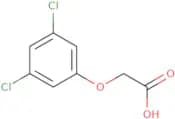
Discontinued product2-(3,5-Dichlorophenoxy)acetic acid
CAS:2-(3,5-Dichlorophenoxy)acetic acid is an organic compound that has both a carboxylate and a hydroxyl group. It is used as an herbicide and has been shown to be effective in preventing uptake of radioactive elements by plants. 2-(3,5-Dichlorophenoxy)acetic acid can be prepared from butanoic acid and sodium chloride. The molecular formula for 2-(3,5-Dichlorophenoxy)acetic acid is CHClOOC(CHCOCH).
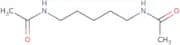
Formula:C8H6O3Cl2Purity:Min. 95%Molecular weight:221.03 g/molN-(5-Acetamidopentyl)acetamide
CAS:5-Acetamidopentylacetamide (5AA) is a molecule that is used in the treatment of cancer. It inhibits the growth of tumor cells by causing cell death in the cytoplasm. 5AA has been shown to inhibit the production of tumor necrosis factor alpha, as well as protein kinase C and phospholipase A2, which are involved in tumor cell proliferation. This molecule also induces apoptosis and inhibits viral replication by preventing viral RNA transcription. 5AA is a potent inducer of gene expression in diploid lymphoblastoid cells, which may be due to its ability to stimulate uptake and metabolism of the drug. It has been shown that 5AA can be taken up by fibroblast cells in culture through passive diffusion or an active transport mechanism. This agent is metabolized into an organic solvent and excreted via trichloroacetic acid (TCA) or salivary routes. The use of 5AA has
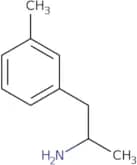
Formula:C9H18N2O2Purity:Min. 95%Molecular weight:186.25 g/mol1-(3-Methylphenyl)propan-2-amine
CAS:Controlled ProductVersatile small molecule scaffold
Formula:C10H15NPurity:Min. 95%Molecular weight:149.23 g/molRef: 3D-AAA58806
Discontinued productEthyl 4-amino-2-oxabicyclo[2.1.1]hexane-1-carboxylate hydrochloride
CAS:Versatile small molecule scaffold
Formula:C8H14ClNO3Purity:Min. 95%Molecular weight:207.65 g/molRef: 3D-AVD25976
Discontinued product
![3-[(tert-Butylsulfanyl)methyl]aniline](/_next/image/?url=https%3A%2Fstatic.cymitquimica.com%2Fproducts%2F3D%2Fthumb-webp%2FDBA28827.webp&w=3840&q=75)


![2-[2-(2-Chlorophenoxy)ethyl]-2,3-dihydro-1H-isoindole-1,3-dione](/_next/image/?url=https%3A%2Fstatic.cymitquimica.com%2Fproducts%2F3D%2Fthumb-webp%2FCEB36876.webp&w=3840&q=75)
![[(Carbamoylamino)carbonyl]urea](/_next/image/?url=https%3A%2Fstatic.cymitquimica.com%2Fproducts%2F3D%2Fthumb-webp%2FAAA55699.webp&w=3840&q=75)



![1-[3-(Hydroxymethyl)phenyl]ethan-1-one](/_next/image/?url=https%3A%2Fstatic.cymitquimica.com%2Fproducts%2F3D%2Fthumb-webp%2FAFA60406.webp&w=3840&q=75)
amino}azetidine-1-carboxylate](/_next/image/?url=https%3A%2Fstatic.cymitquimica.com%2Fproducts%2F3D%2Fthumb-webp%2FAVD25929.webp&w=3840&q=75)
![1-[1-(4-Fluorophenyl)-5-methyl-1H-pyrazol-4-yl]ethan-1-amine](/_next/image/?url=https%3A%2Fstatic.cymitquimica.com%2Fproducts%2F3D%2Fthumb-webp%2FCWB94997.webp&w=3840&q=75)
![2-Methylpyrazolo[1,5-a]quinazolin-5(4H)-one](/_next/image/?url=https%3A%2Fstatic.cymitquimica.com%2Fproducts%2F3D%2Fthumb-webp%2FABA46850.webp&w=3840&q=75)
![Ethyl 4-amino-2-oxabicyclo[2.1.1]hexane-1-carboxylate hydrochloride](/_next/image/?url=https%3A%2Fstatic.cymitquimica.com%2Fproducts%2F3D%2Fthumb-webp%2FAVD25976.webp&w=3840&q=75)