Building Blocks
Subcategories of "Building Blocks"
- Boronic Acids & Boronic Acid Derivatives(5,780 products)
- Chiral Building Blocks(1,241 products)
- Hydrocarbon Building Blocks(6,100 products)
- Organic Building Blocks(61,029 products)
Found 205306 products of "Building Blocks"
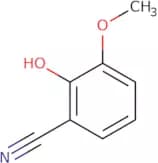
2-Hydroxy-3-methoxybenzenecarbonitrile
CAS:2-Hydroxy-3-methoxybenzenecarbonitrile (2HMB) is a reagent that is used in the synthesis of benzofurans. It is an analog of 2,2'-dichlorodiethyl carbonate. The reaction mechanism involves the conversion of 2HMB to 2-chloro-3-methoxybenzenecarbonitrile, followed by the elimination of chloride to yield 3-hydroxybenzofuran. This reagent also has the ability to catalyze reactions such as demethylation and alkylations.
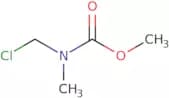
Formula:C8H7NO2Purity:Min. 95%Molecular weight:149.15 g/molMethyl N-(chloromethyl)-N-methylcarbamate
CAS:Versatile small molecule scaffold
Formula:C4H8ClNO2Purity:Min. 95%Molecular weight:137.56 g/mol3-[(2-Furylmethyl)amino]propanenitrile
CAS:Versatile small molecule scaffold
Formula:C8H10N2OPurity:Min. 95%Molecular weight:150.18 g/molRef: 3D-GAA78868
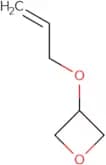
Discontinued product3-(Allyloxy)oxetane
CAS:3-(Allyloxy)oxetane is a monomer that has been found to be an effective adhesive. It is synthesized by the reaction of allyl alcohol with oxetane in the presence of base. 3-(Allyloxy)oxetane is used as an adhesive in textile manufacturing, paper coating, and sealing windows. It has also been found to be a promising material for use in sealants and adhesives.
Formula:C6H10O2Purity:Min. 95%Molecular weight:114.14 g/mol(2R,3S,4R,5R)-Oxane-2,3,4,5-tetrol
CAS:(2R,3S,4R,5R)-Oxane-2,3,4,5-tetrol is a ligand that binds to metal ions and isomers of nitro groups. This compound has four chiral centers and two stereogenic centers. It has been used as an immobilized catalyst in the synthesis of enantiopure alcohols and aldehydes. (2R,3S,4R,5R)-Oxane-2,3,4,5-tetrol can be used as a feedstock for the production of polyols or polymers. It can also be used in fermentations such as the conversion of sugars into alcohols using yeast. (2R,3S,4R,5R)-Oxane-2,3,4,5-tetrol is transported across cell membranes by active transport or diffusion. Growth temperature affects its solubility in water and its ability to form hydrogen bonds
Formula:C5H10O5Purity:Min. 95%Molecular weight:150.13 g/molRef: 3D-GAA74895
Discontinued product4-(4-Methoxy-phenyl)-piperidine hydrochloride
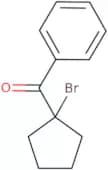
CAS:Versatile small molecule scaffoldFormula:C12H18ClNOPurity:Min. 95%Molecular weight:227.74 g/mol(1-Bromocyclopentyl)(phenyl)methanone
CAS:Versatile small molecule scaffold
Formula:C12H13BrOPurity:Min. 95%Molecular weight:253.13 g/molRef: 3D-GAA74066
Discontinued product5-Iodopentanenitrile
CAS:5-Iodopentanenitrile is a reactive chemical that can be used to produce organic compounds. This compound is an intermediate in the production of 5-iodo-1,3-dihydrobenzofuran and 5-iodoquinoline. It is also used for the production of pharmaceutical intermediates such as fluoroquinolones and alkylating agents. The mechanism of this chemical's reactivity has been studied extensively, which led to the discovery that it reacts by nucleophilic addition at electron deficient carbonyls groups. These reactions are known as Grignard reactions or halolactonizations. This chemical has also been shown to be reactive with biomolecules, such as DNA and RNA, and can bind to their sugar residues.
Formula:C5H8INPurity:Min. 95%Molecular weight:209.03 g/mol4-Iodobutanenitrile
CAS:4-Iodobutanenitrile is a synthetic compound that is used in the preparation of cyclobutanones. It can be prepared by the reaction of bromoacetic acid chloride with lysine. This procedure yields the product in high yield and purity and without significant amounts of undesired side products, such as 4-bromobutanenitrile and 2-chlorobenzene. The 4-iodobutanenitrile is synthesized using an asymmetric synthesis which includes hydrochloric acid as a reagent.
Formula:C4H6INPurity:Min. 95%Molecular weight:195 g/molRef: 3D-GAA72773
Discontinued product3-(4-Iodo-5-methyl-1H-pyrazol-1-yl)propanoic acid
CAS:Versatile small molecule scaffold
Formula:C7H9IN2O2Purity:Min. 95%Molecular weight:280.06 g/molRef: 3D-GAA71593
Discontinued product4-Azatricyclo[5.2.2.0,2,6]undec-8-ene-3,5-dione
CAS:4-Azatricyclo[5.2.2.0,2,6]undec-8-ene-3,5-dione (ATU) is a chemical compound that has been shown to have antimicrobial properties. It inhibits the growth of gram-negative and gram-positive bacteria and shows significant inhibition of MT4 cells in culture. ATU also demonstrated antifungal properties against Candida albicans and Aspergillus niger in vitro. ATU has been found to be cytotoxic to cells in culture, but not to mammals. The mechanism of action is not known, but it may be due to binding with DNA or RNA.>>END>>Formula:C10H11NO2Purity:Min. 95%Molecular weight:177.2 g/molRef: 3D-GAA71529
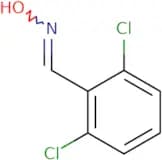
Discontinued product(E)-2,6-Dichlorobenzaldehyde oxime
CAS:(E)-2,6-Dichlorobenzaldehyde oxime is an oxime that has a high affinity for electron-rich molecules. It is a toxicant that targets toxicants with electron-donating groups such as benzene. This compound also has physicochemical properties such as solubility in water and lipids which make it suitable for mucosal administration. (E)-2,6-Dichlorobenzaldehyde oxime is used as a herbicide to control weeds in crops like soybeans and corn.
Formula:C7H5Cl2NOPurity:Min. 95%Molecular weight:190.02 g/molRef: 3D-GAA57528
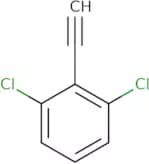
Discontinued product1,3-Dichloro-2-ethynylbenzene
CAS:Versatile small molecule scaffold
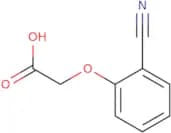
Formula:C8H4Cl2Purity:Min. 95%Molecular weight:171.02 g/mol2-(2-Cyanophenoxy)acetic acid
CAS:Versatile small molecule scaffold
Formula:C9H7NO3Purity:Min. 95%Molecular weight:177.16 g/molRef: 3D-GAA57495
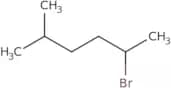
Discontinued product2-Bromo-5-methylhexane
CAS:2-Bromo-5-methylhexane is a homologous series of compounds with an alkylating agent that can inhibit cholinesterase and cause cancer. This compound has been shown to have anti-inflammatory properties, which may be due to its ability to modulate fatty acid metabolism. 2-Bromo-5-methylhexane also has been found to be effective in the treatment of prostate cancer cells. It is believed that this compound inhibits chloride channels, which are involved in the regulation of cell volume, and sodium channels, which are involved in nerve transmission. 2-Bromo-5-methylhexane also has fluorescence properties and can be used as a stain for sternal glands.
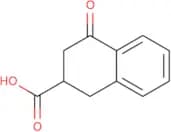
Formula:C7H15BrPurity:Min. 95%Molecular weight:179.1 g/mol2-Naphthalenecarboxylic acid, 1,2,3,4-tetrahydro-4-oxo-
CAS:2-Naphthalenecarboxylic acid, 1,2,3,4-tetrahydro-4-oxo-, is an organic compound that is a derivative of naphthalene. It can be synthesized by reacting benzene with acetic anhydride in the presence of a base catalyst. This product is used as a solvent and antioxidant in plastics manufacturing.
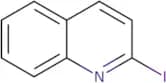
Formula:C11H10O3Purity:Min. 95%Molecular weight:190.2 g/mol2-Iodoquinoline
CAS:2-Iodoquinoline is a quinoline derivative that has been shown to be a potent inhibitor of the uptake of amyloid protein in vitro. 2-Iodoquinoline is also able to inhibit the growth of cancer cells and induce apoptosis. The mechanism by which 2-Iodoquinoline inhibits tumor cell growth may be due to its ability to activate epidermal growth factor receptor (EGFR). This compound has also been shown to stimulate epidermal growth through the activation of EGFR and other signaling pathways, such as phosphatidylinositol 3 kinase (PI3K) and mitogen-activated protein kinase (MAPK).
Formula:C9H6INPurity:Min. 95%Molecular weight:255.06 g/molRef: 3D-GAA56083
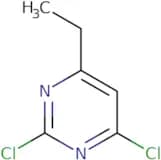
Discontinued product2,4-dichloro-6-ethylpyrimidine
CAS:Versatile small molecule scaffold
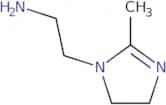
Formula:C6H6Cl2N2Purity:Min. 95%Molecular weight:177 g/mol2-(2-Methyl-4,5-dihydro-1H-imidazol-1-yl)ethan-1-amine
CAS:2-(2-Methyl-4,5-dihydro-1H-imidazol-1-yl)ethan-1-amine is an organic compound that has been used as a catalyst. It crystallizes in the triclinic system and exhibits high catalytic activity. The hydrothermal synthesis of 2-(2,4,5-trimethylphenyl)-N,N′,N″,N″′-[2(2,4,5-trimethylphenyl)ethenyl]-tetrahedrane (Cp*TiMe3) was achieved by using diethylenetriamine (DETA) as a starting material. This product catalyzes the cyclization of acetaldehyde to form benzaldehyde with high catalytic activity. The probe 2-(2,4,5-trimethylphenyl)-N,N′-[2(2,4,5-trimethylphenylFormula:C6H13N3Purity:Min. 95%Molecular weight:127.19 g/molRef: 3D-GAA52888
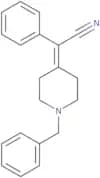
Discontinued product2-(1-Benzylpiperidin-4-ylidene)-2-phenylacetonitrile
CAS:Versatile small molecule scaffold
Formula:C20H20N2Purity:Min. 95%Molecular weight:288.4 g/molRef: 3D-GAA51769
Discontinued productL-152,804
CAS:L-152,804 is a potent inhibitor of the dopamine receptor. It has been shown to have an inhibitory effect on wild-type mice and functional assays in vitro. L-152,804 inhibits locomotor activity in wild type mice and increases energy metabolism in adipose tissue. L-152,804 binds to the dopamine receptor by competitive inhibition and inhibits the binding of glutamate and dopamine to the receptor. This drug has also been shown to have anti-inflammatory effects in a rat model of arthritis.
Formula:C23H26O4Purity:Min. 95%Molecular weight:366.46 g/molRef: 3D-GAA50843
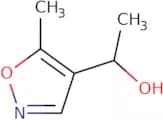
Discontinued product1-(5-Methyl-1,2-oxazol-4-yl)ethan-1-ol
CAS:Versatile small molecule scaffold
Formula:C6H9NO2Purity:Min. 95%Molecular weight:127.14 g/molRef: 3D-GAA50632
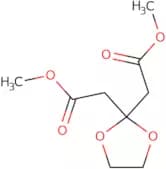
Discontinued productDimethyl 1,3-dioxolane-2,2-diacetate
CAS:Versatile small molecule scaffold
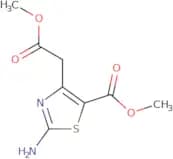
Formula:C9H14O6Purity:Min. 95%Molecular weight:218.2 g/molMethyl 2-amino-4-(2-methoxy-2-oxoethyl)-1,3-thiazole-5-carboxylate
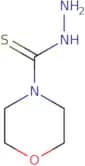
CAS:Versatile small molecule scaffoldFormula:C8H10N2O4SPurity:Min. 95%Molecular weight:230.24 g/molN-Aminomorpholine-4-carbothioamide
CAS:N-Aminomorpholine-4-carbothioamide is a ligand that binds to the carboxylates of chloroform. It is produced by the enzyme subtilisin from the amino acid L-alanine and the compound 2-acetylpyridine. This ligand has been found in microorganisms such as Escherichia coli, Staphylococcus aureus, and Saccharomyces cerevisiae. N-Aminomorpholine-4-carbothioamide has been shown to be an effective inhibitor of yeast growth but not bacterial growth. The molecular weight of this ligand is 226.2 g mol−1 and it is a dimer at room temperature with two molecules linked together by hydrogen bonds.
Formula:C5H11N3OSPurity:Min. 95%Molecular weight:161.23 g/molRef: 3D-GAA49915
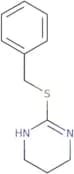
Discontinued product2-(Benzylsulfanyl)-1,4,5,6-tetrahydropyrimidine
CAS:Versatile small molecule scaffoldFormula:C11H14N2SPurity:Min. 95%Molecular weight:206.31 g/mol2-(4-Bromo-phenyl)-acetamidine hydrochloride
CAS:Versatile small molecule scaffold
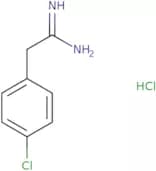
Formula:C8H10BrClN2Purity:Min. 95%Molecular weight:249.53 g/mol4-Chlorobenzeneethanimidamide hydrochloride
CAS:Versatile small molecule scaffold
Formula:C8H10Cl2N2Purity:Min. 95%Molecular weight:205.08 g/molRef: 3D-GAA48793
Discontinued product2-Methylquinazoline-4-thiol
CAS:2-Methylquinazoline-4-thiol is a heterocyclic compound with a thione group. Its amide groups are similar to those found in peptides, which play an important role in the coordination chemistry of the molecule. The 2-methylquinazoline-4-thiol skeleton is tetracyclic and can be used for synthetic purposes. This compound has been shown to have hepatoprotective properties, but also has cytotoxic effects on cells.
Formula:C9H8N2SPurity:Min. 95%Molecular weight:176.24 g/mol5-(3-Chloropropyl)-4-methyl-1,3-thiazole
CAS:5-(3-Chloropropyl)-4-methyl-1,3-thiazole is a hydrophobic antibiotic that is used as a diluent in iontophoresis. It has been shown to have targetable properties and high concentrations when it is used in phase chromatography. 5-(3-Chloropropyl)-4-methyl-1,3-thiazole also serves as a fixative agent and can be used as a diagnostic tool for the detection of salicylic acid. This compound has been found to be insoluble at high concentrations, so it cannot be reconstituted with water.Formula:C7H10ClNSPurity:Min. 95%Molecular weight:175.68 g/molRef: 3D-GAA46936
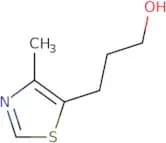
Discontinued product3-(4-Methyl-1,3-thiazol-5-yl)propan-1-ol
CAS:Versatile small molecule scaffold
Formula:C7H11NOSPurity:Min. 95%Molecular weight:157.24 g/molRef: 3D-GAA46935
Discontinued product3-Phenylumbelliferone
CAS:3-Phenylumbelliferone is a coumarin derivative that is used as an antidiabetic drug. It is a competitive inhibitor of the enzyme phosphatase, which inactivates tyrosine kinase, and inhibits the formation of DOPA from L-tyrosine, resulting in inhibition of glucose uptake by cells. 3-Phenylumbelliferone also fluoresces at wavelengths of 340 nm when excited with ultraviolet light. This property has been shown to be helpful in the detection of phenylurea herbicides, polycyclic aromatic hydrocarbons, and other compounds.
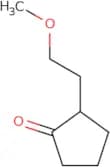
Formula:C15H10O3Purity:Min. 95%Molecular weight:238.24 g/mol2-(2-Methoxyethyl)cyclopentan-1-one
CAS:Versatile small molecule scaffold
Formula:C8H14O2Purity:Min. 95%Molecular weight:142.2 g/molRef: 3D-GAA45314
Discontinued product1-[(1-Aminopropan-2-yl)oxy]-3-methoxybenzene
CAS:Versatile small molecule scaffoldFormula:C10H15NO2Purity:Min. 95%Molecular weight:181.23 g/molRef: 3D-GAA44096
Discontinued product1-(o-Methoxyphenoxy)-2-propanone
CAS:1-(o-Methoxyphenoxy)-2-propanone is a guaifenesin precursor that is used as a supercritical solvent. It has been shown to liquefy benzyl groups, which are difficult to dissolve in other solvents. The 1-(o-methoxyphenoxy)-2-propanone molecule contains methoxy groups and benzyl groups, which are both susceptible to irradiation. The optimum irradiation time for the 1-(o-methoxyphenoxy)-2-propanone molecule was found to be about 15 hours at room temperature. This compound has high affinity values for gas chromatography/mass spectrometry parameters and can be reused up to ten times without significant change in its properties.
Formula:C10H12O3Purity:Min. 95%Molecular weight:180.2 g/molRef: 3D-GAA43746
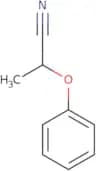
Discontinued product2-Phenoxypropanenitrile
CAS:2-Phenoxypropanenitrile is a hydrogen chloride derivate of an amide. It reacts with ethylene diamine to form 2-aminoethanol. This compound can be further reacted with sulfide to form the sulfide derivative, cysteamine. The reaction time for this process is between 10 and 20 hours at room temperature. 2-Phenoxypropanenitrile has been shown to inhibit tyrosine kinase and other enzymes that are important for cancer cell growth. This substance also has anti-inflammatory properties, which may be due to its ability to scavenge hydroxyl radicals and react with ROS (reactive oxygen species) such as hydrogen peroxide and superoxide anion radicals.
Formula:C9H9NOPurity:Min. 95%Molecular weight:147.17 g/mol4-chlorobutan-1-amine hcl
CAS:Versatile small molecule scaffold
Formula:C4H11Cl2NPurity:Min. 95%Molecular weight:144.04 g/mol4,5,6,7-Tetrahydro-benzo[c]thiophene-1-carboxylic acid
CAS:Versatile small molecule scaffoldFormula:C9H10O2SPurity:Min. 95%Molecular weight:182.24 g/molRef: 3D-GAA43575
Discontinued product2-(4-aminophenoxy)ethanol
CAS:2-(4-Aminophenoxy)ethanol is a drug that has been studied for the treatment of cancer. It has been shown to inhibit the growth of cancer cells in animals by inhibiting their ability to synthesize DNA, RNA, and proteins. 2-(4-Aminophenoxy)ethanol also inhibits the production of a number of inflammatory mediators, such as TNF-α and IL-1β, which are involved in carcinogenesis. This drug is an acyltransferase inhibitor that prevents the formation of N-acetylated prodrugs from acetaminophen and other drugs. 2-(4-Aminophenoxy)ethanol also inhibits sulfation, which is required for the synthesis of glucuronide conjugates with amines and catechols. This inhibition may be responsible for its antiinflammatory effects.
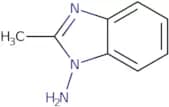
Formula:C8H11NO2Purity:Min. 95%Molecular weight:153.17 g/mol2-Methyl-1H-1,3-benzodiazol-1-amine
CAS:Versatile small molecule scaffold
Formula:C8H9N3Purity:Min. 95%Molecular weight:147.18 g/molRef: 3D-GAA29993
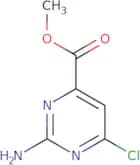
Discontinued productMethyl 2-amino-6-chloropyrimidine-4-carboxylate
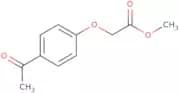
CAS:Versatile small molecule scaffoldFormula:C6H6ClN3O2Purity:Min. 95%Molecular weight:187.58 g/molMethyl 2-(4-acetylphenoxy)acetate
CAS:Versatile small molecule scaffold
Formula:C11H12O4Purity:Min. 95%Molecular weight:208.21 g/molRef: 3D-GAA29628
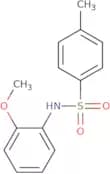
Discontinued productN-(2-Methoxyphenyl)-4-methylbenzene-1-sulfonamide
CAS:N-(2-Methoxyphenyl)-4-methylbenzene-1-sulfonamide is a drug that has been shown to be effective in treating nerve injury. It binds to extracellular nicotinic acetylcholine receptors and blocks the neurotransmitter acetylcholine from binding to its receptor, preventing it from stimulating the postsynaptic neuron. N-(2-Methoxyphenyl)-4-methylbenzene-1-sulfonamide also prevents the release of nitric oxide, which is a neurotransmitter that stimulates the postsynaptic neuron. The dihedral angles of this compound are close to those found in natural products such as nicotine, which possess similar effects on nerve injury. This drug has been shown to be successful in treating cerebral injuries, but not peripheral ones.END>Formula:C14H15NO3SPurity:Min. 95%Molecular weight:277.34 g/molN-Benzyl-2-hydroxypropanamide
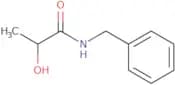
CAS:N-Benzyl-2-hydroxypropanamide is an amide that is a carboxylic acid and an unsaturated compound. It has a chiral center, which can be either erythro or threo depending on the configuration of the substituents. N-Benzyl-2-hydroxypropanamide is a diastereomer of 2-(benzyloxy)propanoic acid and can be obtained by alkylation of 2-(benzyloxy)ethanol with chloroacetic acid followed by hydrolysis. This compound can exist in mixtures of enantiomers due to its stereochemistry.
Formula:C10H13NO2Purity:Min. 95%Molecular weight:179.22 g/molDiallyl Isocyanurate
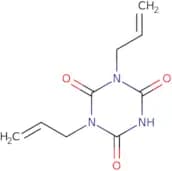
CAS:Diallyl Isocyanurate is an aliphatic hydrocarbon and a cross-linking agent. It reacts with amines to form amides, which are the backbone of many polymers and plastics. This chemical has strong hydrogen bonding properties, making it suitable for use as a sealant. Diallyl Isocyanurate also has hydroxyl groups that can react with other compounds to form adducts or polyclonal antibodies. It is chemically stable and has a high boiling point, making it useful in radiation as a sealant.
Formula:C9H11N3O3Purity:Min. 95%Molecular weight:209.21 g/molMethyl 3-amino-5,6-dimethylpyrazine-2-carboxylate
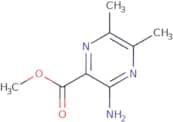
CAS:Versatile small molecule scaffold
Formula:C8H11N3O2Purity:Min. 95%Molecular weight:181.19 g/molRef: 3D-GAA29472
Discontinued product5-Methyl-5-(pyridin-4-yl)imidazolidine-2,4-dione
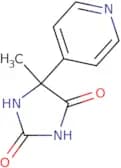
CAS:5-Methyl-5-(pyridin-4-yl)imidazolidine-2,4-dione is a compound that is structurally related to cisplatin. It has antibacterial activity and has been found to inhibit the growth of Escherichia coli. 5-Methyl-5-(pyridin-4-yl)imidazolidine-2,4-dione has been shown to be effective against gram positive bacteria such as Staphylococcus aureus and Streptococcus pneumoniae, but not against gram negative bacteria such as Pseudomonas aeruginosa. The molecule is an inhibitor with a broad spectrum of action. It binds to the active site of bacterial DNA gyrase, which is an enzyme that maintains the integrity of bacterial DNA by preventing supercoiling. This binding prevents the formation of an antibiotic resistant complex with the enzyme cell wall synthesis that is required for cell wall biosynthesis
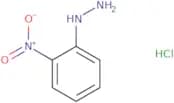
Formula:C9H9N3O2Purity:Min. 95%Molecular weight:191.19 g/mol2-Nitrophenylhydrazine Hydrochloride
CAS:2-Nitrophenylhydrazine hydrochloride is a low-dose group of nonsteroidal anti-inflammatory drugs (NSAIDs) that is used as a pharmaceutical preparation for the treatment of pain and inflammation. This drug may be used in conjunction with other NSAIDs such as ibuprofen, naproxen, or diclofenac to treat more severe pain. NSAIDs inhibit the cyclooxygenase enzyme that produces prostaglandins, which are mediators of pain and inflammation. NSAIDs can also inhibit the production of certain types of cells found in the stomach lining, which can lead to ulcers. 2-Nitrophenylhydrazine hydrochloride has been shown to inhibit the formation of acid when combined with hydrochloric acid and sodium salts. It also exhibits hydrogen bonding properties.
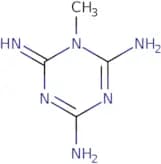
Formula:C6H7N3O2·HClPurity:Min. 95%Molecular weight:189.6 g/mol6-Imino-1-methyl-1,6-dihydro-1,3,5-triazine-2,4-diamine
CAS:Versatile small molecule scaffoldFormula:C4H8N6Purity:Min. 95%Molecular weight:140.15 g/molRef: 3D-GAA29182
Discontinued product4-Morpholin-4-yl-phenol
CAS:4-Morpholin-4-yl-phenol is a molecule that belongs to the class of organic compounds called morpholines. It is an intermediate in the formation of 4-morpholinoaniline. In this reaction, a nucleophilic oxygen atom (OH) reacts with an electrophilic nitrogen atom (N) and forms a tetrahedral intermediate. This intermediate then undergoes dimerization, which results in the loss of water molecules and produces a double bond between carbon atoms 3 and 4. The product of this reaction is 4-morpholin-4-yl phenol.
The kinetics of this reaction are first order with respect to both reactants. The rate constant for this reaction is 0.0029 mol/L/s at 25°C and can be calculated from the equation:
k = A[R]*[S]/(R*S)
where A is the concentration of R and S is the concentration of SFormula:C10H13NO2Purity:Min. 95%Molecular weight:179.22 g/molRef: 3D-GAA29123
Discontinued product

![3-[(2-Furylmethyl)amino]propanenitrile](/_next/image/?url=https%3A%2Fstatic.cymitquimica.com%2Fproducts%2F3D%2Fthumb-webp%2FGAA78868.webp&w=3840&q=75)




![4-Azatricyclo[5.2.2.0,2,6]undec-8-ene-3,5-dione](/_next/image/?url=https%3A%2Fstatic.cymitquimica.com%2Fproducts%2F3D%2Fthumb-webp%2FGAA71529.webp&w=3840&q=75)





![1-[(1-Aminopropan-2-yl)oxy]-3-methoxybenzene](/_next/image/?url=https%3A%2Fstatic.cymitquimica.com%2Fproducts%2F3D%2Fthumb-webp%2FGAA44096.webp&w=3840&q=75)


![4,5,6,7-Tetrahydro-benzo[c]thiophene-1-carboxylic acid](/_next/image/?url=https%3A%2Fstatic.cymitquimica.com%2Fproducts%2F3D%2Fthumb-webp%2FGAA43575.webp&w=3840&q=75)