Building Blocks
Subcategories of "Building Blocks"
- Boronic Acids & Boronic Acid Derivatives(5,778 products)
- Chiral Building Blocks(1,243 products)
- Hydrocarbon Building Blocks(6,099 products)
- Organic Building Blocks(61,038 products)
Found 205376 products of "Building Blocks"
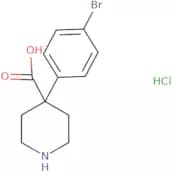
4-(4-Bromophenyl)piperidine-4-carboxylic acid hydrochloride
CAS:Controlled ProductVersatile small molecule scaffoldFormula:C12H14BrNO2·HClPurity:Min. 95%Molecular weight:320.61 g/mol3-Oxo-2H,3H-[1,2,4]triazolo[4,3-a]pyridine-6-carboxylic acid
CAS:Versatile small molecule scaffoldFormula:C7H5N3O3Purity:Min. 95%Molecular weight:179.13 g/mol1-{[5-(Ethoxycarbonyl)furan-2-yl]sulfonyl}pyrrolidine-2-carboxylic acid
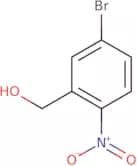
CAS:Versatile small molecule scaffoldFormula:C12H15NO7SPurity:Min. 95%Molecular weight:317.32 g/mol(5-Bromo-2-nitrophenyl)methanol
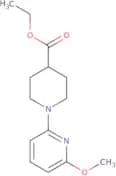
CAS:Versatile small molecule scaffoldFormula:C7H6BrNO3Purity:Min. 95%Molecular weight:232.03 g/molEthyl 1-(6-methoxypyridin-2-yl)piperidine-4-carboxylate
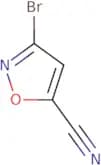
CAS:Versatile small molecule scaffoldFormula:C14H20N2O3Purity:Min. 95%Molecular weight:264.32 g/mol3-Bromo-1,2-oxazole-5-carbonitrile
CAS:Versatile small molecule scaffold
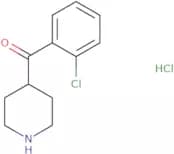
Formula:C4HBrN2OPurity:Min. 95%Molecular weight:172.97 g/mol(2-Chlorophenyl)(piperidin-4-yl)methanone hydrochloride
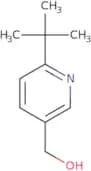
CAS:Versatile small molecule scaffoldFormula:C12H15Cl2NOPurity:Min. 95%Molecular weight:260.16 g/mol(6-tert-Butylpyridin-3-yl)methanol
CAS:Versatile small molecule scaffold
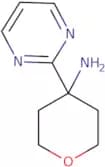
Formula:C10H15NOPurity:Min. 95%Molecular weight:165.23 g/mol4-(Pyrimidin-2-yl)oxan-4-amine
CAS:Versatile small molecule scaffoldFormula:C9H13N3OPurity:Min. 95%Molecular weight:179.22 g/mol5-({[(9H-Fluoren-9-yl)methoxy]carbonyl}amino)-3-methylpentanoic acid
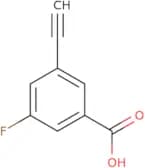
CAS:Versatile small molecule scaffoldFormula:C21H23NO4Purity:Min. 95%Molecular weight:353.4 g/mol3-Ethynyl-5-fluorobenzoic acid
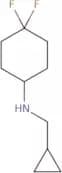
CAS:Versatile small molecule scaffoldFormula:C9H5FO2Purity:Min. 95%Molecular weight:164.13 g/molN-(Cyclopropylmethyl)-4,4-difluorocyclohexan-1-amine
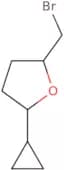
CAS:Versatile small molecule scaffoldFormula:C10H17F2NPurity:Min. 95%Molecular weight:189.25 g/mol2-(Bromomethyl)-5-cyclopropyloxolane
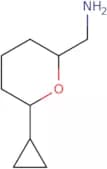
CAS:Versatile small molecule scaffoldFormula:C8H13BrOPurity:Min. 95%Molecular weight:205.09 g/mol(6-Cyclopropyloxan-2-yl)methanamine
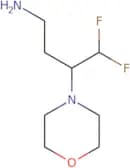
CAS:Versatile small molecule scaffoldFormula:C9H17NOPurity:Min. 95%Molecular weight:155.24 g/mol4,4-Difluoro-3-(morpholin-4-yl)butan-1-amine
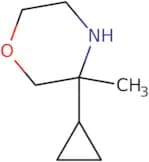
CAS:Versatile small molecule scaffoldFormula:C8H16F2N2OPurity:Min. 95%Molecular weight:194.22 g/mol3-Cyclopropyl-3-methylmorpholine
CAS:Versatile small molecule scaffold
Formula:C8H15NOPurity:Min. 95%Molecular weight:141.21 g/mol3-(1H-1,2,3-Triazol-1-yl)azetidine-1-carboxamide
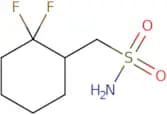
CAS:Versatile small molecule scaffoldFormula:C6H9N5OPurity:Min. 95%Molecular weight:167.2 g/mol(2,2-Difluorocyclohexyl)methanesulfonamide
CAS:Versatile small molecule scaffoldFormula:C7H13F2NO2SPurity:Min. 95%Molecular weight:213.25 g/mol3-(2-Chloroethyl)oxolane-3-carboxylic acid
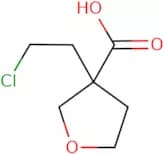
CAS:Versatile small molecule scaffold
Formula:C7H11ClO3Purity:Min. 95%Molecular weight:178.61 g/molN-Benzylspiro[3.4]octan-5-amine
CAS:Versatile small molecule scaffoldFormula:C15H21NPurity:Min. 95%Molecular weight:215.33 g/mol3-{[(tert-Butoxy)carbonyl]amino}-3,4-dihydro-2H-1-benzopyran-3-carboxylic acid
CAS:Versatile small molecule scaffoldFormula:C15H19NO5Purity:Min. 95%Molecular weight:293.31 g/mol5-Oxaspiro[3.4]octane-6-carboxylic acid
CAS:Versatile small molecule scaffoldFormula:C8H12O3Purity:Min. 95%Molecular weight:156.2 g/mol[5-Bromo-2-(2,2,2-trifluoroethoxy)pyridin-4-yl]methanol
CAS:Versatile small molecule scaffold
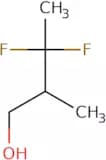
Formula:C8H7BrF3NO2Purity:Min. 95%Molecular weight:286.05 g/mol3,3-Difluoro-2-methylbutan-1-ol
CAS:Versatile small molecule scaffold
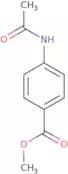
Formula:C5H10F2OPurity:Min. 95%Molecular weight:124.13 g/mol4-Acetylamino-benzoic acid methyl ester
CAS:4-Acetylamino-benzoic acid methyl ester (AABA) is a ligand that has been used to study the transfer mechanism of an anti-cancer drug. It has been shown to be reactive with frequencies in the range of 10 to 10 Hz. AABA has also been used in biochemical research and molecular electrostatic potential studies, as well as drug development. The molecular orbital theory was applied to describe the interaction between AABA and a molecule, which showed vibrational descriptors for the molecule's electron distribution.Formula:C10H11NO3Purity:Min. 95%Molecular weight:193.2 g/mol8-Aza-9-boratricyclo[8.4.0.0,2,7]tetradeca-1(14),2,4,6,10,12-hexaen-9-ol
CAS:Versatile small molecule scaffoldFormula:C12H10BNOPurity:Min. 95%Molecular weight:195.03 g/mol3-Hydroxy-1-methyl-5,6,7,8-tetrahydroisoquinoline-4-carbonitrile
CAS:Versatile small molecule scaffoldFormula:C11H12N2OPurity:Min. 95%Molecular weight:188.23 g/mol3-Chloro-1-methyl-5,6,7,8-tetrahydroisoquinoline-4-carbonitrile
CAS:Versatile small molecule scaffoldFormula:C11H11ClN2Purity:Min. 95%Molecular weight:206.67 g/mol5-(bromomethyl)bicyclo[2.2.1]hept-2-ene
CAS:Versatile small molecule scaffold
Formula:C8H11BrPurity:Min. 95%Molecular weight:187.08 g/mol2,4-Dioxo-1,2,3,4-tetrahydropyrimidine-5-sulfonamide
CAS:2,4-Dioxo-1,2,3,4-tetrahydropyrimidine-5-sulfonamide (TCP) is a synthetic compound that has been shown to inhibit the polymerase chain reaction (PCR). TCP inhibits mitochondrial biogenesis and adipose cell differentiation by interacting with DNA. It may also be an inhibitor of virus replication. TCP has been shown to have anti-cancer effects in mice by inhibiting DNA synthesis and cellular proliferation.Formula:C4H5N3O4SPurity:Min. 95%Molecular weight:191.17 g/mol2-(4-Phenylphenyl)ethan-1-amine hydrochloride
CAS:Versatile small molecule scaffold
Formula:C14H16ClNPurity:Min. 95%Molecular weight:233.73 g/mol2-(2-Hydrazinylethyl)pyridine dihydrochloride
CAS:Versatile small molecule scaffold
Formula:C7H13Cl2N3Purity:Min. 95%Molecular weight:210.1 g/mol5-(4-Chlorophenyl)pyrimidine-2,4-diamine
CAS:Versatile small molecule scaffoldFormula:C10H9ClN4Purity:Min. 95%Molecular weight:220.66 g/mol4-(Phenylamino)benzoic acid
CAS:4-(Phenylamino)benzoic acid (4-PABA) is a nonsteroidal anti-inflammatory drug that blocks the production of prostaglandins. It has been shown to inhibit the activity of intramolecular hydrogen, which is responsible for the formation of hydrochloric acid in the stomach. 4-PABA also binds to carboxylate and fatty acids in the body, which may account for its ability to treat chronic bronchitis. 4-(Phenylamino)benzoic acid has an apoptotic effect on cancer cells, leading to cell death by irreversible inhibition of DNA synthesis. This natural compound also binds to receptors and inhibits tryptophan fluorescence.
Formula:C13H11NO2Purity:Min. 95%Molecular weight:213.23 g/mol1,1-Dimethyl-3-oxo-1,3-dihydro-2-benzofuran-5-sulfonamide
CAS:Versatile small molecule scaffoldFormula:C10H11NO4SPurity:Min. 95%Molecular weight:241.27 g/mol1-Nitro-4-(2-propynyloxy)benzene
CAS:1-Nitro-4-(2-propynyloxy)benzene is a nitro compound that has been shown to be an effective antibacterial agent against both Gram-positive and Gram-negative bacteria. It is bimodal, with two peaks of antibacterial activity, one at low molecular weight (less than 1000 Da) and the other at higher molecular weight (greater than 1000 Da). This compound is polymerized in the presence of a catalyst such as zinc chloride, which may contribute to its antibacterial activity. Copolymerization with subtilisin increases this activity. 1-Nitro-4-(2-propynyloxy)benzene also has low toxicity for mammalian cells, including human cells. This agent inhibits growth of fungi such as Candida albicans and Aspergillus niger. 1-Nitro-4-(2-propynyloxy)benzene has been shown to inhibit bacterial DNA synthesis by binding to specificFormula:C9H7NO3Purity:Min. 95%Molecular weight:177.16 g/mol1-Chloro-2-(prop-2-yn-1-yloxy)benzene
CAS:Versatile small molecule scaffold
Formula:C9H7ClOPurity:Min. 95%Molecular weight:166.6 g/mol1,2-Dihydroacenaphthylene-5-sulfonyl chloride
CAS:Versatile small molecule scaffoldFormula:C12H9ClO2SPurity:Min. 95%Molecular weight:252.72 g/mol1-Benzofuran-2-sulfonyl chloride
CAS:1-Benzofuran-2-sulfonyl chloride is a sulfinate that has efficient bond formation with nucleophiles. It is an important synthetic intermediate in organic chemistry, especially in the synthesis of heterocycles or peptides. The chemical reactions catalyzed by this compound include sulfonation, esterification, and substitution. This compound is used as a reagent to form bonds between two groups and also as a catalyst for organic reactions.
Formula:C8H5ClO3SPurity:Min. 95%Molecular weight:216.64 g/mol5-Ethyl-2-methyl-aniline
CAS:5-Ethyl-2-methyl-aniline is a chiral, hydrogenating agent that can be used in the production of amines. It is stereoselective and can be used to produce enantiopure amines. 5-Ethyl-2-methyl-aniline is also useful for the alkylation of nitro groups, which can lead to the synthesis of pharmaceuticals or pesticides. The mechanistic studies on this compound have been conducted using nitrosation reactions, which have been shown to be mediated by a catalyst such as copper or nickel. 5-Ethyl-2-methyl-aniline has also been shown to act as an advanced method for the production of carbonyl groups. This process can be used to synthesize carbonyl compounds such as acetaldehyde and formaldehyde.Formula:C9H13NPurity:Min. 95%Molecular weight:135.21 g/mol3-(4-Sulfamoylphenoxy)propanoic acid
CAS:Versatile small molecule scaffold
Formula:C9H11NO5SPurity:Min. 95%Molecular weight:245.25 g/mol1-(3-Amino-4-methylphenyl)ethanone
CAS:Versatile small molecule scaffold
Formula:C9H13BO3Purity:Min. 95%Molecular weight:180.01 g/molEthyl 3-oxo-5-phenylpentanoate
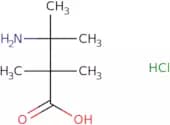
CAS:Versatile small molecule scaffoldFormula:C13H16O3Purity:Min. 95%Molecular weight:220.26 g/mol3-Amino-2,2,3-trimethylbutanoic acid hydrochloride
CAS:Versatile small molecule scaffoldFormula:C7H16ClNO2Purity:Min. 95%Molecular weight:181.66 g/mol4-(Methylsulfonyl)pyridine
CAS:4-(Methylsulfonyl)pyridine is a pyridine compound that is a receptor antagonist. It has neuropeptide activity, and it can be used in biological research. 4-(Methylsulfonyl)pyridine has been shown to have inhibitory activity on the release of acetylcholine from rat cerebral cortex slices, as well as on the release of norepinephrine from rat brain synaptosomes. The inhibition was reversible and the potency was similar to that of atropine and scopolamine. 4-(Methylsulfonyl)pyridine also inhibited the binding of [3H]quinuclidinyl benzilate (QNB) to muscarinic receptors in rat ileum membranes with an IC50 value of 1 microM.
Formula:C6H7NO2SPurity:Min. 95%Molecular weight:157.19 g/mol4-(4-Nitrophenoxy)benzonitrile
CAS:Versatile small molecule scaffoldFormula:C13H8N2O3Purity:Min. 95%Molecular weight:240.21 g/mol4-(4-Aminophenoxy)benzonitrile
CAS:4-(4-Aminophenoxy)benzonitrile is a cell death inhibitor that inhibits the activity of kinases by binding to ATP. It has been shown to inhibit the transcription factor FOXO1, which regulates the expression of genes involved in apoptosis and cell growth. 4-(4-Aminophenoxy)benzonitrile has been shown to inhibit human cancer cells, including those with mutated p53 and Rb proteins. This drug also modulates other drugs, such as sorafenib, which is an inhibitor of angiogenesis.Formula:C13H10N2OPurity:Min. 95%Molecular weight:210.23 g/mol1-(Propylthio)propan-2-one
CAS:Versatile small molecule scaffold
Formula:C6H12OSPurity:Min. 95%Molecular weight:132.23 g/molTetrakis(dimethylsilyloxy)silane
CAS:Tetrakis(dimethylsilyloxy)silane is a reactive molecule that is used in surface science as a monomer. It has been shown to be an effective catalyst for ring-opening polymerization of phenyl groups and other functional groups, with the production of polymers with high molecular weight. Tetrakis(dimethylsilyloxy)silane has also been shown to have chemical stability and good surface properties. This molecule is used for detection sensitivity in electrochemical impedance spectroscopy, which allows it to be used as a probe molecule. It can also be used for microscopy techniques such as electron microscopy and scanning electron microscopy. Tetrakis(dimethylsilyloxy)silane does not react with acids or bases, so it can be used for equilibration reactions and gel permeation chromatography.Formula:C8H28O4Si5Purity:Min. 95%Molecular weight:328.73 g/mol2-(2-Fluoro-phenoxy)-propionic acid
CAS:Versatile small molecule scaffoldFormula:C9H9FO3Purity:Min. 95%Molecular weight:184.16 g/mol

![3-Oxo-2H,3H-[1,2,4]triazolo[4,3-a]pyridine-6-carboxylic acid](/_next/image/?url=https%3A%2Fstatic.cymitquimica.com%2Fproducts%2F3D%2Fthumb-webp%2FRZB82807.webp&w=3840&q=75)
![1-{[5-(Ethoxycarbonyl)furan-2-yl]sulfonyl}pyrrolidine-2-carboxylic acid](/_next/image/?url=https%3A%2Fstatic.cymitquimica.com%2Fproducts%2F3D%2Fthumb-webp%2FRZB83003.webp&w=3840&q=75)
![5-({[(9H-Fluoren-9-yl)methoxy]carbonyl}amino)-3-methylpentanoic acid](/_next/image/?url=https%3A%2Fstatic.cymitquimica.com%2Fproducts%2F3D%2Fthumb-webp%2FRZC01466.webp&w=3840&q=75)
![N-Benzylspiro[3.4]octan-5-amine](/_next/image/?url=https%3A%2Fstatic.cymitquimica.com%2Fproducts%2F3D%2Fthumb-webp%2FRZC64227.webp&w=3840&q=75)
![3-{[(tert-Butoxy)carbonyl]amino}-3,4-dihydro-2H-1-benzopyran-3-carboxylic acid](/_next/image/?url=https%3A%2Fstatic.cymitquimica.com%2Fproducts%2F3D%2Fthumb-webp%2FRZC70864.webp&w=3840&q=75)
![5-Oxaspiro[3.4]octane-6-carboxylic acid](/_next/image/?url=https%3A%2Fstatic.cymitquimica.com%2Fproducts%2F3D%2Fthumb-webp%2FRZC73851.webp&w=3840&q=75)
![[5-Bromo-2-(2,2,2-trifluoroethoxy)pyridin-4-yl]methanol](/_next/image/?url=https%3A%2Fstatic.cymitquimica.com%2Fproducts%2F3D%2Fthumb-webp%2FRZC91835.webp&w=3840&q=75)
![8-Aza-9-boratricyclo[8.4.0.0,2,7]tetradeca-1(14),2,4,6,10,12-hexaen-9-ol](/_next/image/?url=https%3A%2Fstatic.cymitquimica.com%2Fproducts%2F3D%2Fthumb-webp%2FSAA01225.webp&w=3840&q=75)


![5-(bromomethyl)bicyclo[2.2.1]hept-2-ene](/_next/image/?url=https%3A%2Fstatic.cymitquimica.com%2Fproducts%2F3D%2Fthumb-webp%2FSAA01612.webp&w=3840&q=75)