Building Blocks
Subcategories of "Building Blocks"
- Boronic Acids & Boronic Acid Derivatives(5,774 products)
- Chiral Building Blocks(1,237 products)
- Hydrocarbon Building Blocks(6,098 products)
- Organic Building Blocks(60,970 products)
Found 205134 products of "Building Blocks"
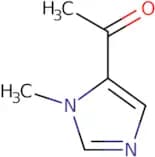
1-(1-Methyl-1H-imidazol-5-yl)ethanone
CAS:Versatile small molecule scaffold
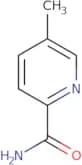
Formula:C6H8N2OPurity:Min. 95%Molecular weight:124.14 g/mol5-Methylpyridine-2-carboxamide
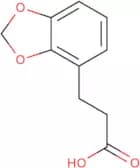
CAS:Versatile small molecule scaffoldFormula:C7H8N2OPurity:Min. 95%Molecular weight:136.15 g/mol3-(1,3-Dioxaindan-4-yl)propanoic acid
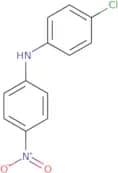
CAS:Versatile small molecule scaffoldFormula:C10H10O4Purity:Min. 95%Molecular weight:194.18 g/molN-(4-Chlorophenyl)-4-nitroaniline
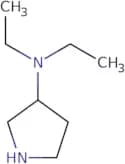
CAS:Versatile small molecule scaffoldFormula:C12H9ClN2O2Purity:Min. 95%Molecular weight:248.66 g/mol3-(Diethylamino)pyrrolidine
CAS:3-(Diethylamino)pyrrolidine is a pyrrolidine derivative that acts as a 5-HT1B receptor agonist. It has been shown to have both antidepressive and antiaggressive effects, although it does not appear to be an effective antidepressant. 3-(Diethylamino)pyrrolidine is also used in the treatment of gastrointestinal disorders, such as irritable bowel syndrome, and has been shown to be effective in treating lymphoblastic leukaemia. This drug has been found to act as a 5-HT1B receptor agonist and is structurally related to other drugs that are used in the treatment of psychiatric disorders. It has also been found to have both antidepressive and antiaggressive effects, although it does not appear to be an effective antidepressant. 3-(Diethylamino)pyrrolidine is an amide derivative with a c1-c4 alkyl chain and has formulae
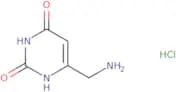
Formula:C8H18N2Purity:Min. 95%Molecular weight:142.25 g/mol6-(Aminomethyl)-1,2,3,4-tetrahydropyrimidine-2,4-dione hydrochloride
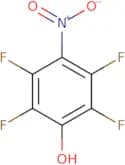
CAS:Versatile small molecule scaffoldFormula:C5H8ClN3O2Purity:Min. 95%Molecular weight:177.59 g/mol2,3,5,6-Tetrafluoro-4-nitrophenol
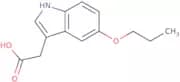
CAS:2,3,5,6-Tetrafluoro-4-nitrophenol (TFN) is a nucleophilic compound that can be used to analyze serum levels. TFN is hydroxylated by cytochrome P450 and then excreted into urine. The hydroxyl group of TFN has been shown to have cancer resistance properties. TFN also has a functional group that makes it susceptible to nucleophilic attack by other compounds. The frequency shift of TFN in the ultrafast range is due to the vibrational modes in its nitro group.Formula:C6HF4NO3Purity:Min. 95%Molecular weight:211.07 g/mol2-(5-Propoxy-1H-indol-3-yl)acetic acid
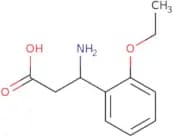
CAS:Versatile small molecule scaffoldFormula:C13H15NO3Purity:Min. 95%Molecular weight:233.26 g/mol(3S)-3-Amino-3-(2-ethoxyphenyl)propanoic acid
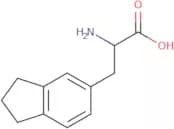
CAS:Versatile small molecule scaffoldFormula:C11H15NO3Purity:Min. 95%Molecular weight:209.24 g/mol(2S)-2-Amino-3-(2,3-dihydro-1H-inden-5-yl)propanoic acid
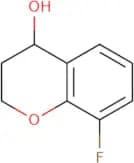
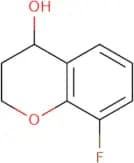
CAS:Versatile small molecule scaffoldFormula:C12H15NO2Purity:Min. 95%Molecular weight:205.25 g/mol(4R)-8-Fluoro-3,4-dihydro-2H-1-benzopyran-4-ol
CAS:Versatile small molecule scaffoldFormula:C9H9FO2Purity:Min. 95%Molecular weight:168.16 g/mol(4S)-8-Fluoro-3,4-dihydro-2H-1-benzopyran-4-ol
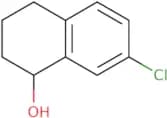
CAS:Versatile small molecule scaffoldFormula:C9H9FO2Purity:Min. 95%Molecular weight:168.16 g/mol(1S)-7-Chloro-1,2,3,4-tetrahydronaphthalen-1-ol
CAS:Versatile small molecule scaffold
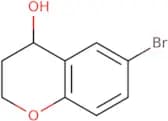
Formula:C10H11ClOPurity:Min. 95%Molecular weight:182.64 g/mol(4R)-6-Bromo-3,4-dihydro-2H-1-benzopyran-4-ol
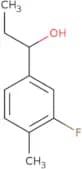
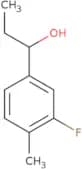
CAS:Versatile small molecule scaffoldFormula:C9H9BrO2Purity:Min. 95%Molecular weight:229.07 g/mol(1S)-1-(3-Fluoro-4-methylphenyl)propan-1-ol
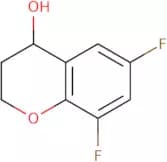
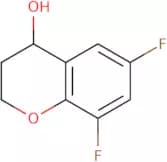
CAS:Versatile small molecule scaffoldFormula:C10H13FOPurity:Min. 95%Molecular weight:168.21 g/mol(4R)-6,8-Difluoro-3,4-dihydro-2H-1-benzopyran-4-ol
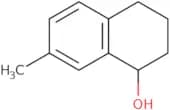
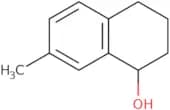
CAS:Versatile small molecule scaffoldFormula:C9H8F2O2Purity:Min. 95%Molecular weight:186.15 g/mol(1S)-7-Methyl-1,2,3,4-tetrahydronaphthalen-1-ol
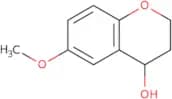
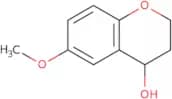
CAS:Versatile small molecule scaffoldFormula:C11H14OPurity:Min. 95%Molecular weight:162.23 g/mol(4R)-6-Methoxy-3,4-dihydro-2H-1-benzopyran-4-ol
CAS:Versatile small molecule scaffoldFormula:C10H12O3Purity:Min. 95%Molecular weight:180.2 g/mol(1R)-1-(3-Fluoro-4-methylphenyl)propan-1-ol
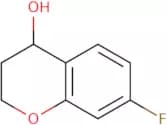
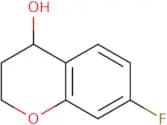
CAS:Versatile small molecule scaffoldFormula:C10H13FOPurity:Min. 95%Molecular weight:168.21 g/mol(4R)-7-Fluoro-3,4-dihydro-2H-1-benzopyran-4-ol
CAS:Versatile small molecule scaffoldFormula:C9H9FO2Purity:Min. 95%Molecular weight:168.16 g/mol(1R)-7-Methyl-1,2,3,4-tetrahydronaphthalen-1-ol
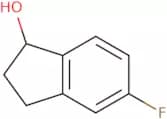
CAS:Versatile small molecule scaffoldFormula:C11H14OPurity:Min. 95%Molecular weight:162.23 g/mol(1R)-5-Fluoro-2,3-dihydro-1H-inden-1-ol
CAS:Versatile small molecule scaffoldFormula:C9H9FOPurity:Min. 95%Molecular weight:152.16 g/mol(4S)-6-Methoxy-3,4-dihydro-2H-1-benzopyran-4-ol
CAS:Versatile small molecule scaffoldFormula:C10H12O3Purity:Min. 95%Molecular weight:180.2 g/mol(4S)-7-Fluoro-3,4-dihydro-2H-1-benzopyran-4-ol
CAS:Versatile small molecule scaffoldFormula:C9H9FO2Purity:Min. 95%Molecular weight:168.16 g/mol(4S)-6,8-Difluoro-3,4-dihydro-2H-1-benzopyran-4-ol
CAS:Versatile small molecule scaffold
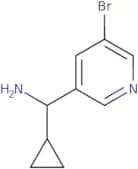
Formula:C9H8F2O2Purity:Min. 95%Molecular weight:186.15 g/mol(5-Bromopyridin-3-yl)(cyclopropyl)methanamine
CAS:Versatile small molecule scaffold
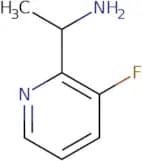
Formula:C9H11BrN2Purity:Min. 95%Molecular weight:227.1 g/mol1-(3-Fluoropyridin-2-yl)ethan-1-amine
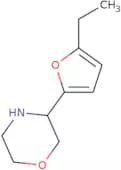
CAS:Versatile small molecule scaffoldFormula:C7H9FN2Purity:Min. 95%Molecular weight:140.16 g/mol3-(5-Ethylfuran-2-yl)morpholine
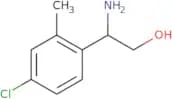
CAS:Versatile small molecule scaffoldFormula:C10H15NO2Purity:Min. 95%Molecular weight:181.23 g/mol2-Amino-2-(4-chloro-2-methylphenyl)ethan-1-ol
CAS:Versatile small molecule scaffoldFormula:C9H12ClNOPurity:Min. 95%Molecular weight:185.65 g/molCyclopropyl[3-(trifluoromethoxy)phenyl]methanamine
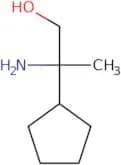
CAS:Versatile small molecule scaffoldFormula:C11H12F3NOPurity:Min. 95%Molecular weight:231.21 g/mol2-Amino-2-cyclopentylpropan-1-ol
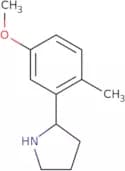
CAS:Versatile small molecule scaffoldFormula:C8H17NOPurity:Min. 95%Molecular weight:143.2 g/mol2-(5-Methoxy-2-methylphenyl)pyrrolidine
CAS:Versatile small molecule scaffold
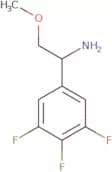
Formula:C12H17NOPurity:Min. 95%Molecular weight:191.27 g/mol2-Methoxy-1-(3,4,5-trifluorophenyl)ethan-1-amine
CAS:Versatile small molecule scaffoldFormula:C9H10F3NOPurity:Min. 95%Molecular weight:205.18 g/molN1-Methyl-pseudouridine-5'-triphosphate trisodium, 100mM aqueous solution
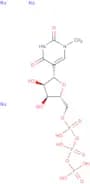
CAS:Methyl-pseudouridine-5'-triphosphate trisodium is the triphosphate of 1-Methylpseudouridine is a substitute for uridine in modified mRNA. This substitution has shown to increase transfection by reducing immuogenicity. UV max wavelength = 272nmFormula:C10H17N2O15P3•Na3Purity:Min. 95%Color and Shape:Clear LiquidMolecular weight:567.17 g/mol1,3,5-Trifluorotrichlorobenzene
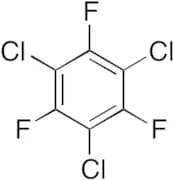
CAS:Applications 1,3,5-Trifluorotrichlorobenzene is a useful reagent.
Formula:C6Cl3F3Molecular weight:235.424-Diazobenzenesulfonic Acid
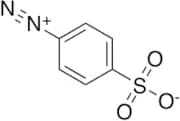
CAS:Applications 4-Diazobenzenesulfonic acid (cas# 305-80-6) is a useful research chemical.
Formula:C6H4N2O3SMolecular weight:184.17Timonacic
CAS:Timonacic is an analog of nicotinamide that has been shown to be an effective inhibitor of energy metabolism in the mitochondria. It has antioxidative properties and can protect against the development of heart disease by inhibiting the production of reactive oxygen species. Timonacic's anti-inflammatory properties may be due to its ability to inhibit prostaglandin synthesis. It also has a high affinity for fatty acids, which may contribute to its inhibitory effects on lipid peroxidation. This drug has a carboxy terminal and is used as a sodium salt, which may play a role in its enzyme inhibition activity. Timonacic inhibits the activities of enzymes such as carnitine acetyltransferase and pyruvate dehydrogenase kinase, which are involved in the biosynthesis of fatty acids. The intramolecular hydrogen bonds formed with timonacic may contribute to its inhibitory effect on these enzymes.
Formula:C4H7NO2SPurity:Min. 95%Molecular weight:133.17 g/moltert-Butyl 9-oxo-4,8-diazaspiro[4.4]nonane-4-carboxylate
CAS:Versatile small molecule scaffoldFormula:C12H20N2O3Purity:Min. 95%Molecular weight:240.3 g/mol6,6-Difluorospiro[3.3]heptan-2-amine Hydrochloride
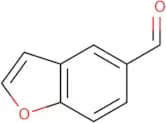
CAS:Versatile small molecule scaffoldFormula:C7H11F2N·HClPurity:Min. 95%Molecular weight:147.17 g/mol1-Benzofuran-5-carbaldehyde
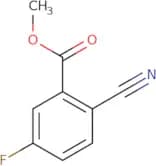
CAS:1-Benzofuran-5-carbaldehyde is a synthetic compound that inhibits the enzyme ido1. It has been shown to have potent cytotoxicity, potent inhibition, and neurotrophic properties in a number of cell lines. 1-Benzofuran-5-carbaldehyde also exhibits inhibitory effects on the enzymes hydrolyzing dopamine, which is involved in the synthesis of norepinephrine and epinephrine. The chemical structure of 1-benzofuran-5-carbaldehyde closely resembles that of dopamine and its derivatives, and can be used for the treatment of neurodegenerative diseases such as Parkinson's disease.Formula:C9H6O2Purity:Min. 95%Color and Shape:Yellow To Brown SolidMolecular weight:146.14 g/molMethyl 2-cyano-5-fluorobenzoate
CAS:Versatile small molecule scaffold
Formula:C9H6FNO2Purity:Min. 95%Molecular weight:179.15 g/mol1-Boc-3-Oxo-1,4-diazepane
CAS:Versatile small molecule scaffoldFormula:C10H18N2O3Purity:Min. 95%Molecular weight:214.27 g/mol3-(iodomethyl)oxetane
CAS:Versatile small molecule scaffold
Formula:C4H7IOPurity:Min. 95%Molecular weight:198 g/mol1-Methyl-3-(3-sulfopropyl)-1H-imidazol-3-ium
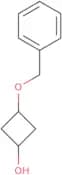
CAS:Versatile small molecule scaffoldFormula:C7H12N2O3SPurity:Min. 95%Color and Shape:PowderMolecular weight:204.25 g/moltrans-3-(Benzyloxy)cyclobutanol
CAS:Trans-3-(Benzyloxy)cyclobutanol is a radiolabeled compound that is used as a model system for understanding the metabolism of drugs in humans. It has been shown to be metabolized by the liver to produce metabolites that are excreted in urine. Trans-3-(Benzyloxy)cyclobutanol has also been shown to have tumor cell line stability, which may be due to its ability to inhibit DNA synthesis and protein synthesis in vitro and reduce tumor cells in vivo. Trans-3-(Benzyloxy)cyclobutanol has been shown to have no effect on normal rat plasma and lung carcinoma cells, but does affect prosthetic group activity.
Formula:C11H14O2Purity:Min. 95%Molecular weight:178.23 g/mol(3R)-3-Methylpyrrolidine hydrochloride
CAS:Versatile small molecule scaffoldFormula:C5H11N•HClPurity:Min. 95%Molecular weight:121.5 g/molMethyl 7-methoxy-4-oxo-1,4-dihydro-6-quinolinecarboxylate
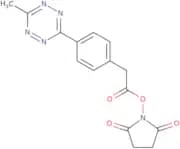
CAS:Versatile small molecule scaffoldFormula:C12H11NO4Purity:Min. 95%Molecular weight:233.22 g/molMethyltetrazine-NHS ester
CAS:Versatile small molecule scaffoldFormula:C15H13N5O4Purity:Min. 95%Molecular weight:327.29 g/molCbznh-PEG3-OH
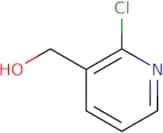
CAS:Cbznh-PEG3-OH is a pegylation product that belongs to the family of PEG products. It is a derivative of Cbz-NH-PEG5-OH and Cbz-N-PEG5-OH, which are carboxybenzyl amido PEG compounds. Pegylation is the process of attaching polyethylene glycol (PEG) chains to molecules, such as proteins or drugs, to enhance their stability, solubility, and bioavailability. Cbznh-PEG3-OH can be used in various applications, including drug delivery systems, diagnostics, and biotechnology. Its unique chemical structure allows for precise control over the size and properties of the PEG chains, making it a versatile tool in the field of biomedical research.Formula:C14H21NO5Purity:Min. 95%Molecular weight:283.32 g/mol2-Chloro-3-(hydroxymethyl)pyridine
CAS:2-Chloro-3-(hydroxymethyl)pyridine is an organic compound that is used as a building block for the synthesis of other heterocycles. This compound can be synthesized from 2-chloronicotinic acid, which is obtained by oxidation of nicotine with sodium hypochlorite in the presence of potassium ion. The reaction proceeds via a cleavage of the C-Cl bond and formation of a pyridine ring. The catalytic process can be performed at room temperature and at atmospheric pressure in a variety of solvents, including water.
2-Chloro-3-(hydroxymethyl)pyridine has been shown to have high yields for the preparation of compounds such as 2,4-dichloropyridine and 4,5-dichloropyrimidine. It also has been used in the preparation of pharmaceuticals such as atrial natriuretic factor (ANF).Formula:C6H6ClNOPurity:Min. 98 Area-%Color and Shape:PowderMolecular weight:143.57 g/mol

![Cyclopropyl[3-(trifluoromethoxy)phenyl]methanamine](/_next/image/?url=https%3A%2Fstatic.cymitquimica.com%2Fproducts%2F3D%2Fthumb-webp%2FVAC34022.webp&w=3840&q=75)


![tert-Butyl 9-oxo-4,8-diazaspiro[4.4]nonane-4-carboxylate](/_next/image/?url=https%3A%2Fstatic.cymitquimica.com%2Fproducts%2F3D%2Fthumb-webp%2FWYB81845.webp&w=3840&q=75)
![6,6-Difluorospiro[3.3]heptan-2-amine Hydrochloride](/_next/image/?url=https%3A%2Fstatic.cymitquimica.com%2Fproducts%2F3D%2Fthumb-webp%2FYGC03271.webp&w=3840&q=75)