Building Blocks
This section contains fundamental products for the synthesis of organic and biological compounds. Building blocks are the essential starting materials used to construct complex molecules through various chemical reactions. They play a critical role in drug discovery, material science, and chemical research. At CymitQuimica, we offer a diverse range of high-quality building blocks to support your innovative research and industrial projects, ensuring you have the essential components for successful synthesis.
Subcategories of "Building Blocks"
- Boronic Acids & Boronic Acid Derivatives(5,778 products)
- Chiral Building Blocks(1,243 products)
- Hydrocarbon Building Blocks(6,098 products)
- Organic Building Blocks(61,046 products)
Found 203857 products of "Building Blocks"
Sort by
Purity (%)
0
100
|
0
|
50
|
90
|
95
|
100
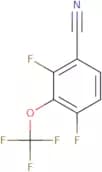
2,4-Difluoro-3-(trifluoromethoxy)benzonitrile
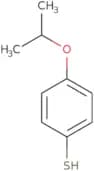
CAS:<p>Versatile small molecule scaffold</p>Formula:C8H2F5NOPurity:Min. 95%Molecular weight:223.1 g/mol4-(Propan-2-yloxy)benzene-1-thiol
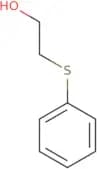
CAS:<p>4-(Propan-2-yloxy)benzene-1-thiol is a chemical that inhibits the enzyme acetyl-coa carboxylase. It is used in medicinal chemistry to create inhibitors of this enzyme. 4-(Propan-2-yloxy)benzene-1-thiol has been found to be selective for the inhibition of acetyl-coa carboxylase and not other enzymes such as malonyl coenzyme A carboxykinase. The high throughput screening of this compound has led to the discovery of new inhibitors with potential therapeutic benefits.</p>Formula:C9H12OSPurity:Min. 95%Molecular weight:168.26 g/mol2-(Phenylthio)ethanol
CAS:<p>2-Phenylthioethanol is a monomer that is used in the synthesis of silver trifluoromethanesulfonate. 2-Phenylthioethanol reacts with hydroxyl groups to form an ether linkage, which is the basis for its use as a monomer. 2-Phenylthioethanol has been shown to react with orthophosphate to form an ester linkage. This reaction is catalyzed by a nucleophile (e.g., chloride) and occurs at neutral pH in the presence of aluminium powder. The rate of this reaction increases with temperature and can be accelerated by diphenyl sulfoxide. The coatings industry uses 2-phenylthioethanol as a solvent for polyvinylchloride and polyurethane coatings, due to its ability to dissolve these materials without degrading them.</p>Formula:C8H10OSPurity:Min. 95%Molecular weight:154.23 g/mol3-[({[(9H-Fluoren-9-yl)methoxy]carbonyl}amino)methyl]furan-2-carboxylic acid
CAS:<p>Versatile small molecule scaffold</p>Formula:C21H17NO5Purity:Min. 95%Molecular weight:363.4 g/molTricyclo[2.2.1.0,2,6]heptane-3-carboxylic acid
CAS:<p>Versatile small molecule scaffold</p>Formula:C8H10O2Purity:Min. 95%Molecular weight:138.16 g/molRef: 3D-AAA69756
Discontinued productalpha-Fluorostyrene
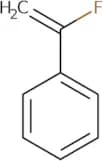
CAS:<p>Styrene is a synthetic monomer that belongs to the group of cycloalkanes. It is a colorless, volatile liquid with a boiling point of at least 100°C and a viscosity of 0.5-2 mm2/s. Styrene is usually used in the production of polystyrene plastic and styrenic resins. Its most well-known application is in the manufacture of polystyrene foam insulation (commonly known as Styrofoam). Styrene can be converted into other compounds by thermolysis, oxidation, or hydrolysis. One such conversion is debromination, which occurs when styrene reacts with bromine in an alkaline solution to produce di-bromostyrene and hydrogen bromide gas. The isotopomers alpha-fluorostyrene and beta-fluorostyrene are derivatives of styrene that are used for analysis purposes because they have different physical properties due to their different masses.</p>Formula:C8H7FPurity:Min. 95%Molecular weight:122.14 g/molRef: 3D-AAA69631
Discontinued productTricyclo[5.2.1.0,2,6]decan-8-amine
CAS:<p>Versatile small molecule scaffold</p>Formula:C10H17NPurity:Min. 95%Molecular weight:151.25 g/molRef: 3D-AAA66951
Discontinued product5-Methyl-5H,6H,7H,8H-imidazo[1,2-a]pyridine-2-sulfonyl chloride
CAS:<p>Versatile small molecule scaffold</p>Formula:C8H11ClN2O2SPurity:Min. 95%Molecular weight:234.7 g/mol4-Methanesulfonylbenzene-1-sulfonamide
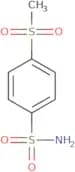
CAS:<p>4-Methanesulfonylbenzene-1-sulfonamide is a research chemical that is used in assays to study the metabolism of penicillium chrysogenum and other fungi. The metabolite 4-methanesulfonylbenzenesulfonic acid has been shown to inhibit fungal growth by inhibiting the synthesis of proteins, such as ribosomal proteins, which are necessary for cell division. This research chemical has also been shown to inhibit the production of aflatoxins, which are carcinogenic compounds produced by Aspergillus flavus and other species of fungi. 4-Methanesulfonylbenzene-1-sulfonamide has been found to be safe for use in humans and animals and can be used as a replacement for methyl bromide due to its sustainable functionality.</p>Formula:C7H9NO4S2Purity:Min. 95%Molecular weight:235.3 g/mol1-(4-Chloro-phenyl)-2,2-difluoro-ethanone
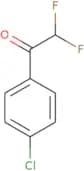
CAS:<p>Versatile small molecule scaffold</p>Formula:C8H5ClF2OPurity:Min. 95%Molecular weight:190.57 g/mol4-Fluoro-2-nitrobenzene-1-sulfonamide
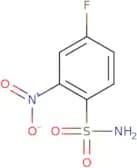
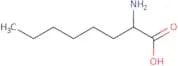
CAS:<p>Versatile small molecule scaffold</p>Formula:C6H5FN2O4SPurity:Min. 95%Molecular weight:220.18 g/molDL-2-Aminocaprylic acid
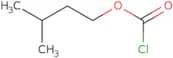
CAS:<p>DL-2-Aminocaprylic acid is a fatty acid that is synthesized from lysine by the enzyme lysine decarboxylase. It is one of the major lipids in cancer cells, and its level can be used to measure the severity of a cancerous tumor. DL-2-Aminocaprylic acid has been shown to have antimicrobial properties against bacteria and fungi. This compound also possesses an inhibitory effect on the biosynthesis of polyunsaturated fatty acids, which may contribute to its anticancer effects.</p>Formula:C8H17NO2Purity:Min. 95%Molecular weight:159.23 g/molIsopentyl chloroformate
CAS:<p>Isopentyl chloroformate is an organic solvent which belongs to the group of chloroformates. It has a structure similar to that of spirodiclofen, a compound with antagonistic properties that can be used for the treatment of blood pressure and disorders in the central nervous system. The chloroformate functional group has been shown to have anti-inflammatory effects on tumor tissue. Isopentyl chloroformate can be used as a pharmaceutical preparation for the treatment of neurological diseases, such as Parkinson's disease, Alzheimer's disease, and multiple sclerosis.</p>Formula:C6H11ClO2Purity:Min. 95%Molecular weight:150.6 g/molRef: 3D-AAA62850
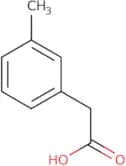
Discontinued productm-Tolylacetic Acid
CAS:<p>m-Tolylacetic Acid is a synthetic compound that is used as an intermediate for the synthesis of epoxides. It is also found in natural compounds, such as filamentous fungus. m-Tolylacetic Acid has been shown to inhibit the growth of Candida albicans and other fungi by inhibiting the production of unsaturated ketones and active enzymes. The uptake and reaction products of this molecule have also been studied using molecular modeling techniques. The kinetic behaviour of m-tolylacetic acid chloride has been investigated using immobilized metal ion complexes and proton NMR spectroscopy.</p>Formula:C9H10O2Purity:Min. 95%Molecular weight:150.18 g/molN-[4-(1-Aminoethyl)-1,3-thiazol-2-yl]-2,2-dimethylpropanamide
CAS:<p>Versatile small molecule scaffold</p>Formula:C10H17N3OSPurity:Min. 95%Molecular weight:227.33 g/molRef: 3D-FJC98224
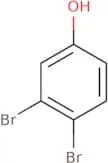
Discontinued product3,4-Dibromophenol
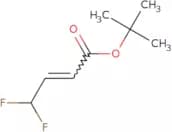
CAS:<p>3,4-Dibromophenol is a chemical compound that has been shown to have adverse health effects on humans. The emissions of 3,4-Dibromophenol are minimized by applying mathematical models that take into account the kinetic and thermodynamic parameters of the bromines and the energies in which they exist. Kinetic theory is used to explain the mechanisms of dimerization and isomers. Variational theory can be used to estimate activation energies for reactions. Functional theory can be applied to estimate theoretical values for parameters in kinetic equations.</p>Formula:C6H4Br2OPurity:Min. 95%Molecular weight:251.9 g/moltert-Butyl 4,4-difluorobut-2-enoate
CAS:<p>Versatile small molecule scaffold</p>Formula:C8H12F2O2Purity:Min. 95%Molecular weight:178.18 g/molRef: 3D-JBD35886
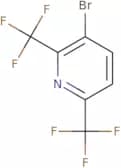
Discontinued product3-Bromo-2,6-bis(trifluoromethyl)pyridine
CAS:<p>Versatile small molecule scaffold</p>Formula:C7H2BrF6NPurity:Min. 95%Molecular weight:293.99 g/molRef: 3D-GXC37886
Discontinued product3-Amino-2-[(2-chlorophenyl)methyl]propanoic acid hydrochloride
CAS:<p>Versatile small molecule scaffold</p>Formula:C10H13Cl2NO2Purity:Min. 95%Molecular weight:250.12 g/molRef: 3D-IAC64062
Discontinued productEthyl imidazo[1,5-a]pyrimidine-8-carboxylate
CAS:<p>Versatile small molecule scaffold</p>Formula:C9H9N3O2Purity:Min. 95%Molecular weight:191.19 g/molRef: 3D-HBA70460
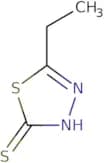
Discontinued product5-Ethyl-1,3,4-thiadiazole-2-thiol
CAS:<p>Versatile small molecule scaffold</p>Formula:C4H6N2S2Purity:Min. 95%Molecular weight:146.2 g/molRef: 3D-MBA66351
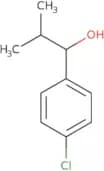
Discontinued product1-(4-Chlorophenyl)-2-methylpropan-1-ol
CAS:<p>Versatile small molecule scaffold</p>Formula:C10H13ClOPurity:Min. 95%Molecular weight:184.66 g/mol5-Bromotricyclo[8.2.1.0,3,8]trideca-3,5,7-trien-13-one
CAS:<p>Versatile small molecule scaffold</p>Formula:C13H13BrOPurity:Min. 95%Molecular weight:265.14 g/molRef: 3D-MPA65766
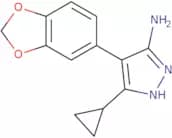
Discontinued product4-(1,3-Dioxaindan-5-yl)-3-cyclopropyl-1H-pyrazol-5-amine
CAS:<p>Versatile small molecule scaffold</p>Formula:C13H13N3O2Purity:Min. 95%Molecular weight:243.26 g/molRef: 3D-MCC61786
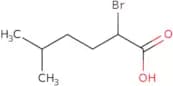
Discontinued product2-Bromo-5-methylhexanoic acid
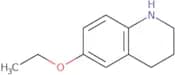
CAS:<p>Versatile small molecule scaffold</p>Formula:C7H13BrO2Purity:Min. 95%Molecular weight:209.08 g/mol6-Ethoxy-1,2,3,4-tetrahydroquinoline
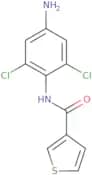
CAS:<p>Versatile small molecule scaffold</p>Formula:C11H15NOPurity:Min. 95%Molecular weight:177.24 g/molN-(4-Amino-2,6-dichlorophenyl)thiophene-3-carboxamide
CAS:<p>Versatile small molecule scaffold</p>Formula:C11H8Cl2N2OSPurity:Min. 95%Molecular weight:287.2 g/molRef: 3D-BMB20445
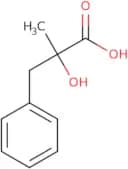
Discontinued product2-Hydroxy-2-methyl-3-phenylpropanoic acid
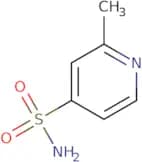
CAS:<p>2-Hydroxy-2-methyl-3-phenylpropanoic acid is a chlorinating agent that can be used as a cancer drug. It is one of the active substances in the plant didemnin, which has shown anticancer effects. 2-Hydroxy-2-methyl-3-phenylpropanoic acid reacts with oxindole to form 2,4,5,6,7 tetrahydrooxindole and 2,4,5,6 tetrahydrodideoxyoxindole. The chlorination reaction is catalyzed by corynebacterium glutamicum and produces epoxides. The epoxide ring opens under physiological conditions and reacts with hydroxyl groups on other molecules to form chlorohydrins or hydroxylamines.</p>Formula:C10H12O3Purity:Min. 95%Molecular weight:180.2 g/mol2-Methylpyridine-4-sulfonamide
CAS:<p>Versatile small molecule scaffold</p>Formula:C6H8N2O2SPurity:Min. 95%Molecular weight:172.21 g/molRef: 3D-GXC49814
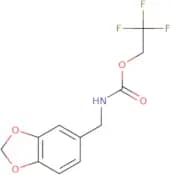
Discontinued product2,2,2-Trifluoroethyl N-(1,3-dioxaindan-5-ylmethyl)carbamate
CAS:<p>Versatile small molecule scaffold</p>Formula:C11H10F3NO4Purity:Min. 95%Molecular weight:277.2 g/molRef: 3D-IAC64081
Discontinued product2-(4-Chloro-3-methyl-1H-pyrazol-1-yl)ethanol
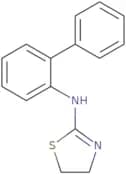
CAS:<p>Versatile small molecule scaffold</p>Formula:C6H9ClN2OPurity:Min. 95%Molecular weight:160.6 g/molN-(2-Phenylphenyl)-4,5-dihydro-1,3-thiazol-2-amine
CAS:<p>Versatile small molecule scaffold</p>Formula:C15H14N2SPurity:Min. 95%Molecular weight:254.4 g/molRef: 3D-IJB00878
Discontinued producttert-Butyl 3-(3,5-difluorophenyl)piperazine-1-carboxylate
CAS:<p>Versatile small molecule scaffold</p>Formula:C15H20F2N2O2Purity:Min. 95%Molecular weight:298.33 g/molRef: 3D-LKB76890
Discontinued product2-Amino-2-cyclopentylethan-1-ol
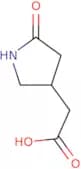
CAS:<p>Versatile small molecule scaffold</p>Formula:C7H15NOPurity:Min. 95%Molecular weight:129.2 g/mol2-(5-oxopyrrolidin-3-yl)acetic acid
CAS:<p>2-(5-Oxopyrrolidin-3-yl)acetic acid is a succinimide monomer that can be polymerized to form polymers. It is also an isomer of hexacyclic and bicyclic compounds, which are both isomers of dimethyl glutarimide. The polymerization of 2-(5-oxopyrrolidin-3-yl)acetic acid is carried out by reacting it with other monomers such as ethylene glycol or methyl methacrylate. The polymerization reaction results in the formation of long chains of molecules called polymers. This process can be carried out in a two step process, where 2-(5-oxopyrrolidin-3-yl)acetic acid first reacts with ethylene glycol to form the desired product and then proceeds to react with methyl methacrylate to produce the desired polymer.</p>Formula:C6H9NO3Purity:Min. 95%Molecular weight:143.14 g/molRef: 3D-HBA74198
Discontinued product4-[4-(Thiophene-2-carbonyl)piperazin-1-yl]-1H-indole
CAS:<p>Versatile small molecule scaffold</p>Formula:C17H17N3OSPurity:Min. 95%Molecular weight:311.4 g/molRef: 3D-GKA45854
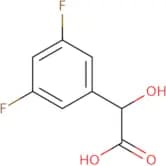
Discontinued productBenzeneacetic acid, 3,5-difluoro-hydroxy-, (S)-
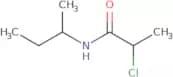
CAS:<p>Benzeneacetic acid, 3,5-difluoro-hydroxy-, (S)- is a ligand that can bind to transition metals such as copper or iron. It has been shown to be a good sensing ligand for the detection of mandelate and enantioselective for the synthesis of chiral molecules. The divalent bonding between the benzeneacetic acid and the metal may be due to coordination or dipyridyl. The stability of this molecule is also dependent on the type of metal it is bonded with.</p>Formula:C8H6F2O3Purity:Min. 95%Molecular weight:188.13 g/molN-(Butan-2-yl)-2-chloropropanamide
CAS:<p>Versatile small molecule scaffold</p>Formula:C7H14ClNOPurity:Min. 95%Molecular weight:163.64 g/molRef: 3D-MDA60353
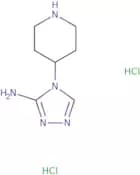
Discontinued product4-(Piperidin-4-yl)-4H-1,2,4-triazol-3-amine dihydrochloride
CAS:<p>Versatile small molecule scaffold</p>Formula:C7H15Cl2N5Purity:Min. 95%Molecular weight:240.13 g/molRef: 3D-DXC57160
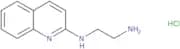
Discontinued productN-(2-Aminoethyl)quinolin-2-amine hydrochloride
CAS:<p>Versatile small molecule scaffold</p>Formula:C11H14ClN3Purity:Min. 95%Molecular weight:223.7 g/molRef: 3D-IJB02708
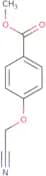
Discontinued productMethyl 4-(cyanomethoxy)benzoate
CAS:<p>Methyl 4-(cyanomethoxy)benzoate is a ligand that has been shown to bind to the active site of enzymes such as x-ray, transition, and azide. It has been used in analyses of x-ray diffraction, fluorescent analysis, and hydrothermal synthesis. The tetrazole ring is a key component in the cycloaddition reaction and can be used for the synthesis of coordination polymers. Methyl 4-(cyanomethoxy)benzoate has also been shown to have emission properties.</p>Formula:C10H9NO3Purity:Min. 95%Molecular weight:191.18 g/molRef: 3D-MFA98824
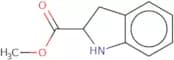
Discontinued productmethyl 2,3-dihydro-1H-indole-2-carboxylate
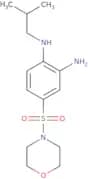
CAS:<p>Methyl 2,3-dihydro-1H-indole-2-carboxylate is an optical isomer of 1,3,5-trimethyl indole. It is a reactive compound that can undergo transesterification reaction with methyl esters or nitroindoles to form antibiotics. Methyl 2,3-dihydro-1H-indole-2-carboxylate has been shown to inhibit the activity of cyclooxygenase and lipase enzymes by forming allyl carbonates. The chemical parameters of this compound have been studied using nuclear magnetic resonance spectroscopy (NMR) and kinetic methods.</p>Formula:C10H11NO2Purity:Min. 95%Molecular weight:177.2 g/mol1-N-(2-Methylpropyl)-4-(morpholine-4-sulfonyl)benzene-1,2-diamine
CAS:<p>Versatile small molecule scaffold</p>Formula:C14H23N3O3SPurity:Min. 95%Molecular weight:313.42 g/mol1-Methyl-5-(pyrazin-2-yl)-1H-pyrazol-4-amine
CAS:<p>Versatile small molecule scaffold</p>Formula:C8H9N5Purity:Min. 95%Molecular weight:175.2 g/molRef: 3D-LJD51061
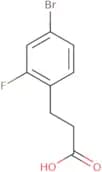
Discontinued product3-(4-Bromo-2-fluorophenyl)propanoic acid
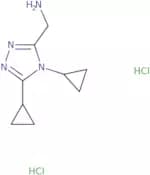
CAS:<p>Versatile small molecule scaffold</p>Formula:C9H8BrFO2Purity:Min. 95%Molecular weight:247.06 g/mol(Dicyclopropyl-4H-1,2,4-triazol-3-yl)methanamine dihydrochloride
CAS:<p>Versatile small molecule scaffold</p>Formula:C9H16Cl2N4Purity:Min. 95%Molecular weight:251.15 g/molRef: 3D-LIC71539
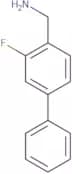
Discontinued product(2-Fluoro-4-phenylphenyl)methanamine
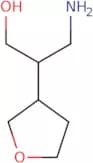
CAS:<p>Versatile small molecule scaffold</p>Formula:C13H12FNPurity:Min. 95%Molecular weight:201.24 g/mol3-Amino-2-(oxolan-3-yl)propan-1-ol
CAS:<p>Versatile small molecule scaffold</p>Formula:C7H15NO2Purity:Min. 95%Molecular weight:145.2 g/molRef: 3D-HWC59162
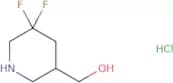
Discontinued product(5,5-difluoropiperidin-3-yl)methanol hcl
CAS:<p>Versatile small molecule scaffold</p>Formula:C6H12ClF2NOPurity:Min. 95%Molecular weight:187.61 g/molRef: 3D-GEC33873
Discontinued product4-(Aminomethyl)-N-(2-methyl-2H-1,2,3,4-tetrazol-5-yl)benzene-1-sulfonamide hydrochloride
CAS:<p>Versatile small molecule scaffold</p>Formula:C9H13ClN6O2SPurity:Min. 95%Molecular weight:304.8 g/molRef: 3D-MKD75092
Discontinued product

![3-[({[(9H-Fluoren-9-yl)methoxy]carbonyl}amino)methyl]furan-2-carboxylic acid](/_next/image/?url=https%3A%2Fstatic.cymitquimica.com%2Fproducts%2F3D%2Fthumb-webp%2FMKD68656.webp&w=3840&q=75)
![Tricyclo[2.2.1.0,2,6]heptane-3-carboxylic acid](/_next/image/?url=https%3A%2Fstatic.cymitquimica.com%2Fproducts%2F3D%2Fthumb-webp%2FAAA69756.webp&w=3840&q=75)
![Tricyclo[5.2.1.0,2,6]decan-8-amine](/_next/image/?url=https%3A%2Fstatic.cymitquimica.com%2Fproducts%2F3D%2Fthumb-webp%2FAAA66951.webp&w=3840&q=75)
![5-Methyl-5H,6H,7H,8H-imidazo[1,2-a]pyridine-2-sulfonyl chloride](/_next/image/?url=https%3A%2Fstatic.cymitquimica.com%2Fproducts%2F3D%2Fthumb-webp%2FJBD31873.webp&w=3840&q=75)
![N-[4-(1-Aminoethyl)-1,3-thiazol-2-yl]-2,2-dimethylpropanamide](/_next/image/?url=https%3A%2Fstatic.cymitquimica.com%2Fproducts%2F3D%2Fthumb-webp%2FFJC98224.webp&w=3840&q=75)
![3-Amino-2-[(2-chlorophenyl)methyl]propanoic acid hydrochloride](/_next/image/?url=https%3A%2Fstatic.cymitquimica.com%2Fproducts%2F3D%2Fthumb-webp%2FIAC64062.webp&w=3840&q=75)
![Ethyl imidazo[1,5-a]pyrimidine-8-carboxylate](/_next/image/?url=https%3A%2Fstatic.cymitquimica.com%2Fproducts%2F3D%2Fthumb-webp%2FHBA70460.webp&w=3840&q=75)
![5-Bromotricyclo[8.2.1.0,3,8]trideca-3,5,7-trien-13-one](/_next/image/?url=https%3A%2Fstatic.cymitquimica.com%2Fproducts%2F3D%2Fthumb-webp%2FMPA65766.webp&w=3840&q=75)



![4-[4-(Thiophene-2-carbonyl)piperazin-1-yl]-1H-indole](/_next/image/?url=https%3A%2Fstatic.cymitquimica.com%2Fproducts%2F3D%2Fthumb-webp%2FGKA45854.webp&w=3840&q=75)