Building Blocks
Subcategories of "Building Blocks"
- Boronic Acids & Boronic Acid Derivatives(5,774 products)
- Chiral Building Blocks(1,237 products)
- Hydrocarbon Building Blocks(6,098 products)
- Organic Building Blocks(60,970 products)
Found 205134 products of "Building Blocks"
2-[(4-Chloro-3,5-dimethyl-1H-pyrazol-1-yl)methyl]quinoline-4-carboxylic acid
CAS:Versatile small molecule scaffold
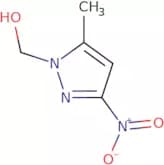
Formula:C16H14ClN3O2Purity:Min. 95%Molecular weight:315.75 g/mol(5-Methyl-3-nitro-1H-pyrazol-1-yl)methanol
CAS:Versatile small molecule scaffold
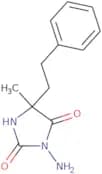
Formula:C5H7N3O3Purity:Min. 95%Molecular weight:157.13 g/mol3-Amino-5-methyl-5-(2-phenylethyl)imidazolidine-2,4-dione
CAS:Versatile small molecule scaffold
Formula:C12H15N3O2Purity:Min. 95%Molecular weight:233.27 g/molRef: 3D-GNB43787
Discontinued product2-[(Cyclopropylcarbamoyl)amino]-4-methylpentanoic acid
CAS:Versatile small molecule scaffold
Formula:C10H18N2O3Purity:Min. 95%Molecular weight:214.26 g/molRef: 3D-GNB43496
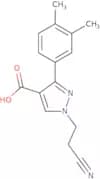
Discontinued product1-(2-Cyanoethyl)-3-(3,4-dimethylphenyl)-1H-pyrazole-4-carboxylic acid
CAS:Versatile small molecule scaffoldFormula:C15H15N3O2Purity:Min. 95%Molecular weight:269.3 g/molRef: 3D-GNB41160
Discontinued product5-Methyl-1-[(2-methylphenyl)methyl]-1H-pyrazol-3-amine
CAS:Versatile small molecule scaffold
Formula:C12H15N3Purity:Min. 95%Molecular weight:201.27 g/molRef: 3D-GNB39377
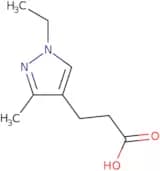
Discontinued product3-(1-Ethyl-3-methyl-1H-pyrazol-4-yl)propanoic acid
CAS:Versatile small molecule scaffold
Formula:C9H14N2O2Purity:Min. 95%Molecular weight:182.22 g/molRef: 3D-GNB37197
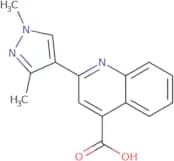
Discontinued product2-(1,3-Dimethyl-1 H -pyrazol-4-yl)-quinoline-4-carboxylic acid
CAS:Versatile small molecule scaffold
Formula:C15H13N3O2Purity:Min. 95%Molecular weight:267.29 g/molRef: 3D-GNB36385
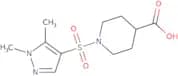
Discontinued product1-(1,5-Dimethyl-1H-pyrazole-4-sulfonyl)-piperidine-4-carboxylic acid
CAS:Versatile small molecule scaffold
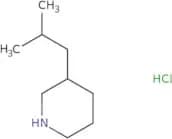
Formula:C11H17N3O4SPurity:Min. 95%Molecular weight:287.34 g/mol3-(2-Methylpropyl)piperidine hydrochloride
CAS:Versatile small molecule scaffoldFormula:C9H20ClNPurity:Min. 95%Molecular weight:177.71 g/molRef: 3D-GNB32488
Discontinued productEthyl 3-[(4-bromo-1H-pyrazol-1-yl)methyl]-1,2,4-oxadiazole-5-carboxylate
CAS:Versatile small molecule scaffoldFormula:C9H9BrN4O3Purity:Min. 95%Molecular weight:301.1 g/molRef: 3D-GNB26416
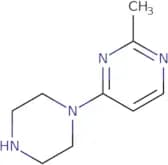
Discontinued product2-Methyl-4-(piperazin-1-yl)pyrimidine
CAS:Versatile small molecule scaffold
Formula:C9H14N4Purity:Min. 95%Molecular weight:178.23 g/molRef: 3D-GFA81667
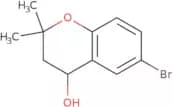
Discontinued product6-Bromo-2,2-dimethyl-3,4-dihydro-2H-1-benzopyran-4-ol
CAS:Versatile small molecule scaffold
Formula:C11H13BrO2Purity:Min. 95%Molecular weight:257.12 g/molRef: 3D-GFA81591
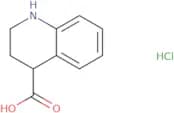
Discontinued product1,2,3,4-Tetrahydroquinoline-4-carboxylic acid hydrochloride
CAS:Versatile small molecule scaffold
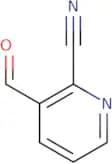
Formula:C10H12ClNO2Purity:Min. 95%Molecular weight:213.66 g/mol3-Formylpicolinonitrile
CAS:Versatile small molecule scaffold
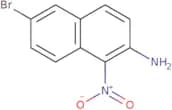
Formula:C7H4N2OPurity:Min. 95%Molecular weight:132.12 g/mol6-Bromo-1-nitronaphthalen-2-amine
CAS:Versatile small molecule scaffold
Formula:C10H7BrN2O2Purity:Min. 95%Molecular weight:267.08 g/molRef: 3D-GFA70740
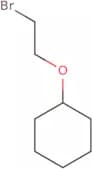
Discontinued product(2-bromoethoxy)cyclohexane
CAS:Versatile small molecule scaffold
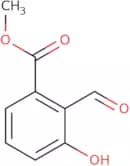
Formula:C8H15BrOPurity:Min. 95%Molecular weight:207.11 g/molMethyl 2-formyl-3-hydroxybenzoate
CAS:Methyl 2-formyl-3-hydroxybenzoate is a formylating agent that reacts with the hydroxyl group of benzene to form a methyl ester. It has been used in the production of polyphosphoric acid, and is also used in the synthesis of salicylic acid and other organic compounds. Methyl 2-formyl-3-hydroxybenzoate reacts with hexamethylenetetramine to produce hexamethylenetricarboxylic acid, which can be reacted with an alcohol to produce an ester. This reagent has been shown to have antifungal activity against Rhizoglyphus sp.
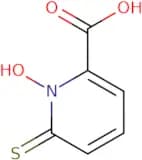
Formula:C9H8O4Purity:Min. 95%Molecular weight:180.16 g/mol1-Hydroxy-6-Thioxo-1,6-Dihydropyridine-2-Carboxylic Acid
CAS:1-Hydroxy-6-Thioxo-1,6-Dihydropyridine-2-Carboxylic Acid is a cellular modulator that acts as a regulator of gene expression. It is an inhibitor of the myotonica chloride channel and inhibits the activity of target enzymes by binding to their active site and blocking them from performing their function. 1-Hydroxy-6-Thioxo-1,6-Dihydropyridine-2-Carboxylic Acid has been shown to be effective in controlling cardiac hypertrophy and preventing heart failure. The molecule also targets ribosomes, which are involved in protein synthesis. This drug has low expression levels in cells and is not very cell culture labile. 1HTCA binds to the ribosome and prevents protein synthesis by inhibiting peptidyl transferase activity.Formula:C6H5NO3SPurity:Min. 95%Molecular weight:171.18 g/molRef: 3D-GFA49025
Discontinued product4-(1-Methylcyclopropyl)benzoic acid
CAS:Versatile small molecule scaffold
Formula:C11H12O2Purity:Min. 95%Molecular weight:176.21 g/molRef: 3D-GFA17040
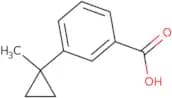
Discontinued product3-(1-Methylcyclopropyl)benzoic acid
CAS:Versatile small molecule scaffold
Formula:C11H12O2Purity:Min. 95%Molecular weight:176.21 g/molRef: 3D-GFA17039
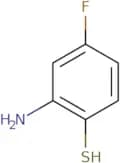
Discontinued product2-Amino-4-fluorobenzene-1-thiol
CAS:Versatile small molecule scaffold
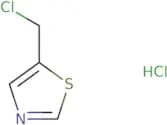
Formula:C6H6FNSPurity:Min. 95%Molecular weight:143.18 g/mol5-(Chloromethyl)thiazole hydrochloride
CAS:5-(Chloromethyl)thiazole hydrochloride (5-CT) is a dopamine transporter inhibitor that is used in research of the dopamine system. This drug binds to the dopamine transporter, thereby blocking dopamine reuptake and prolonging the action of dopamine in synapses. 5-CT has been shown to increase motivation and impair cognitive function, which may be due to its ability to increase dopaminergic neurotransmission.
5-CT is also used as a probe for the study of other neurotransmitter systems such as serotonin, norepinephrine, and acetylcholine.Formula:C4H5Cl2NSPurity:Min. 95%Molecular weight:170.06 g/molRef: 3D-GFA05244
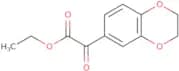
Discontinued productEthyl 3,4-ethylenedioxybenzoylformate
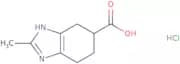
CAS:Versatile small molecule scaffoldFormula:C12H12O5Purity:Min. 95%Molecular weight:236.22 g/mol2-Methyl-4,5,6,7-tetrahydro-1H-1,3-benzodiazole-5-carboxylic acid hydrochloride
CAS:Versatile small molecule scaffoldFormula:C9H13ClN2O2Purity:Min. 95%Molecular weight:216.66 g/molRef: 3D-GFA02046
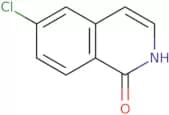
Discontinued product6-Chloroisoquinolin-1-ol
CAS:Versatile small molecule scaffold
Formula:C9H6ClNOPurity:Min. 95%Molecular weight:179.61 g/molRef: 3D-GFA00209
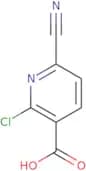
Discontinued product2-Chloro-6-cyanopyridine-3-carboxylic acid
CAS:Versatile small molecule scaffold
Formula:C7H3ClN2O2Purity:Min. 95%Molecular weight:182.56 g/molRef: 3D-GEC85056
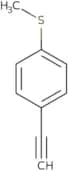
Discontinued product1-Ethynyl-4-(methylsulfanyl)benzene
CAS:1-Ethynyl-4-(methylsulfanyl)benzene (EMSB) is a novel organometallic compound that has been shown to be an inhibitor of cyclooxygenases. EMSB inhibits cox-1 and cox-2, which are enzymes involved in the inflammatory response. Inhibiting these enzymes may lead to the reduction of inflammation, which is implicated in many diseases such as cancer, arthritis, and cardiovascular disease. EMSB has also been shown to have antiinflammatory activity in a gravimetric analysis of human neutrophils. This molecule has been shown to inhibit the production of prostaglandins by inhibiting the enzyme cyclooxygenase and x-ray diffraction data show that this molecule binds with high affinity to cox-1 and cox-2.
Formula:C9H8SPurity:Min. 95%Molecular weight:148.23 g/molRef: 3D-GCA04185
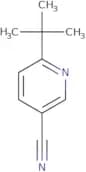
Discontinued product6-Tert-butylnicotinonitrile
CAS:Versatile small molecule scaffold
Formula:C10H12N2Purity:Min. 95%Molecular weight:160.22 g/molRef: 3D-GCA02945
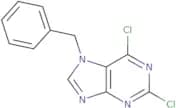
Discontinued product7-Benzyl-2,6-dichloro-7H-purine
CAS:7-Benzyl-2,6-dichloro-7H-purine is a reagent that is used in the synthesis of adenine and other purines. It can be synthesized by coupling 3-methylxanthine with aminoacids and organometallic reagents. This chemical can also be used to selectively synthesize 6-benzyladenine, which is an important precursor to pharmaceuticals. The 7-benzyl group on this chemical has been shown to act as a positional group in the catalytic hydrogenation of amines. This selective hydrogenation process has been found to be regioselective for cycloalkyl amines.
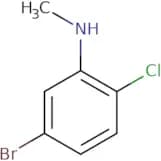
Formula:C12H8Cl2N4Purity:Min. 95%Molecular weight:279.1 g/mol5-Bromo-2-chloro-N-methylaniline
CAS:Versatile small molecule scaffold
Formula:C7H7BrClNPurity:Min. 95%Molecular weight:220.49 g/molRef: 3D-GBC90731
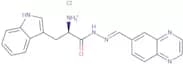
Discontinued productRhosin hydrochloride
CAS:Rhosin hydrochloride is a cardiac glycoside derived from the plant Rhosinus peregrinus. It has been shown to have a regulatory effect on cardiac hypertrophy, and has been used in animal experiments to treat cancer. Rhosin hydrochloride is also known to inhibit cell factor and regulatory adhesions, which are proteins that aid in the binding of cells to other cells or tissue. It has been shown to be effective at inhibiting the uptake of calcium ions by rat cardiomyocytes. These properties make rhosin hydrochloride an attractive target for future research into cardiovascular disease treatment.
Formula:C20H19ClN6OPurity:Min. 95%Molecular weight:394.86 g/molEthyl 3-methyl-5-oxo-[1,3]thiazolo[3,2-a]pyrimidine-6-carboxylate
CAS:Versatile small molecule scaffoldFormula:C10H10N2O3SPurity:Min. 95%Molecular weight:238.27 g/molMethyl 2-nitropropanoate
CAS:Methyl 2-nitropropanoate is a reactive compound that is used as an epigenetic marker. It reacts with lysine residues in proteins and histones, resulting in the methylation of these proteins. Methyl 2-nitropropanoate has been shown to inhibit the replication of DNA and induce cellular apoptosis in mammalian cells. The effector proteins H3K9me2 and H4K5me1 are involved in epigenetic changes that include gene silencing and histone demethylation. Methyl 2-nitropropanoate can also cause clastogenic effects by forming adducts on dna replication enzymes, such as amide and demethylation. Histone lysines are methylated by methyl 2-nitropropanoate, which causes histones to condense into tight bundles of DNA that contribute to the formation of actin filaments.
Formula:C4H7NO4Purity:Min. 95%Molecular weight:133.1 g/molRef: 3D-GAA11850
Discontinued product4-(4-Nitrophenyl)-1H-1,2,3-triazole
CAS:4-(4-Nitrophenyl)-1H-1,2,3-triazole (NPT) is a bioactive molecule that inhibits the growth of promyelocytic leukemia cells by interfering with the activity of certain enzymes. NPT has been shown to inhibit the influenza virus and human cervical carcinoma cells in vitro. In addition, it has been shown to inhibit the proliferation of leukemia HL60 cells. NPT is an unsymmetrical molecule that forms an imine during the enzymatic process. The molecular modeling studies show that this compound binds to the active site of enzyme histidine kinase in a manner similar to ATP. This binding prevents ATP from forming a stable complex with histidine kinase and phosphorylating its target protein, which disrupts cellular homeostasis and leads to cell death.
Formula:C8H6N4O2Purity:Min. 95%Molecular weight:190.16 g/molRef: 3D-GAA11197
Discontinued product(Isothiocyanatomethyl)cyclopropane
CAS:(Isothiocyanatomethyl)cyclopropane is a cyclopropane derivative that has been used to study the conformational properties of molecules in solution. It has been shown that the vibrational frequencies of (isothiocyanatomethyl)cyclopropane are strongly dependent on the solvent, temperature, and concentration. FT-IR spectra show that the molecule has a strong dipole moment and symmetrical vibrations. The theory behind this work is based on the functional theory of quantum mechanics, which predicts that the frequency of vibration should depend on the functions, intensities, and parameters of a molecule. This work also shows how conformational studies can be used to investigate different types of molecules.
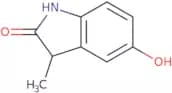
Formula:C5H7NSPurity:Min. 95%Molecular weight:113.18 g/mol5-Hydroxy-3-methyl-2,3-dihydro-1H-indol-2-one
CAS:Versatile small molecule scaffoldFormula:C9H9NO2Purity:Min. 95%Molecular weight:163.17 g/molRef: 3D-GAA06225
Discontinued product7-Methyl-2H,3H,4H-pyrido[1,2-a]pyrimidin-3-ol hydrochloride
CAS:Versatile small molecule scaffoldFormula:C9H13ClN2OPurity:Min. 95%Molecular weight:200.66 g/molRef: 3D-GAA05642
Discontinued product2H,3H-Naphtho[1,2-b]furan-2-one
CAS:2H,3H-Naphtho[1,2-b]furan-2-one is a potent antagonist of the plasminogen activator inhibitor type 1 (PAI-1) and the urokinase-type plasminogen activator (uPA). It has been shown to be a potential therapeutic agent for the treatment of cancer and rheumatoid arthritis. The inhibition of PAI-1 and uPA by 2H,3H-Naphtho[1,2-b]furan-2-one leads to an increase in fibrinolysis or dissolution of blood clots, as well as angiogenesis. This may account for its antitumor activity. 2H,3H-Naphtho[1,2-b]furan-2-one has also been synthesized using intramolecular cyclization reactions with high yields and purity.
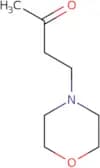
Formula:C12H8O2Purity:Min. 95%Molecular weight:184.19 g/mol4-Morpholin-4-ylbutan-2-one
CAS:Versatile small molecule scaffold
Formula:C8H15NO2Purity:Min. 95%Molecular weight:157.21 g/molRef: 3D-GAA05058
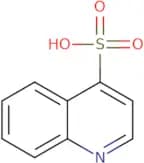
Discontinued productQuinoline-4-sulfonic acid
CAS:Quinoline-4-sulfonic acid is a chemical compound that belongs to the class of quinoline derivatives. It has a linear range of activity and inhibits enzymes such as glutamicum, organisms, additives, metal ion, alkali metal, heterocycle, methyl groups and oxygenated. The optimum pH for this compound is 7. Quinoline-4-sulfonic acid is not very soluble in water but is soluble in an organic solvent such as acetone or ethanol. This molecule has been shown to be active against strains of Escherichia coli.
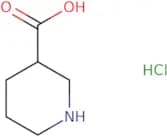
Formula:C9H7NO3SPurity:Min. 95%Molecular weight:209.22 g/molPiperidine-3-carboxylic acid hydrochloride
CAS:Versatile small molecule scaffoldFormula:C6H12ClNO2Purity:Min. 95%Molecular weight:165.62 g/molRef: 3D-GAA03480
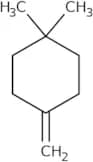
Discontinued product1,1-dimethyl-4-methylidenecyclohexane
CAS:Mesityl oxide is a colorless liquid with a sweet odor that is used as a flavor and fragrance agent. It can be found in the volatile fraction of many essential oils such as lavender, rosemary, and sage. Mesityl oxide has been identified by gas chromatography-mass spectrometry (GC-MS) to be present in the volatile fraction of these oils. It is also found in many foods such as red wine, coffee, and beer. Mesityl oxide has been shown to have differentiating properties in initially similar samples. This compound can be detected by GC-MS using an oxidized pentane extraction procedure.
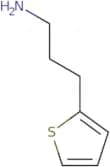
Mesityl oxide is not considered to be toxic at low doses but may cause irritation at high doses.Formula:C9H16Purity:Min. 95%Molecular weight:124.23 g/mol3-(Thiophen-2-yl)propan-1-amine
CAS:3-(Thiophen-2-yl)propan-1-amine is an organic solvent that is used as a reactant in the production of polyphosphoric acid. It is also used in the synthesis of pharmaceuticals. This compound can be produced by reacting chloroformate with propylamine and aluminium chloride in a solution of hydrochloric acid, producing 3-(thiophen-2-yl)propan-1-amine and hydrogen chloride gas. The reaction can also be carried out using phosphoryl chloride and propylamine to produce 3-(thiophen-2-yl)propan-1-amine and phosphorus pentoxide.
Formula:C7H11NSPurity:Min. 95%Molecular weight:141.24 g/molRef: 3D-GAA00790
Discontinued product4H,5H,6H-Thieno[3,4-c]pyrrole-4,6-dione
CAS:4H,5H,6H-Thieno[3,4-c]pyrrole-4,6-dione is a potent antitumor agent that inhibits the activity of protein kinases. It has been shown to have the ability to inhibit tumor growth in animal models and has been shown to be effective against resistant microorganisms such as Staphylococcus aureus and Mycobacterium tuberculosis. 4H,5H,6H-Thieno[3,4-c]pyrrole-4,6-dione has also been shown to improve hematopoiesis by stimulating colony stimulating factor production. This compound is metabolized through a number of metabolic transformations including oxidative deamination by monoamine oxidase or pyridoxal phosphate dependent aminotransferases. The biological properties of 4H,5H,6H-Thieno[3,4-c]pyrrole-4
Formula:C6H3NO2SPurity:Min. 95%Molecular weight:153.16 g/molRef: 3D-GAA00782
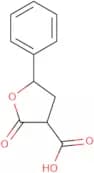
Discontinued product2-Oxo-5-phenyloxolane-3-carboxylic acid
CAS:Versatile small molecule scaffold
Formula:C11H10O4Purity:Min. 95%Molecular weight:206.19 g/molRef: 3D-GAA00595
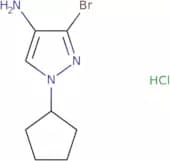
Discontinued product3-Bromo-1-cyclopentyl-1H-pyrazol-4-amine hydrochloride
CAS:Versatile small molecule scaffoldFormula:C8H13BrClN3Purity:Min. 95%Molecular weight:266.56 g/molRef: 3D-FZC90732
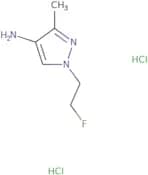
Discontinued product1-(2-Fluoroethyl)-3-methyl-1H-pyrazol-4-amine dihydrochloride
CAS:Versatile small molecule scaffoldFormula:C6H12Cl2FN3Purity:Min. 95%Molecular weight:216.08 g/molRef: 3D-FZC90713
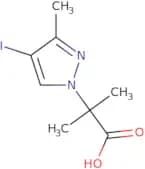
Discontinued product2-(4-Iodo-3-methyl-1H-pyrazol-1-yl)-2-methylpropanoic acid
CAS:Versatile small molecule scaffoldFormula:C8H11IN2O2Purity:Min. 95%Molecular weight:294.09 g/molRef: 3D-FZC90002
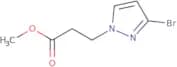
Discontinued productMethyl 3-(3-bromo-1H-pyrazol-1-yl)propanoate
CAS:Versatile small molecule scaffold
Formula:C7H9BrN2O2Purity:Min. 95%Molecular weight:233.06 g/mol
![2-[(4-Chloro-3,5-dimethyl-1H-pyrazol-1-yl)methyl]quinoline-4-carboxylic acid](/_next/image/?url=https%3A%2Fstatic.cymitquimica.com%2Fproducts%2F3D%2Fthumb-webp%2FGNB44076.webp&w=3840&q=75)

![2-[(Cyclopropylcarbamoyl)amino]-4-methylpentanoic acid](/_next/image/?url=https%3A%2Fstatic.cymitquimica.com%2Fproducts%2F3D%2Fthumb-webp%2FGNB43496.webp&w=3840&q=75)
![5-Methyl-1-[(2-methylphenyl)methyl]-1H-pyrazol-3-amine](/_next/image/?url=https%3A%2Fstatic.cymitquimica.com%2Fproducts%2F3D%2Fthumb-webp%2FGNB39377.webp&w=3840&q=75)
![Ethyl 3-[(4-bromo-1H-pyrazol-1-yl)methyl]-1,2,4-oxadiazole-5-carboxylate](/_next/image/?url=https%3A%2Fstatic.cymitquimica.com%2Fproducts%2F3D%2Fthumb-webp%2FGNB26416.webp&w=3840&q=75)

![Ethyl 3-methyl-5-oxo-[1,3]thiazolo[3,2-a]pyrimidine-6-carboxylate](/_next/image/?url=https%3A%2Fstatic.cymitquimica.com%2Fproducts%2F3D%2Fthumb-webp%2FGAA12413.webp&w=3840&q=75)


![7-Methyl-2H,3H,4H-pyrido[1,2-a]pyrimidin-3-ol hydrochloride](/_next/image/?url=https%3A%2Fstatic.cymitquimica.com%2Fproducts%2F3D%2Fthumb-webp%2FGAA05642.webp&w=3840&q=75)
![2H,3H-Naphtho[1,2-b]furan-2-one](/_next/image/?url=https%3A%2Fstatic.cymitquimica.com%2Fproducts%2F3D%2Fthumb-webp%2FGAA05080.webp&w=3840&q=75)
![4H,5H,6H-Thieno[3,4-c]pyrrole-4,6-dione](/_next/image/?url=https%3A%2Fstatic.cymitquimica.com%2Fproducts%2F3D%2Fthumb-webp%2FGAA00782.webp&w=3840&q=75)