Building Blocks
Subcategories of "Building Blocks"
- Boronic Acids & Boronic Acid Derivatives(5,774 products)
- Chiral Building Blocks(1,237 products)
- Hydrocarbon Building Blocks(6,098 products)
- Organic Building Blocks(60,970 products)
Found 205134 products of "Building Blocks"
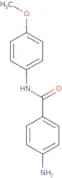
4-Amino-n-(4-methoxyphenyl)benzamide
CAS:4-Amino-N-(4-methoxyphenyl)benzamide is a catalytic sulfamate that has been optimized for use in the synthesis of benzimidazole derivatives. 4-Amino-N-(4-methoxyphenyl)benzamide is used as a reagent for the preparation of aldehydes from sulfamic acid and various types of carboxylic acids. The reaction mechanism involves nucleophilic attack by the hydroxyl group from the sulfamate on the carbonyl carbon atom to form an intermediate, which then reacts with water to release hydrogen sulfate and form a new double bond.
Formula:C14H14N2O2Purity:Min. 95%Molecular weight:242.27 g/molRef: 3D-AAA89135
Discontinued productN-[Carbamothioyl(phenyl)methyl]benzamide
CAS:Versatile small molecule scaffold
Formula:C15H14N2OSPurity:Min. 95%Molecular weight:270.3 g/molRef: 3D-AAA89278
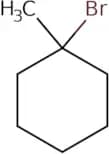
Discontinued product1-Bromo-1-methylcyclohexane
CAS:1-Bromo-1-methylcyclohexane is a monomolecular gas that is used as an intermediate in organic synthesis. It reacts with halides to form cyclopentyl derivatives. This reaction has been shown to be faster than the corresponding reaction of 1-bromocyclohexane with chlorides or bromides. The rate of this reaction may be due to the polarizability and conformational changes of the molecule upon substitution by a methyl group. 1-Bromo-1-methylcyclohexane is also an ionizing reagent, which means it can cause electrophilic reactions to occur on other molecules. It has been found that the solvent effect on this product can affect its reactivity, with solvents such as water having more of an effect than solvents such as benzene. 1-Bromo-1-methylcyclohexane has been shown to interact with other compounds in both transfer and complex
Formula:C7H13BrPurity:Min. 95%Molecular weight:177.08 g/molRef: 3D-AAA93177
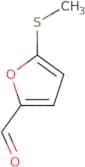
Discontinued product5-(Methylsulfanyl)furan-2-carbaldehyde
CAS:Versatile small molecule scaffold
Formula:C6H6O2SPurity:Min. 95%Molecular weight:142.18 g/molRef: 3D-AAA93294
Discontinued product2-Cyclopropyl-1-phenylpropan-2-amine
CAS:Versatile small molecule scaffold
Formula:C12H17NPurity:Min. 95%Molecular weight:175.27 g/molRef: 3D-HWB64164
Discontinued product4-[(4-Methylpyrimidin-2-yl)oxy]aniline
CAS:Versatile small molecule scaffold
Formula:C11H11N3OPurity:Min. 95%Molecular weight:201.22 g/molRef: 3D-ZAC86467
Discontinued product2-(2,6-Difluorophenyl)-2-(dimethylamino)acetic acid hydrochloride
CAS:Versatile small molecule scaffoldFormula:C10H12ClF2NO2Purity:Min. 95%Molecular weight:251.66 g/molRef: 3D-YGC02451
Discontinued product4-Acetyl-5-methyl-3-(propan-2-yl)-1H-pyrrole-2-carboxylic acid
CAS:Versatile small molecule scaffold
Formula:C11H15NO3Purity:Min. 95%Molecular weight:209.24 g/molRef: 3D-YGC02414
Discontinued product2-(5-Chloro-1-methyl-1H-imidazol-2-yl)-2,2-difluoroacetic acid hydrochloride
CAS:Versatile small molecule scaffoldFormula:C6H6Cl2F2N2O2Purity:Min. 95%Molecular weight:247 g/molRef: 3D-YGC02390
Discontinued product2-[(5-Methyl-1,2-oxazol-3-yl)methyl]propanedioic acid
CAS:Versatile small molecule scaffold
Formula:C8H9NO5Purity:Min. 95%Molecular weight:199.2 g/molRef: 3D-YDA03434
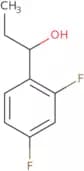
Discontinued product1-(2,4-Difluorophenyl)propan-1-ol
CAS:Versatile small molecule scaffold
Formula:C9H10F2OPurity:Min. 95%Molecular weight:172.17 g/molRef: 3D-XZB99805
Discontinued product3-(4-Iodophenoxymethyl)pyridine
CAS:Versatile small molecule scaffold
Formula:C12H10INOPurity:Min. 95%Molecular weight:311.12 g/molRef: 3D-XZB92489
Discontinued product5-Bromo-2-[(oxolan-3-yl)methoxy]aniline
CAS:Versatile small molecule scaffoldFormula:C11H14BrNO2Purity:Min. 95%Molecular weight:272.14 g/molRef: 3D-XZB75276
Discontinued product1-[4-Methyl-2-(4-methylphenyl)-1,3-thiazol-5-yl]ethan-1-ol
CAS:Versatile small molecule scaffoldFormula:C13H15NOSPurity:Min. 95%Molecular weight:233.33 g/molRef: 3D-XZB72183
Discontinued product5-Fluoropyridine-3-sulfonamide
CAS:Versatile small molecule scaffold
Formula:C5H5FN2O2SPurity:Min. 95%Molecular weight:176.17 g/molQuinoxaline-2-sulfonamide
CAS:Quinoxaline-2-sulfonamide is a drug that inhibits the enzyme gyrase, which plays an important role in DNA replication and transcription. It has been shown to be effective against pancreatic cancer cells and T-cell lymphomas. Quinoxaline-2-sulfonamide binds to the receptor on the surface of the cancer cell and prevents it from dividing. This drug also inhibits inflammatory diseases by binding to receptors in target tissues. The pharmacophore of this drug is similar to that of quinine, which has been shown to inhibit virus growth. Quinoxaline-2-sulfonamide can be administered orally for the treatment of some cancers, including stomach cancer, colon cancer, and breast cancer.
Formula:C8H7N3O2SPurity:Min. 95%Molecular weight:209.23 g/molRef: 3D-XZB52873
Discontinued productEthyl 3-{bicyclo[2.2.1]heptan-2-yl}propanoate
CAS:Versatile small molecule scaffoldFormula:C12H20O2Purity:Min. 95%Molecular weight:196.29 g/molRef: 3D-XWC12157
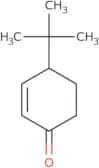
Discontinued product4-tert-Butylcyclohex-2-en-1-one
CAS:Versatile small molecule scaffold
Formula:C10H16OPurity:Min. 95%Molecular weight:152.23 g/molRef: 3D-AAA93707
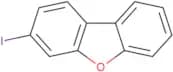
Discontinued product3-Iododibenzofuran
CAS:3-Iododibenzofuran is a fluorescent compound that has been used as a probe for the study of neutral endopeptidase activity. The compound is characterized by a high degree of thermal stability and an inhibitory potency at pH 7.0 that is approximately 3 orders of magnitude greater than that of the active site inhibitor, anthracene. 3-Iododibenzofuran can be synthesized using chemoenzymatic methods, with efficiencies and profiles that are similar to those obtained in the conventional method. This probe can also be used to investigate the functional role of proteins in living cells or tissues.
3-Iodobenzofuran has been shown to have pressor effects in rats and can cause tetrazole (a type of explosive) to detonate when heated, which makes it unsuitable for use in devices such as explosives or pyrotechnics.Formula:C12H7IOPurity:Min. 95%Molecular weight:294.09 g/molRef: 3D-FAA89629
Discontinued productPiperazine-1-sulfonamide
CAS:Piperazine-1-sulfonamide is a protein inhibitor that belongs to the group of regulatory agents. It is used to regulate the growth of various types of cells, including immune cells and smooth muscle cells. Piperazine-1-sulfonamide has been shown to inhibit chemokine receptor activity in inflammatory bowel disease, which may be due to its ability to inhibit CXCR4 and CCR5 receptors. This drug also inhibits dpp-iv, an enzyme involved in protein degradation. The pharmacokinetic properties of this agent are not well studied, but it does show toxicity studies in rats at higher doses. Piperazine-1-sulfonamide can cause congestive heart failure and liver damage at high doses, so it should not be used for prolonged periods of time.
Formula:C4H11N3O2SPurity:Min. 95%Molecular weight:165.21 g/molRef: 3D-FAA90630
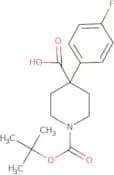
Discontinued productBoc-4-(4-fluorophenyl)-piperidine-4-carboxylic acid
CAS:Please enquire for more information about Boc-4-(4-fluorophenyl)-piperidine-4-carboxylic acid including the price, delivery time and more detailed product information at the technical inquiry form on this page
Formula:C17H22FNO4Purity:Min. 95%Molecular weight:323.36 g/mol2-Hydroxyethyl benzoate
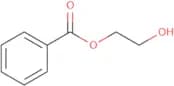
CAS:2-Hydroxyethyl benzoate is a model system that has been used to study the mechanism of hydrolysis of an ester with a hydroxyl group. The reaction products are a metal hydroxide and a chloride ion. 2-Hydroxyethyl benzoate is an antimicrobial agent that has shown activity against bacteria, fungi, and protozoa. It is thought to work by reacting with fatty acids in the cell membrane, leading to disruption of the membrane and leakage of cellular contents. It also reacts with chloride ions to form hydroxybenzoic acid and water molecules. The activation energy for this reaction was found to be around 19 kJ mol−1.
Formula:C9H10O3Purity:Min. 95%Molecular weight:166.17 g/mol4-Bromo-2,3-difluoropyridine
CAS:Versatile small molecule scaffold
Formula:C5H2BrF2NPurity:Min. 95%Molecular weight:193.98 g/moltert-Butyl (2,2-difluoro-3-hydroxypropyl)carbamate
CAS:Versatile small molecule scaffoldFormula:C10H13NO4Purity:Min. 95%Molecular weight:211.21 g/mol4-Chloro-2-hydroxy-6-methylphenylboronic acid
CAS:Versatile small molecule scaffoldFormula:C7H8BClO3Purity:Min. 95%Molecular weight:186.4 g/mol3-Hydroxy-5-methylpyridine
CAS:3-Hydroxy-5-methylpyridine (3HMP) is a chemical substance that has been classified as an amine. It is a product of the metabolism of purines, which are nitrogenous bases found in DNA and RNA. 3HMP is produced by aerogenic bacteria (such as Enterobacter), and can be used to estimate the number of these bacteria present in water samples. 3HMP has been shown to have antiviral properties against influenza virus, and can be used as a biomarker for the presence of other viruses in animals. 3HMP also has mineralization properties, which have been studied extensively, particularly with regards to pancreatic disease.
Formula:C6H7NOPurity:Min. 95%Color and Shape:PowderMolecular weight:109.13 g/molRef: 3D-FH16174
Discontinued product1-Hydroxycyclopentane-1-carbonitrile
CAS:1-Hydroxycyclopentane-1-carbonitrile is a monomer that is hydrolyzed to form benzoin and cyanohydrins. It can be used in the production of scifinder as a monomer or dimerizer.
Formula:C6H9NOPurity:Min. 95%Molecular weight:111.14 g/mol2-Bromo-3,3,3-trifluoro-1-propene
CAS:Controlled Product2-Bromo-3,3,3-trifluoro-1-propene is a chemical compound that has been synthesized in an asymmetric reaction. The reactant is bromopropane and the product is 2,2,2-trifluoropropene. The methylene group on the propene molecule is activated by the nucleophilic attack of a fluoride ion from hydrogen fluoride to form a cavity with a highly strained bond. The kinetic study of this reaction revealed that the activation energy for the reaction is 42 kJ/mol. Palladium-catalyzed coupling reactions are catalyzed by palladium and require nonpolar solvents such as toluene or dichloromethane. This type of reaction has been shown to be exothermic with an isolated yield of 1%.
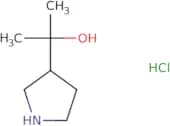
Formula:C3H2BrF3Purity:Min. 95%Color and Shape:Colorless PowderMolecular weight:174.95 g/mol(S)-2-(3-Pyrrolidinyl)-2-propanol Hydrochloride ee
CAS:Versatile small molecule scaffold
Formula:C7H16ClNOPurity:Min. 95%Molecular weight:165.66 g/mol8-Bromo-2-methylimidazo[1,2-a]pyridine
CAS:Versatile small molecule scaffold
Formula:C8H7N2BrPurity:Min. 95%Molecular weight:211.05 g/mol4,5-Dihydro-1H-imidazol-2-amine hydrochloride
CAS:Please enquire for more information about 4,5-Dihydro-1H-imidazol-2-amine hydrochloride including the price, delivery time and more detailed product information at the technical inquiry form on this page
Formula:C3H7N3•HClPurity:Min. 95%Molecular weight:121.57 g/molRef: 3D-FD183639
Discontinued product4,5-Dihydroxy-2,3-Pentanedione
CAS:4,5-Dihydroxy-2,3-pentanedione is a carbonyl compound that is the product of the oxidation of ascorbic acid. It is used in wastewater treatment and has antimicrobial properties against infectious diseases. This compound has been shown to inhibit protein synthesis by binding to the ribosome and preventing the formation of peptide bonds between amino acids. 4,5-Dihydroxy-2,3-pentanedione has also been shown to bind to plasma proteins, which may be due to its acyl chain structure. 4,5-Dihydroxy-2,3-pentanedione can be synthesized in a catalytic mechanism that involves dehydroascorbic acid and molecular oxygen.
Formula:C5H8O4Purity:Min. 95%Color and Shape:PowderMolecular weight:132.11 g/molRef: 3D-FD180770
Discontinued productPiperyline
CAS:Piperyline is an alkanoic acid that has shown to be effective against skin cancer. It also has antimicrobial properties, which may be due to its ability to bind metal ions and form polymeric compounds. Piperyline inhibits microbial growth by inhibiting the synthesis of proteins and nucleic acids. The antimicrobial activity is related to its cationic polymerization with hydroxyl groups, which forms a structure that can inhibit microbial enzymes and disrupt microbial cell membranes. This compound also interacts with the skin's natural lipids, making it difficult for microorganisms to attach and grow on the skin. Piperyline is synthesized in organic chemistry laboratories as an amide precursor of other pharmaceuticals such as penicillin.
Formula:C16H17NO3Purity:Min. 95%Molecular weight:271.31 g/molMacaridine
CAS:Please enquire for more information about Macaridine including the price, delivery time and more detailed product information at the technical inquiry form on this page
Formula:C13H13NO2Purity:Min. 95%Molecular weight:215.25 g/molRef: 3D-FM183770
Discontinued product

![N-[Carbamothioyl(phenyl)methyl]benzamide](/_next/image/?url=https%3A%2Fstatic.cymitquimica.com%2Fproducts%2F3D%2Fthumb-webp%2FAAA89278.webp&w=3840&q=75)

![4-[(4-Methylpyrimidin-2-yl)oxy]aniline](/_next/image/?url=https%3A%2Fstatic.cymitquimica.com%2Fproducts%2F3D%2Fthumb-webp%2FZAC86467.webp&w=3840&q=75)

![2-[(5-Methyl-1,2-oxazol-3-yl)methyl]propanedioic acid](/_next/image/?url=https%3A%2Fstatic.cymitquimica.com%2Fproducts%2F3D%2Fthumb-webp%2FYDA03434.webp&w=3840&q=75)

![5-Bromo-2-[(oxolan-3-yl)methoxy]aniline](/_next/image/?url=https%3A%2Fstatic.cymitquimica.com%2Fproducts%2F3D%2Fthumb-webp%2FXZB75276.webp&w=3840&q=75)
![1-[4-Methyl-2-(4-methylphenyl)-1,3-thiazol-5-yl]ethan-1-ol](/_next/image/?url=https%3A%2Fstatic.cymitquimica.com%2Fproducts%2F3D%2Fthumb-webp%2FXZB72183.webp&w=3840&q=75)


![Ethyl 3-{bicyclo[2.2.1]heptan-2-yl}propanoate](/_next/image/?url=https%3A%2Fstatic.cymitquimica.com%2Fproducts%2F3D%2Fthumb-webp%2FXWC12157.webp&w=3840&q=75)







![8-Bromo-2-methylimidazo[1,2-a]pyridine](/_next/image/?url=https%3A%2Fstatic.cymitquimica.com%2Fproducts%2F3D%2Fthumb-webp%2FUXB37475.webp&w=3840&q=75)